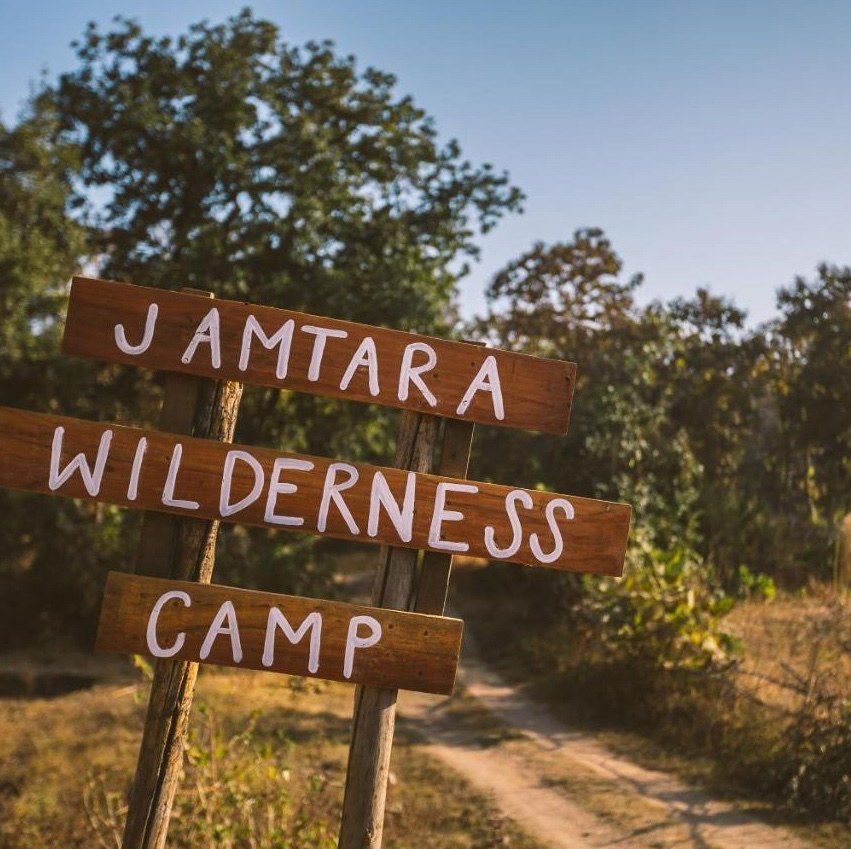

Jamtara Wilderness Camp - Pench National Park
Village of Jamtara, Chhindwara
Hotel in Chhindwara, India
 Book with Pearl
Why go
Choose Jamtara Wilderness Camp - Pench National Park if the trip is built around Pench, not Chhindwara convenience. Its 2025 MICHELIN Guide hotel selection gives it a stronger quality signal than a basic park lodge, but first-timers should confirm room setup, meals, and transfers before committing.
About Jamtara Wilderness Camp - Pench National Park
Jamtara Wilderness Camp - Pench National Park is a Chhindwara venue identified with Pench National Park. It has a casual dress code and is listed in the MICHELIN Guide hotel selection for 2025. Before booking, ask the property directly about room categories, dining, facilities, transfers, prices, and on-site activities.
The MICHELIN Guide hotel selection for 2025 is its clearest recognition. It distinguishes the property from an ordinary listing, but guests should still check the practical essentials that matter for their trip.
Choose it for a Pench National Park-oriented stay, not a city-hotel substitute
The most grounded way to understand Jamtara Wilderness Camp - Pench National Park is through its name and city: this is a Chhindwara stay identified with Pench National Park rather than a conventional urban hotel profile. If your plans depend on city-style convenience, extensive facilities, or a known business-hotel setup, confirm those arrangements directly rather than assuming them.
The booking decision should focus on fit rather than promised extras. Confirm the room setup, meal arrangements, transfers, and any activity plans directly with the property before committing. The dress code is casual.
Where it sits in an India hotel shortlist
Use the wider India hotel context carefully. Compare Jamtara Wilderness Camp - Pench National Park with Hotel Anand based on the kind of stay you need and the details each property provides directly. For a different style of trip, Oberoi Rajgarh Palace, Park Hyatt Hyderabad, Taj Falaknuma Palace, and Taj Usha Kiran Palace, Gwalior may belong on a broader India shortlist, but they should not be treated as substitutes for a Chhindwara stay without checking location, purpose, and logistics.
Planning details
- Location
- Pench National Park, Village Jamatra, Chaurai, Jamtra, Madhya Pradesh 480110, India
- Website
- jamtarawilderness.com
- Phone
- +91 96259 22313
The take
The Take
The Vibe
Jamtara Wilderness Camp reads as a restrained, design‑forward safari camp that lets the forest dictate the mood. Built elements stay low and permeable so the canopy and seasonal grassland remain the dominant spatial presence; the experience aligns more with East African tented camps than the ornate palace tradition. Michelin’s Selected designation reinforces a polished, considered hospitality approach rather than overt flash. The overall tone is quiet and sophisticated: guests encounter careful architecture and service that privilege immersion in the woodland setting over theatrical luxury.
Best For
This camp is best for travellers who prioritise immersive nature, considered design and privacy. Its location in Pench’s buffer zone and the emphasis on the forest as architecture make it a strong pick for couples seeking a quiet romantic escape, guests looking for a restorative wellness‑oriented break, and design‑minded visitors curious about a low‑impact, tented luxury experience. It also suits weekenders aiming to reconnect with wildlife and the rhythms of the forest without the trappings of typical urban luxury hotels.
Venue details
Ambiance
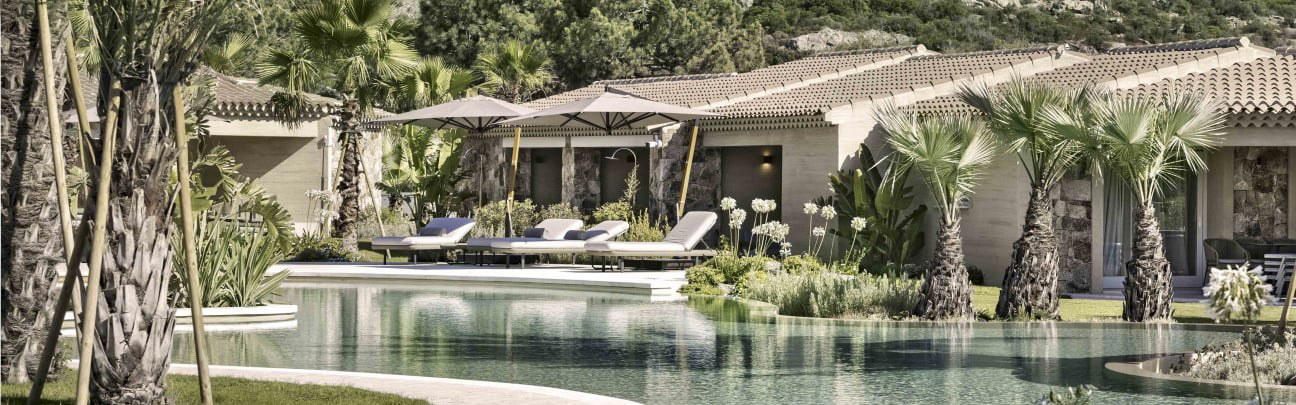
Serene jungle atmosphere with safari colonial decor, natural light in airy tents, and relaxing poolside lounging amid forest views.
Tags
Vibe
Best For
Experience
Amenities
View
Accessibility
About the Stay
- Rooms
- 12
- Property Style
- Eco Luxury Tented Safari Camp Inspired by Ancient Banyan Tree and Jungle Wilderness
- Design Style
- Safari Colonial with Clean Wood, Antiqued Furniture, Indian Tapestries, and Art Deco Elements
Know before you go
Know Before You Go
- Getting there
- Pench National Park, Village Jamatra, Chaurai, Jamtra, Madhya Pradesh 480110, India
Planning details
Location
Pench National Park, Village Jamatra, Chaurai, Jamtra, Madhya Pradesh 480110, India · Directions
Recognition and awards
Also consider
Also Consider
- Hotel Anand, Notable alternative
- Oberoi Rajgarh Palace, Notable alternative
- Taj Usha Kiran Palace, Gwalior, Notable alternative
- Park Hyatt Hyderabad, Notable alternative
- Taj Falaknuma Palace, Notable alternative
Hotel context
How it compares with nearby and regional hotel choices
Against Hotel Anand, Jamtara Wilderness Camp - Pench National Park is the more experience-led choice if Pench National Park is the reason for traveling. Hotel Anand is the simpler practical pick for a Chhindwara stopover, while Jamtara is better suited to guests who want the stay to support a safari-focused itinerary. Booking difficulty is marked easy here, which helps if plans are forming late, but transfers and park timing still need to be checked before committing.
Oberoi Rajgarh Palace and Taj Usha Kiran Palace, Gwalior are stronger fits for travelers who want heritage-hotel atmosphere and a more formal palace-style stay. Choose them for a grander hotel experience; choose Jamtara for a lower-key wilderness base where the surrounding park matters more than the building itself. Value depends on trip purpose: a palace stay makes more sense for comfort and ceremony, while Jamtara makes more sense when most of the value comes from being in the Pench area.
Park Hyatt Hyderabad is the safer business-travel choice, with a city-hotel format that will suit meetings, dining variety, and urban logistics better. Taj Falaknuma Palace is the splurge comparison for travelers who want a destination hotel with stronger ceremony and service theater. Jamtara is the practical recommendation only when the ambiance sought is wilderness and the itinerary is built around Pench rather than Hyderabad, Gwalior, or a palace circuit.
Explore Chhindwara
Around this place
Discover more on Pearl
Unlock the full Jamtara Wilderness Camp - Pench National Park guide in Pearl, including awards, comparisons, FAQs, planning details, and nearby places.
Compare Jamtara Wilderness Camp - Pench National Park
| Venue | Location | Awards |
|---|---|---|
| Jamtara Wilderness Camp - Pench National Park | Chhindwara | 2025 Michelin Selected Hotels |
| Hotel Anand | Jabalpur | No published awards |
| Oberoi Rajgarh Palace | Khajuraho | No published awards |
| Taj Usha Kiran Palace, Gwalior | Gwalior | 2025 Michelin 1 Key |
| Park Hyatt Hyderabad | Hyderabad | No published awards |
| Taj Falaknuma Palace | Hyderabad | 2026 Virtuoso Luxury Hotel Collection2026 La Liste Top Hotels2025 Michelin 3 Keys2025 Conde Nast Hotels Gold List |





How Jamtara Wilderness Camp - Pench National Park compares with similar nearby venues.
FAQ
Frequently Asked Questions
Which room category is best at Jamtara Wilderness Camp - Pench National Park?
Choose only after confirming the current room options directly with the property. It is listed in the MICHELIN Guide, Hotels Selected (2025), and the dress code is casual.
Is Jamtara Wilderness Camp - Pench National Park good for business travel?
When is the best time to book Jamtara Wilderness Camp - Pench National Park?
Book once your Chhindwara plans are firm and after confirming the practical details that matter to your stay. Its MICHELIN Guide, Hotels Selected (2025) status is a useful reason to plan carefully, but availability, policies, and logistics should be checked directly with the property.
How does Jamtara Wilderness Camp - Pench National Park compare to other hotels?
Compare it with Hotel Anand if you are weighing options, and check the current details of each property before deciding. Oberoi Rajgarh Palace, Taj Usha Kiran Palace, Gwalior, Taj Falaknuma Palace, and Park Hyatt Hyderabad may suit different India itineraries, but they should be compared by location, style, and trip purpose rather than assumed to serve the same need.