

Relais de Chambord
Chambord
Hotel in Chambord, France
 Book with Pearl
The Read
Château-Threshold Address
Why go
Choose Relais de Chambord if the trip is built around Chambord itself and the setting matters more than broad regional convenience. It is a strong fit for a quiet celebration or couple's stay, with recognized hotel-guide credentials; business travelers should choose it mainly when their schedule is tied to Chambord.
About Relais de Chambord
Relais de Chambord is a hotel in Chambord with a smart casual dress code, membership in Small Luxury Hotels of the World in 2025, a Mr & Mrs Smith Seal of Approval in 2026, and selection in the MICHELIN Guide hotels list in 2025. Those facts are helpful, but they are narrow. They indicate that the property appears in several curated hotel contexts and that guests should expect a polished, smart-casual frame rather than a purely informal stopover. Beyond those points, specific claims about facilities, dining, room categories, prices, hours, or service details should be confirmed directly before booking.
That makes the practical read direct: consider Relais de Chambord when staying in Chambord itself is the priority, and compare it carefully with other options if the trip depends on specific amenities or a broader itinerary. The recognition gives a useful quality signal, but it should not be read as proof of any particular room style, restaurant format, spa offering, or business setup. In other words, the public signals help establish the level of consideration, not the full contents of the stay. The safer approach is to decide first whether Chambord is the right anchor, then verify the details that would make the booking work.
The location carries the stay, so pay for it only if Chambord is the plan
The strongest reason to keep Relais de Chambord on a shortlist is simple: it is in Chambord. If that location is central to the trip, the hotel may be a natural fit. The value of the stay therefore rests heavily on how much the traveler wants Chambord to be the base rather than one stop within a larger route. If the stay depends on confirmed dining details, meeting facilities, wellness services, or a precise budget, those details should be checked directly rather than assumed from the name or recognition alone.
Recognition from Small Luxury Hotels of the World, Mr & Mrs Smith, and the MICHELIN Guide hotel selection gives useful quality signal without turning this into an automatic yes. Those markers place the hotel within curated travel references, but they do not verify every feature a guest may care about. A listing or seal can support confidence in the overall positioning, while still leaving important practical questions unanswered. Treat it as a Chambord-led choice first and a luxury checklist second.
Who should choose it over a broader base
Relais de Chambord makes the most sense for travelers who specifically want to stay in Chambord and are comfortable confirming practical details before committing. Its profile supports a smart-casual, curated-hotel expectation, but does not establish exact pricing, room hierarchy, meal service, transport convenience, or business-travel infrastructure. That distinction matters because a traveler choosing a hotel for atmosphere and location may need less confirmation than one planning around schedules, work needs, accessibility of services, or tightly managed costs.
For comparison, consider Relais de Chambord alongside Ezia, Fleur de Loire, La Borde en Sologne, Les Hayes en Sologne, and Les Sources de Cheverny, depending on whether the trip is centered on Chambord or on the wider area. The comparison should be practical rather than symbolic: one property may suit a Chambord-focused stay, while another may make more sense if the plan spreads beyond Chambord. Other dining and hotel options in Chambord can also be considered generically.
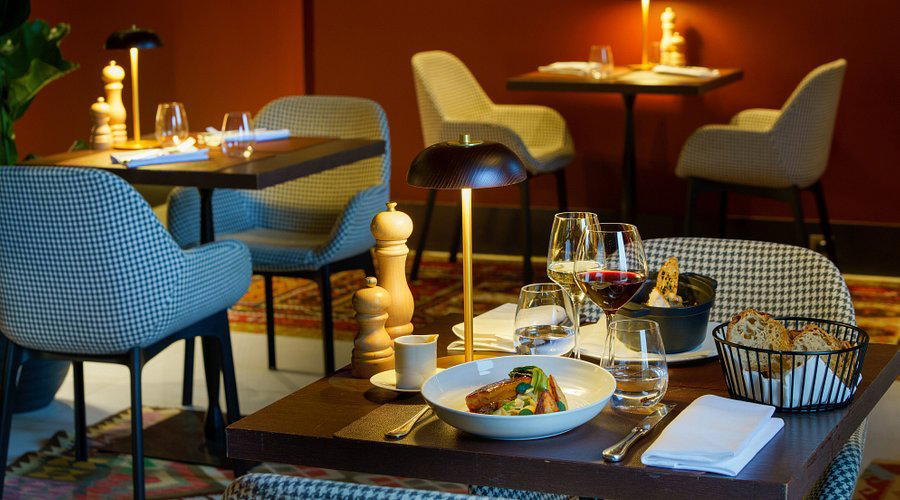
Inside Relais de Chambord
Planning details
- Location
- Place Saint-Louis, 41250 Chambord
- Website
- relaisdechambord.com
- Phone
- +33 2 54 81 01 01
The take
The Take
The Vibe
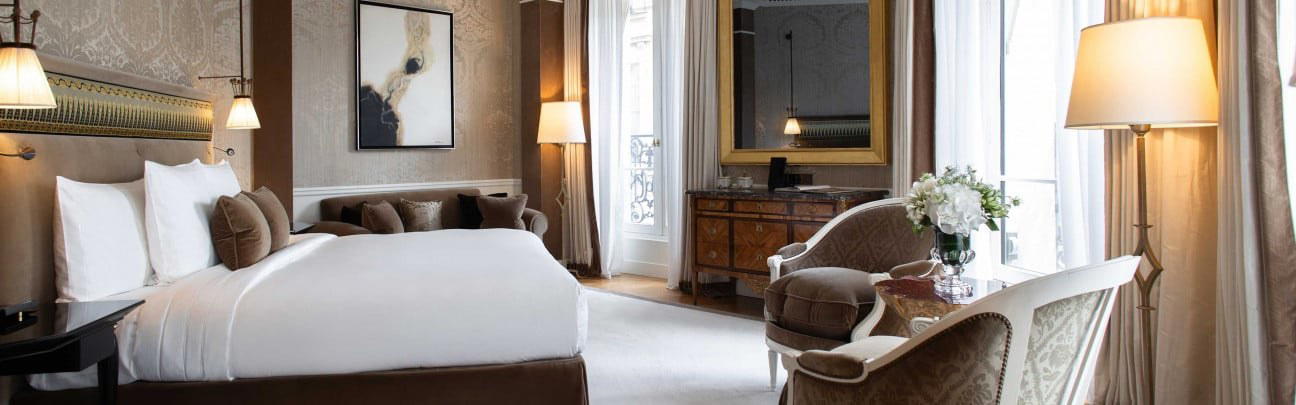
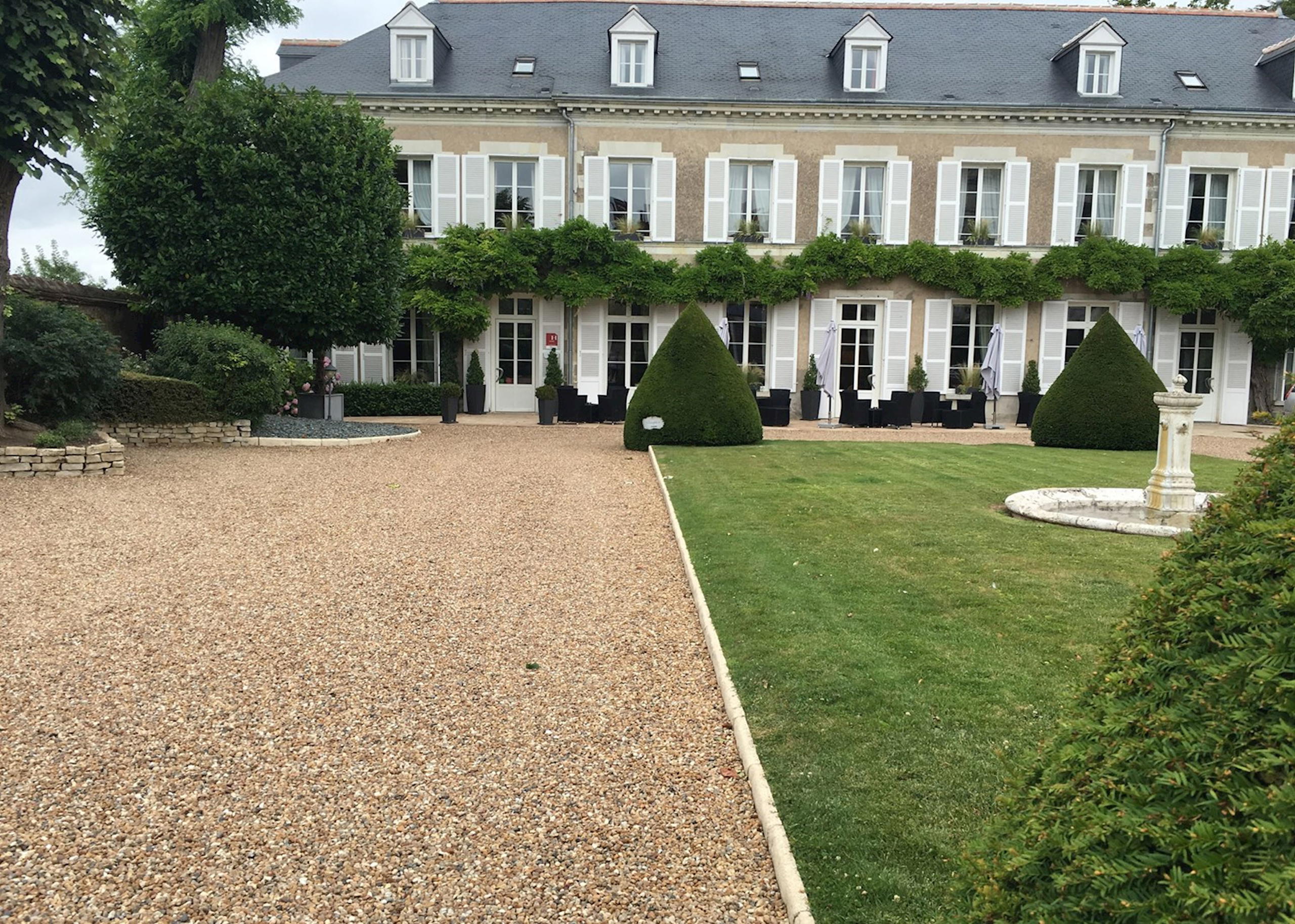
Relais de Chambord settles into a quietly historic register, where the hotel's character is defined by immediate contact with Renaissance architecture rather than by showy interiors. The property foregrounds a small‑scale, contemplative experience: rooms and common areas are arranged around sightlines to the château, and changing hours of light—dawn mist, flat midday clarity, amber late afternoon—become part of the stay. That relationship to place gives the hotel a timeless, intimate quality: it rewards repeated looking and slow attention rather than brisk sightseeing, making it feel like a measured, low‑key retreat embedded in the Loire landscape.
Best For
This hotel is ideally suited to travelers who want more than a one‑off visit to Chambord. Its chief appeal is proximity to the château: guests can experience the rooftop skyline at different times of day without leaving the property, so it's especially good for couples and travelers seeking an immersive architectural or heritage stay. The hotel's placement in the luxury, heritage tier also makes it appropriate for weekend escapes and other special‑occasion breaks where the setting and repeated, framed views of the château are the primary draw.
Stay Tips
Ask at booking for a room or suite with direct sightlines toward the Château de Chambord—the description emphasises that the château 'organises nearly every sightline on the property,' so a château‑facing room amplifies the core experience. Time your days for sunrise and late afternoon when the text notes the building reads very differently in changing light; dawn brings mist and early colour, while late afternoon offers amber tones. If architecture or photography is a priority, mention it to the front desk so they can advise on the best rooms and viewing points on the property.
Venue details
Ambiance
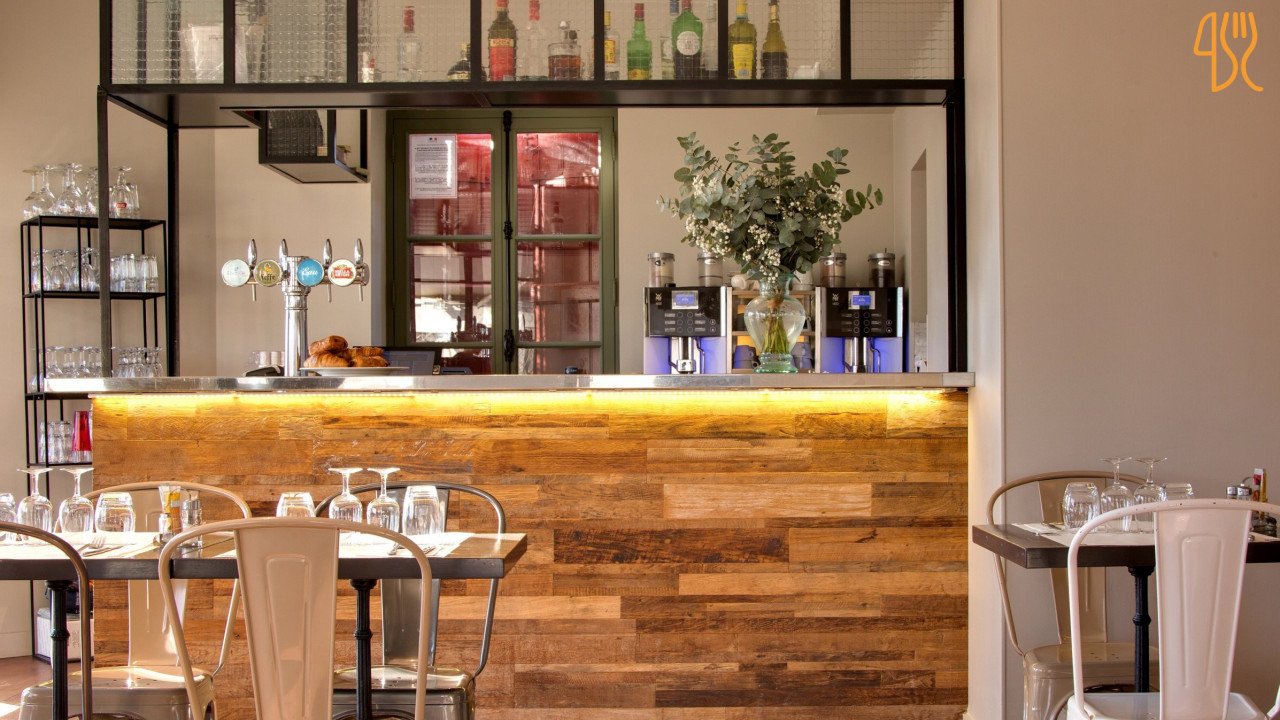
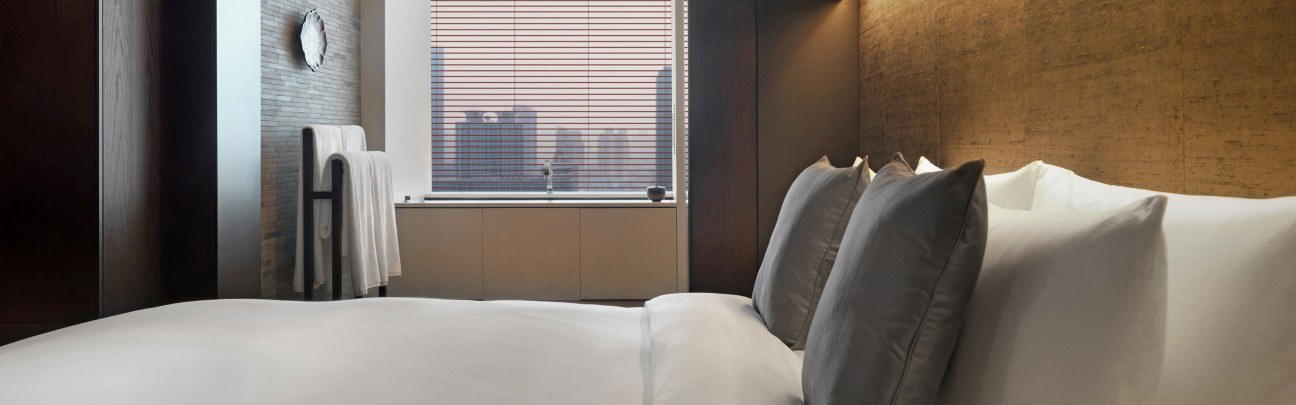
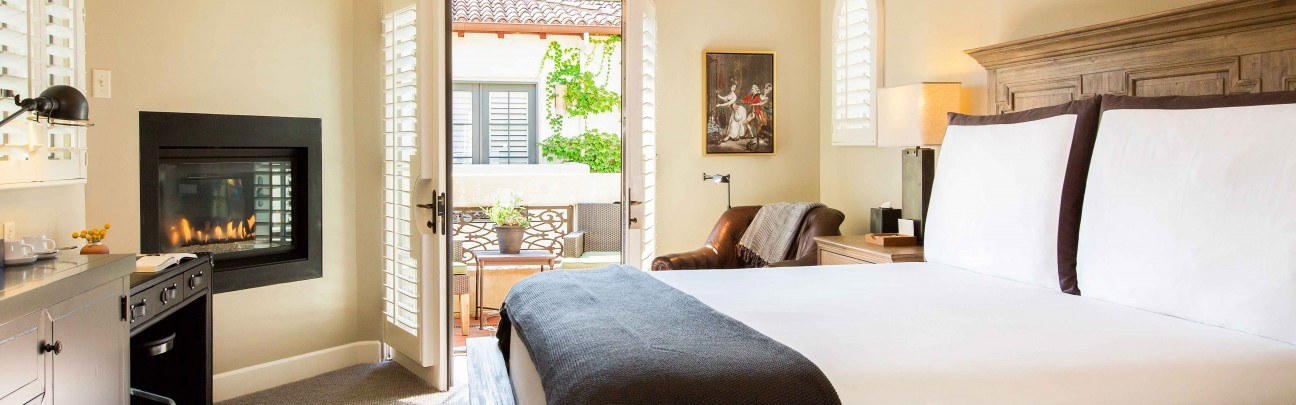
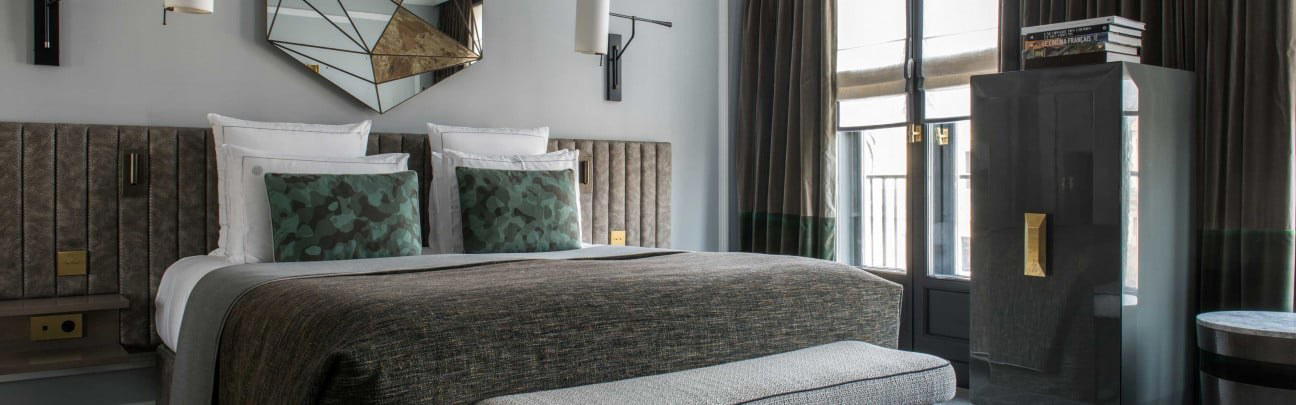
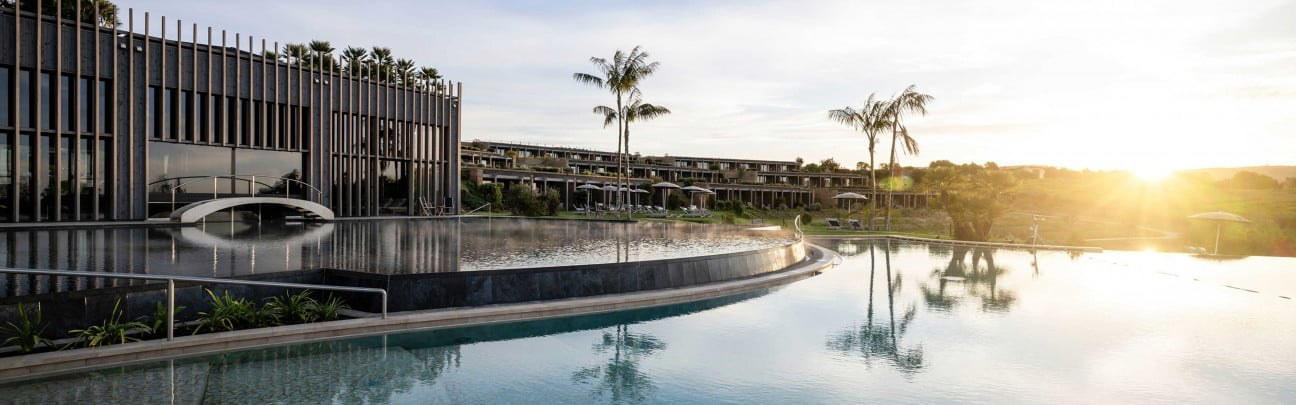
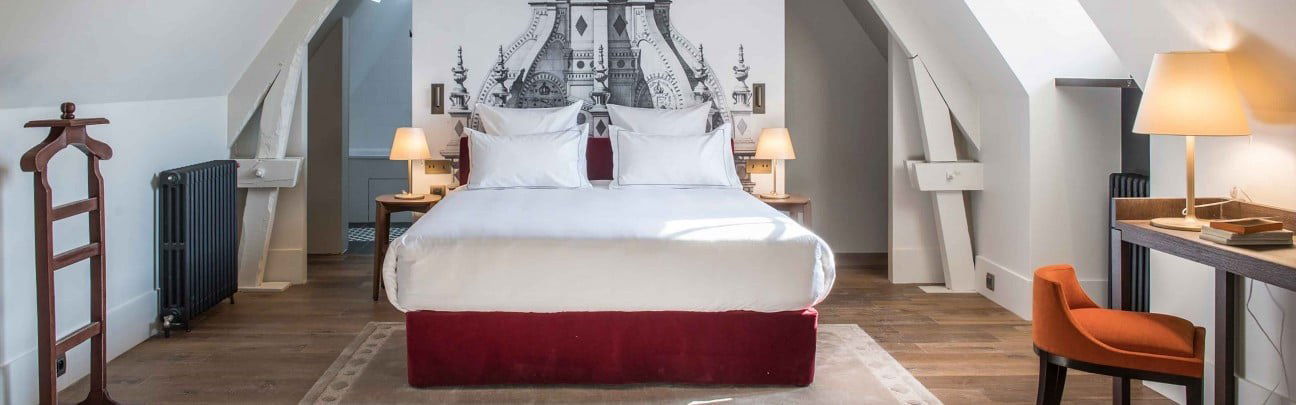
Tranquil and refined with a soothing atmosphere, light music in the restaurant, modern and tastefully appointed rooms, and a serene spa setting praised for its cleanliness and relaxation.
Tags
Vibe
Best For
Experience
Amenities
Accessibility
About the Stay
- Rooms
- 55
- Check-in
- 15:30
- Check-out
- 12:00
- Property Type
- Boutique hotel
- Property Style
- Contemporary Country Hotel
- Design Style
- Modern Minimalist by Architect Jean Michel Wilmotte
- Spa
- Yes
- Pets
- Allowed
Know before you go
Know Before You Go
- Getting there
- Place Saint-Louis, 41250 Chambord
Planning details
Location

Also consider
If this is not the right fit
For a broader Loire stay, check Fleur de Loire first. For a quieter countryside alternative, compare Les Sources de Cheverny and La Borde en Sologne.
Hotel context
How it compares in the Chambord area
Relais de Chambord is the location-led choice in this set: pick it when staying in Chambord itself is the main value. Fleur de Loire and Les Sources de Cheverny are better cross-shops if the trip is more about a broader Loire hotel experience than sleeping in Chambord.
Ezia and Les Hayes en Sologne make more sense for readers who want a quieter alternative outside the immediate Chambord focus. La Borde en Sologne is the comparison to check if the priority is a countryside mood over a landmark-adjacent address.
Booking difficulty favors Relais de Chambord for lower-friction planning, but value depends on how much the address matters. If the celebration is tied to Chambord, pay for proximity. If the goal is a wider regional base, compare carefully before committing.
Explore Chambord
Around this place
Discover more on Pearl
Unlock the full Relais de Chambord guide in Pearl, including awards, comparisons, FAQs, planning details, and nearby places.
Compare Relais de Chambord
| Venue | Location | Awards |
|---|---|---|
| Relais de Chambord | Chambord | 2026 Mr & Mrs Smith Luxury Hotels2025 Michelin Selected HotelsSmall Luxury Hotels Member 2025 |
| Ezia | Montlivault | No published awards |
| Les Hayes en Sologne | Fontaines En Sologne | No published awards |
| Fleur de Loire | Blois | 2026 Virtuoso Luxury Hotel Collection2026 Relais Chateaux Hotels2026 Michelin 1 KeyMichelin 1 Key 20252025 Michelin 1 Key2025 Relais Chateaux Award2025 Gault & Millau Exceptional Hotel2024 Michelin 1 Key |
| Les Sources de Cheverny | Cheverny | 2026 Virtuoso Luxury Hotel Collection2026 Mr & Mrs Smith Luxury Hotels2026 Michelin 2 Keys2025 Michelin 2 Keys2025 Gault & Millau Exceptional Hotel2024 Michelin 2 Keys |
| La Borde en Sologne | Vernou-en-Sologne | No published awards |






How Relais de Chambord compares with similar nearby venues.
FAQ
Frequently Asked Questions
How is the location of Relais de Chambord?
Relais de Chambord is in Chambord. If staying in Chambord is the point of the trip, that is the clearest reason to consider it. Specific address-level details should be confirmed directly before arrival.
Is Relais de Chambord good for business travel?
It does not establish a business-travel setup, meeting facilities, or work-focused amenities. It is best to confirm those needs directly with the hotel before booking.
How does Relais de Chambord compare to regional options?
Compare it with Ezia, Fleur de Loire, La Borde en Sologne, Les Hayes en Sologne, and Les Sources de Cheverny based on the location and confirmed services you need. Relais de Chambord has recognition from Small Luxury Hotels of the World, Mr & Mrs Smith, and the MICHELIN Guide hotel selection, but specific amenities should still be checked directly.
Which room category is best at Relais de Chambord?
Room categories and which one offers the best value are not specified here. Choose based on the current room descriptions and prices provided by the hotel at booking.