


Le Calette N°5
Cefalù, Cefalu
Hotel in Cefalu, Italy
 Book with Pearl
The Read
Hillside Bay Seclusion
Price
$200–300per night
Why go
Le Calette N°5 is the Cefalù pick for travelers who want a polished coastal stay rather than a simple town base. Its Small Luxury Hotels of the World and Virtuoso affiliations help justify considering it in the luxury lane, but the value works mainly if the setting and on-property time matter to the trip.
About Le Calette N°5
Le Calette N°5 is a premium hotel option in Cefalu with two quality signals: Small Luxury Hotels of the World Member (2025) and Virtuoso Luxury Hotel Partner (2026). It also has a smart-casual dress code. Travelers should check room categories, facilities, dining format, pricing, and exact location details directly with the hotel, making it a strong shortlist candidate for a premium Cefalu stay.
For travelers deciding whether it is worth the stay, the strongest case is recognition: the hotel appears in established luxury-hotel partner networks. That does not by itself prove it is the right fit for every trip, but it does place Le Calette N°5 in a more curated hotel category than a generic Cefalu stay. If those affiliations matter to your booking process, it is a relevant property to compare.
A premium stay that makes more sense when the hotel is the point
Do not assume a specific service style, facility list, dining concept, or room setup without checking directly with the hotel before booking. Treat the stay as one where the hotel's luxury affiliations are the main public quality markers, rather than relying on assumptions about amenities or format.
Recognition from Small Luxury Hotels of the World and Virtuoso gives the property a useful quality signal, especially for guests comparing premium hotels in Cefalu or broader Sicily. Those affiliations do not automatically make it the right value for every traveler, but they are meaningful if you prefer hotels connected to established luxury-travel networks.
Who should book, and who should cross-shop
Book Le Calette N°5 if you are specifically looking at premium hotels in Cefalu and value luxury-hotel affiliations. It is also worth noting the smart-casual dress code when planning what to pack. Cross-shop if your decision depends on specific amenities, dining, price, or location details that should be checked directly before committing.
If you want to compare other named options, Insulae Resort is another Cefalu property to review. Palazzo Natoli Boutique Hotel and Palazzo Arone dei Baroni di Valentino are also Cefalu alternatives, while Susafa and Villa Igiea, A Rocco Forte Hotel belong to a broader Sicily hotel comparison rather than a direct Cefalu-only search. The simple verdict: shortlist Le Calette N°5 when its luxury affiliations matter; check practical details directly before booking.
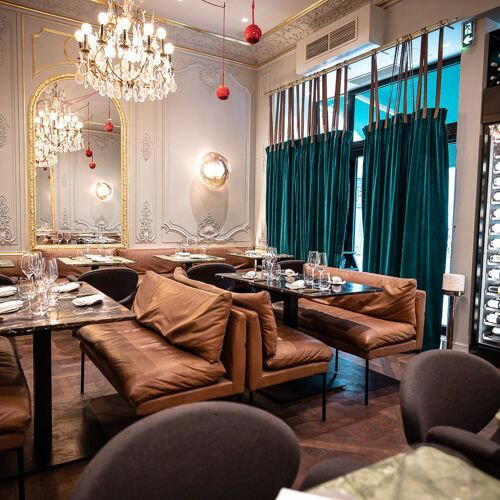
Inside Le Calette N°5
Planning details
- Location
- V. Angela di Francesca, 1, 90015 Cefalù PA
- Website
- lecalette.it
The take
The Take
The Vibe
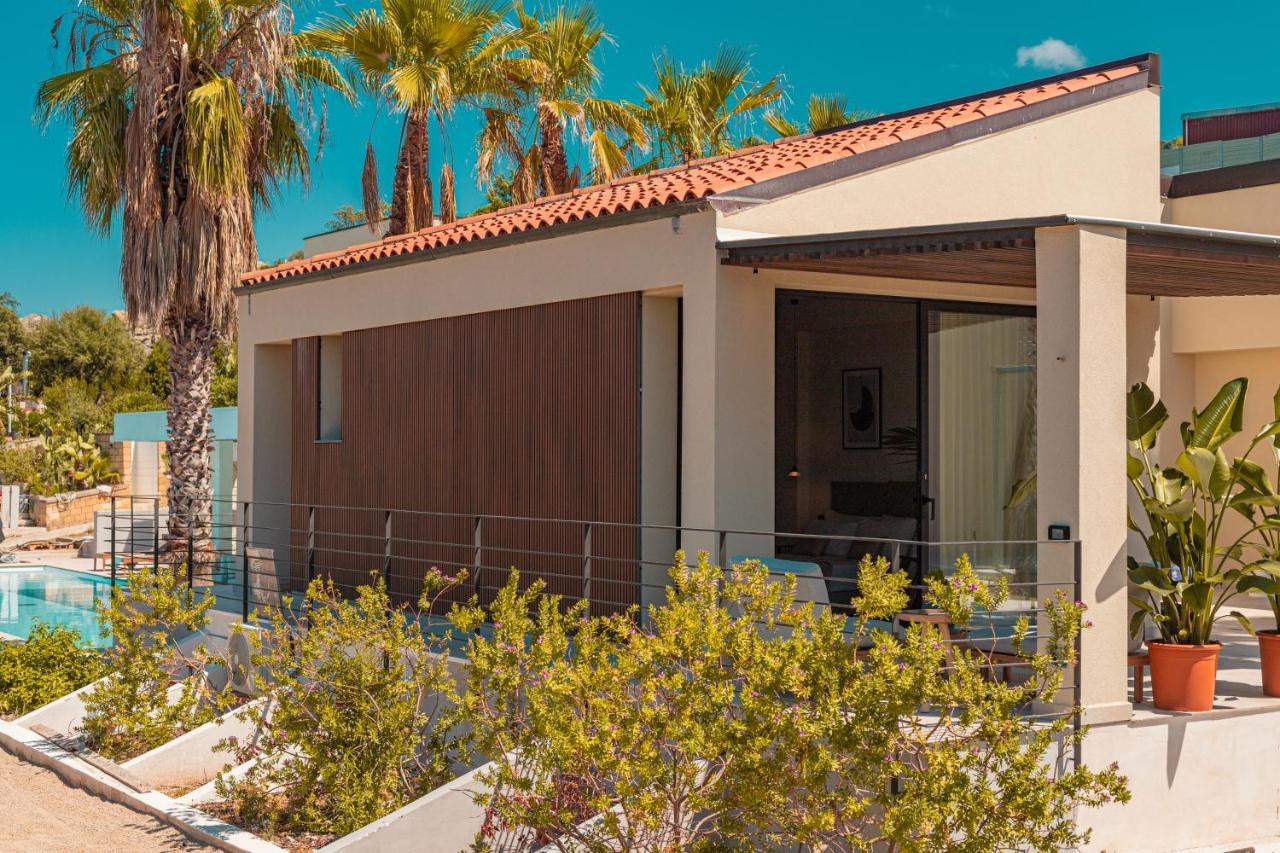
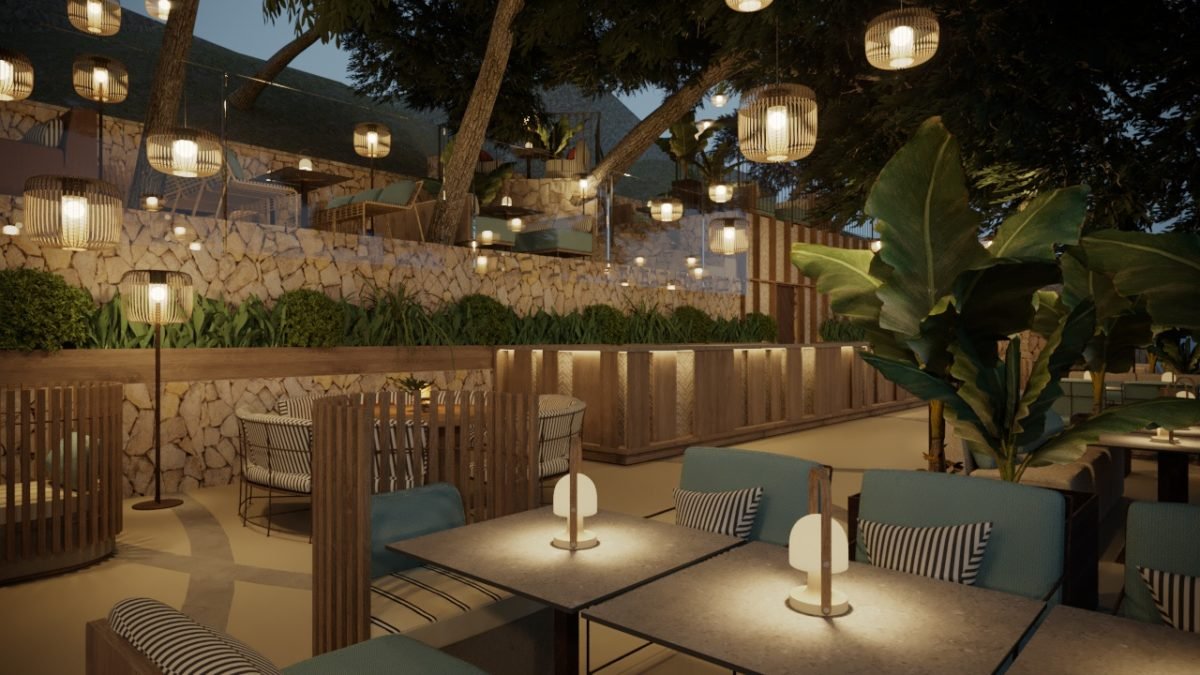
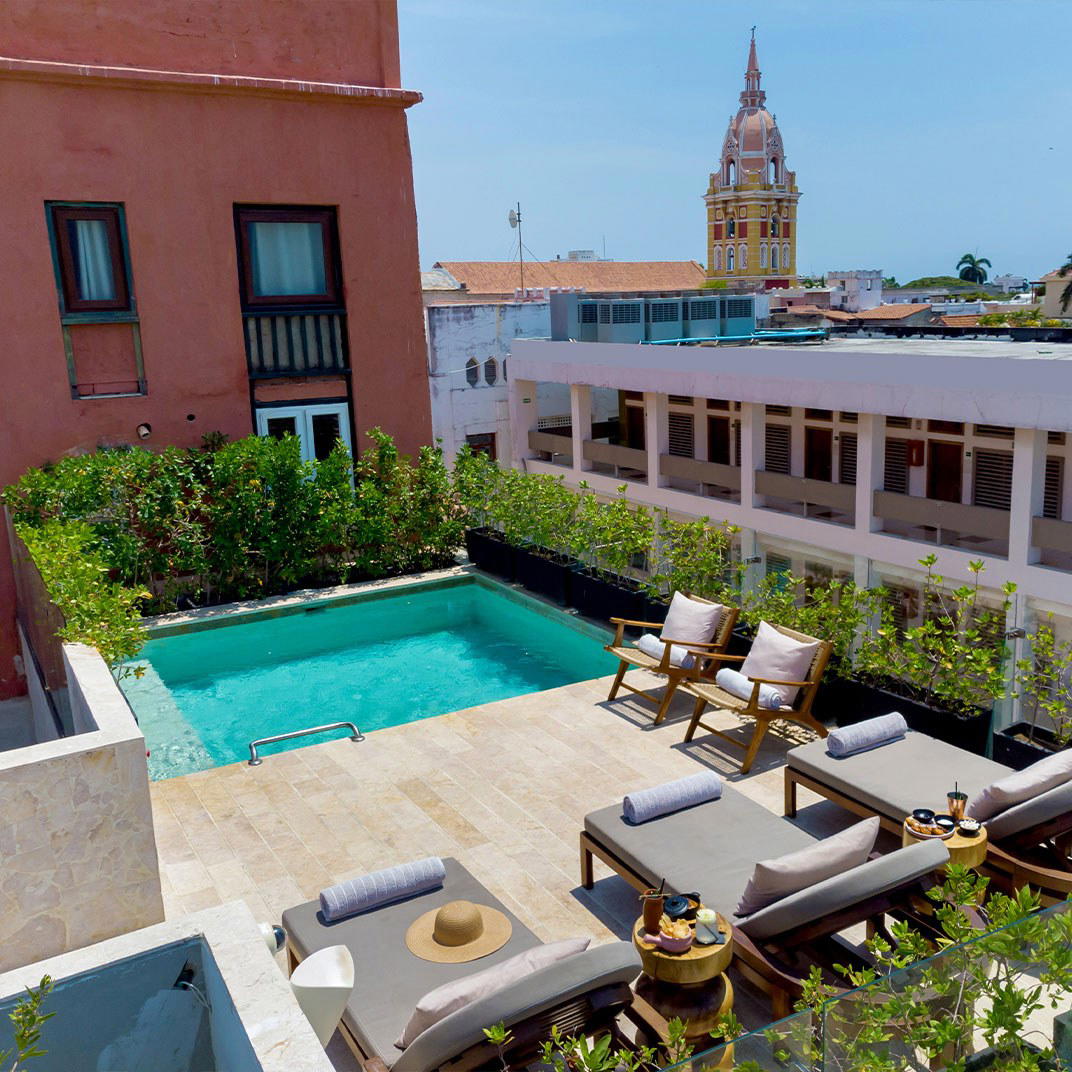
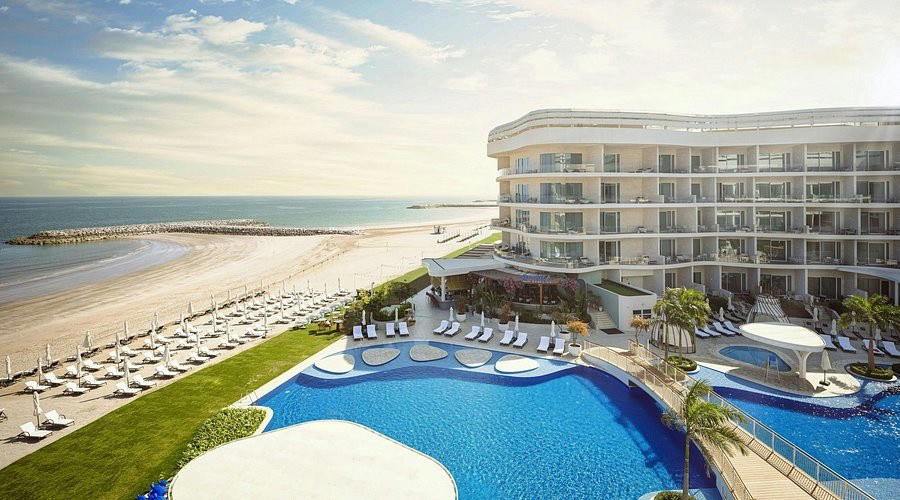
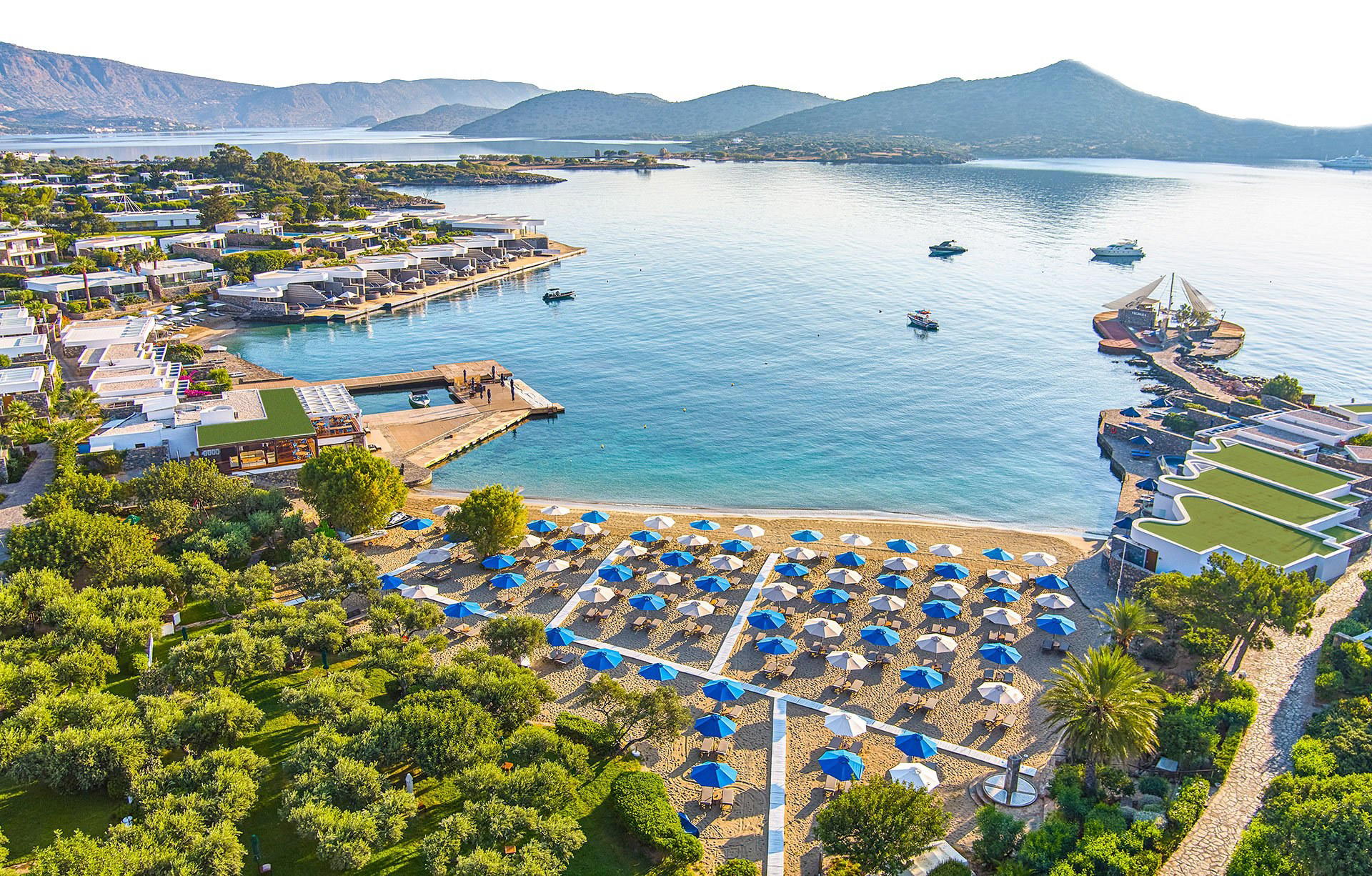
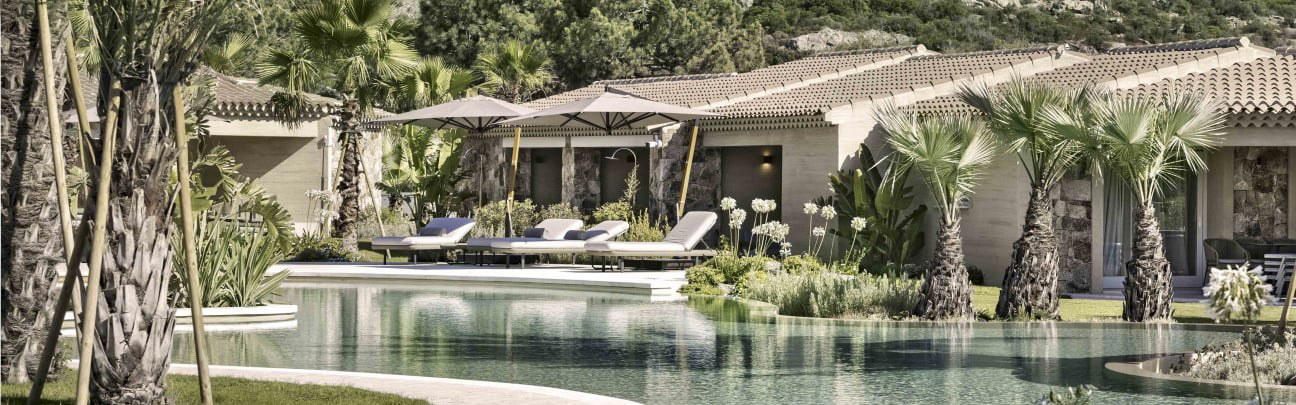
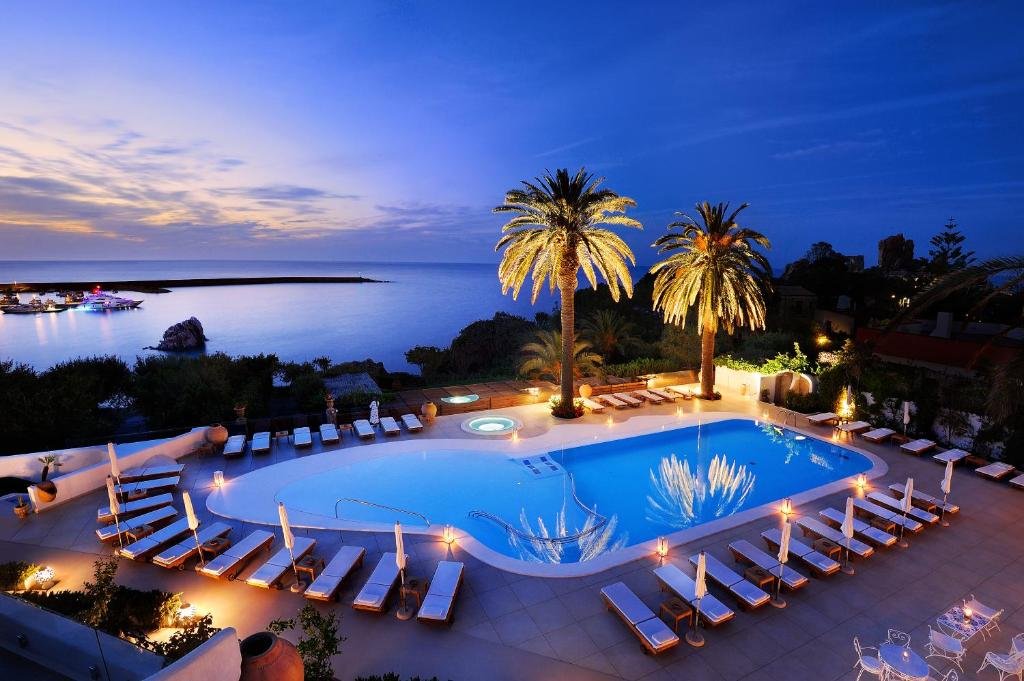
Le Calette N°5 reads like an architectural response to the sea: terraces and volumes step down the hillside to frame coastal sightlines, while citrus trees, palms and bougainvillea soften the whitewashed buildings. The property feels quietly composed rather than theatrical — design decisions follow the bay’s contours, so rooms and public spaces open like stages to the water. The result is a serene, intimate enclave where modern architectural intention meets Mediterranean materiality; understated detailing and layered terraces make the hotel feel both crafted and comfortably familiar.
Best For
This small Sicilian hotel suits couples and travellers seeking a calm, design-focused coastal escape. Its terrace-forward layout and coastal position make it a natural pick for honeymoons, romantic getaways and anniversaries, while the measured pace and private grounds align with wellness retreats and relaxed weekend escapes. Guests who want to swap busy resort promenades for considered architecture, quiet sea views and small-scale landscaping will find Le Calette N°5 particularly well matched to those occasions.
Venue details
Ambiance
Elegant and refined atmosphere with soundproofed rooms, Mediterranean architecture, and relaxing spa lighting creating a sophisticated seaside retreat.
Tags
Vibe
Best For
Experience
Amenities
View
Accessibility
About the Stay
- Rooms
- 0
- Check-in
- 14:00
- Check-out
- 11:00
- Property Type
- Boutique hotel
- Property Style
- Mediterranean Boutique Luxury
- Design Style
- Elegant Modern Sicilian
- Breakfast
- Included
- Airport Transfer
- Available
- Pool
- Yes
- Spa
- Yes
- Families
- Welcome
- Cancellation
- Moderate
Know before you go
Know Before You Go
- Getting there
- V. Angela di Francesca, 1, 90015 Cefalù PA
Planning details
Location
V. Angela di Francesca, 1, 90015 Cefalù PA · Directions
Recognition and awards


Also consider
Also Consider
- Insulae Resort, Notable alternative
- Susafa, Notable alternative
- Villa Igiea, A Rocco Forte Hotel, Notable alternative
- Palazzo Arone dei Baroni di Valentino, Notable alternative
- Palazzo Natoli Boutique Hotel, Notable alternative
Hotel context
How It Compares
Against Insulae Resort, Le Calette N°5 is the more design-and-atmosphere-led choice for a coastal Cefalù stay. Insulae Resort is the easier first cross-shop for travelers who want to stay local and compare value without moving the trip outside town; Le Calette N°5 makes more sense when the hotel itself is part of the reason for the trip.
Susafa is the better alternative if the goal is a slower rural Sicilian stay rather than Cefalù beach access. Villa Igiea, A Rocco Forte Hotel is the stronger pick for grand-hotel formality and Palermo access, but it is a different trip: city-adjacent luxury instead of a Cefalù coastal base.
Palazzo Arone dei Baroni di Valentino and Palazzo Natoli Boutique Hotel are better cross-shops for travelers who prefer historic-palazzo character and a more urban boutique rhythm. Choose Le Calette N°5 when sea, space, and resort pacing matter more than being embedded in a city-center setting.
Explore Cefalu
Around this place
Discover more on Pearl
Unlock the full Le Calette N°5 guide in Pearl, including awards, comparisons, FAQs, planning details, and nearby places.
Compare Le Calette N°5
| Venue | Location | Awards |
|---|---|---|
| Le Calette N°5 | Cefalu | 2026 Virtuoso Luxury Hotel Collection2025 Michelin Selected HotelsSmall Luxury Hotels Member 2025 |
| Insulae Resort | Cefalu | No published awards |
| Susafa | Polizzi Generosa | 2026 Mr & Mrs Smith Luxury Hotels2026 Michelin 1 Key2025 Michelin 1 KeySmall Luxury Hotels Member 20252024 Michelin 1 Key |
| Villa Igiea, A Rocco Forte Hotel | Palermo | 2026 Virtuoso Luxury Hotel Collection2026 Forbes 4-Star2026 La Liste Top Hotels2026 Michelin 2 Keys2025 Forbes 4-Star2025 Michelin 2 Keys |
| Palazzo Arone dei Baroni di Valentino | Palermo | No published awards |
| Palazzo Natoli Boutique Hotel | Palermo | No published awards |





How Le Calette N°5 Cefalu Review: Verified Hotel Guide compares with similar nearby venues.
FAQ
Frequently Asked Questions
How is the pool and spa at Le Calette N°5?
Before booking, confirm current pool and spa facilities and access policies directly with Le Calette N°5.
Is Le Calette N°5 family-friendly?
How does Le Calette N°5 compare to other hotels?
Le Calette N°5 is recognized as a Small Luxury Hotels of the World Member (2025) and Virtuoso Luxury Hotel Partner (2026). Insulae Resort, Palazzo Natoli Boutique Hotel, and Palazzo Arone dei Baroni di Valentino are other Cefalu properties to compare, while Villa Igiea, A Rocco Forte Hotel is better treated as a broader Sicily luxury-hotel comparison.
Do loyalty programs work at Le Calette N°5?
Le Calette N°5 is listed as a Virtuoso Luxury Hotel Partner (2026) and a Small Luxury Hotels of the World Member (2025). Any booking benefits, partner amenities, or program terms should be confirmed through the relevant booking channel.
How is the dining at Le Calette N°5?
Confirm current dining options, including cuisine, menus, chefs, and service format, directly with Le Calette N°5 before relying on them for a stay.
How is the location of Le Calette N°5?
Le Calette N°5 is in Cefalu. Use the hotel's official booking or contact channels for precise arrival information.