
Le Vieux Castillon
Castillon-du-Gard
Hotel in Castillon-du-Gard, France
 Book with Pearl
The Read
Minimalist Provençal Contrast
Why go
Le Vieux Castillon is the right Castillon-du-Gard choice if you want a polished village base with Michelin 1 Key recognition rather than a larger resort-style stay. It works especially well for a return trip to the Pont du Gard and Uzès area, where location, calm, and a low-friction check-in-to-check-out rhythm matter more than a long facilities list.
About Le Vieux Castillon
Is Le Vieux Castillon worth choosing in Castillon-du-Gard? It is a Michelin 1 Key stay in Castillon-du-Gard, which makes it a strong candidate for travelers who want a recognized hotel in the area.
Use Le Vieux Castillon as a Castillon-du-Gard hotel option when the priority is a clearly recognized stay. The dress code is smart casual, and the recognition is Michelin 1 Key in 2024.
A Castillon-du-Gard base for readers who want the stay to do some of the work
The strongest reason to consider Le Vieux Castillon is its Michelin 1 Key recognition in Castillon-du-Gard. That is the clearest trust signal here. For specifics such as room style, spa setup, dining format, or amenities, check directly with the hotel before booking.
For planning around Castillon-du-Gard, start with Our full Castillon-du-Gard hotels guide, then use Our full Castillon-du-Gard restaurants guide, Our full Castillon-du-Gard bars guide, Our full Castillon-du-Gard wineries guide, and Our full Castillon-du-Gard experiences guide to decide how much of the trip should sit in Castillon-du-Gard versus the wider region.
Where it fits against France hotel alternatives
For comparison, focus on fit rather than assumed amenities. In Castillon-du-Gard and nearby, Le Vieux Castillon can be considered alongside Bien Loin d'Ici, Boutique Hôtel Entraigues, Château de Collias, La Maison d'Uzès, and Le Prieuré, depending on the kind of stay you want and the details each property provides directly.
If you are choosing between hotels, compare the basics that matter for your trip: location, current availability, room category, cancellation terms, and any services listed by the property. For Le Vieux Castillon, the public hook is simple: a Michelin 1 Key hotel in Castillon-du-Gard with a smart casual dress code.
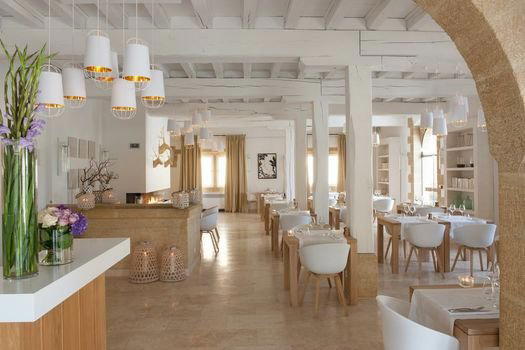
Inside Le Vieux Castillon
Planning details
- Location
- 10 Rue Turion Sabatier, 30210 Castillon-du-Gard
- Website
- vieuxcastillon.fr
- Phone
- +33 4 66 37 61 61
The take
The Take
The Vibe
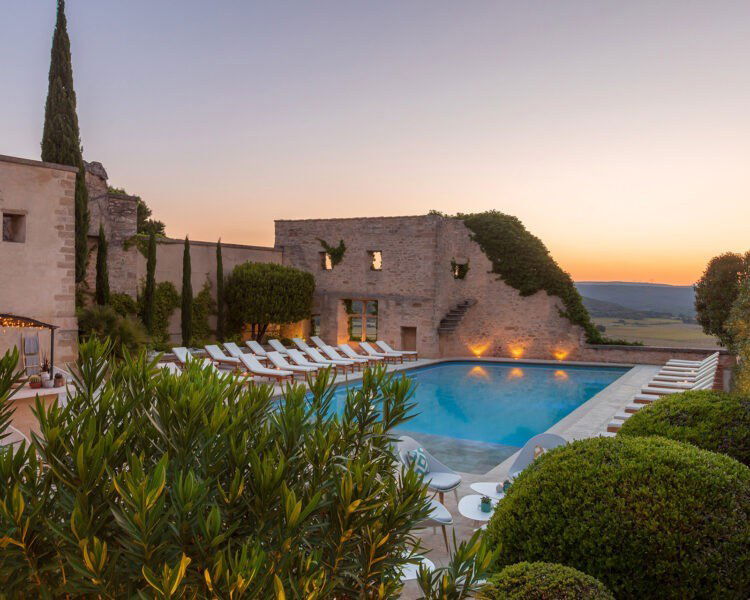
Le Vieux Castillon pairs ancient stone with spare, contemporary interiors to create a quietly sophisticated hotel that reads more Nordic than Provençal. The architect-designed rooms favour whitewashed surfaces, measured proportions and minimal ornament, so the effect is one of considered restraint rather than decorative nostalgia. That design tension — old walls reframed with clean lines and contemporary furniture — positions the property as an intentional counterpoint to the region's more rustic, lavender-soaked clichés. The result is a composed, design-forward refuge that feels both rooted in history and refreshingly modern.
Best For
This boutique hotel suits travellers who prioritise design and atmosphere as much as location: couples seeking a quiet romantic getaway, architecture-minded visitors who appreciate thoughtful interiors, and anyone planning a short escape to explore the Pont du Gard and the Gardon valley. The Michelin Key recognition underscores a high level of service and coherence in the guest experience, making it appealing for anniversary stays or a restful weekend where the setting and the curated interiors are central to the visit.
Stay Tips
When booking, prioritise rooms that face the valley or village to take full advantage of the site's setting above the Gardon and proximity to the Pont du Gard. Note the hotel's design-led approach and Michelin Key recognition when requesting room details if you prefer the pared-back, contemporary suites described in the profile. For a quieter stay, mention preferences for a tranquil room away from public circulation — the hotel’s intimate size (31 rooms) and restrained sensibility mean staff can often accommodate specific room-character requests.
Venue details
Ambiance
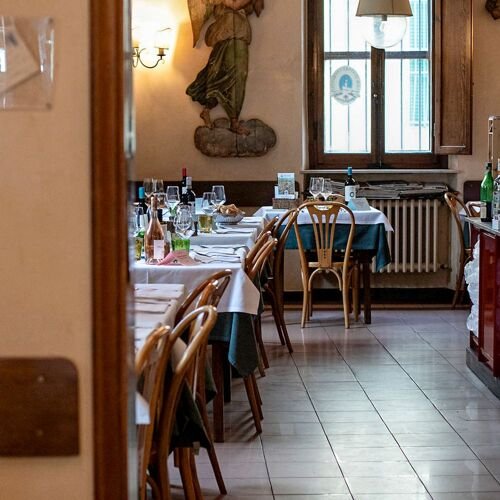
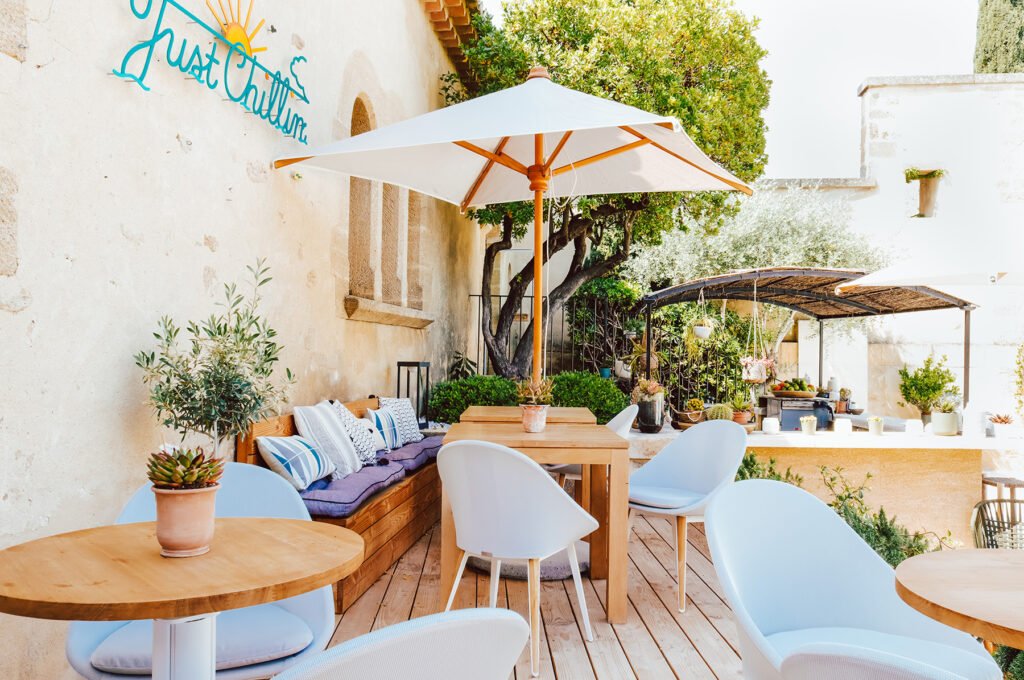
Serene and atmospheric with warm local stone, period tiles, marble accents, and enchanting courtyards filled with the scent of fig trees and cicada songs; intimate lounges and patios create a peaceful, timeless retreat.
Tags
Vibe
Best For
Experience
Amenities
View
About the Stay
- Rooms
- 34
- Check-in
- 15:00
- Check-out
- 11:00
- Property Style
- Authentic Medieval Village Hotel Blending Renaissance Architecture with Contemporary Luxury, Preserving Historical Character While Offering Modern Comfort.
- Design Style
- Warm Provençal Aesthetic Featuring Local Stone, Period Tiles, Marble Details, and Natural Elements; Minimalist Elegance with Emphasis on Natural Light and Outdoor Spaces.
Know before you go
Know Before You Go
- Getting there
- 10 Rue Turion Sabatier, 30210 Castillon-du-Gard
Planning details
Location
Recognition and awards
Also consider
Also Consider
- Château de Collias, Notable alternative
- Boutique Hôtel Entraigues, Notable alternative
- La Maison d'Uzès, Notable alternative
- Bien Loin d'Ici, Notable alternative
- Le Prieuré, Notable alternative
Hotel context
How it compares in the Castillon-du-Gard area
Choose Le Vieux Castillon if the priority is a recognized hotel stay inside Castillon-du-Gard, with a village setting and a more polished feel than a simple base for sightseeing. Against Château de Collias, the decision comes down to village-base convenience versus a château-style stay nearby: pick Le Vieux Castillon for a tighter Castillon-du-Gard plan, and Château de Collias if the trip calls for a more estate-led atmosphere.
Boutique Hôtel Entraigues and La Maison d'Uzès make more sense for readers who want Uzès as the center of gravity. If restaurants, shopping, and town access matter more than sleeping in Castillon-du-Gard, cross-shop those first. Le Vieux Castillon is the better fit when the stay should feel quieter and closer to the Pont du Gard side of the trip.
Bien Loin d'Ici and Le Prieuré are worth checking if availability is tight or if the brief is more secluded, design-forward, or garden-focused. For a first choice, Le Vieux Castillon has the strongest case when Michelin 1 Key recognition and a settled village-hotel experience are the deciding factors.
Explore Castillon-du-Gard
Around this place
Discover more on Pearl
Unlock the full Le Vieux Castillon guide in Pearl, including awards, comparisons, FAQs, planning details, and nearby places.
Compare Le Vieux Castillon
| Venue | Location | Awards |
|---|---|---|
| Le Vieux Castillon | Castillon-du-Gard | Michelin 1 Key 20252025 Michelin 1 Key2024 Michelin 1 Key |
| Château de Collias | Collias | 2025 Michelin Selected Hotels2025 Gault & Millau Exceptional Hotel |
| Boutique Hôtel Entraigues | Uzès | No published awards |
| La Maison d'Uzès | Uzès | 2026 Relais Chateaux Hotels2025 Relais Chateaux Award2025 Michelin 1 Key2024 Michelin 1 Key |
| Bien Loin d'Ici | Nîmes | No published awards |
| Le Prieuré | Villeneuve-lès-Avignon | 2025 Relais Chateaux Award2025 Michelin 1 Key2024 Michelin 1 Key |



How Le Vieux Castillon compares with similar nearby venues.
FAQ
Frequently Asked Questions
Is Le Vieux Castillon family-friendly?
Le Vieux Castillon is a Michelin 1 Key hotel in Castillon-du-Gard. For family travel, check directly with the hotel for room configurations, child policies, and any family-specific services.