

Farol Hotel
Cascais
Hotel in Cascais, Portugal
 Book with Pearl
The Read
Promontory-Positioned Boutique
Why go
Farol Hotel is worth shortlisting for a design-led Cascais stay where the coastal setting matters more than resort scale or loyalty benefits. Its 2025 Preferred Hotels L.V.X. Collection recognition gives it a credible luxury signal, but travelers needing spa breadth or business facilities should compare Grande Real Villa Itália Hotel & Spa first.
About Farol Hotel
Farol Hotel is a Cascais hotel with a smart-casual dress code and Preferred Hotels L.V.X. Collection recognition in 2025. Evaluate it as a Cascais stay to compare carefully against other hotels, rather than as a property defined by assumptions about cuisine, facilities, room categories, or service style.
Choose it for a Cascais stay with Preferred Hotels recognition
Farol Hotel makes the most sense for travelers who want to stay in Cascais and value its Preferred Hotels L.V.X. Collection recognition in 2025. If that recognition matters to your booking decision, it is the clearest trust signal.
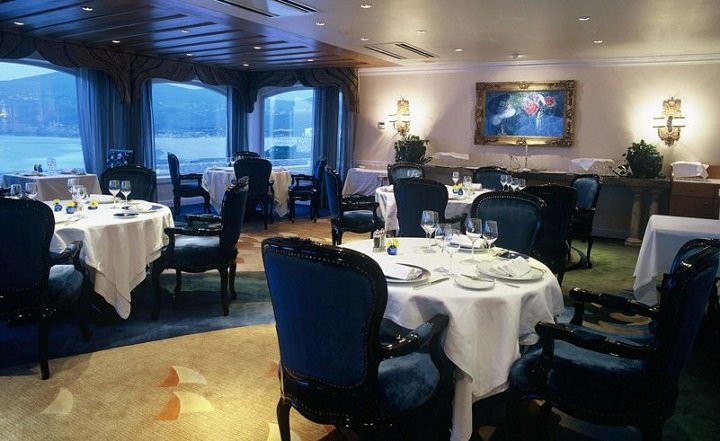
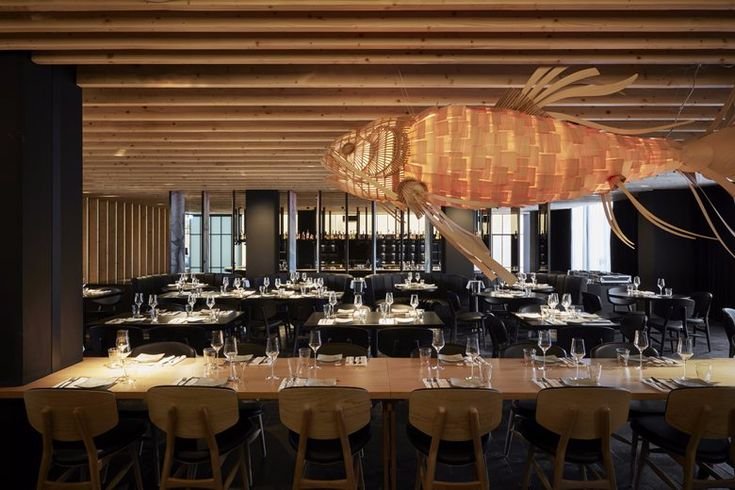
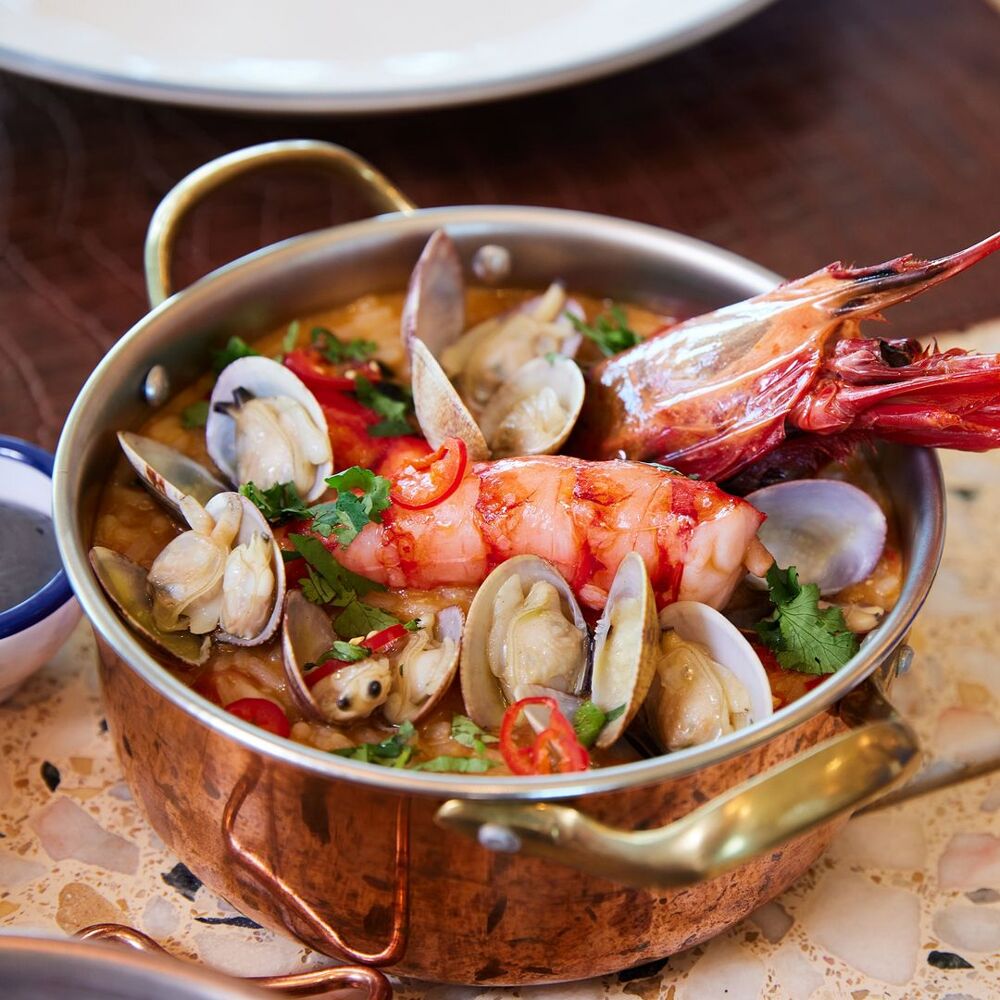
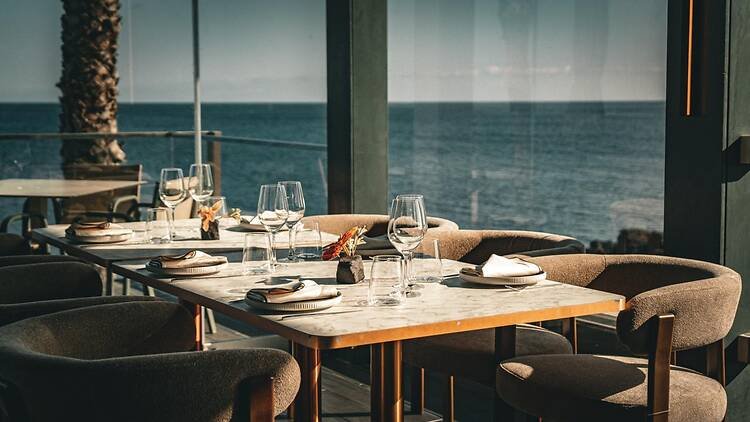
The dining picture should not be treated as the reason to choose the hotel. For a stay where restaurants are the anchor, use the hotel as the base and compare dinner plans separately in Our full Cascais restaurants guide. The stronger case is simpler: Farol Hotel is a Cascais hotel with a smart-casual dress code and Preferred Hotels L.V.X. Collection recognition in 2025.
Who should choose another Cascais hotel
Travelers should compare Farol Hotel with other Cascais options based on their own priorities, especially if facilities, business amenities, family services, spa breadth, room types, or dining formats are central to the trip. Grande Real Villa Itália Hotel & Spa, Pestana Cidadela Cascais - Pousada & Art District, Artsy, Hotel Albatroz, and Villa Cascais Boutique Hotel are natural names to consider when comparing Cascais stays.
For couples, families, business travelers, or leisure guests, the same rule applies: confirm the current room options, services, and policies directly before booking, then compare Farol Hotel with Hotel Albatroz, Artsy, Villa Cascais Boutique Hotel, Grande Real Villa Itália Hotel & Spa, and Pestana Cidadela Cascais - Pousada & Art District according to the kind of Cascais stay you want.
Planning details
- Location
- Av. Rei Humberto II de Itália 7, 2750-800 Cascais
- Website
- farol.com.pt
- Phone
- +351 21 482 3490
The take
The Take
The Vibe
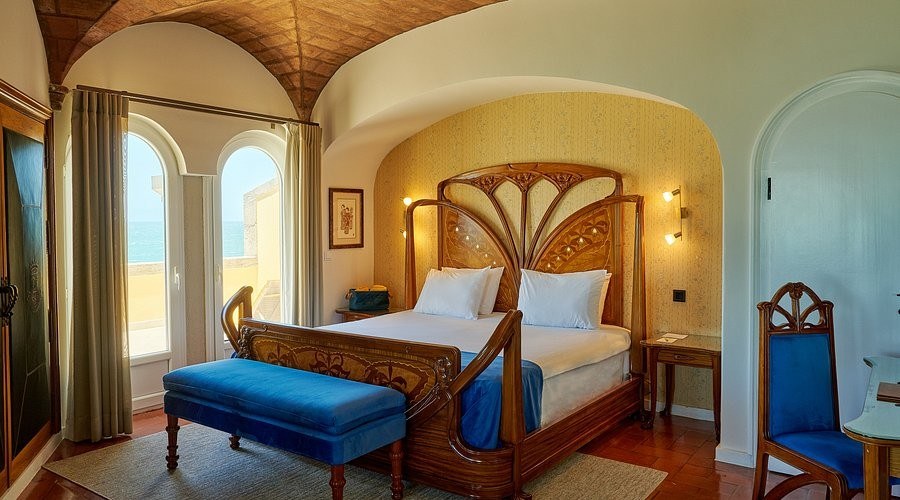
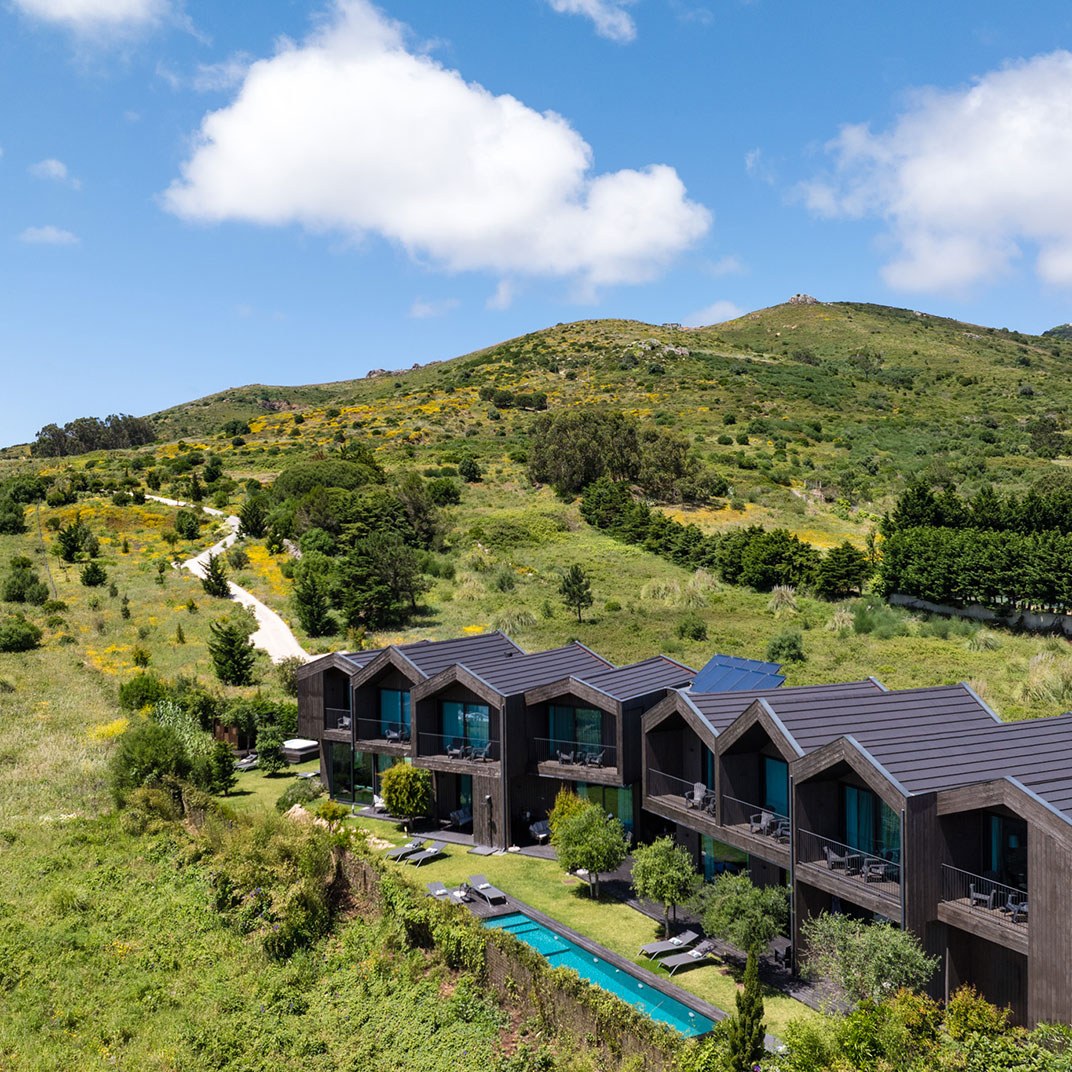
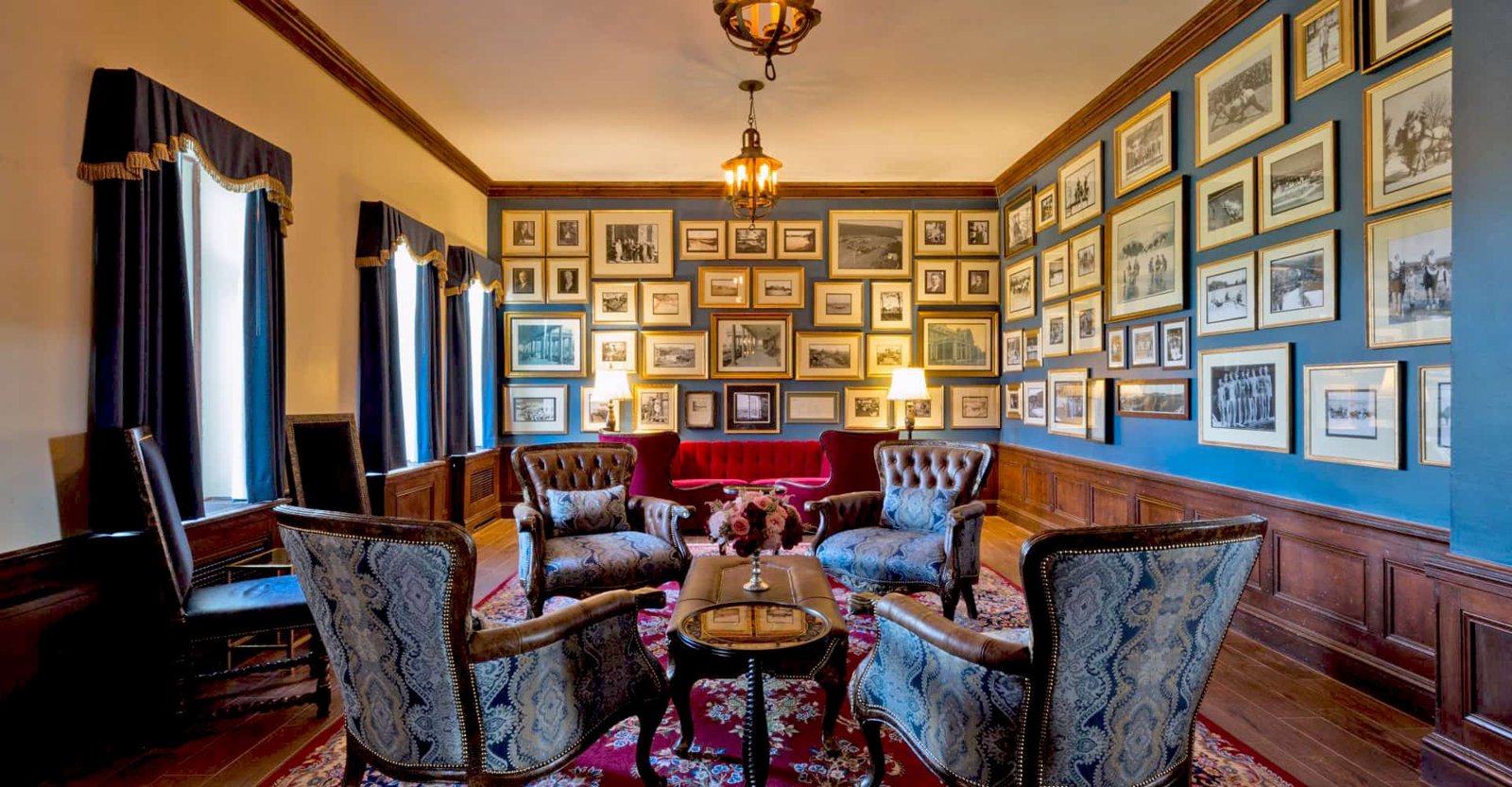
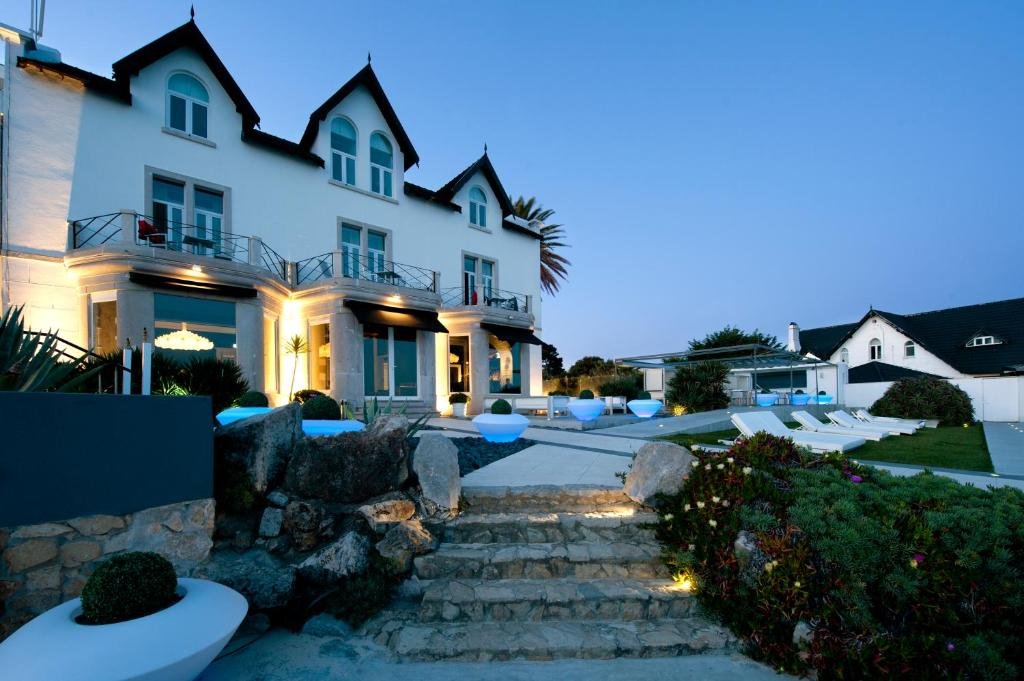
Farol Hotel occupies a converted late-19th-century mansion and leans into that historic identity rather than erasing it. The property reads as part of Cascais’s older residential streetscape, and its character is shaped by the constraints and curiosities of preserved architecture: compact public spaces, attention to original detailing and a measured pace that feels more like a private residence than a large resort. The hotel’s classic, historic temperament is amplified by unobstructed Atlantic views and the address’s aristocratic associations, making the overall tone quietly refined, intimate and rooted in place.
Best For
Farol is especially well suited to travelers who prize architecture, coastal panoramas and a quieter, small-scale hotel experience. With just 33 rooms housed in a converted mansion, it attracts couples on weekend escapes and honeymooners as well as visitors who want to be steeped in Cascais’s aristocratic seaside history. The building’s location at the edge of the town makes it a strong pick for guests who want easy access to the centro histórico and immediate views of the Atlantic without the scale or bustle of a larger beachfront resort.
Stay Tips
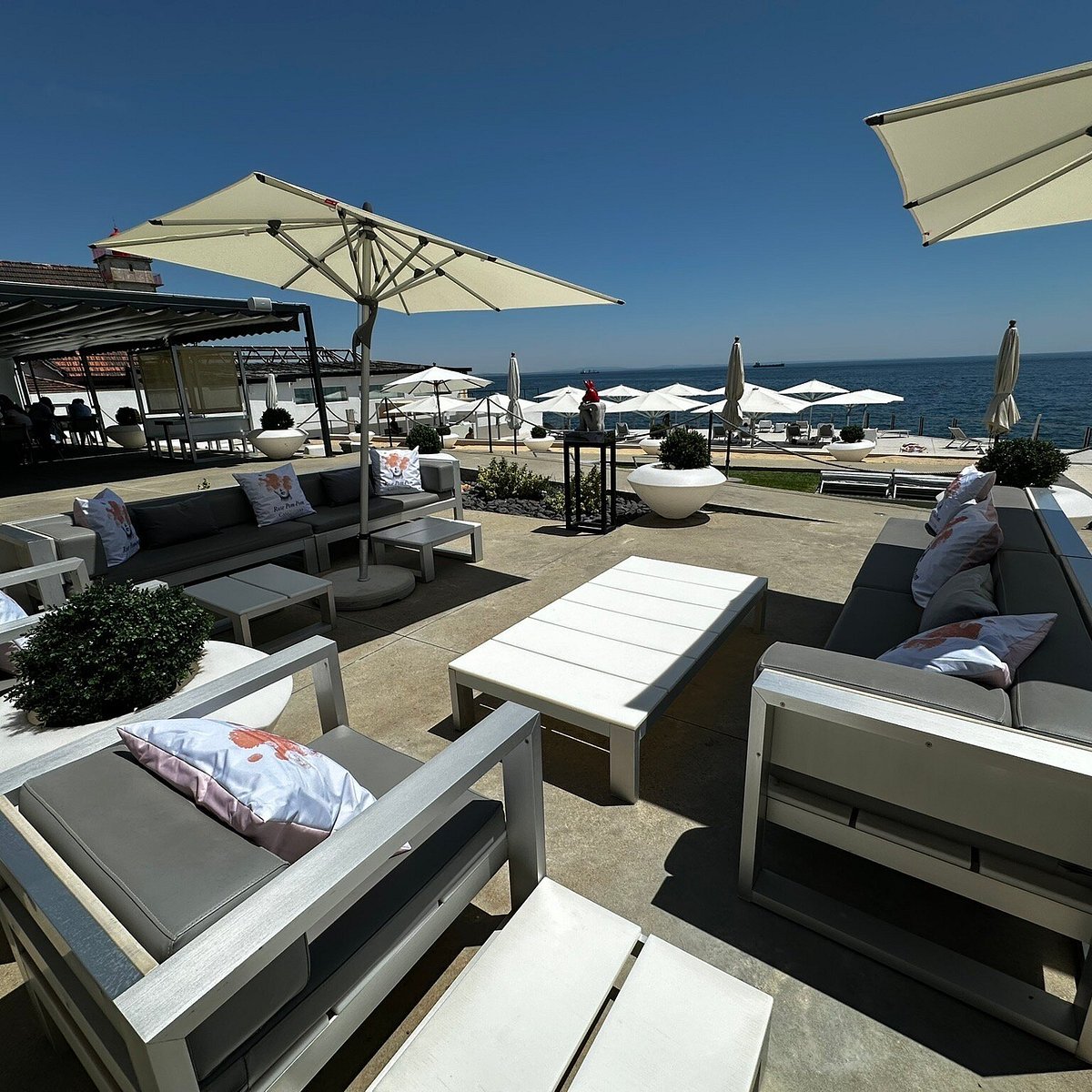
Book early and prioritize room placement: the hotel’s 33 rooms reflect the original mansion footprint, so availability can be limited during high season. If uninterrupted ocean views matter to you, request a sea-facing room when reserving — the property is described as sitting on the physical boundary between town and open ocean with unobstructed Atlantic views. Travelers curious about the local architecture should allow time to wander the surrounding streets to appreciate the late-19th-century villas that define the neighbourhood.
Venue details
Ambiance
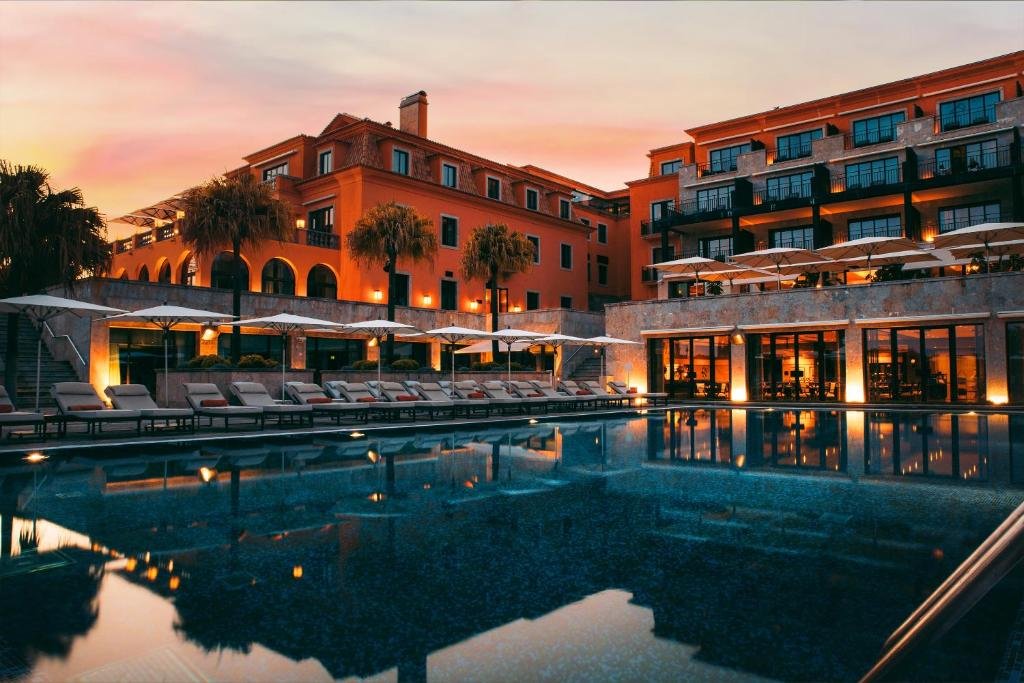
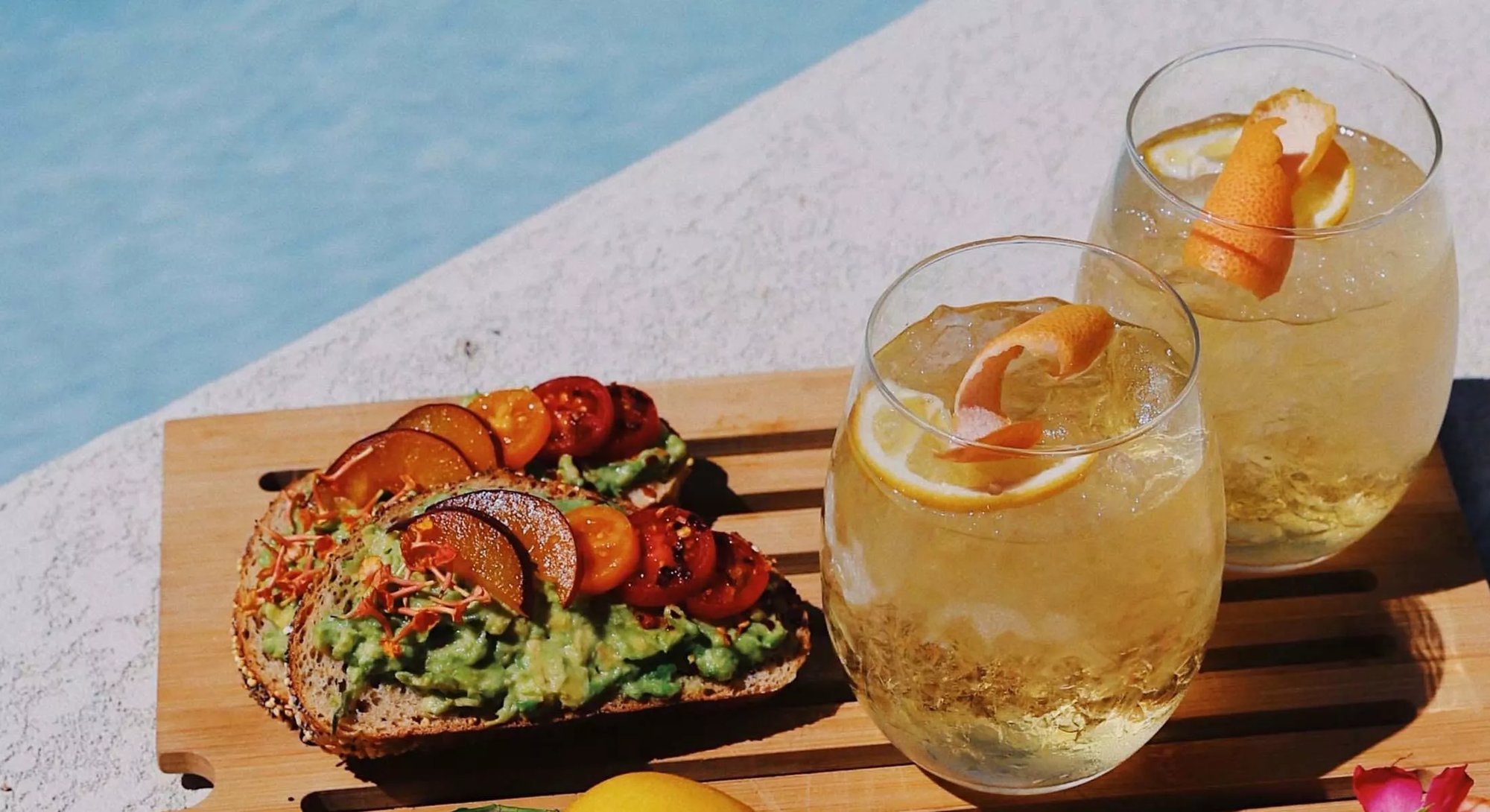
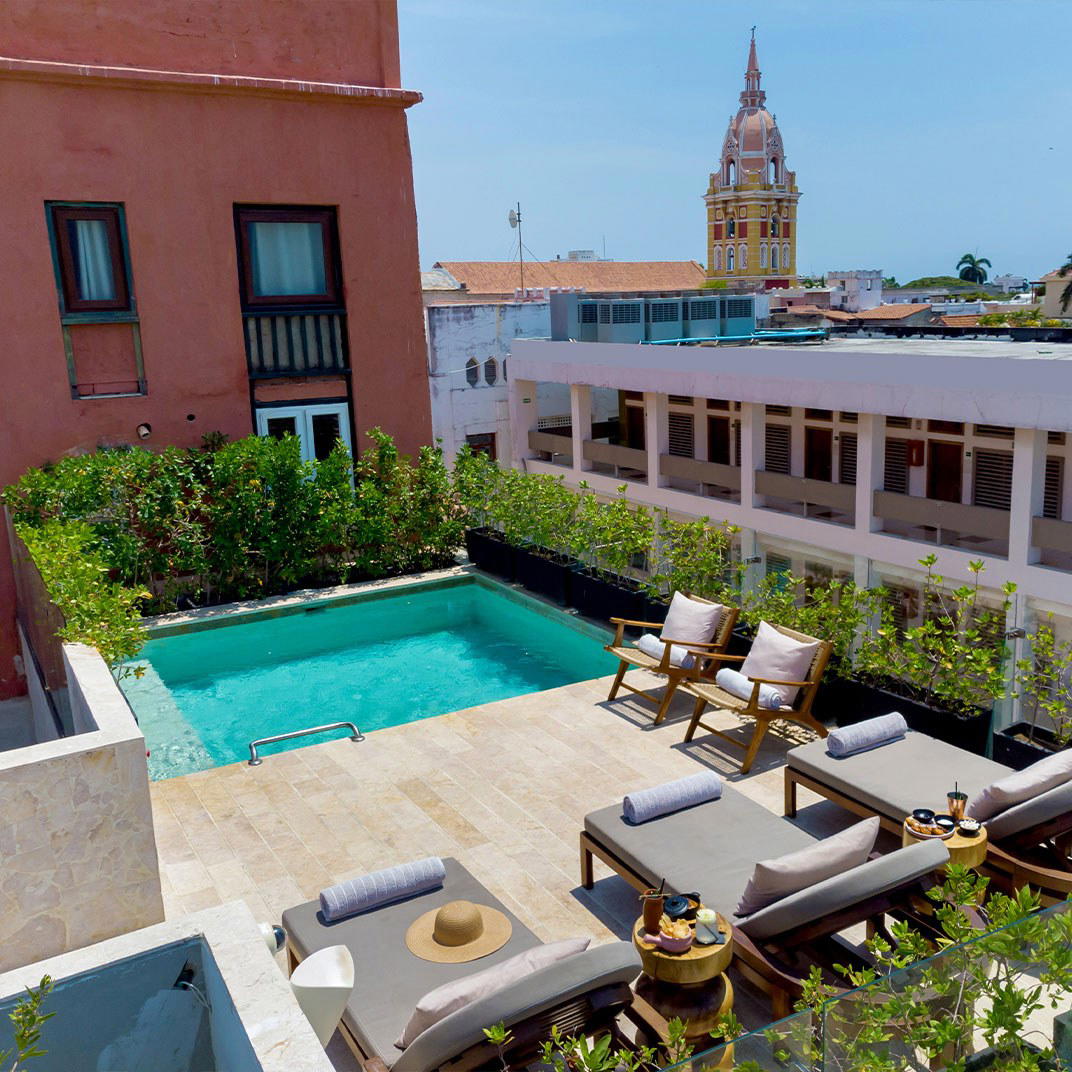
Relaxing and scenic with ocean crashing waves, cozy eclectic interiors, and serene poolside terrace atmosphere.
Tags
Vibe
Best For
Experience
Amenities
View
Accessibility
About the Stay
- Rooms
- 33
- Check-in
- 15:00
- Check-out
- 12:00
- Property Type
- Boutique hotel
- Property Style
- 19th Century Manor Converted to Luxury Boutique Hotel
- Design Style
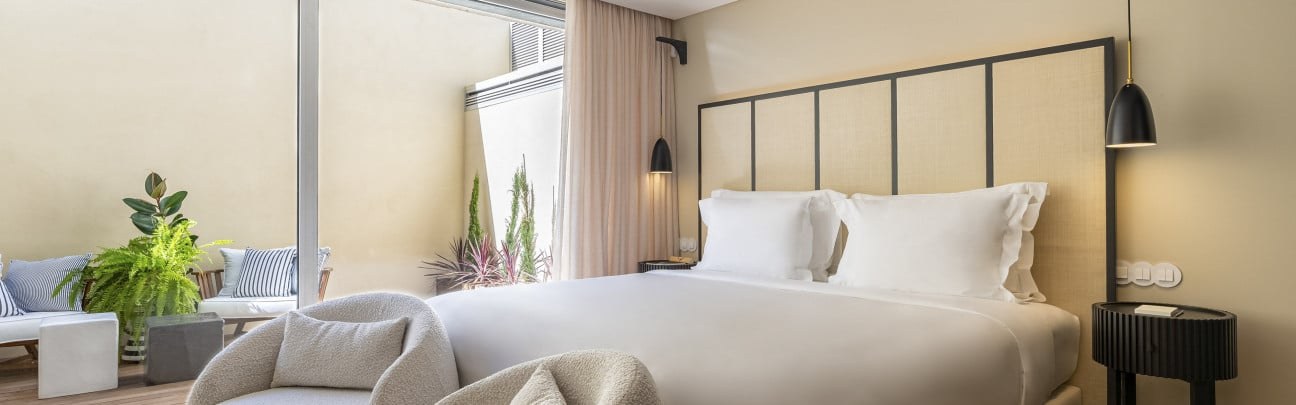
- Individually Decorated Eclectic with Modern Touches
- Breakfast
- Included
- Airport Transfer
- Available
- Pool
- Yes
- Spa
- Yes
- Cancellation
- Moderate
Know before you go
Know Before You Go
- Getting there
- Av. Rei Humberto II de Itália 7, 2750-800 Cascais
Planning details
Location
Recognition and awards
Also consider
Where to look if Farol Hotel is not the right fit
For a more facilities-led Cascais stay, cross-shop Grande Real Villa Itália Hotel & Spa. For a cultural or art-led base, compare Pestana Cidadela Cascais - Pousada & Art District or Artsy.
Hotel context
How Farol Hotel compares in Cascais
Pick Farol Hotel when the stay needs a design-forward coastal feel rather than a conventional resort setup. Against Grande Real Villa Itália Hotel & Spa, it is the more atmosphere-driven choice; Grande Real is the safer option for travelers prioritizing spa facilities, larger-hotel infrastructure, and a less idiosyncratic experience.
Pestana Cidadela Cascais - Pousada & Art District and Artsy are better cross-shops if the trip is about culture, galleries, and being plugged into the town's creative side. Farol Hotel is stronger for a coastal design mood; those two are stronger for an art-and-town stay.
Villa Cascais Boutique Hotel and Hotel Albatroz are the more classic boutique alternatives. Choose them if you want a smaller, more traditional Cascais hotel feel. Choose Farol Hotel if the physical setting and design language are the main reasons for the trip.
Explore Cascais
Around this place
Discover more on Pearl
Unlock the full Farol Hotel guide in Pearl, including awards, comparisons, FAQs, planning details, and nearby places.
Compare Farol Hotel
| Venue | Location | Awards |
|---|---|---|
| Farol Hotel | Cascais | 2025 Michelin Selected HotelsPreferred Hotels L.V.X. Collection 2025 |
| Grande Real Villa Itália Hotel & Spa | Cascais | Leading Hotels of the World 2026 |
| Pestana Cidadela Cascais - Pousada & Art District | Cascais | No published awards |
| Artsy | Cascais | 2026 Mr & Mrs Smith Luxury Hotels2026 La Liste Top Hotels |
| Villa Cascais Boutique Hotel | Cascais | No published awards |
| Hotel Albatroz | Cascais | No published awards |


How Farol Hotel Cascais compares with similar nearby venues.
FAQ
Frequently Asked Questions
Which room category is best at Farol Hotel?
Choose the room category that gives you the layout and view priorities you care about most. At Farol Hotel in Cascais, the safer move is to book the room tier that matches your stay length and budget, not to assume every category is equal.
Does Farol Hotel have Preferred Hotels recognition?
Farol Hotel has Preferred Hotels L.V.X. Collection recognition in 2025. Check current booking terms directly before reserving.
When is the best time to book Farol Hotel?
Is Farol Hotel good for business travel?
If your base needs to be Cascais, Farol Hotel may be worth checking, but confirm work-related requirements directly before booking.
Is Farol Hotel family-friendly?
How does Farol Hotel compare to nearby hotels?
Farol Hotel is a Cascais hotel with a smart-casual dress code and Preferred Hotels L.V.X. Collection recognition in 2025. For comparison, consider Grande Real Villa Itália Hotel & Spa, Pestana Cidadela Cascais - Pousada & Art District, Villa Cascais Boutique Hotel, Hotel Albatroz, and Artsy, then choose based on the services and room options that matter to your trip.