

Locanda Rossa
Capalbio
Hotel in Capalbio, Italy
 Book with Pearl
The Read
Estate-Rooted Rural Stay
Why go
Locanda Rossa is a strong Capalbio pick if the priority is a polished countryside hotel rather than a restaurant-first trip. Its Michelin 1 Key, Preferred Hotels recognition, and Mr & Mrs Smith Seal of Approval make it a safer choice for first-timers who want rural calm with credible hospitality signals.
About Locanda Rossa
For a Capalbio stay, treat Locanda Rossa primarily as a hotel choice: consider the room first, then use wider Capalbio planning to decide where meals should sit. Its hotel recognition is a stronger draw than a restaurant-led pilgrimage.
The decision point is simple. Book it for Capalbio as a recognised stay, not solely for its dining. The 2024 Michelin 1 Key, Preferred Hotels L.V.X. Collection and Preferred Residences recognition in 2025, and Mr & Mrs Smith Seal of Approval in 2026 give it clear hotel-trust signals. That matters if this is a first visit and you want a property with independently noted credentials.
A Capalbio base that makes more sense than a restaurant-only detour
Locanda Rossa should be read first as a Capalbio hotel option. For broader planning, pair it with general Capalbio research on hotels, dining, and experiences.
The dining question needs a firm answer: do not choose this solely for a destination restaurant unless current menus and pricing work for the specific trip. With no cuisine type, chef, signature dish, or menu format specified, the safer play is to view any meals as part of the stay rather than the headline. That is not a criticism; it just changes the booking logic. If the hotel credentials and Capalbio base are the priority, the case is stronger. If the main goal is a tightly defined food itinerary, cross-shop the hotel separately from restaurants.
Who should book, and who should compare first
First-time Capalbio visitors who want a hotel with recognised credentials should keep Locanda Rossa on the list. Travellers who need confirmed room types, exact facilities, price detail, or a defined restaurant format should verify those practical points directly before committing.
For a broader hotel benchmark, compare Locanda Rossa with other named options only where the trip purpose matches. Casale Sterpeti, Il Pellicano, La Roqqa, Terme di Saturnia, and Terre di Sacra are useful comparison points for different styles of stay, while Locanda Rossa is the Capalbio option with the recognitions listed above.
Quick reference: book for a recognised Capalbio hotel stay; compare first if dining detail, exact facilities, or specific logistics will decide the trip. Dress code is smart casual.
Planning details
- Location
- Strada Capalbio Pescia Fiorentina, 11b, 58011 Capalbio GR
- Website
- locandarossa.com
- Phone
- +39 0564 890462
The take
The Take
The Vibe
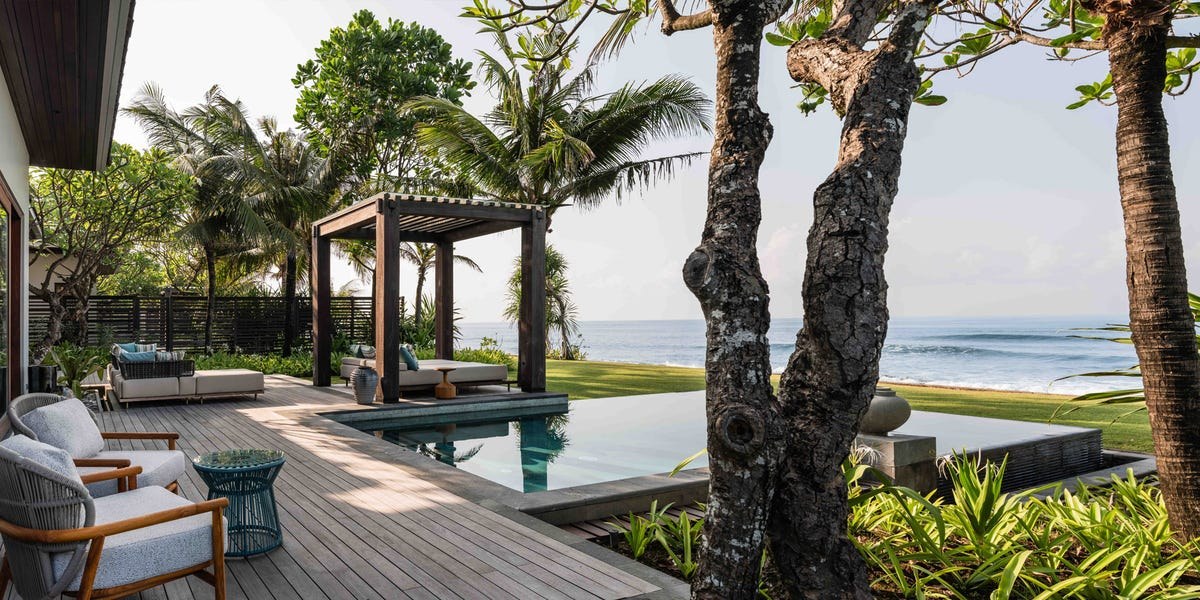
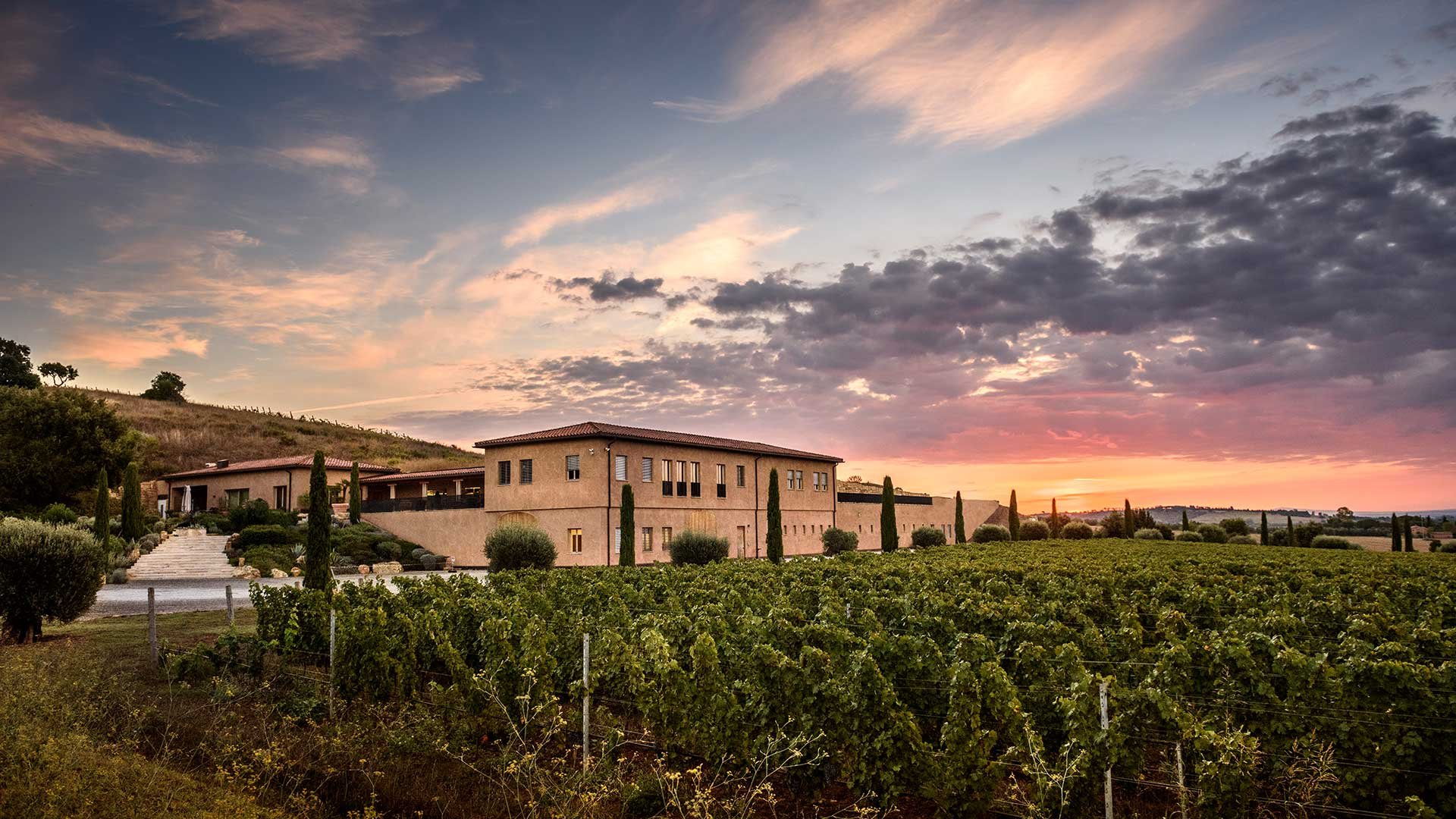
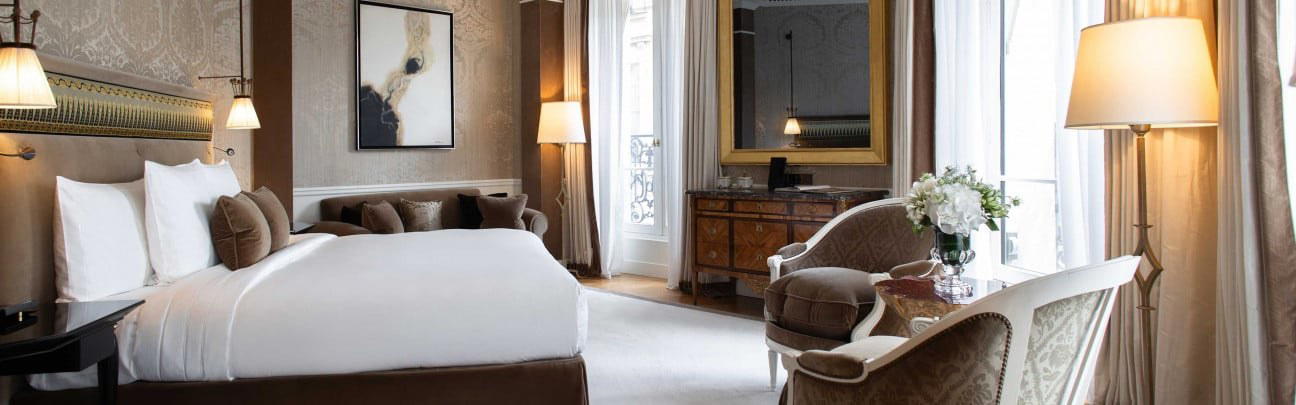
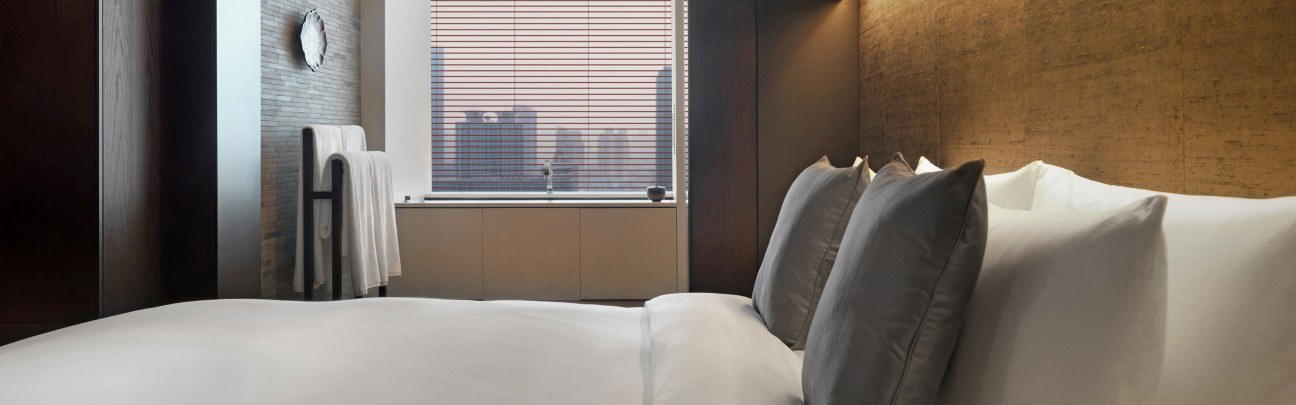
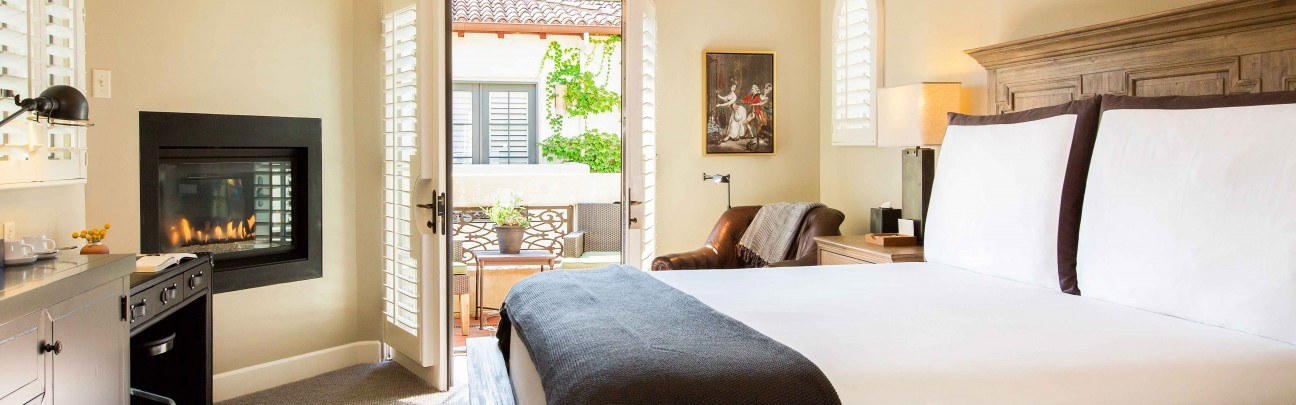
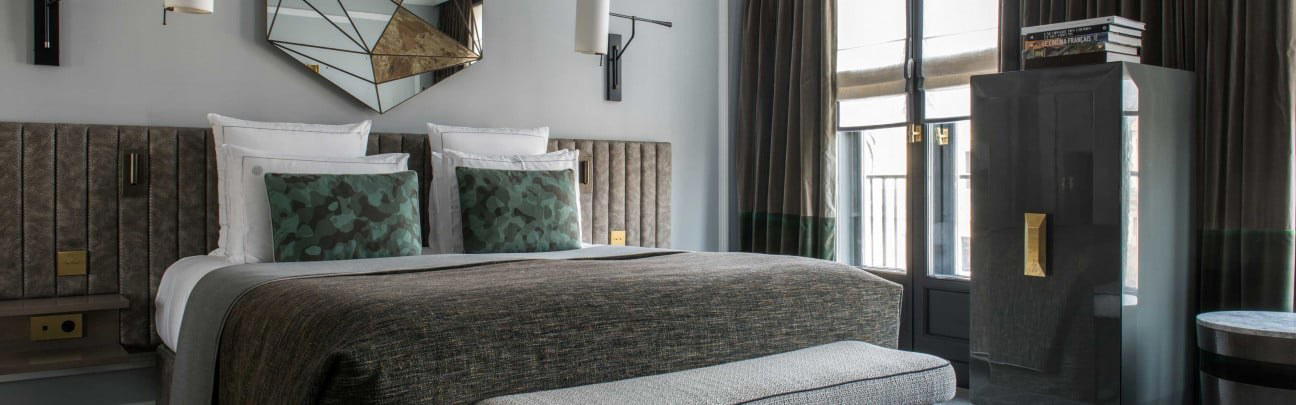
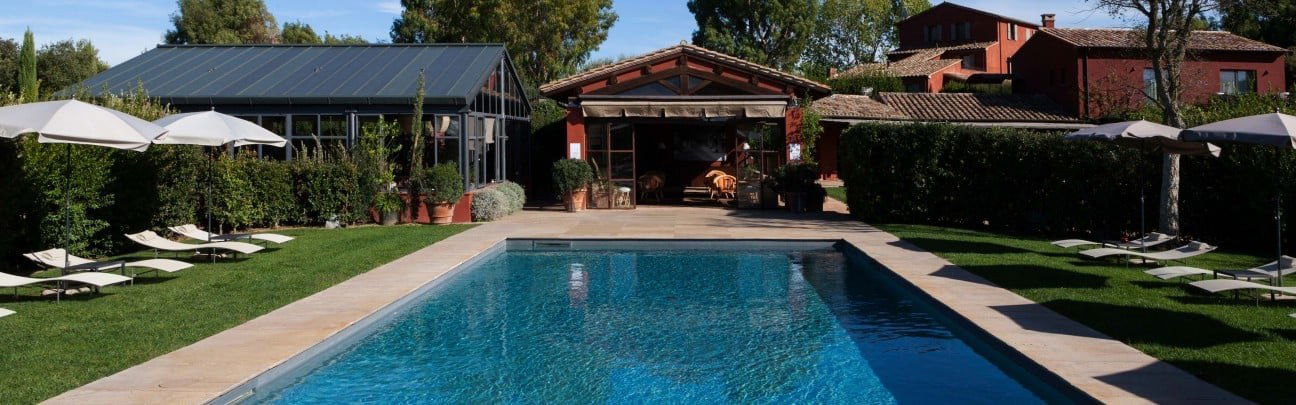
Locanda Rossa presents a quietly assured meeting of farmhouse heritage and contemporary design. The property reads as if it has grown from the Maremma soil: an original farmhouse with half-timbered ceilings sits comfortably alongside a low-key modern expansion, and interiors favour clean, contemporary furnishings and finishes. A red gate ushers guests into olive groves and cultivated gardens, setting a tone that is rural yet refined. The overall effect is intimate and considered rather than loud or showy — a design-forward rural retreat that foregrounds place and provenance in equal measure.
Best For
This estate suits travellers who want a thoughtful rural base in the Maremma: people who value landscape, agricultural character and quietly modern design. With 37 rooms and suites that balance farmhouse structure and contemporary interiors, Locanda Rossa is well matched to couples and small groups seeking a calm escape, as well as design-minded guests who appreciate architecture that respects its context. The surrounding olive groves and cultivated gardens make it a good pick for visitors focused on food, terroir and slow-paced exploration of southern Tuscany’s countryside.
Venue details
Ambiance
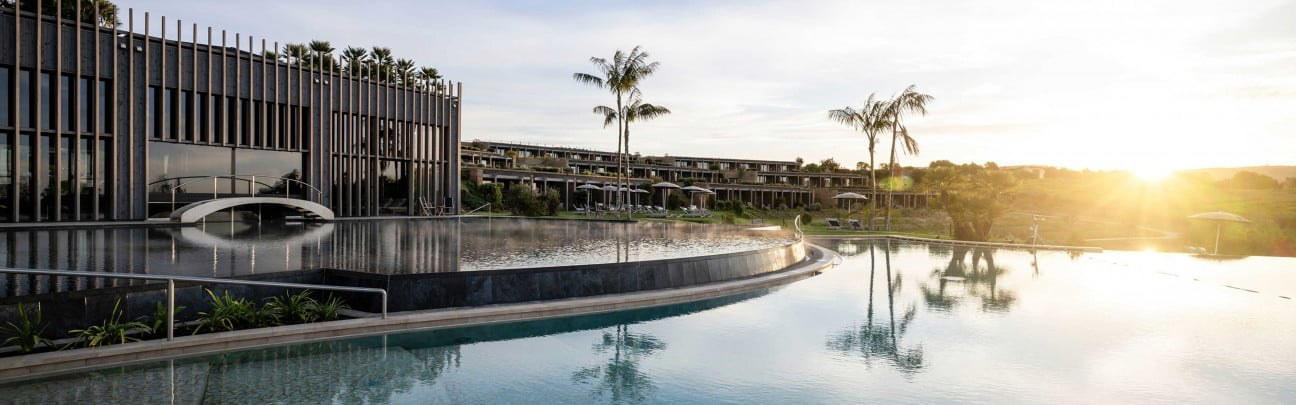
Bright and airy rooms with refined, relaxing atmosphere amid Tuscan olive groves, spa, and pools; guests praise tranquil common areas and elegant service.
Tags
Vibe
Best For
Experience
Amenities
View
Accessibility
About the Stay
- Rooms
- 17
- Check-in
- 15:00
- Check-out
- 11:00
- Property Style
- Contemporary Farmhouse Estate in Tuscan Maremma
- Design Style
- Modern Interiors Blended with Rustic Farmhouse Architecture and Half Timbered Ceilings
Know before you go
Know Before You Go
- Getting there
- Strada Capalbio Pescia Fiorentina, 11b, 58011 Capalbio GR
Planning details
Location
Strada Capalbio Pescia Fiorentina, 11b, 58011 Capalbio GR · Directions
Also consider
Also Consider
- Terre di Sacra, Notable alternative
- La Roqqa, Notable alternative
- Il Pellicano, Notable alternative
- Terme di Saturnia, Notable alternative
- Casale Sterpeti, Notable alternative
Hotel context
How it compares in and around Capalbio
Choose Locanda Rossa over Terre di Sacra if recognised hotel credentials matter more than a looser countryside stay. Both work for Capalbio trips, but Locanda Rossa has the clearer luxury-hotel signal through its Michelin 1 Key and Preferred Hotels L.V.X. Collection recognition. Casale Sterpeti is the comparison to make if value and a simpler rural base are the priority.
La Roqqa and Il Pellicano are better cross-shops for guests who want the trip to feel more coastal and hotel-scene driven. Locanda Rossa is the calmer Capalbio choice, while those two make more sense when the hotel itself is meant to carry more of the itinerary. If wellness is the point of the trip, compare with Terme di Saturnia before booking, since that decision is more about spa time than Capalbio access.
If Locanda Rossa is full or the price moves beyond the trip's comfort zone, start with Terre di Sacra for another Capalbio-area option, then widen to Casale Sterpeti for a more restrained rural stay. For a totally different resort brief elsewhere in Italy, compare against 7Pines Resort Sardinia in Baja Sardinia, Abi d'Oru Beach Hotel & Spa in Porto Rotondo, Abi d'Oru Beach Hotel&Spa; in Costa Smeralda, ADLER Lodge RITTEN in Soprabolzano, ADLER Spa Resort SICILIA in Siculiana, Aethos Monterosa in Champoluc, Abano Grand Hotel in Abano Terme, Adler Historic Guesthouse in Brixen, A.D. 1768 Boutique Hotel in Ragusa Ibla, !Xaus Lodge in Dawid Kruiper.Here Baa Atoll Maldives in Baa Atoll, or "Róże i Zen" Apartamenty. Pokoje Gościnne in Torun.
Around this place
Discover more on Pearl
Unlock the full Locanda Rossa guide in Pearl, including awards, comparisons, FAQs, planning details, and nearby places.
Compare Locanda Rossa
| Venue | Location | Awards |
|---|---|---|
| Locanda Rossa | Capalbio | 2026 Mr & Mrs Smith Luxury Hotels2025 Michelin 1 KeyMichelin 1 Key 2025Preferred Hotels L.V.X. Collection and Preferred Residences 20252024 Michelin 1 Key |
| Terre di Sacra | Capalbio | No published awards |
| La Roqqa | Porto Ercole | 2026 Mr & Mrs Smith Luxury Hotels2025 Michelin 1 KeySmall Luxury Hotels Member 2025 |
| Il Pellicano | Porto Ercole | 2026 Virtuoso Luxury Hotel Collection2026 Forbes 5-StarLeading Hotels of the World 2026Conde Nast Gold List 20262026 La Liste Top Hotels2025 World’s 50 Best Hotels · #262025 Forbes 5-Star2025 Michelin 1 Key2024 Michelin 1 Key |
| Terme di Saturnia | Saturnia | 2026 Virtuoso Luxury Hotel CollectionLeading Hotels of the World 2026 |
| Casale Sterpeti | Magliano In Toscana | No published awards |







How Locanda Rossa Capalbio compares with similar nearby venues.
FAQ
Frequently Asked Questions
Do loyalty programs work at Locanda Rossa?
Treat the 2025 Preferred Hotels L.V.X. Collection and Preferred Residences listing as the main affiliation signal. If you care about points or partner perks, compare your rate across booking channels before you commit, rather than assuming a specific program benefit.
Is Locanda Rossa family-friendly?
How is the pool and spa at Locanda Rossa?
Pool or spa details are not available. Treat the 2024 Michelin 1 Key as a hotel-recognition signal, but confirm any wellness facilities directly before making them a reason to book.
How is the dining at Locanda Rossa?
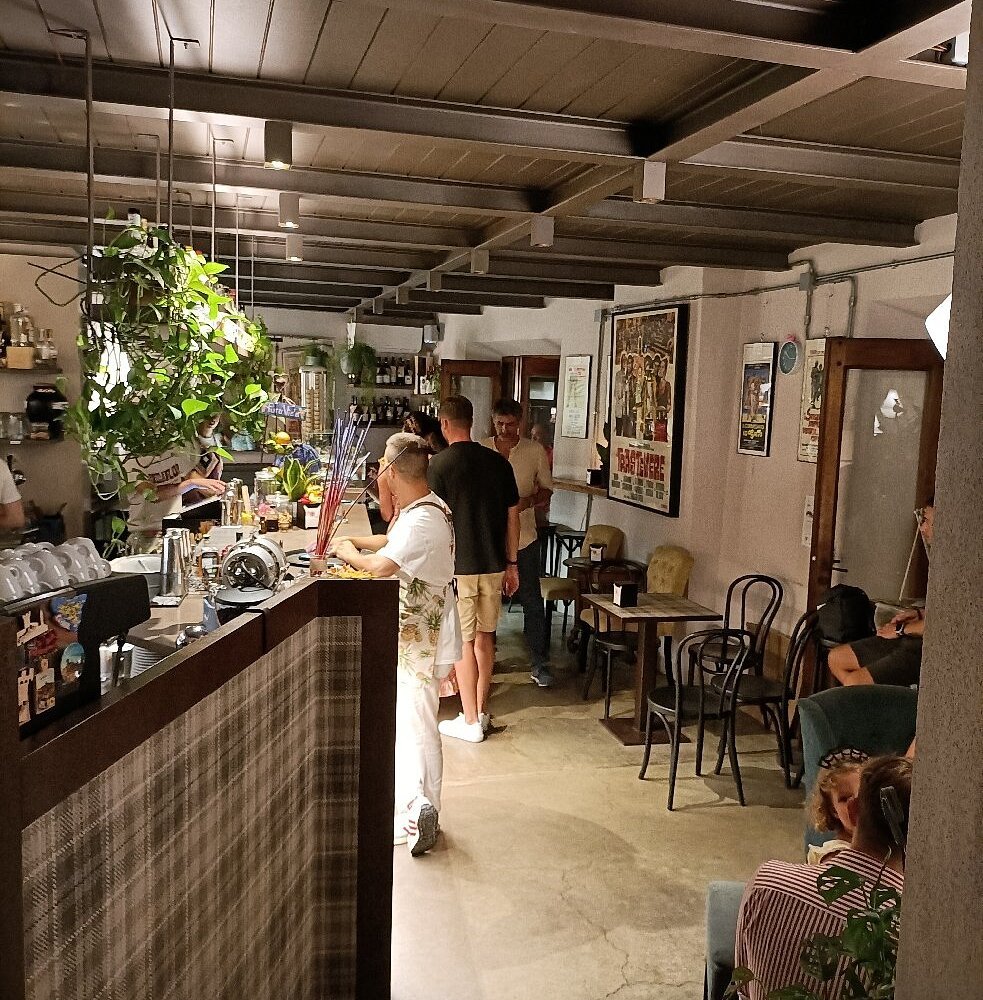
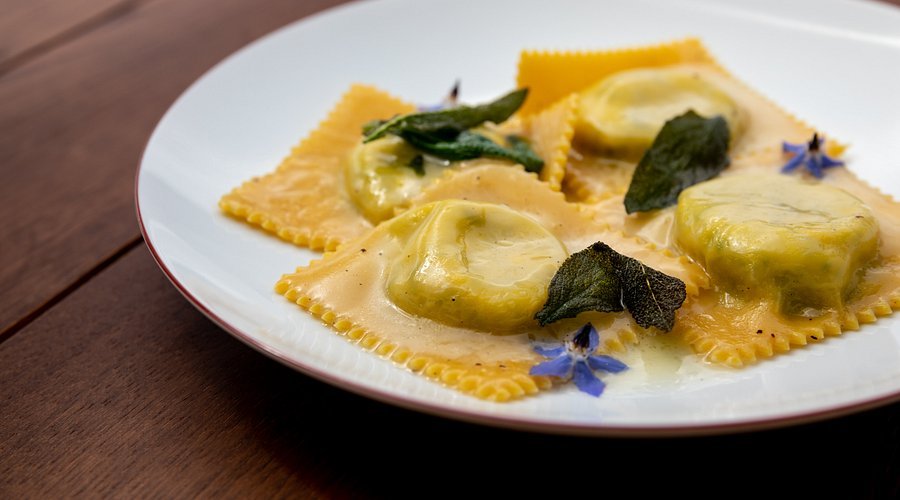
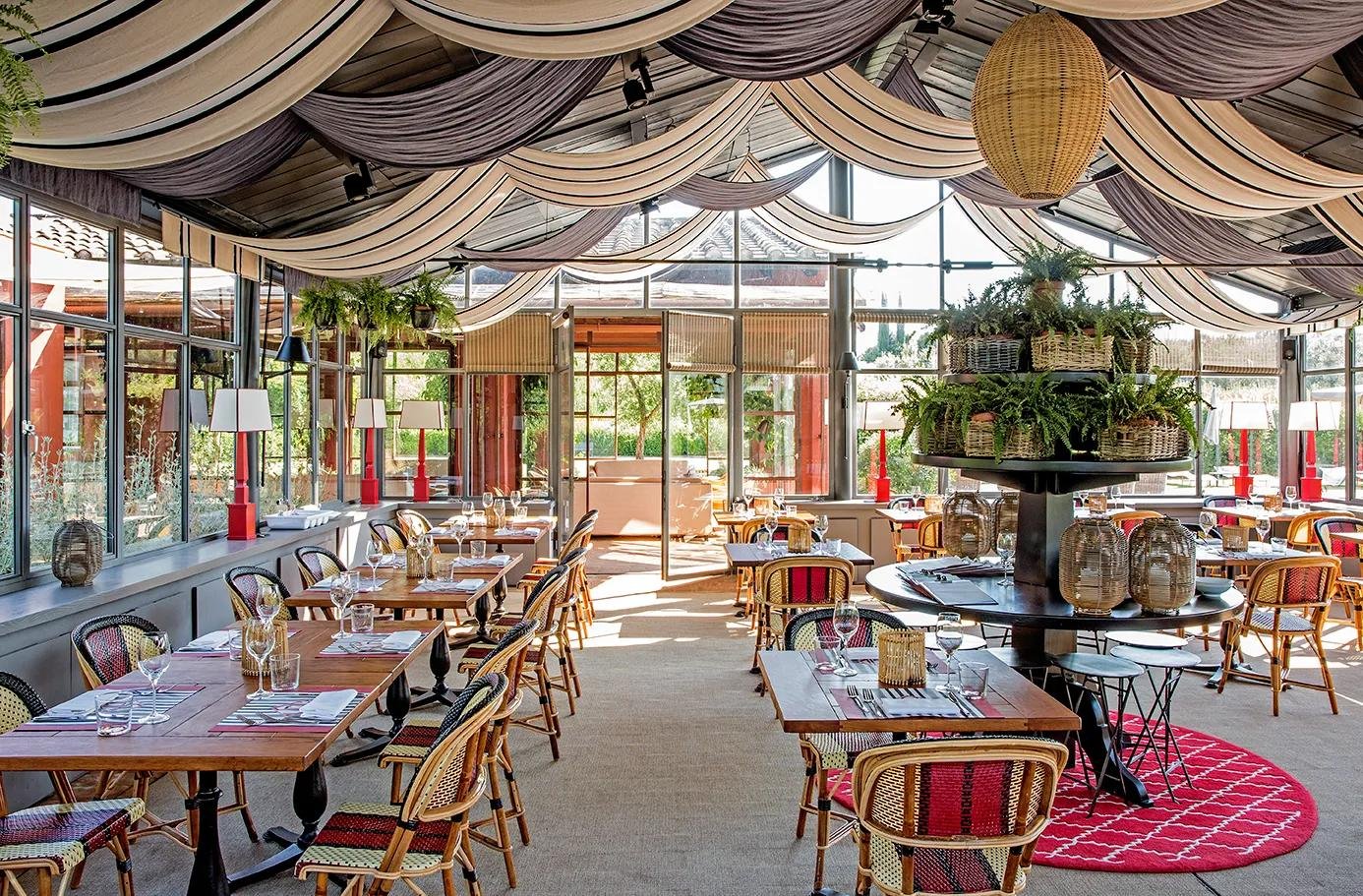
Dining should be viewed as part of the hotel experience, not the sole reason to stay. With no cuisine type, chef name, signature dish, or menu format listed, the safer read is that Locanda Rossa works best as a recognised Capalbio hotel base rather than a destination dining pilgrimage.
What is check-in like at Locanda Rossa?
How does Locanda Rossa compare to other hotels?
Use Locanda Rossa as a Capalbio hotel option with recognition: Michelin 1 Key in 2024, Preferred Hotels L.V.X. Collection and Preferred Residences recognition in 2025, and Mr & Mrs Smith Seal of Approval in 2026. Compare it with Casale Sterpeti, Il Pellicano, La Roqqa, Terme di Saturnia, and Terre di Sacra according to the exact location, facilities, and stay style you need.
When is the best time to book Locanda Rossa?
Seasonal booking guidance is not available. If your dates are important, book once the rate, room type, and cancellation terms work for your Capalbio trip.