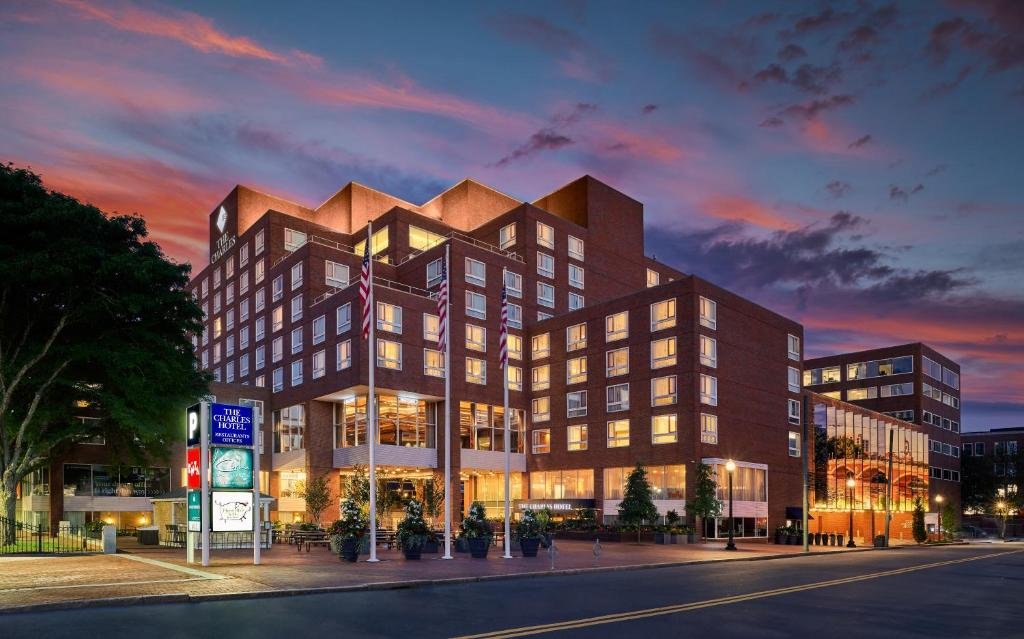



The Charles Hotel Harvard Square
West Cambridge, Cambridge
Hotel in Cambridge, United States
 Book with Pearl
The Read
University-District Anchor
Why go
The Charles Hotel Harvard Square is the practical upscale choice when the trip is centered on Harvard, Cambridge meetings, parents' weekend, or a special occasion nearby. Its strongest argument is location plus credible luxury-travel recognition, not flashy novelty. If the itinerary points toward Back Bay, Fenway, or downtown Boston, compare Boston-side hotels before committing.
About The Charles Hotel Harvard Square
The Charles Hotel Harvard Square is a Cambridge hotel to consider when you want an upscale, smart-casual stay with strong credentials for rooms, dining, or amenities.
The property has smart casual dress guidance and recognized luxury-hotel affiliations. It is listed with Preferred Hotels L.V.X. Collection for 2025 and as a Virtuoso Luxury Hotel Partner for 2026. This supports positioning it as a more polished hotel choice.
Book it when Cambridge is the point of the trip
Recommendation is strongest for travelers who specifically want to stay in Cambridge. If the trip is not centered on Cambridge, compare it with Hotel Commonwealth, The Verb Hotel, The Eliot Hotel, or citizenM Boston Back Bay hotel. If you want another Cambridge hotel to consider, compare Kimpton Marlowe Hotel as well.
Charles Hotel Harvard Square also has credible luxury-travel positioning through Preferred Hotels L.V.X. Collection recognition in 2025 and Virtuoso Luxury Hotel Partner status in 2026. These affiliations give travelers a grounded reason to include the hotel on a premium shortlist.
What the stay is for
Use this as a Cambridge-first hotel option when a smart casual, premium-positioned property is the goal. For details on dining formats, room sizes, family amenities, check-in style, rates, or services, these should be confirmed directly before booking.
Quick reference: choose this for a Cambridge stay with luxury-hotel affiliations; cross-shop Boston-side peers when the itinerary is not centered on Cambridge.
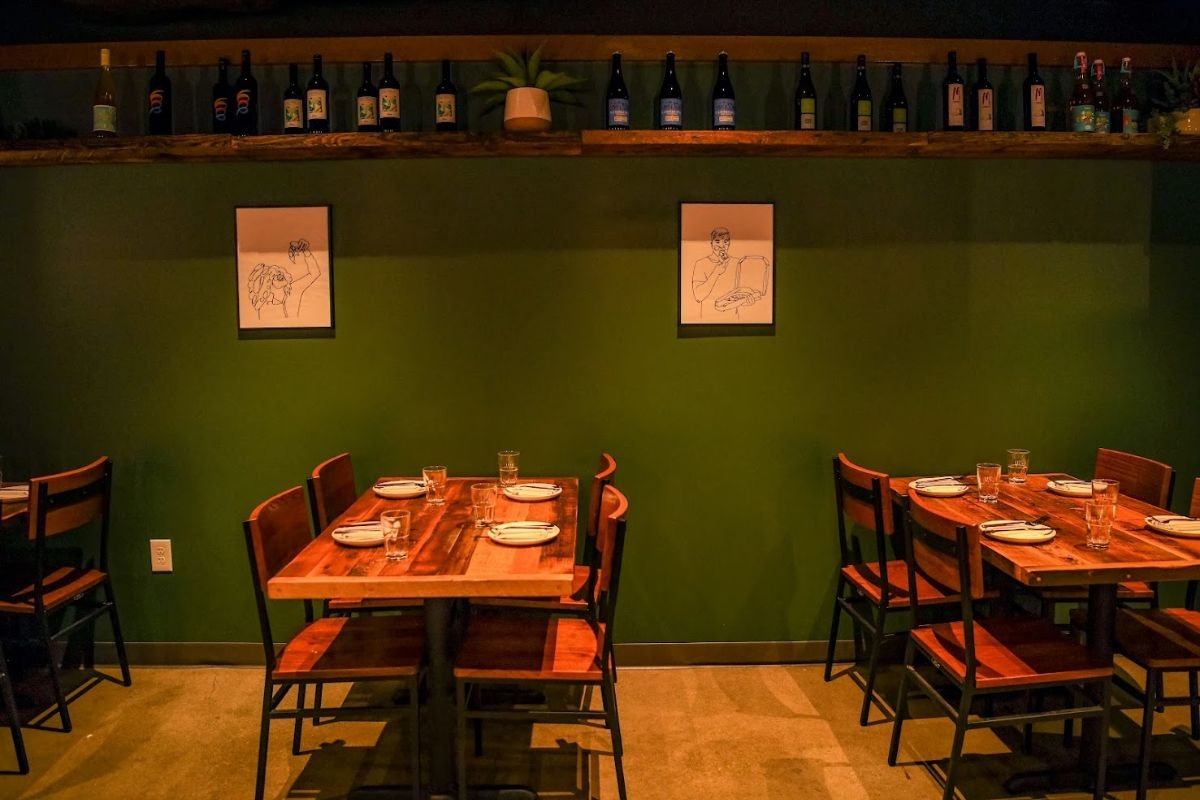
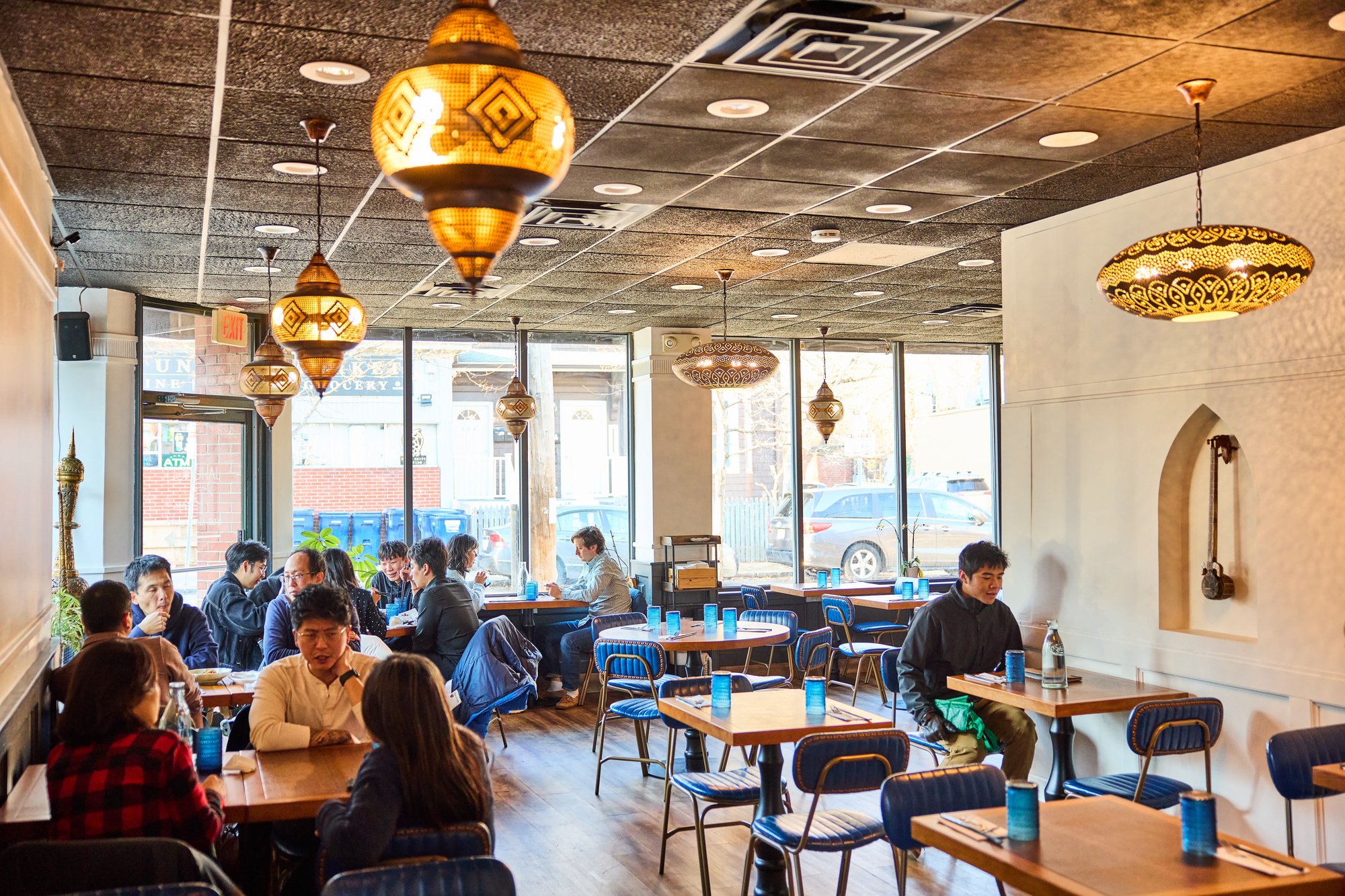
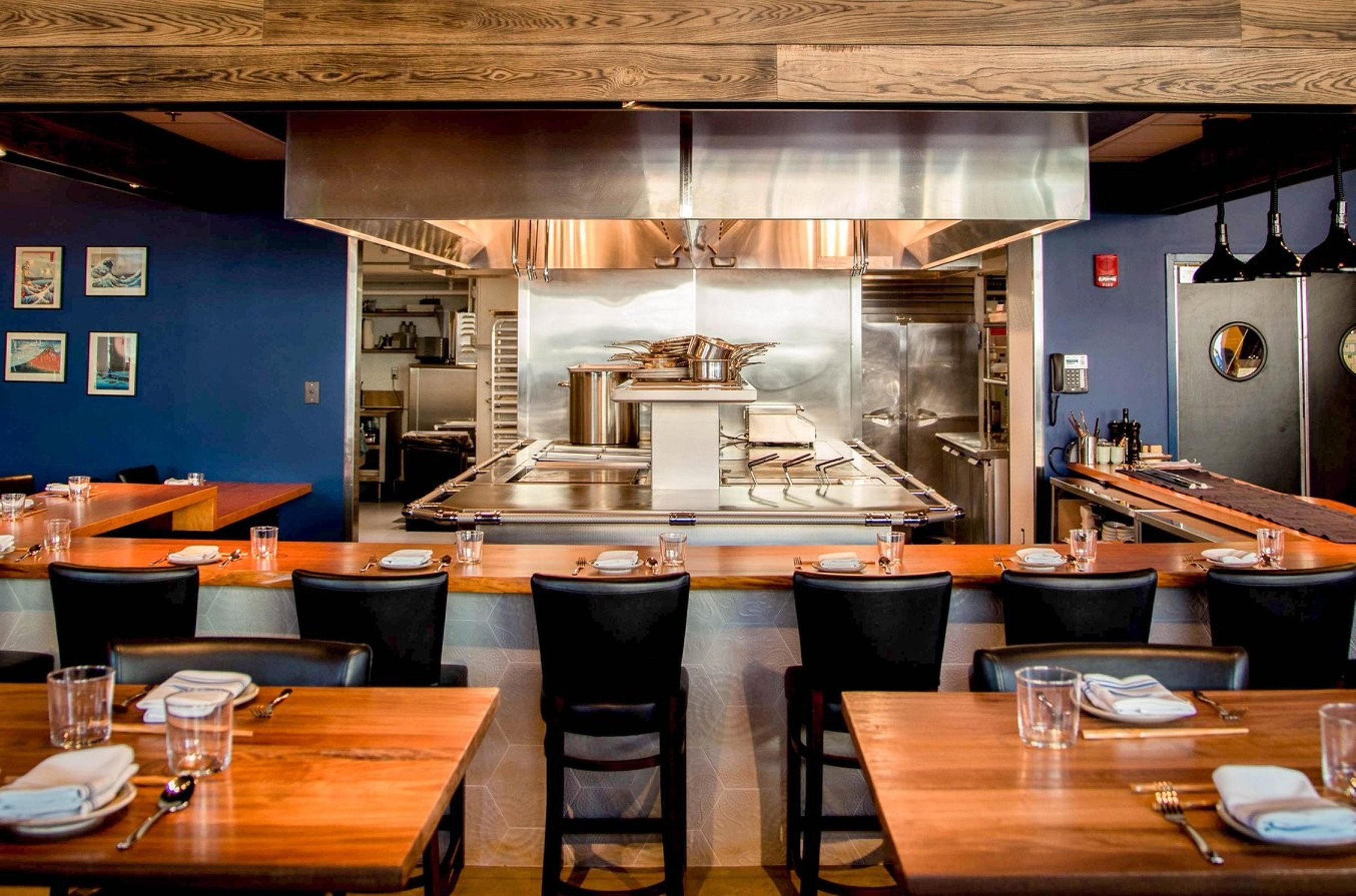
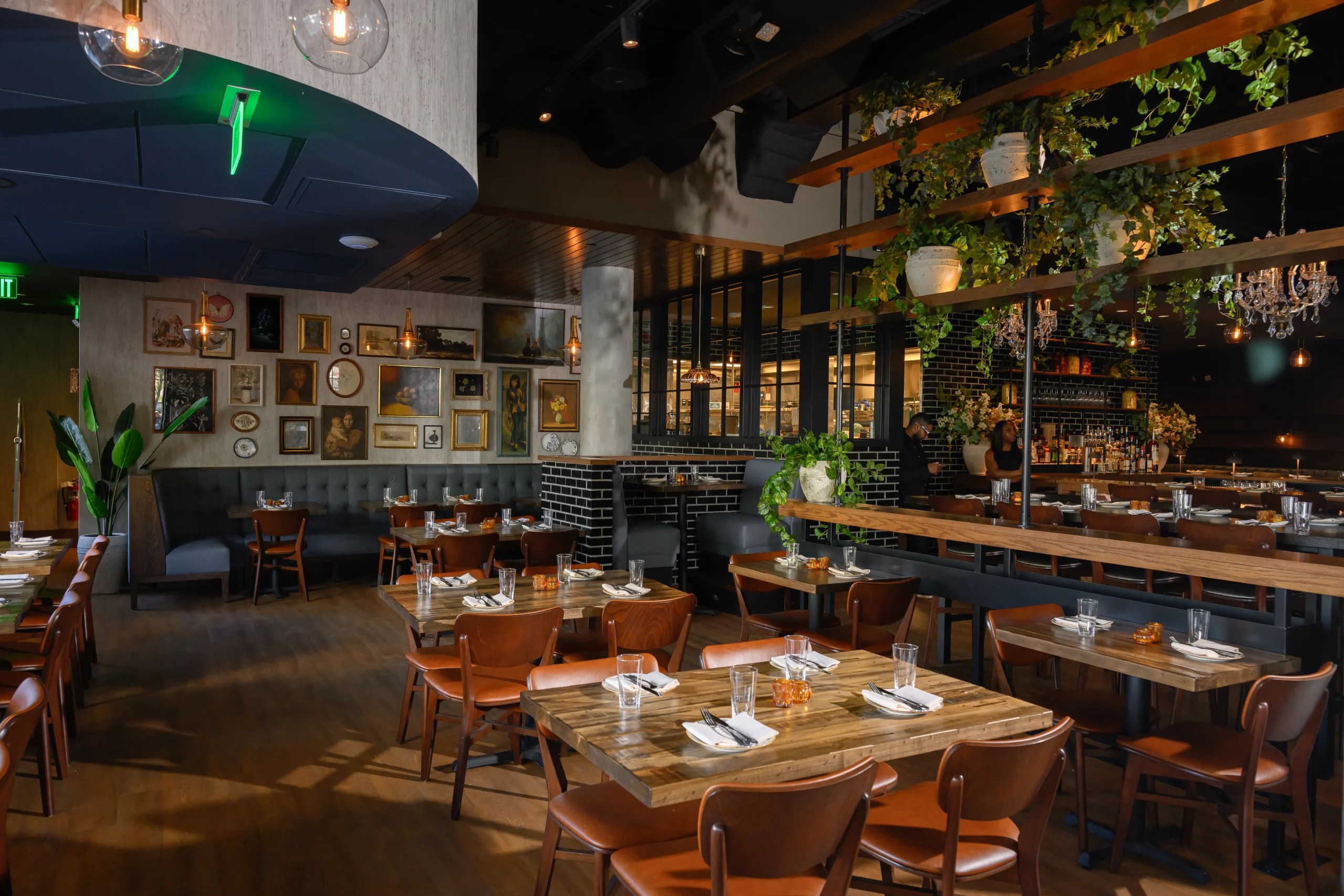
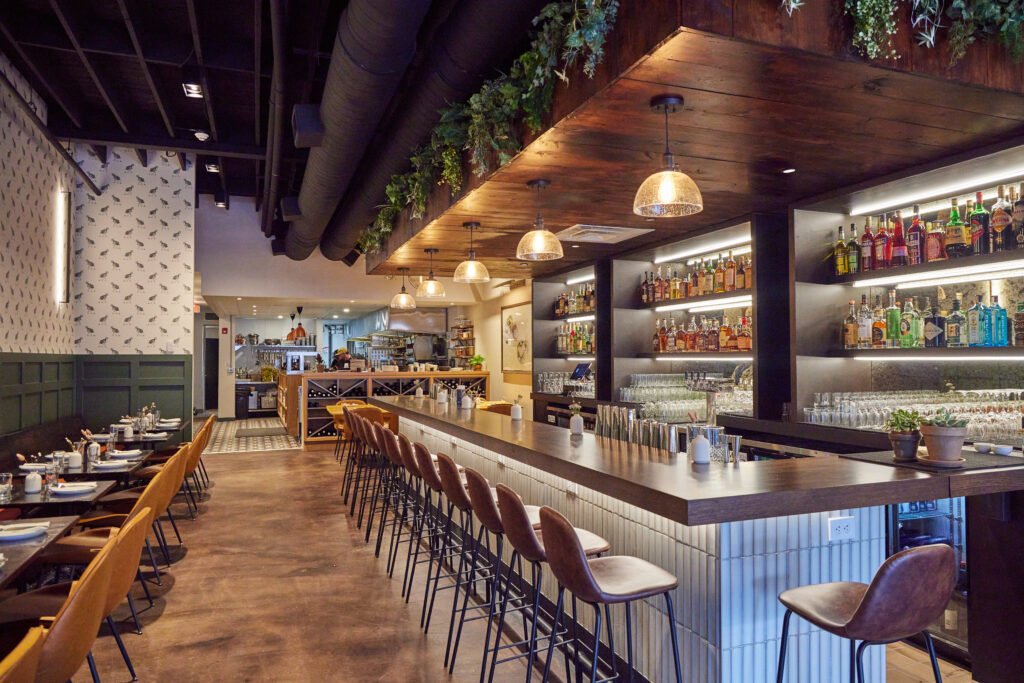
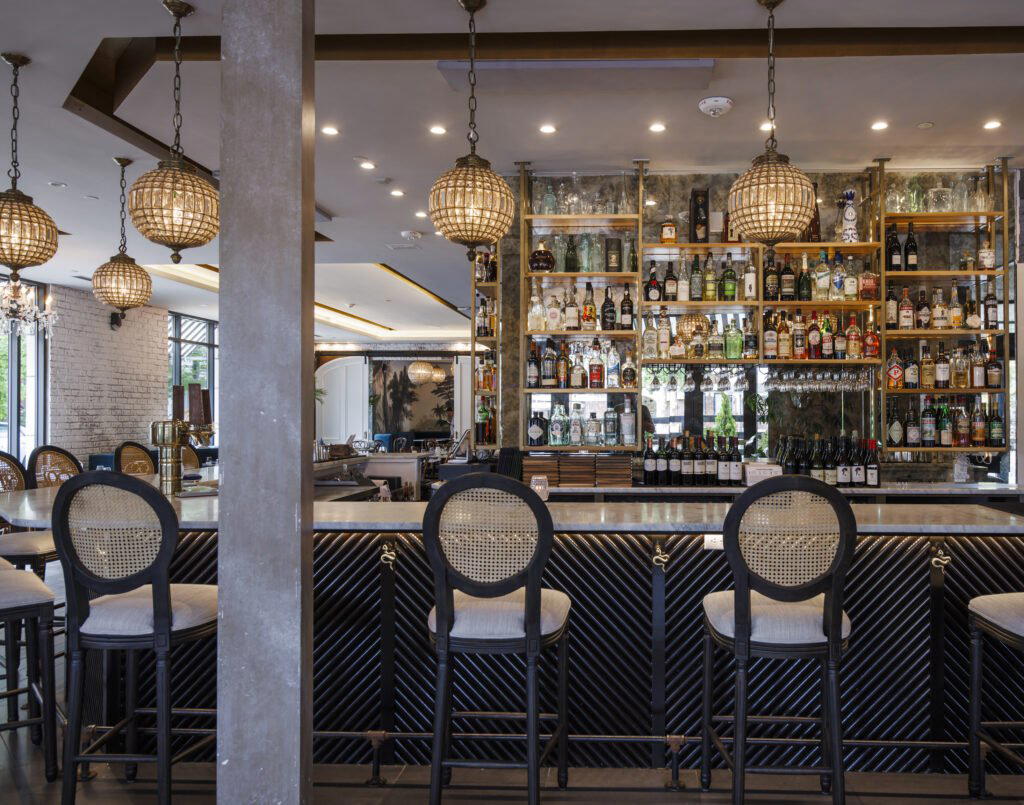
Inside The Charles Hotel Harvard Square
Planning details
- Location
- 1 Bennett St, Cambridge, MA 02138
- Website
- charleshotel.com
- Phone
- +1 617-864-1200
The take
The Take
The Vibe
The Charles Hotel presents an understated, historically rooted presence in Harvard Square. The copy emphasizes its independent provenance and the negotiated place it holds in a neighborhood that prizes substance over spectacle. Rather than flashy gestures, the hotel operates through a sober professionalism and a civic-facing sensibility: it functions as a gathering point for visiting scholars, policy figures and notable guests. The site’s sweep of views over the Charles River reinforces a scenic, contextual elegance, while the origin story and longevity give the property a quietly authoritative, historic character.
Best For
This hotel suits travelers who prioritize proximity to Harvard Square’s intellectual and civic life. It is a natural fit for visiting scholars, policy visitors, and business travelers who want a serious, service-forward stay rather than a trendy spectacle. The Charles also works well for couples seeking a considered, quietly luxurious escape and for weekend visitors who want easy access to the neighborhood’s concentrated cultural institutions. Guests who value history, context and an institutional approach to hospitality will find the hotel particularly rewarding.
Stay Tips
When booking, prioritize rooms that capitalize on the property’s river outlook—the description highlights a sweep of views over the Charles River, so requesting a river-facing room is worthwhile. Treat the hotel as a hub for the neighborhood’s civic and academic rhythms: plan around university schedules if you want to experience its public gathering spaces. For clarity about room location and view, confirm preferences with the reservations team at booking.
Venue details
Ambiance
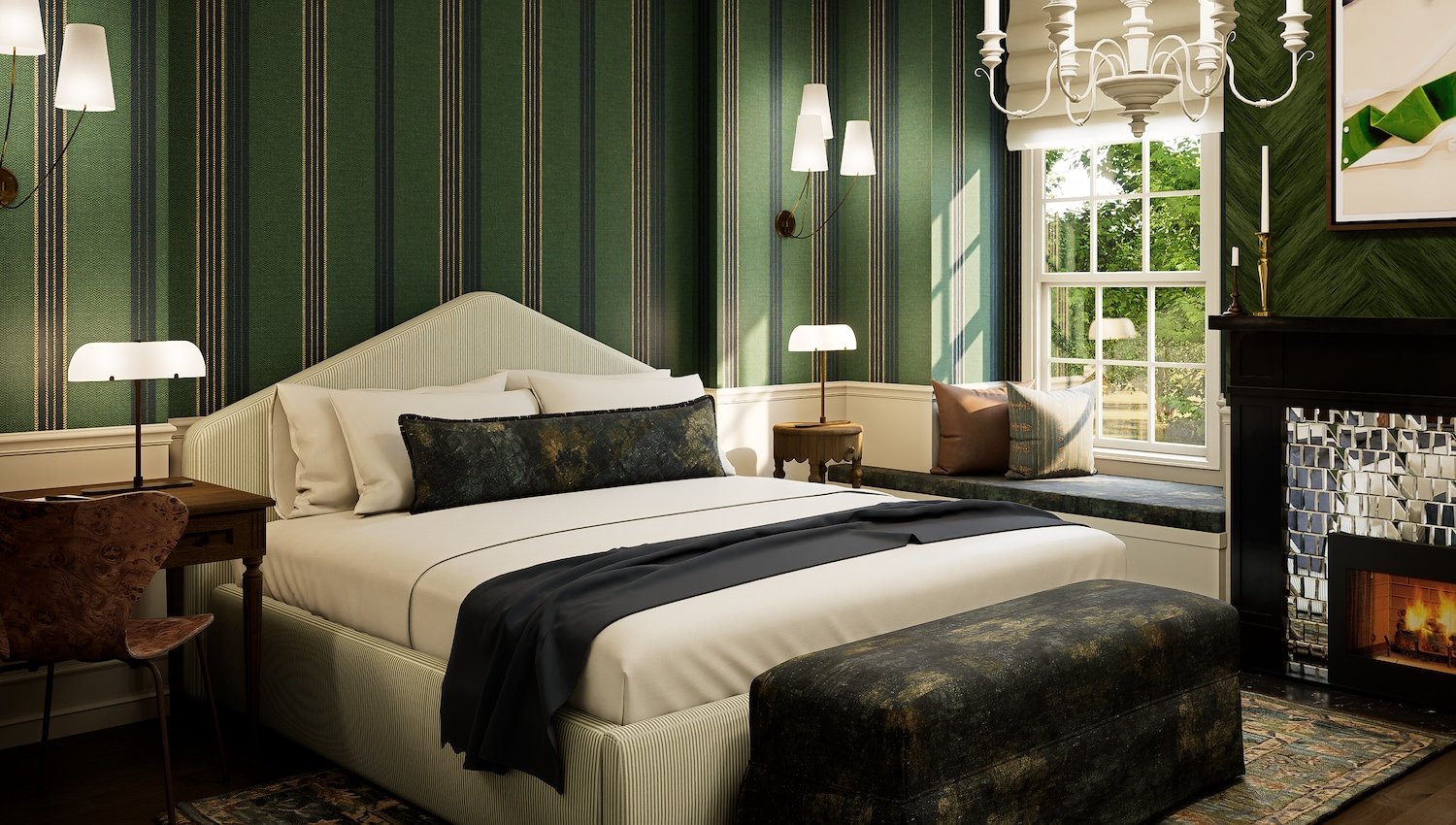
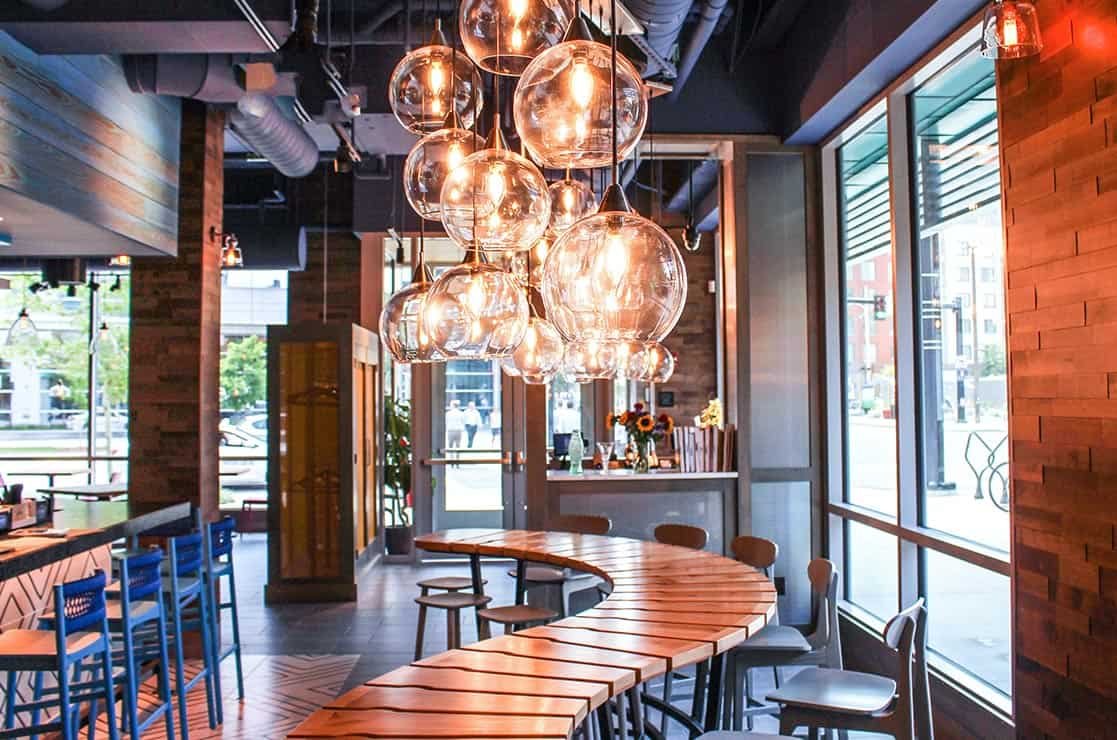
Inviting lobby with luxurious, quiet spaces for relaxing; elegant rooms blending New England heritage with modern comforts.
Tags
Vibe
Best For
Experience
Amenities
View
Accessibility
About the Stay
- Rooms
- 303
- Check-in
- 15:00
- Check-out
- 12:00
- Property Style
- New England Luxury with Ivy League Heritage
- Design Style
- Shaker Furniture, Plaid Patterns, Rustic Modern
Know before you go
Know Before You Go
- Getting there
- 1 Bennett St, Cambridge, MA 02138
Planning details
Location
Recognition and awards

Also consider
Also Consider
- Hotel Commonwealth, Notable alternative
- The Verb Hotel, Notable alternative
- The Eliot Hotel, Notable alternative
- citizenM Boston Back Bay hotel, Notable alternative
- Kimpton Marlowe Hotel, Notable alternative
Hotel context
How it compares with nearby Boston and Cambridge options
Choose The Charles Hotel Harvard Square when Cambridge convenience is the main requirement. It is the stronger fit for Harvard-linked weekends, academic events, and business stays around the square than Hotel Commonwealth or The Verb Hotel, both of which make more sense when Fenway or Boston-side plans drive the trip.
The Eliot Hotel and citizenM Boston Back Bay hotel are better cross-shops for travelers who want Back Bay access. The Eliot is the more traditional Boston option; citizenM is the sharper pick for compact, design-forward efficiency. The Charles is easier to justify when reducing transit time in Cambridge matters more than being in the middle of Boston.
Kimpton Marlowe Hotel is the closest comparison for a Cambridge stay with a different neighborhood feel. Pick Kimpton Marlowe if the itinerary leans toward East Cambridge or a less Harvard-centered plan. Pick The Charles if the stay needs to orbit Harvard Square and carry stronger luxury-travel credentials.
Explore Cambridge
Around this place
Discover more on Pearl
Unlock the full The Charles Hotel Harvard Square guide in Pearl, including awards, comparisons, FAQs, planning details, and nearby places.
Compare The Charles Hotel Harvard Square
| Venue | Location | Awards |
|---|---|---|
| The Charles Hotel Harvard Square | Cambridge | 2026 Virtuoso Luxury Hotel Collection2025 Michelin Selected HotelsPreferred Hotels L.V.X. Collection 2025 |
| Hotel Commonwealth | Boston | No published awards |
| The Verb Hotel | Boston | No published awards |
| The Eliot Hotel | Boston | Preferred Hotels Member 2025 |
| citizenM Boston Back Bay hotel | Boston | No published awards |
| Kimpton Marlowe Hotel | Boston | No published awards |
How The Charles Hotel Harvard Square compares with similar nearby venues.
FAQ
Frequently Asked Questions
How is the location of The Charles Hotel Harvard Square?
The hotel is located in Cambridge. If your plans are better served by a Boston base, Hotel Commonwealth, The Verb Hotel, The Eliot Hotel, or citizenM Boston Back Bay hotel may be worth comparing.
Do loyalty programs work at The Charles Hotel Harvard Square?
Hotel affiliations include Preferred Hotels L.V.X. Collection for 2025 and Virtuoso Luxury Hotel Partner status for 2026. Any specific benefits, perks, or booking rules should be confirmed through the booking channel before you reserve.
How does The Charles Hotel Harvard Square compare to nearby hotels?
It is a Cambridge option with premium-hotel affiliations. Kimpton Marlowe Hotel is another Cambridge hotel to compare, while Hotel Commonwealth, The Verb Hotel, The Eliot Hotel, and citizenM Boston Back Bay hotel are Boston options that may fit better when a Boston base is preferred.
What is check-in like at The Charles Hotel Harvard Square?
Is The Charles Hotel Harvard Square family-friendly?
Which room category is best at The Charles Hotel Harvard Square?
Choose a room based on the current booking information from the hotel or your travel advisor, and confirm any space or bedding needs before reserving.