
The Notary
Ezelstraat Quartier, Bruges
Hotel in Bruges, Belgium
 Book with Pearl
The Read
Heritage-Suite Intimacy
Why go
The Notary is worth targeting for a quieter, special-occasion Bruges stay rather than a large-hotel experience. Its Michelin 1 Key recognition and Mr & Mrs Smith Seal of Approval support the quality signal, but room value depends on how much time you plan to spend at the property.
About The Notary
The Notary is a Bruges stay with a smart-casual dress code, Michelin 1 Key recognition in 2025, and a Mr & Mrs Smith Seal of Approval for 2026. Travelers should review amenities, room formats, dining details, and service inclusions directly in the booking terms before reserving.
Choose it for a Bruges stay with standout recognition
The strongest reason to consider The Notary is its Michelin 1 Key recognition, which places it among notable hotel stays in Bruges. It also carries a Mr & Mrs Smith Seal of Approval for 2026. If you are comparing styles of stay, Dukes' Palace Brugge, Boutique Hotel Sablon, Hotel De Castillion, Hotel De Orangerie, and Hotel Heritage are natural Bruges alternatives to review alongside it.
Room choice should be driven by the details shown at the time of booking. Confirm room categories, sizes, views, amenities, and prices before committing. The smart-casual dress code is the key style guidance to keep in mind.
Book with the practical details in mind
Before reserving, check the current booking page or contact the property for practical details such as arrival arrangements, included services, wellness access, dining, and cancellation terms. Those specifics should not be assumed from the hotel's recognition alone.
For travelers comparing Bruges options, The Notary is best evaluated on its accolades and fit with the type of stay you want. If dining plans are important, review other dining in Bruges separately and confirm any hotel meal details directly. For a broader scan before committing, use Our full Bruges hotels guide alongside Our full Bruges restaurants guide.
Planning details
- Location
- Moerstraat 54, 8000 Brugge
- Website
- thenotary.be
- Phone
- +32 50 89 64 46
The take
The Take
The Vibe
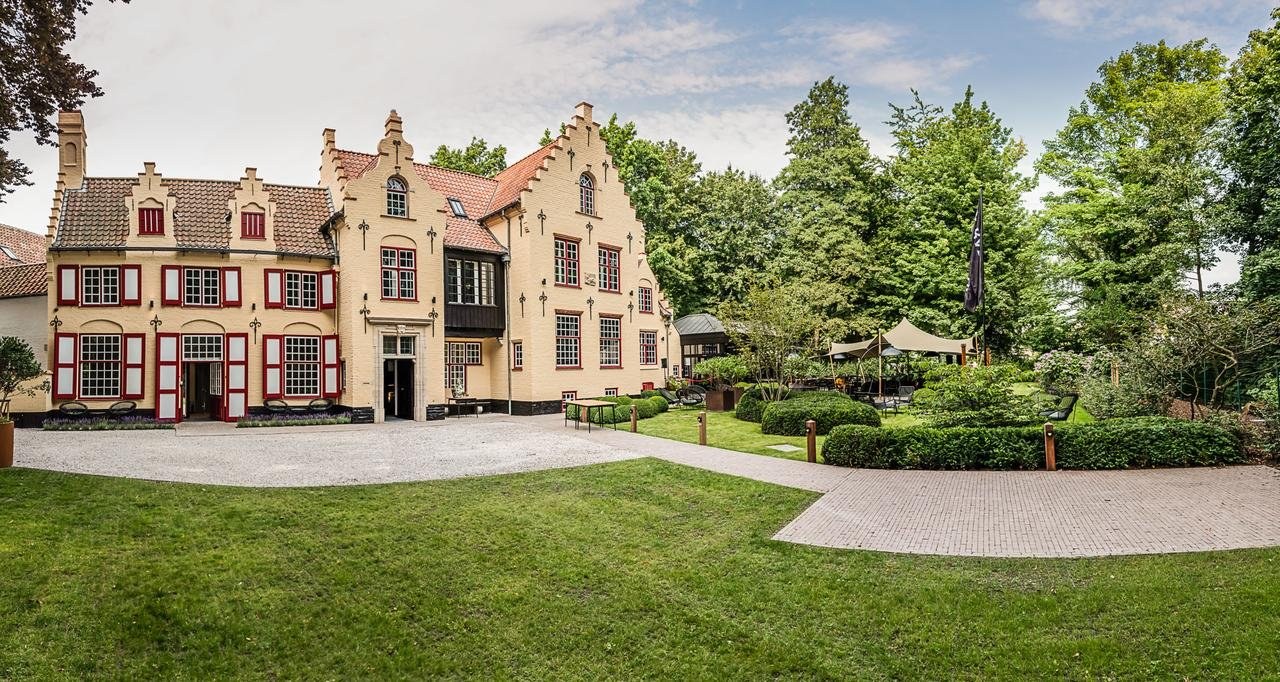
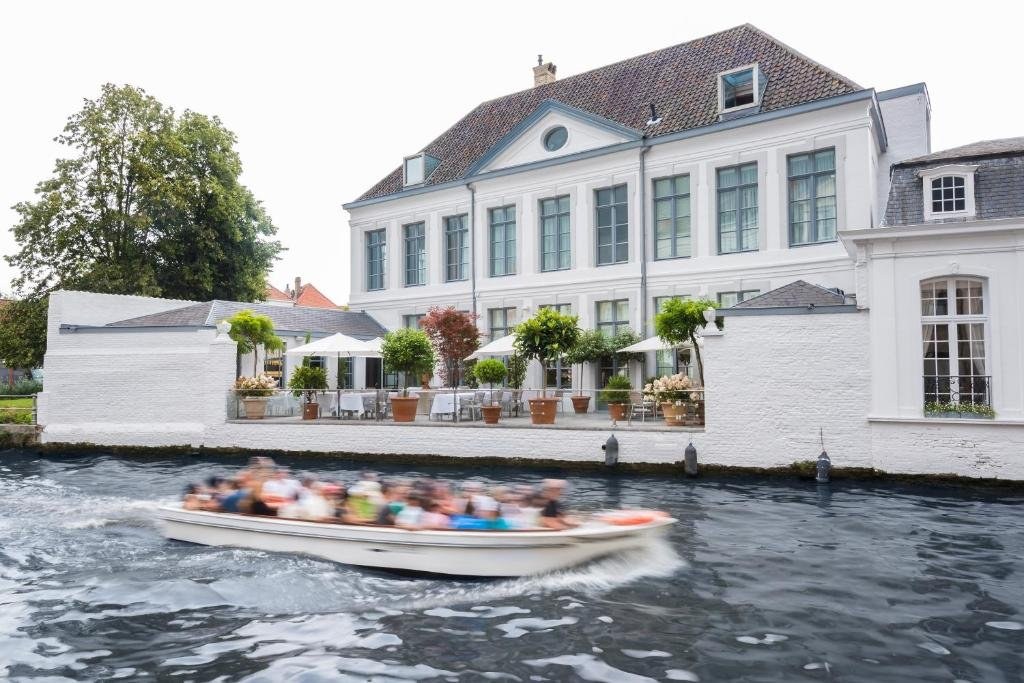
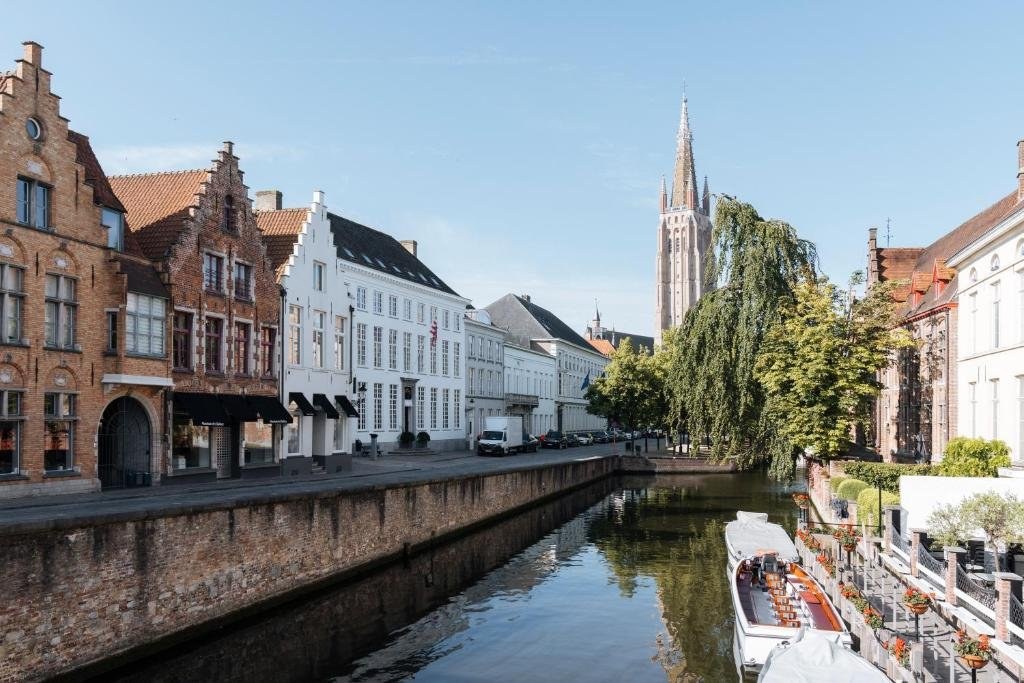
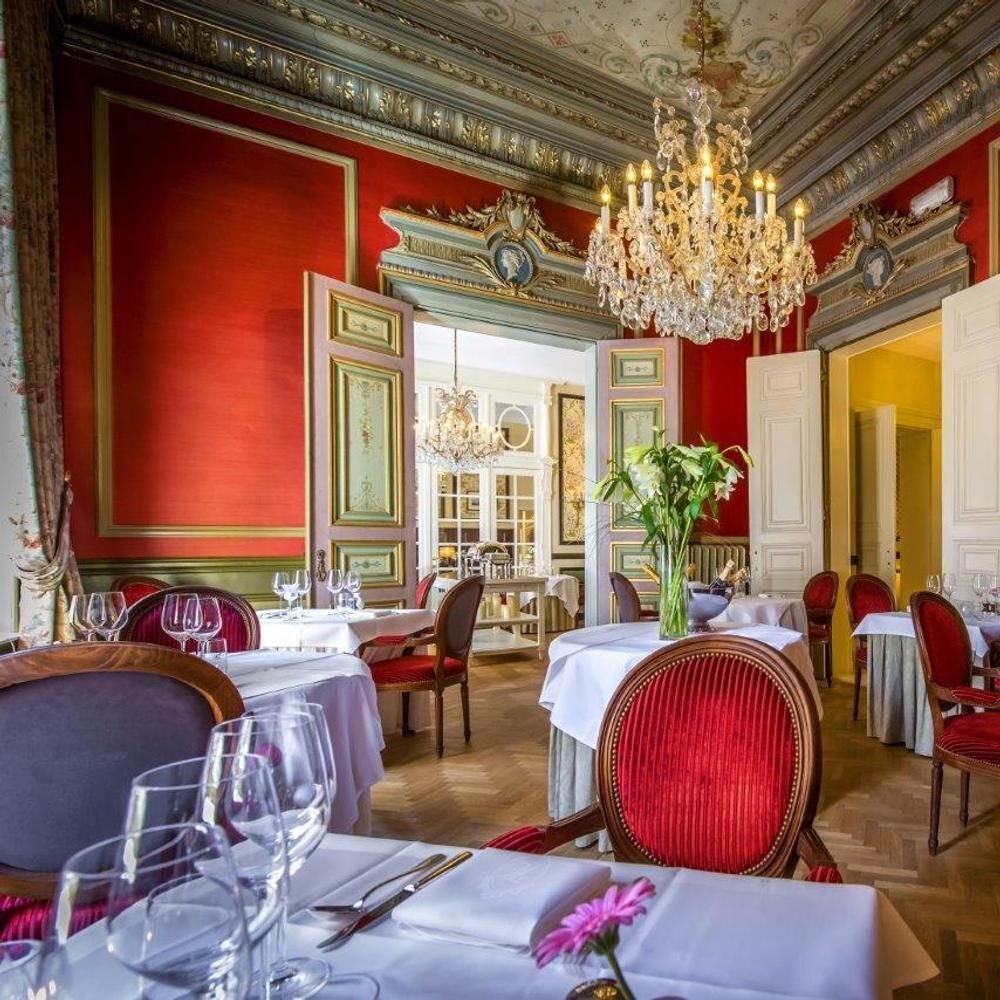
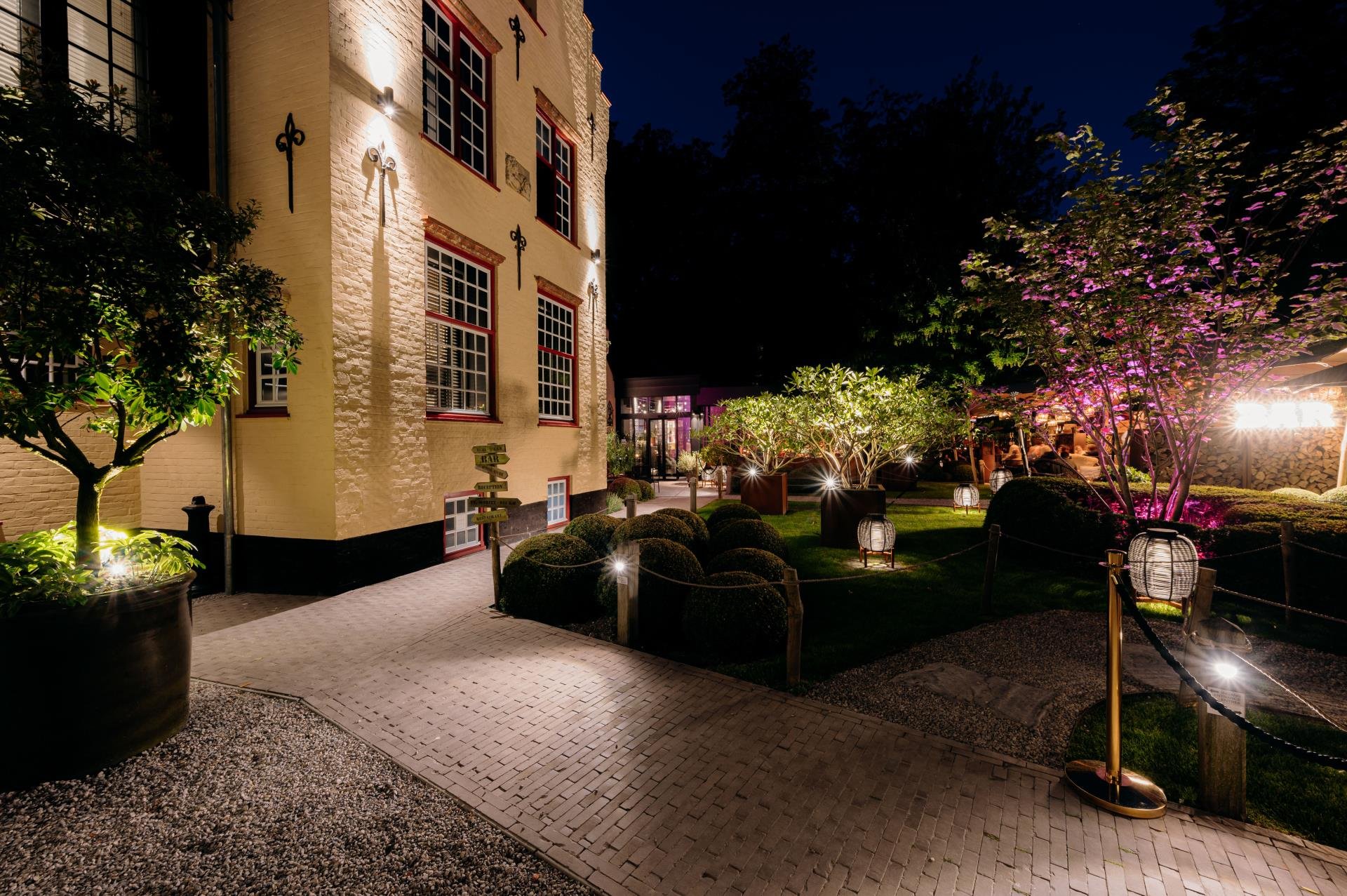
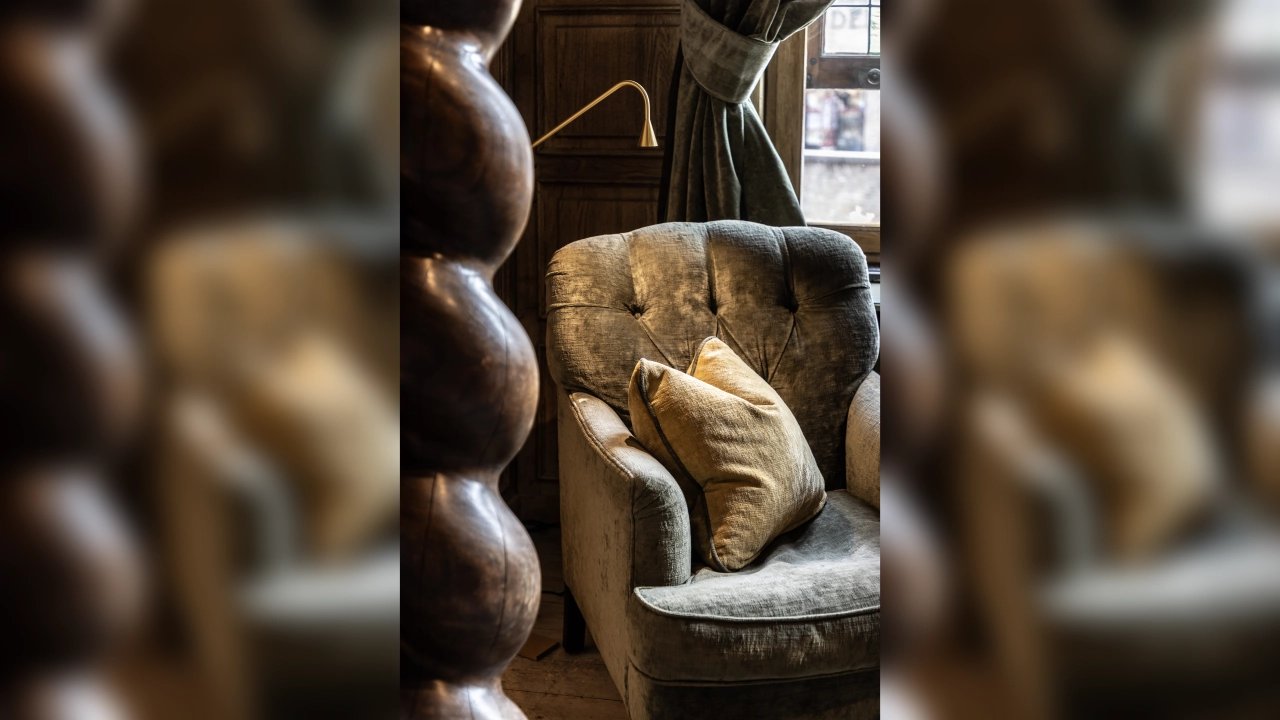
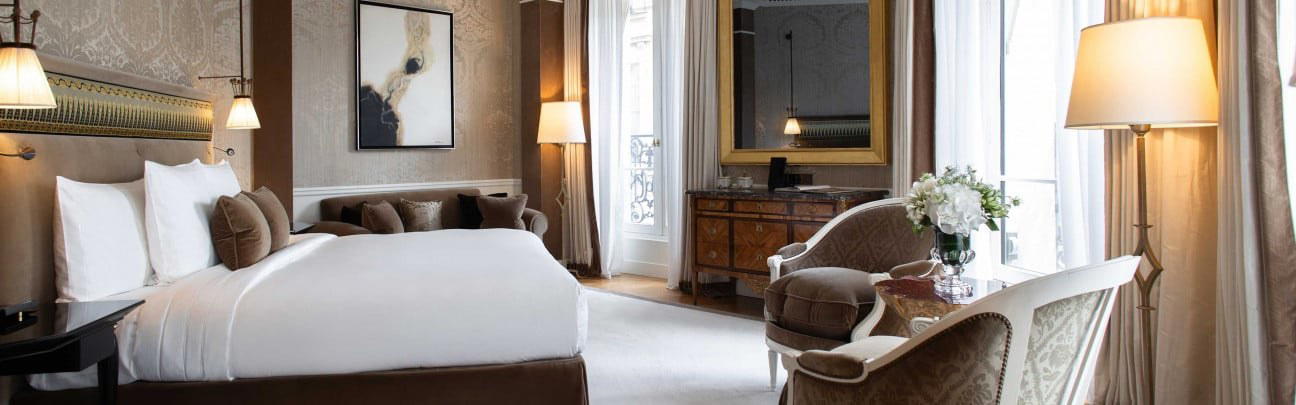
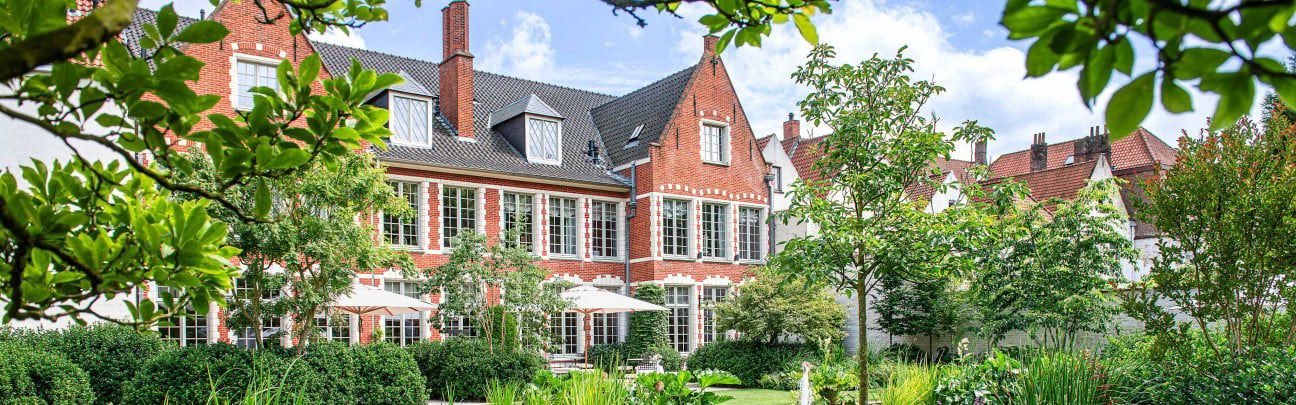
The Notary occupies a 19th-century Bruges residence that reads as lived-in rather than staged. The conversion preserves the building’s ornate bones — tall windows, generous proportions and architectural detail — and the small scale of eight suites keeps the feel intimate and quietly refined. Canal-facing facades and careful, restrained interiors create a calm, charming atmosphere: it favors light and proportion over ostentation. Service and spaces are attentive without being theatrical, and the absence of a bustling lobby reinforces the property’s discreet, residential character.
Best For
This hotel is best for travelers who prize architecture, privacy and a quietly curated stay. With only eight suites and a clear emphasis on the building’s historic character, The Notary suits couples on a romantic getaway, anniversaries or honeymooners seeking an intimate base in Bruges. It also appeals to visitors who prefer a calm, residential alternative to larger institutional hotels — people who want a weekend escape anchored in thoughtful design and canal-side atmosphere rather than a busy, full-service operation.
Stay Tips
Book early: the property is small (eight suites), so availability can be limited, particularly on weekends. If a canal-side atmosphere matters, note the mention of canal-facing facades when making a reservation and ask about rooms with the best light and views. Expect a quiet, residential experience rather than a bustling hotel; tailor requests to low-key, architecture-focused preferences rather than large-party needs.
Venue details
Ambiance
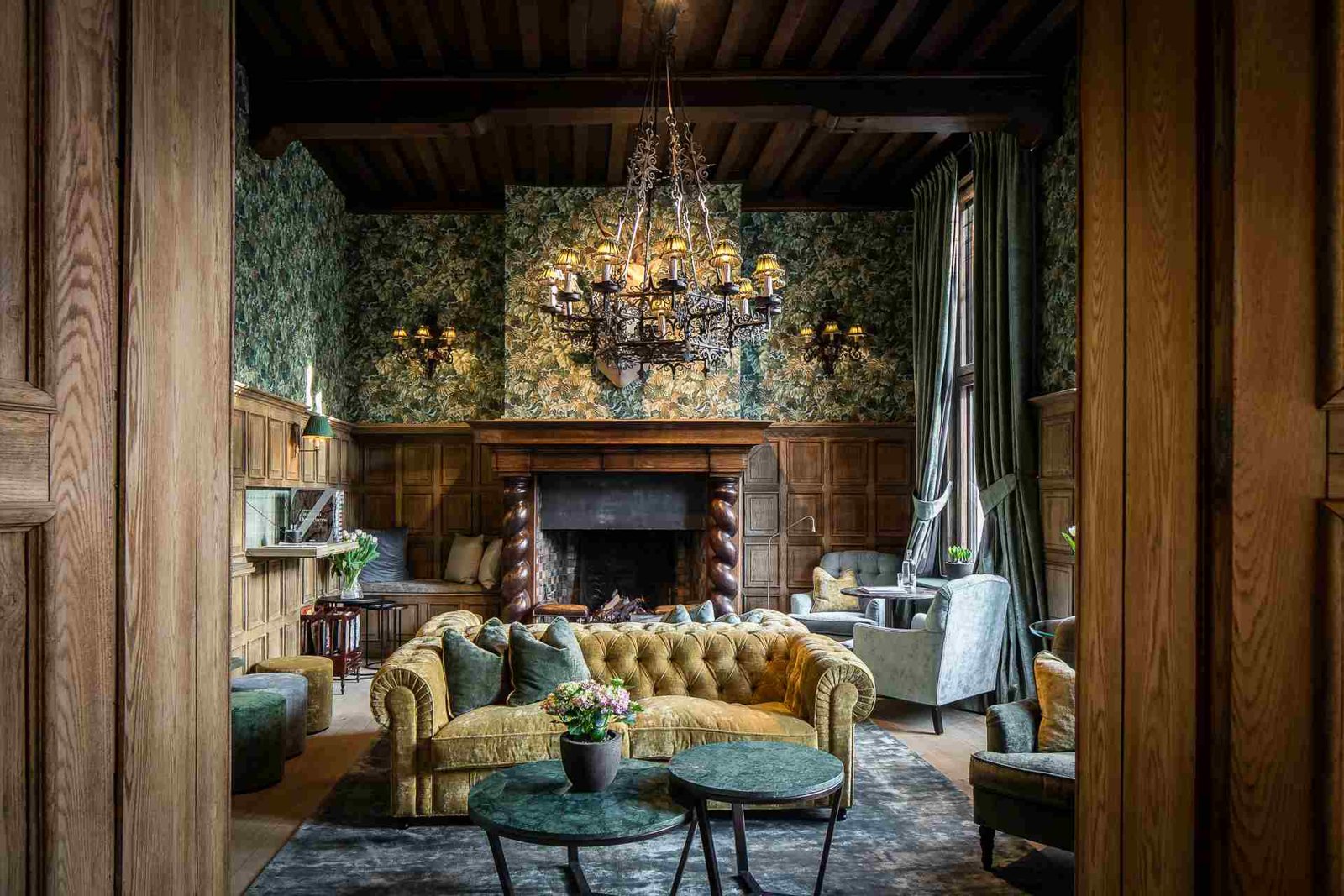
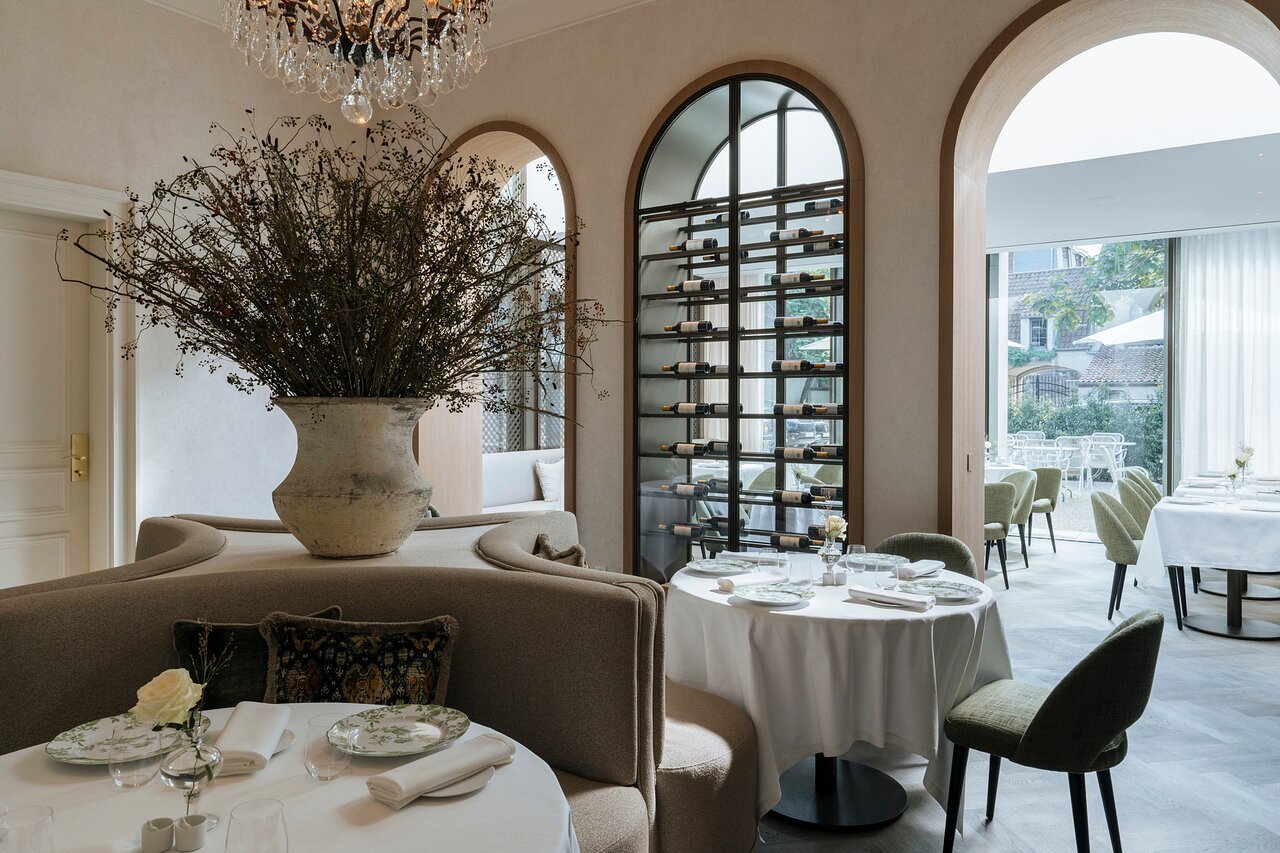
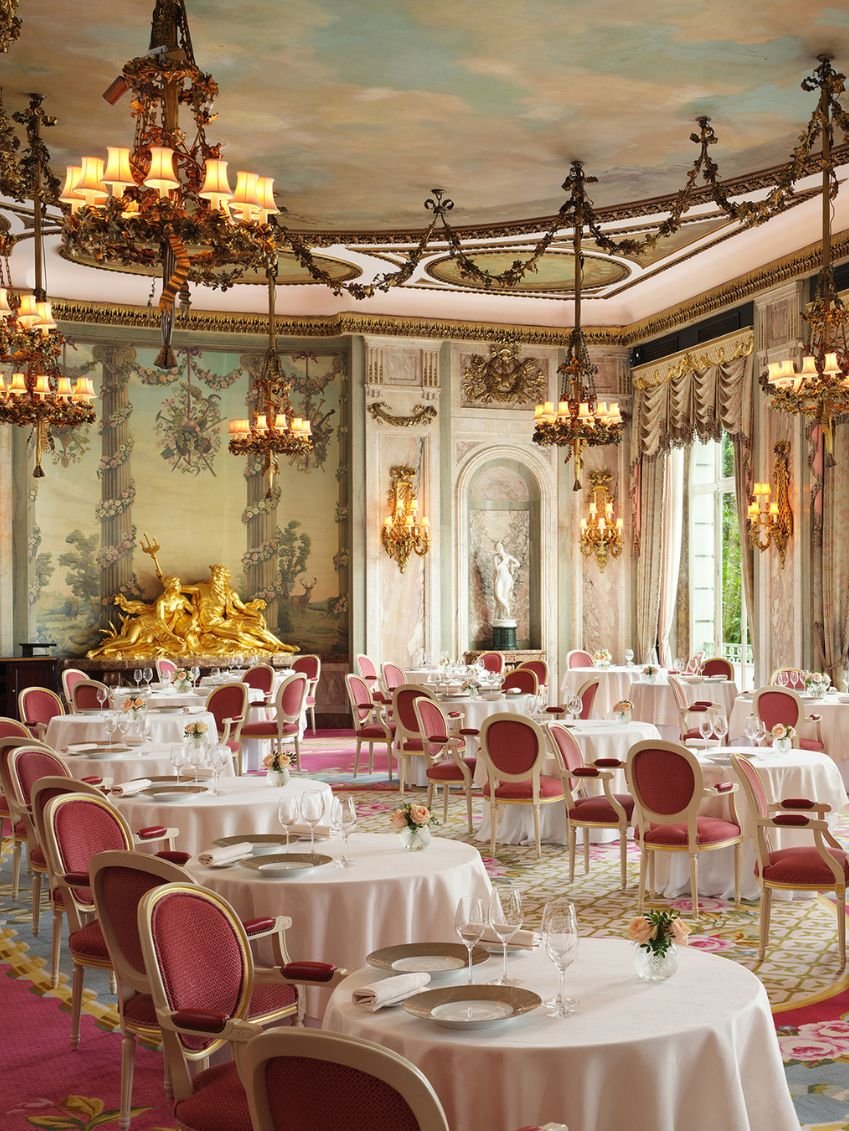
Ornate yet sedate antique atmosphere with modern comforts, peaceful and luxurious lighting in a classic, elegant setting.
Tags
Vibe
Best For
Experience
Amenities
View
About the Stay
- Rooms
- 9
- Check-in
- 15:30
- Check-out
- 11:30
- Property Style
- Restored 19th Century City Palace with Luxury Boutique Suites
- Design Style
- Ornate, Eclectic Antique with Modern Comforts and Unique Themed Decor
Know before you go
Know Before You Go
- Getting there
- Moerstraat 54, 8000 Brugge
Planning details
Location
Recognition and awards
Also consider
Where to look if The Notary is unavailable
Try Boutique Hotel Sablon if you want another boutique-leaning Bruges stay with a central base and less pressure around a single room category. Choose Dukes' Palace Brugge instead if the trip calls for a larger luxury hotel with a grander arrival and more conventional full-service feel.
Hotel context
How The Notary compares in Bruges
The Notary is the pick for a quieter, more intimate Bruges stay, especially for couples who want the hotel to feel like part of the occasion. Dukes' Palace Brugge is the safer choice for travelers who prefer a larger luxury-hotel setup and a more formal sense of arrival. If the trip is a celebration and privacy matters more than scale, lean The Notary; if facilities and grandeur matter more, lean Dukes' Palace Brugge.
Boutique Hotel Sablon and Hotel Heritage are the closest cross-shops for boutique polish in the city center. Boutique Hotel Sablon is likely the more flexible alternative if you want a design-led stay with less booking pressure. Hotel Heritage makes sense for travelers who want a classic Bruges hotel mood and a more traditional service frame.
Hotel De Castillion and Hotel De Orangerie are better backups when the priority is atmosphere over chasing a specific room. Hotel De Orangerie is the one to compare if canal-side character is central to the trip; Hotel De Castillion is a practical fallback for a smaller historic feel when The Notary is unavailable or pricing pushes beyond comfort.
Explore Bruges
Around this place
Discover more on Pearl
Unlock the full The Notary guide in Pearl, including awards, comparisons, FAQs, planning details, and nearby places.
Compare The Notary
| Venue | Location | Awards |
|---|---|---|
| The Notary | Bruges | 2026 Mr & Mrs Smith Luxury Hotels2025 Michelin 1 KeyMichelin 1 Key 2025 |
| Dukes' Palace Brugge | Bruges | 2026 La Liste Top Hotels2025 Michelin 1 Key |
| Boutique Hotel Sablon | Bruges | No published awards |
| Hotel Heritage | Bruges | 2026 Relais Chateaux Hotels2025 Michelin Selected Hotels2025 Relais Chateaux Award |
| Hotel De Castillion | Bruges | No published awards |
| Hotel De Orangerie | Bruges | 2025 Michelin Selected HotelsSmall Luxury Hotels Member 2025 |




How The Notary Bruges compares with similar nearby venues.
FAQ
Frequently Asked Questions
Do loyalty programs work at The Notary?
The Notary carries Michelin 1 Key recognition in 2025, a Mr & Mrs Smith Seal of Approval for 2026, and a smart-casual dress code. If points or elite benefits are important, confirm the booking channel and benefits before reserving.
What is check-in like at The Notary?
How is the pool and spa at The Notary?
Which room category is best at The Notary?
Is The Notary good for business travel?
If you are booking for work, confirm practical needs such as desk setup, connectivity, arrival timing, and cancellation terms before choosing The Notary or comparing it with Hotel Heritage or Boutique Hotel Sablon.
How is the dining at The Notary?
If meals, dietary needs, or restaurant access are important to the stay, confirm them directly with the property and consider other dining in Bruges as part of your planning.
When is the best time to book The Notary?
If your Bruges dates are important, check availability early and compare The Notary with Hotel De Orangerie, Hotel De Castillion, Dukes' Palace Brugge, Boutique Hotel Sablon, and Hotel Heritage before committing.