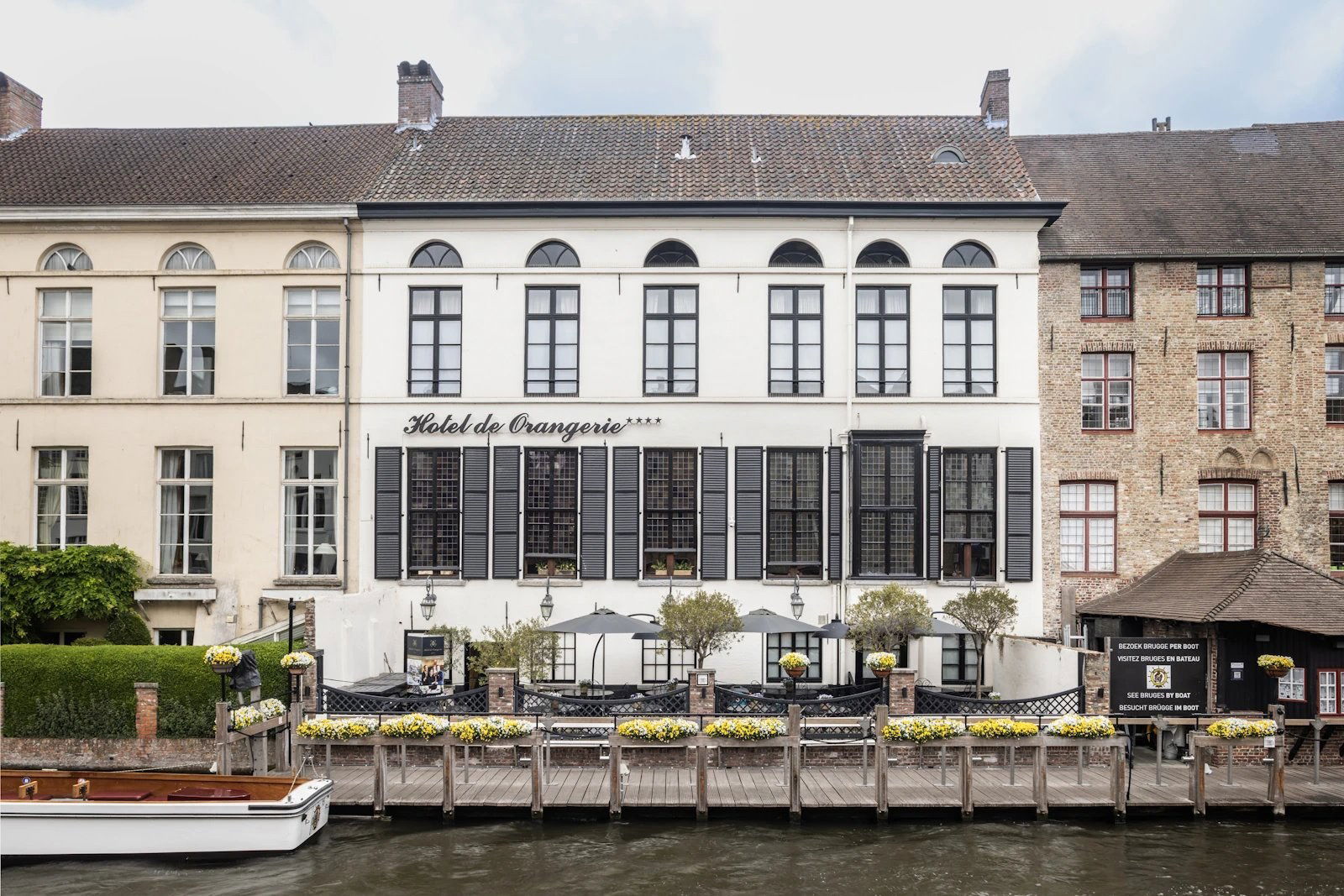


Hotel De Orangerie
Historic Center, Bruges
Hotel in Bruges, Belgium
 Book with Pearl
The Read
Monastic Bones, Canal Address
Why go
Hotel De Orangerie is a strong Bruges choice for couples and special-occasion stays where central location and a polished small-hotel feel matter. Its 2025 Small Luxury Hotels of the World membership and MICHELIN Guide hotel selection add useful confidence. Compare rates against Hotel de Tuilerieën, The Pand Hotel, and Hotel Heritage before committing.
About Hotel De Orangerie
Book Hotel De Orangerie if the priority is a Bruges stay with clear external recognition. Hotel De Orangerie is a Small Luxury Hotels of the World member for 2025 and is selected in the MICHELIN Guide hotels for 2025.
Consider the hotel as a Bruges option to evaluate on its recognition, official availability, and your own trip needs. For travellers planning meals around Bruges restaurants or drinks from Bruges bars, it can be considered as part of a wider Bruges itinerary, but any specific location, room, dining, or service detail should be checked directly with the hotel before booking.
Choose it for external recognition, not assumed extras
The strongest reason to shortlist Hotel De Orangerie is its outside validation. Its 2025 Small Luxury Hotels of the World membership and 2025 MICHELIN Guide hotel selection are useful confidence signals for travellers comparing stays in Bruges.
Beyond those recognition points, avoid assumptions. Room categories, dining setup, amenities, service format, and exact arrival procedures should be checked through the hotel's official channels before you make a decision.
Who should book, and who should compare first
Hotel De Orangerie is best approached as a Bruges hotel with notable external recognition. It is a sensible shortlist candidate if those recognition signals matter to you and you are comfortable confirming practical details directly before booking.
Against other Bruges options, the decision should be based on the kind of stay you want and the details each hotel provides directly. Hotel de Tuilerieën, The Pand Hotel, Hotel Heritage, Boutique Hotel Sablon, and Hotel De Castillion are natural comparison points for travellers looking at stays in Bruges.
Before committing, compare current availability, official room descriptions, policies, and any services that matter to your trip. For a broader search, start with a Bruges hotels guide, then narrow by the details that are most important to you.
Planning details
- Location
- Kartuizerinnenstraat 10, 8000 Brugge
- Website
- hotelorangerie.be
- Phone
- +32 50 34 16 49
The take
The Take
The Vibe
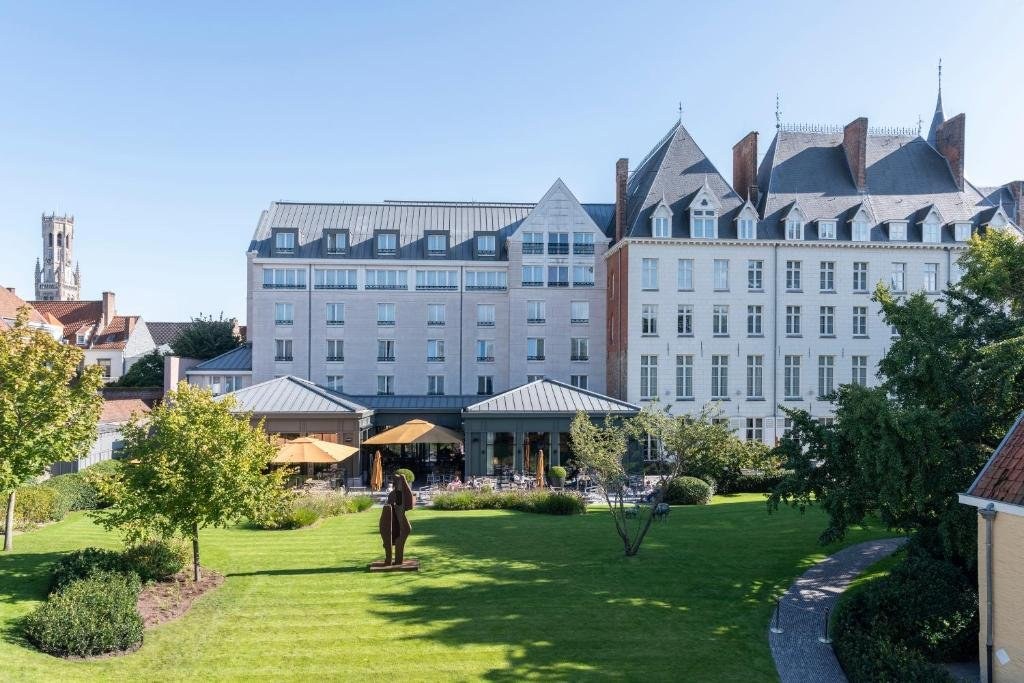
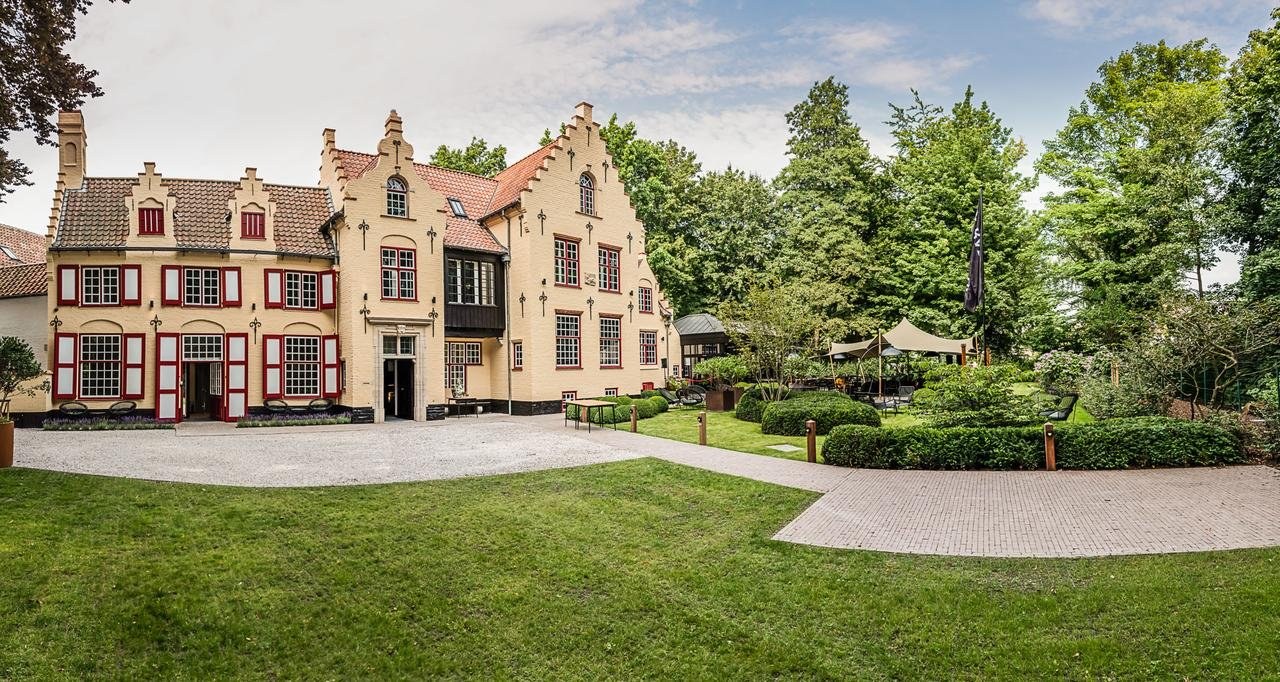
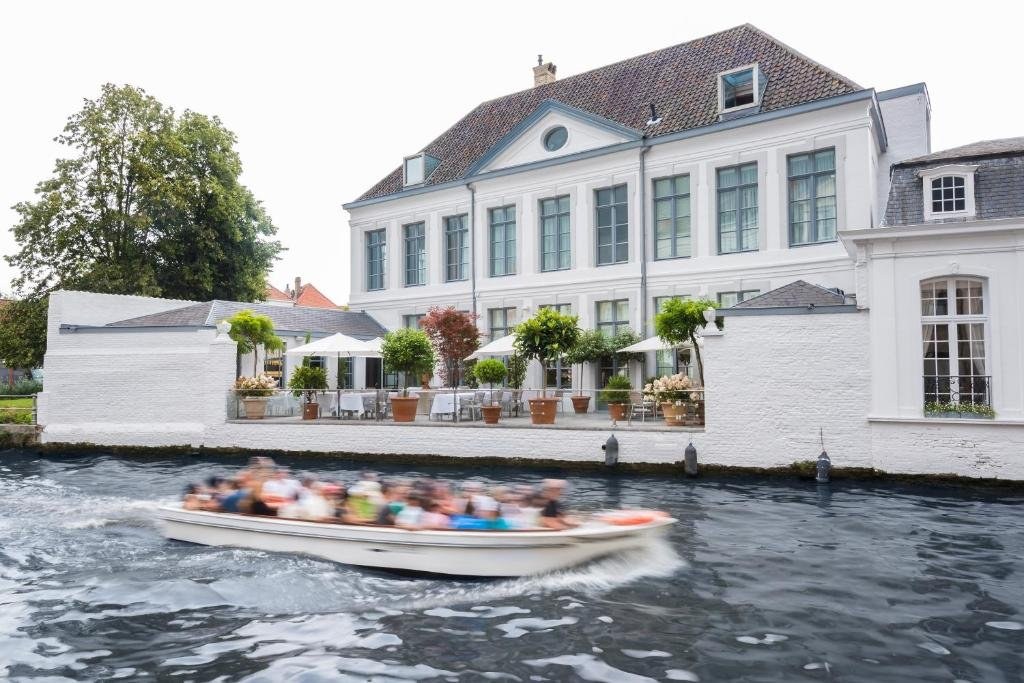
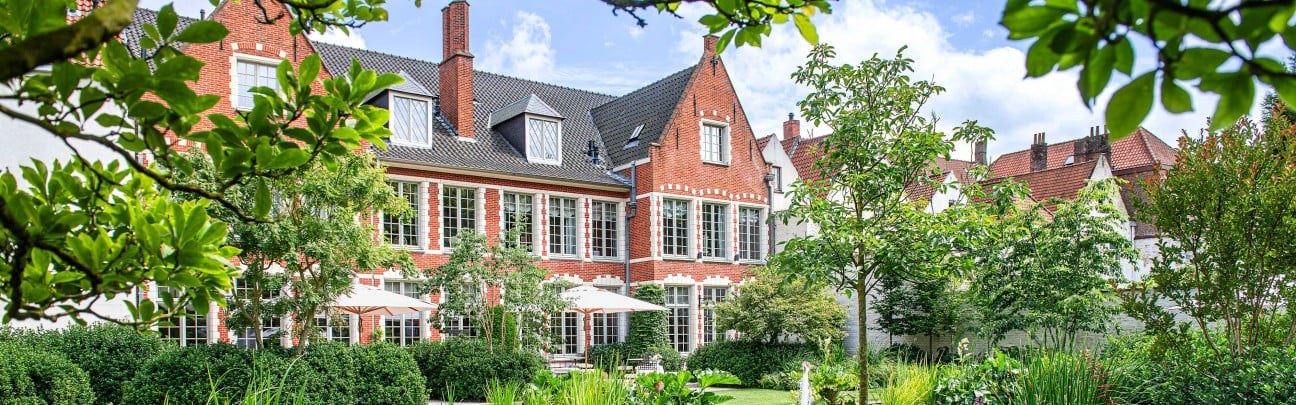
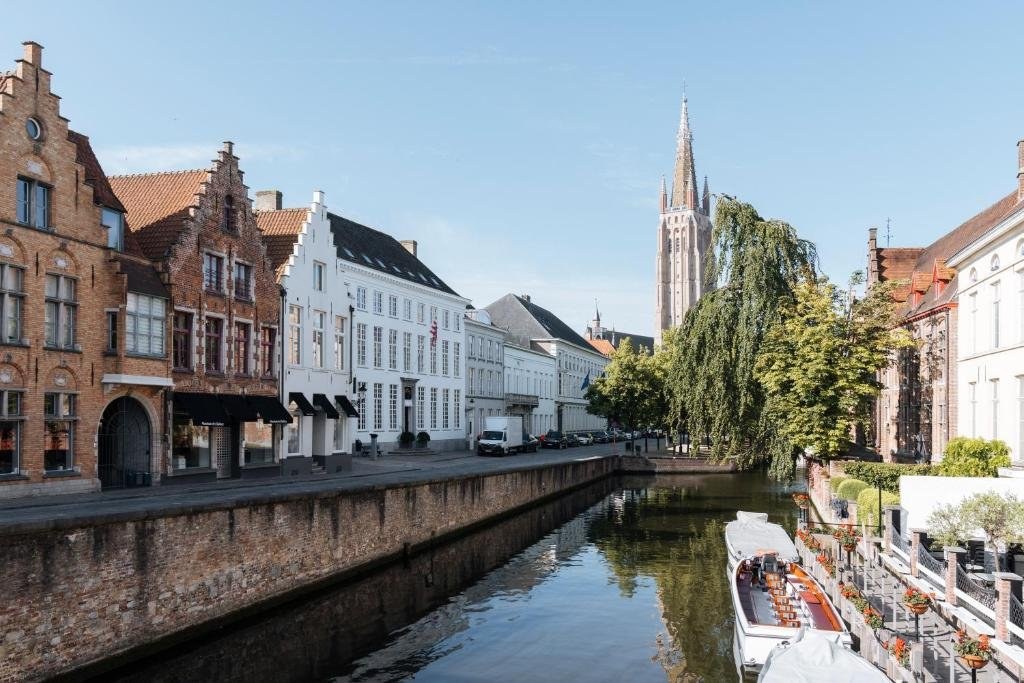
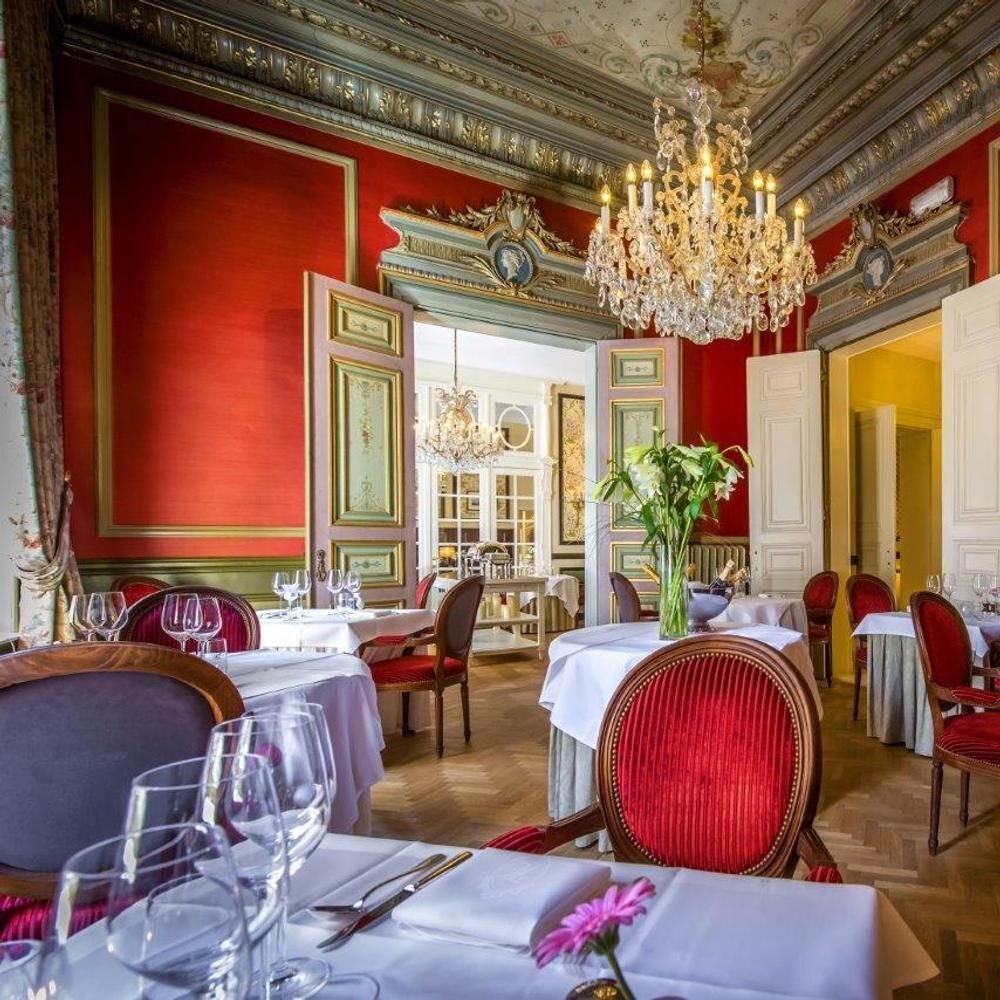
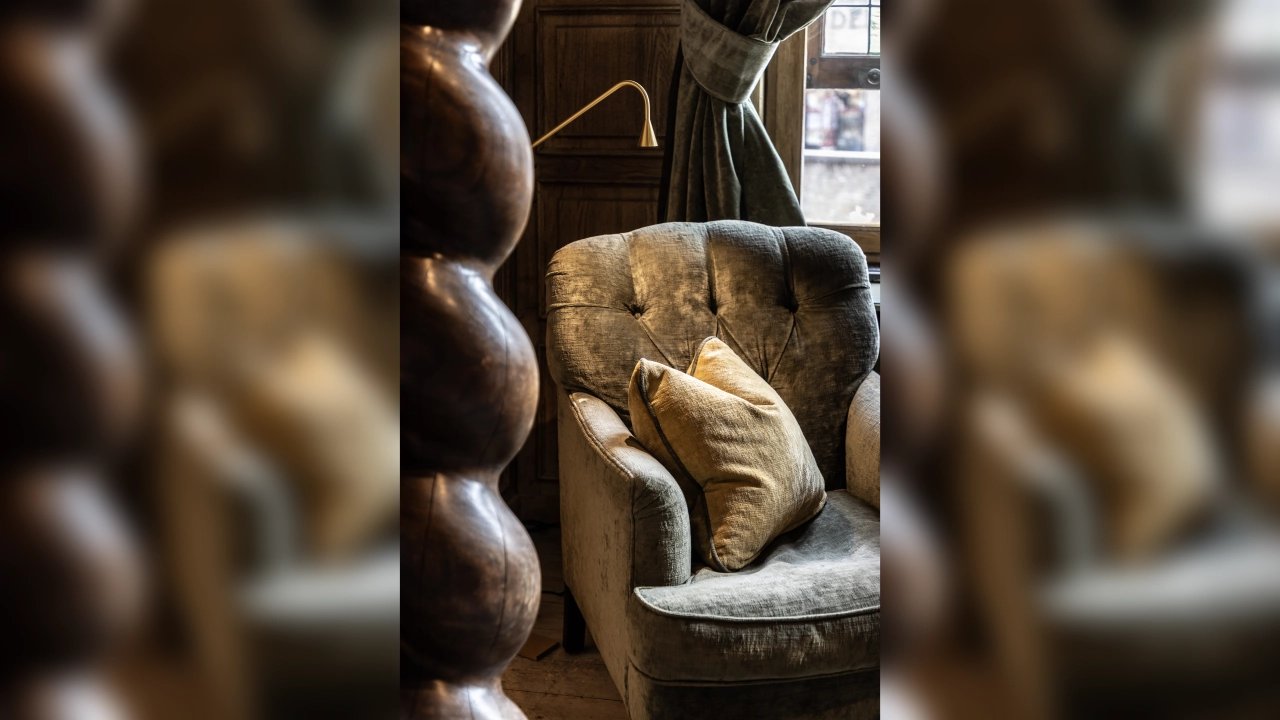
Hotel De Orangerie presents a quietly theatrical, historically rooted atmosphere. Housed in a 15th‑century Carthusian monastery, the property foregrounds architectural provenance: high, thoughtful proportions, rich wood panelling and gilded mirrors that feel genuinely accumulated rather than staged. The canal‑side setting and narrow street location reinforce a sense of retreat from the busier market area, and interiors emphasize period character over contemporary minimalism. Overall the hotel reads as a measured, classic stay where scale and detail create a calm, scenic backdrop for lingering rather than rushing.
Best For
This hotel suits travelers prioritizing heritage architecture and a tranquil base in Bruges' historic core. It is a clear choice for visitors comparing small, high‑character conversions—those who prefer atmospheric rooms and quiet canal adjacency to the anonymity of larger chain properties. Because the property trades on intimacy and architectural detail, it appeals to guests who want to inhabit a place with visible history and carefully preserved period interiors while staying within easy reach of central landmarks.
Stay Tips
Book early and specify preferences: the description highlights limited room counts and direct canal adjacency, so reserve well in advance to secure a canal‑facing room if that view matters. Expect a compact, heritage property rather than a large modern hotel; if you need larger or more contemporary accommodations, confirm room sizes and configurations with the hotel before booking. For comparisons, consider other nearby heritage conversions mentioned in the text to judge which period character and scale you prefer.
Venue details
Ambiance
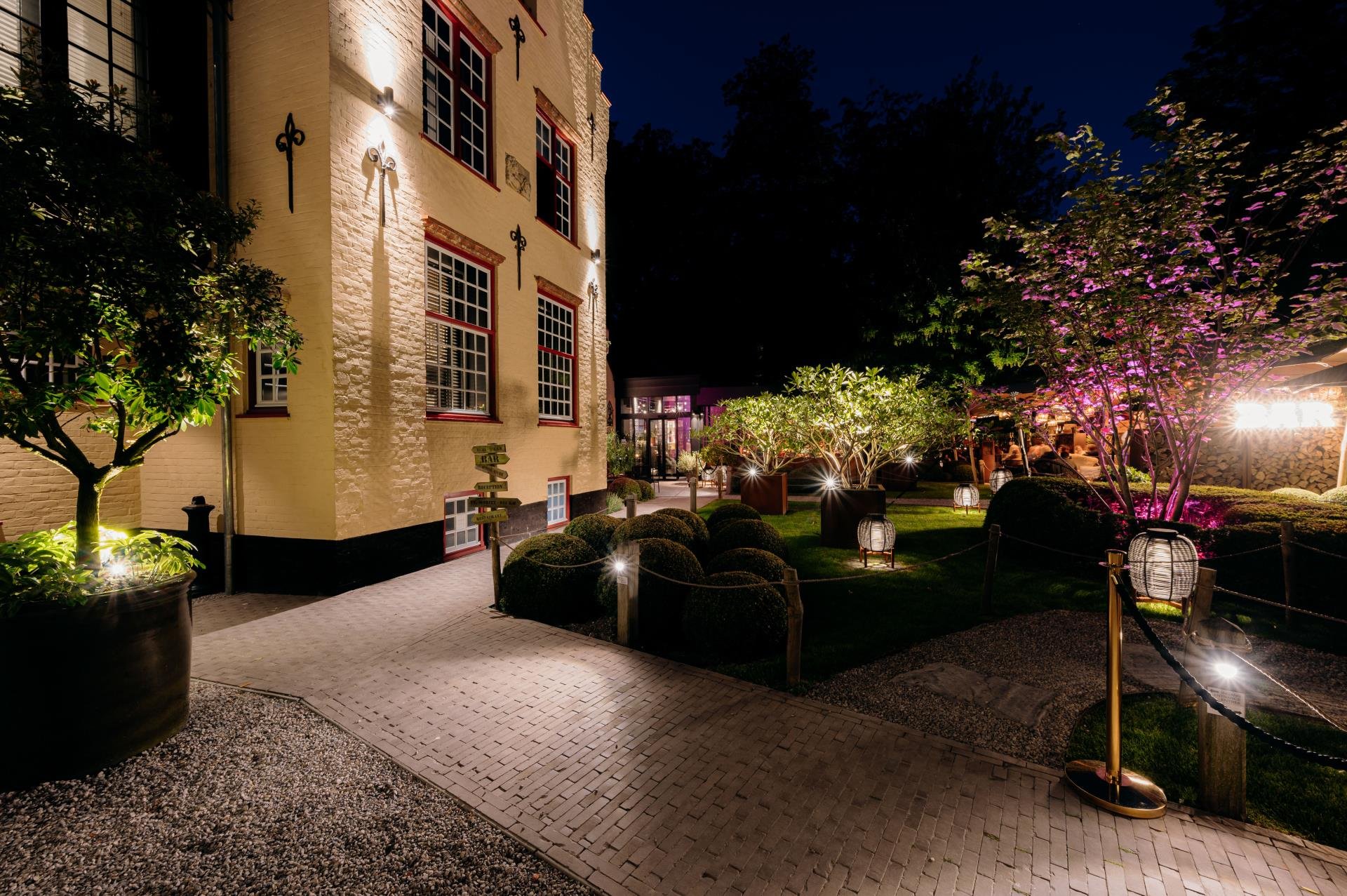
Cozy and elegant with warm lighting from the lobby fireplace, historic charm, and a relaxing canal terrace atmosphere.
Tags
Vibe
Best For
Experience
Amenities
View
Accessibility
About the Stay
- Rooms
- 20
- Property Style
- Restored 15th Century Monastery Blending Historic Elegance with Modern Comforts
- Design Style
- Classic Boutique with Opulent, Individually Decorated Rooms and Authentic Art
Know before you go
Know Before You Go
- Getting there
- Kartuizerinnenstraat 10, 8000 Brugge
Planning details
Location
Recognition and awards

Also consider
Also Consider
- Hotel de Tuilerieën, Notable alternative
- The Pand Hotel, Notable alternative
- Hotel De Castillion, Notable alternative
- Boutique Hotel Sablon, Notable alternative
- Hotel Heritage, Notable alternative
Hotel context
How it compares in Bruges
Hotel De Orangerie is the right first look if the trip needs a romantic, central Bruges base with credible outside recognition. Its Small Luxury Hotels of the World membership and MICHELIN Guide hotel selection give it stronger confidence signals than a purely style-led boutique choice, while the listed easy booking difficulty makes it less stressful for a celebration trip.
Hotel de Tuilerieën is the closest cross-shop for travellers prioritising canal-city atmosphere. The Pand Hotel is better to compare if a smaller boutique feel is the main requirement. Hotel De Castillion and Boutique Hotel Sablon make sense for guests trying to balance style and value before paying for a more occasion-led stay.
For a more formal classic-hotel brief, check Hotel Heritage before deciding. The practical move is to compare the rate on the exact travel dates: if Hotel De Orangerie is close in price to its peers, its recognition and central address make it easy to justify; if it prices well above them, the case is strongest for anniversaries, birthdays, and first-time Bruges trips.
Explore Bruges
Around this place
Discover more on Pearl
Unlock the full Hotel De Orangerie guide in Pearl, including awards, comparisons, FAQs, planning details, and nearby places.
Compare Hotel De Orangerie
| Venue | Location | Awards |
|---|---|---|
| Hotel De Orangerie | Bruges | 2025 Michelin Selected HotelsSmall Luxury Hotels Member 2025 |
| Hotel de Tuilerieën | Bruges | 2025 Michelin Selected HotelsSmall Luxury Hotels Member 2025 |
| The Pand Hotel | Bruges | No published awards |
| Hotel De Castillion | Bruges | No published awards |
| Boutique Hotel Sablon | Bruges | No published awards |
| Hotel Heritage | Bruges | 2026 Relais Chateaux Hotels2025 Michelin Selected Hotels2025 Relais Chateaux Award |

How Hotel De Orangerie Bruges compares with similar nearby venues.
FAQ
Frequently Asked Questions
How is the dining at Hotel De Orangerie?
What is check-in like at Hotel De Orangerie?
Confirm check-in time and arrival procedures directly with Hotel De Orangerie. If arrival timing, late check-in, luggage storage, or a specific service process matters, check with the hotel before you go.
How does Hotel De Orangerie compare to other Bruges hotels?
Hotel De Orangerie stands out for its 2025 Small Luxury Hotels of the World membership and a 2025 MICHELIN Guide hotel selection. Hotel de Tuilerieën, Hotel Heritage, The Pand Hotel, Boutique Hotel Sablon, and Hotel De Castillion are useful Bruges comparison points, but compare current official details before choosing.
Which room category is best at Hotel De Orangerie?
Choose based on the hotel's current official descriptions, availability, and any features that matter to your stay.