
Hotel Breitenburg
Breitenburg
Hotel in Breitenburg, Germany
 Book with Pearl
The Read
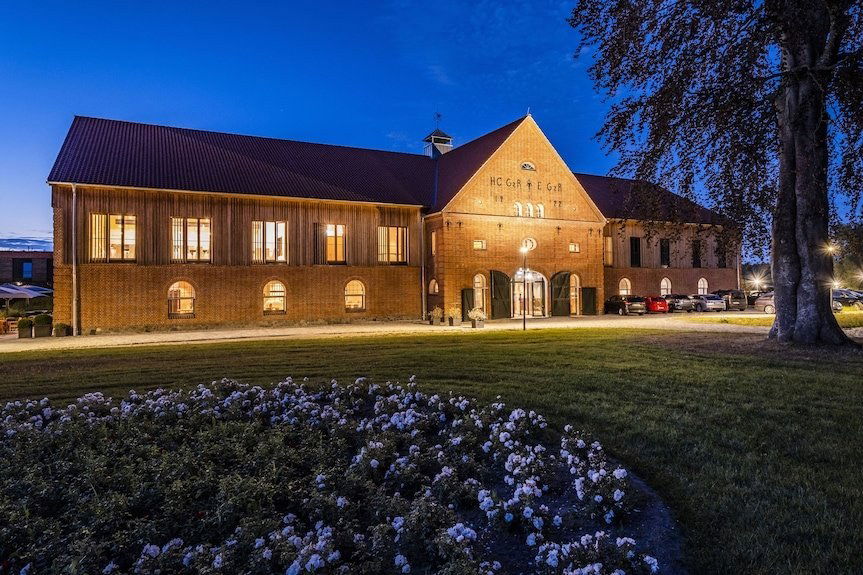
Estate-Converted Stable Lodging
Why go
A quiet Breitenburg base that makes the most sense for regional work trips, recovery time, and guests who do not need a dense city-hotel setup. Book it for calm and space; compare Hamburg options first if meetings, dinners, or transfers are concentrated in the city.
About Hotel Breitenburg
Hotel Breitenburg is a hotel in Breitenburg. The description stays to the basics, making this a cautious, planning-first entry: useful for identifying the venue and its general standard of presentation, but not a substitute for checking the hotel's current information before you decide whether it fits a specific stay.
The confirmed dress code is smart casual. In practical terms, that suggests guests should plan for a neat, polished style rather than treating the venue as entirely informal, while still keeping expectations flexible until the hotel confirms any setting-specific requirements. Before booking, check the venue's official channels for current availability, arrival details, facilities, and any service-specific needs, especially if your trip depends on particular arrangements or if you are comparing several hotels on fine details.
What, and what still needs checking
The key point is direct: Hotel Breitenburg is in Breitenburg, with a smart casual dress code. Beyond that, important specifics remain open. Details such as restaurant format, spa or pool access, loyalty benefits, family facilities, workspace setup, pricing, and opening details should not be assumed from the name or setting alone. If any of those elements matter to your stay, treat them as questions to resolve before booking rather than as included features.
For planning, compare Hotel Breitenburg with other named options such as Altes Stahlwerk Business & Lifestyle Hotel, Gastwerk Hotel Hamburg, Hotel Louis C. Jacob, Landhaus Flottbek Boutique Hotel, and Romantik Hotel das Smolka. The practical choice depends on your itinerary, so confirm location, transport, amenities, and booking terms directly before committing. A like-for-like comparison is likely to be most useful when it focuses on the basics already identified here: where the hotel is, what style of visit you are preparing for, and which facilities or conditions you need confirmed in advance.
Planning details
- Location
- Gut, Osterholz 1, 25524 Breitenburg
- Website
- hotel-breitenburg.de
- Phone
- +49 4828 78430
The take
The Take
The Vibe
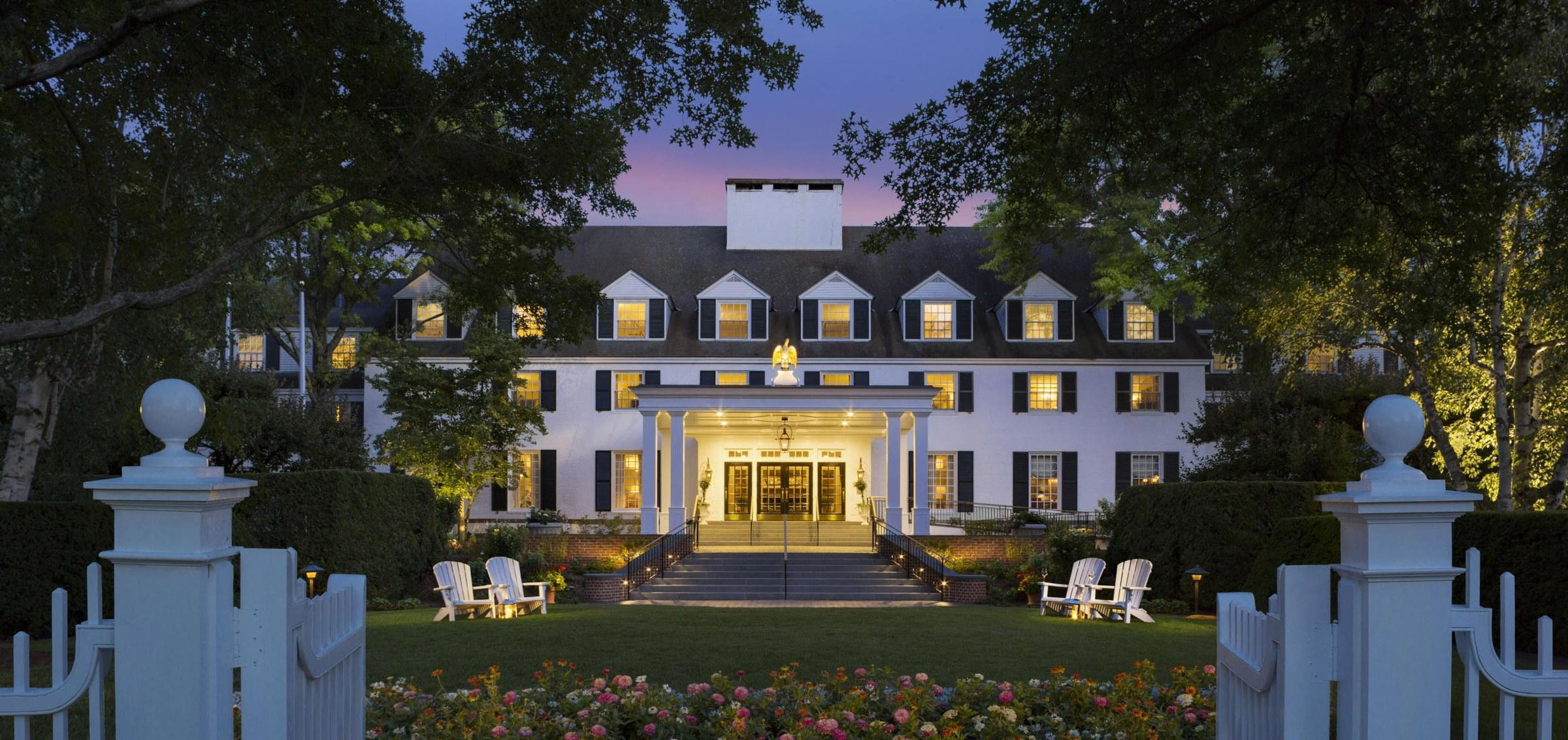
Hotel Breitenburg reads as a quietly sophisticated country estate that balances 19th-century solidity with contemporary light. Housed in converted stables and paired with a new timber-and-stone volume, the property foregrounds material honesty: rooms and public spaces are finished in lumber milled from the adjacent Breitenburger Forest, giving interiors a continuous, grounded warmth. The long approach through mature woodland and the silhouette of the castle on the horizon make the setting feel compositional rather than decorative. The result is a restrained, refined retreat that favors provenance, texture, and calm over theatricality.
Best For
Breitenburg is especially well suited to travelers seeking a restorative rural escape. It is an excellent choice for couples on a romantic getaway, guests drawn to wellness retreats, and anyone looking for a quiet weekend escape from the city. With eighty rooms wrapped in locally sourced timber and broad estate grounds for walks, the hotel favors slow, seasonal experiences anchored to the land. The architecture and design emphasize material continuity and discretion, making it appealing to visitors who prioritize privacy, nature, and design-led quiet luxury.
Venue details
Ambiance
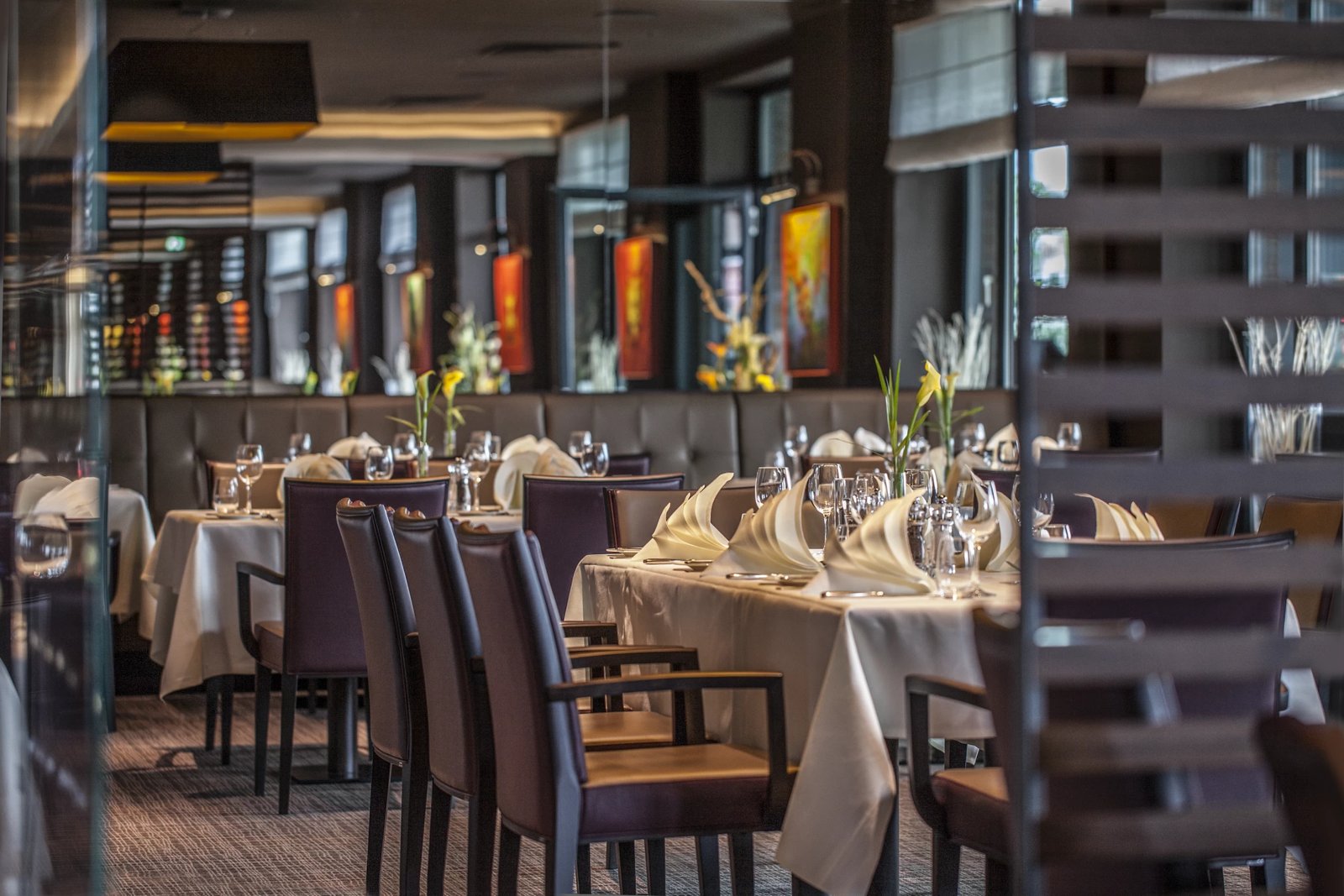
Modern and tasteful with natural wood elements, providing a tranquil and relaxing atmosphere enhanced by scenic lake views and soundproofed rooms.
Tags
Vibe
Best For
Experience
Amenities
View
Accessibility
About the Stay
- Rooms
- 80
- Check-in
- 15:00
- Check-out
- 11:00
- Property Style
- Modern Luxury Estate Hotel Integrated with Nature and Golf Course
- Design Style
- Contemporary with High Quality Wood and Minimalist Elegance
Know before you go
Know Before You Go
- Getting there
- Gut, Osterholz 1, 25524 Breitenburg
Planning details
Location
Also consider
Also Consider
- Altes Stahlwerk Business & Lifestyle Hotel, Notable alternative
- Landhaus Flottbek Boutique Hotel, Notable alternative
- Hotel Louis C. Jacob, Notable alternative
- Gastwerk Hotel Hamburg, Notable alternative
- Romantik Hotel das Smolka, Notable alternative
Hotel context
How it compares with nearby hotel options
Hotel Breitenburg is the quieter, more retreat-leaning choice in this set. Altes Stahlwerk Business & Lifestyle Hotel is the more obvious business pick if the priority is a work-oriented hotel format, while Gastwerk Hotel Hamburg is better for travelers who need Hamburg access and a stronger city-hotel atmosphere.
For a more polished leisure feel, compare it with Hotel Louis C. Jacob and Landhaus Flottbek Boutique Hotel. Those make more sense when the trip includes Hamburg dining, meetings, or social plans. Romantik Hotel das Smolka is the alternative for a smaller city stay rather than a countryside base.
Booking difficulty is marked easy here, so it is the lower-friction option if availability matters more than being in Hamburg. The trade-off is location: Breitenburg works for quiet and regional access, while the Hamburg peers are safer for packed schedules and less car-dependent plans.
Explore Breitenburg
Around this place
Discover more on Pearl
Unlock the full Hotel Breitenburg guide in Pearl, including awards, comparisons, FAQs, planning details, and nearby places.
Compare Hotel Breitenburg
| Venue | Location | Awards |
|---|---|---|
| Hotel Breitenburg | Breitenburg | 2025 Michelin 1 Key |
| Altes Stahlwerk Business & Lifestyle Hotel | Neumunster | No published awards |
| Landhaus Flottbek Boutique Hotel | Hamburg | 2025 Michelin 1 Key |
| Hotel Louis C. Jacob | Hamburg | 2026 La Liste Top Hotels2025 Michelin 2 Keys2024 Michelin 2 Keys |
| Gastwerk Hotel Hamburg | Hamburg | No published awards |
| Romantik Hotel das Smolka | Hamburg | No published awards |


How Hotel Breitenburg compares with similar nearby venues.
FAQ
Frequently Asked Questions
Do loyalty programs work at Hotel Breitenburg?
Is Hotel Breitenburg family-friendly?
Contact Hotel Breitenburg directly to confirm room arrangements, child policies, and any services needed for a family stay in Breitenburg.
How is the pool and spa at Hotel Breitenburg?
How does Hotel Breitenburg compare to other hotels?
Hotel Breitenburg is the Breitenburg option in this comparison set. Other named hotels to consider include Altes Stahlwerk Business & Lifestyle Hotel, Landhaus Flottbek Boutique Hotel, Hotel Louis C. Jacob, Gastwerk Hotel Hamburg, and Romantik Hotel das Smolka. Compare them by location, amenities, rates, and booking terms using current official information.