
Monkey Island Estate
Bray
Hotel in Bray, United Kingdom
 Book with Pearl
The Read
Thames Island Seclusion
Why go
Monkey Island Estate is worth booking when the goal is a calm Bray base rather than a full resort stay. Its 2025 Small Luxury Hotels of the World membership gives it credibility, but value depends on the rate and inclusions, especially versus Cliveden House, Fairmont Windsor Park, Coworth Park.
About Monkey Island Estate
Monkey Island Estate in Bray is a thin-data venue for planning purposes: the clearly verified public signals are its Bray location, a smart-casual dress code, Small Luxury Hotels of the World Member status for 2025. That is enough to place it on a premium short list, but not enough to make firm claims about facilities, room types, dining format, service style, prices, or booking difficulty.
The safest way to evaluate it is as a Bray-based option with recognised premium-venue credentials. Its Small Luxury Hotels of the World membership for 2025 is a useful trust signal, though it should not be treated as a guarantee of a specific experience. Before booking, confirm the details that matter for your trip directly with the venue.
Book it for Bray access, not for resort maximalism
If the trip is centred on Bray, Monkey Island Estate belongs in the conversation. What is verified is narrower than many luxury listings imply, so avoid assuming particular facilities, room features, dining arrangements, or service formats unless the venue confirms them for your dates.
For comparison, consider how it sits alongside Cliveden House, Fairmont Windsor Park, Coworth Park, Burnham Beeches Hotel, The Waterside Inn. Those names may suit different priorities, so compare the confirmed inclusions, cancellation terms, practical location for your itinerary rather than relying on broad luxury labels.
Direct-booking value matters more than points here
The verified recognition is Small Luxury Hotels of the World Member status for 2025. Beyond that, do not assume a particular loyalty structure, points value, breakfast inclusion, upgrade policy, or package benefit unless it is stated by the venue at the time of booking.
For planning beyond the venue, use Our full Bray venues guide first, then cross-check dining via Our full Bray restaurants guide. If the weekend needs more structure, check current information before assuming specific local services or experiences.
Bottom line: consider Monkey Island Estate if you want a Bray option with verified Small Luxury Hotels of the World Member status for 2025 and a smart-casual standard. Cross-shop carefully if the rate overlaps with other premium stays, because the confirmed public details are limited.
Planning details
- Location
- Bray, Maidenhead SL6 2EE
- Website
- monkeyislandestate.co.uk
- Phone
- +44 1628 623400
The take
The Take
The Vibe
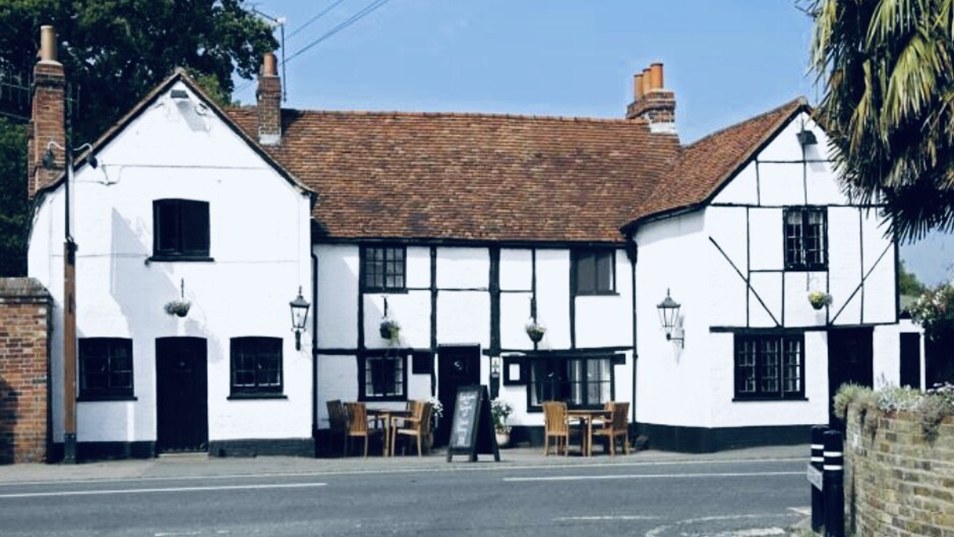
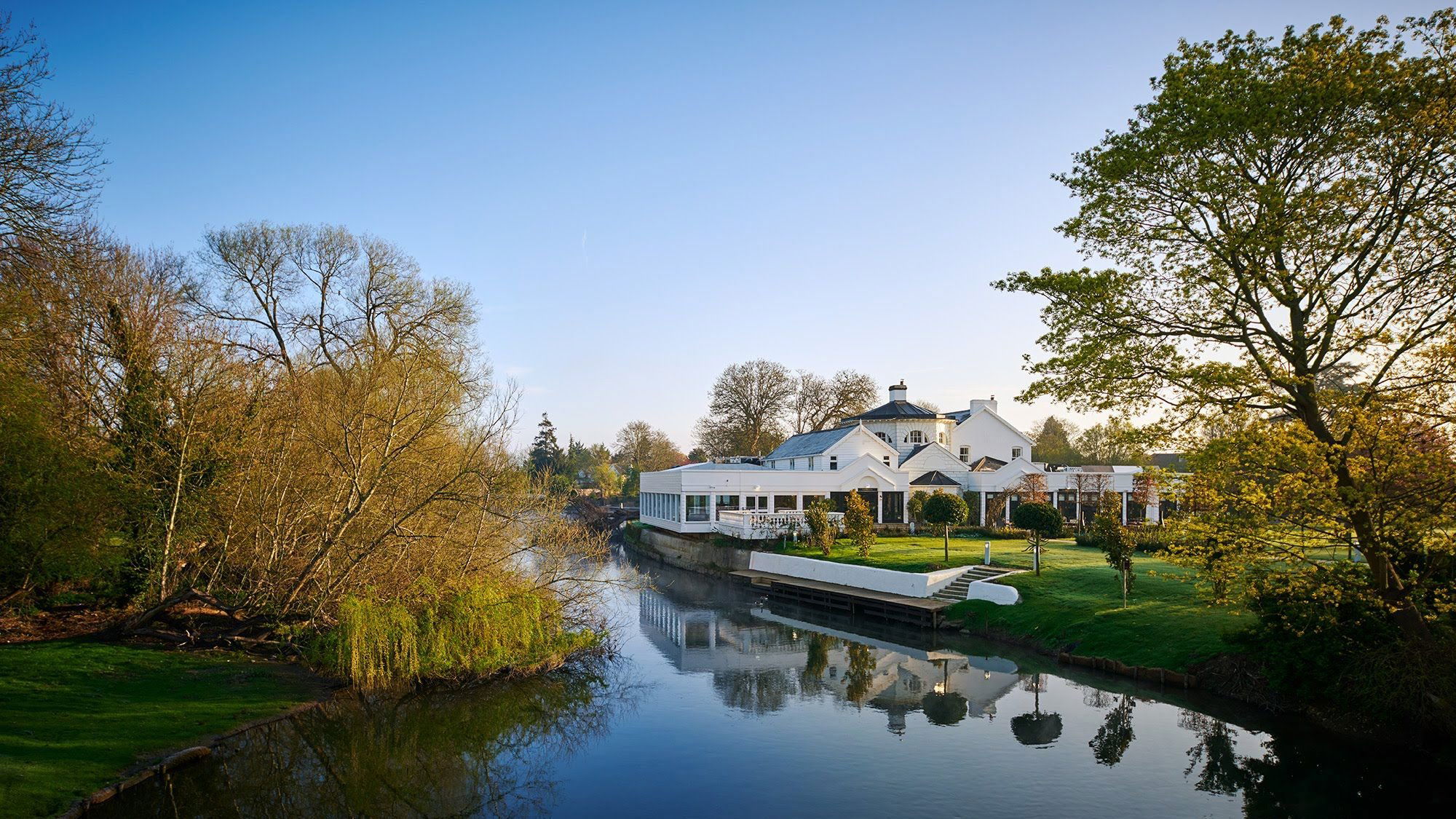
Monkey Island Estate reads like a curated historical object rather than a newly built retreat. Occupying a private Thames island, the property compresses eight centuries of use into a compact, characterful whole: a medieval monastic origin, later aristocratic accretions and varied stylistic layers that the hotel presents rather than erases. That curatorial stance gives the place a quietly storied feel—measured, intimate and classically British—where architectural details and the surrounding water become the primary draw. The result is a distinctive country-house atmosphere defined more by provenance and place than by contemporary design gestures.
Best For
The estate is especially well suited to short, contemplative escapes from London. Its literal isolation—an island reached by footbridge and surrounded on all sides by the River Thames—creates a level of seclusion that sharpens the contrast with the nearby city, making it appealing for weekend getaways, romantic stays and milestone celebrations. Travelers who want to step away from urban density without a long drive find the location convenient (less than an hour from central London by road) while still feeling removed from everyday life.
Stay Tips
Plan logistics around the property's island access: the hotel is reached by a footbridge and is surrounded by the River Thames, so allow a little extra time for arrival and check specific directions in advance. Because the description emphasizes seclusion and a compact, curated historic site, expect a different pace of service than a city hotel—useful for relaxed multi-night stays or short escapes. If traveling from London, note the under‑one‑hour road time mentioned and confirm arrival instructions with the hotel ahead of your trip.
Venue details
Ambiance
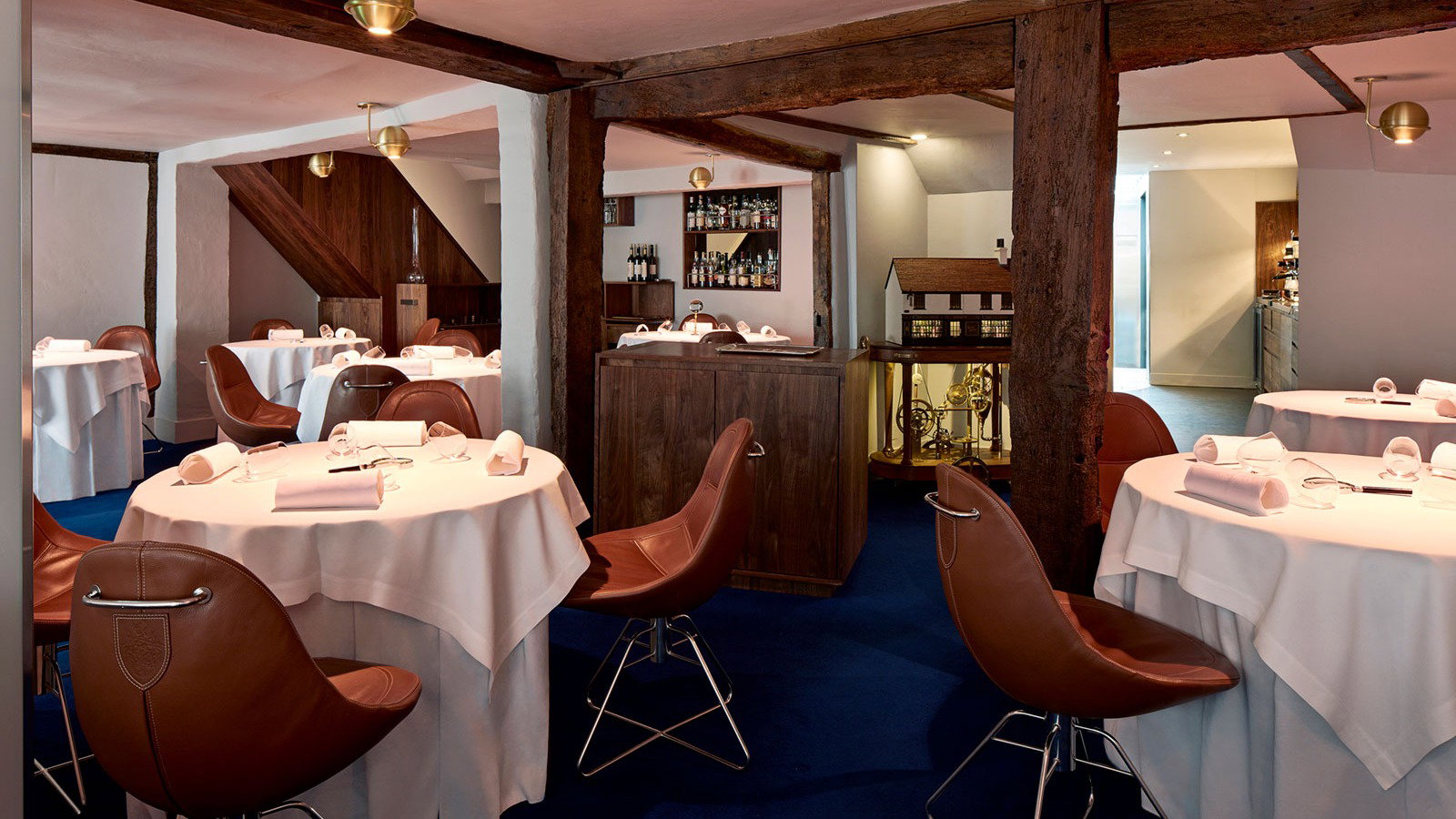
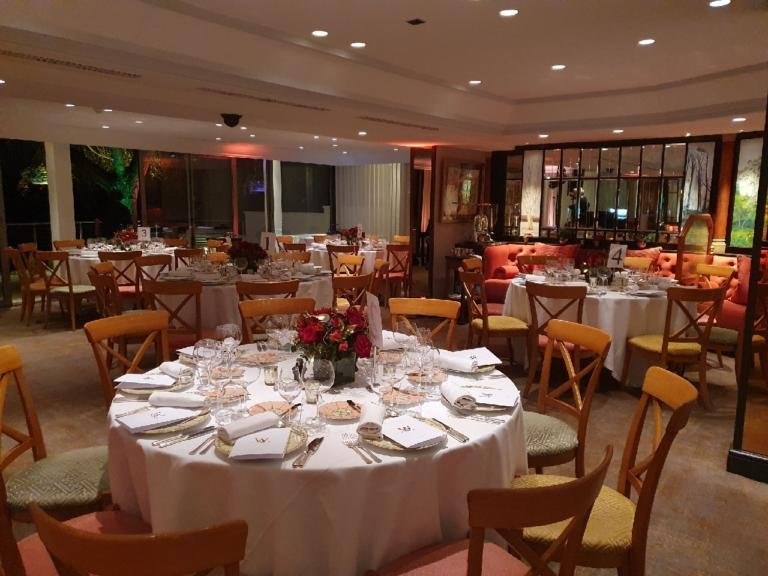
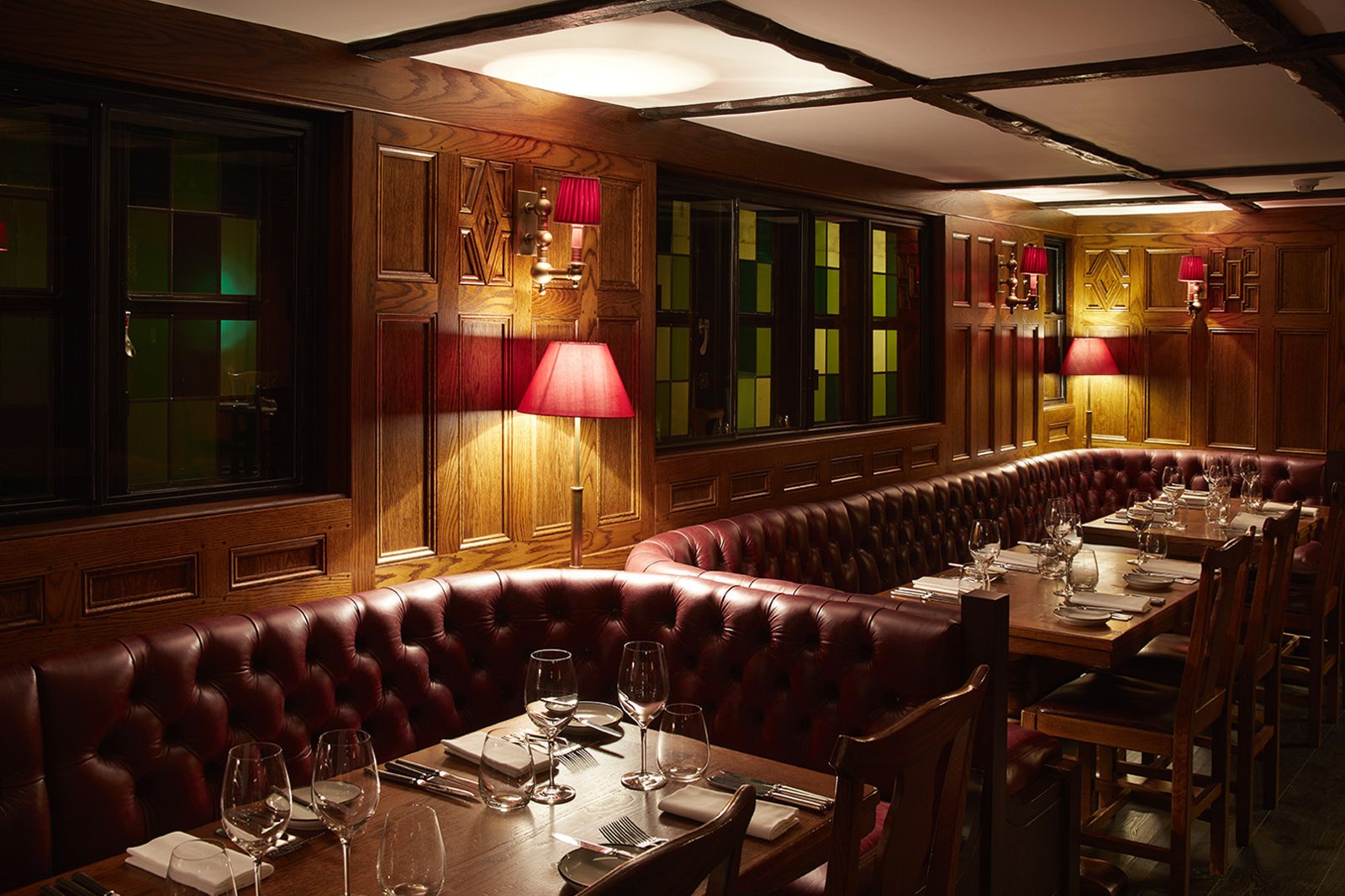
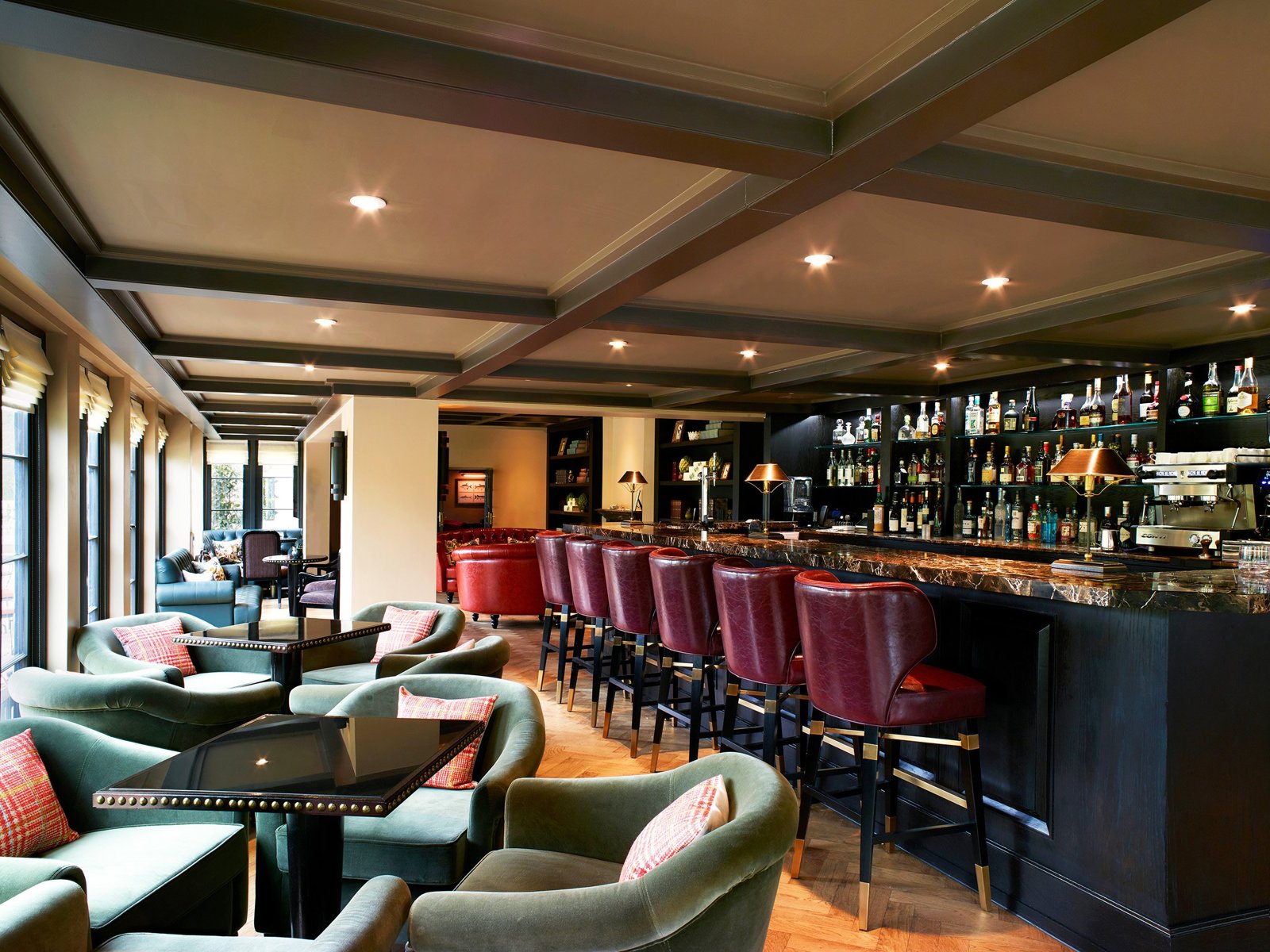
Elegant and peaceful with contemporary English country house style, soft lighting, and serene riverside views praised for tranquility.
Tags
Vibe
Best For
Experience
Amenities
View
Accessibility
About the Stay
- Rooms
- 44
- Check-in
- 15:00
- Check-out
- 11:00
- Property Style
- Historic English Country House Estate on Private Island
- Design Style
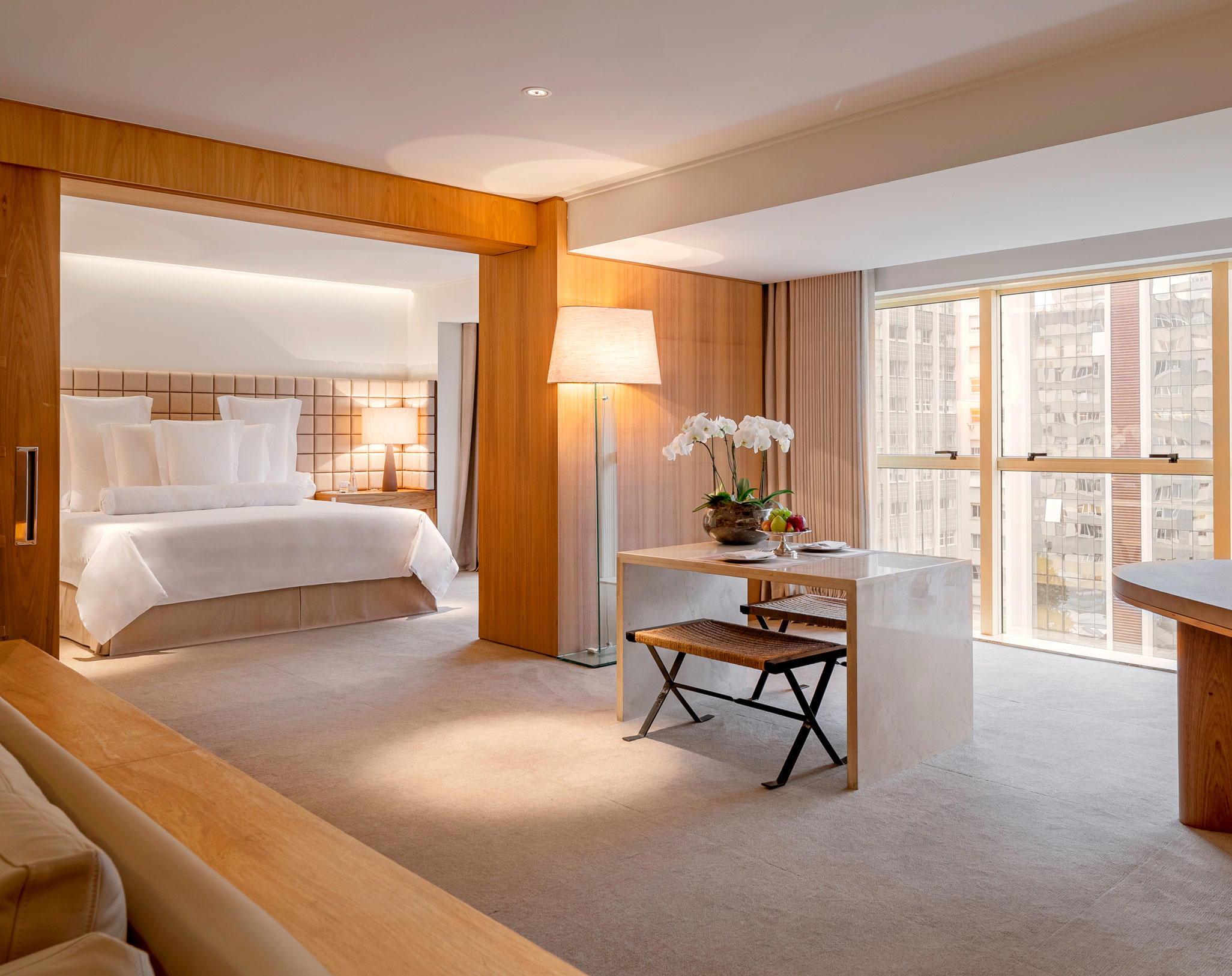
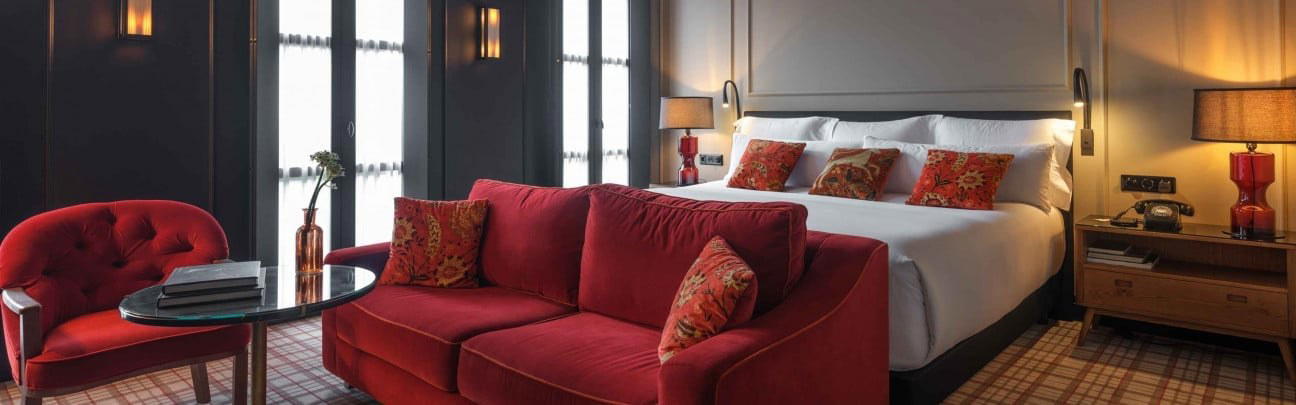
- Contemporary Classic with Custom Furnishings by Champalimaud Design
Planning details
Location
Recognition and awards

Also consider
Where to look if this is not the right fit
If loyalty benefits and larger-hotel infrastructure matter, cross-shop Fairmont Windsor Park first. If the trip is meant to feel more like a major country-house occasion, compare rates at Cliveden House.
For a tighter budget, check Burnham Beeches Hotel. For a stay where dining is the anchor, The Waterside Inn deserves a look before finalising Bray plans.
Hotel context
How It Compares
Choose Monkey Island Estate when Bray access and a quieter boutique feel matter more than resort scale. The Waterside Inn is the more food-led comparison, so it suits travellers building the stay around a specific dining plan rather than the hotel itself.
Burnham Beeches Hotel is the sensible cross-shop if price is the pressure point. Monkey Island Estate is the more distinctive Bray-area choice, but Burnham Beeches Hotel may make more sense when the room is mainly a base and the budget needs to stay controlled.
For a larger luxury-hotel experience, compare against Cliveden House, Fairmont Windsor Park, Coworth Park. Those are stronger picks for guests who want a destination-property feel; Monkey Island Estate is better for a lower-friction Bray stay when booking ease and setting carry the decision.
Explore Bray
Around this place
Discover more on Pearl
Unlock the full Monkey Island Estate guide in Pearl, including awards, comparisons, FAQs, planning details, and nearby places.
Compare Monkey Island Estate
| Venue | Location | Awards |
|---|---|---|
| Monkey Island Estate | Bray | Small Luxury Hotels Member 2025 |
| The Waterside Inn | London | 2026 Forbes 4-StarStar Wine Lists 20262025 Forbes 4-Star |
| Burnham Beeches Hotel | Burnham | No published awards |
| Cliveden House | Taplow | 2026 Virtuoso Luxury Hotel Collection2026 Forbes Recommended2026 Relais Chateaux Hotels2026 La Liste Top Hotels2025 Relais Chateaux Award2025 Forbes Recommended2025 Michelin 2 Keys |
| Fairmont Windsor Park | Windsor | No published awards |
| Coworth Park | Ascot | No published awards |






How Monkey Island Estate Bray compares with similar nearby venues.
FAQ
Frequently Asked Questions
How is the location of Monkey Island Estate?
Monkey Island Estate is in Bray. For location planning, treat Bray as the confirmed location and verify transport, arrival details, proximity to your own itinerary directly before booking.
How does Monkey Island Estate compare to other premium venues?
Monkey Island Estate is a Bray option with verified Small Luxury Hotels of the World Member status for 2025 and a smart-casual dress code. For alternatives, compare it with Burnham Beeches Hotel, Cliveden House, Coworth Park, Fairmont Windsor Park, The Waterside Inn based on confirmed inclusions and the needs of your trip.
Do loyalty programs work at Monkey Island Estate?
The verified programme-related signal is Small Luxury Hotels of the World Member status for 2025. Do not assume specific points earning, elite benefits, upgrades, or partner perks unless they are confirmed by the venue or booking channel.