


The Boca Raton
Boca Raton
Hotel in Boca Raton, United States
 Book with Pearl
Why go
The Boca Raton is worth booking when the resort itself is central to the trip, not just a place to sleep. Its 2026 Virtuoso, Star Wine List, and Forbes Soon To Be Rated signals make it a serious luxury option, but repeat guests should choose carefully between the main resort and related Boca Raton alternatives based on space, beach access, and atmosphere.
About The Boca Raton
The Boca Raton is a Boca Raton venue with a smart casual dress code and 2026 recognition that includes Virtuoso Luxury Hotel Partner, Star Wine List, and Forbes Soon To Be Rated. Guests should confirm practical details such as room types, dining formats, prices, hours, services, and amenities directly before booking or visiting.
The ideal way to evaluate The Boca Raton is to start with the essentials rather than assume a particular format. If dress expectations matter, smart casual is the standard. If outside recognition matters, the 2026 Virtuoso Luxury Hotel Partner, Star Wine List, and Forbes Soon To Be Rated mentions are the clearest signals.
Use the key details as the starting point
The Boca Raton is in Boca Raton, its dress code is smart casual, and it has the listed 2026 recognitions. Confirm specifics about cuisine, individual restaurants or bars, service style, pricing, seating, hours, and booking policies directly with the venue.
For comparison, Beach Club at The Boca Raton, Bungalows at The Boca Raton, Tower at The Boca Raton, and Yacht Club at The Boca Raton may be worth reviewing alongside The Boca Raton, depending on the type of visit you are considering. Royal Blues Hotel is another option to compare. Because practical details can change, confirm current details with the venue before making plans.
The recognition is relevant, but the practical details still need confirmation
The external signals are Virtuoso Luxury Hotel Partner, Star Wine List, and Forbes Soon To Be Rated recognition for 2026. Those recognitions can help frame The Boca Raton as an option for guests evaluating Boca Raton, but practical details may vary by visit.
The essentials are straightforward: The Boca Raton is in Boca Raton, the dress code is smart casual, and the recognitions are listed above. For anything more specific, including dining availability, services, amenities, or policies, check directly with the venue.
Quick reference: Boca Raton venue with smart casual dress code and 2026 recognition from Virtuoso, Star Wine List, and Forbes Soon To Be Rated.
Part of
Waldorf Astoria67 locations on PearlInside The Boca Raton
Planning details
- Location
- 501 East Camino Real
- Website
- thebocaraton.com
- Phone
- 888-543-1277
The take
The Take
The Vibe
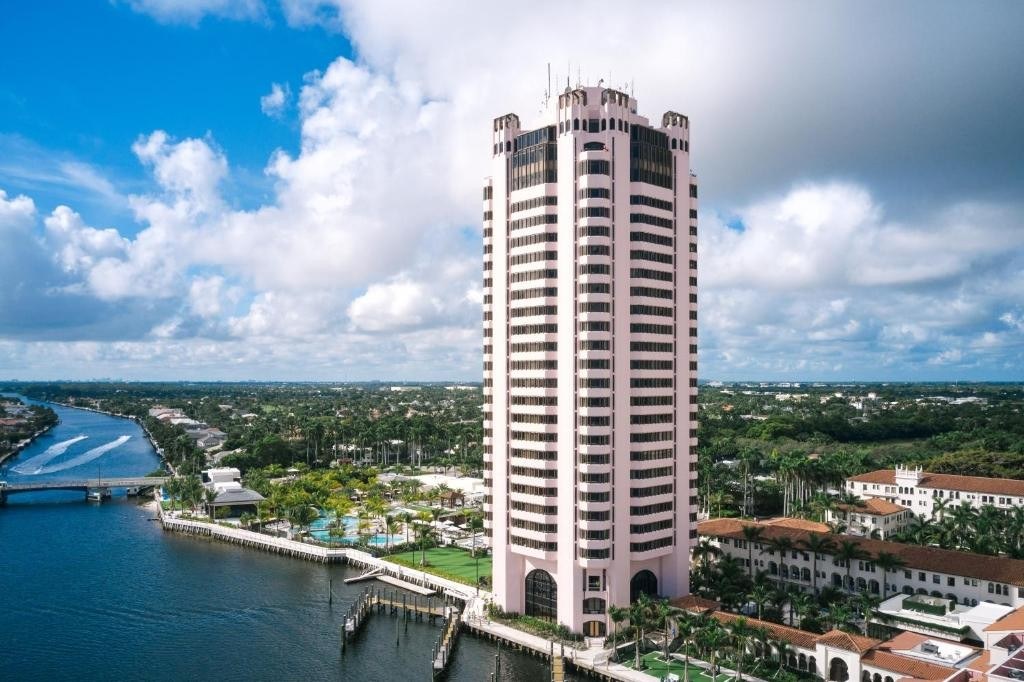
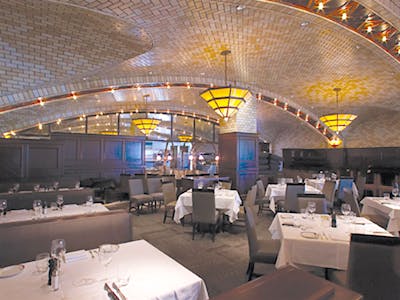
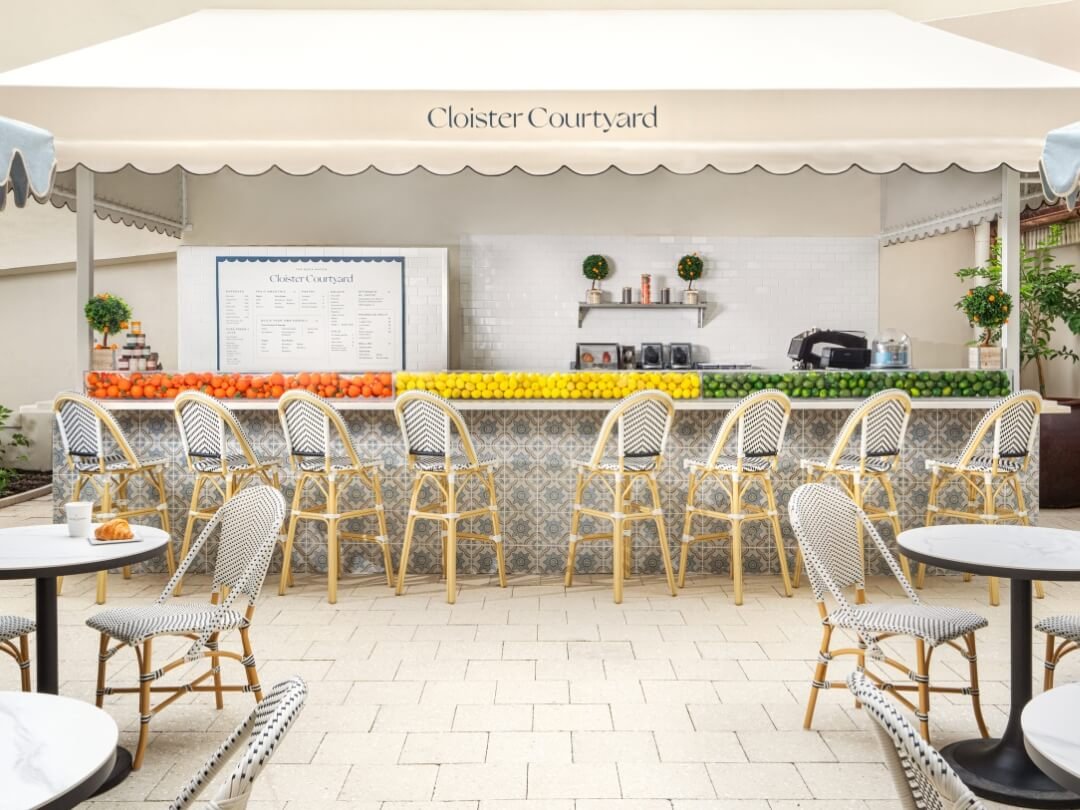
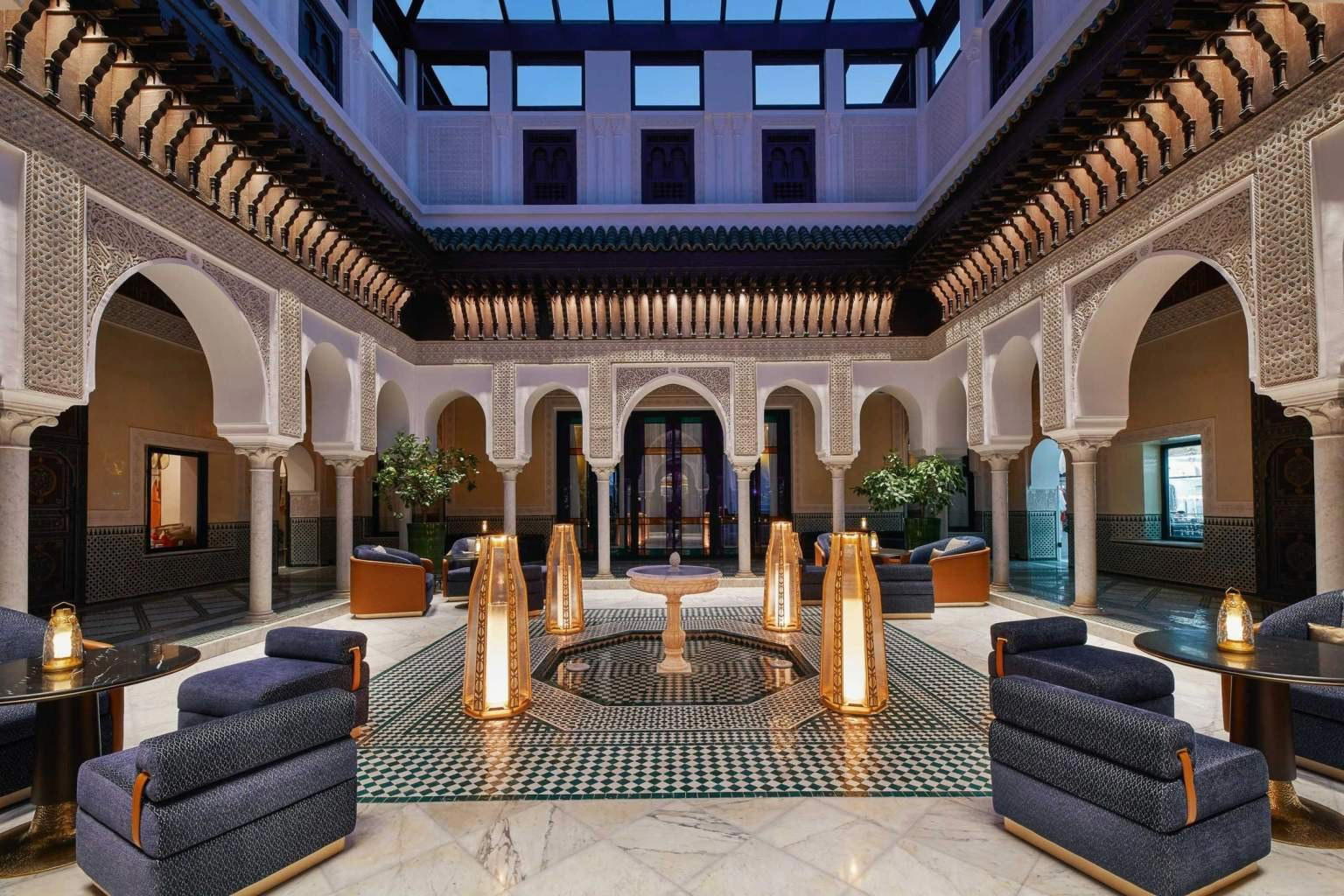
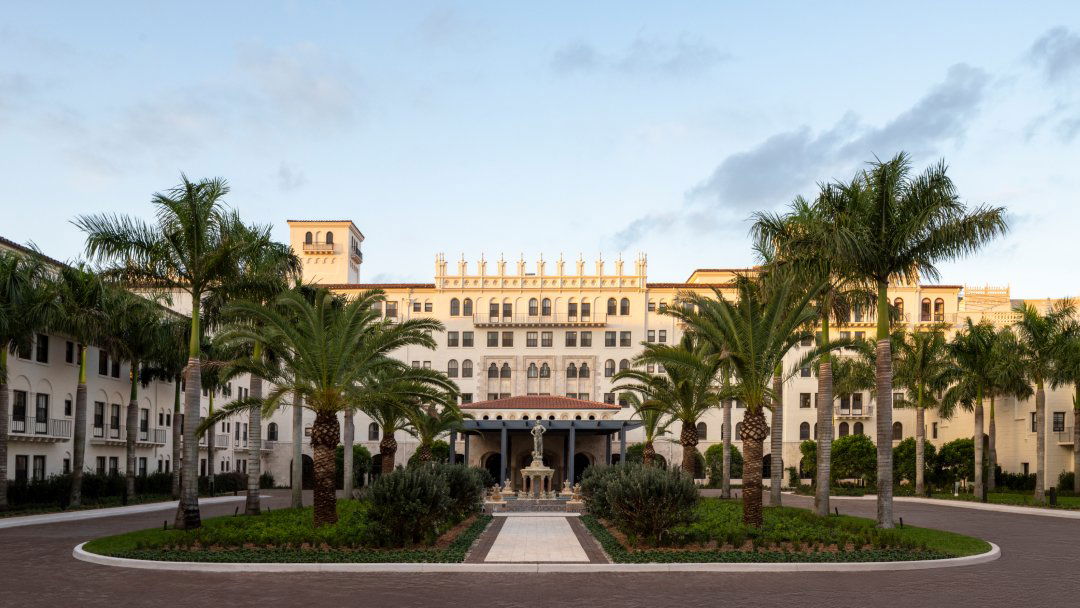
The Boca Raton presents itself as a period resort that leans on architectural pedigree as much as hospitality. The Cloister, designed by Addison Mizner in 1926 and recently restored, reads as a maintained piece of Florida’s Mediterranean Revival moment: white coastal facades, stonework details and a formal arrival that signal history and scale. That historic backbone is balanced by a resort programme built around food and leisure, so the overall impression is one of classic, measured grandeur — a place that feels curated and substantial rather than trend‑driven.
Best For
This resort is best for multi‑night stays where dining and on‑site amenities justify lingering. With 294 rooms clustered around the Cloister and quick access to the Golf Club, Racquet Club and Spa Palmera, it suits families and couples who plan to use the resort as a primary destination. The breadth of restaurants and bars means evenings are an attraction in themselves, so guests looking for a weekend escape, a wellness break that pairs spa time with varied dining, or a celebratory stay find this property particularly well suited to those priorities.
Stay Tips
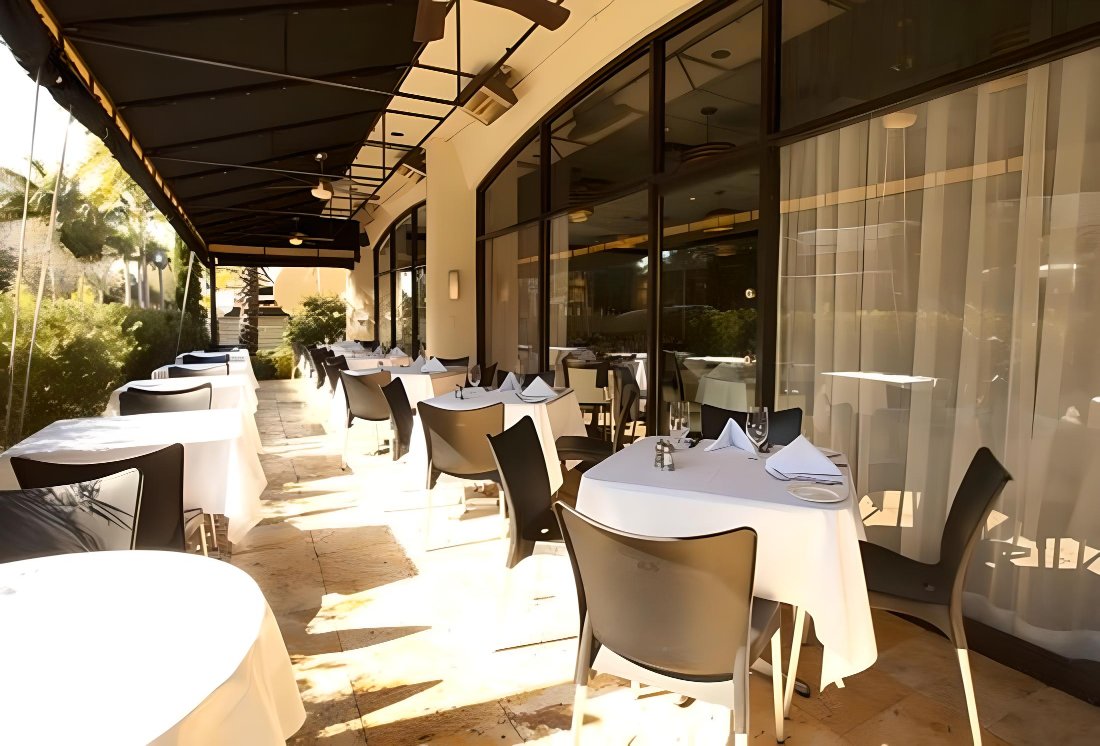
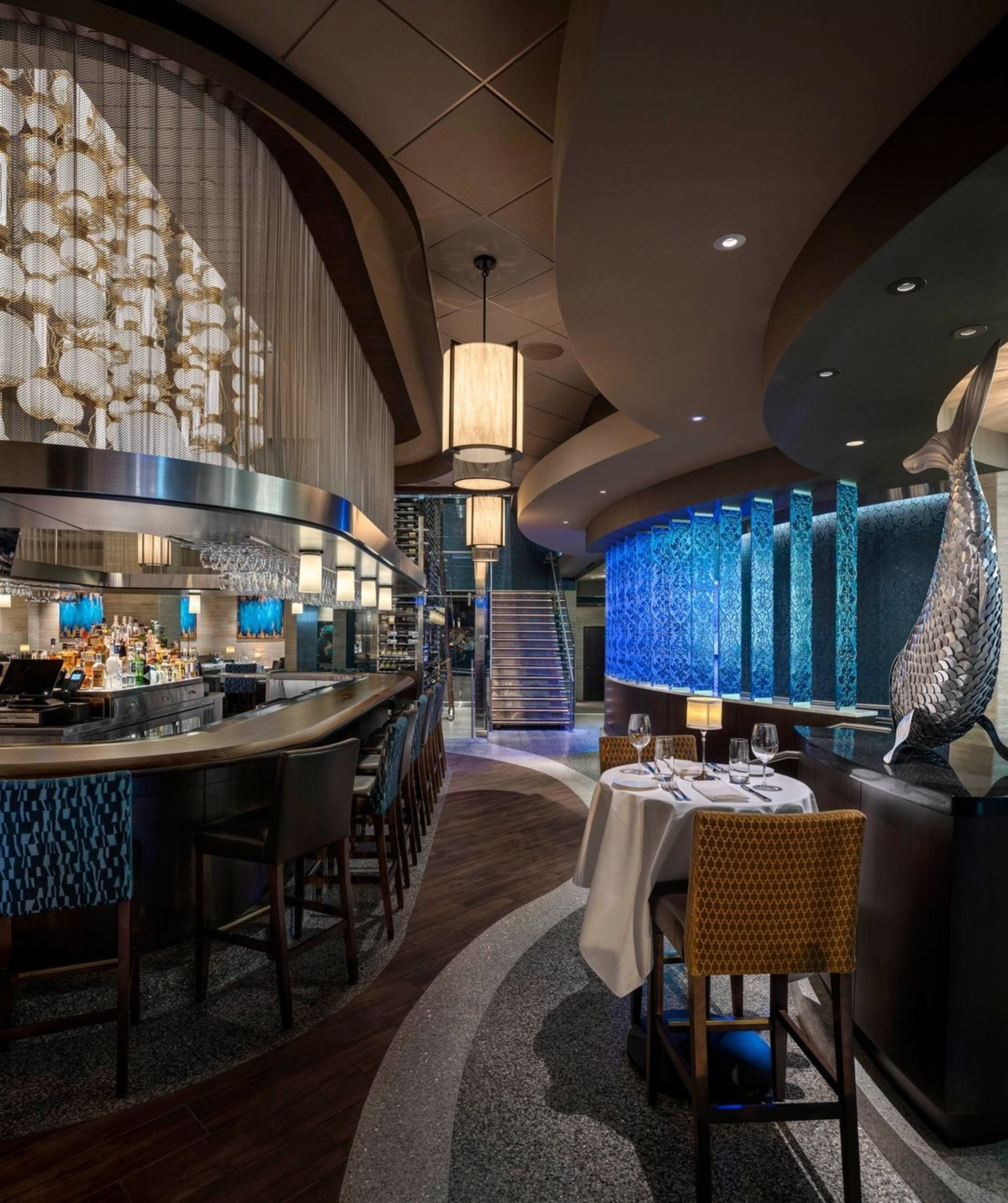
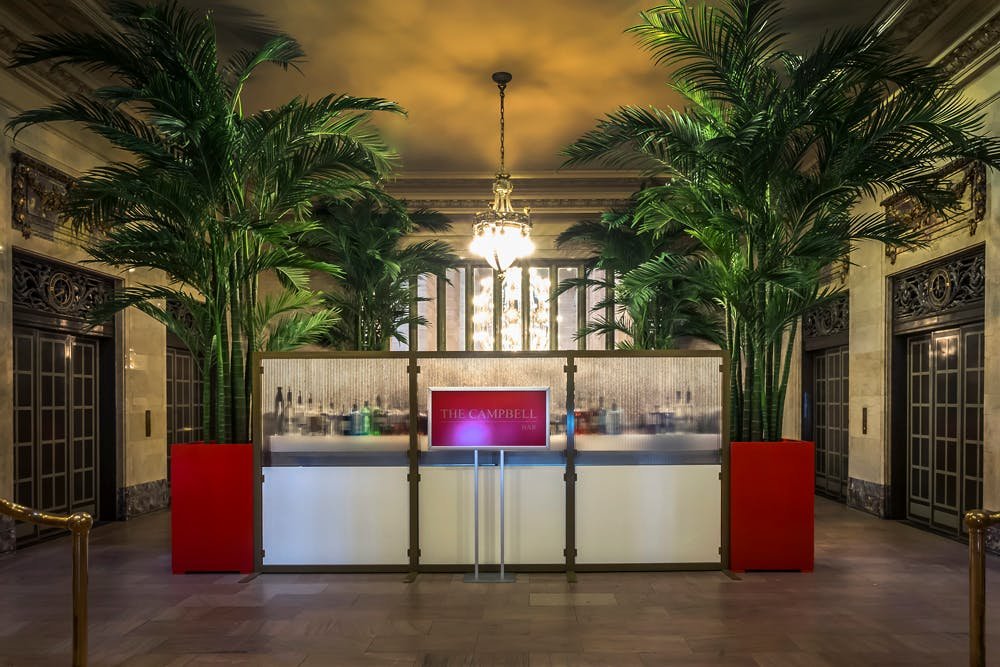
Plan your evenings around the resort’s distinct outlets: book a lakeside table at Principessa Ristorante for the water‑adjacent setting and reserve one of the modern formats, like the Japanese Bocce Club, to experience the resort’s breadth. Given the property’s deliberate strategy to keep guests dining on site — and the scale of its fourteen restaurants, bars and lounges — reservations are advisable, especially for dinner. Use the Cloister as your hub when arranging activities; its central location places you steps from golf, racquets and the spa, which helps sequence dining and leisure across a stay.
Venue details
Ambiance
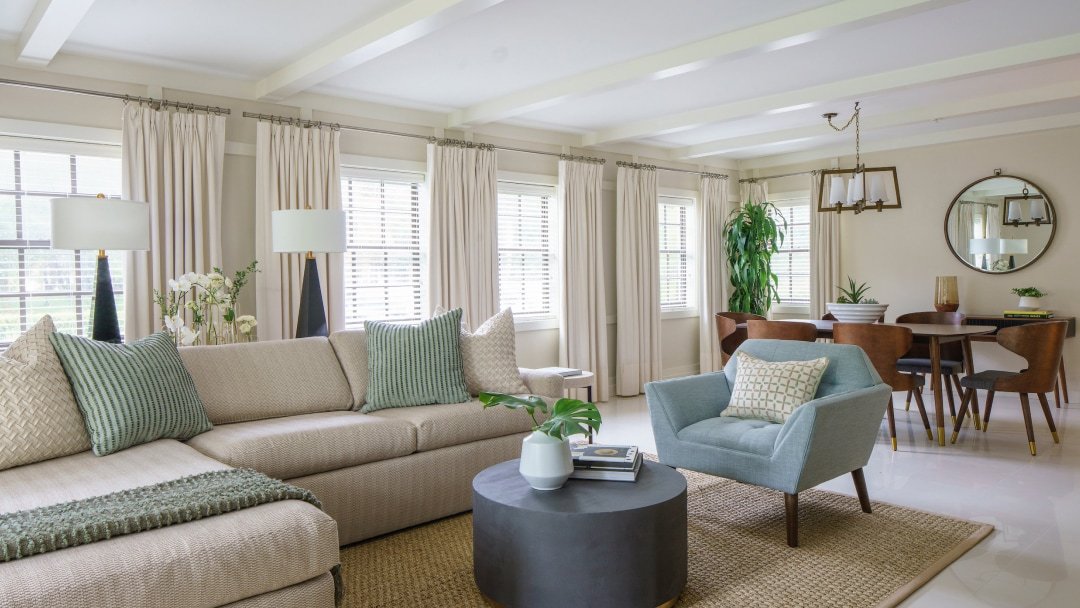
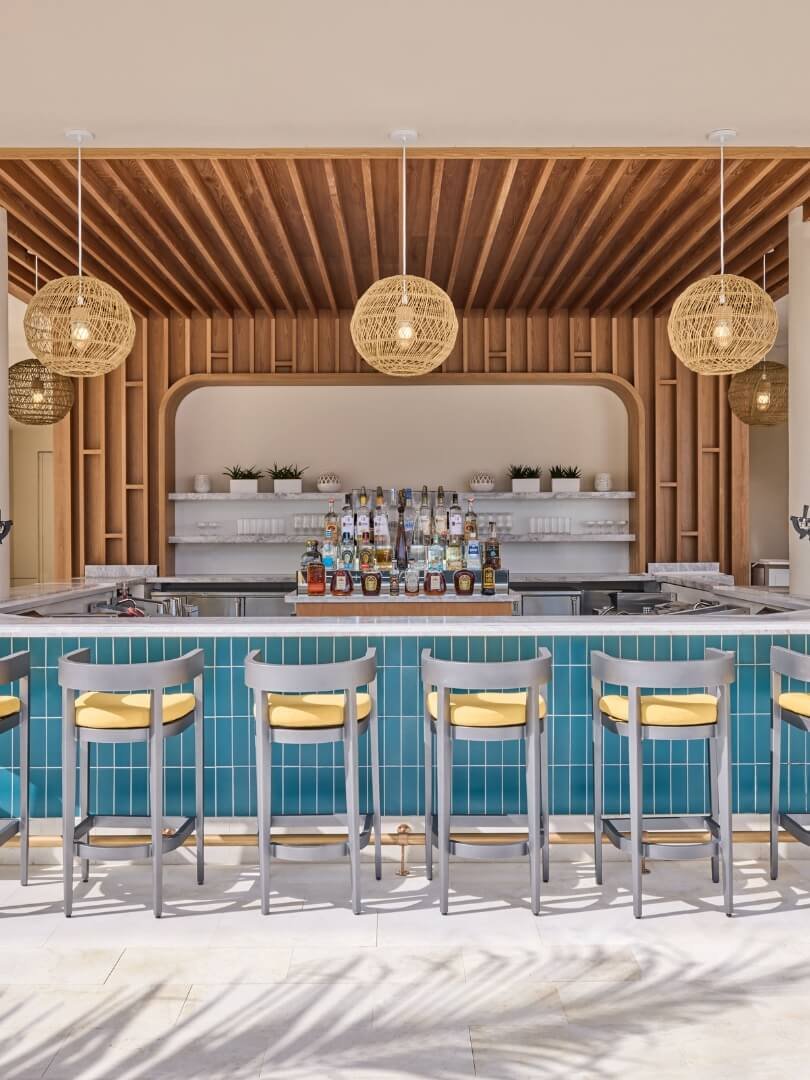
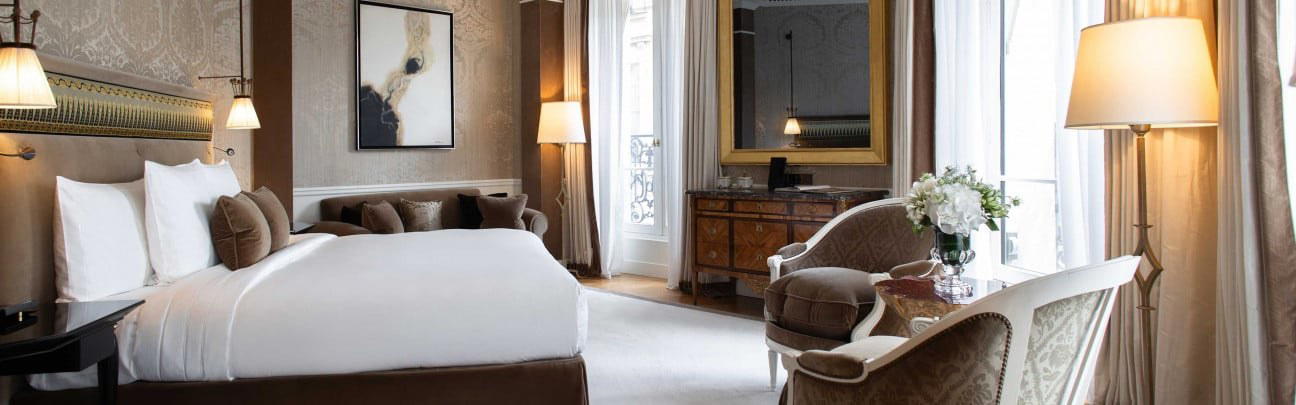
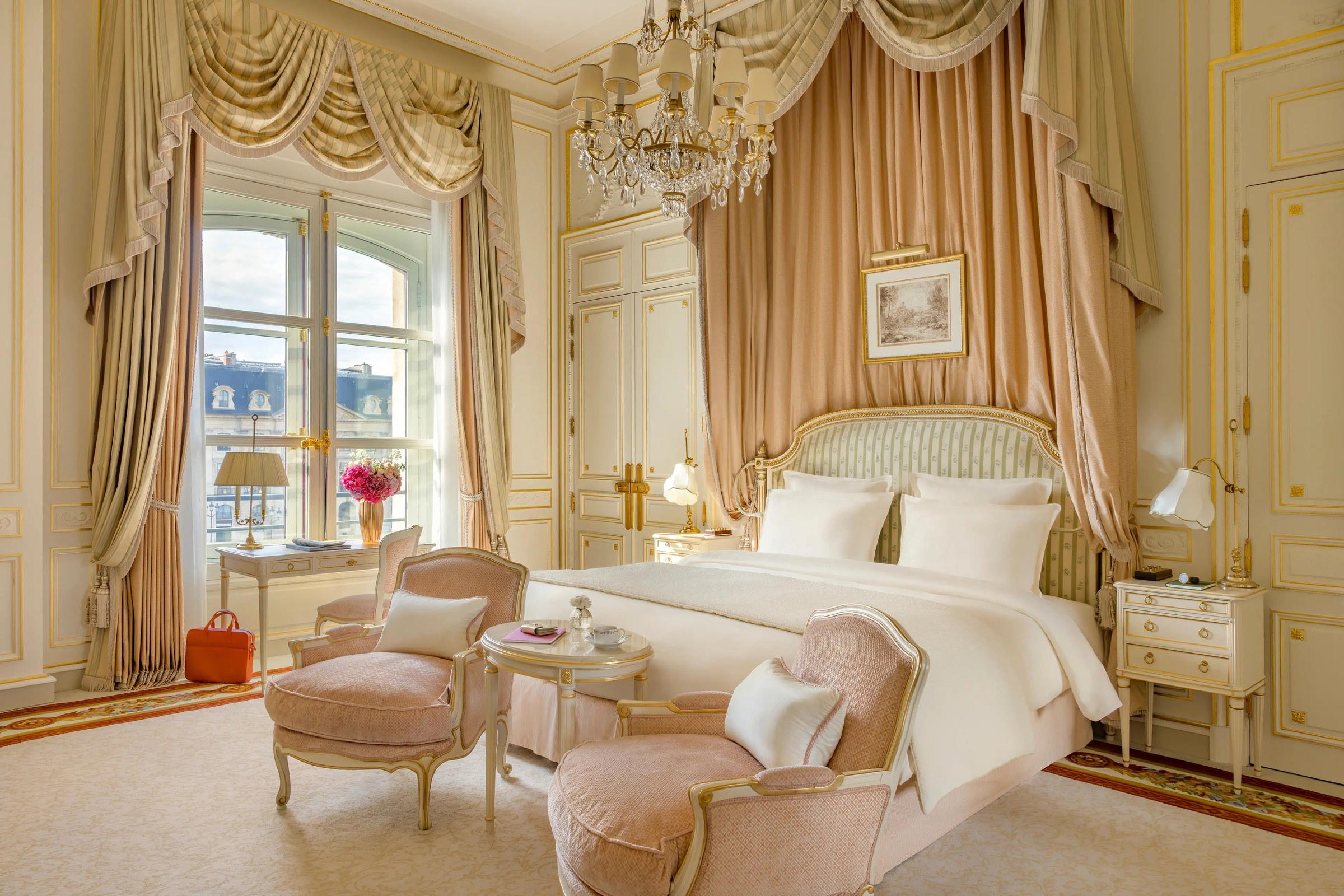
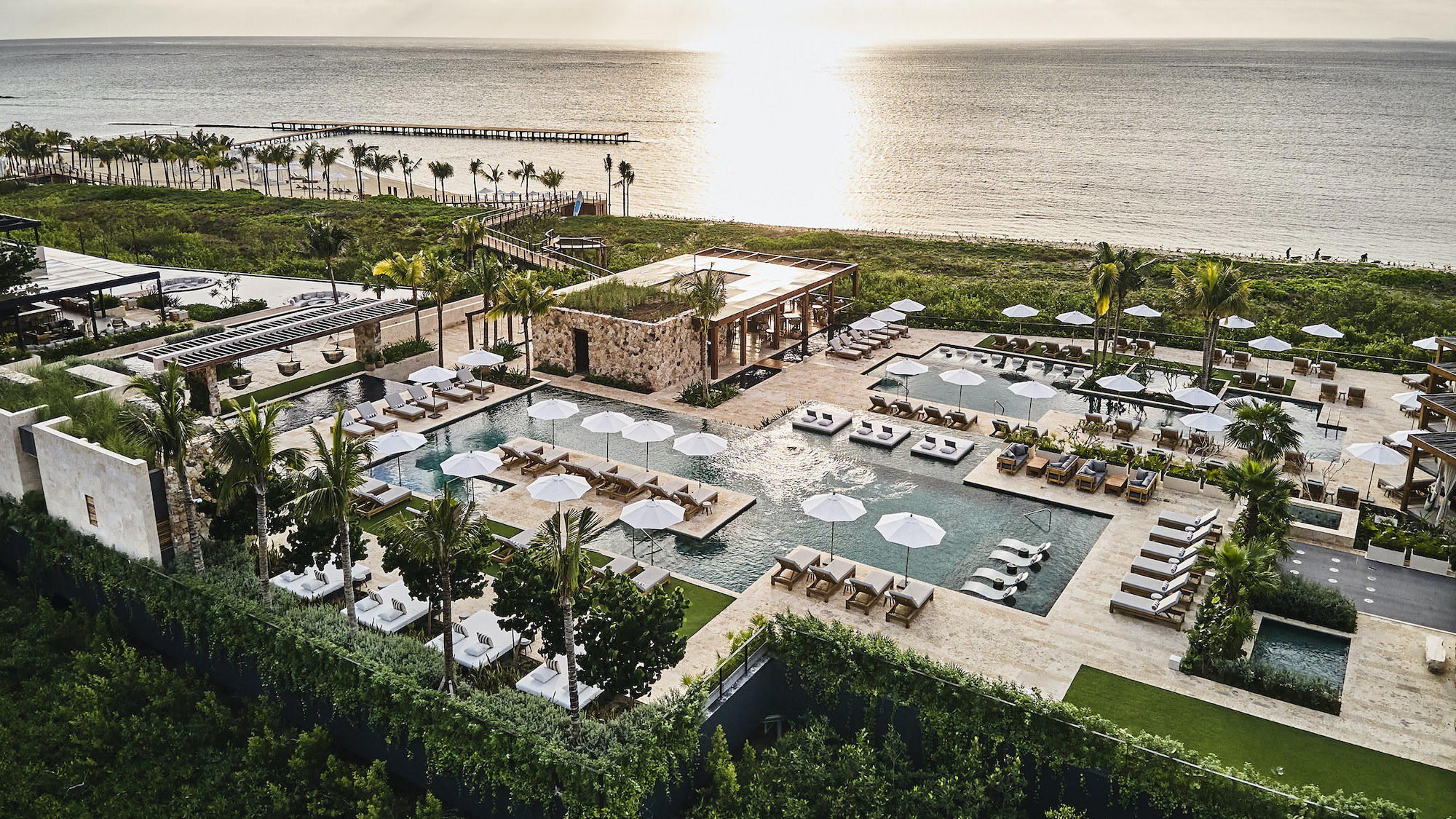
Refined Old Florida elegance with natural light, oceanfront vistas, and sophisticated design featuring marble, cerused woods, and coral velvet accents throughout public and private spaces.
Tags
Vibe
Best For
Experience
Amenities
View
Accessibility
About the Stay
- Rooms
- 224
- Check-in
- 15:00
- Check-out
- 11:00
- Property Style
- Luxury Beachfront Resort Steeped in Old Florida Heritage with Contemporary Reimagined Spaces, Blending Classic Elegance with Modern Coastal Design Across Multiple Distinct Buildings.
- Design Style
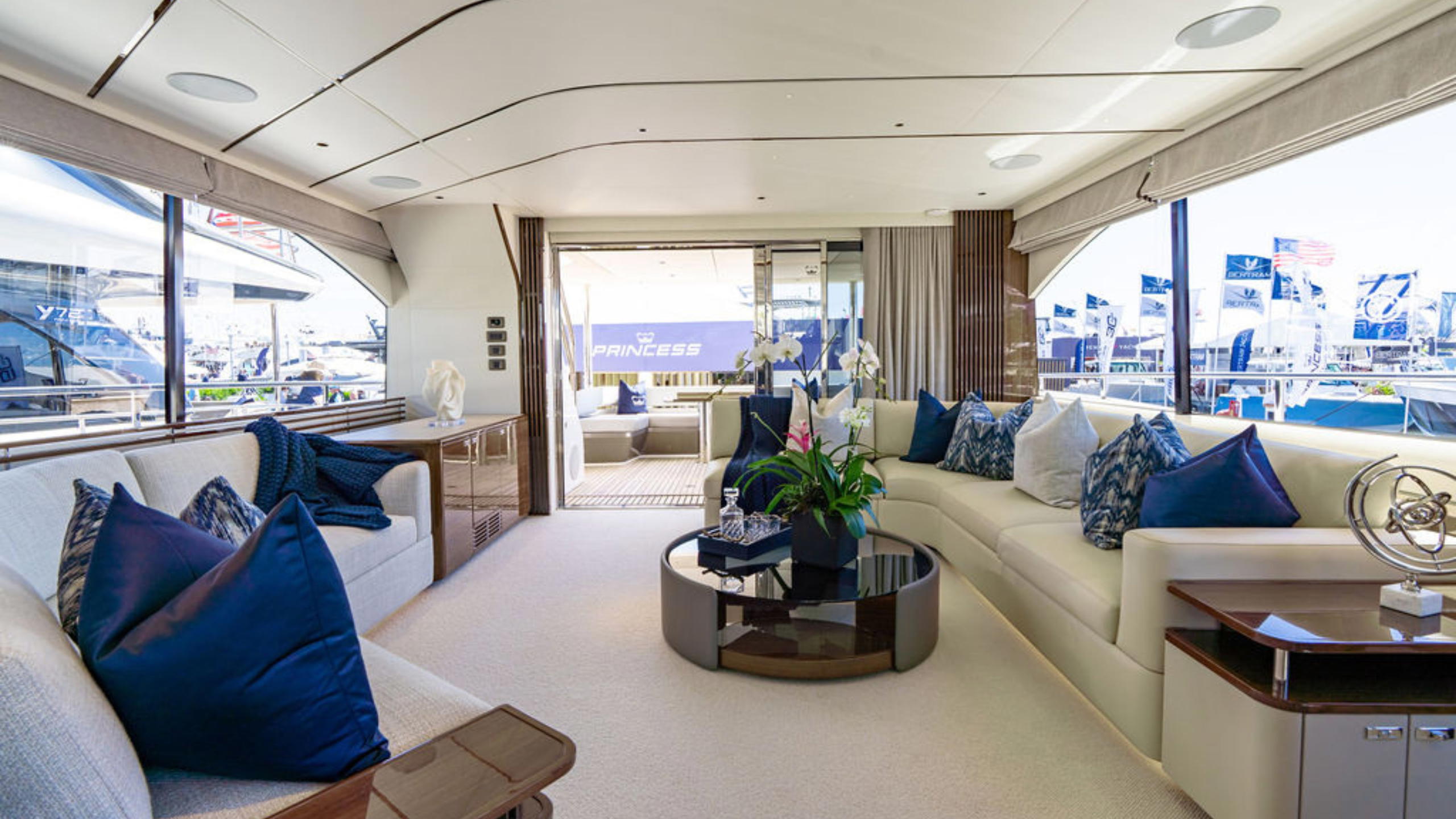
- Sophisticated Coastal Aesthetic Featuring Honed Marble, Cerused Woods, Vibrant Coral Velvet Accents, Light Filled Oceanfront Spaces, and Yacht Inspired Design Elements.
Know before you go
Know Before You Go
- Getting there
- 501 East Camino Real
Planning details
Location
Recognition and awards



Also consider
Where to Look If This Is Full
If the main resort is unavailable, try Tower at The Boca Raton for a similar Boca Raton base with a different room feel, or Bungalows at The Boca Raton for more residential space.
If beach atmosphere is the deciding factor, compare Beach Club at The Boca Raton before settling for a room style that does not match the trip.
Hotel context
How It Compares
Choose The Boca Raton if the priority is the broad resort experience: more scale, more built-in options, and a stronger sense of campus than a smaller independent stay. Yacht Club at The Boca Raton is the sharper pick for guests who want a more club-like, polished atmosphere within the same orbit, while Tower at The Boca Raton is better for travelers who prefer height, views, and a more vertical hotel feel.
For longer stays or guests who want more separation, Bungalows at The Boca Raton is the cross-shop to consider first. It should suit families or repeat guests who want a less standard hotel rhythm. Beach Club at The Boca Raton is the better call when beach access and a lighter coastal mood matter more than being centered in the main resort setting.
Royal Blues Hotel is the alternative for guests who want a smaller hotel personality instead of a full resort. It will not answer the same need for scale, but it is the cleaner comparison for travelers who care more about intimacy and less about a campus-style stay.
Explore Boca Raton
Around this place
Discover more on Pearl
Unlock the full The Boca Raton guide in Pearl, including awards, comparisons, FAQs, planning details, and nearby places.
Compare The Boca Raton
| Venue | Location | Awards |
|---|---|---|
| The Boca Raton | Boca Raton | 2026 Virtuoso Luxury Hotel Collection2026 Forbes Soon To Be RatedStar Wine Lists 2026 |
| Yacht Club at The Boca Raton | Palm Beach | 2026 Forbes 5-Star2026 Virtuoso Luxury Hotel CollectionStar Wine Lists 20262025 Forbes 4-Star |
| Tower at The Boca Raton | Boca Raton | 2026 Virtuoso Luxury Hotel Collection2026 Forbes 4-StarLeading Hotels of the World 20262026 Michelin 1 Key2025 Michelin 1 Key2025 Forbes 4-Star2024 Michelin 1 Key |
| Bungalows at The Boca Raton | Boca Raton | No published awards |
| Beach Club at The Boca Raton | Palm Beach | 2026 Virtuoso Luxury Hotel Collection2026 Forbes 5-StarStar Wine Lists 20262026 Mr & Mrs Smith Luxury Hotels2026 La Liste Top HotelsLeading Hotels of the World 20262025 Esquire Best New Hotels2025 Forbes 5-Star |
| Royal Blues Hotel | Deerfield Beach | 2025 Relais Chateaux Award |







How The Boca Raton compares with similar nearby venues.
FAQ
Frequently Asked Questions
How is the location of The Boca Raton?
The Boca Raton is in Boca Raton. For comparison, Royal Blues Hotel is another option, while Yacht Club at The Boca Raton is another venue to review when considering The Boca Raton and related options.
When is the best time to book The Boca Raton?
Booking windows can vary. If you are comparing related options such as Beach Club at The Boca Raton, Bungalows at The Boca Raton, Tower at The Boca Raton, or Yacht Club at The Boca Raton, choose based on the current details available directly from each venue.
What is The Boca Raton known for?
The Boca Raton is in Boca Raton, has a smart casual dress code, and has recognition including Virtuoso Luxury Hotel Partner, Star Wine List, and Forbes Soon To Be Rated for 2026.
Where is The Boca Raton located?
The Boca Raton is located in Boca Raton.