

Hotel in Boca Chica, Panama
Islas Secas
275Pearl PointsPrivate island stay


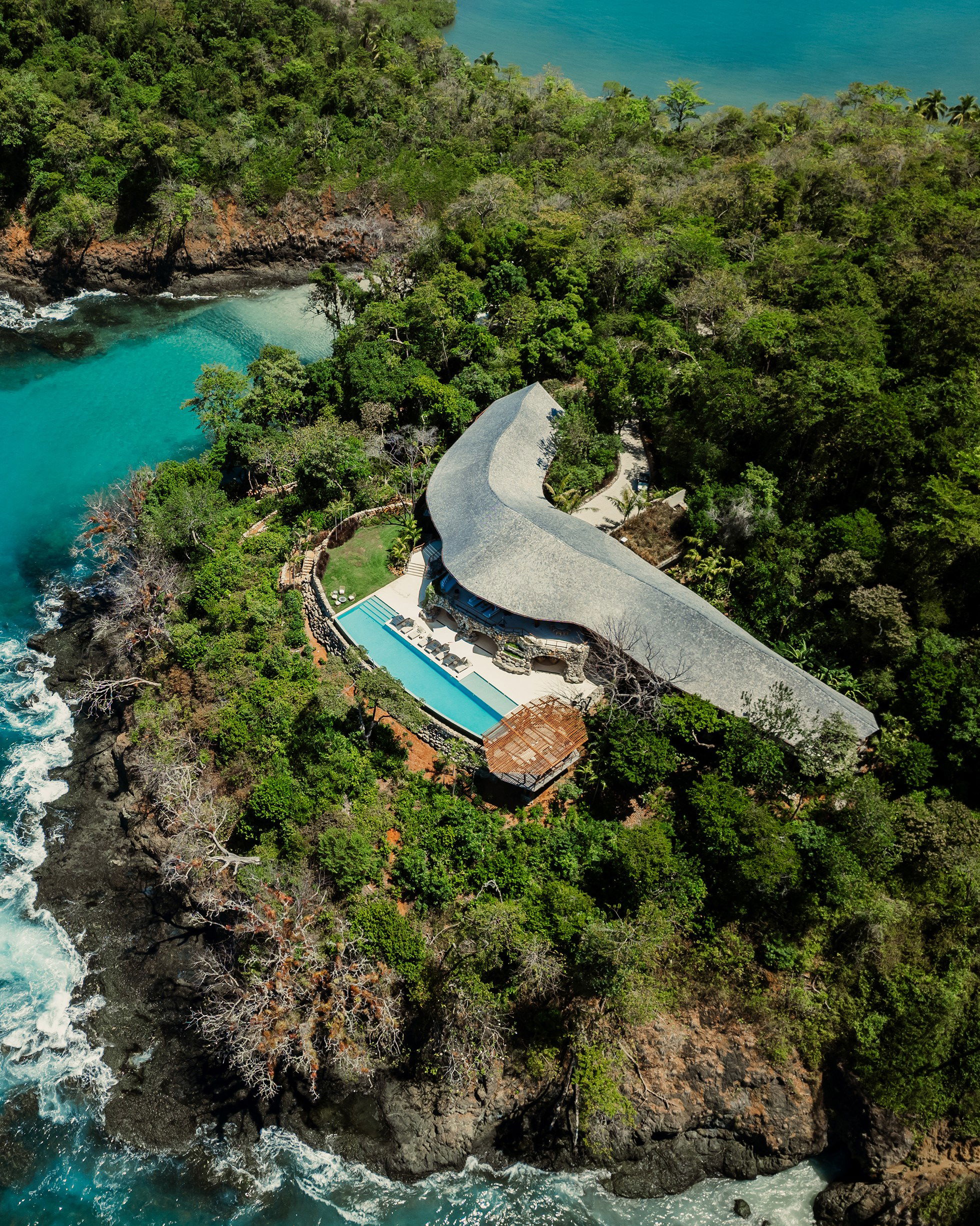
About Islas Secas
Islas Secas is the Boca Chica choice for travelers who want a quiet, self-contained island stay rather than a hotel used as a base for dining and nightlife. Its Robb Report and Virtuoso recognition support the luxury case, but the value is strongest if privacy and resort-led pacing are the point of the trip.
For Boca Chica, the verified case for Islas Secas is direct: it is a luxury hotel with confirmed recognition from Robb Report The 50 Greatest Luxury Hotels on Earth #23 (2025) and Virtuoso Luxury Hotel Partner (2026). Beyond that, public-facing specifics such as room hierarchy, dining format, prices, service details, amenities are not verified here, so the safest verdict is to treat it as a high-end Boca Chica stay rather than to assume a particular style of trip.
Use Islas Secas as a shortlist option if those confirmed luxury signals are enough to justify deeper inquiry with the property or your travel advisor. If you are still deciding among premium stays in the broader region, compare it with named alternatives such as Isla Palenque, Selva Terra Island Resort, Nayara Bocas del Toro, Bocas Bali Luxury Water Villas, or Lapa Rios without assuming they offer the same setting, format, or inclusions.
Book for the confirmed luxury credentials, then verify the details
The key practical question is not whether Islas Secas has recognition; it does. The key question is whether its current rooms, dining, activities, transfer logistics, policies match your trip. Those specifics are not confirmed in this dataset, so they should be checked directly before booking rather than inferred from the hotel's reputation.
Recognition from Robb Report and Virtuoso supports the luxury positioning, but the value case depends on the details you confirm for your own stay. If you are comparing similar high-end options, cross-shop Isla Palenque or Selva Terra Island Resort and ask each property for current inclusions, access details, cancellation terms before committing.
Frequently Asked Questions
Which room category is best at Islas Secas?
No verified room-by-room hierarchy is available here. Choose only after confirming the current room categories directly with Islas Secas, noting that the property is recognized by Robb Report The 50 Greatest Luxury Hotels on Earth #23 (2025).
How does Islas Secas compare to other premium hotels?
Pick Islas Secas if its confirmed luxury credentials in Boca Chica are the main draw. For broader comparison, look at Nayara Bocas del Toro or Bocas Bali Luxury Water Villas, but verify each property's location, access, dining, inclusions directly rather than assuming they are interchangeable.
How is the pool and spa at Islas Secas?
Pool and spa specifics are not verified here. The confirmed signals are the hotel's Robb Report ranking in 2025 and its Virtuoso Luxury Hotel Partner recognition for 2026; confirm current amenities directly before booking.
How is the location of Islas Secas?
Islas Secas is in Boca Chica. For planning purposes, confirm access and transfer details directly with the property before comparing it with other premium options such as Isla Palenque.
Is Islas Secas family-friendly?
Family policies, child amenities, activity details are not verified here. If traveling with children, ask Islas Secas directly about current suitability, compare with options such as Lapa Rios only after confirming what each property offers.
Do loyalty programs work at Islas Secas?
Specific loyalty-program earning or redemption details are not verified here. The confirmed credential is Virtuoso Luxury Hotel Partner (2026), so travelers using an advisor should confirm any current Virtuoso-related benefits before booking.
Location
Gulf of, David, Provincia de Chiriquí
Boca Chica, Panama
Compare Islas Secas
| Venue | Booking Difficulty |
|---|---|
| Islas Secas | Easy |
| Isla Palenque | Unknown |
| Selva Terra Island Resort | Unknown |
| Nayara Bocas del Toro | Unknown |
| Lapa Rios | Unknown |
| Bocas Bali Luxury Water Villas | Unknown |
Key differences to consider before you reserve.
Also Consider
- Isla Palenque, Notable alternative
- Selva Terra Island Resort, Notable alternative
- Nayara Bocas del Toro, Notable alternative
- Lapa Rios, Notable alternative
- Bocas Bali Luxury Water Villas, Notable alternative
How Islas Secas compares
Isla Palenque is the closest cross-shop for travelers who want an island feel with a more approachable decision process. Islas Secas is the stronger splurge if privacy and a quieter atmosphere are the priorities; Isla Palenque is easier to justify for guests who want a similar nature-forward frame without committing as heavily to remoteness.
Selva Terra Island Resort is the value comparison: look there first if the goal is an island-style escape with less emphasis on luxury recognition. Nayara Bocas del Toro and Bocas Bali Luxury Water Villas make more sense for travelers drawn to overwater-villa resort energy, while Islas Secas is better for a quieter Gulf of Chiriquí trip.
Lapa Rios is the broader eco-luxury alternative for guests comparing Panama with Costa Rica. Pick Lapa Rios if rainforest immersion is the main brief; pick Islas Secas if the decision is specifically about a remote Pacific island stay near Boca Chica with luxury-hotel validation.
Recognized By


Explore Boca Chica
Save or rate Islas Secas on Pearl
Keep this venue in your Pearl passport, rate it after you visit, and track it alongside every other place you collect.