

Hotel Miro
City Center, Bilbao
Hotel in Bilbao, Spain
 Book with Pearl
The Read
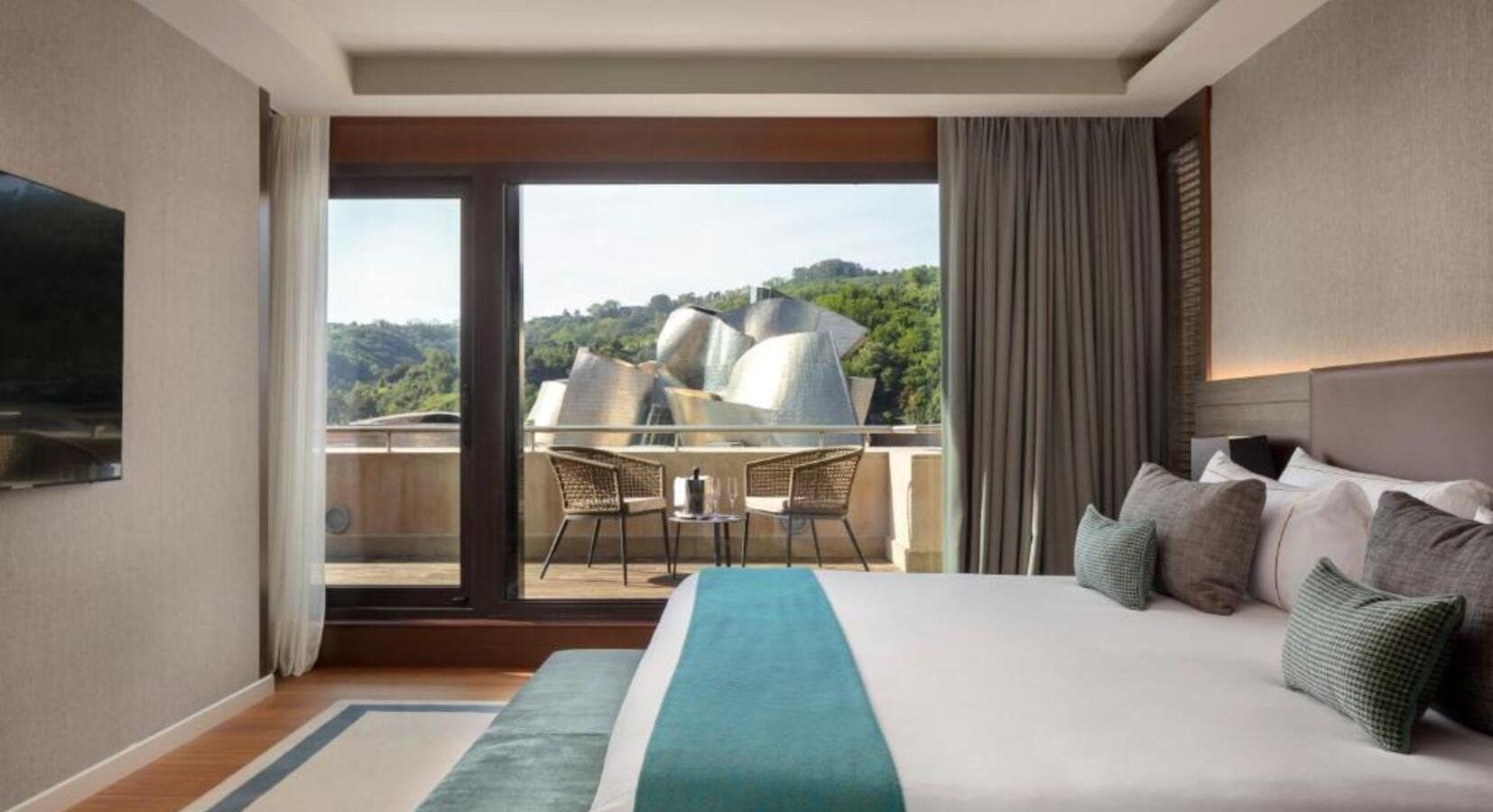
Guggenheim-Adjacent Design
Why go
Hotel Miro is worth shortlisting for a first Bilbao stay if location matters more than resort amenities. Its Abando address works well for museum-led days and easy city logistics, with 2025 hotel-selection recognition adding reassurance. Choose it as a calm urban base; compare alternatives if dining, spa time, or a more statement-making hotel is the point of the trip.
About Hotel Miro
Hotel Miro is a Bilbao hotel with Preferred Hotels Member status for 2025 and selection in the MICHELIN Guide hotel listings for 2025. The safest way to frame it is as a city base rather than as a stay defined by extras. Choose it if the trip is built around Bilbao itself and you want a direct hotel decision supported by recognized hotel-selection channels.
The recommendation should stay practical. Hotel Miro can be considered alongside other Bilbao hotel options when you want a polished urban stay, but it should not be stretched into claims about destination dining, wellness facilities, specific room counts, service formats, or named amenities that are not confirmed.
Pay for a Bilbao base if the city is the itinerary
The strongest grounded reason to consider Hotel Miro is that it is in Bilbao. It suits travelers whose plans are centered on the city and who want a hotel with confirmed recognition rather than an unsupported list of features. If the room is mainly a place to reset between plans, that can be enough. If the hotel experience needs to carry the trip on its own, compare carefully before committing.
Its 2025 Preferred Hotels Member status and 2025 MICHELIN Guide hotel selection provide useful quality signals, but they do not by themselves identify a specific restaurant, spa, pool, room category, or service style. The smarter read is that Hotel Miro belongs in the reliable city-stay conversation for Bilbao travelers who value a recognized hotel listing and a smart-casual setting.
Where the trade-off shows up for first-time visitors
The likely appeal is simplicity. Bilbao rewards a hotel choice that keeps the trip easy, especially for visitors who want to spend most of their time in the city rather than making the hotel the main event. Hotel Miro is best treated as a practical base with confirmed recognition, not as a property whose extras should drive the booking.
The trade-off is that the information does not support choosing this for a destination restaurant, named chef, pool scene, spa-led break, specific drinks program, or particular room category. Dining should be planned separately unless you have current, direct booking information from the hotel. For restaurant planning, use Our full Bilbao restaurants guide; for hotels, compare Hotel Miro with other Bilbao stays and with options such as Hotel Nafarrola Gastronomy & Wine, OAR Cottage, Palacio Arriluce, Tayko Bilbao, and The Artist Grand Hotel of Art where relevant to your trip.
Decision is not whether this is Bilbao's flashiest stay. It is whether a recognized, smart-casual city hotel is the right fit for a trip focused on Bilbao itself. For many visitors, that is a reasonable starting point, provided the rate and current booking terms make sense.
Planning details
- Location
- Mazarredo Zumarkalea, 77, Abando, 48009 Bilbao, Bizkaia
- Website
- mirohotelbilbao.com
- Phone
- +34 946 61 18 80
The take
The Take
The Vibe
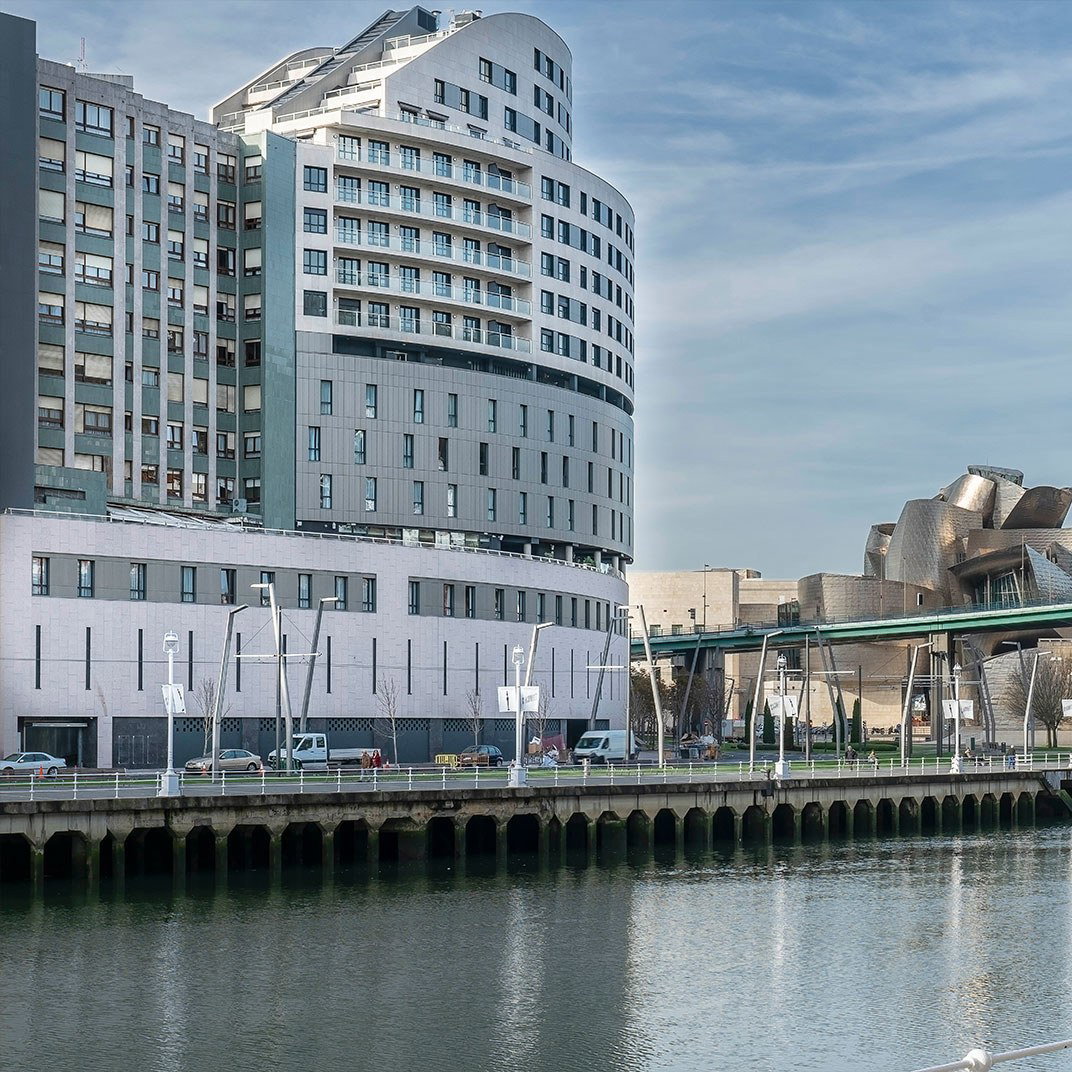
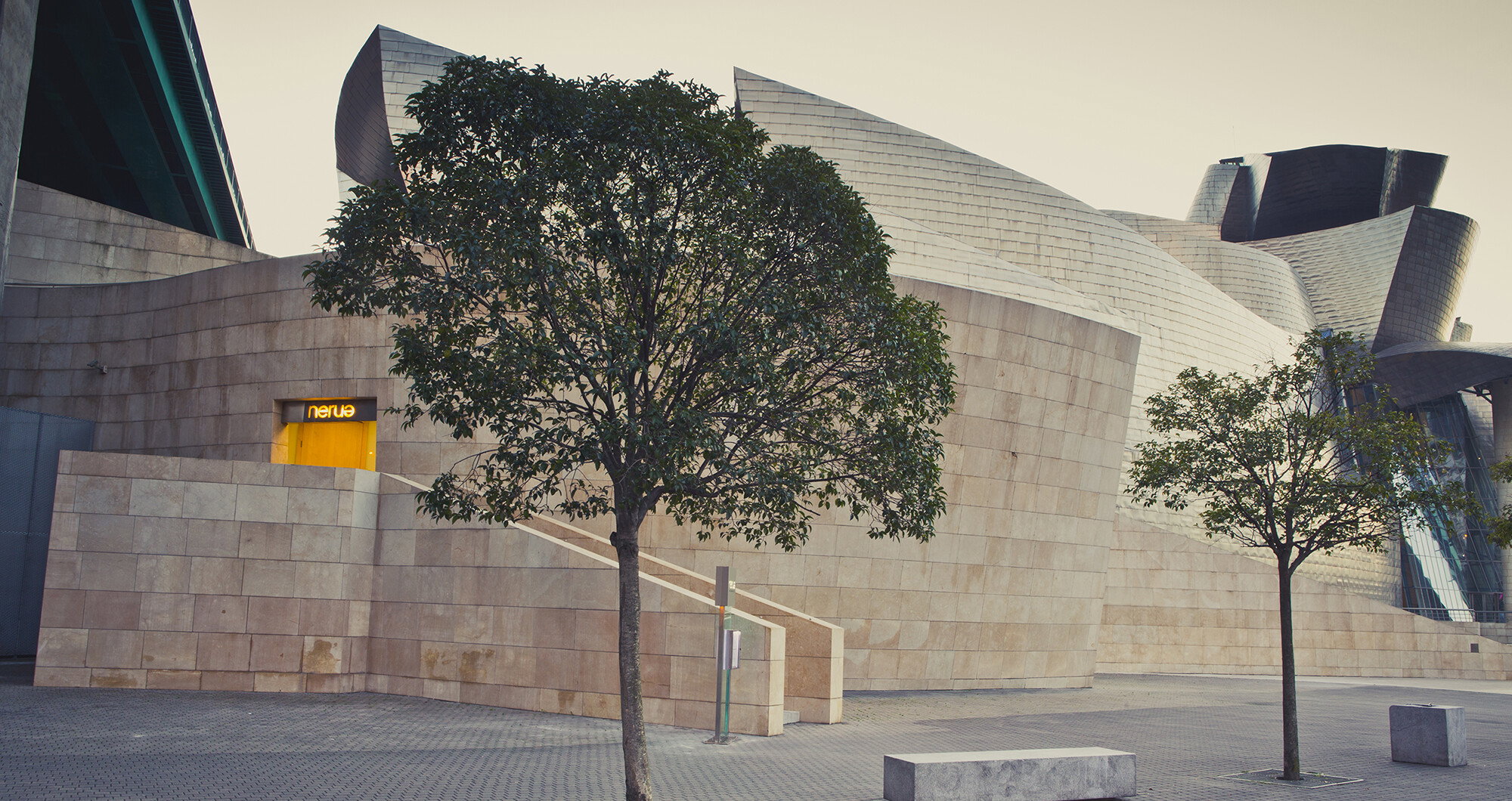
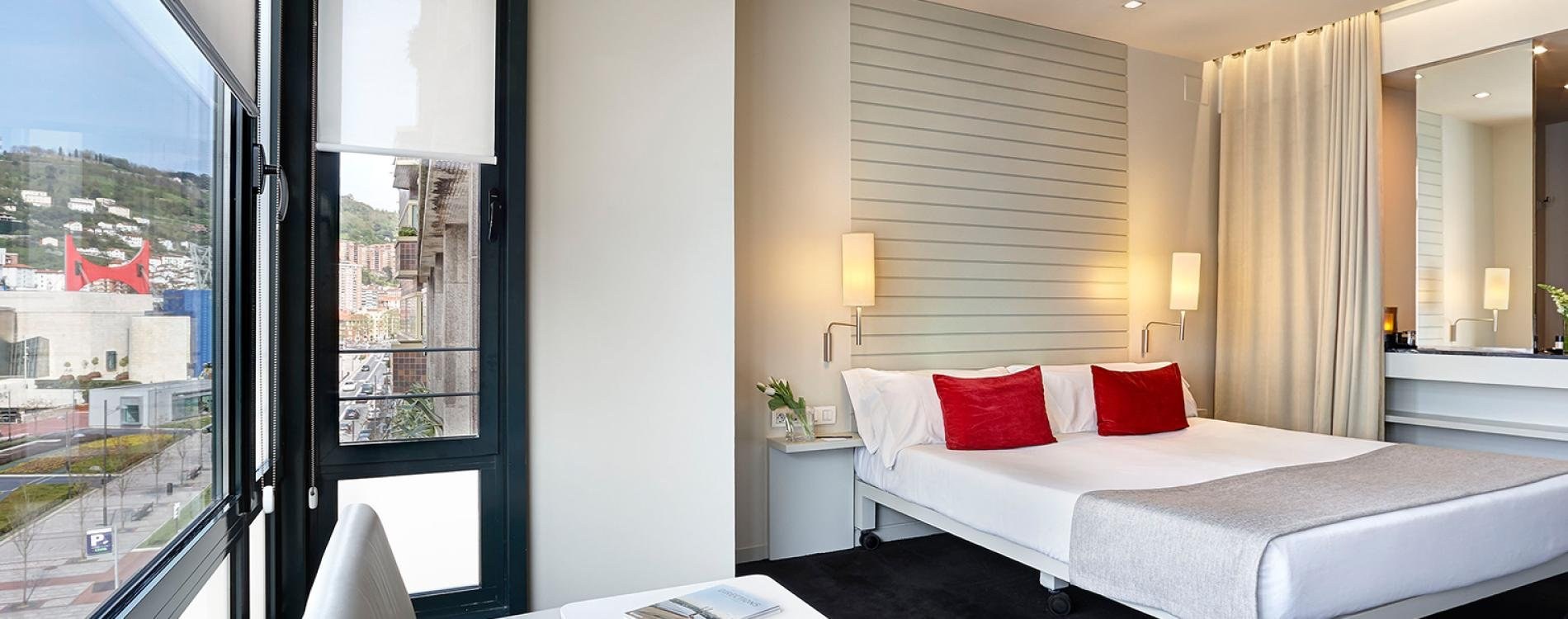
Hotel Miro reads as a quietly assured, design-led boutique anchored to Bilbao’s cultural spine. Its small footprint and architectural awareness position it as an intimate alternative to larger conference hotels: rooms are part of a focused, locality-first program rather than an amenity-heavy offer. The hotel’s identity is inseparable from its immediate surroundings — the Nervión riverbank and the Guggenheim — so style and context feel equally important. Guests encounter a considered, compact property that prioritizes design, proximity to cultural institutions, and a sense of place over scale and spectacle.
Best For
This hotel is best for travelers who want to be immersed in Bilbao’s museum quarter: art-focused visitors, weekend cultural escapes, and business travelers who value a central, walkable base. Its location places guests steps from the Guggenheim, the Museo de Bellas Artes and the pintxos bars of the Casco Viejo, making it ideal for short stays built around gallery visits and evening explorations. Because the property is small and design-driven, it suits travelers who prefer curated, intimate hotels to large, generic chains.
Stay Tips
Book early and prioritize the hotel’s location when making requests: with only 50 rooms, availability can be limited during busy cultural seasons and museum-driven weekends. Given the hotel’s position along the Nervión riverbank and its proximity to the Guggenheim, ask at booking whether rooms offered take advantage of that riverside/museum orientation. Rely on the concierge or front desk for walking-direction tips to nearby museums and Casco Viejo pintxos spots to make the most of the hotel’s exceptionally convenient siting.
Venue details
Ambiance
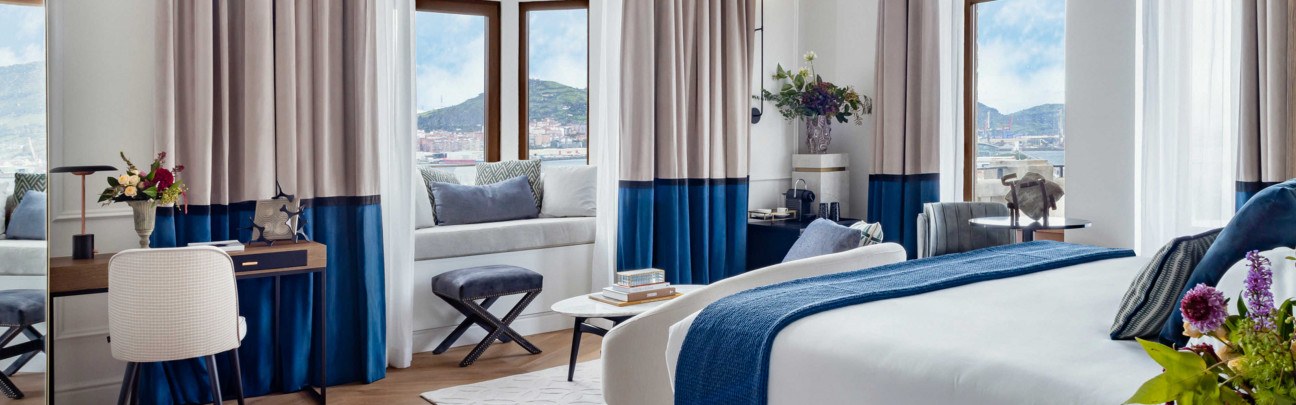
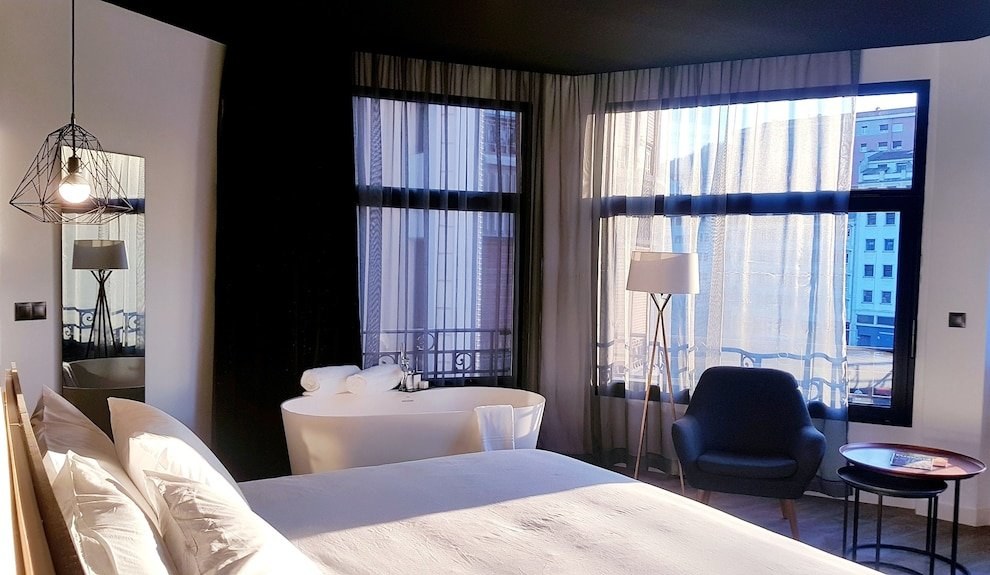
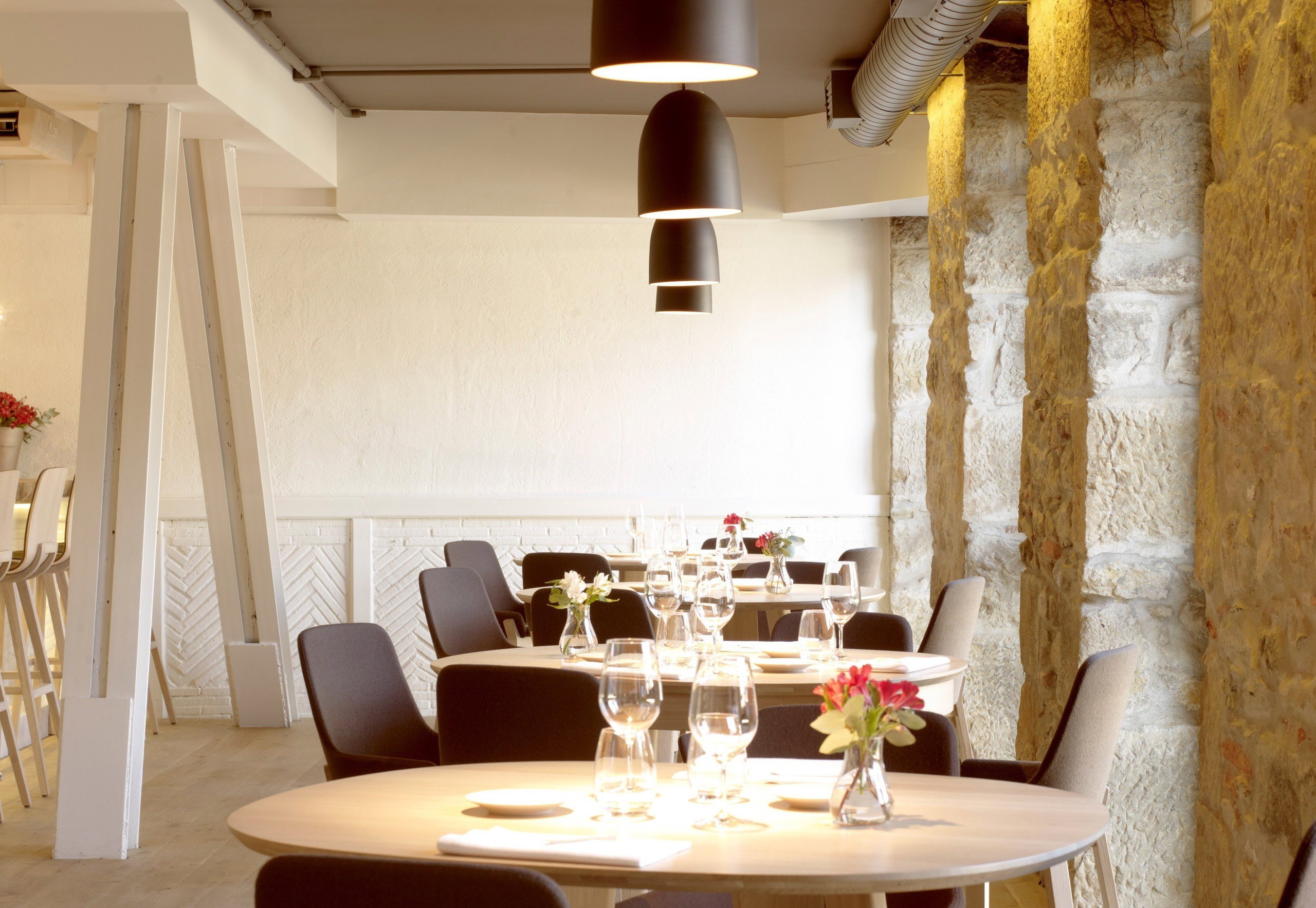
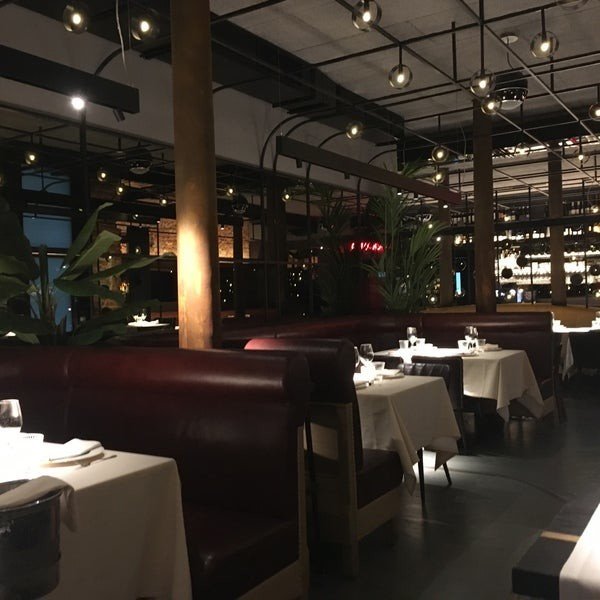
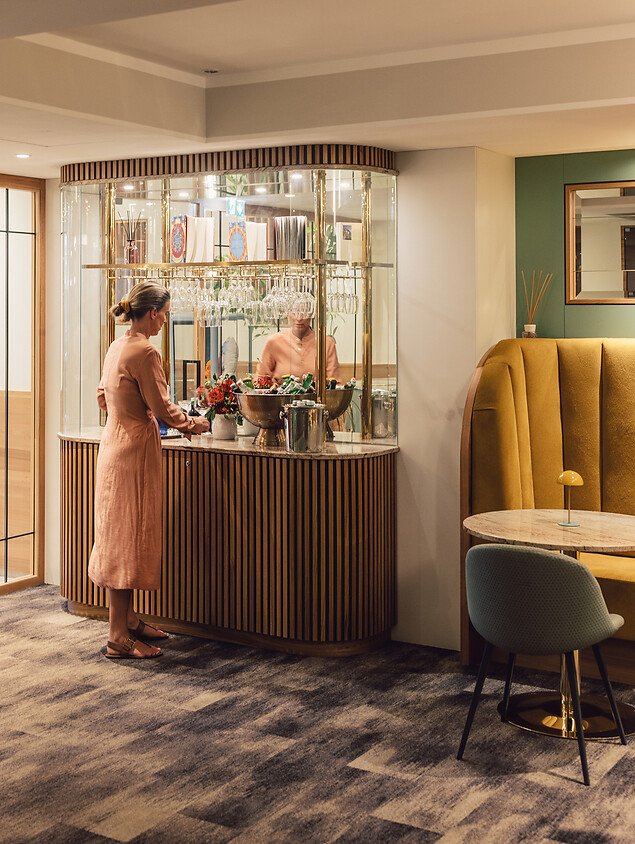
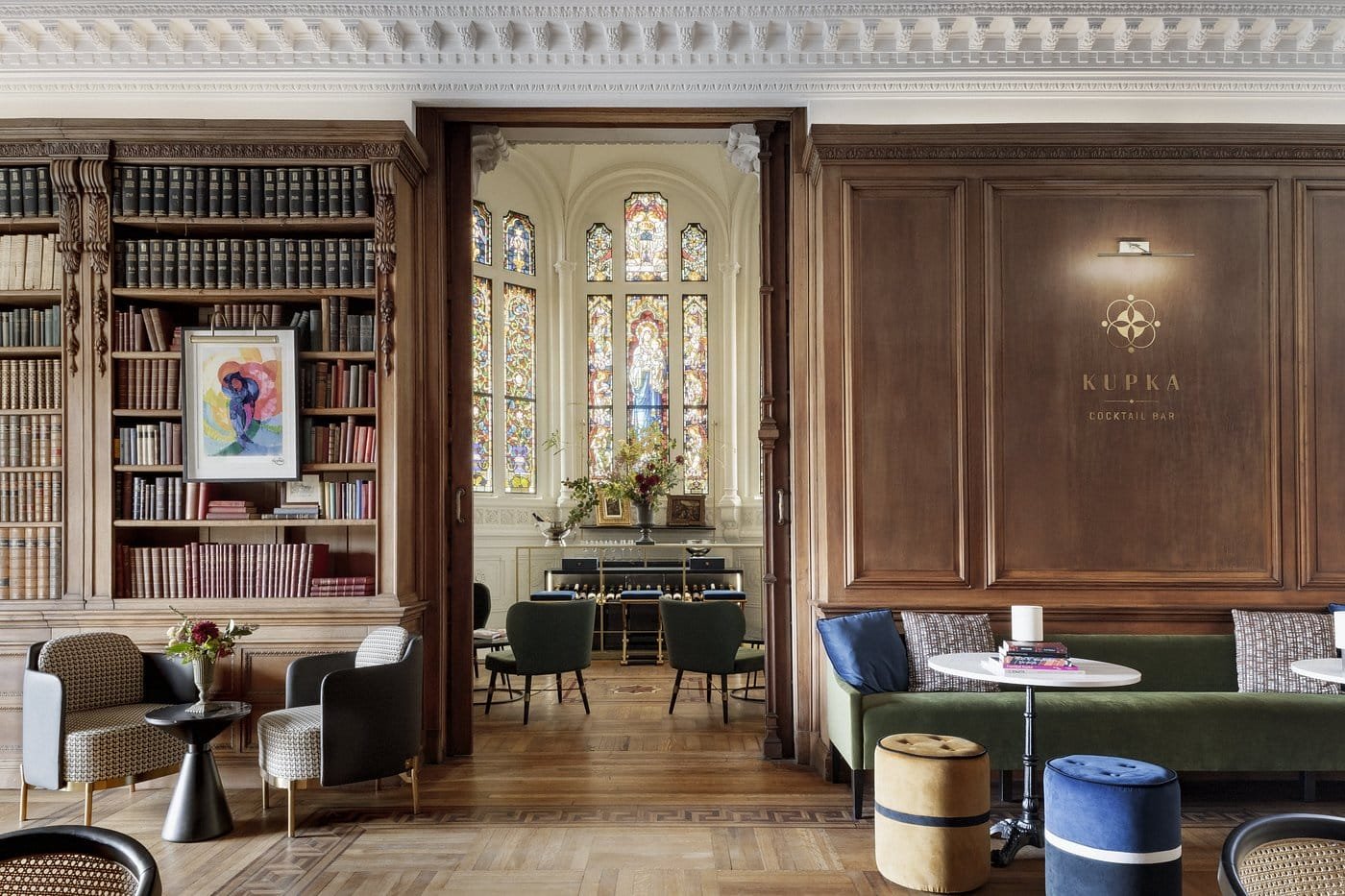
Contemporary and refined with clean lines and minimalist aesthetic; guests describe it as inviting and elegant with a warm, welcoming atmosphere enhanced by attentive staff.
Tags
Vibe
Best For
Experience
Amenities
View
Accessibility
About the Stay
- Rooms
- 50
- Check-in
- 15:00
- Check-out
- 12:00
- Property Style
- Contemporary Boutique Hotel with Minimalist Design Philosophy Created by Renowned Fashion Designer Antonio Miró.
- Design Style
- Minimalist and Modern with Clean Lines, Chic Functional Rooms, and Elegant Decor Serving as a Canvas for the Guggenheim Views.
Know before you go
Know Before You Go
- Getting there
- Mazarredo Zumarkalea, 77, Abando, 48009 Bilbao, Bizkaia
Planning details
Location
Mazarredo Zumarkalea, 77, Abando, 48009 Bilbao, Bizkaia · Directions
Recognition and awards
Also consider
Also Consider
- The Artist Grand Hotel of Art, Notable alternative
- Tayko Bilbao, Notable alternative
- Palacio Arriluce, Notable alternative
- Hotel Nafarrola Gastronomy & Wine, Notable alternative
- OAR Cottage, Notable alternative
Hotel context
How Hotel Miro compares in Bilbao
Choose Hotel Miro when the priority is a central, low-friction Bilbao base with easy booking. Compared with The Artist Grand Hotel of Art, it reads less like a statement stay and more like a practical city choice. The Artist Grand Hotel of Art is the better fit for travelers who want the hotel itself to feel like part of the cultural itinerary; Hotel Miro is the cleaner call when the day is planned outside the room.
Tayko Bilbao is the closer cross-shop for travelers who want a central Bilbao stay with a bit more personality in the city fabric. Hotel Miro has the advantage for Guggenheim-side plans and a calmer base; Tayko Bilbao may suit guests spending more time around the old-town side of the city. If value for money is the deciding factor, compare live rates rather than assuming one lane wins.
Palacio Arriluce, Hotel Nafarrola Gastronomy & Wine, and OAR Cottage are different decisions: more about atmosphere and escape than quick city access. Pick those for a slower Basque stay or a hotel-led trip. Pick Hotel Miro when Bilbao is the focus, booking needs to be easy, and the room should support the itinerary rather than dominate it.
Explore Bilbao
Around this place
Discover more on Pearl
Unlock the full Hotel Miro guide in Pearl, including awards, comparisons, FAQs, planning details, and nearby places.
Compare Hotel Miro
| Venue | Location | Awards |
|---|---|---|
| Hotel Miro | Bilbao | 2025 Michelin Selected HotelsPreferred Hotels Member 2025 |
| The Artist Grand Hotel of Art | Bilbao | 2026 Virtuoso Luxury Hotel CollectionPreferred Hotels L.V.X. Collection 20252025 Michelin 1 Key |
| Tayko Bilbao | Bilbao | Tablet Hotels Top 40 New Hotels 2025 · #52025 Michelin Selected Hotels |
| Palacio Arriluce | Bilbao | 2026 Virtuoso Luxury Hotel Collection2026 Mr & Mrs Smith Luxury HotelsLeading Hotels of the World 20262025 Michelin Selected Hotels |
| Hotel Nafarrola Gastronomy & Wine | Bermeo | No published awards |
| OAR Cottage | Garai | No published awards |




How Hotel Miro Bilbao compares with similar nearby venues.
FAQ
Frequently Asked Questions
Which room category is best at Hotel Miro?
Hotel Miro does not identify a best room category. Choose based on your current budget, availability, and the room details shown by the booking channel, and confirm any specific preferences directly with the hotel.
Do loyalty programs work at Hotel Miro?
Hotel Miro is listed as a Preferred Hotels Member for 2025. If loyalty benefits matter, confirm eligibility through your booking channel before reserving, since benefits can depend on how the stay is booked.
How is the location of Hotel Miro?
Hotel Miro is in Bilbao. Use that as the confirmed location detail, and check your booking map for exact positioning relative to the plans that matter most to your trip.