
Rio Celeste Hideaway Hotel
Bijagua
Hotel in Bijagua, Costa Rica
 Book with Pearl
The Read
Reserve-Embedded Eco-Casitas
Price
$300–500per night
Why go
Rio Celeste Hideaway Hotel is worth prioritizing if Bijagua and Tenorio National Park are the point of the trip. The 2025 Michelin 1 Key gives it a stronger trust signal than a standard rural lodge, but business travelers should book only if the schedule allows a slower, nature-first base rather than city-style convenience.
About Rio Celeste Hideaway Hotel
Rio Celeste Hideaway Hotel is a hotel in Bijagua with a casual dress code and confirmed Michelin 1 Key recognition for 2025. It is a Bijagua stay; travelers should check details about facilities, service style, dining, or location specifics directly with the hotel.
Choose it for a Bijagua stay with a confirmed recognition signal
A notable external recognition for Rio Celeste Hideaway Hotel is a Michelin 1 Key for 2025. That makes it relevant for travelers comparing stays in and around Bijagua, but it should not be treated as proof of any specific amenity set, dining format, or travel logistics unless confirmed directly with the hotel.
For planning, keep the decision grounded in what is known: the venue is in Bijagua, the dress code is casual, and the Michelin 1 Key is confirmed. Details such as exact services, room features, meal periods, transfers, and on-property facilities should be checked through the hotel before booking.
The right booking scenario is a Bijagua hotel stay you verify directly
If Rio Celeste Hideaway Hotel is on your shortlist, use it as a confirmed Bijagua hotel option with recognized standing, then verify the practical details that matter for your trip. That is especially important for travelers with fixed arrival times, accessibility needs, meeting requirements, dietary concerns, or expectations around specific hotel services.
The Michelin 1 Key recognition in 2025 is the main external trust signal. In practical terms, it distinguishes the hotel from options without that recognition, but it should not be read as a guarantee of any unlisted feature. Compare based on your trip priorities and confirm current details with the property.
Who should book, and who should look elsewhere
Book if you want a Bijagua hotel with confirmed Michelin 1 Key recognition and a casual dress code, and you are comfortable verifying trip-specific details before committing. Cross-shop Origins Luxury Lodge if you want another comparison option, and consider other Bijagua lodging generically if you want to compare the local set before booking.
Look elsewhere if your decision depends on specific features such as particular dining services, a defined business setup, or named amenities that are not confirmed by the hotel. For broader comparisons, you may also look at Rio Perdido, Tabacón Thermal Resort & Spa, The Springs Resort & Spa at Arenal, or The Springs Resort and Spa at Arenal, depending on the kind of stay you are considering.
Planning details
- Location
- 700 meter west of national park Tenorio Alajuela Rio Celeste, Alajuela Province, Guatuso, 21502
- Website
- riocelestehideaway.com
- Phone
- +506 2206 4000
The take
The Take
The Vibe
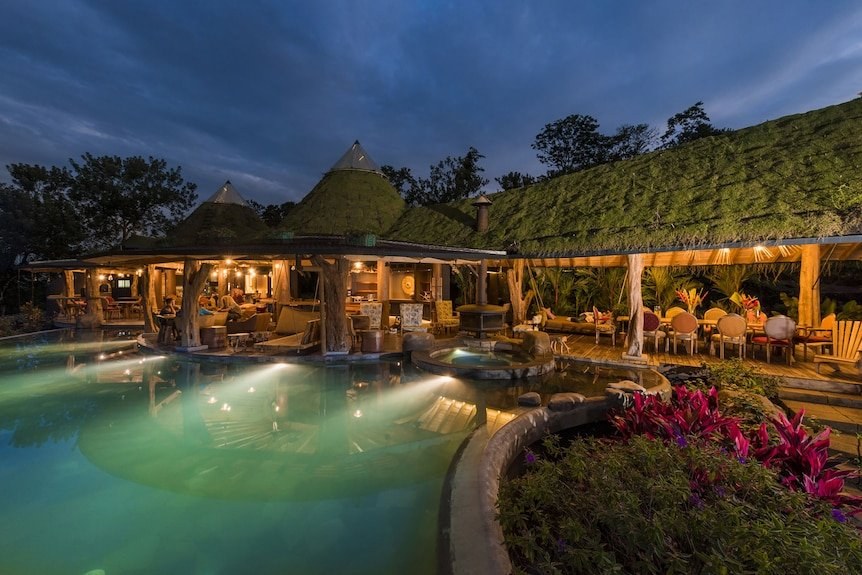
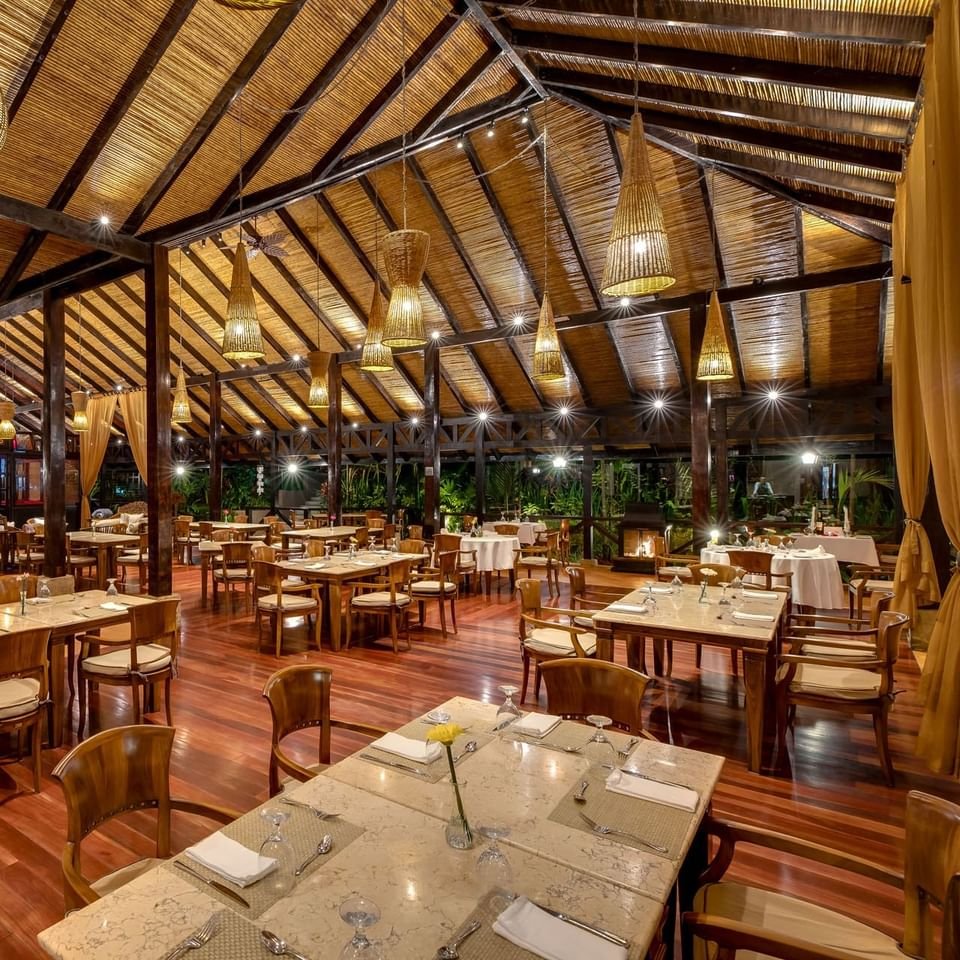
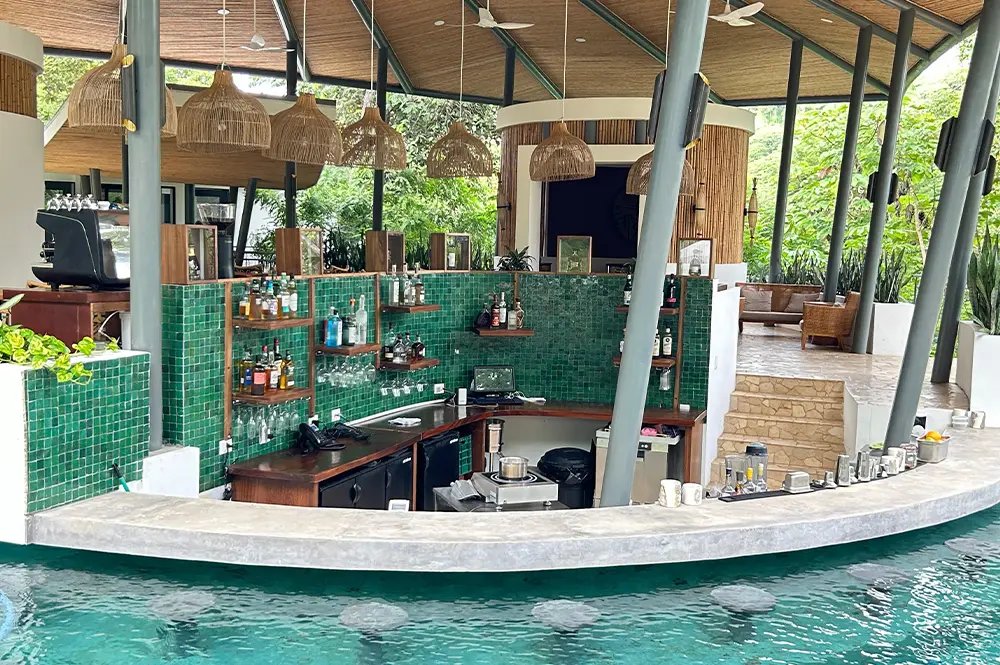
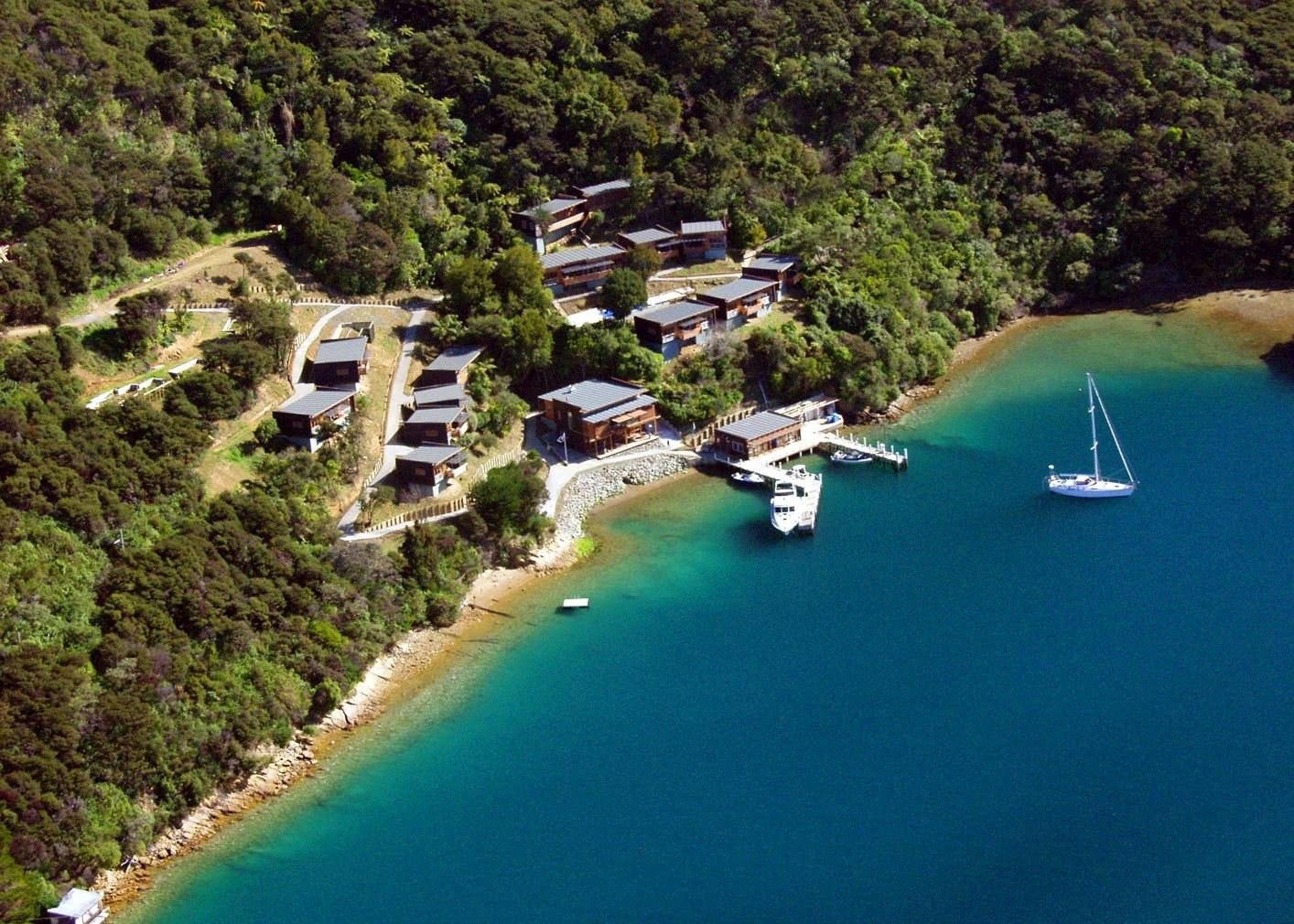
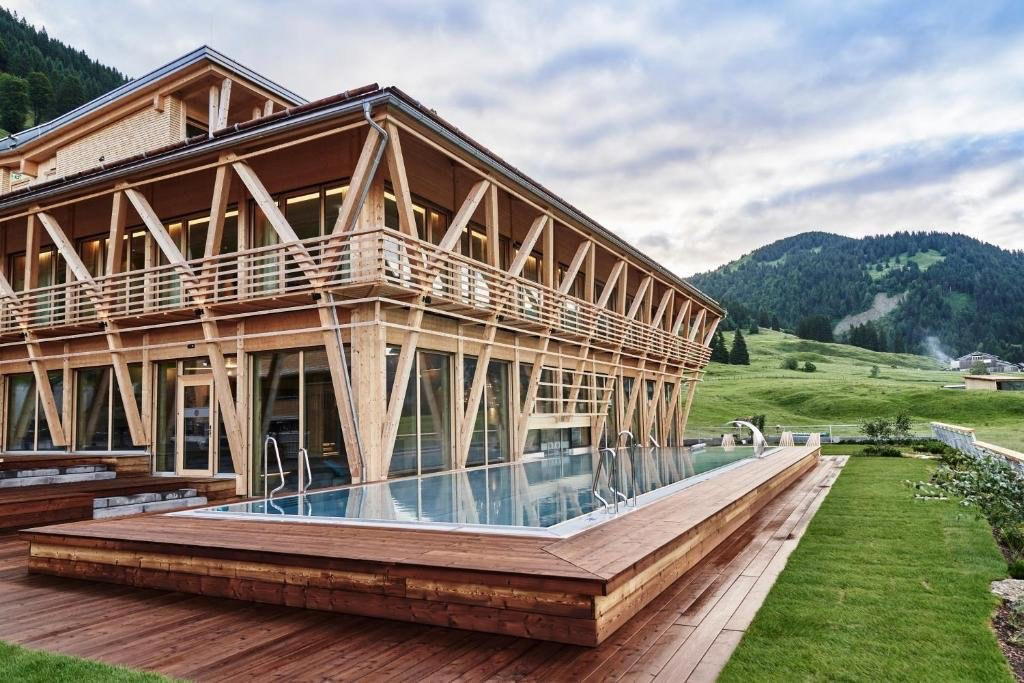
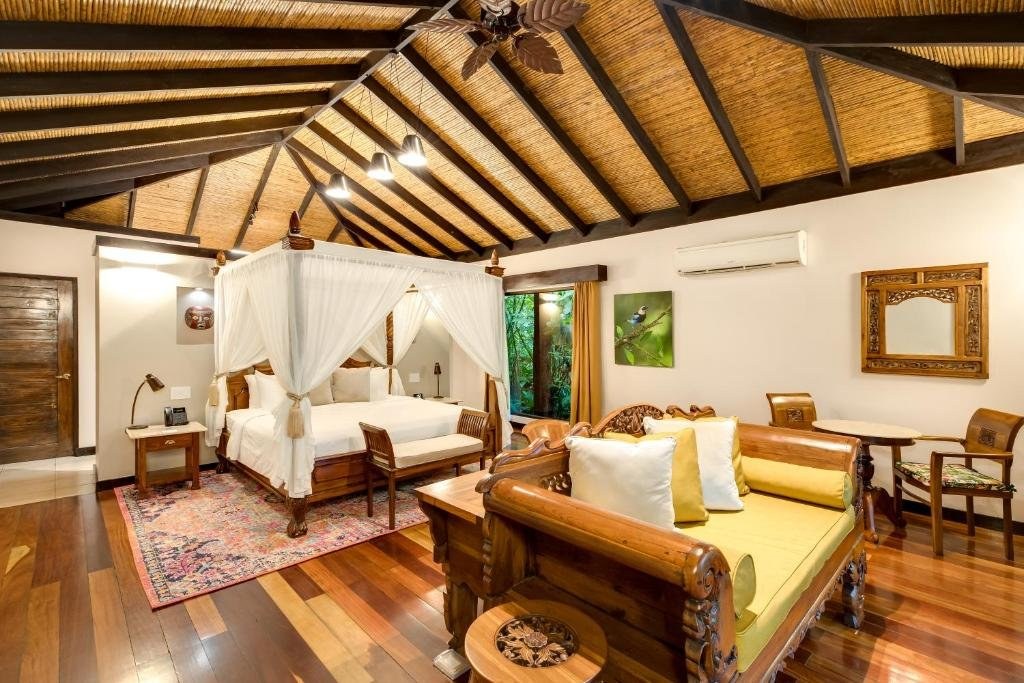
Rio Celeste Hideaway presents an intimate, relaxed lodge experience set within its own private nature reserve. The property’s 26 casitas keep the scale deliberately small, and public spaces favour open-air design so the rainforest feels like part of the room. An outdoor pool with a swim-up bar and an open-air restaurant reinforce a casual, nature-forward sensibility that prioritizes presence over formality. The result is a quietly charming hotel that leans into its interior setting—less about coastal spectacle and more about close contact with volcanic highland landscape and local ecology.
Best For
This lodge works best for travelers who want to base themselves near Tenorio Volcano National Park while staying in a boutique, full-service property. Nature-minded couples and small groups appreciate the intimate scale and on-site amenities, and guests who prefer to linger on property find plenty to do with poolside bars and the open-air restaurant. At roughly $397 per night, the hotel also suits those seeking a premium interior alternative to Costa Rica’s coastal resorts, especially visitors who value a quieter, rainforest-centered stay close to park access.
Stay Tips
Make the on-site dining programme a part of your plan: the hotel emphasizes holding guests on property with an open-air restaurant and two bars, including a swim-up bar at the outdoor pool. Expect meals to be served in settings that foreground the surrounding rainforest rather than enclosed dining halls. Because service is structured around a compact guest list, consider timing reservations for dinner and poolside seating to secure preferred times—particularly during high season when the lodge’s 26 casitas are more likely to be full.
Venue details
Ambiance
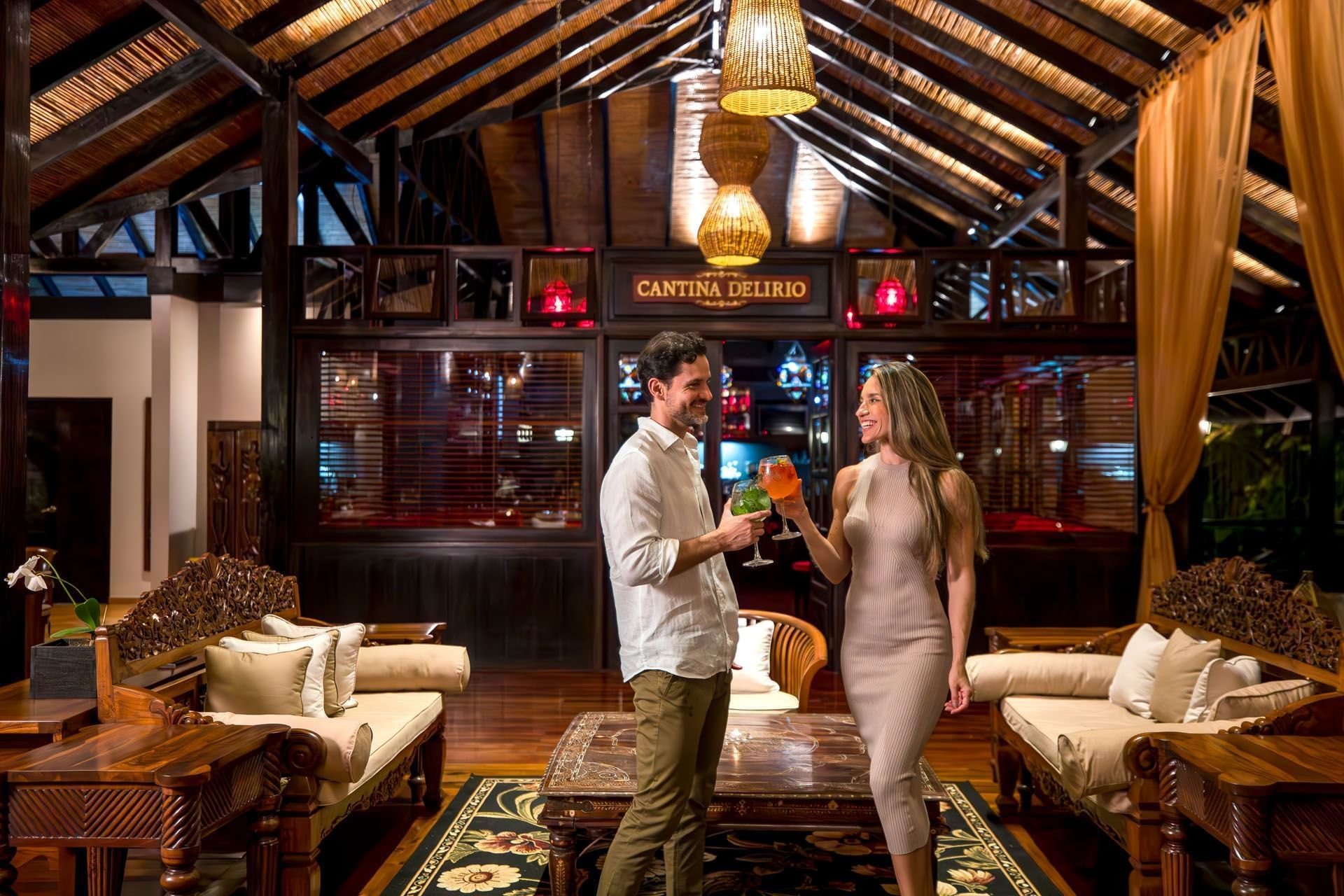
Serene and tranquil with soft tropical lighting, open-air dining surrounded by lush gardens and rainforest sounds, elegant yet relaxed atmosphere blending luxury with natural beauty.
Tags
Vibe
Best For
Experience
Amenities
View
Accessibility
About the Stay
- Rooms
- 26
- Check-in
- 15:00
- Check-out
- 11:00
- Property Type
- Boutique hotel
- Property Style
- Luxury Eco Conscious Rainforest Resort with Contemporary Tropical Architecture Emphasizing Natural Materials and Seamless Indoor Outdoor Living.
- Design Style
- Modern Jungle Aesthetic with Hardwood Floors, Bamboo Ceilings, Warm Earth Tones, and Organic Design Elements That Celebrate the Surrounding Rainforest Environment.
- Breakfast
- Included
- Airport Transfer
- Available
- Pool
- Yes
- Spa
- Yes
- Families
- Welcome
- Cancellation
- Moderate
Know before you go
Know Before You Go
- Getting there
- 700 meter west of national park Tenorio Alajuela Rio Celeste, Alajuela Province, Guatuso, 21502
Planning details
Location
700 meter west of national park Tenorio Alajuela Rio Celeste, Alajuela Province, Guatuso, 21502 · Directions
Recognition and awards
Also consider
Where to Look If Dates Do Not Work
Try Origins Luxury Lodge first if the goal is to stay in the Bijagua area with a comparable lodge-style feel. Look at Tabacón Thermal Resort & Spa if the trip can shift toward Arenal and thermal springs matter more than Tenorio access.
Hotel context
How It Compares
Rio Celeste Hideaway Hotel is the Bijagua pick when proximity to the Tenorio area matters more than resort sprawl. Origins Luxury Lodge is the closest like-for-like cross-shop for travelers who want a higher-touch lodge feel in the same broader area, while Rio Celeste Hideaway Hotel is the safer call for a first-timer focused on Rio Celeste access.
Rio Perdido is the better comparison if the trip is more about an activity-forward escape than Bijagua itself. For thermal-spring infrastructure and a more developed resort rhythm, Tabacón Thermal Resort & Spa, The Springs Resort & Spa at Arenal, and The Springs Resort and Spa at Arenal make more sense, but they shift the trip away from a Tenorio-first Bijagua stay.
For business-adjacent travel, choose Rio Celeste Hideaway Hotel only if the work can happen around a slower itinerary. Choose the Arenal resorts if the group needs more facilities and a broader resort setup; choose Origins Luxury Lodge if the priority is a comparable Bijagua-area lodge alternative.
Explore Bijagua
Around this place
Discover more on Pearl
Unlock the full Rio Celeste Hideaway Hotel guide in Pearl, including awards, comparisons, FAQs, planning details, and nearby places.
Compare Rio Celeste Hideaway Hotel
| Venue | Location | Awards |
|---|---|---|
| Rio Celeste Hideaway Hotel | Bijagua | 2026 Michelin 1 KeyMichelin 1 Key 20252025 Michelin 1 Key |
| Origins Luxury Lodge | Bijagua | 2026 Michelin 1 Key2025 Michelin 1 Key |
| Rio Perdido | Bagaces | 2026 Michelin 2 Keys2025 Michelin 2 KeysSmall Luxury Hotels Member 2025 |
| Tabacón Thermal Resort & Spa | La Fortuna de San Carlos | 2026 Virtuoso Luxury Hotel Collection2026 Mr & Mrs Smith Luxury Hotels2025 Michelin Selected HotelsSmall Luxury Hotels Member 2025 |
| The Springs Resort & Spa at Arenal | San Carlos | No published awards |
| The Springs Resort and Spa at Arenal | La Fortuna | No published awards |





How Rio Celeste Hideaway Hotel compares with similar nearby venues.
FAQ
Frequently Asked Questions
How does Rio Celeste Hideaway Hotel compare to other hotels?
Choose Rio Celeste Hideaway Hotel if you want a Bijagua hotel with confirmed Michelin 1 Key recognition for 2025 and a casual dress code. Origins Luxury Lodge is a relevant comparison if you want to weigh another option.
Do loyalty programs work at Rio Celeste Hideaway Hotel?
Loyalty-program details are not available. Do not choose the hotel based on points, elite benefits, or program participation unless you confirm those details directly with the property or booking channel.
How is the location of Rio Celeste Hideaway Hotel?
Rio Celeste Hideaway Hotel is in Bijagua. No street address or more specific location detail is available, so confirm arrival logistics directly with the hotel before traveling.
Is Rio Celeste Hideaway Hotel good for business travel?
Business-travel suitability is not available. If you need meeting space, work amenities, connectivity details, or specific transportation logistics, confirm those directly with the hotel before booking.