
Hotel in Bergen, Norway
Opus XVI
400Pearl PointsCentral, polished stay

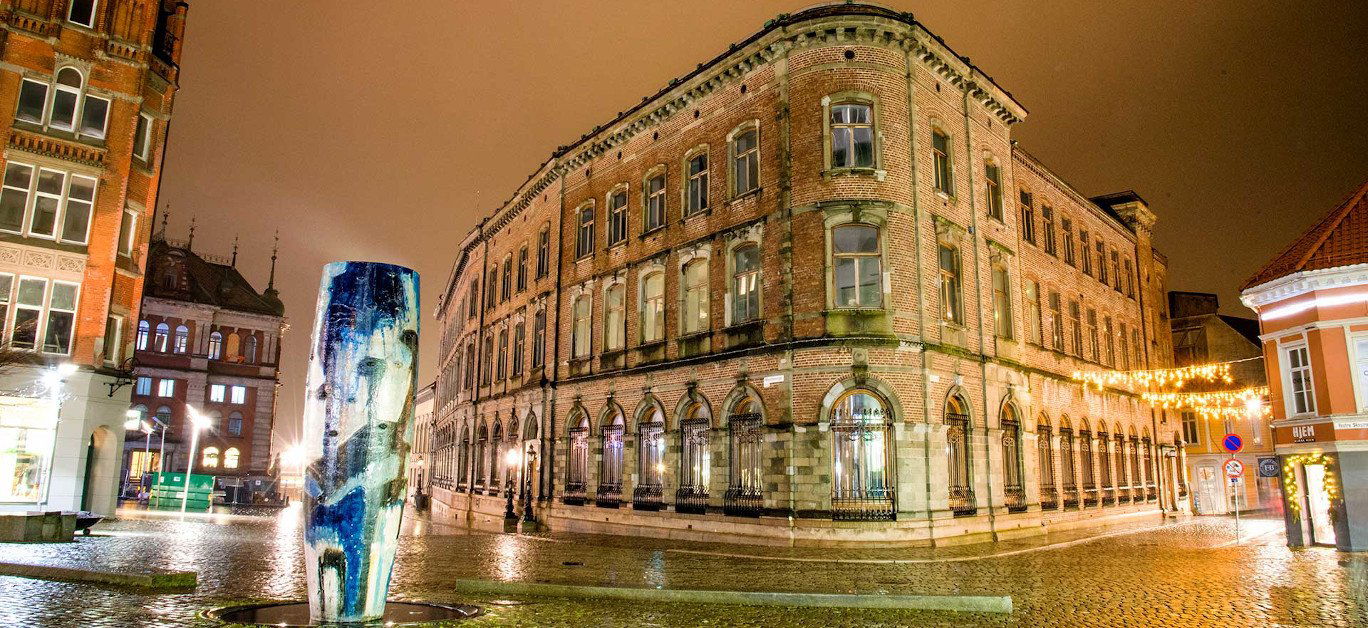
About Opus XVI
Opus XVI is the Bergen pick for a polished central stay when the room needs to support a celebration, date weekend, or calmer business trip. Book it for atmosphere and the Small Luxury Hotels of the World membership signal; cross-shop Zander K Hotel for leaner value and Bergen Børs Hotel for a livelier central feel.
For Opus XVI in Bergen, the verified public guidance is limited. The clearest confirmed points are that the dress code is smart casual and that the hotel is a Small Luxury Hotels of the World member in 2025. Treat the rest of the decision as a booking comparison: room choice, rate, cancellation terms, and the current offer should be checked directly for your dates.
The recommendation is strongest for travelers who want a Bergen stay with a more occasion-minded hotel profile rather than choosing only on price. If the trip is mainly about keeping the booking simple and comparing value, cross-shop Bergen Børs Hotel and Zander K Hotel as alternative Bergen hotel options. If Opus XVI has the room and rate that fit the trip, its confirmed SLH membership is the main quality signal to weigh.
Book for the occasion stay, not the bargain hunt
The strongest verified case is the Small Luxury Hotels of the World membership signal for 2025. That matters because it gives travelers a recognizable affiliation to consider when comparing Bergen hotels. It should not be read as a guarantee about a specific room, view, amenity, or service detail unless that information is confirmed in the live booking path.
For a special occasion, compare available rooms carefully before booking. With no verified room-by-room guidance here, the safest advice is to prioritize the option that best fits your plans rather than assuming the lowest available rate represents the whole property. For a quick business night, the value calculation may be different; for a date weekend, the hotel makes more sense when the room choice itself supports the trip.
Use the SLH signal carefully
The Small Luxury Hotels of the World affiliation is relevant, but do not overvalue it without checking the live rate. As a confirmed SLH member property in 2025, Opus XVI may be relevant for travelers who prefer booking through recognized hotel channels, but the actual value depends on the rate and terms available for the dates. Compare the direct or eligible rate against other available rates before paying extra.
Booking difficulty is not a verified defining feature here; choosing the right rate and room is the more reliable focus. The smarter play is to compare options calmly, read the current terms, and re-check rates if plans are flexible.
Who should choose it over the nearby alternatives
Choose Opus XVI if its Bergen location, smart casual dress code, SLH membership, room choice, and rate match the kind of stay you want. Compare Bergen Børs Hotel and Zander K Hotel if you want to understand the local hotel set before committing. For a Bergen planning stack beyond hotels, use current city guides and official channels to pair the stay with meals, drinks, and activities.
Frequently Asked Questions
Which room category is best at Opus XVI?
Choose the room that best fits your budget and plans for Bergen. The property's confirmed Small Luxury Hotels of the World membership in 2025 is a useful signal, but specific room details should be checked in the live booking path.
How does Opus XVI compare to nearby hotels?
Compare Opus XVI with Bergen Børs Hotel and Zander K Hotel based on live rates, available rooms, and the kind of Bergen stay you want. Opus XVI has confirmed Small Luxury Hotels of the World membership in 2025, which is the clearest verified distinction here.
What is check-in like at Opus XVI?
Specific check-in details are not verified here. Check the hotel's official booking information before arrival, especially if you need early arrival, late departure, or other timing arrangements.
Is Opus XVI good for business travel?
It can be a candidate for a Bergen business stay if the room, rate, and booking terms fit your trip. Specific business amenities are not verified here, so confirm any work-related needs directly before booking.
What does Small Luxury Hotels of the World membership mean for Opus XVI?
The clearest verified affiliation signal is that Opus XVI is a Small Luxury Hotels of the World member in 2025. Check the live booking channel for current rates, terms, and any date-specific information before relying on a specific booking advantage.
How is the location of Opus XVI?
Opus XVI is in Bergen. No more specific verified location detail is provided here, so use the hotel's official channels or mapping tools for exact arrival planning.
How is the dining at Opus XVI?
Specific dining details are not verified here. If food is a major part of the decision, compare current hotel information with other Bergen options and check the venue's official channels for the latest details.
Location
Vågsallmenningen 16, 5014 Bergen
Bergen, Norway
Compare Opus XVI
| Venue | Awards | Booking Difficulty |
|---|---|---|
| Opus XVI | Small Luxury Hotels of the World Member (2025) | Easy |
| Bergen Børs Hotel | Unknown | |
| Zander K Hotel | Unknown | |
| Lilløy Lindenberg | Unknown | |
| LILLØY LINDENBERG | Unknown | |
| Elva Hotel | Unknown |
What to weigh when choosing between Opus XVI and comparable nearby venues.
Also Consider
- Bergen Børs Hotel, Notable alternative
- Zander K Hotel, Notable alternative
- Lilløy Lindenberg, Notable alternative
- LILLØY LINDENBERG, Notable alternative
- Elva Hotel, Notable alternative
How it compares in Bergen
Opus XVI is the stronger choice for a special-occasion city stay: calmer, more polished, and supported by its Small Luxury Hotels of the World membership signal. Bergen Børs Hotel is the better cross-shop if the priority is a busier central hotel feel and a more public-facing atmosphere rather than a quieter celebration base.
Zander K Hotel is the value-minded alternative for business travelers or short stays where location and efficiency matter more than room character. Booking should be easier across this Bergen set than at remote destination hotels, so the decision is less about access and more about what the stay needs to do: Opus XVI for occasion polish, Zander K for functional value, Bergen Børs for a more social city-center option.
Lilløy Lindenberg, LILLØY LINDENBERG, and Elva Hotel sit outside the immediate Bergen city-hotel decision. Use them when the trip is built around a slower out-of-metro stay; choose Opus XVI when the plan depends on central Bergen access and a more refined room base.
Recognized By

Explore Bergen
Save or rate Opus XVI on Pearl
Keep this venue in your Pearl passport, rate it after you visit, and track it alongside every other place you collect.