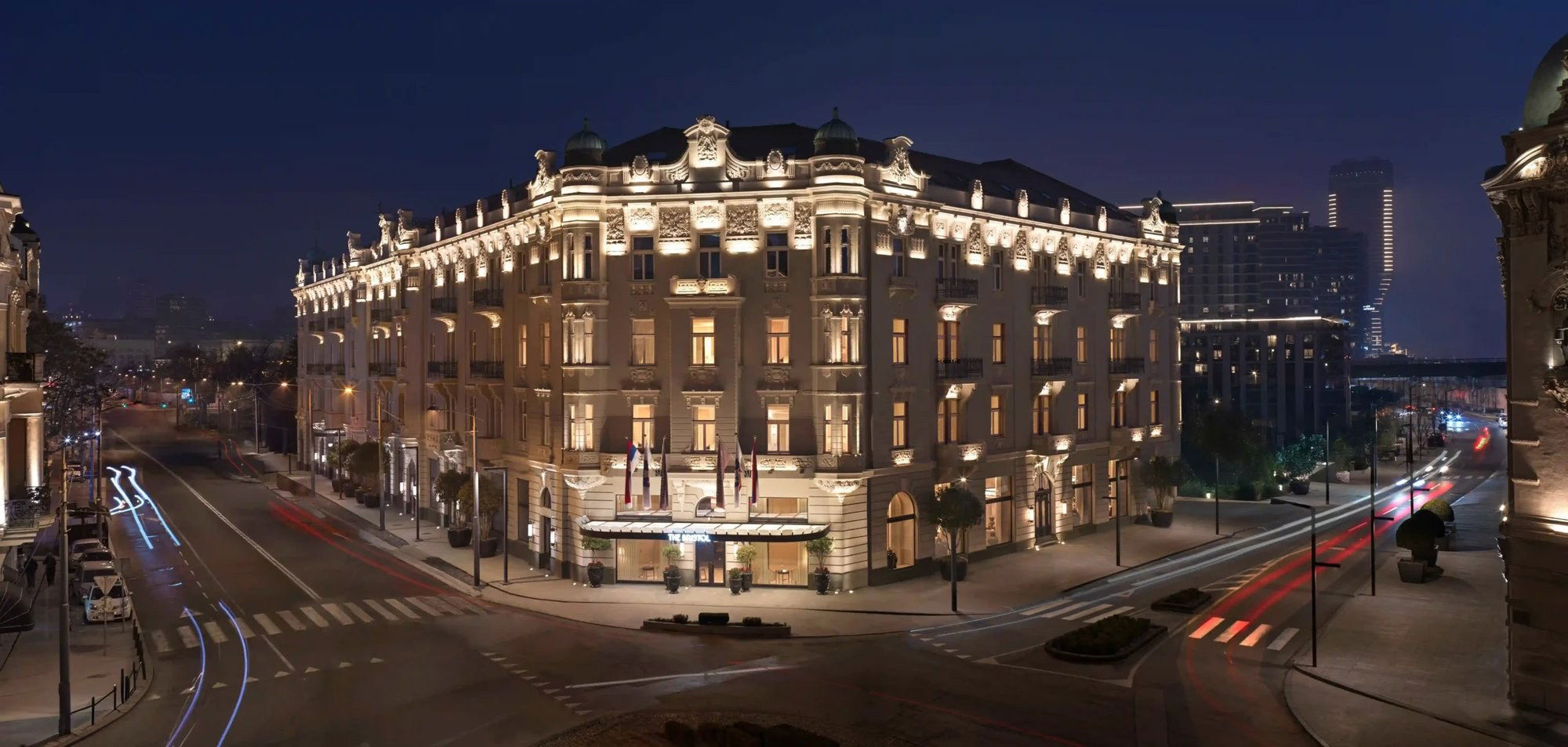


The Bristol Belgrade
Savski Venac, Belgrade
Hotel in Belgrade, Serbia
 Book with Pearl
The Read
Interwar Grand Dame Revival
Price
$300–500per night
Why go
The Bristol Belgrade is a stronger fit for travelers who care about design, recognition, and a more considered hotel experience than for guests chasing the lowest Belgrade rate. Compare it with Square Nine Hotel for luxury polish, Hotel Indigo Belgrade for a more familiar lifestyle stay, and Boutique Hotel Townhouse 27 for boutique value.
About The Bristol Belgrade
The Bristol Belgrade is a Belgrade hotel with two clear public trust signals: Michelin 1 Key recognition for 2025 and Forbes Soon To Be Rated recognition for 2026. It is best approached as a hotel to evaluate carefully against the needs of a specific trip rather than on assumptions about facilities, dining, or room categories.
The dress code is smart casual. Check details such as dining style, wellness facilities, room layouts, and service specifics directly before committing.
Book for recognition, not for extras you have not checked
Value question is simple: treat The Bristol Belgrade as a recognized Belgrade hotel, then check the practical details that matter for your stay. If you are comparing hotels by rate alone, make sure the booking terms and room type justify the choice. Travelers also weighing other Belgrade options may compare it with Boutique Hotel Townhouse 27 or Hotel Indigo Belgrade.
Strongest audience is the guest who wants a Belgrade hotel with a Michelin 1 Key distinction and is comfortable checking the remaining details before booking. Mama Shelter Belgrade, Square Nine Hotel, The St. Regis Belgrade, and other Belgrade hotels may also be worth comparing depending on the tone and practical setup you want for the trip.
The right booking if the recognition fits your trip
Because room-category, dining, and facility details can affect the stay, the smart move is to avoid booking on name recognition alone. Choose it when the booking terms and room type make sense for the exact trip. For a business stay, practical logistics may matter more than recognition. For a leisure stay, the Michelin 1 Key may carry more weight if you want a hotel with a third-party signal.
Travelers building a full Belgrade plan should cross-check the hotel choice against the rest of the itinerary. Use a Belgrade hotels guide for alternatives, then pair the stay with Our full Belgrade restaurants guide if the trip is food-led. For Serbia trips beyond Belgrade, compare city stays with other hotel options rather than assuming The Bristol Belgrade will fit every itinerary.
Planning details
- Location
- Karađorđeva 50, Beograd 11000
- Website
- the-bristol.com/belgrade
- Phone
- +381 11 7888700
The take
The Take
The Vibe
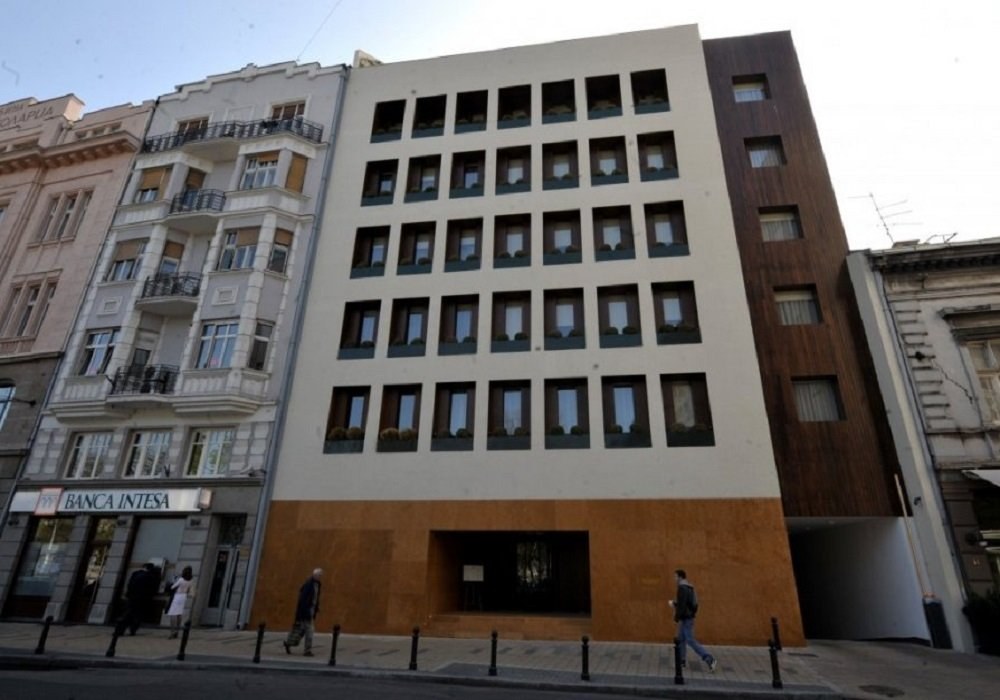
The Bristol Belgrade reads like a piece of the city itself: a 1912 Art Nouveau façade that anchors a walkable address between the Sava and Belgrade’s hilltop core. The hotel’s presence is quietly authoritative rather than flashy, its historic architecture offering an urban landmark for guests who value context and provenance. Streetscape and heritage frame the experience here, so time spent at the hotel feels like part of a longer conversation with the city’s past and present rather than a neutral basecamp.
Best For
This hotel suits travellers who prioritize location and exploration. Its placement along Karađorđeva puts guests within easy walking distance of the riverfront, Kalemegdan and Savamala’s restaurants and bars, so it works well for weekend escapes, anniversary stays and business trips that benefit from quick access to the city centre. Visitors who prefer to discover Belgrade on foot or who want a historically grounded base for cultural sightseeing will find the address especially useful.
Venue details
Ambiance
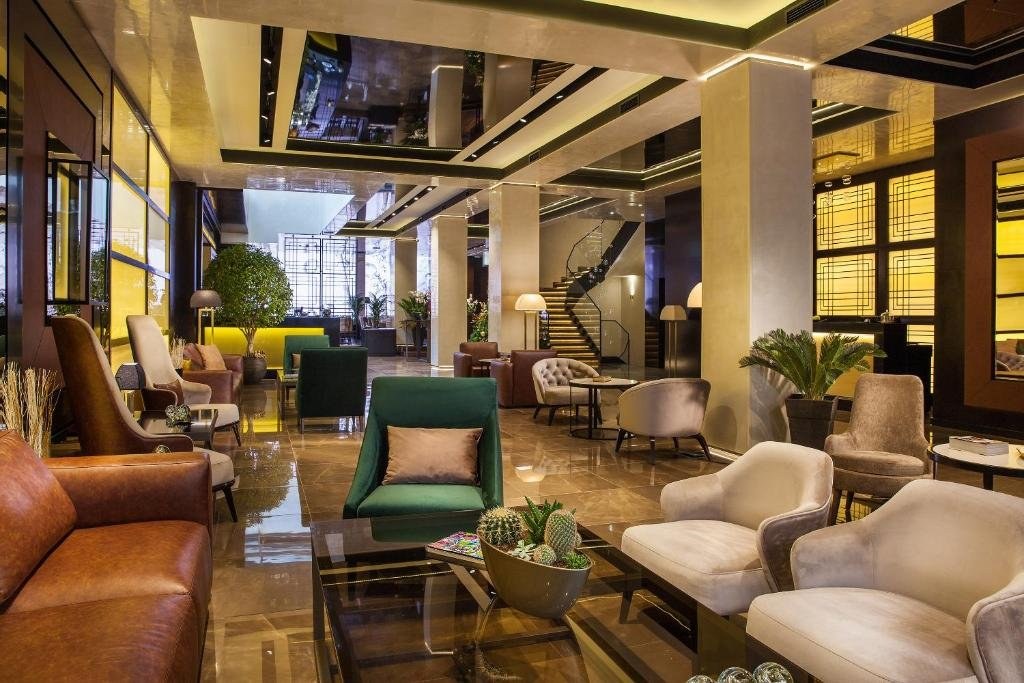
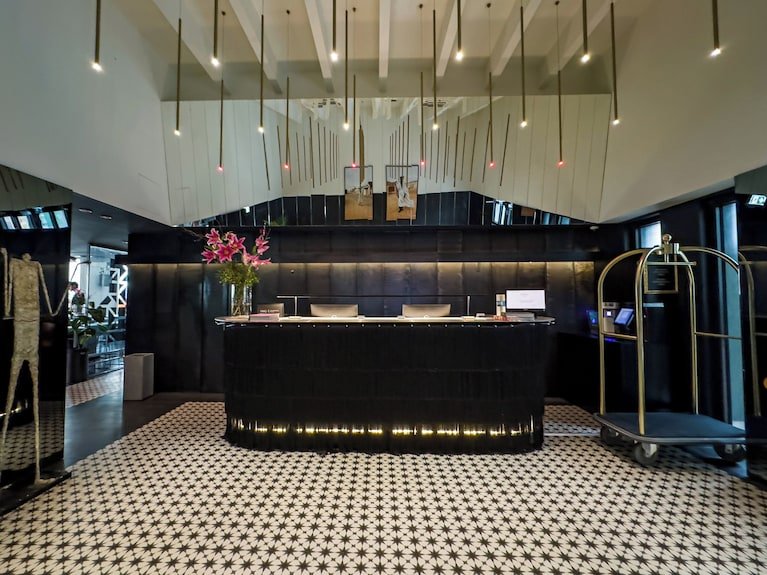
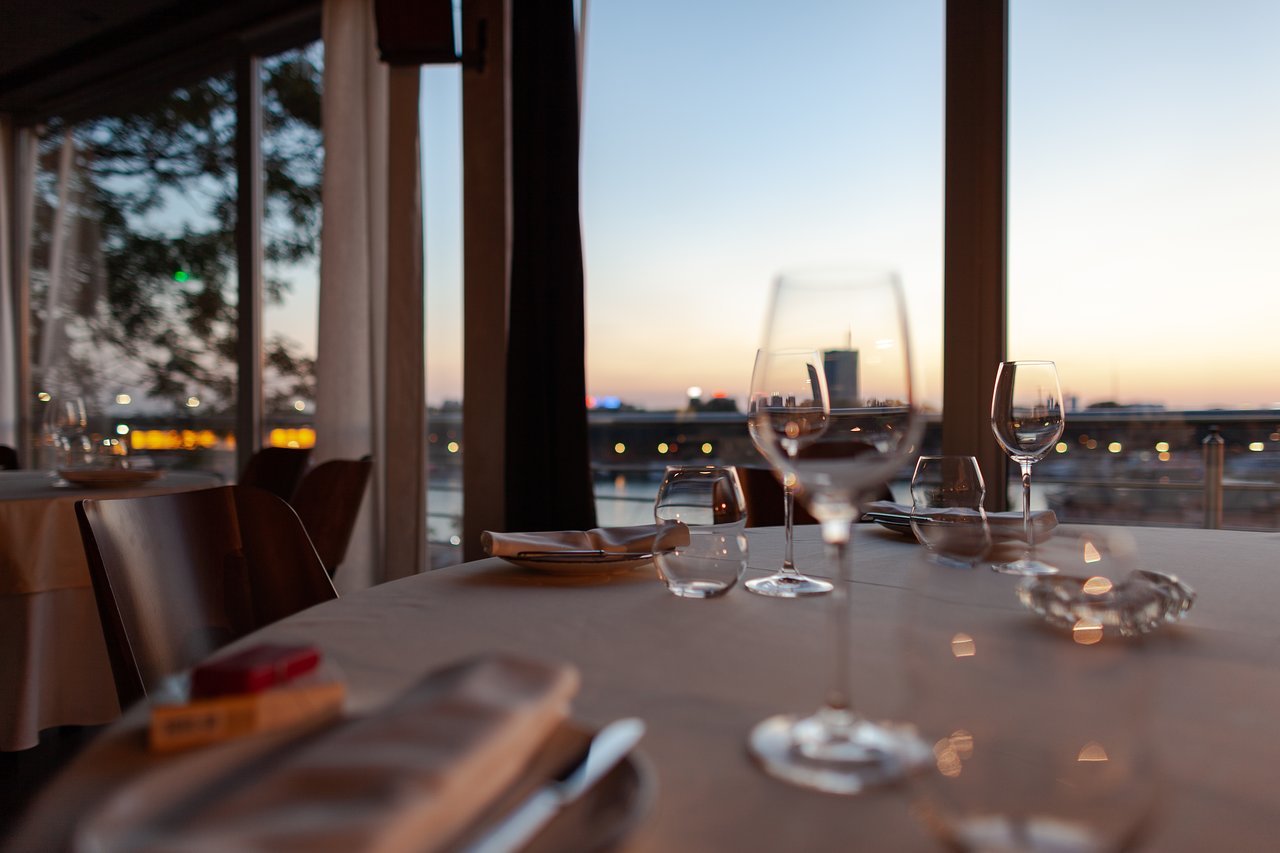
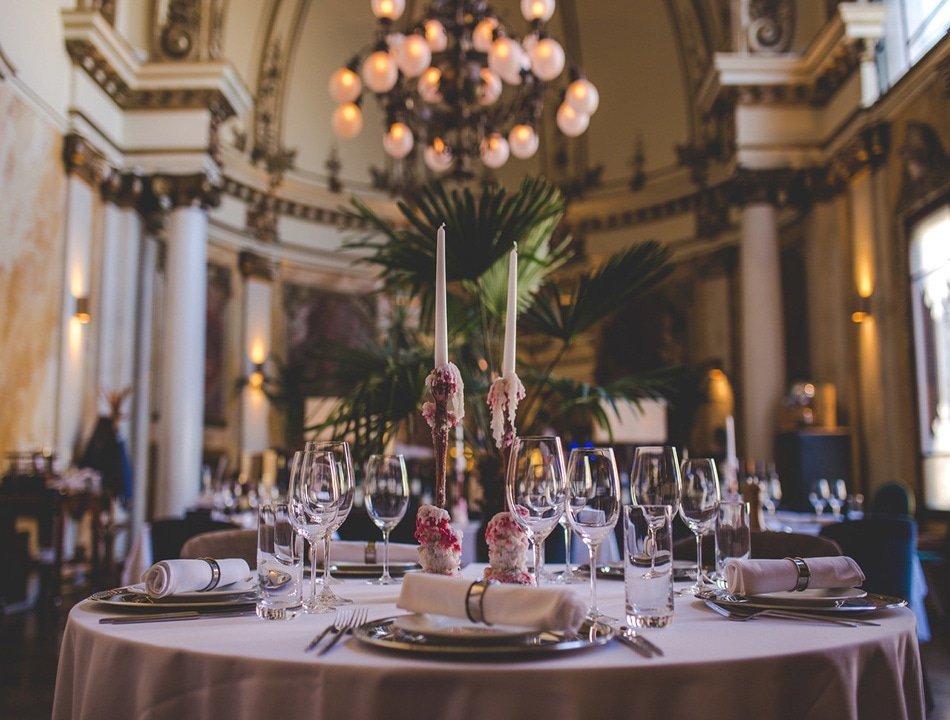
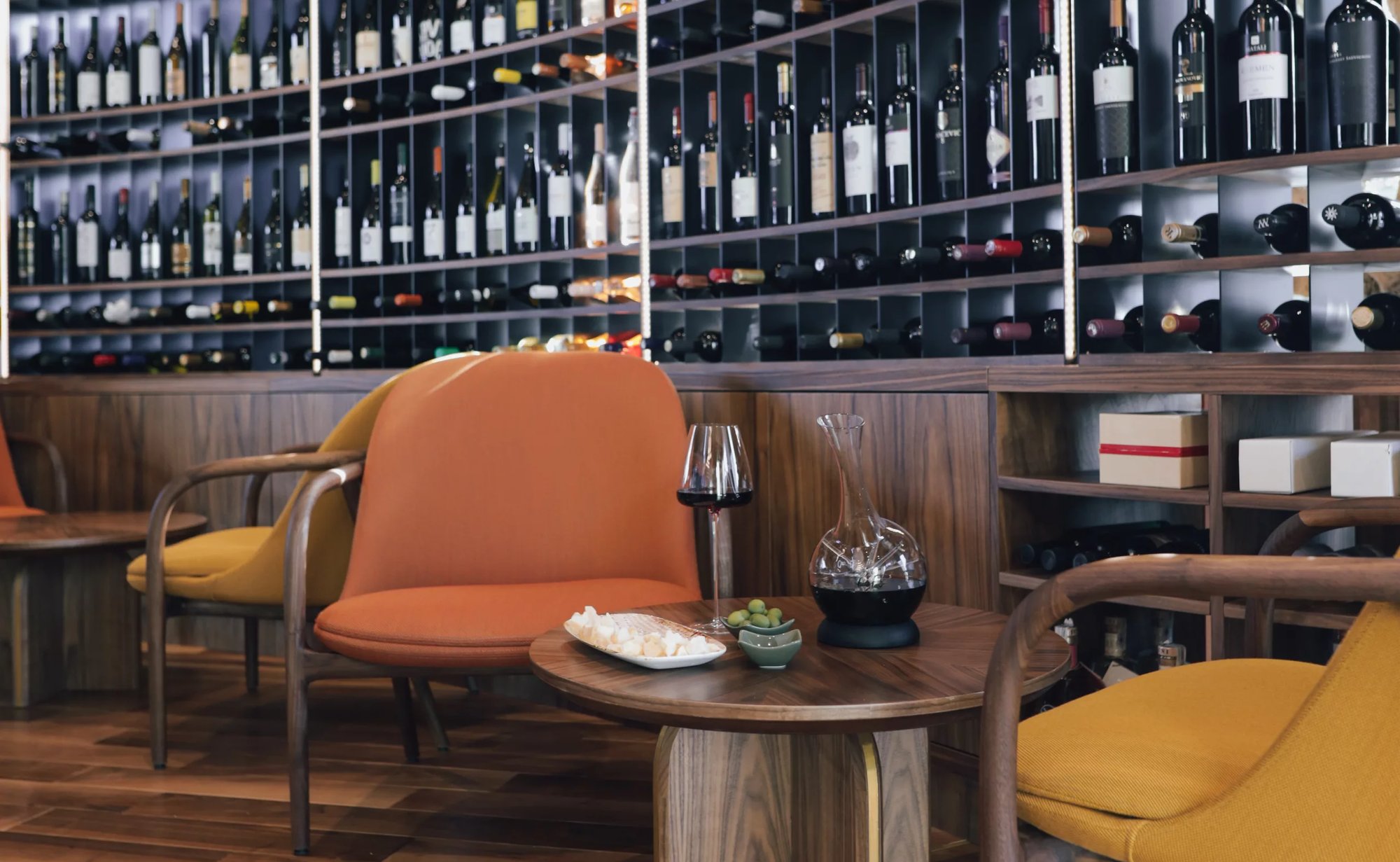
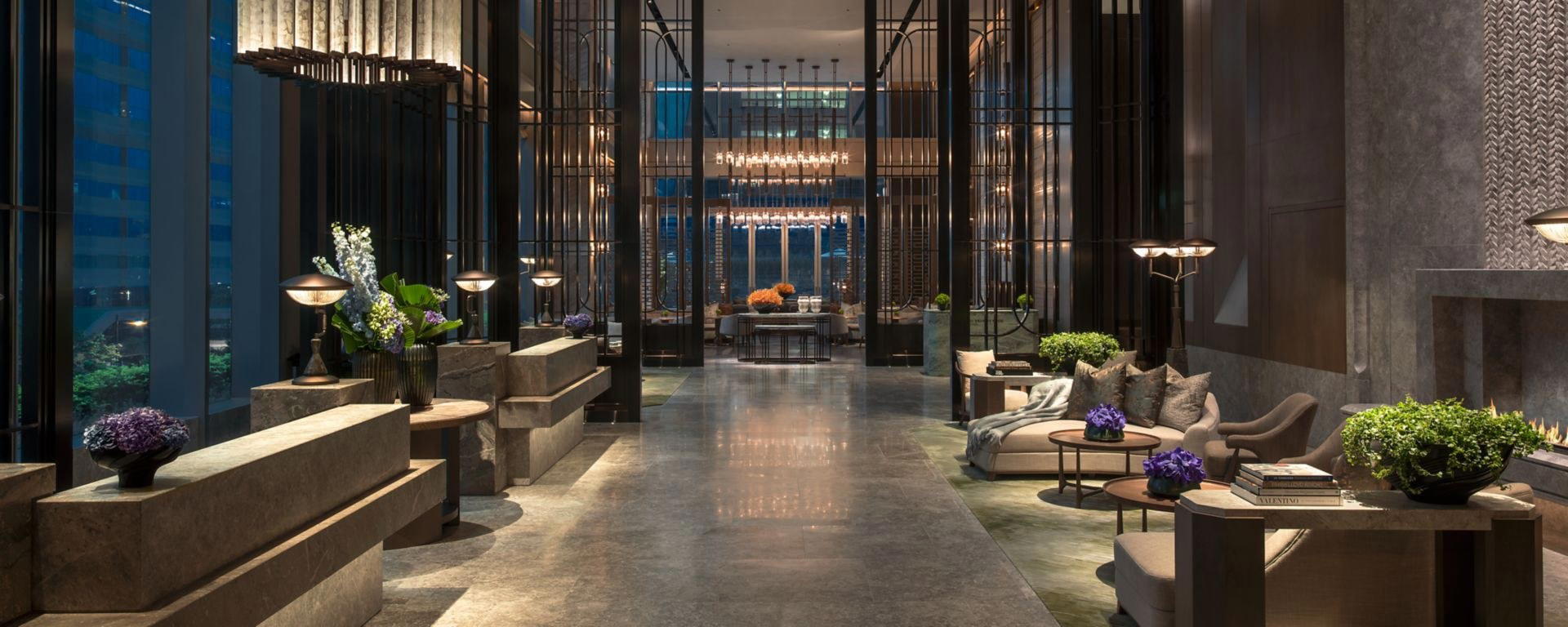
Elegant and refined with impeccable soundproofing, plush interiors, and sophisticated lighting throughout beautifully appointed spaces that evoke historic grandeur without feeling museum-like.
Tags
Vibe
Best For
Experience
Amenities
Accessibility
About the Stay
- Rooms
- 143
- Check-in
- 15:00
- Check-out
- 12:00
- Property Type
- Heritage hotel
- Property Style
- Historic Luxury Heritage Hotel with Contemporary Restoration, Positioned as an Independent Five Star Property Contributing to Belgrade's Savamala District Revival.
- Design Style
- Secession Architecture with Modern Elegance, Featuring Plush Interiors, Impeccable Soundproofing, Thoughtful Details Like Dyson Fans and Premium Bedding, and a Rich Library Reflecting Belgrade's Cultural Legacy.
- Airport Transfer
- Available
- Spa
- Yes
- Cancellation
- Moderate
Know before you go
Know Before You Go
- Getting there
- Karađorđeva 50, Beograd 11000
Planning details
Location
Recognition and awards

Also consider
Also Consider
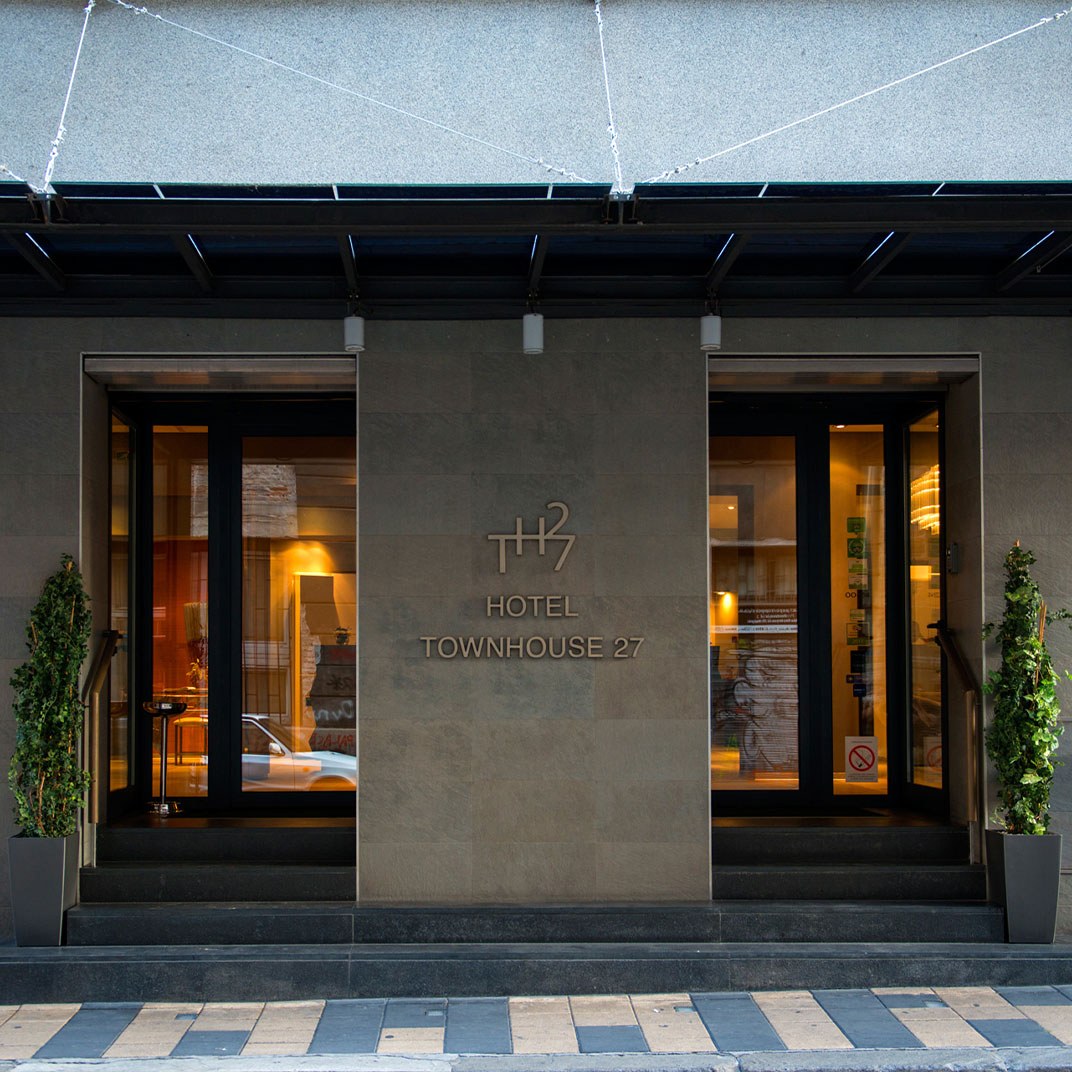
- Boutique Hotel Townhouse 27, Notable alternative
- Hotel Indigo Belgrade, Notable alternative
- Square Nine Hotel, Notable alternative
- Mama Shelter Belgrade, Notable alternative
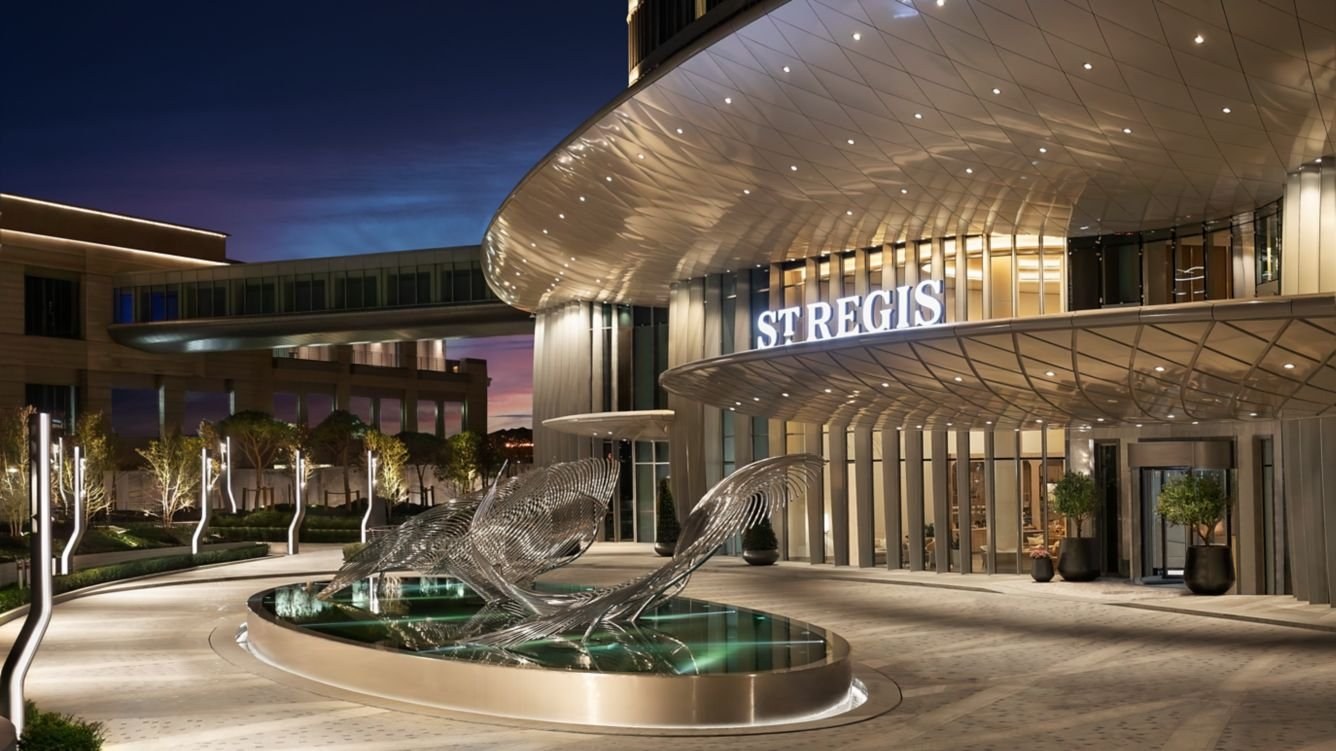
- The St. Regis Belgrade, Notable alternative
Hotel context
How it compares in Belgrade
The Bristol Belgrade is the one to consider when the stay needs a sense of occasion and the rate feels justified by the room category. Square Nine Hotel is the safer luxury comparison if service polish is the priority, while The St. Regis Belgrade is the more obvious upper-tier choice for travelers who want a global luxury flag.
For value, Boutique Hotel Townhouse 27 is likely to make more sense for guests who want a smaller hotel and do not need a big arrival moment. Hotel Indigo Belgrade is the easier cross-shop for travelers who want a branded lifestyle stay with less formality.
Mama Shelter Belgrade is better for casual groups and a social mood. The Bristol Belgrade is better for travelers who want the hotel itself to feel more grown-up and design-led, but booking difficulty means flexible travelers should keep one of those alternatives ready.
Explore Belgrade
Around this place
Discover more on Pearl
Unlock the full The Bristol Belgrade guide in Pearl, including awards, comparisons, FAQs, planning details, and nearby places.
Compare The Bristol Belgrade
| Venue | Location | Awards |
|---|---|---|
| The Bristol Belgrade | Belgrade | 2026 Forbes Soon To Be Rated2026 Michelin 2 KeysMichelin 1 Key 20252025 Michelin 1 Key |
| Boutique Hotel Townhouse 27 | Belgrade | No published awards |
| Hotel Indigo Belgrade | Belgrade | No published awards |
| Square Nine Hotel | Belgrade | Leading Hotels of the World 20262026 Michelin 1 Key2025 Michelin 1 Key |
| Mama Shelter Belgrade | Belgrade | No published awards |
| The St. Regis Belgrade | Belgrade | 2026 Forbes Recommended2026 Michelin 1 Key2025 Michelin 1 Key |


How The Bristol Belgrade compares with similar nearby venues.
FAQ
Frequently Asked Questions
Do loyalty programs work at The Bristol Belgrade?
The key public trust signals are Michelin 1 Key recognition for 2025 and Forbes Soon To Be Rated recognition for 2026. If a points strategy matters, check the loyalty-program details directly with the hotel before booking.
Is The Bristol Belgrade family-friendly?
How is the pool and spa at The Bristol Belgrade?
Do not assume a pool or spa should be part of the decision here. If those amenities matter, confirm them directly with the hotel before booking in Belgrade.
What is check-in like at The Bristol Belgrade?
Which room category is best at The Bristol Belgrade?
The safest approach is to choose based on the hotel's current descriptions, your budget, and your preferences such as quietness, bed setup, or space requirements.
How is the dining at The Bristol Belgrade?
Treat dining as a reason to stay only if the hotel can confirm the current in-house offering before you book.
Is The Bristol Belgrade good for business travel?
It may suit a business trip if you want a Belgrade hotel with Michelin 1 Key recognition. Confirm location needs, arrival timing, workspace requirements, and any meeting-related details directly before booking.