

SAINT TEN Hotel
Vračar, Belgrade
Hotel in Belgrade, Serbia
 Book with Pearl
The Read
Historic Sober Luxury
Price
$100–200per night
Why go
SAINT TEN Hotel is worth shortlisting for a Belgrade business stay if you want boutique polish rather than a large corporate hotel. It is strongest for solo travelers and couples who value a calmer base; compare Radisson Collection Old Mill or Metropol Palace if meetings, facilities, or group logistics matter more.
About SAINT TEN Hotel
Is SAINT TEN Hotel worth booking in Belgrade? It can be, if its Michelin 1 Key recognition, Small Luxury Hotels of the World membership, and smart-casual standard matter to you. Travelers should avoid assuming specific facilities, room formats, dining details, or business services without checking the hotel directly.
In Belgrade's hotel mix, the decision should be made carefully against other city options such as Radisson Collection Hotel, Old Mill Belgrade, Metropol Palace Hotel, Belgrade, The Bristol Belgrade, The St. Regis Belgrade, and Hotel Indigo Belgrade. Use SAINT TEN Hotel as a candidate when recognition and hotel positioning are important, then check the practical details that matter for your trip before booking.
Book for recognition, not assumptions
The strongest grounded reason to consider SAINT TEN Hotel is its Michelin 1 Key recognition and its Small Luxury Hotels of the World membership. Those facts support considering it for a Belgrade stay, but they do not by themselves include specific amenities, dining formats, wellness facilities, room layouts, or business services.
If your trip depends on particular on-site features, compare SAINT TEN Hotel carefully with Radisson Collection Hotel, Old Mill Belgrade, Metropol Palace Hotel, Belgrade, The Bristol Belgrade, The St. Regis Belgrade, and Hotel Indigo Belgrade. The right choice will depend on availability for your dates and the services you personally need.
Who should choose it, and who should not
Choose SAINT TEN Hotel if a Belgrade stay with Michelin 1 Key recognition, Small Luxury Hotels of the World membership, and a smart-casual standard fits what you are looking for. It is also a reasonable shortlist candidate for travelers comparing hotels in the city.
It is less suitable to choose on assumption alone if your decision depends on particular details such as dining style, wellness facilities, meeting infrastructure, room category specifics, loyalty benefits, or exact location advantages. For readers still building a Belgrade shortlist, pair hotel research with Our full Belgrade restaurants guide if the trip includes meals out.
Quick reference: best considered for a Belgrade hotel shortlist based on Michelin 1 Key recognition, Small Luxury Hotels of the World membership, and smart-casual standard; check all trip-specific details directly before booking.
Inside SAINT TEN Hotel
Planning details
- Location
- Svetog Save 10, Beograd 11000
- Website
- saintten.com
- Phone
- +381 11 4116633
The take
The Take
The Vibe
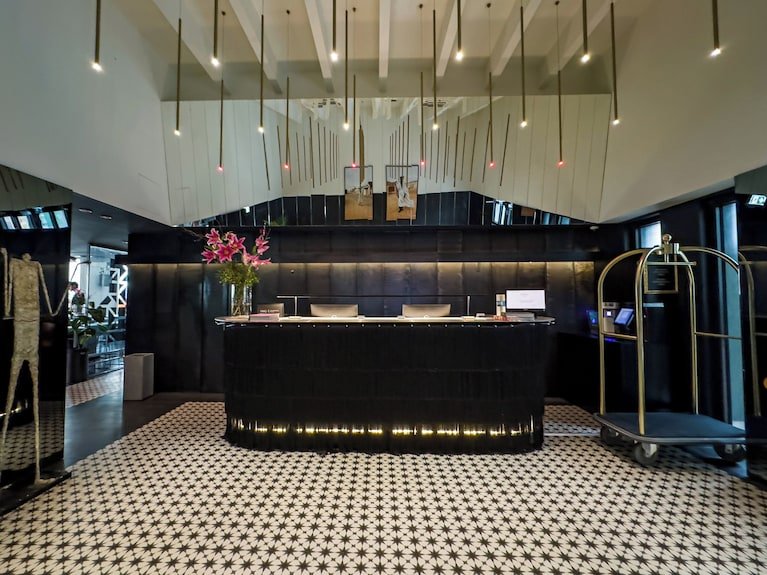
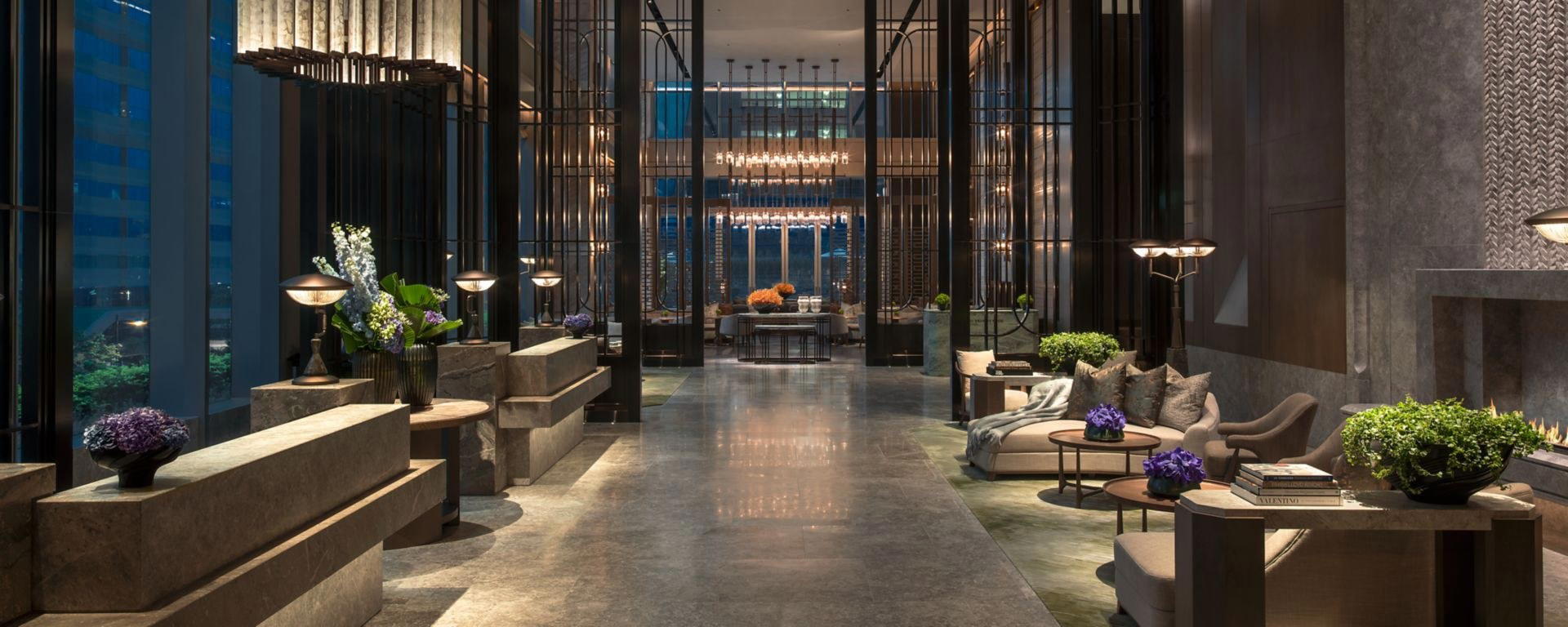
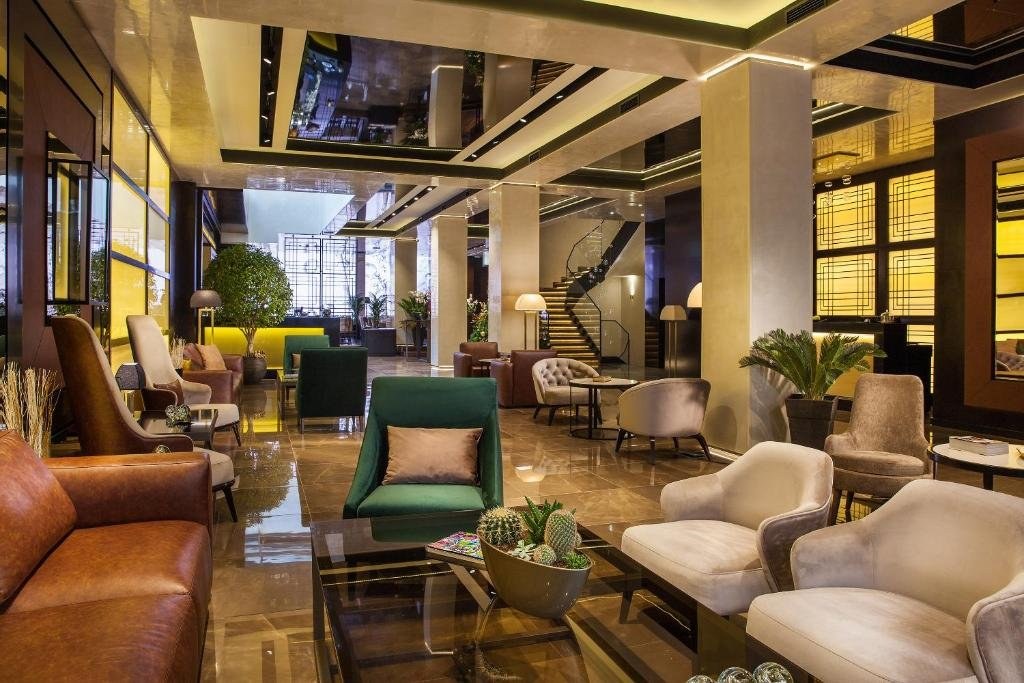
SAINT TEN occupies a preserved 1929 building in Vračar where a historic prewar facade gives way to a carefully considered contemporary interior. The hotel plays with the tension between period architecture and modern design, presenting a boutique scale—54 rooms—that reads more residential than institutional. Its position on a wide, stately boulevard and in a neighbourhood of Orthodox churches and older apartment blocks anchors the property in a distinct urban history. The overall tone is intentionally restrained and refined: a design-aware hotel that uses its vintage shell as a frame for quiet, well-curated interiors.
Best For
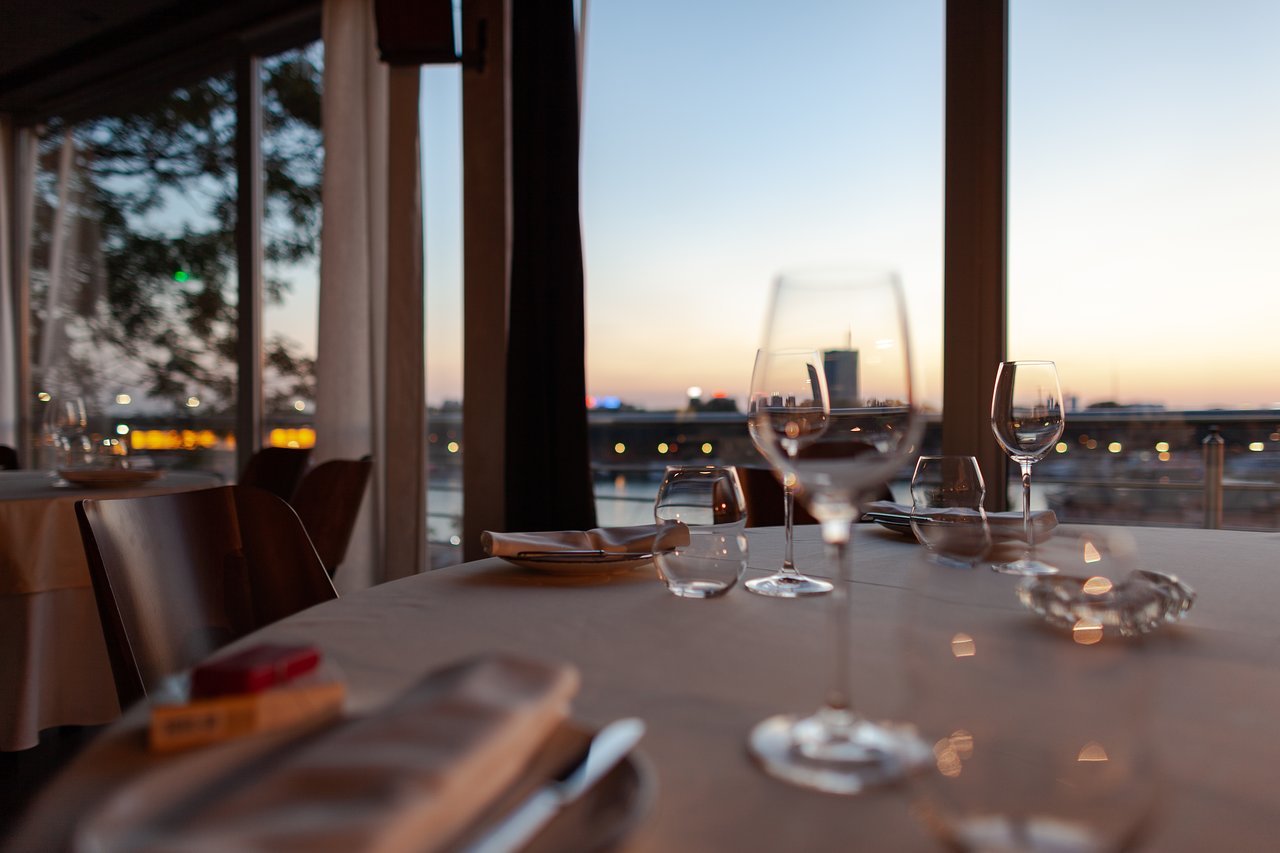
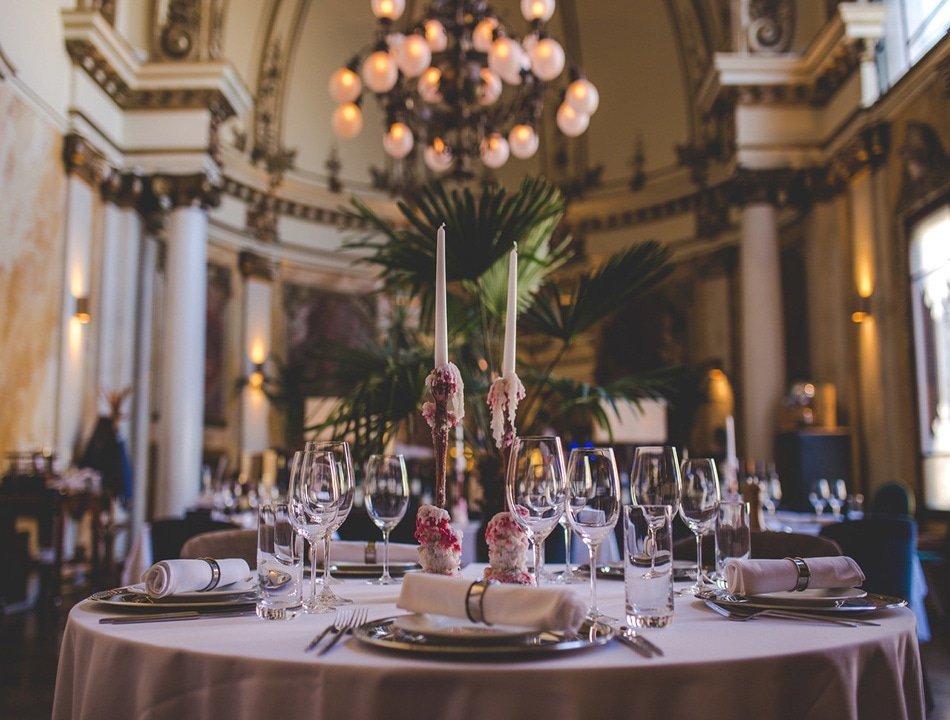
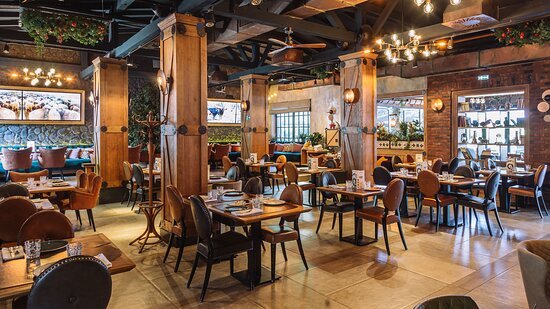
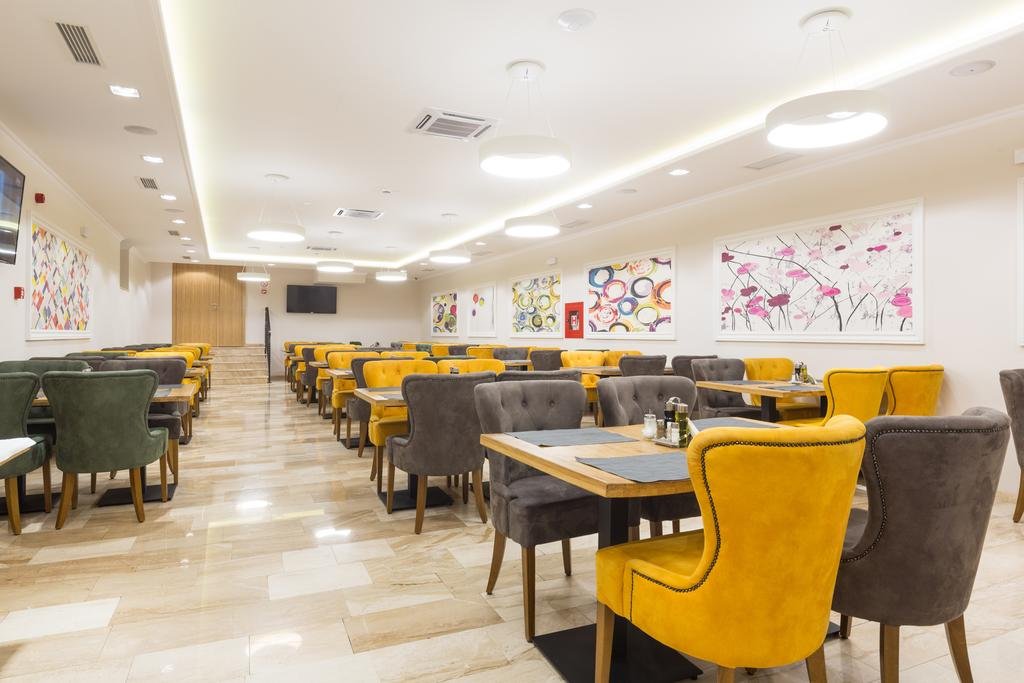
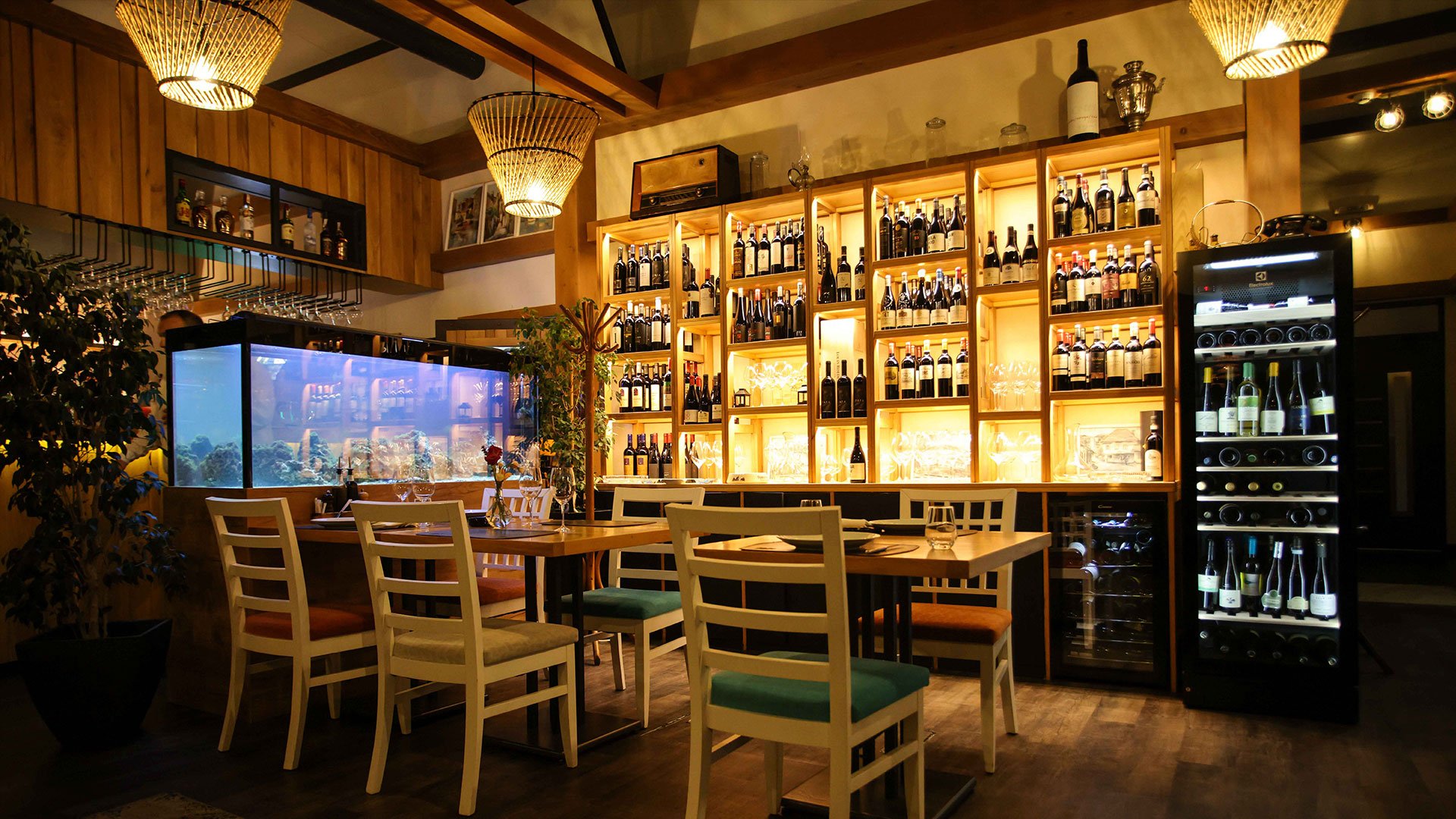
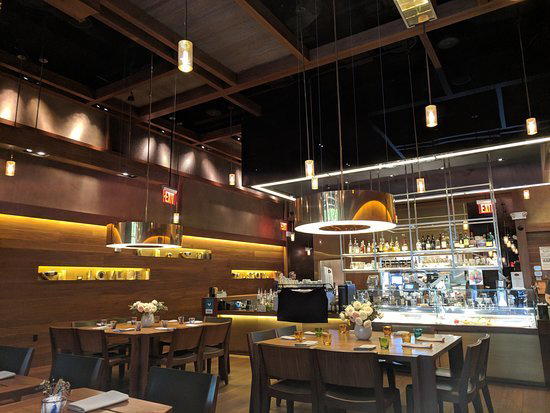
The hotel's dining program and compact scale make it well suited to overnight guests seeking a design-led stay and locals looking for evening fine dining. Sanctus operates through the day as a semi-formal room and shifts into a fine-dining register after dark, which fits date nights, business dinners and milestone meals. Its independent, intimate footprint also appeals to travelers choosing a boutique alternative to larger brand hotels in Belgrade; the property reads as a thoughtful base for exploring Vračar's boulevards by day and enjoying elevated hotel dining at night.
Venue details
Ambiance
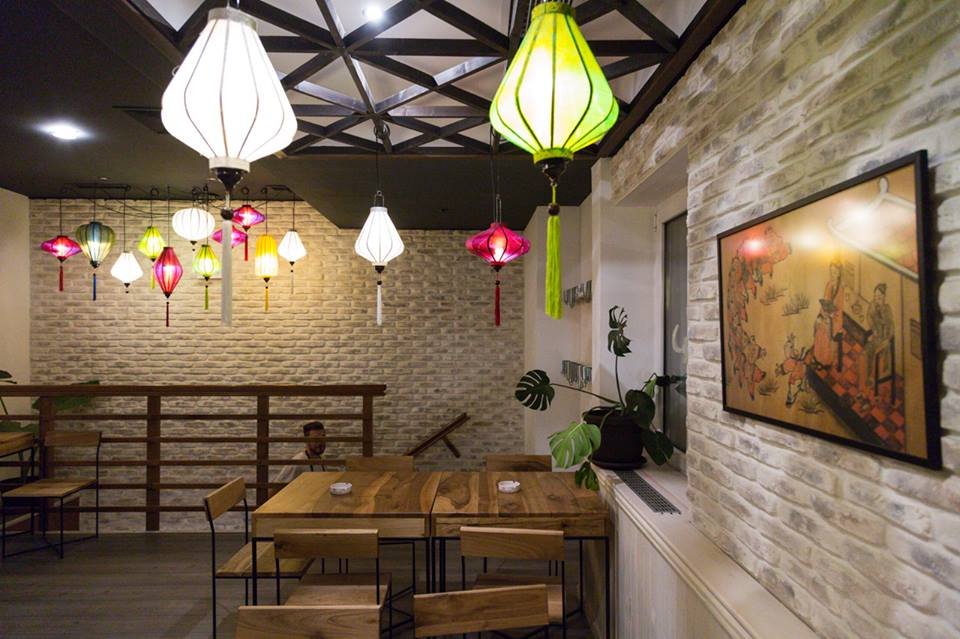
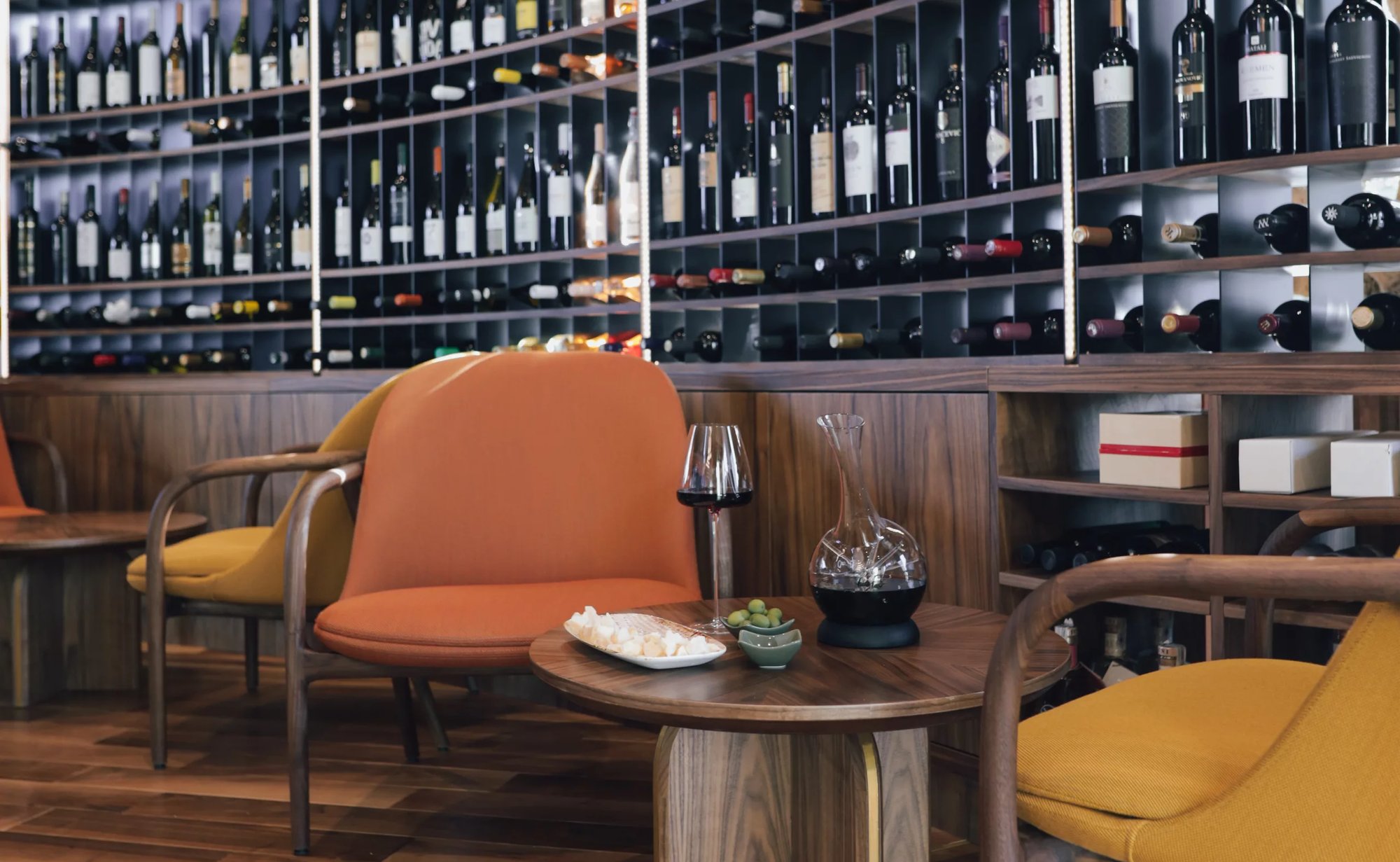
Peaceful and warm with soothing interiors, wooden floors, unique handmade furniture, and a refined atmosphere praised for its elegance and tranquility.
Tags
Vibe
Best For
Experience
Amenities
View
Accessibility
About the Stay
- Rooms
- 55
- Check-in
- 15:00
- Check-out
- 12:00
- Property Type
- Boutique hotel
- Property Style
- Luxurious Boutique in Cultural Heritage Building Reflecting Residential Elegance of Vračar.
- Design Style
- Traditional Chic Fused with Modern Design, Featuring Wooden Floors, Handmade Furniture, and Natural Stone Bathrooms.
- Airport Transfer
- Available
- Spa
- Yes
- Pets
- Allowed
- Cancellation
- Moderate
Know before you go
Know Before You Go
- Getting there
- Svetog Save 10, Beograd 11000
Planning details
Location
Recognition and awards

Also consider
Where to look if this is not the right fit
If the trip needs a more predictable business-hotel setup, cross-shop Radisson Collection Hotel, Old Mill Belgrade. If the goal is a bigger luxury statement, compare The St. Regis Belgrade before deciding.
Hotel context
How it compares in Belgrade
Choose SAINT TEN Hotel over Metropol Palace Hotel, Belgrade if a smaller, more composed hotel experience matters more than big-hotel scale. Metropol Palace is the easier call for travelers who want a larger property feel and a more conventional business-hotel rhythm, while SAINT TEN is better for a quieter work-trip base.
Radisson Collection Hotel, Old Mill Belgrade is the safer pick for brand predictability and practical business travel. SAINT TEN is the better choice for guests who would rather trade some big-brand familiarity for a boutique setting. Hotel Indigo Belgrade sits closer to the casual design-hotel lane, so it works better for a less formal city stay.
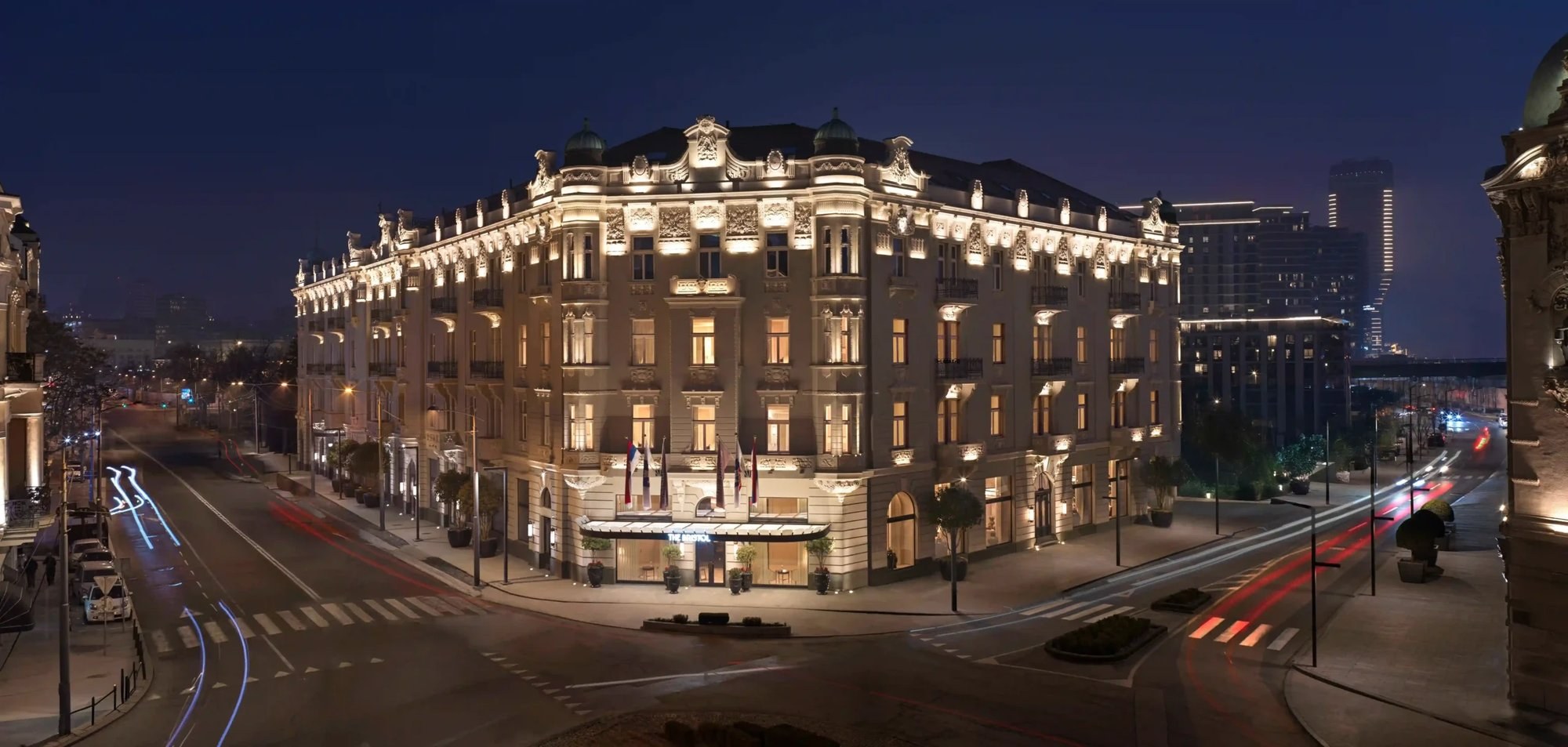
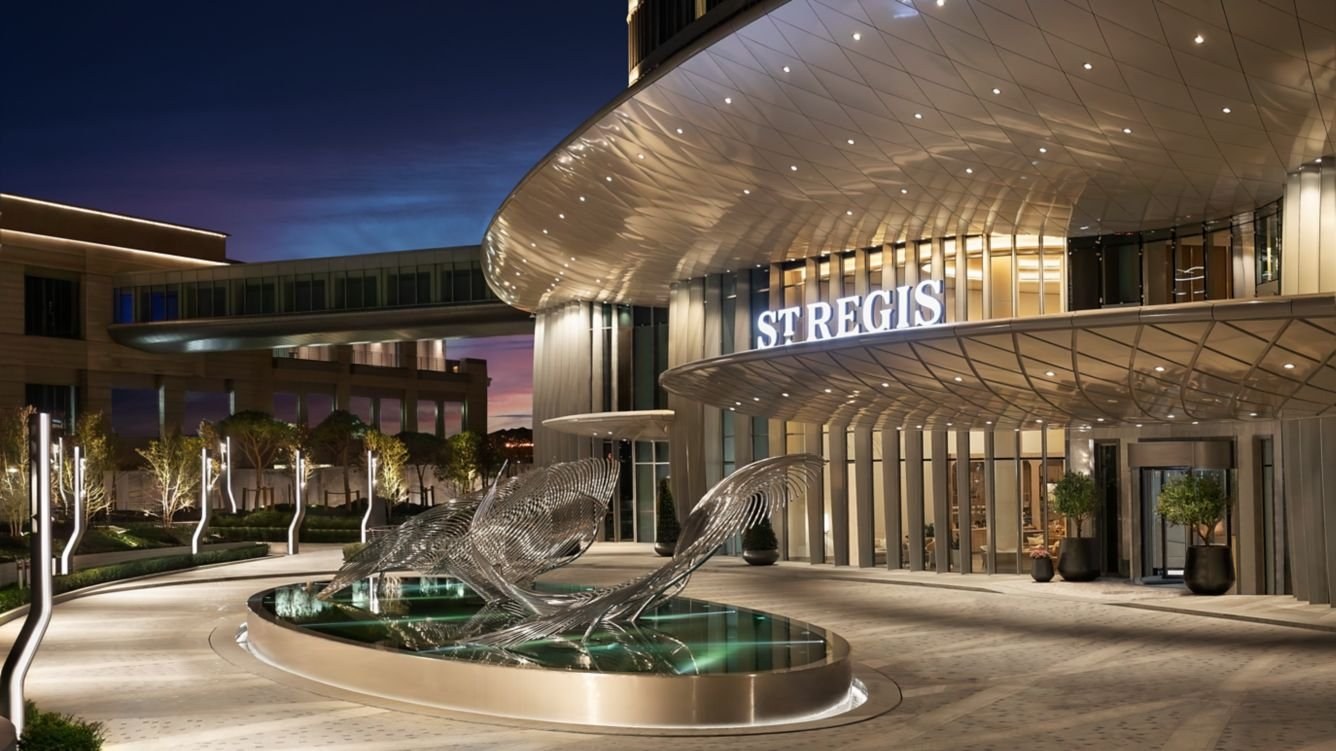
For a higher-end splurge comparison, check The St. Regis Belgrade and The Bristol Belgrade. Those are stronger if the trip calls for a grander sense of arrival. SAINT TEN is the more restrained choice: book it when the goal is boutique comfort, not a statement hotel.
Explore Belgrade
Around this place
Discover more on Pearl
Unlock the full SAINT TEN Hotel guide in Pearl, including awards, comparisons, FAQs, planning details, and nearby places.
Compare SAINT TEN Hotel
| Venue | Location | Awards |
|---|---|---|
| SAINT TEN Hotel | Belgrade | 2026 Michelin 1 KeyMichelin 1 Key 20252025 Michelin 1 KeySmall Luxury Hotels Member 2025 |
| Metropol Palace Hotel, Belgrade | Belgrade | No published awards |
| Radisson Collection Hotel, Old Mill Belgrade | Belgrade | No published awards |
| The St. Regis Belgrade | Belgrade | 2026 Forbes Recommended2026 Michelin 1 Key2025 Michelin 1 Key |
| The Bristol Belgrade | Belgrade | 2026 Michelin 2 Keys2025 Michelin 1 Key |
| Hotel Indigo Belgrade | Belgrade | No published awards |


How SAINT TEN Hotel Belgrade compares with similar nearby venues.
FAQ
Frequently Asked Questions
Is SAINT TEN Hotel good for business travel?
It may be a fit for a Belgrade business trip if its Michelin 1 Key recognition, Small Luxury Hotels of the World membership, and smart-casual standard match what you want from the stay. If you need specific business services, meeting facilities, or room features, check those directly before booking.
Do loyalty programs work at SAINT TEN Hotel?
SAINT TEN Hotel is a Small Luxury Hotels of the World member. For points earning, elite benefits, or booking-channel perks, check the current terms directly before making a reservation.
How is the pool and spa at SAINT TEN Hotel?
If wellness facilities are important to your stay, check current availability directly with the hotel and compare with other Belgrade options such as The St. Regis Belgrade.
When is the best time to book SAINT TEN Hotel?
If SAINT TEN Hotel is your preferred Belgrade option, check current rates and availability for your travel dates before committing.
How is the dining at SAINT TEN Hotel?
Which room category is best at SAINT TEN Hotel?
Choose based on the current descriptions provided by the hotel or booking channel, and check any important room requirements before booking.
How does SAINT TEN Hotel compare to other Belgrade hotels?
SAINT TEN Hotel is best compared with other Belgrade options such as Metropol Palace Hotel, Belgrade, Radisson Collection Hotel, Old Mill Belgrade, The Bristol Belgrade, The St. Regis Belgrade, and Hotel Indigo Belgrade. Its differentiators are Michelin 1 Key recognition, Small Luxury Hotels of the World membership, and a smart-casual standard.