
Le Mas Barossa
Rowland Flat, Barossa Valley
Hotel in Barossa Valley, Australia
 Book with Pearl
The Read
Provençal Contrast Architecture
Price
$500–750per night
Why go
Le Mas Barossa is worth booking if the trip is built around wine-country calm rather than Adelaide convenience. Its Rowland Flat setting makes sense for first-time Barossa visitors who want the hotel to anchor the stay, but compare city options if dining range, loyalty benefits, or a deeper amenity stack matters more.
About Le Mas Barossa
Booking should be low-stress, so the decision is less about chasing extras and more about whether a Barossa Valley base suits the trip. For a first visit built around the region and a slower schedule, Le Mas Barossa is a sensible option; for Adelaide dining, events, or late-night movement, stay in town instead.
Le Mas Barossa is in Barossa Valley, has a smart-casual dress code, and is a Small Luxury Hotels of the World Member for 2025. Use current regional planning resources, and check our full Barossa Valley restaurants guide before assuming every meal will happen on property.
Book for the Barossa setting, not unconfirmed amenities
This is the right call if the point of the stay is being in Barossa Valley. It is a weaker call for travellers who need a city base or who are choosing mainly by specific facilities. Treat the stay as a Barossa Valley accommodation choice first, then confirm current amenities, services, and inclusions directly with the property before booking.
Timing still matters for any Barossa Valley trip. First-timers should avoid overloading the itinerary; one or two anchor plans in the region will make the stay feel more coherent than trying to cover everything in a rush. For broader trip planning beyond hotels, use current regional guides rather than treating the hotel as the whole itinerary.
Who should choose this over Adelaide
Choose this if the location in Barossa Valley is part of the trip, not just a place to sleep. Compared with Adelaide hotels, the trade is clear: less urban convenience, more direct access to the Barossa Valley setting. That is worth considering for a slower regional visit where the location should do some of the work. It is less practical for travellers who need easy access to Adelaide events, business meetings, or a broader city restaurant run.
For South Australia specifically, the cleaner comparison is whether to stay in Barossa Valley at Le Mas Barossa or pick an Adelaide base and drive out when needed. Adelaide Marriott, Eos by SkyCity, Oval Hotel at Adelaide Oval, Art Series - The Watson, and The Louise may suit different trip briefs, so compare by location first and then confirm the current services that matter most to you.
Planning details
- Location
- 1929 Barossa Valley Way, Rowland Flat SA 5352
- Website
- lemasbarossa.com.au
- Phone
- +61 8 8524 4488
The take
The Take
The Vibe
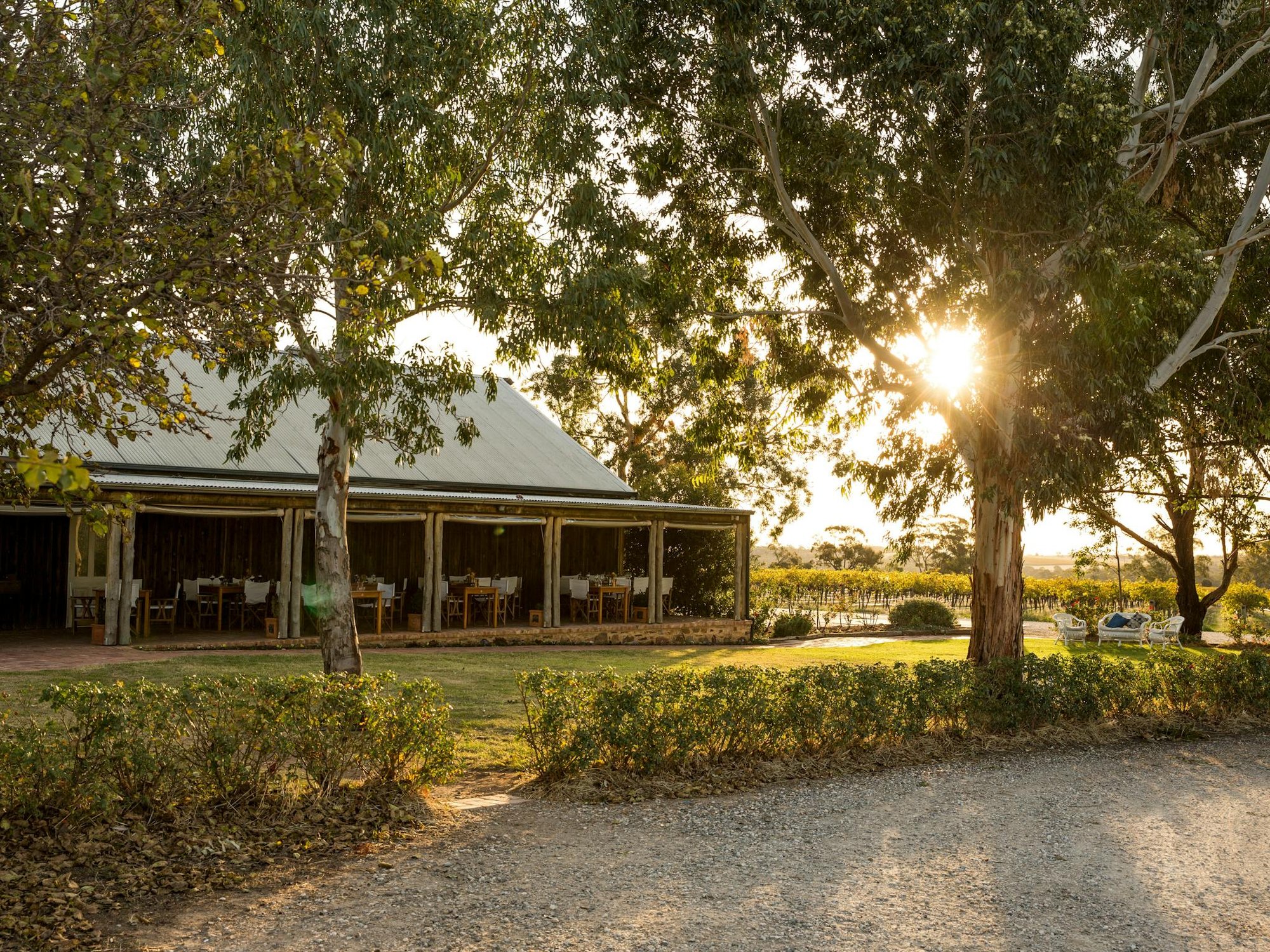
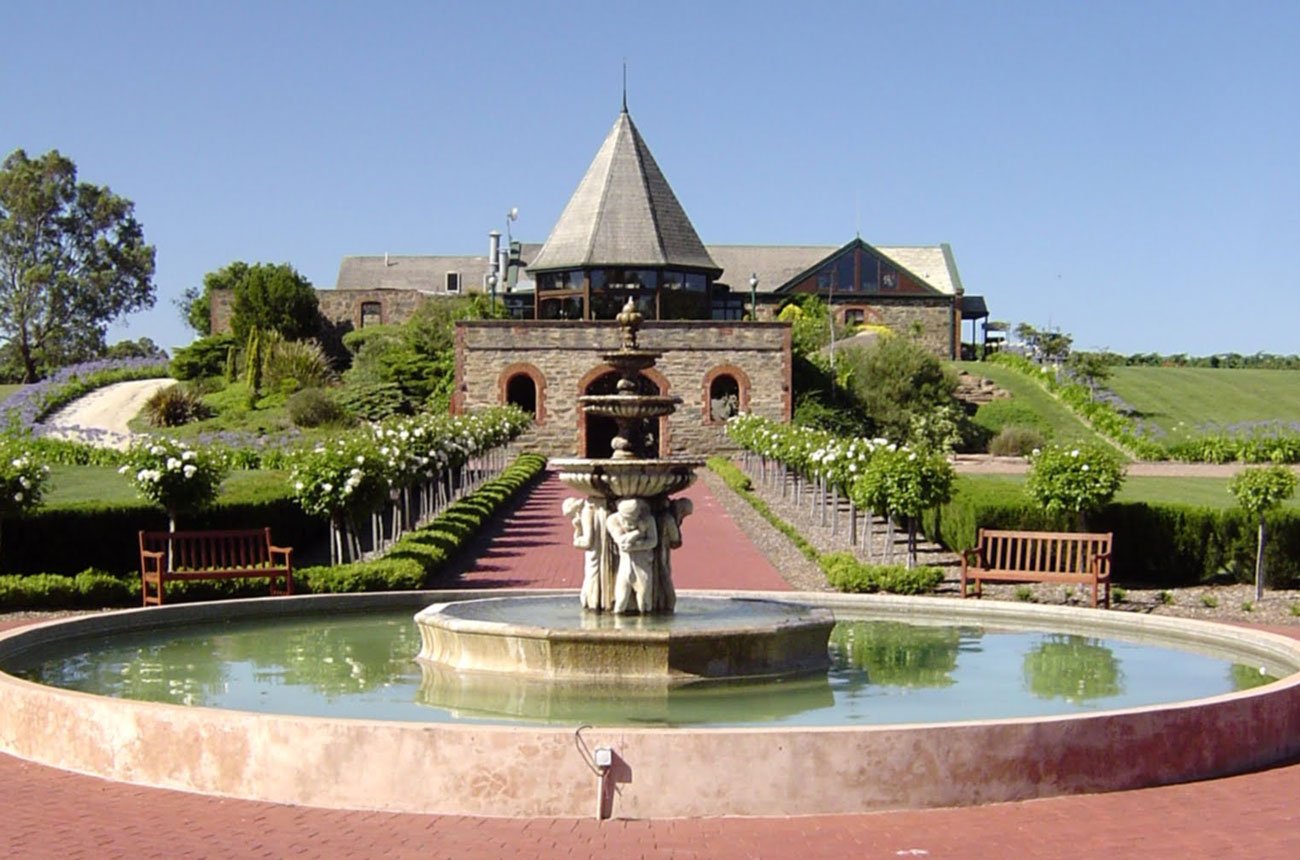
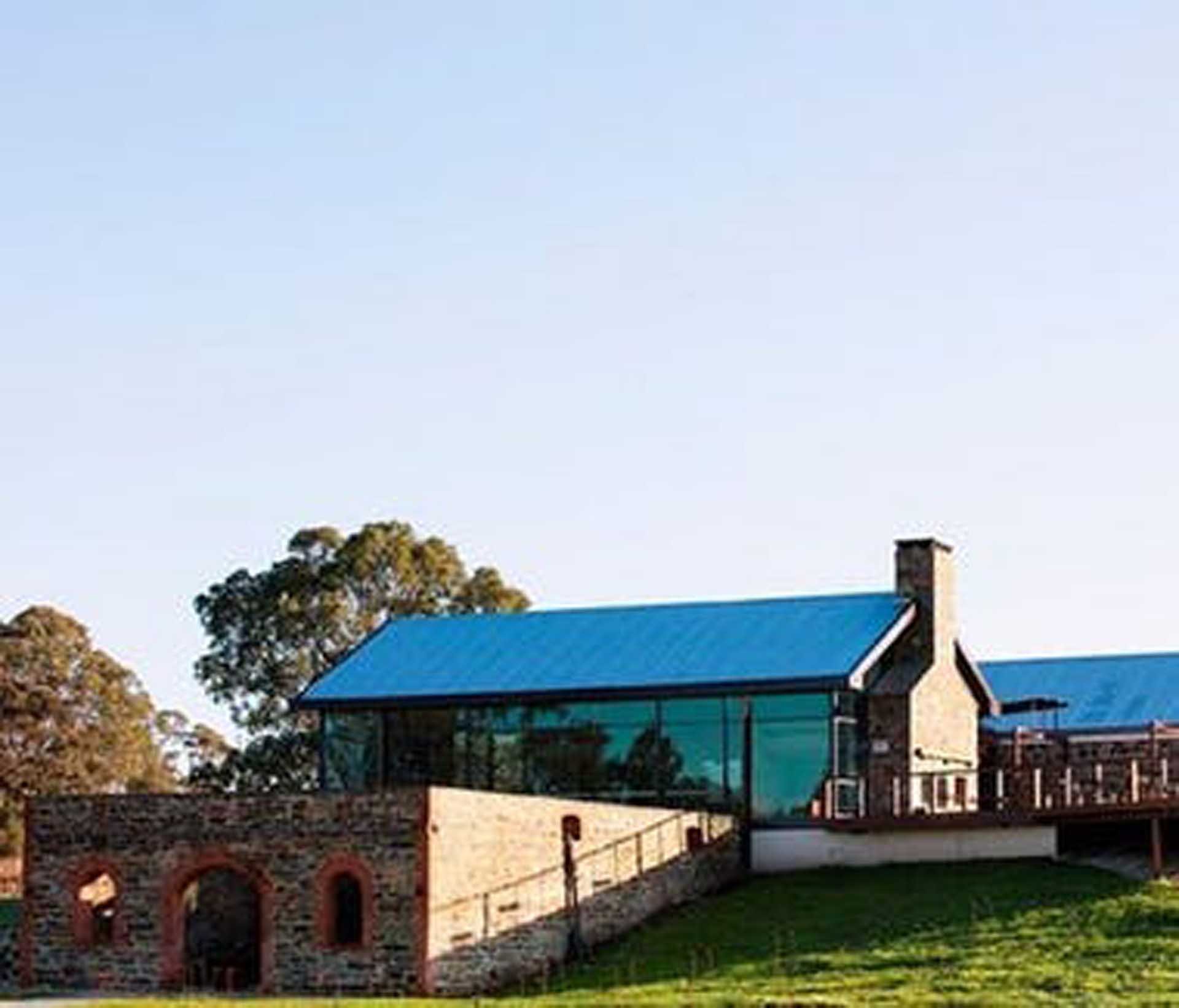
Le Mas Barossa reads like a careful transplant of Provençal farmhouse logic into Barossa hill country. The writing emphasises mas proportions, whitewashed render, shaded terraces and a planted landscape that is both disciplined and generous. That formal rigor is undercut in a delightful way by native interruptions — white ghost gums on the ridgeline and a kookaburra’s presence — which keep the aesthetic from feeling pastiche. The result is a classic, quietly charming retreat that leans into serenity and warmth: architecture and landscape working together to create a place that feels both considered and comfortably lived-in.
Best For
This property suits travellers who prioritise design and quiet country comfort. Its Provençal framework and shaded outdoor rooms make it a natural fit for couples seeking a romantic getaway, anniversaries or a reflective weekend escape rooted in wine-country scenery. The emphasis on terraces and garden-facing spaces also makes it appealing to guests who want a slow, contemplative stay—morning light on a shaded terrace, afternoons among planted landscapes and the odd native birdcall under a warm, dry sky. It’s less about nightlife and more about immersive, place-driven rest.
Stay Tips
When planning a stay, prioritise rooms or suites that open onto the shaded terraces and garden so you can experience the property’s outward flow and relationship to landscape. The copy stresses the mas tradition of spaces that extend to terraces rather than vertical drama, so seek accommodation that foregrounds outdoor access and views. Expect warm, dry summers and bring sun protection for daytime terrace use; also allow time to notice the small local details the editors highlight — the ridgeline gums and native birdlife that signal the property's blending of Old World design with Australian country.
Venue details
Ambiance
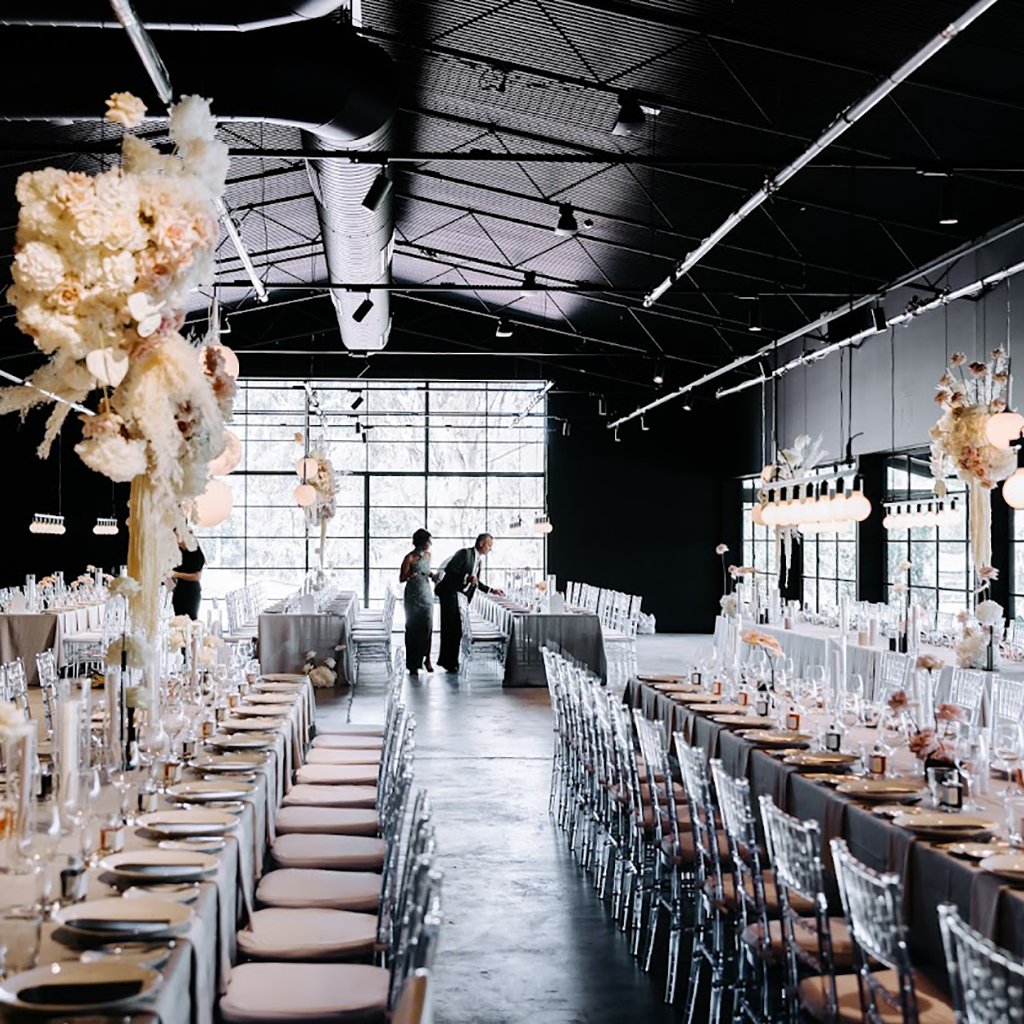
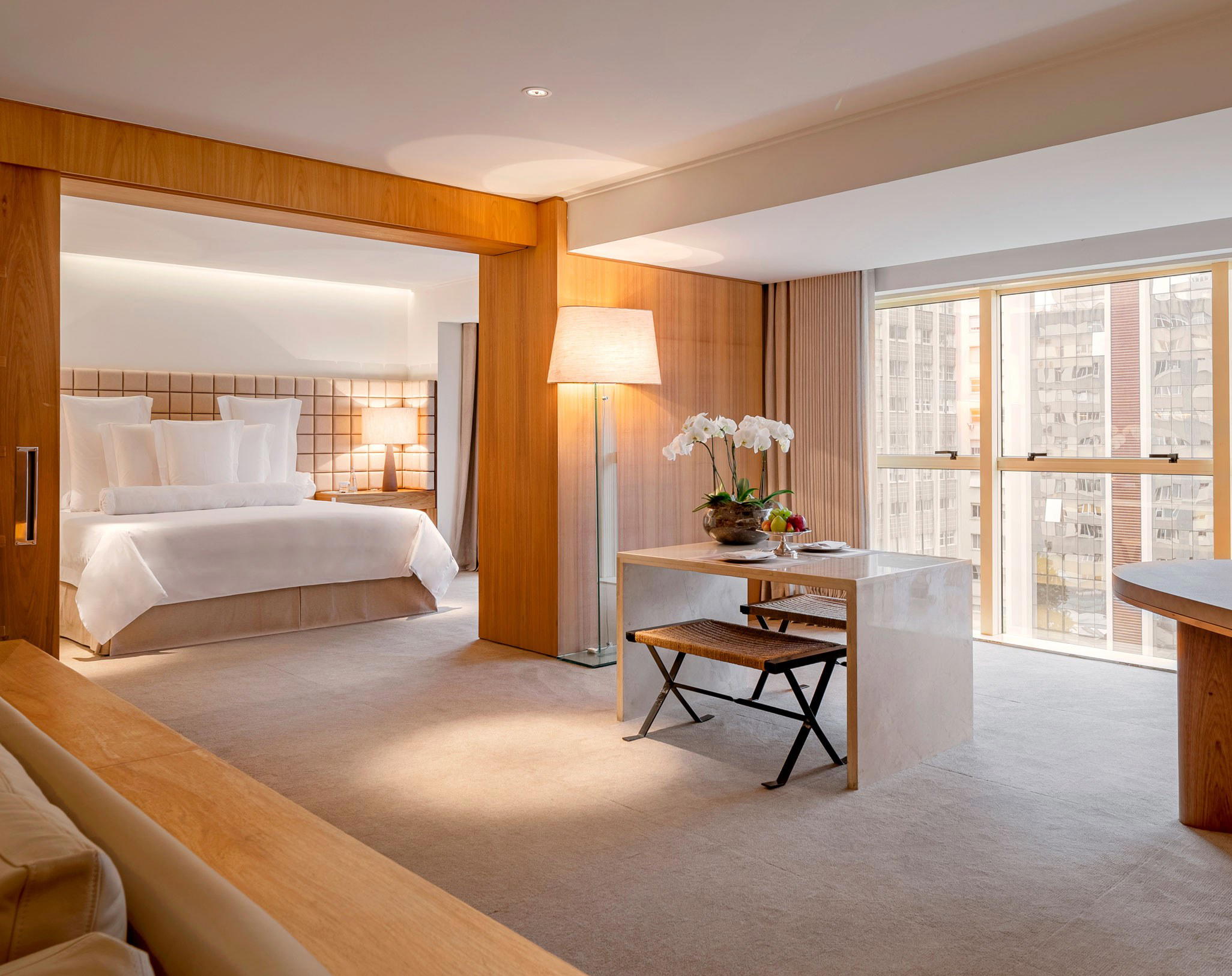
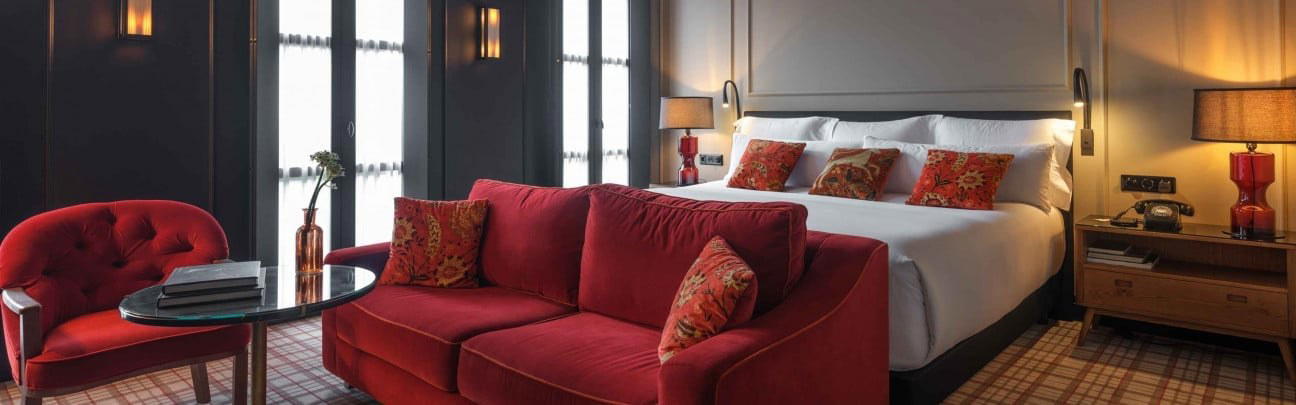
Understated light-filled interiors with French farmhouse elegance, serene gardens, and peaceful vineyard views creating a Provençal countryside escape.
Tags
Vibe
Best For
Experience
Amenities
View
About the Stay
- Rooms
- 4
- Check-in
- 15:00
- Check-out
- 11:00
- Property Type
- Boutique hotel
- Property Style
- Rustic French Farmhouse with Provençal Elegance
- Design Style
- Contemporary Provençal Chic
- Breakfast
- Included
- Airport Transfer
- Available
- Pool
- Yes
- Spa
- Yes
- Cancellation
- Moderate
Know before you go
Know Before You Go
- Getting there
- 1929 Barossa Valley Way, Rowland Flat SA 5352
Planning details
Location
Recognition and awards

Also consider
Also Consider
- The Louise, Notable alternative
- Art Series - The Watson, Notable alternative
- Oval Hotel at Adelaide Oval, Notable alternative
- Eos by SkyCity, Notable alternative
- Adelaide Marriott, Notable alternative
Hotel context
How it compares in and around Barossa Valley
Le Mas Barossa is the pick for travellers who want to stay in the valley and keep the trip quiet, with booking difficulty signalled as easy. The Louise is the closest cross-shop for a Barossa-first stay; choose it if you want another wine-country option to compare on atmosphere and overall polish before deciding.
If the priority is Adelaide access, the city hotels are more practical. Oval Hotel at Adelaide Oval makes more sense for sport, events, and a city base, while Eos by SkyCity is the stronger fit for travellers who want casino-adjacent dining and a larger urban hotel feel. Adelaide Marriott is the safer city-hotel cross-shop if brand familiarity and central logistics matter more than waking up in wine country.
Art Series - The Watson sits in a different lane again: better for an Adelaide-area stay with a design-hotel tilt, weaker for a Barossa-led itinerary. In plain terms, book Le Mas Barossa when the valley is the point of the trip; book one of the Adelaide peers when convenience, city dining, or event access will shape the stay.
Explore Barossa Valley
Around this place
Discover more on Pearl
Unlock the full Le Mas Barossa guide in Pearl, including awards, comparisons, FAQs, planning details, and nearby places.
Compare Le Mas Barossa
| Venue | Location | Awards |
|---|---|---|
| Le Mas Barossa | Barossa Valley | Small Luxury Hotels Member 2025 |
| The Louise | Marananga | 2026 Forbes Recommended2026 Virtuoso Luxury Hotel Collection2026 La Liste Top Hotels |
| Art Series - The Watson | Adelaide | No published awards |
| Oval Hotel at Adelaide Oval | Adelaide | No published awards |
| Eos by SkyCity | Adelaide | No published awards |
| Adelaide Marriott | Adelaide | No published awards |



How Le Mas Barossa compares with similar nearby venues.
FAQ
Frequently Asked Questions
Does Le Mas Barossa have a hotel affiliation?
Le Mas Barossa is a Small Luxury Hotels of the World Member for 2025. If you care about specific points, benefits, or booking rules, confirm the current terms directly before committing, and compare location needs with Adelaide Marriott or Eos by SkyCity.
How is the location of Le Mas Barossa?
Le Mas Barossa is in Barossa Valley, which suits a slower, destination-led stay. If you want an urban base with easier access to city services, Adelaide Marriott or Eos by SkyCity may be the more practical pick.
When is the best time to book Le Mas Barossa?
Book earlier if your Barossa Valley dates are important. If the trip is flexible, compare available dates directly with the property and confirm the current booking terms before committing.
Which room category is best at Le Mas Barossa?
Choose based on the current descriptions provided by Le Mas Barossa. If you are comparing alternatives, weigh Le Mas Barossa against Oval Hotel at Adelaide Oval by location and confirmed current details.
What is check-in like at Le Mas Barossa?
Confirm arrival times, access instructions, and any special requests directly with Le Mas Barossa before travelling. If you are comparing an Adelaide stay, Adelaide Marriott is another option to review by location and current terms.
How is the dining at Le Mas Barossa?
If food is the main priority, compare the current offering with The Louise and other Barossa Valley dining options, then check Le Mas Barossa's official channels for the latest details.
How is the pool and spa at Le Mas Barossa?
Do not book on that basis without confirming directly with the property. For guests who care most about staying in Barossa Valley, Le Mas Barossa remains a location-led option.