
Seventy Barcelona
la Dreta de l'Eixample, Barcelona
Hotel in Barcelona, Spain
 Book with Pearl
The Read
Lobby-as-Cultural-Venue
Price
$200–300per night
Why go
Seventy Barcelona is a strong Eixample shortlist pick if the rate is sensible and the trip needs a polished central base more than a hotel-dining destination. Cross-shop The One Barcelona and Sir Victor Hotel if prices are close; look at H10 Casa Mimosa or Casa Mathilda for a quieter boutique feel.
About Seventy Barcelona
Seventy Barcelona is a Barcelona hotel with one premium signal: Michelin 1 Key recognition in 2025. Beyond that, evaluate it by focusing on basics rather than assuming specific restaurants, amenities, room features, service formats, or neighborhood advantages.
Shortlist it as a Barcelona stay with a Michelin hotel distinction, then compare the current rate, room category, and booking terms against your own trip needs. Readers planning a food-led trip should also scan Our full Barcelona restaurants guide, Our full Barcelona bars guide, and Our full Barcelona experiences guide. The dress code is smart casual.
Book for a Barcelona hotel with a Michelin Key
The clearest quality signal is Michelin 1 Key recognition in 2025. That makes Seventy Barcelona easier to shortlist than a hotel with no comparable distinction, but consider that the Michelin Key does not by itself confirm specific amenities, dining formats, wellness facilities, room counts, or service inclusions.
If the rate sits close to other Barcelona options, compare carefully against The One Barcelona and Sir Victor Hotel. For another Barcelona stay to consider, also check H10 Casa Mimosa and Casa Mathilda | Barcelona. Travelers comparing different budgets can compare Casa Gràcia before committing. For broader hotel shopping, use Our full Barcelona hotels guide.
Where it fits against Barcelona alternatives
The Michelin 1 Key recognition gives this hotel a clearer quality signal than many stays, but the booking decision still comes down to rate discipline and what you need from a Barcelona base. Compare details at the time of booking rather than relying on assumptions about facilities, food and beverage, check-in flexibility, or family services.
Value-seekers should cross-shop by rate, cancellation terms, room type, and the specific experience they want in Barcelona. Seventy Barcelona is best treated as a Michelin-recognized hotel option with smart casual dress code guidance, while other Barcelona stays may suit different trip styles.
For broader browsing, consult Our full Barcelona hotels guide and other travel guides, but Seventy Barcelona should be judged on its specific merits.
Planning details
- Location
- Carrer de Còrsega, 344, 352, Eixample, 08037 Barcelona
- Website
- seventybarcelona.com
- Phone
- +34 930 12 12 70
The take
The Take
The Vibe
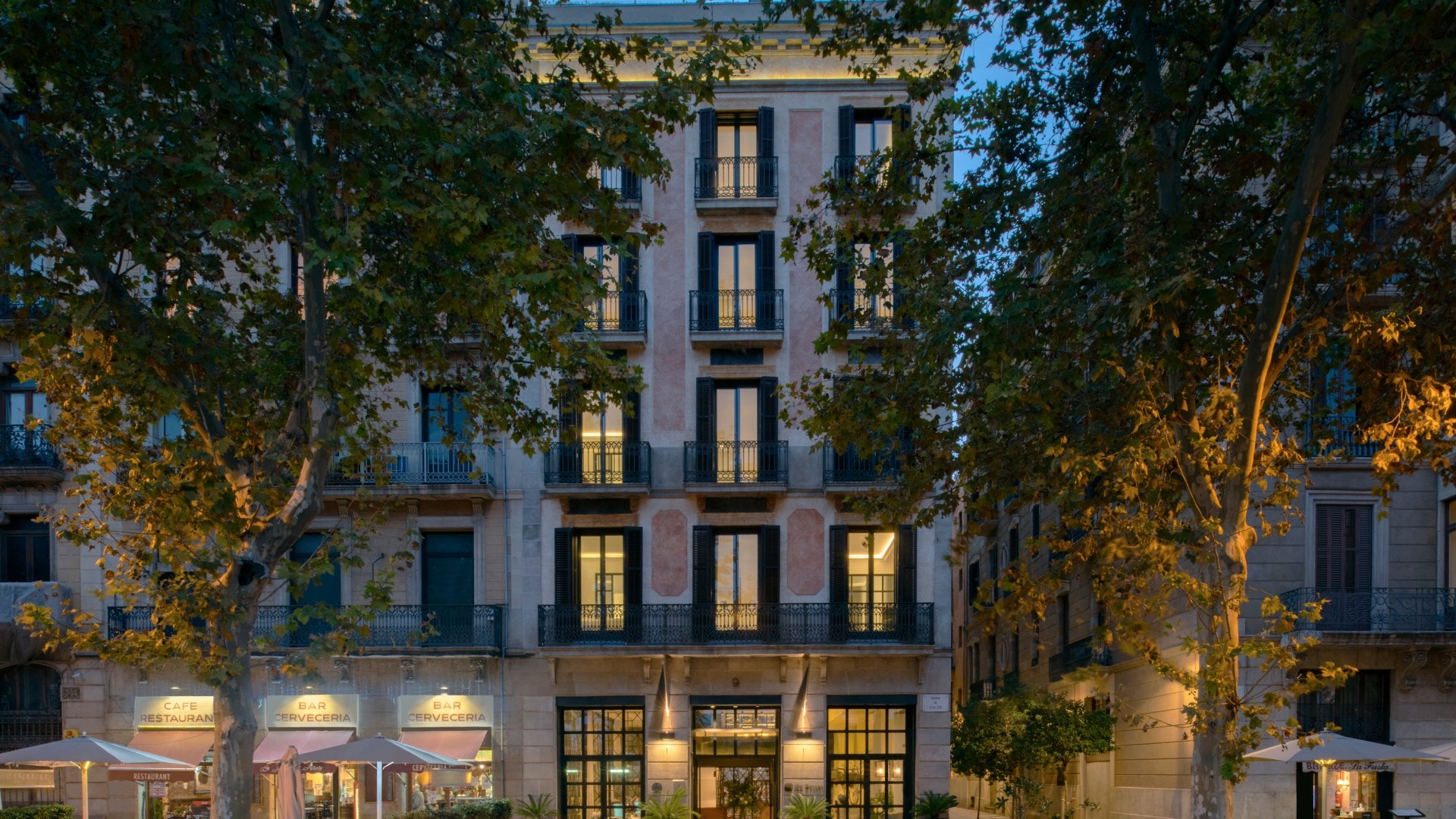
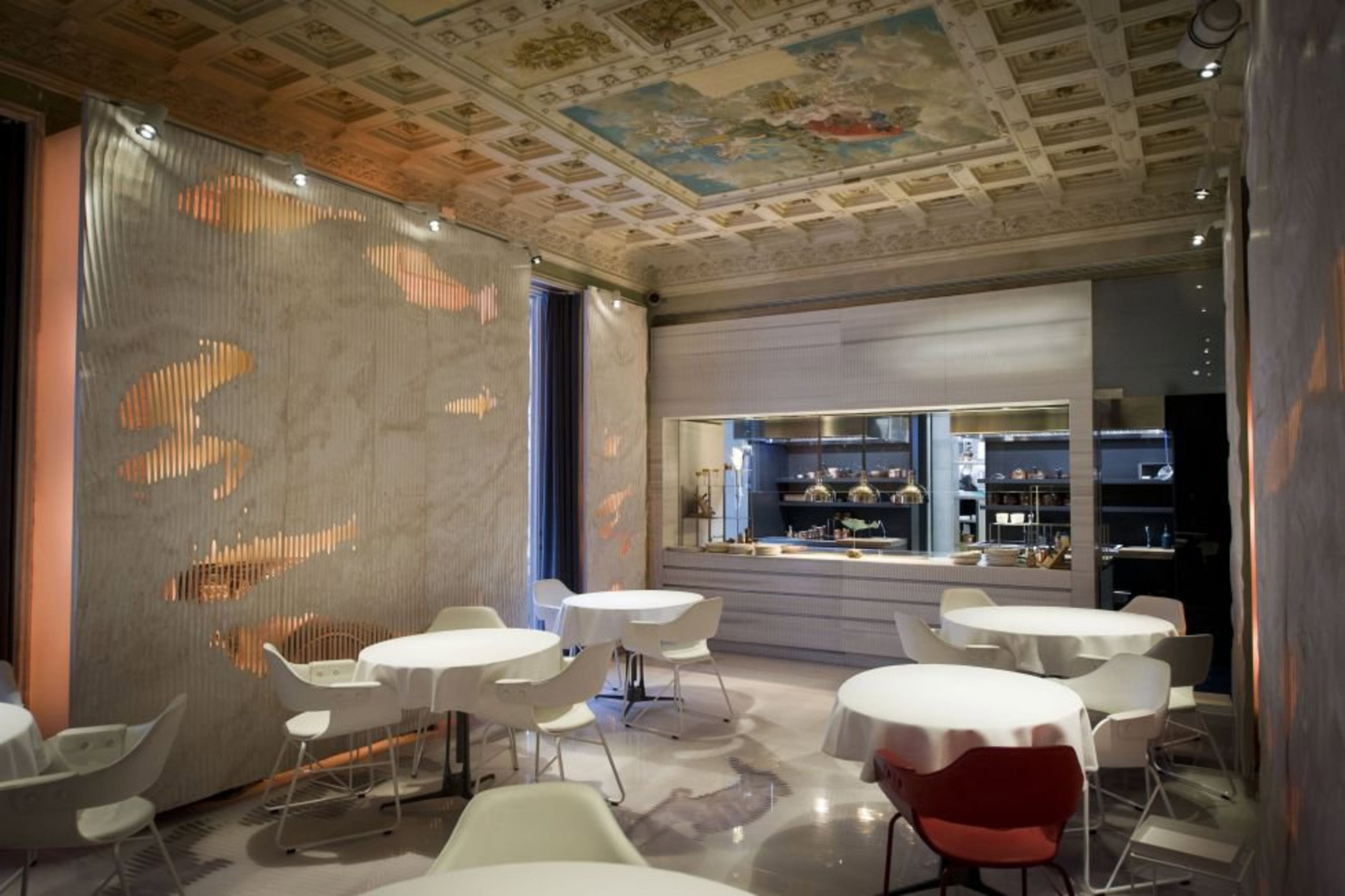
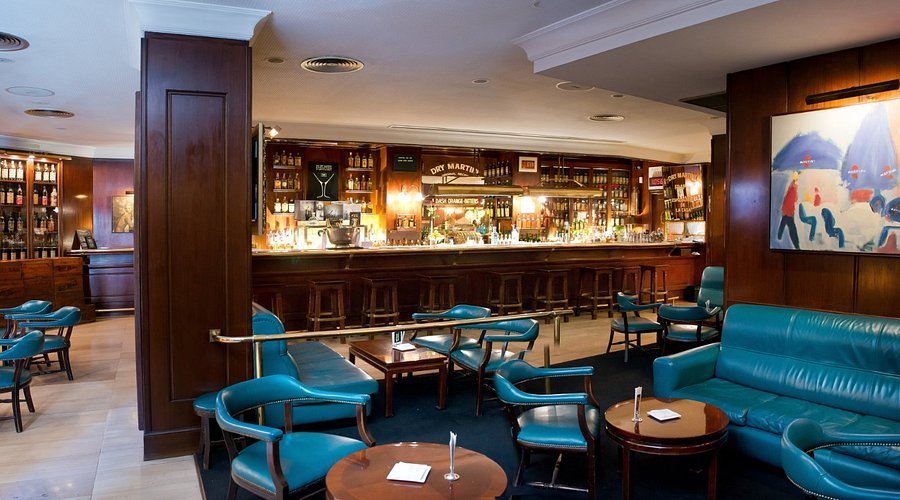
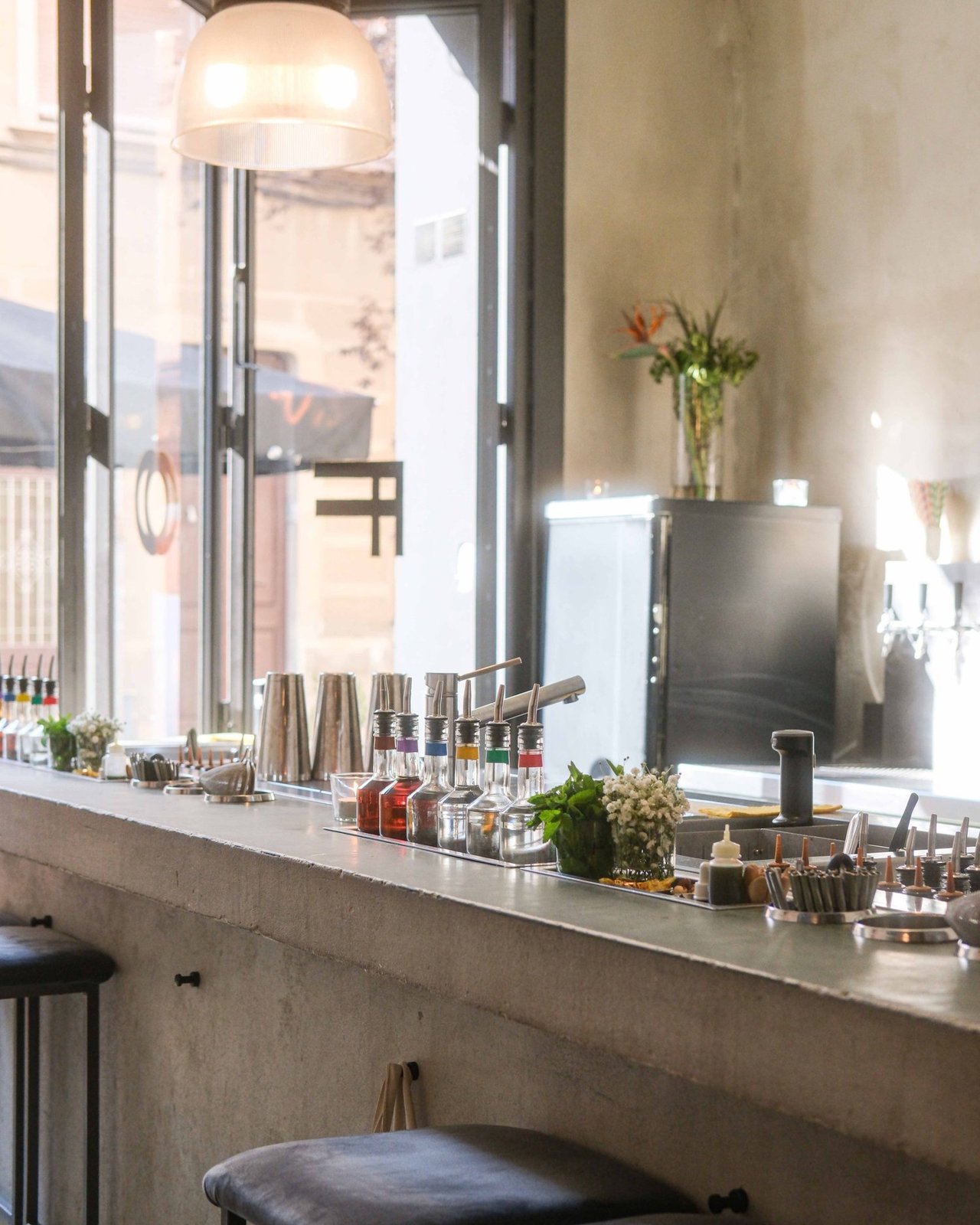
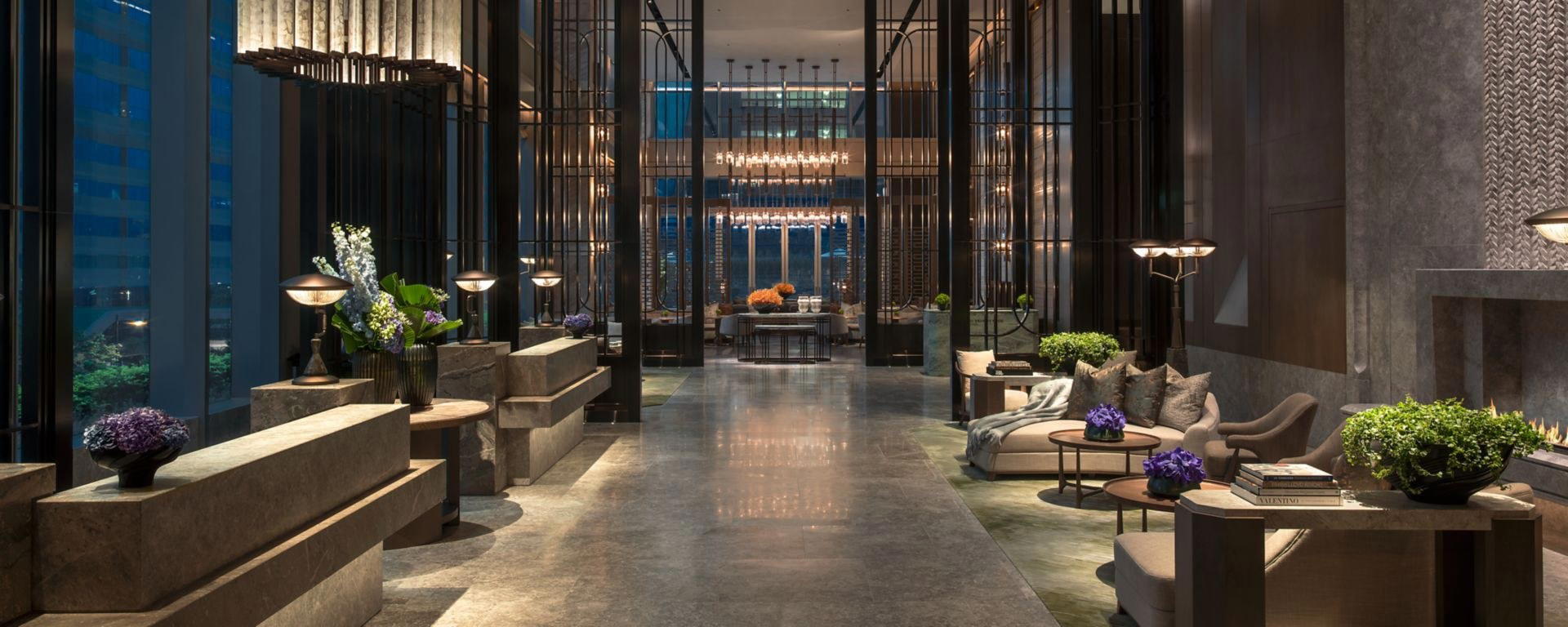
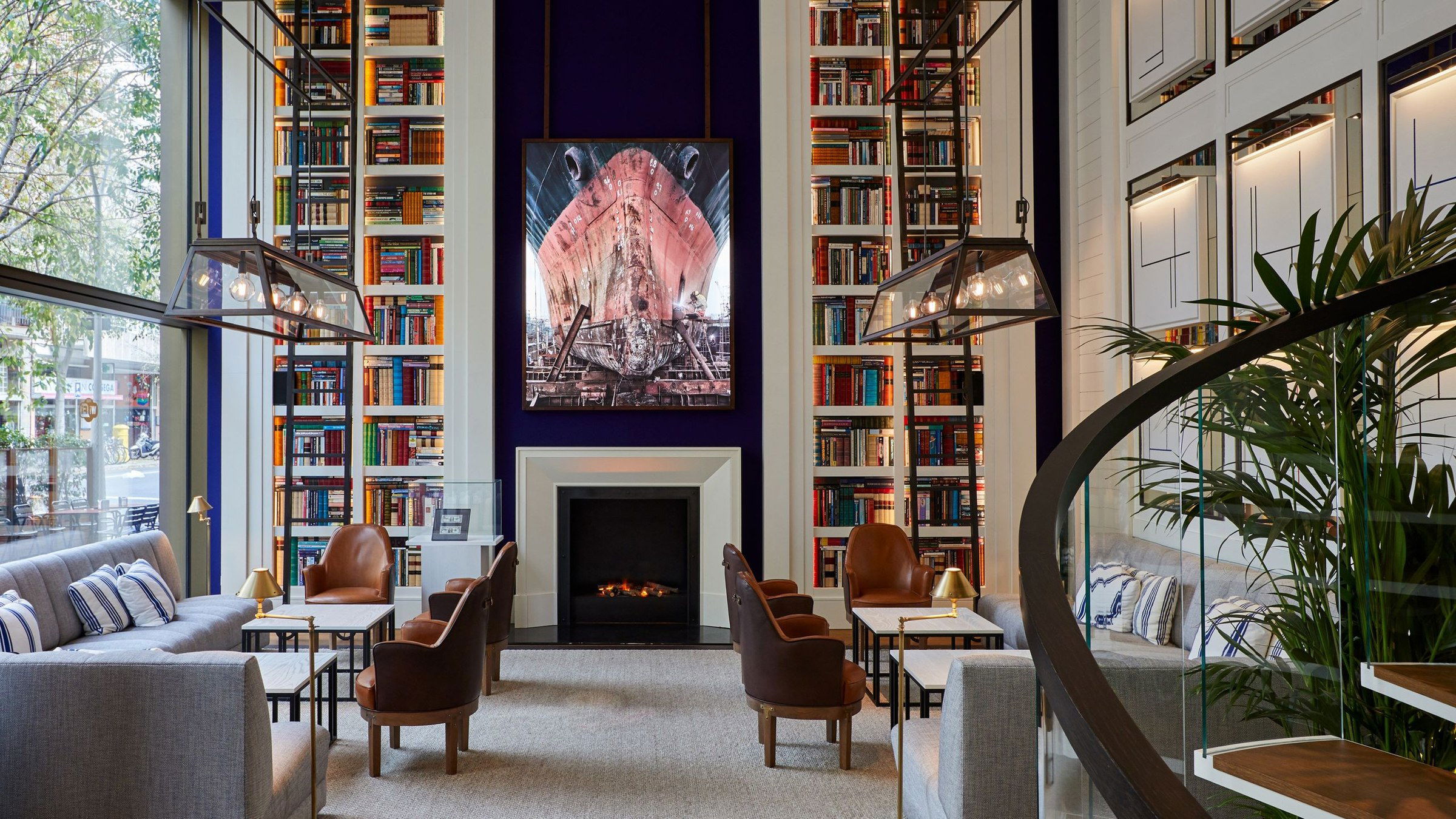
Seventy Barcelona trades heritage for a deliberately porous, industrial-chic vibe. The ground floor reads less like a hotel foyer and more like a neighbourhood living room — bookstore, coffee shop, gallery and co-working zones sit side by side behind floor-to-ceiling windows that face the street. That permeability attracts a fashionable local crowd and creates a steady, ambient energy that feels intentional rather than staged. In the context of Eixample’s grid of premium addresses, Seventy stakes a modern, community-minded claim: architecture and interior design do the heavy lifting, and the public lobby is the hotel’s defining personality.
Best For
This property suits travellers who prioritise design and a lively, urban base. Business travellers and remote workers find practical appeal in the co-working-friendly ground floor and casual coffee-shop environment, while leisure visitors enjoy the hotel’s neighbourhood sensibility and easy access to Passeig de Gràcia. It also functions well for locals and day visitors seeking a cafe, bookstore or gallery visit, making the hotel feel less like a transient stop and more like a city address where guests can plug in, browse and linger without ceremony.
Stay Tips
Use the ground floor as your go-to moment: grab coffee and browse the bookstore or gallery before heading out. The porous layout is built for lingering with a laptop or a book, so plan daytime visits if you want to stake out a co-working spot and soak up natural light from the street-facing windows. Expect a fashionable local crowd — arrive earlier in the day for quieter browsing, and embrace the hotel’s ambient energy if you prefer a busier scene later on.
Venue details
Ambiance
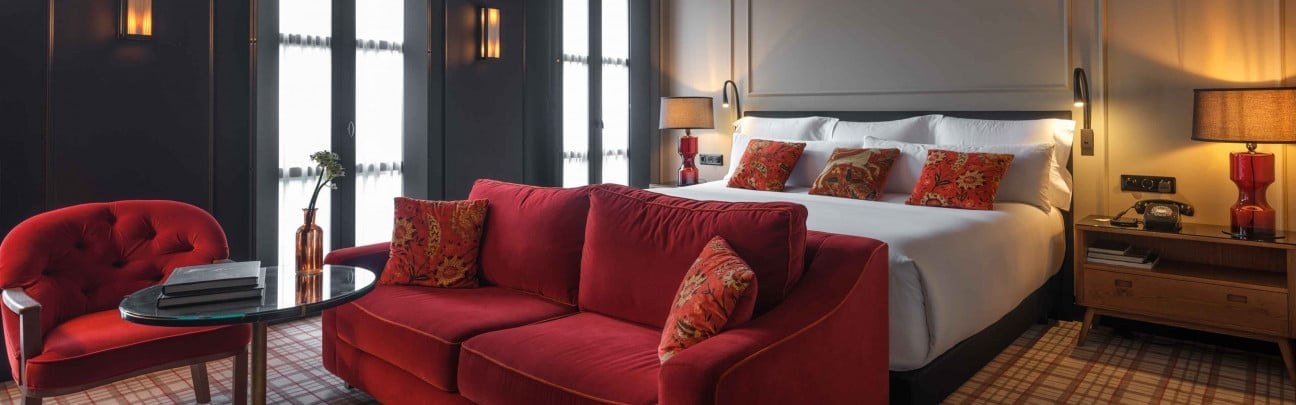
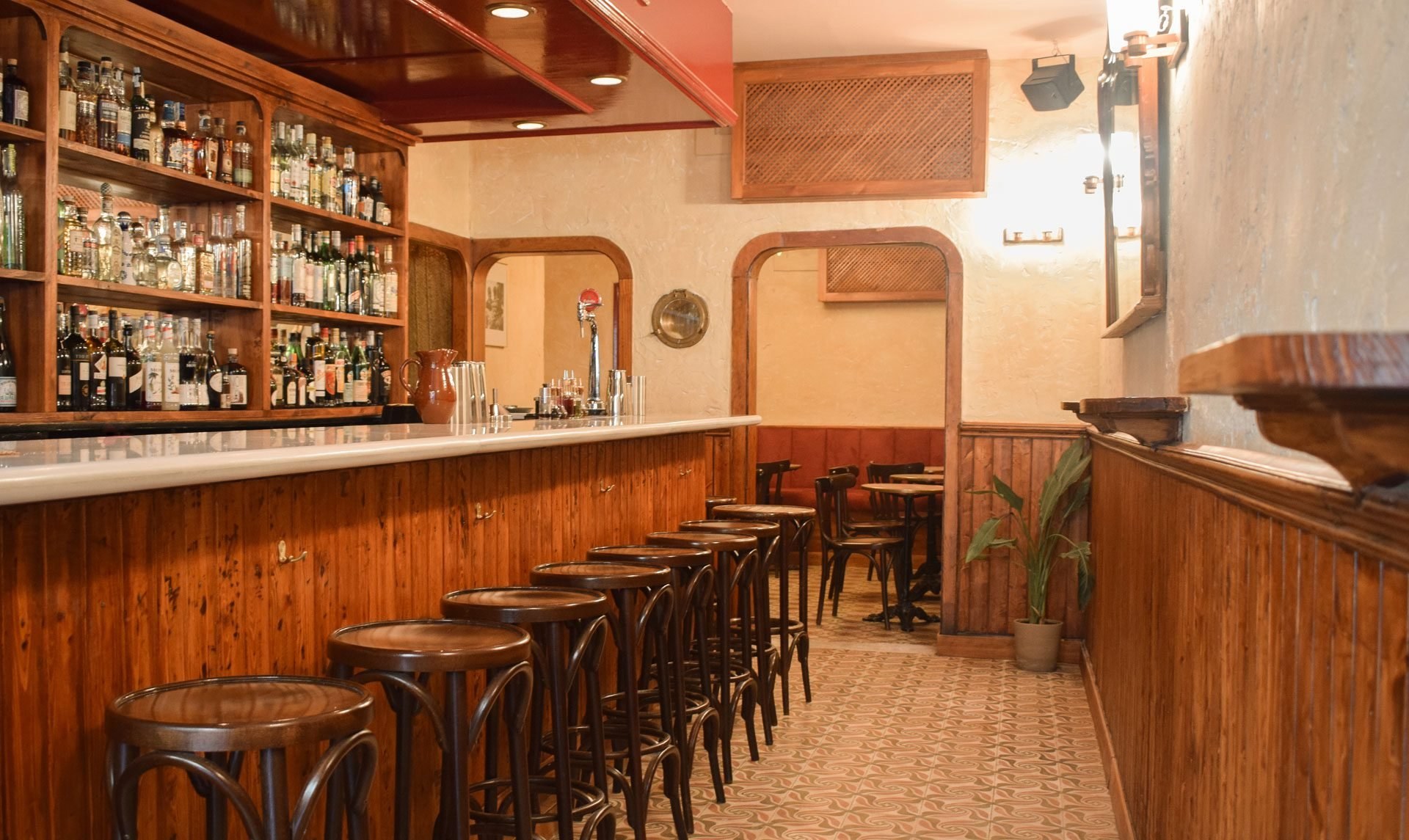
Stylish and inviting lobby with live music on weekends, modern rooms, and a tranquil rooftop pool area above the city noise.
Tags
Vibe
Best For
Experience
Amenities
View
Accessibility
About the Stay
- Rooms
- 152
- Check-in
- 15:00
- Check-out
- 11:00
- Property Type
- Boutique hotel
- Property Style
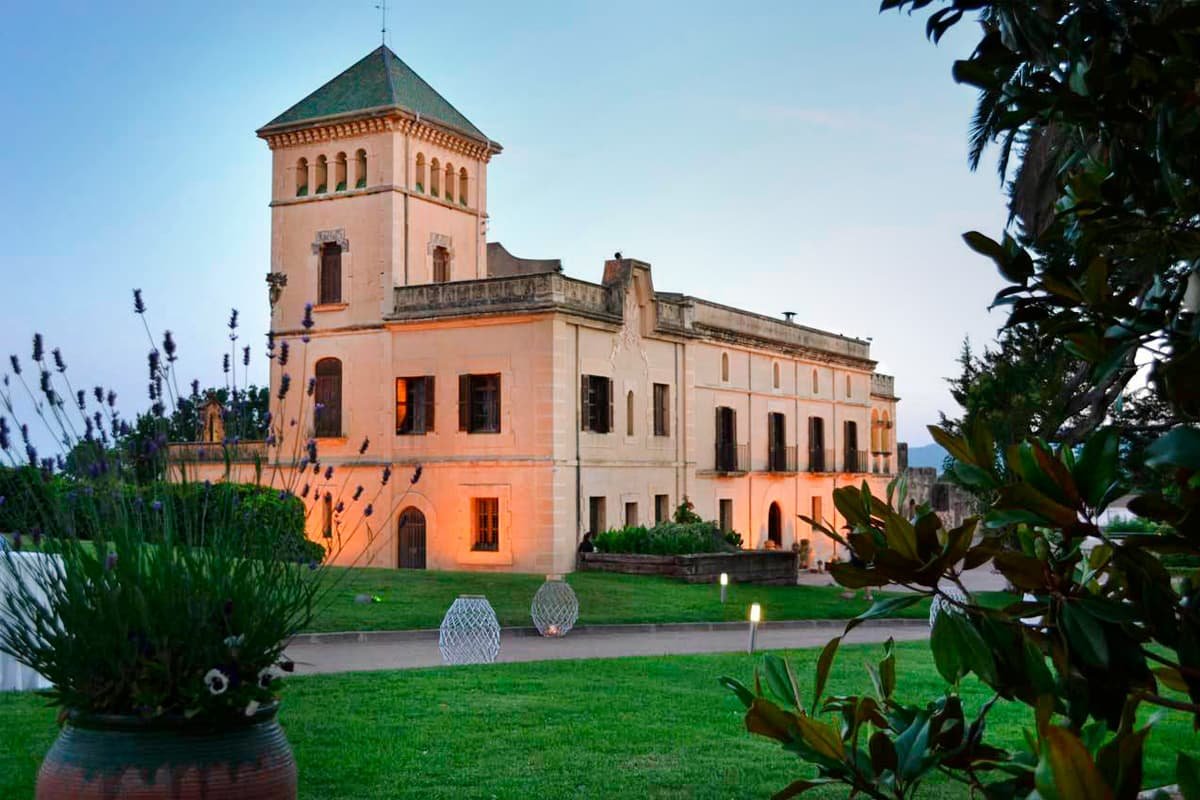
- Modern Upscale Boutique Hotel Blending Luxury Services with Stylish Design.
- Design Style
- Contemporary Minimalist with Mirrors, Premium Bedding, and Mediterranean Architectural Elements.
- Pool
- Yes
- Spa
- Yes
Know before you go
Know Before You Go
- Getting there
- Carrer de Còrsega, 344, 352, Eixample, 08037 Barcelona
Planning details
Location
Carrer de Còrsega, 344, 352, Eixample, 08037 Barcelona · Directions
Recognition and awards
Also consider
Where to look if dates are tight
If this is not available, check H10 Casa Mimosa first for a nearby boutique alternative, then The One Barcelona if the budget can stretch. For a lower-cost backup, Casa Gràcia is the practical cross-shop.
Hotel context
How it compares in Barcelona
Seventy Barcelona makes the clearest sense as a polished Eixample base with a Michelin 1 Key signal, especially if the rate undercuts The One Barcelona and Sir Victor Hotel. If those three are priced close together, choose The One Barcelona for a more luxury-coded stay, Sir Victor Hotel for a sharper lifestyle feel, and Seventy Barcelona for a balanced city-hotel choice.
H10 Casa Mimosa and Casa Mathilda | Barcelona are better cross-shops for travelers who want a quieter boutique mood rather than a larger hotel setup. Casa Gràcia is the value check: if the trip is mostly out in the city, compare the savings before paying for extra polish.
Booking difficulty is marked hard here, so do not leave this as a last-minute fallback during busy Barcelona periods. If dates are fixed and rates jump, H10 Casa Mimosa or Casa Mathilda are the first alternatives to check before trading down in location or comfort.
Around this place
Discover more on Pearl
Unlock the full Seventy Barcelona guide in Pearl, including awards, comparisons, FAQs, planning details, and nearby places.
Compare Seventy Barcelona
| Venue | Location | Awards |
|---|---|---|
| Seventy Barcelona | Barcelona | 2026 Michelin 1 KeyMichelin 1 Key 20252025 Michelin 1 Key2024 Michelin 1 Key |
| H10 Casa Mimosa | Barcelona | No published awards |
| Casa Mathilda | Barcelona | Barcelona | No published awards |
| Casa Gràcia | Barcelona | No published awards |
| Sir Victor Hotel | Barcelona | No published awards |
| The One Barcelona | Barcelona | 2026 Michelin 1 KeyWorld Luxury Hotel Awards 20252025 Michelin 1 KeyPreferred Hotels L.V.X. Collection 20252024 Michelin 1 Key |



How Seventy Barcelona Review: Michelin 1 Key Hotel in Barcelona compares with similar nearby venues.
FAQ
Frequently Asked Questions
How is the pool and spa at Seventy Barcelona?
Evaluate any wellness amenities directly with the hotel before booking. The strongest concrete quality signal is Michelin 1 Key recognition in 2025.
What is check-in like at Seventy Barcelona?
Is Seventy Barcelona family-friendly?
Do loyalty programs work at Seventy Barcelona?
Choose it based on the Michelin 1 Key recognition, Barcelona location, dress code guidance, and the rate and terms available for your dates.