
Hotel España
el Raval, Barcelona
Hotel in Barcelona, Spain
 Book with Pearl
The Read
Modernista Civic Scale
Why go
Hotel España is worth considering for a first Barcelona stay if central Ciutat Vella access and historic-hotel atmosphere matter more than resort-style amenities. Its 2025 Preferred Hotels membership adds a useful trust signal, and booking is easy, but compare live rates against Hotel 1898, Hotel Neri, and Arai Aparthotel Barcelona before committing.
About Hotel España
Hotel España is a Barcelona hotel with a 2025 Preferred Hotels membership. Beyond that recognition and a smart-casual dress code, specific details about neighborhood, facilities, room types, dining, pricing, or service style are not available.
Barcelona stay with a Preferred Hotels membership
Hotel España holds a 2025 Preferred Hotels membership. That places the hotel within a recognized hotel network, but more specific claims about its exact setting, design history, facilities, restaurants, or room categories are not available.
For travelers comparing Barcelona hotels, the safest approach is to use Hotel España as one option on a shortlist and confirm current rates, room details, and amenities directly before booking. The dress code is smart casual, which is useful to know when planning what to pack.
Who should choose it, and who should not
Choose Hotel España if a Barcelona hotel with a Preferred Hotels membership fits your search and you are comfortable confirming practical details directly before booking. Without details on price tier, room size, facilities, or dining, it is not possible to recommend it as best for families, wellness-focused stays, business trips, or any particular travel style.
If you are cross-shopping, compare Hotel España with Arai Aparthotel Barcelona, Hotel Neri, Hotel 1898, Hotel Bagués, and abba Rambla Hotel, depending on the kind of Barcelona stay you want. Use current hotel information rather than assumptions about amenities or atmosphere.
Quick reference: Barcelona location, smart-casual dress code, and 2025 Preferred Hotels membership; other details should be confirmed directly before booking.
Inside Hotel España
Planning details
- Location
- Carrer de Sant Pau, 9-11, Ciutat Vella, 08001 Barcelona
- Website
- od-hotels.com/hotel-espana-ramblas
- Phone
- +34 935 50 00 00
The take
The Take
The Vibe
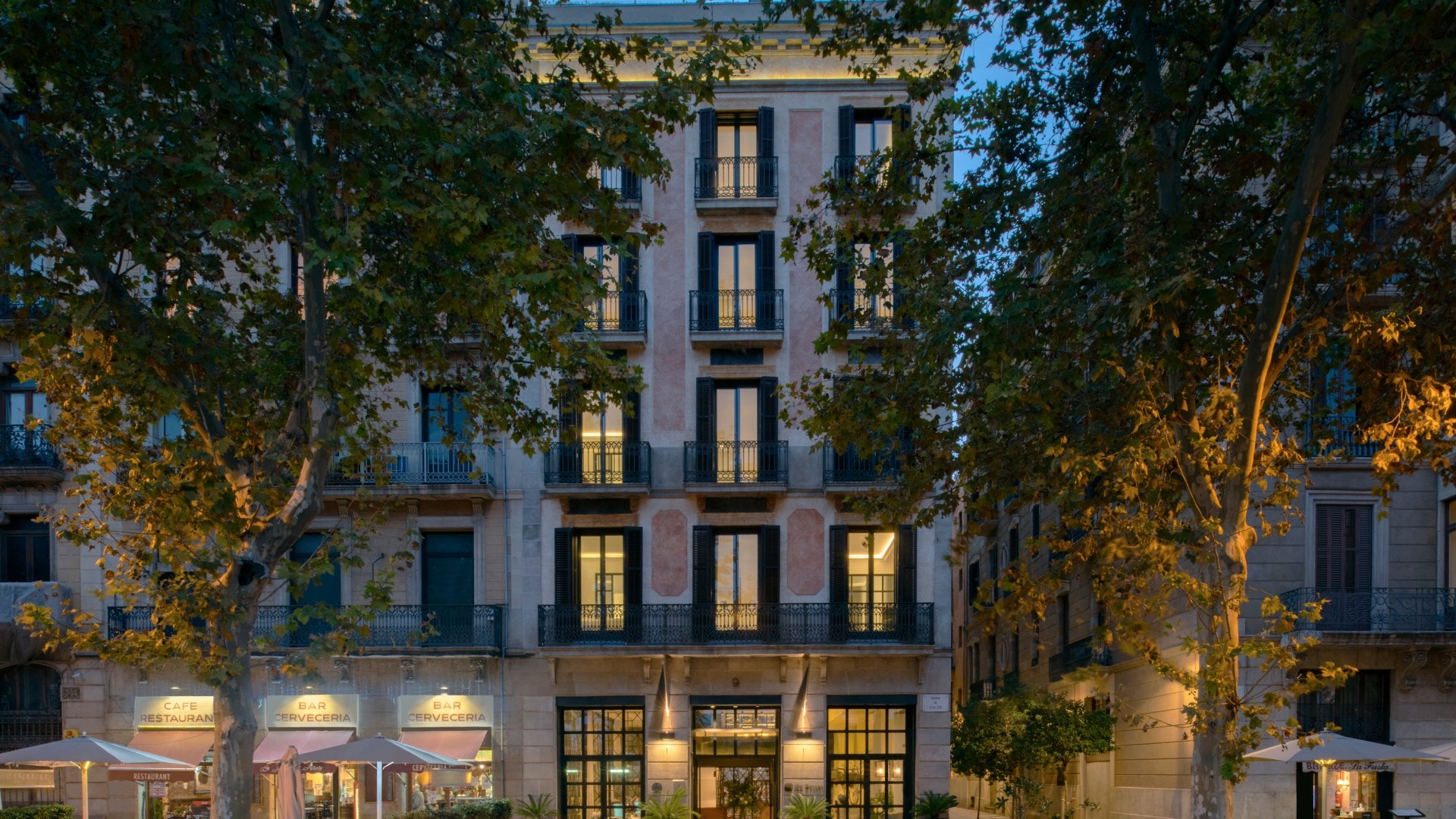
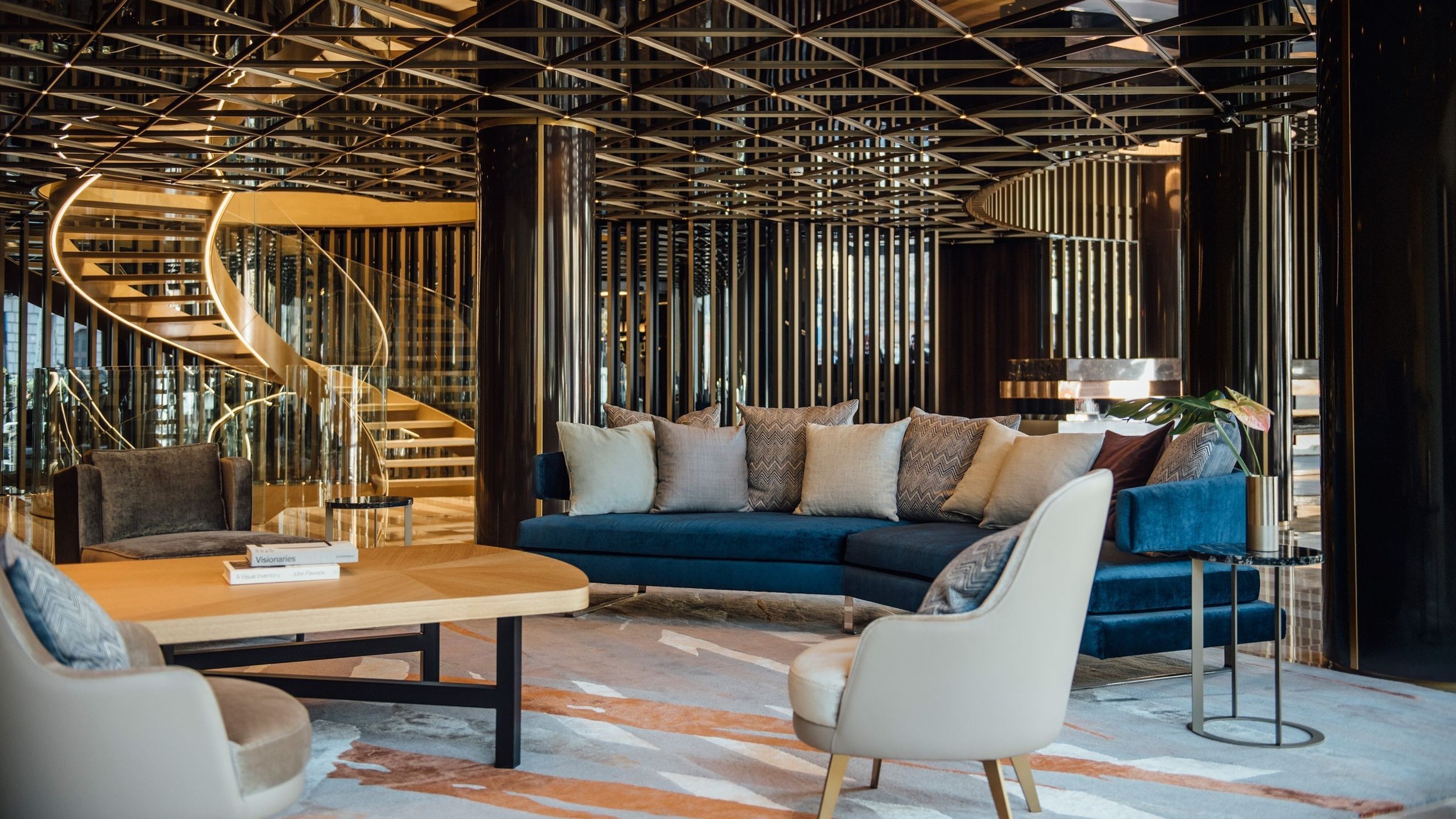
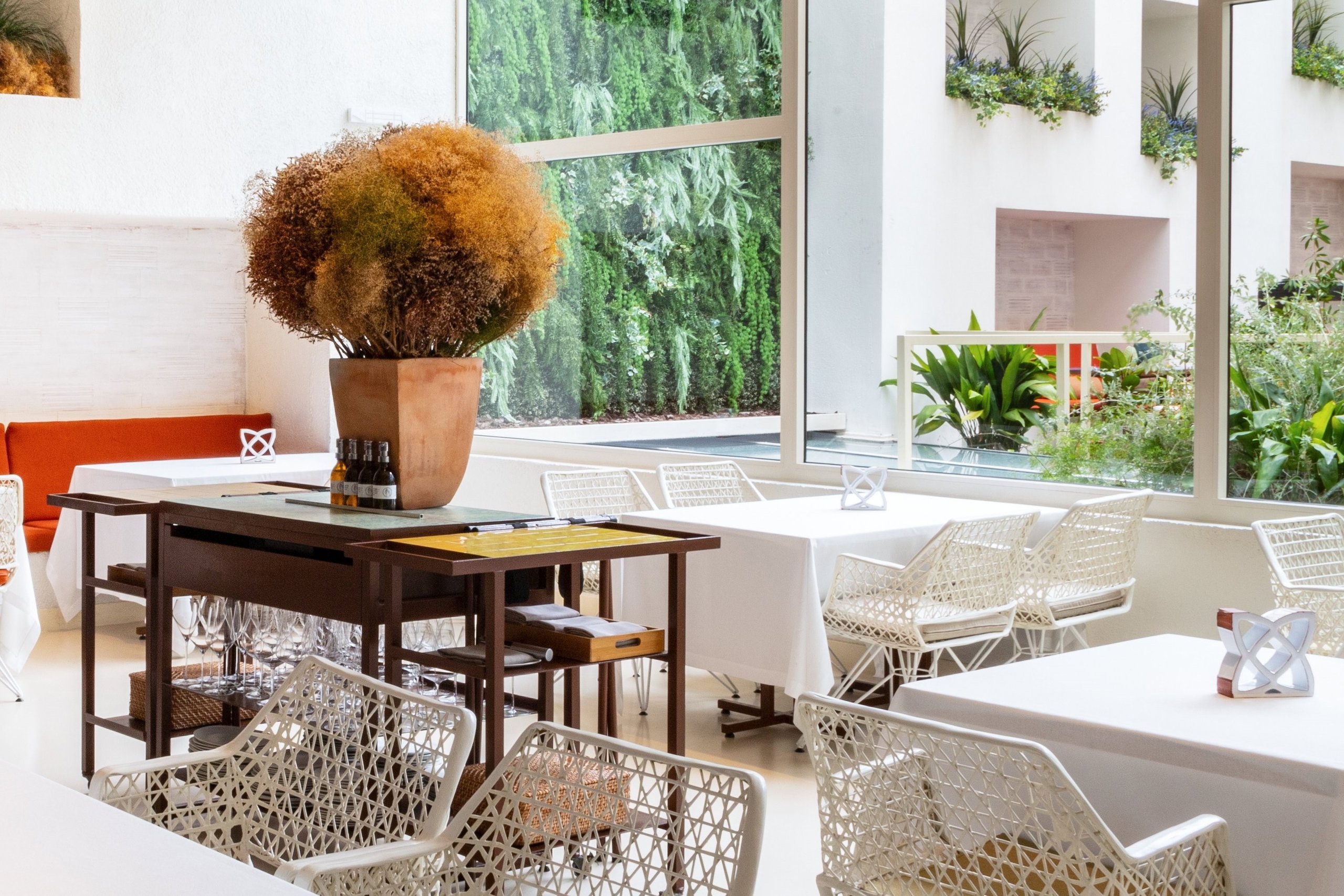
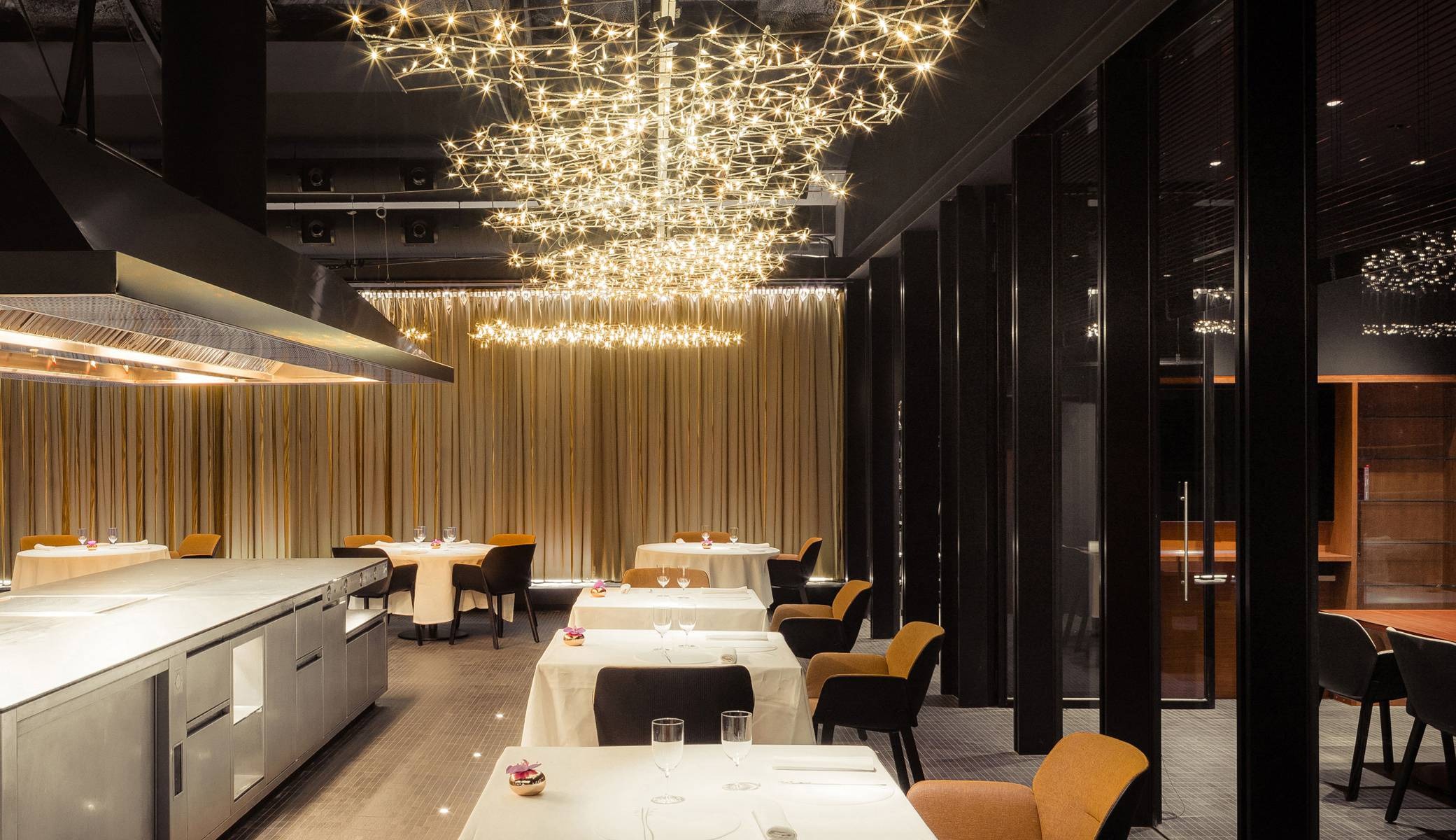
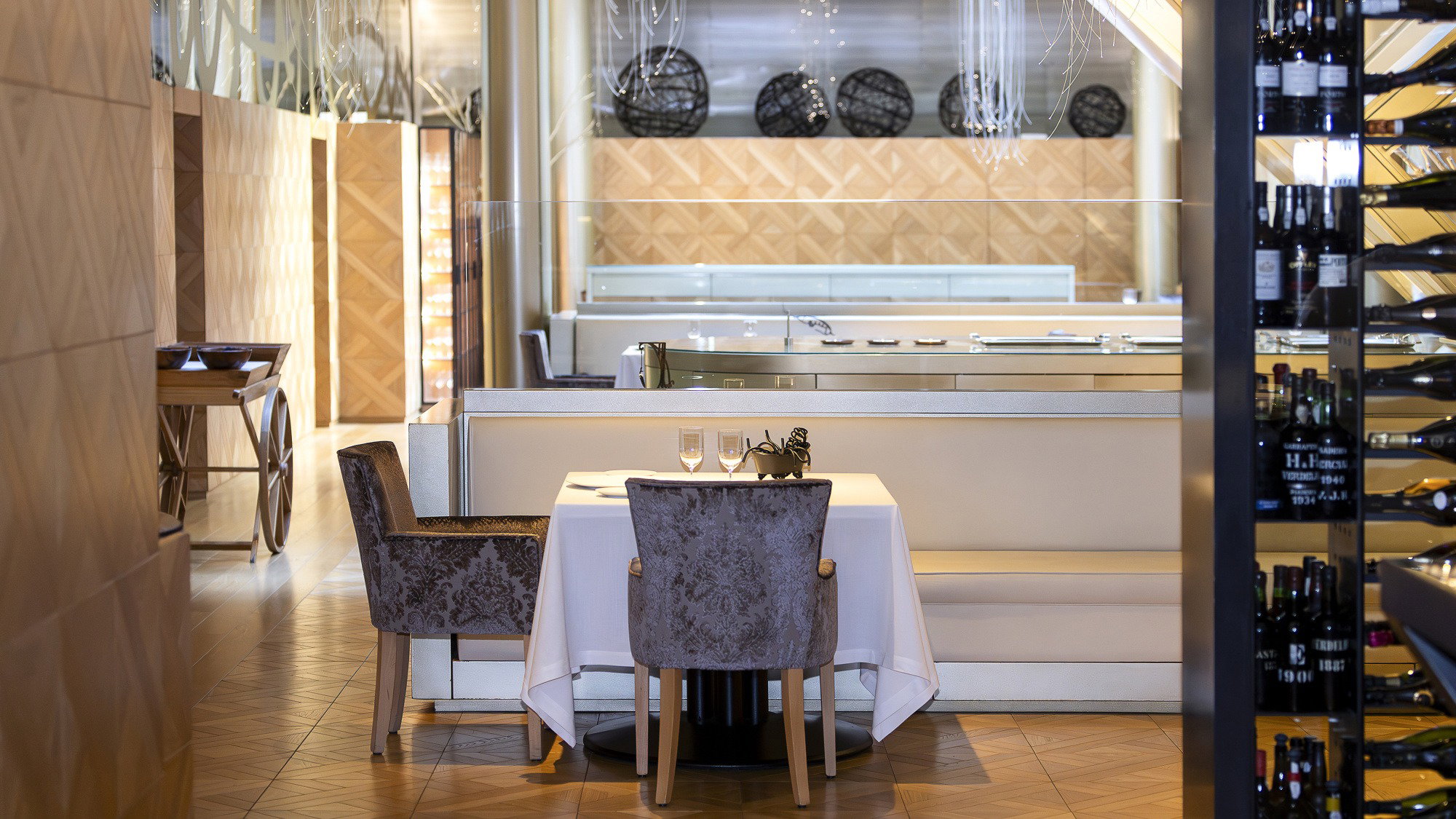
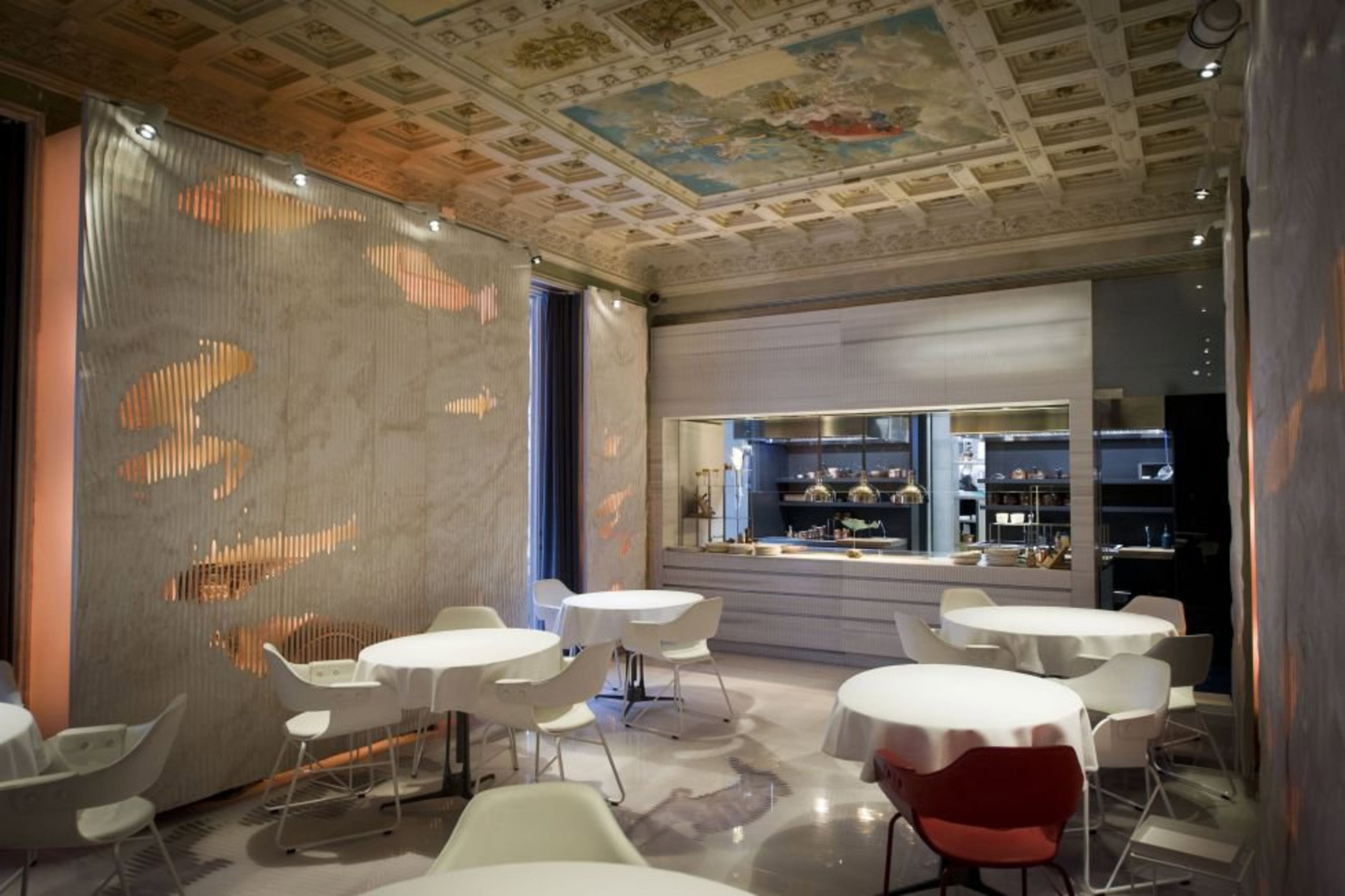
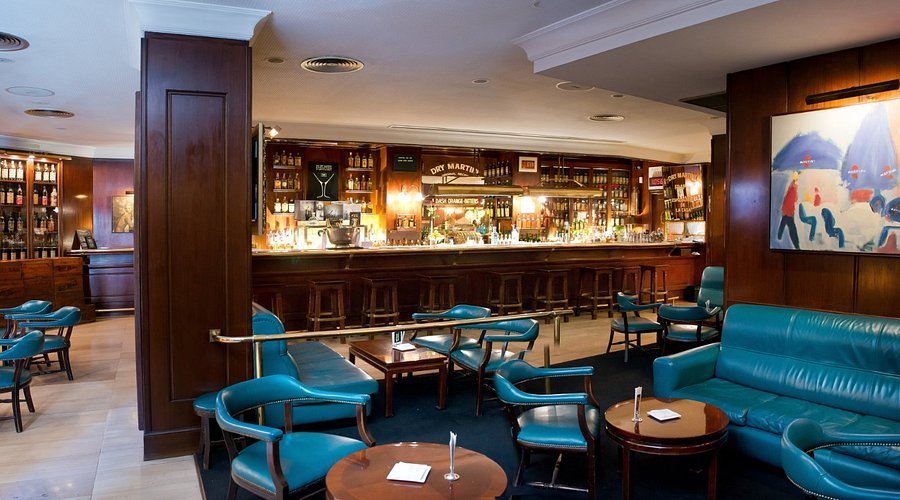
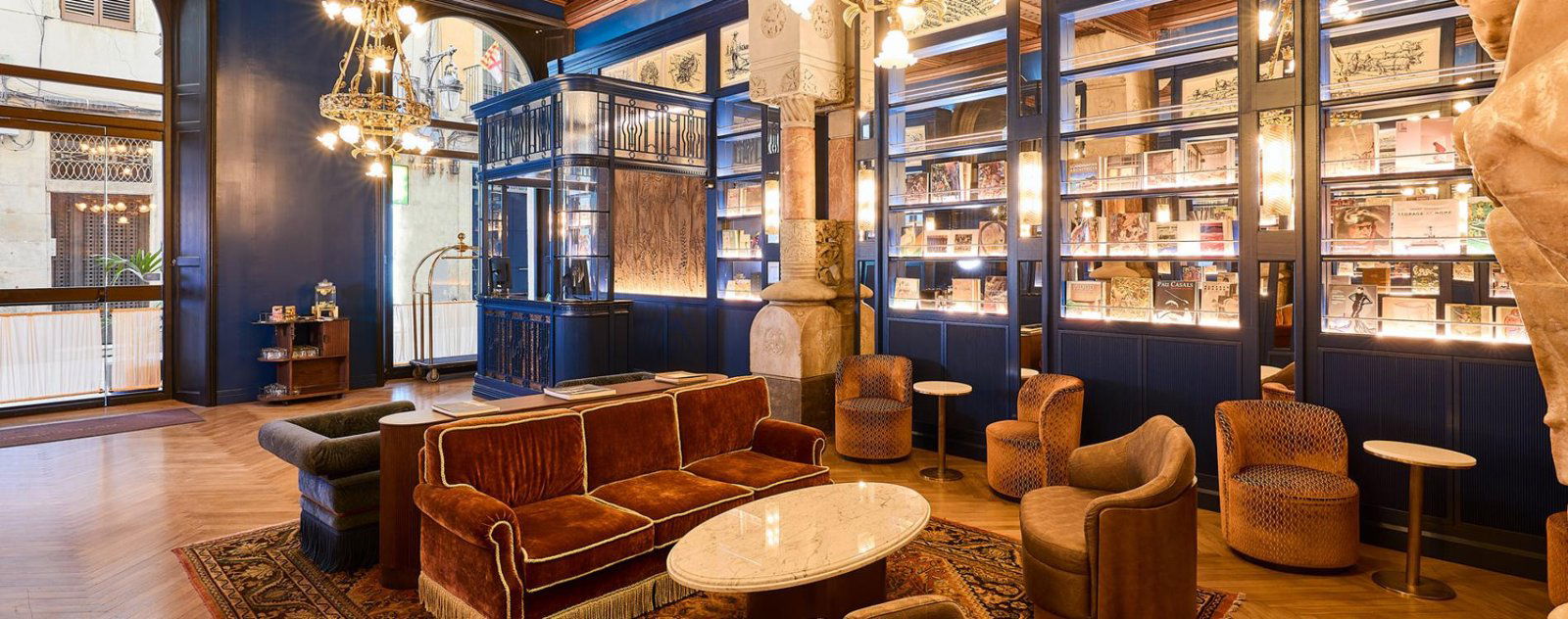
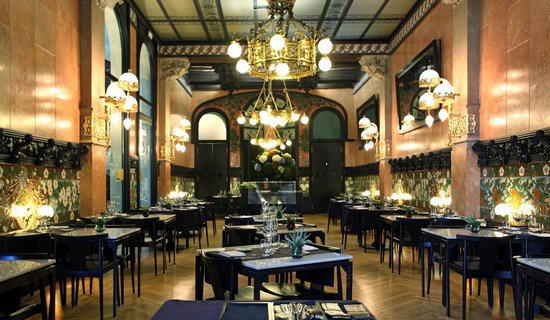
Hotel España foregrounds Barcelona’s Modernisme as lived architecture: the building itself and its original 1903 interiors by Lluís Domènech i Montaner form the stay’s principal attraction. The public rooms retain carved stone, tile work and decorative ironwork that read as the hotel’s structural fabric rather than as decorative accretions. The neighbourhood around Carrer de Sant Pau feels layered and local — sometimes quieter, sometimes noisier — and the hotel’s presence on the street frames visits as an architectural experience grounded in a distinct, historic urban context.
Best For
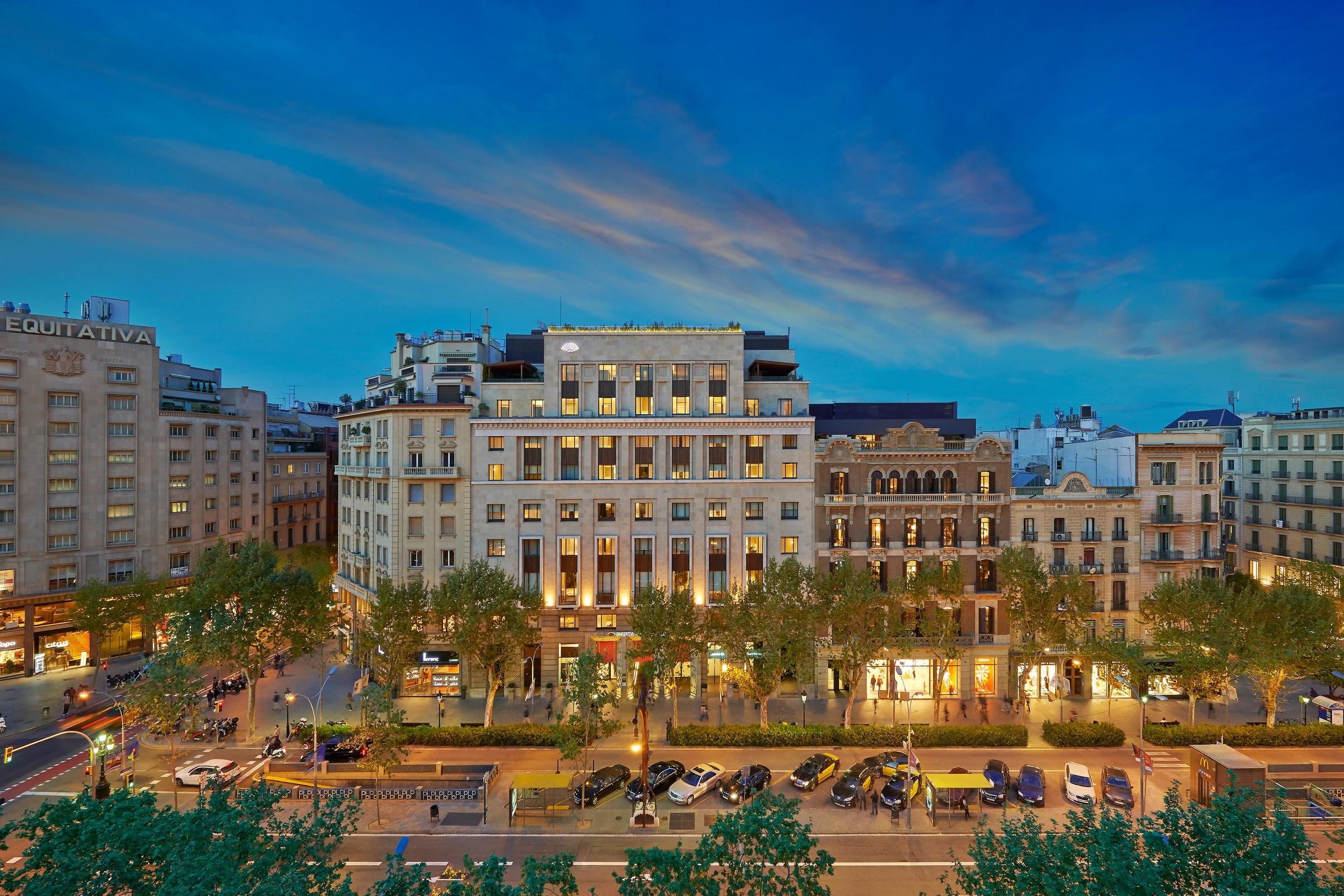
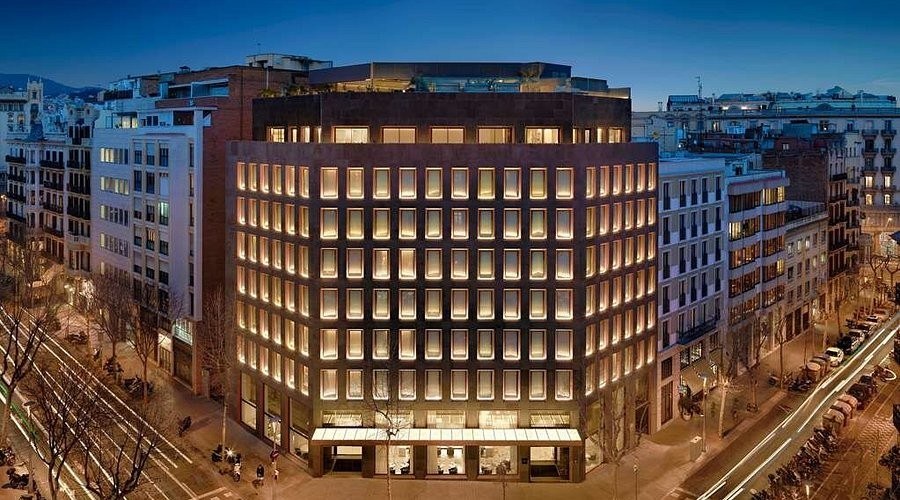
This hotel is best for travelers who prioritize architecture and neighbourhood authenticity. It suits guests looking for a compact, culturally minded base near the Liceu and Palau Güell rather than a glassy, modern flagship on Passeig de Gràcia. Weekend escapes and romantic stays work well here: the intact Modernista public rooms deliver atmosphere and history, and the location rewards short stays centered on strolling the dense, layered streets of El Raval and the adjoining Gothic Quarter.
Stay Tips
Arrive on foot from the Liceu metro and let the walk past Palau Güell frame your arrival—the description highlights this approach as part of the experience. Be aware that the surrounding streets are described as 'quieter in some blocks, noisier in others,' so factor street noise into your plans when choosing arrival times and excursions. If your interest is architectural, plan time to enjoy the hotel's original dining rooms and public spaces, which are presented as central to the visit.
Venue details
Ambiance
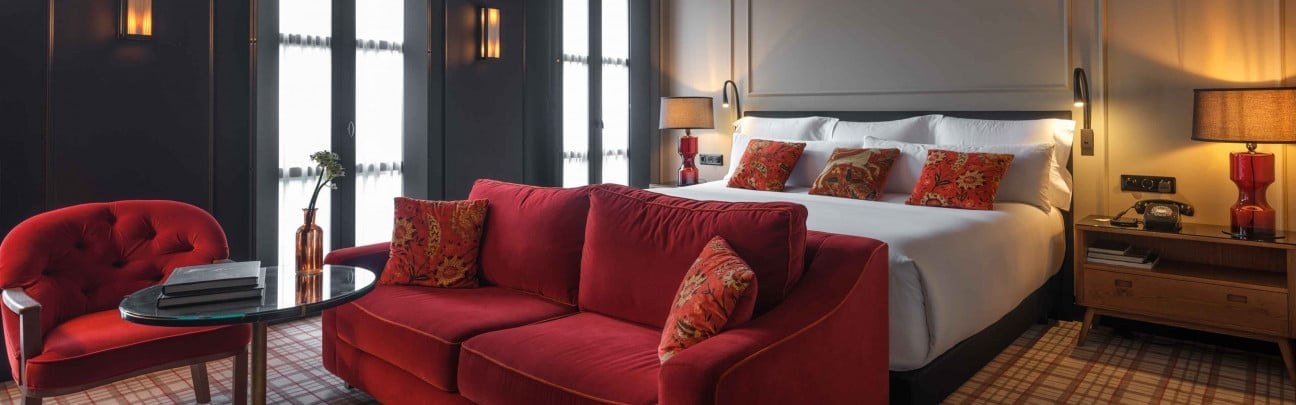
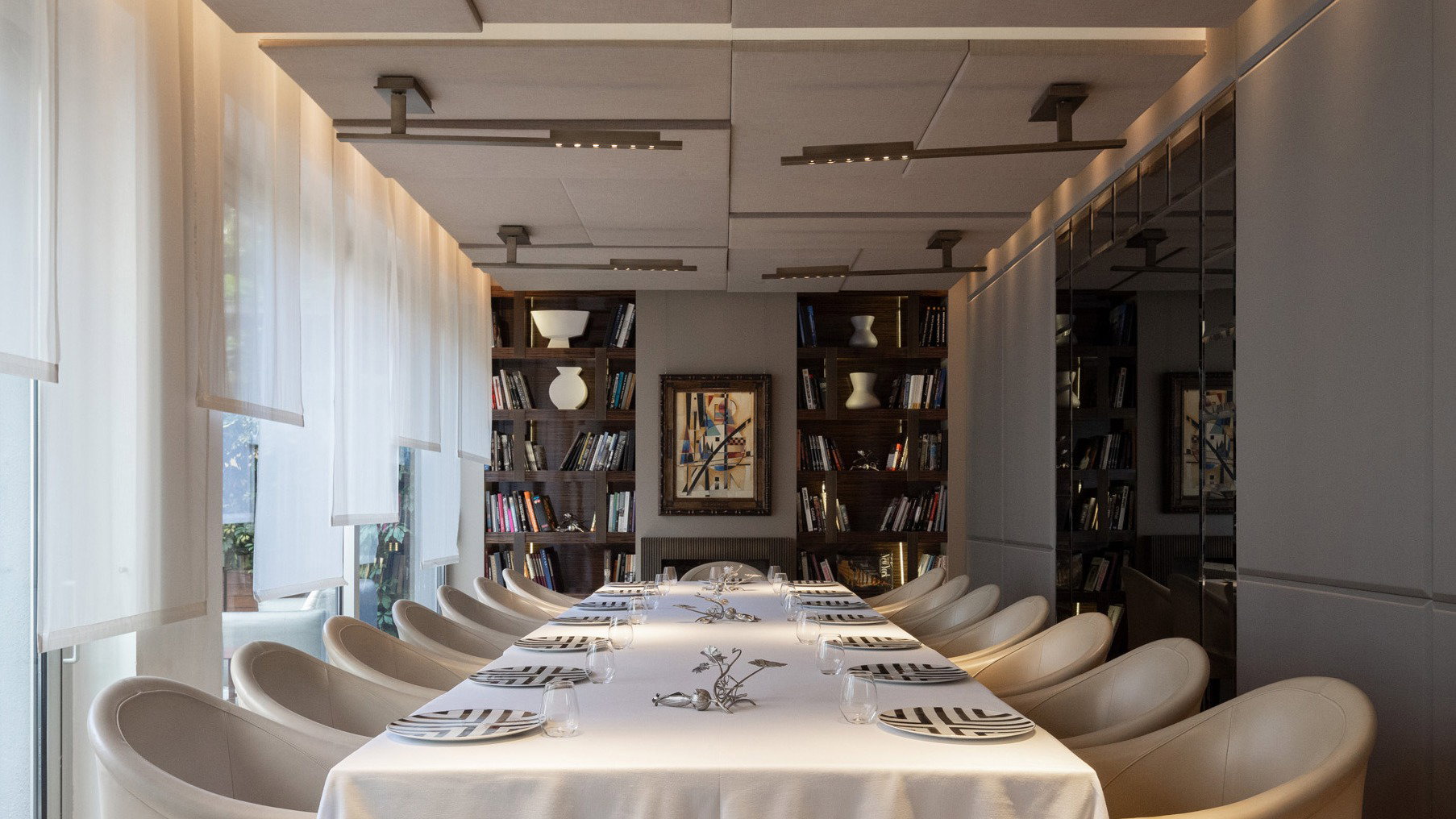
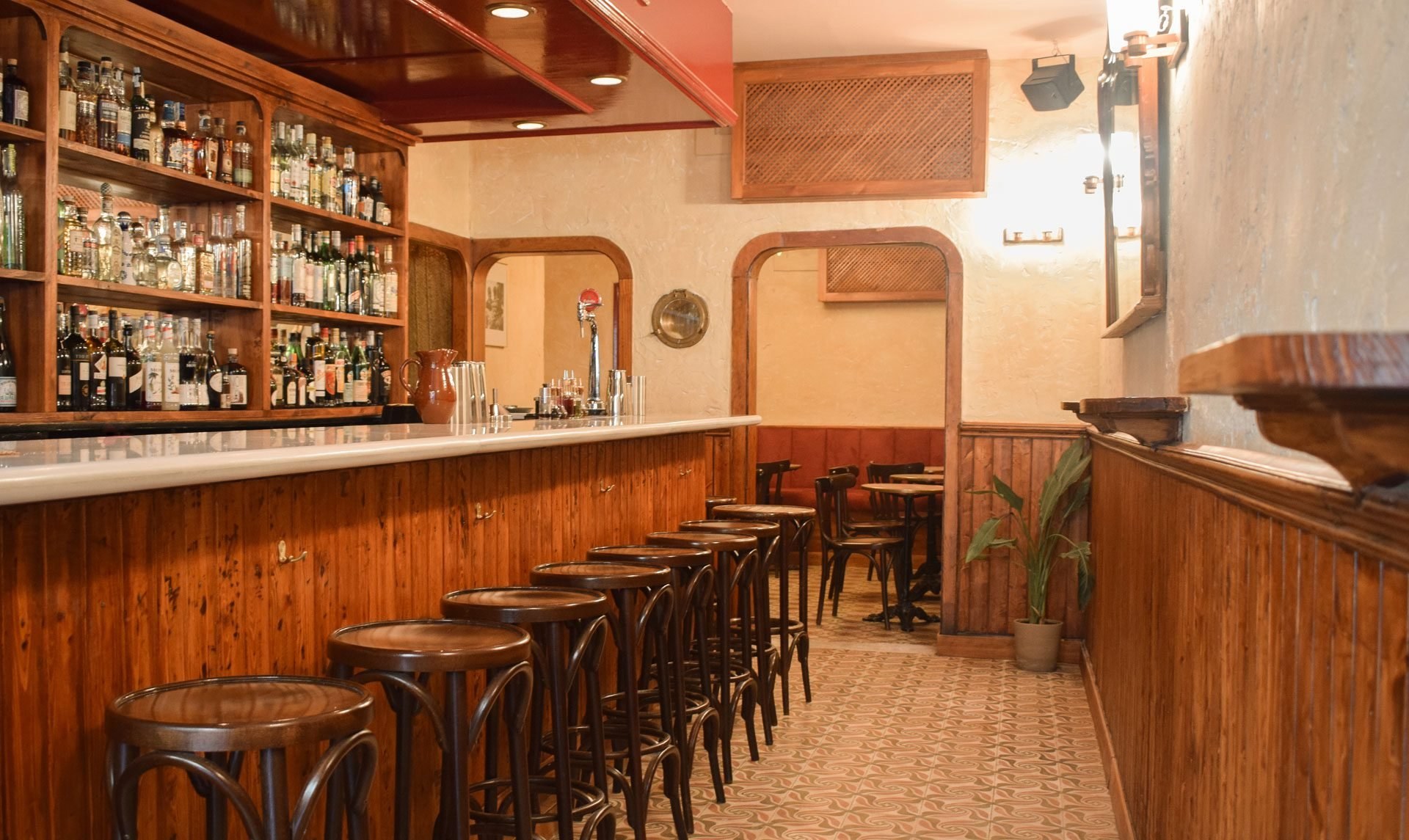
Serene fusion of historic Art Nouveau and contemporary design with soundproofed rooms, though some note dim lighting.
Tags
Vibe
Best For
Experience
Amenities
View
Accessibility
About the Stay
- Rooms
- 83
- Check-in
- 15:00
- Check-out
- 11:00
- Property Style
- Historic Modernist Property Blending Art Nouveau Heritage with Modern Comforts.
- Design Style
- Art Nouveau with Contemporary Elegance, Organic Shapes, and Rich Velvets.
Know before you go
Know Before You Go
- Getting there
- Carrer de Sant Pau, 9-11, Ciutat Vella, 08001 Barcelona
Planning details
Location
Carrer de Sant Pau, 9-11, Ciutat Vella, 08001 Barcelona · Directions
Recognition and awards
Also consider
Where to look if this is not the right fit
If Hotel España is full or the rate does not make sense, check Hotel 1898 for a larger central hotel experience and Arai Aparthotel Barcelona for more space on a family or longer stay. For a quieter boutique mood, Hotel Neri is the cleaner alternative.
Hotel context
How Hotel España compares in Barcelona
Hotel España is the practical middle option among these Barcelona peers: central, atmospheric, and easier to book than the smaller boutique-feeling choices. Hotel Neri is the better fit for travelers who want a more intimate old-city stay, while Hotel 1898 is the stronger cross-shop for guests who want a larger classic hotel setup in a similarly central area.
Arai Aparthotel Barcelona is the smarter pick for families or longer stays where extra room flexibility matters. abba Rambla Hotel is the value-minded alternative if price is driving the decision more than atmosphere. Hotel Bagués should be checked by travelers who want a more polished boutique feel near the same central orbit.
The decision is simple: choose Hotel España when the priority is an easy central booking with character; choose Hotel Neri for boutique quiet, Arai for space, abba Rambla for value, and Hotel 1898 for a broader hotel experience.
Around this place
Discover more on Pearl
Unlock the full Hotel España guide in Pearl, including awards, comparisons, FAQs, planning details, and nearby places.
Compare Hotel España
| Venue | Location | Awards |
|---|---|---|
| Hotel España | Barcelona | Preferred Hotels Member 2025 |
| Hotel Bagués | Barcelona | 2025 Michelin Selected HotelsSmall Luxury Hotels Member 2025 |
| abba Rambla Hotel | Barcelona | No published awards |
| Arai Aparthotel Barcelona | Barcelona | No published awards |
| Hotel Neri | Barcelona | 2026 Michelin Guide New Hotels2026 Mr & Mrs Smith Luxury Hotels2026 Relais Chateaux Hotels2025 Michelin Selected Hotels2025 Relais Chateaux Award |
| Hotel 1898 | Barcelona | 2025 Michelin Selected Hotels |



How Hotel España Barcelona compares with similar nearby venues.
FAQ
Frequently Asked Questions
Which room category is best at Hotel España?
A best room category at Hotel España is not identified. Choose based on current room descriptions, rates, and availability from the hotel or booking source. If you are comparing with Hotel Neri or Hotel 1898, confirm the practical differences directly before booking.
How is the location of Hotel España?
Hotel España is in Barcelona. A more specific street address, neighborhood, or landmark-based description is not available, so confirm the exact location directly when planning your stay. Compared with abba Rambla Hotel, use current maps and hotel information rather than assuming a location advantage.