


Grand Hotel Central
Sant Pere, Santa Caterina i la Ribera, Barcelona
Hotel in Barcelona, Spain
 Book with Pearl
The Read
Historic-Core Urban Base
Why go
Grand Hotel Central is worth shortlisting for first-time Barcelona trips, especially families who want Ciutat Vella convenience and an easy booking path. The appeal is central access plus recognized hotel credentials, not a resort-style family program. Cross-shop Hotel Neri or Mercer Hotel Barcelona for a more intimate historic mood, and The Barcelona EDITION for a sharper contemporary scene.
About Grand Hotel Central
Grand Hotel Central is a Barcelona hotel. The dress code is smart casual, and the hotel has several hotel-industry recognitions, including Small Luxury Hotels of the World Member for 2025, Virtuoso Luxury Hotel Partner for 2026, Mr & Mrs Smith Seal of Approval for 2026, and MICHELIN Guide, Hotels Selected for 2025.
Details about room categories, facilities, dining, service style, pricing, family programming, or a street address should be checked directly before booking. Grand Hotel Central is a vetted Barcelona hotel option, but guests should not assume any particular resort-style amenities, restaurant focus, or neighborhood-specific experience.
A Barcelona base with hotel credentials
For travelers considering Grand Hotel Central, it is a Barcelona hotel with recognized luxury-travel credentials. Specific claims about nearby landmarks, districts, transit convenience, family services, or on-site facilities should be based on current booking details and the kind of Barcelona stay you want.
The hotel also has luxury-hotel credentials: Small Luxury Hotels of the World membership, Virtuoso partner status, a Mr & Mrs Smith seal, and selection in the MICHELIN Guide hotel coverage. Those recognitions do not replace room-by-room research, but they can help travelers identify Grand Hotel Central as a vetted Barcelona stay. For broader planning, pair this page with Our full Barcelona hotels guide, then use Our full Barcelona restaurants guide and Our full Barcelona bars guide to build the rest of the trip.
Who should choose it, and who should cross-shop
Choose Grand Hotel Central if you want a Barcelona hotel with luxury-recognition signals and a smart casual dress code. Cross-shop carefully if your decision depends on specifics such as restaurant format, wellness facilities, family amenities, room size, price point, or exact location details.
For other hotel comparisons, consider Hotel Neri, Mercer Hotel Barcelona, The Barcelona EDITION, and H10 Madison depending on the style of stay you are weighing. The ROOF may be relevant as another venue to consider for trip planning, while Grand Hotel Central remains the focus if hotel credentials are the priority.
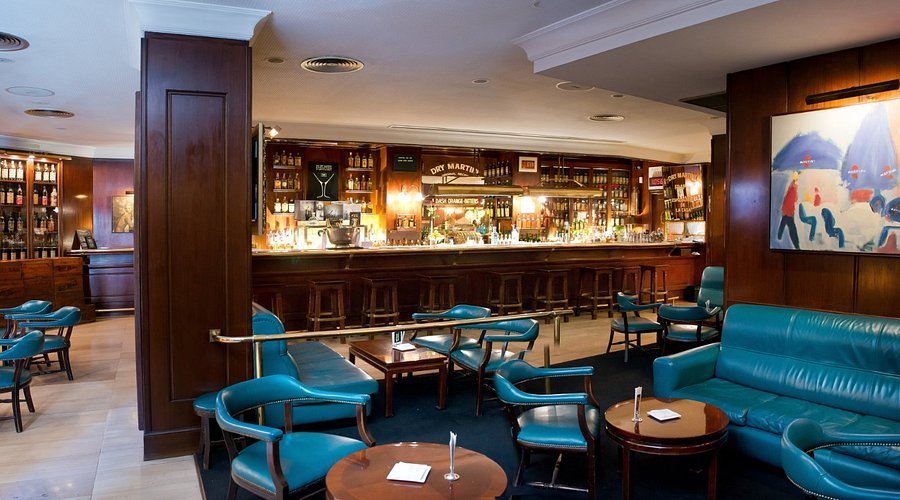
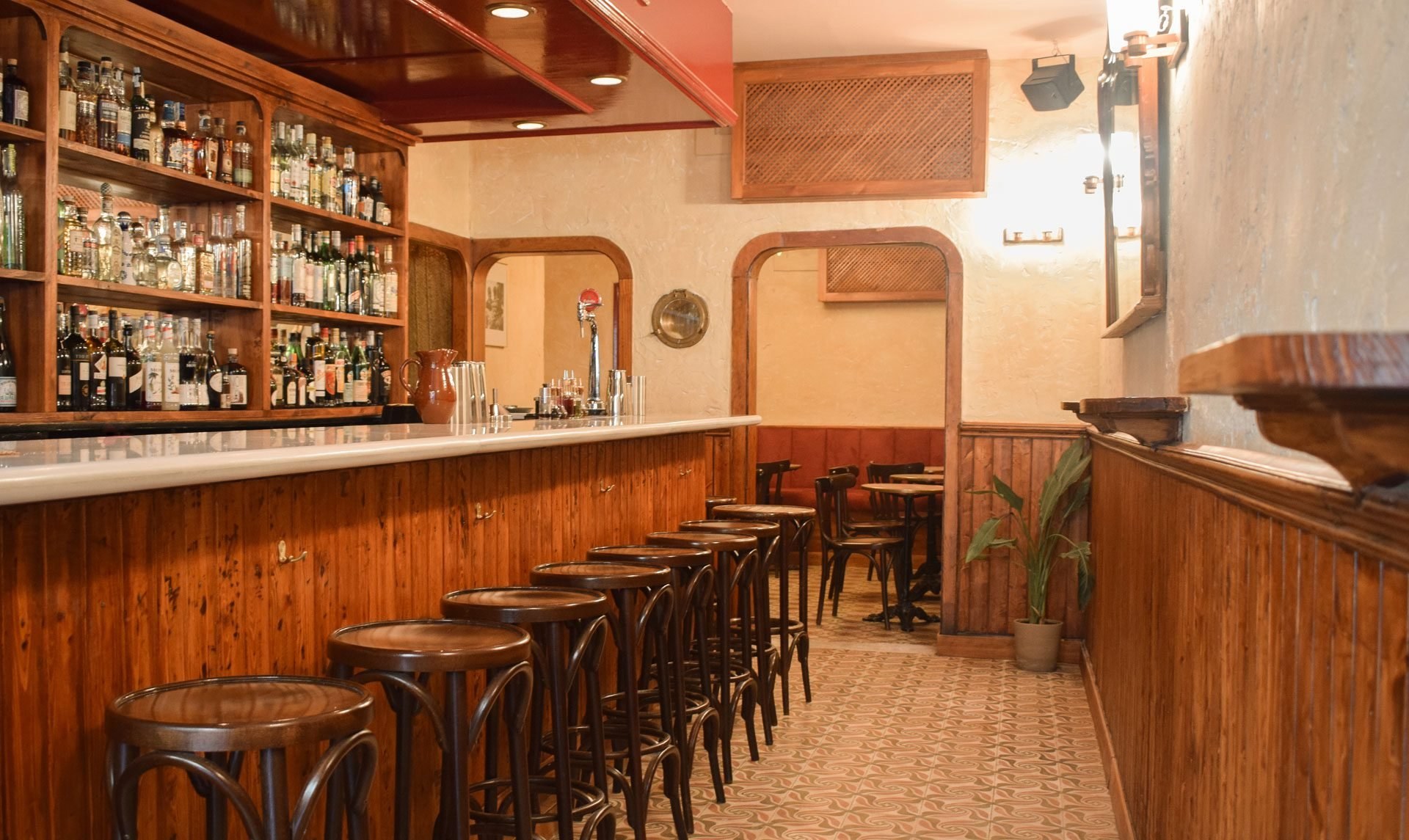
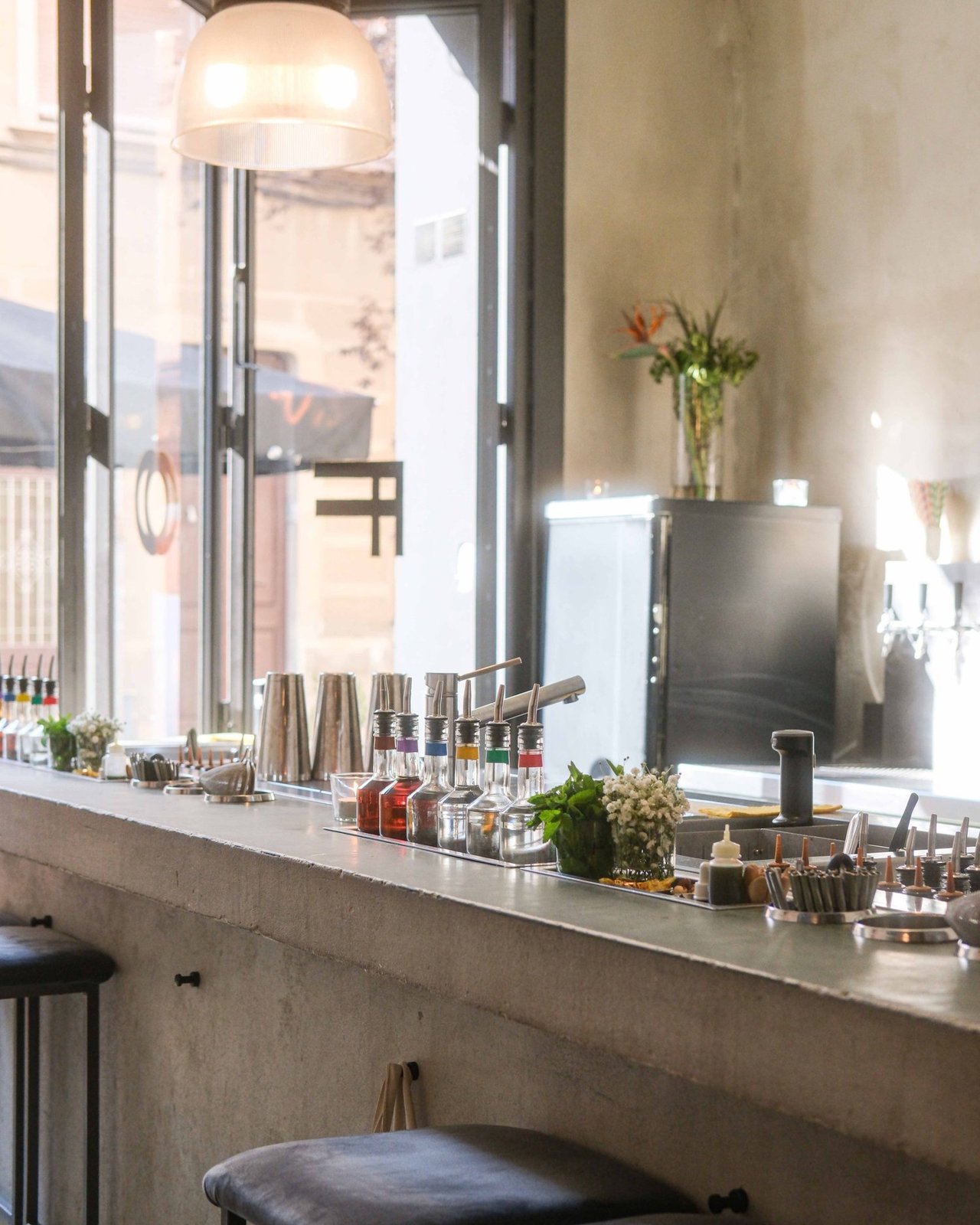
Inside Grand Hotel Central
Planning details
- Location
- Via Laietana, 30, Ciutat Vella, 08003 Barcelona
- Website
- grandhotelcentral.com/en/?medium=organic&campaign=google-my-business
- Phone
- +34 932 95 79 00
The take
The Take
The Vibe
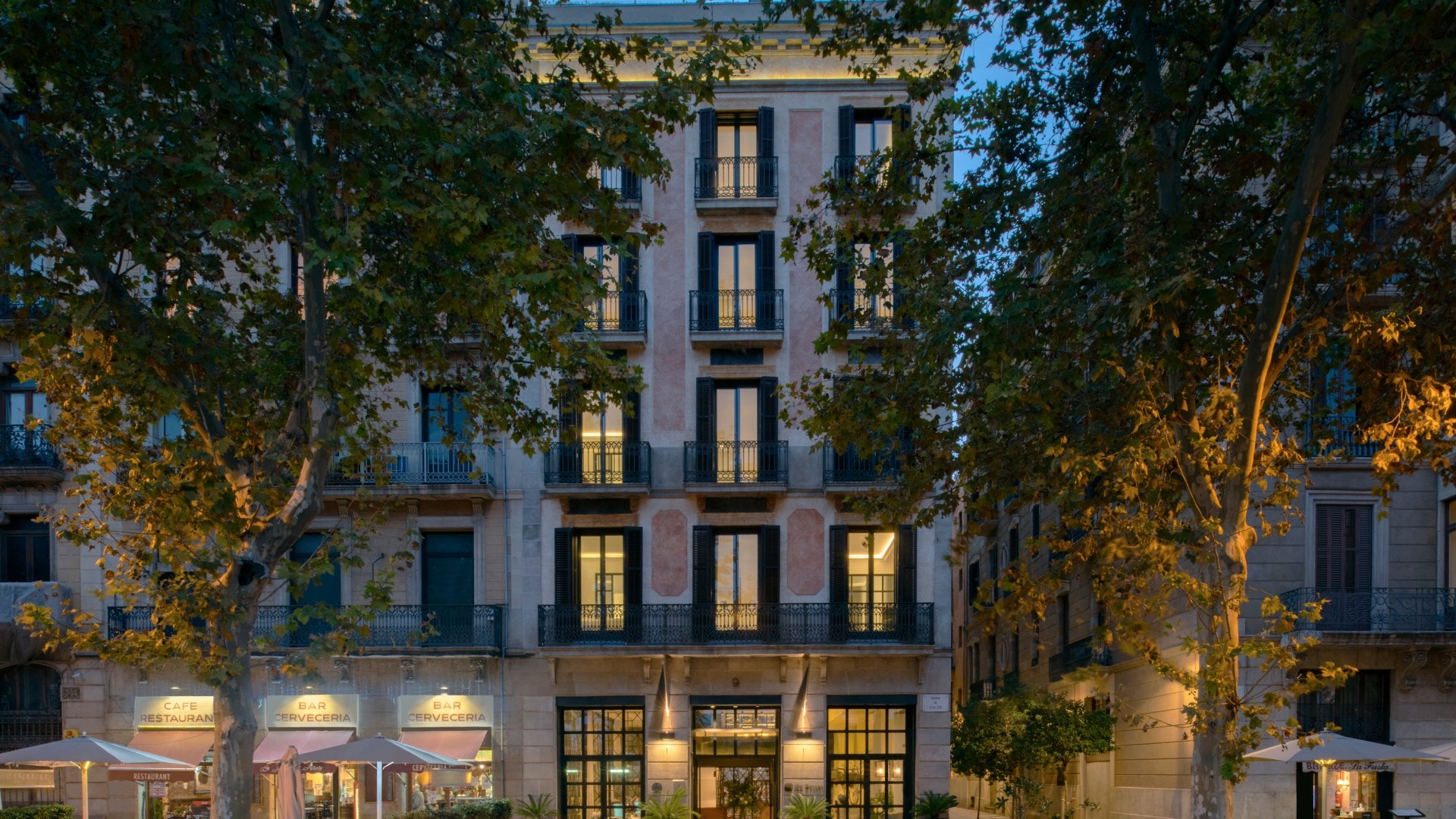
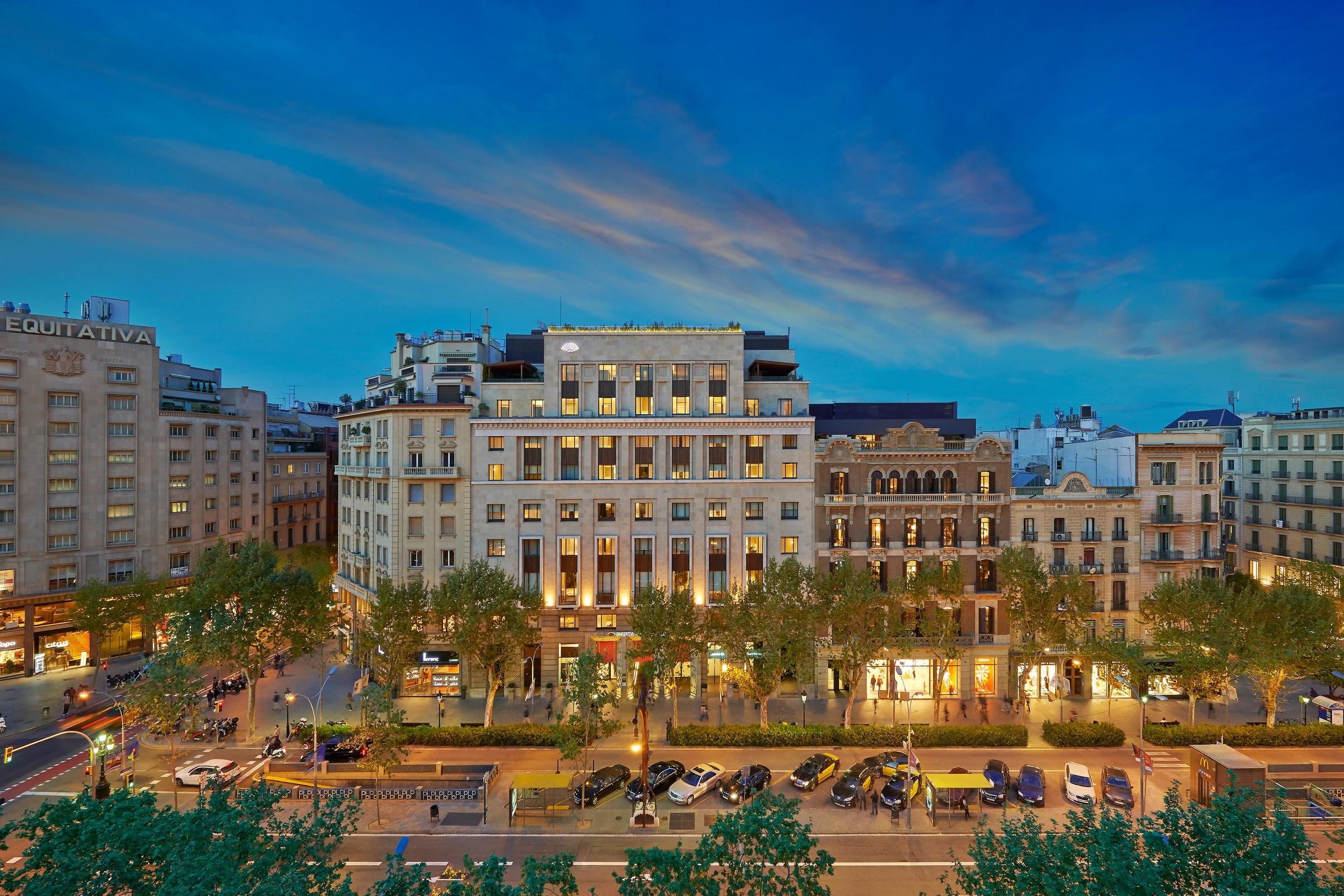
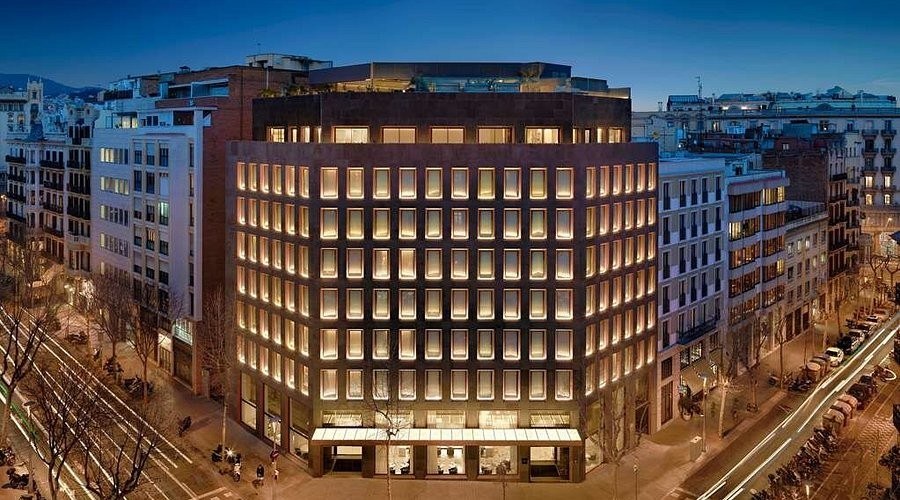
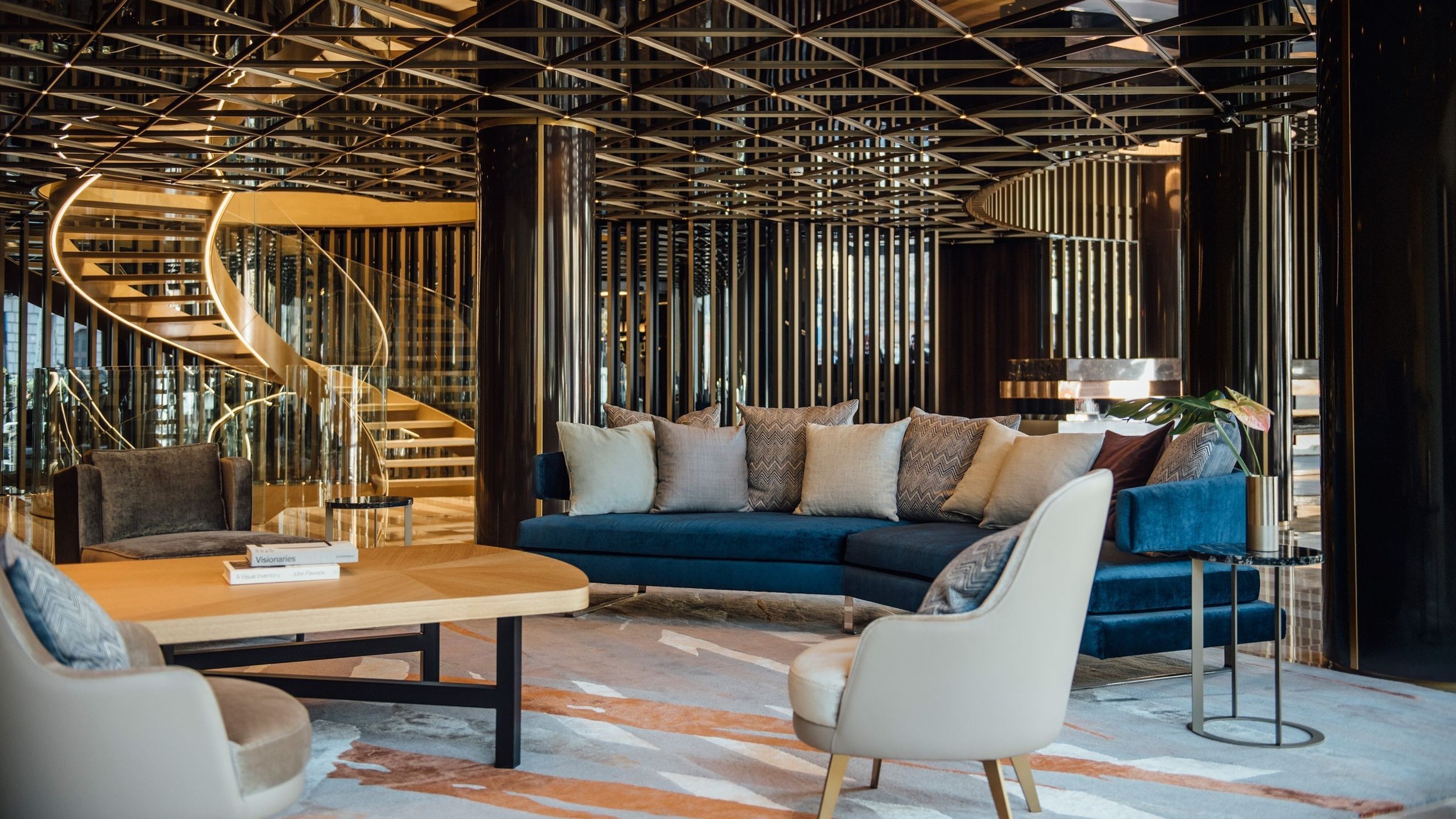
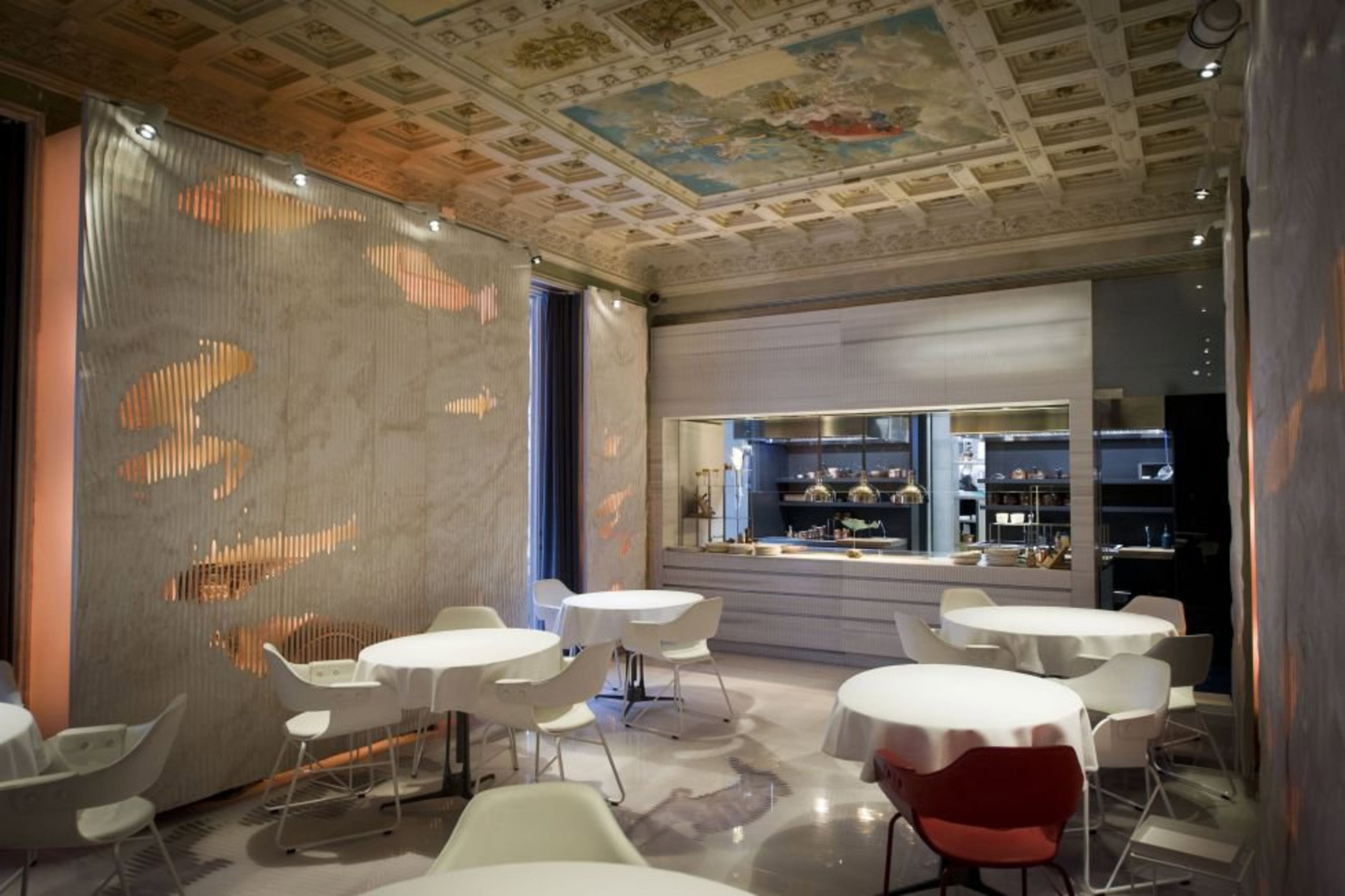
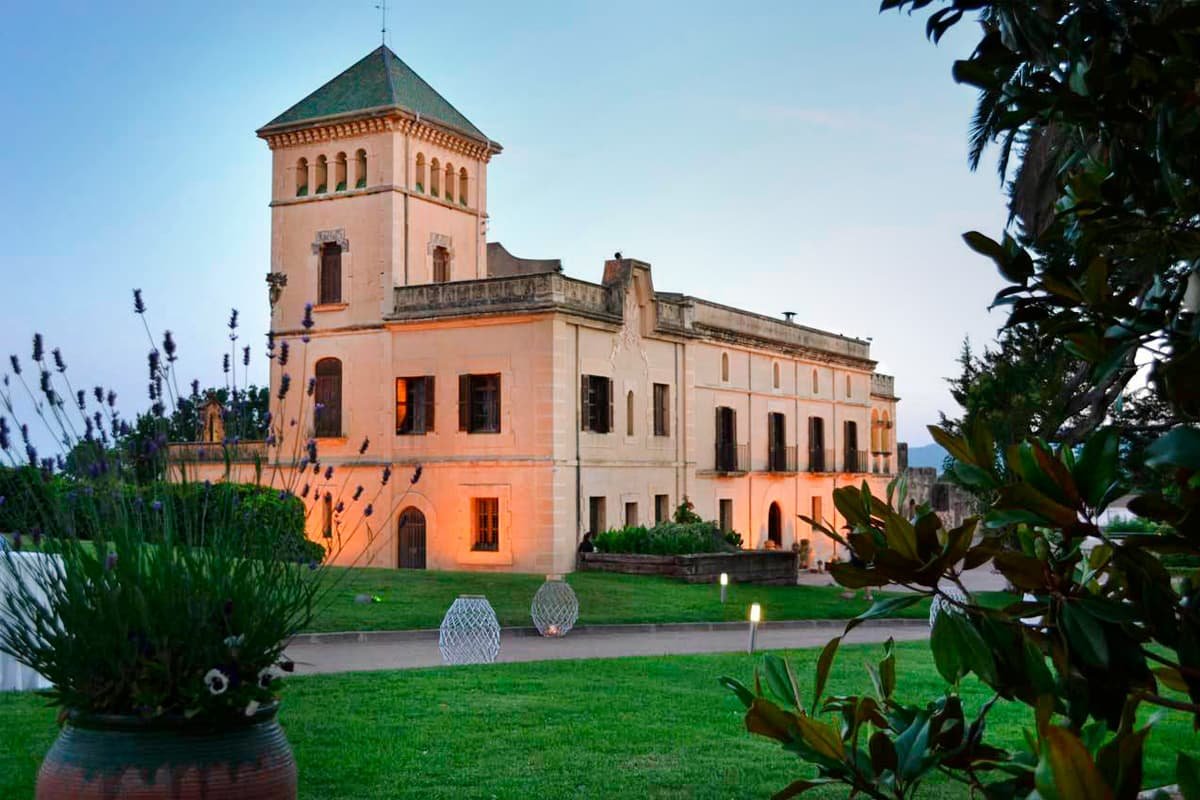
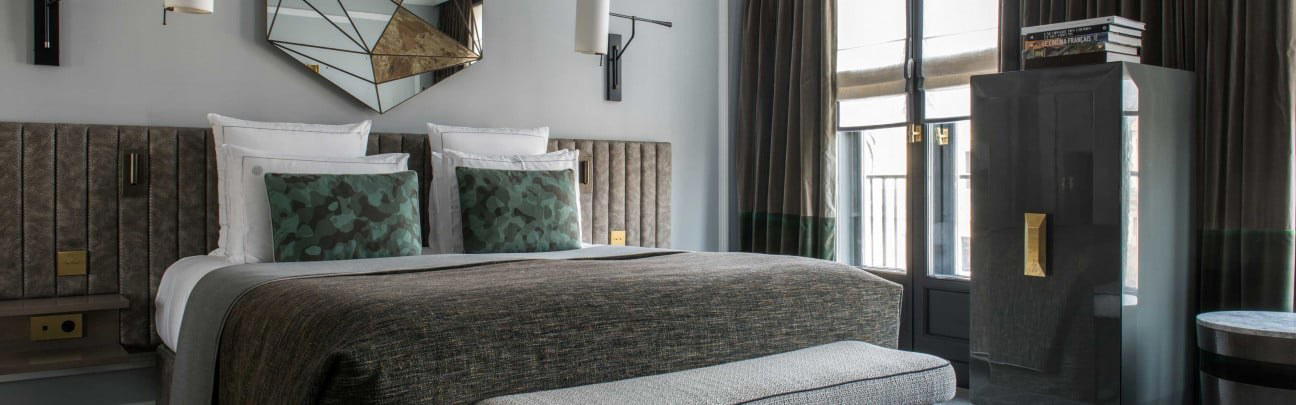
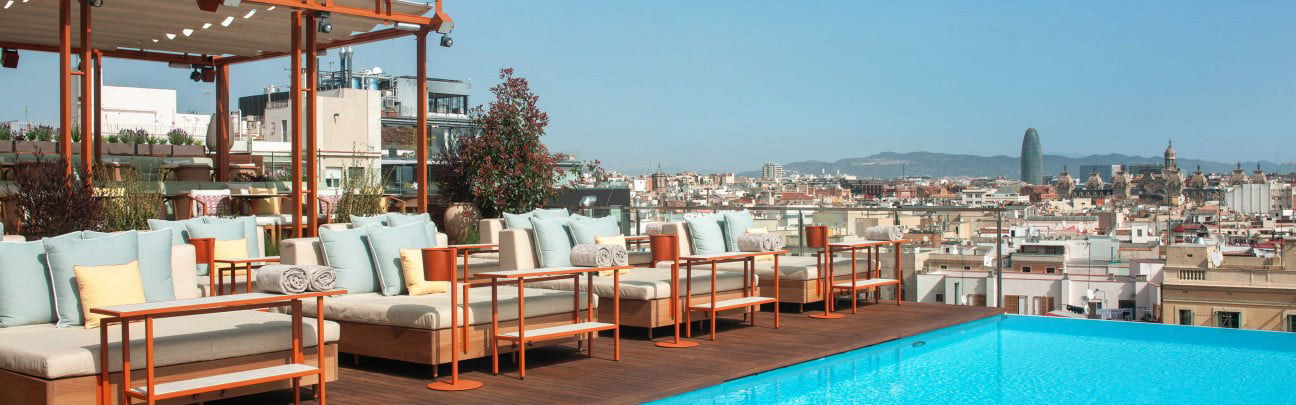
Grand Hotel Central leans into its historical stature and urban location. Housed in an early-twentieth-century building, the property emphasizes accumulated character and a handsomely unostentatious presence on Via Laietana. Rather than insulating guests from Barcelona, the hotel places them inside the city — the Gothic Quarter and El Born press in from either side, and the avenue’s municipal mix of commuters and residents gives the hotel a lived-in, classic feel. The rooftop operates as a central experiential anchor, reinforcing a quietly charming, historically rooted personality that complements the hotel’s modern, elegant interiors without feeling like a branded showcase.
Best For
This hotel suits travelers who prioritize location and character. Couples and small groups looking for a city-centric stay appreciate the easy pedestrian access to Ciutat Vella, while those seeking a memorable overnight — a weekend escape or a special occasion — value the hotel’s membership in Small Luxury Hotels of the World and its quietly distinctive presence. Business travelers who want proximity to central arteries and a hotel that feels like a part of the neighbourhood find the balance of historic context and refined service appealing. The rooftop life makes late afternoons and evenings a highlight of the stay.
Stay Tips
Structure your day around the rooftop experience: plan to arrive in late afternoon and linger into evening when the avenue’s light shifts and the city feels most immediate. Approach the hotel on foot to appreciate the building’s street-level presence and the way it integrates with Via Laietana; the description stresses that the property places you inside the city rather than shielding you from it. Given the hotel’s emphasis on character and location, book a stay that allows time for rooftop sitting — that is presented as the organizing element of the guest experience.
Venue details
Ambiance
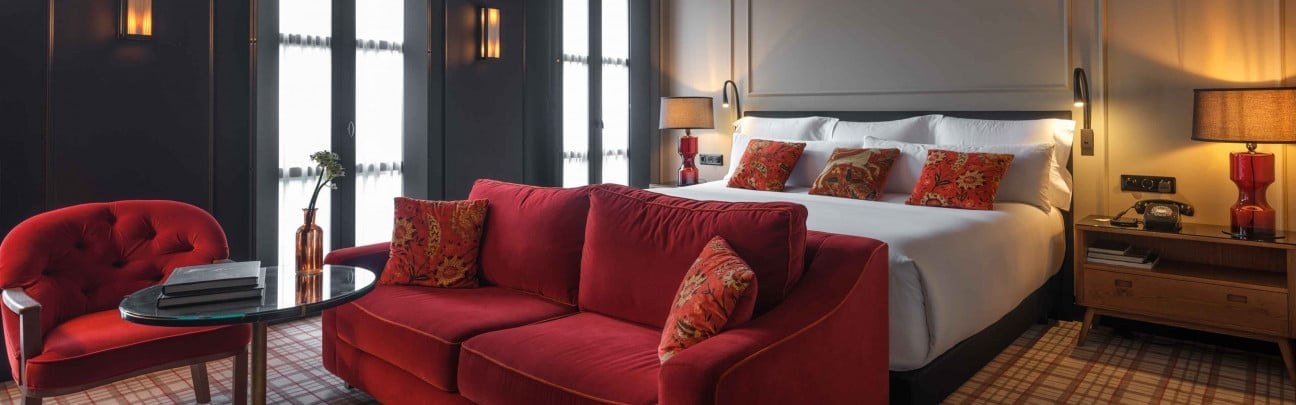
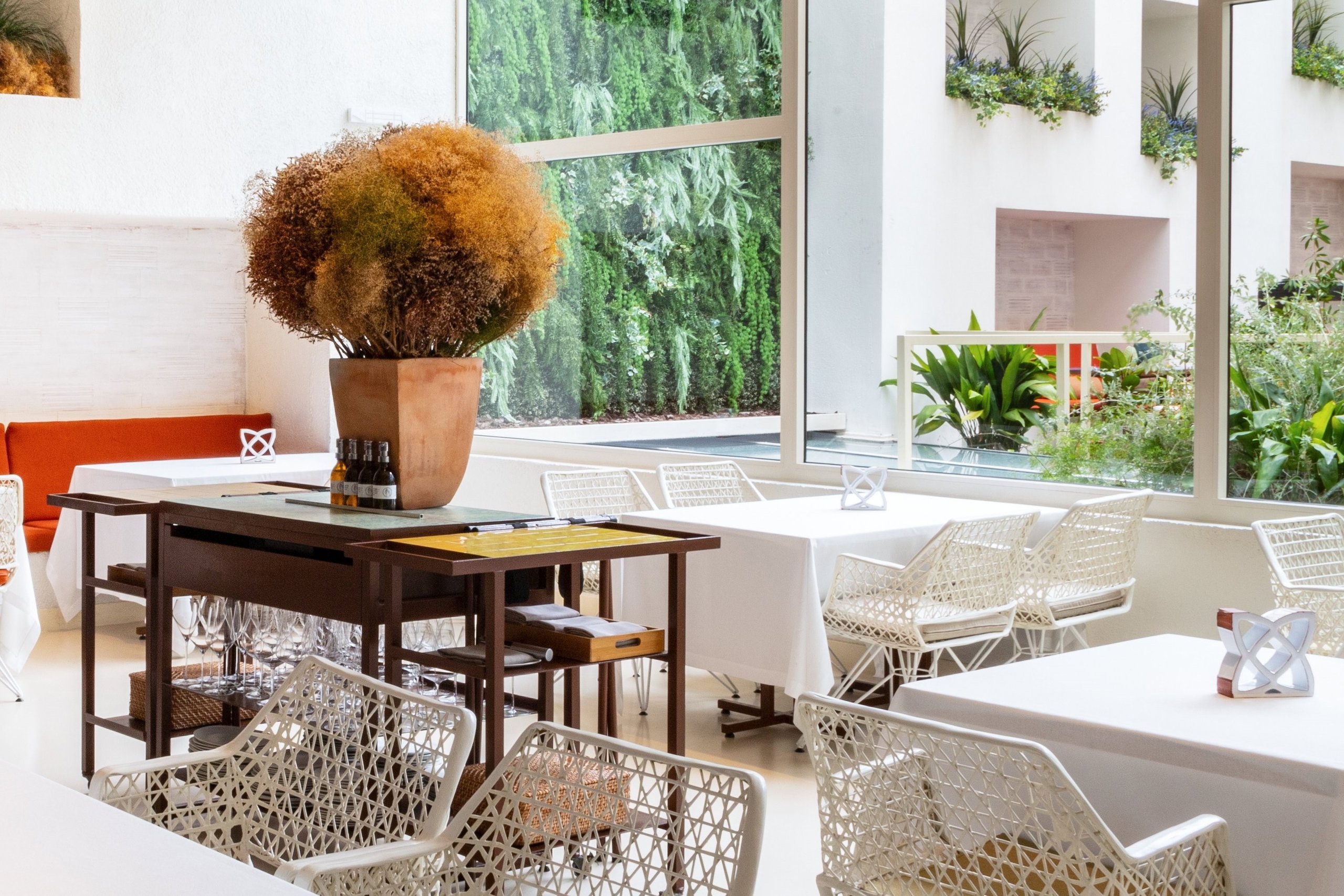
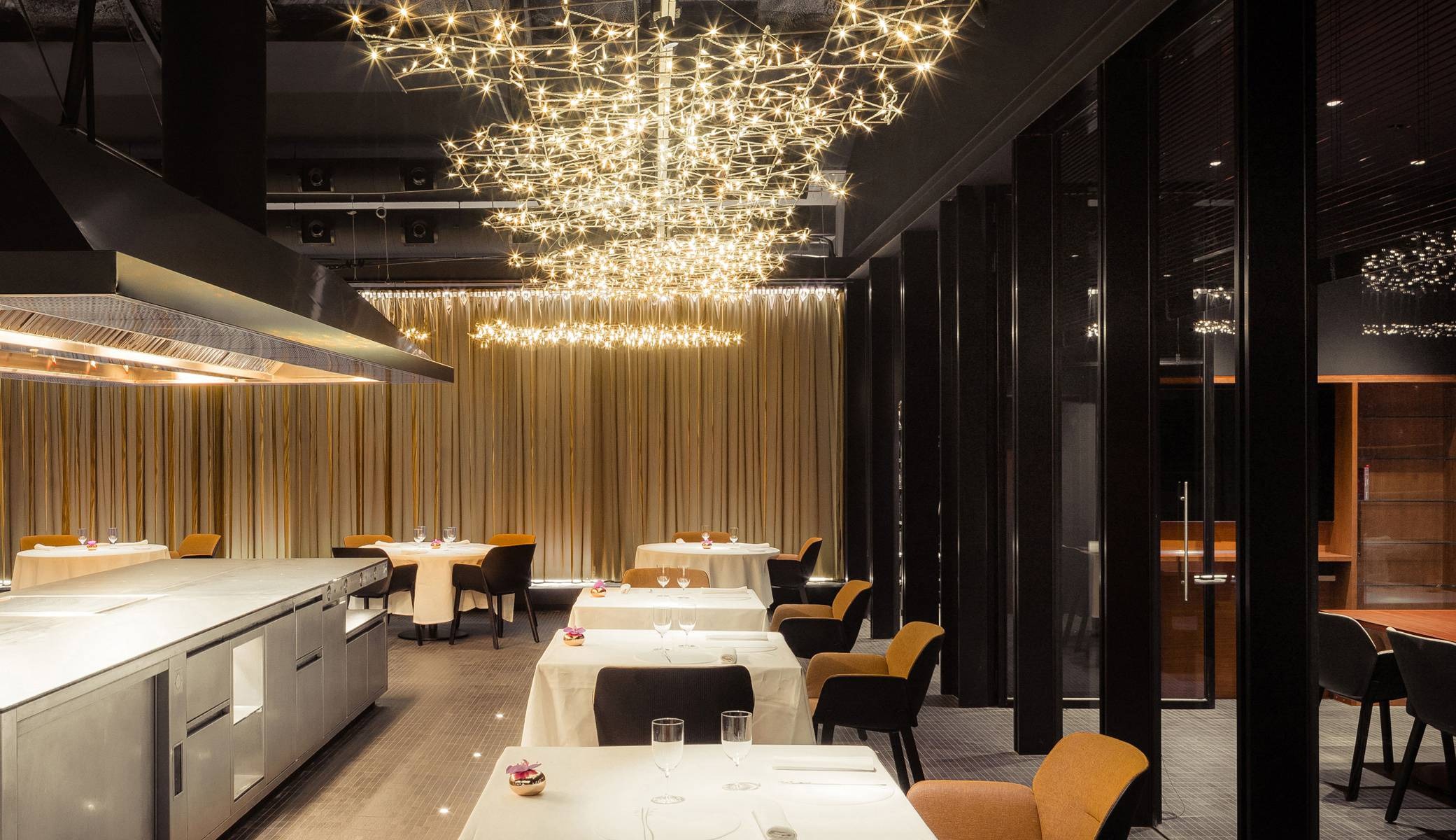
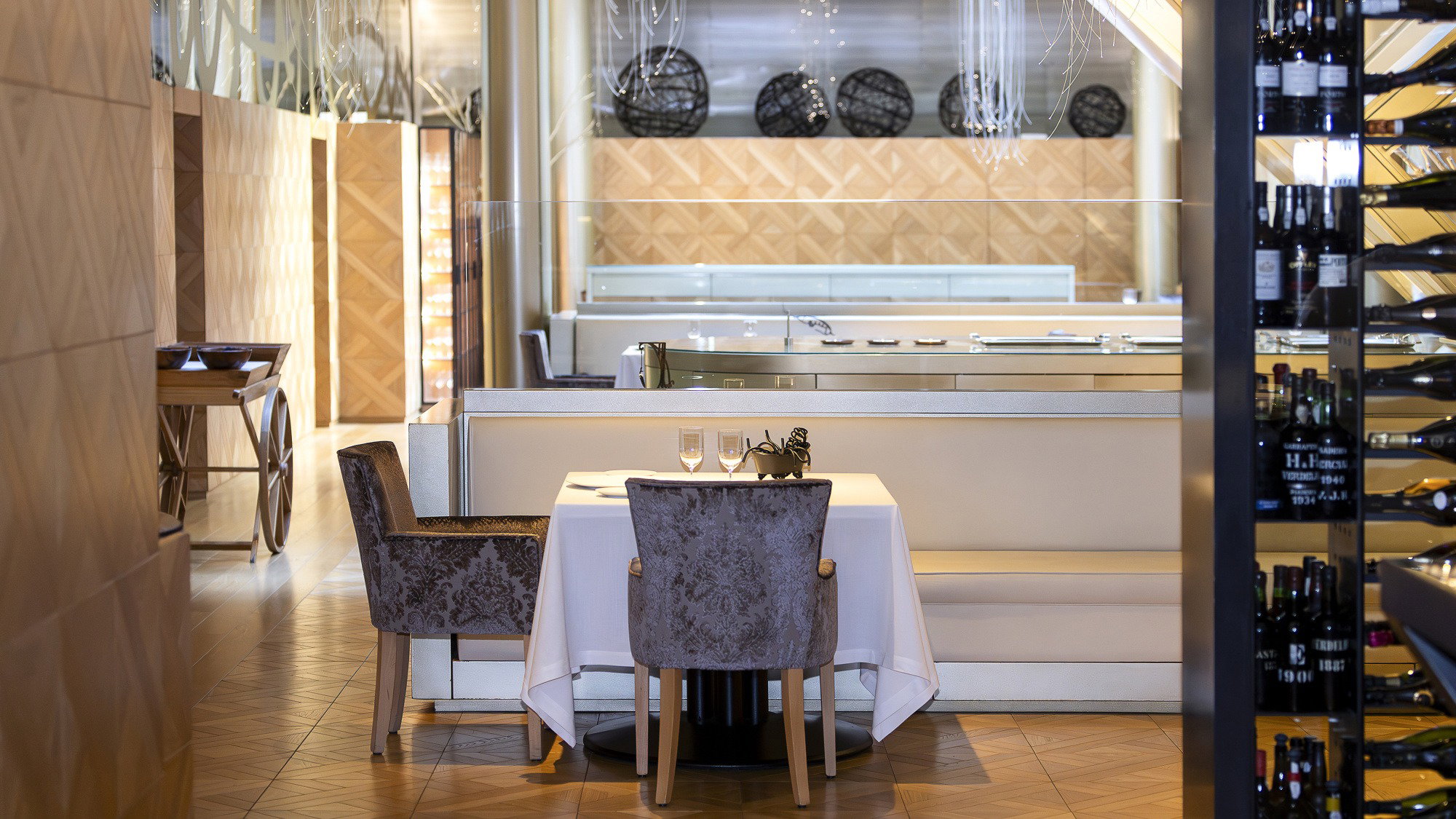
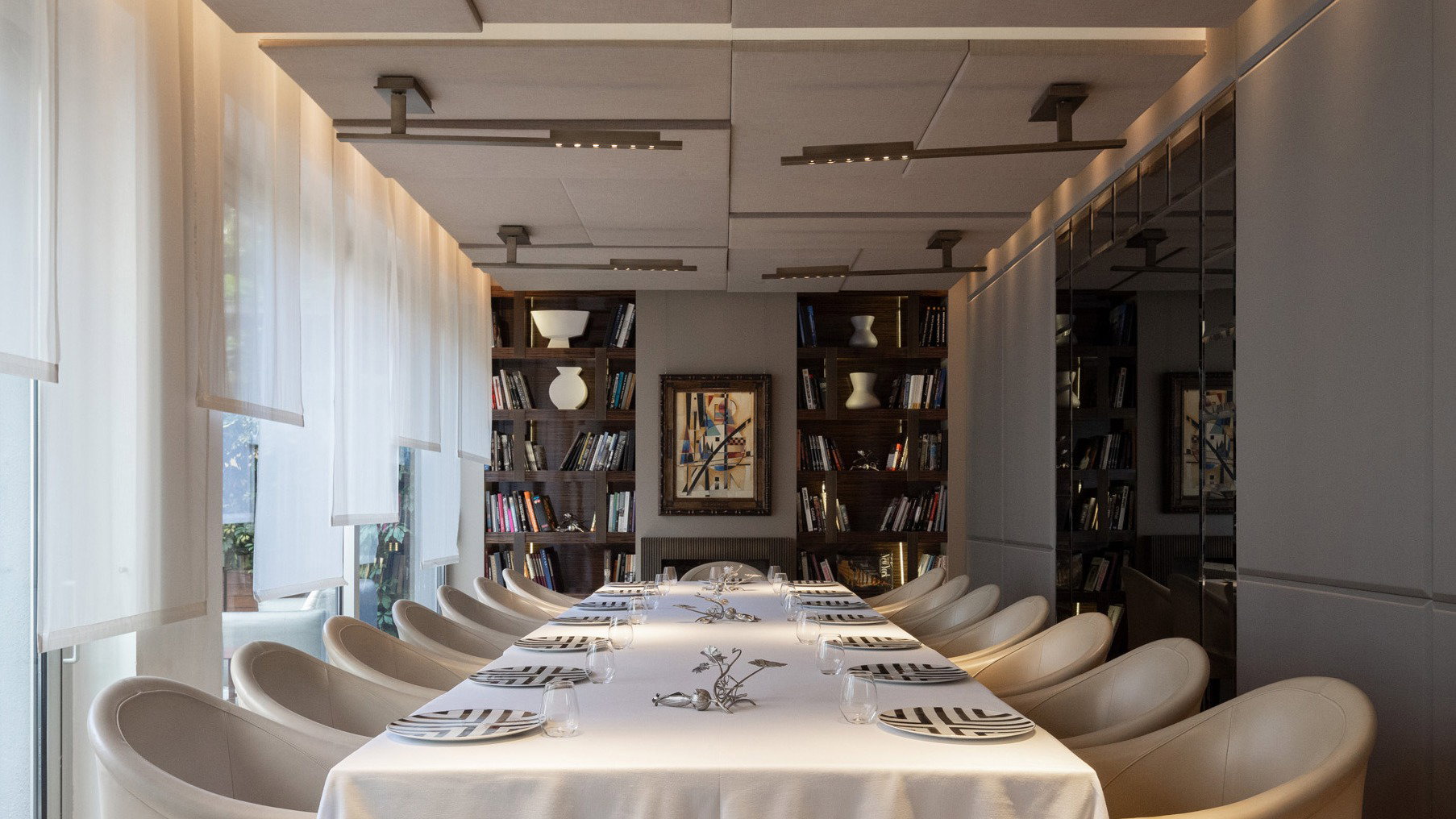
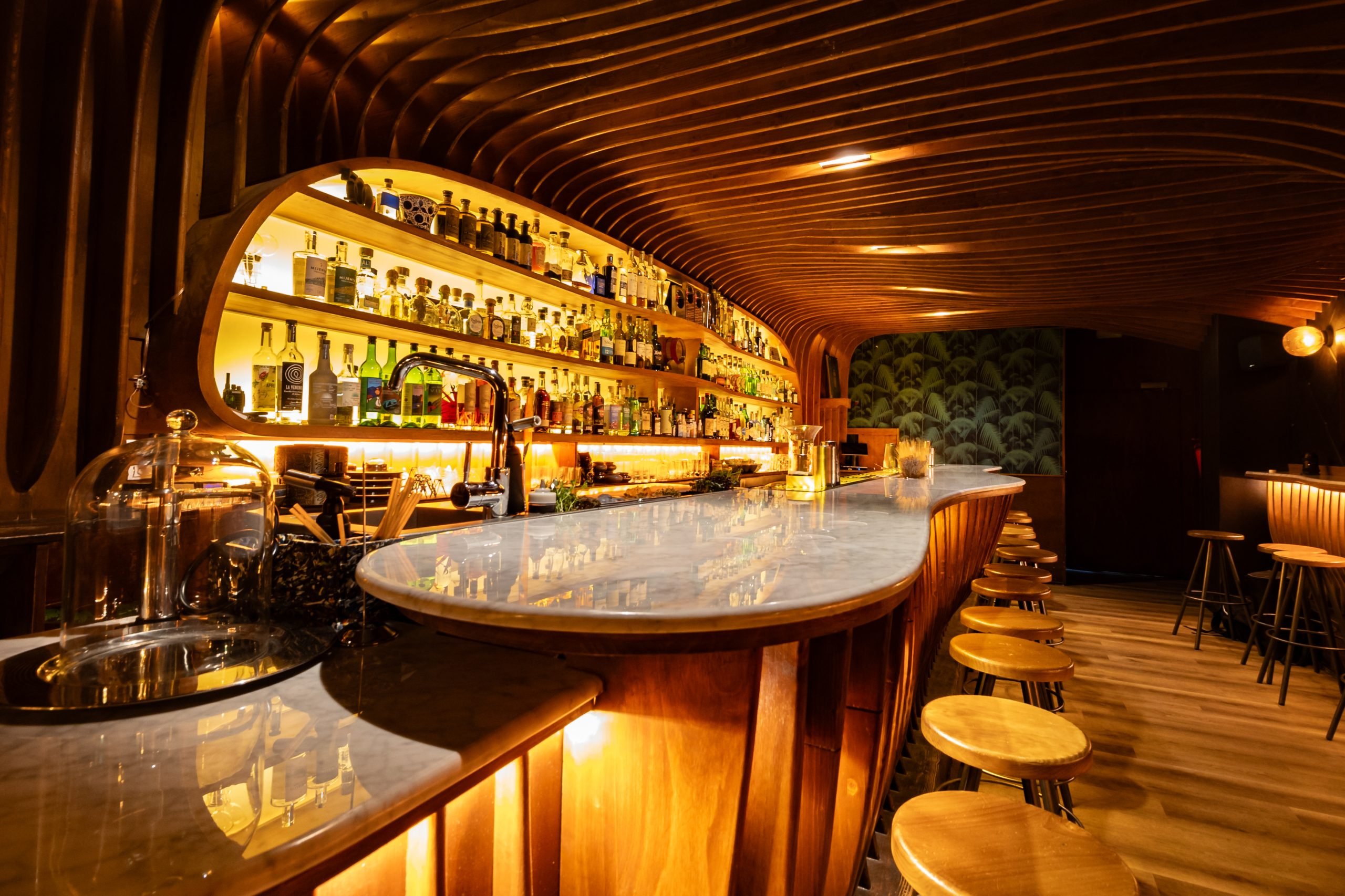
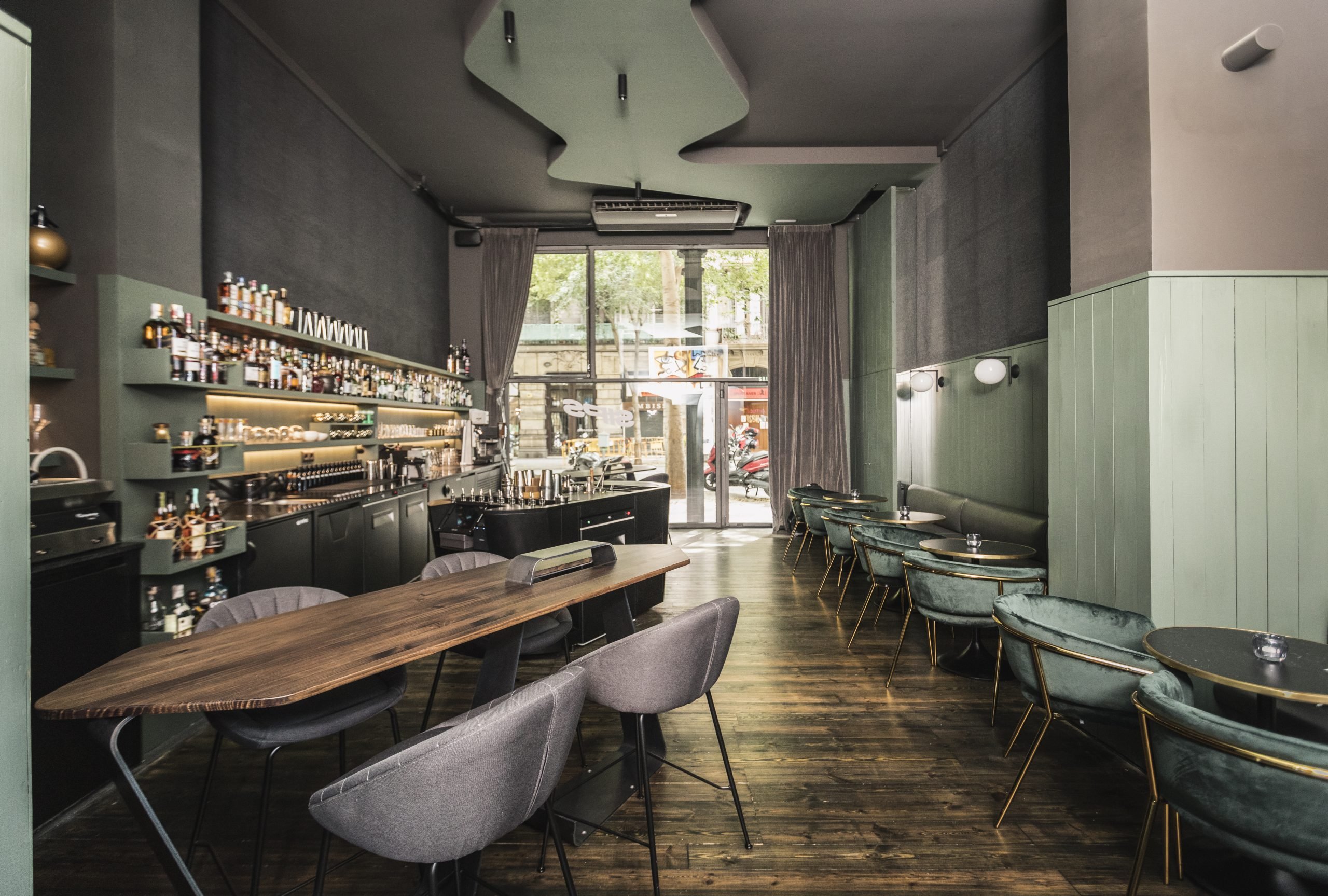
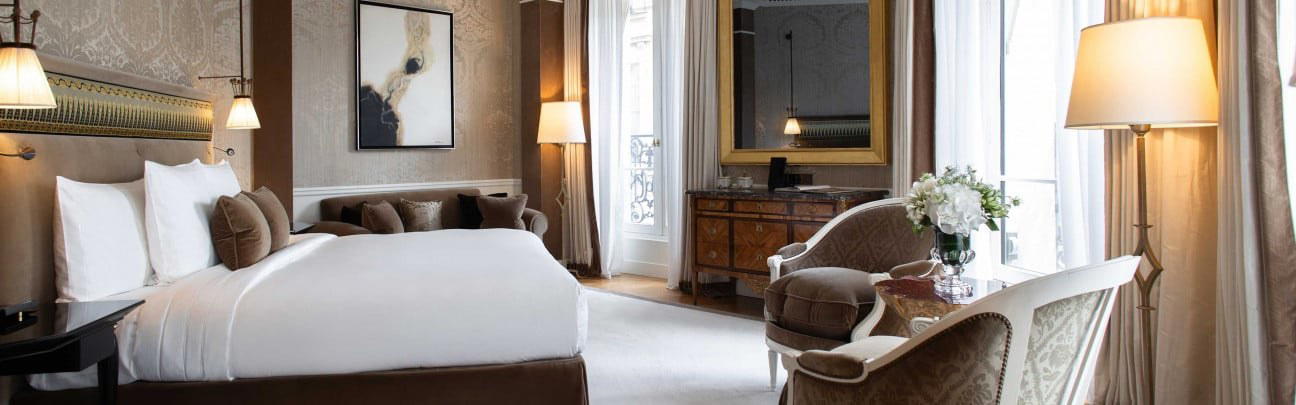
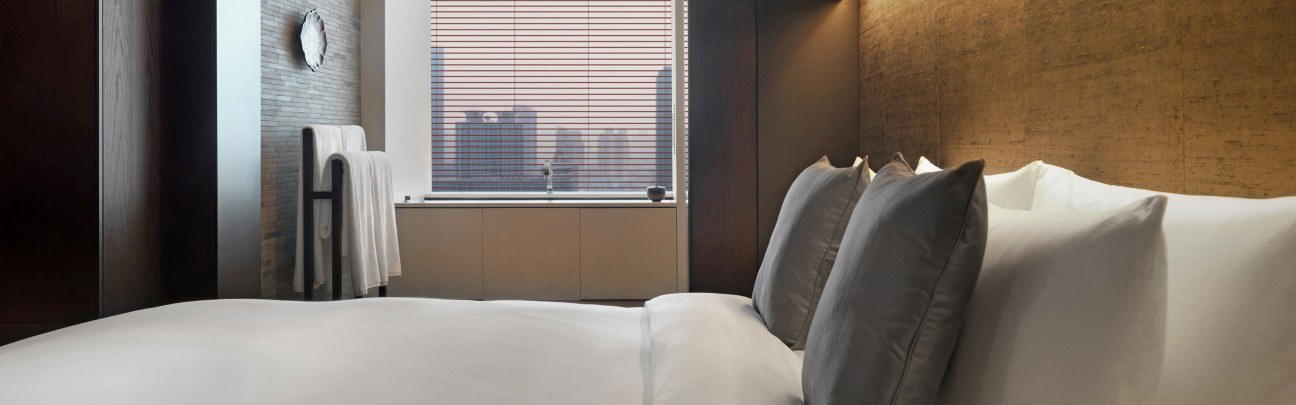
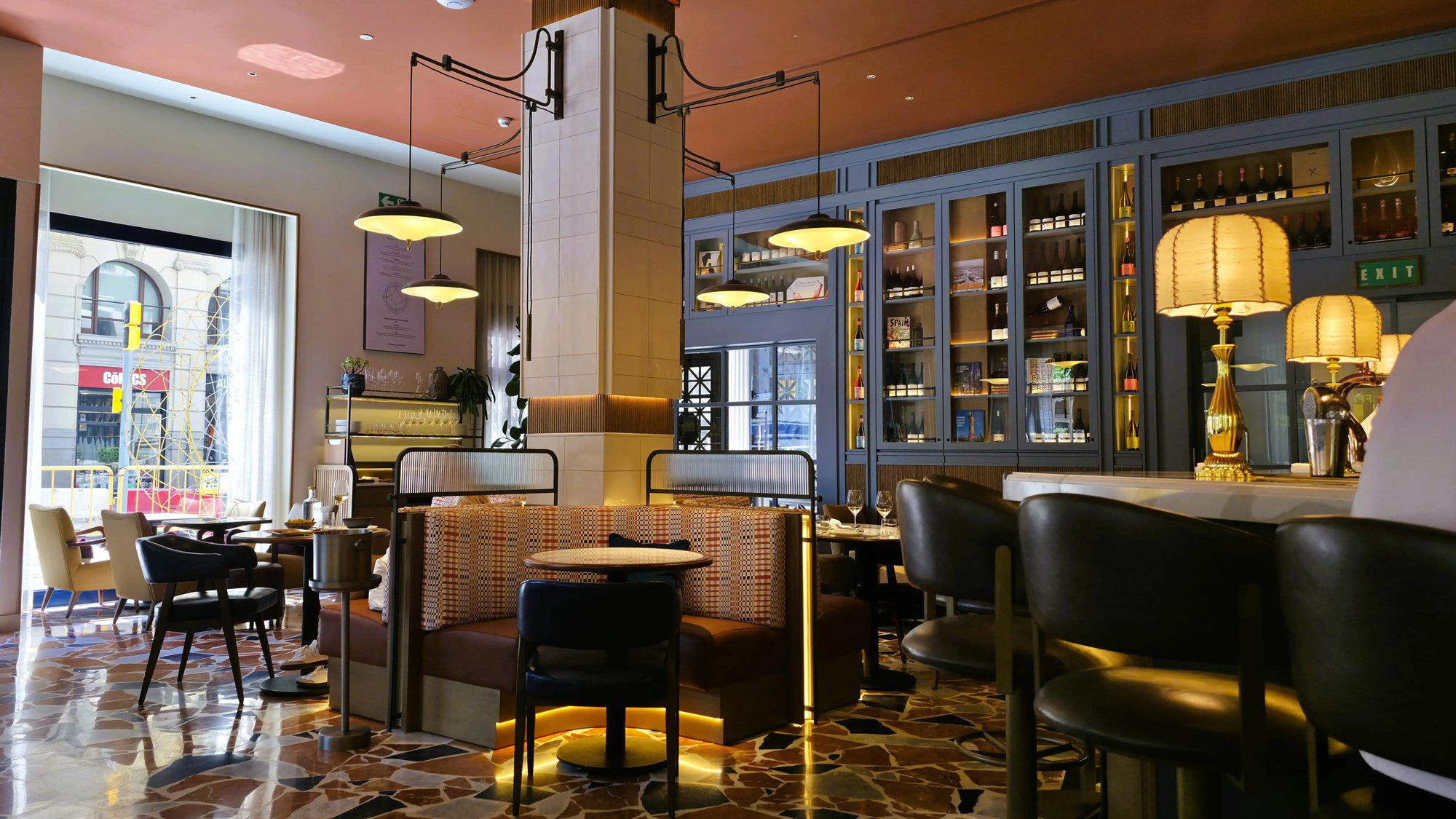
Sophisticated and stylish with natural light, minimalist decor in neutral tones, relaxing earthy palette, and low-lit lounge areas.
Tags
Vibe
Best For
Experience
Amenities
View
Accessibility
About the Stay
- Rooms
- 146
- Check-in
- 15:00
- Check-out
- 12:00
- Property Style
- Contemporary Luxury Boutique in Historic 1920s Building with Catalan Noucentisme Refurbishment.
- Design Style
- Minimalist Modern with Natural Materials, Polished Concrete, Wood Flooring, Earthy Tones, and Local Art.
Know before you go
Know Before You Go
- Getting there
- Via Laietana, 30, Ciutat Vella, 08003 Barcelona
Planning details
Location
Via Laietana, 30, Ciutat Vella, 08003 Barcelona · Directions
grandhotelcentral.com/en/?medium=organic&campaign=google-my-business


Also consider
Where to Look if This Is Not the Right Fit
Pick Hotel Neri or Mercer Hotel Barcelona if the trip is more couple-focused and the hotel mood matters as much as the address. Pick H10 Madison if the goal is central Barcelona at a more value-conscious tier.
Hotel context
How It Compares
Grand Hotel Central is the practical middle choice among central Barcelona hotels: easier to place into a first-timer itinerary than a moodier boutique stay, with stronger luxury-recognition signals than a pure value pick. The Barcelona EDITION is the better call for travelers who want a higher-energy contemporary hotel feel, while Grand Hotel Central is the safer fit for families who want location and less scene management.
Against Hotel Neri and Mercer Hotel Barcelona, choose Grand Hotel Central for easier logistics and a more conventional city-hotel base. Choose Neri or Mercer if the hotel itself needs to feel smaller, quieter, and more historic. Those two are stronger for couples; Grand Hotel Central is easier to recommend for mixed-age trips where walking access and simple returns matter.
H10 Madison is the value cross-shop, especially if price discipline matters more than luxury badges. The ROOF works better as a rooftop-led comparison than a full hotel substitute. If the decision is one hotel for a first Barcelona visit, Grand Hotel Central wins on balanced location, booking ease, and broad traveler fit.
Around this place
Discover more on Pearl
Unlock the full Grand Hotel Central guide in Pearl, including awards, comparisons, FAQs, planning details, and nearby places.
Compare Grand Hotel Central
| Venue | Location | Awards |
|---|---|---|
| Grand Hotel Central | Barcelona | 2026 Virtuoso Luxury Hotel Collection2026 Mr & Mrs Smith Luxury Hotels2025 Michelin Selected HotelsSmall Luxury Hotels Member 2025 |
| The Barcelona EDITION | Barcelona | No published awards |
| The ROOF | Barcelona | No published awards |
| H10 Madison | Barcelona | No published awards |
| Hotel Neri | Barcelona | 2026 Michelin Guide New Hotels2026 Mr & Mrs Smith Luxury Hotels2026 Relais Chateaux Hotels2025 Michelin Selected Hotels2025 Relais Chateaux Award |
| Mercer Hotel Barcelona | Barcelona | 2025 Michelin 1 Key2024 Michelin 1 Key |


How Grand Hotel Central Barcelona compares with similar nearby venues.
FAQ
Frequently Asked Questions
How is the dining at Grand Hotel Central?
Specific dining details for Grand Hotel Central are not available. Any restaurant, bar, menu, cuisine, or service-style question should be confirmed directly with the hotel before booking.
How is the pool and spa at Grand Hotel Central?
Pool or spa details are not available. Grand Hotel Central is a Barcelona hotel with luxury-hotel credentials, including Small Luxury Hotels of the World membership, Virtuoso Luxury Hotel Partner status, Mr & Mrs Smith Seal of Approval, and MICHELIN Guide, Hotels Selected recognition, but facilities should be checked directly.
How is the location of Grand Hotel Central?
Grand Hotel Central is in Barcelona. A street address, neighborhood, district, or nearby landmark is not specified, so confirm exact location details directly before booking.
What is check-in like at Grand Hotel Central?
Check-in details are not available. Grand Hotel Central is a Barcelona hotel with smart casual dress code guidance and recognized hotel credentials, including the Mr & Mrs Smith Seal of Approval and MICHELIN Guide, Hotels Selected recognition.