
Alma Barcelona
la Dreta de l'Eixample, Barcelona
Hotel in Barcelona, Spain
 Book with Pearl
The Read
Minimalist Eixample Precision
Why go
Prioritise Alma Barcelona if you want a quiet, design-conscious Eixample base with credible luxury recognition. Standard rooms make sense for short sightseeing trips; suite-level space is easier to justify for business travel, longer stays, or anyone planning real downtime at the hotel.
About Alma Barcelona
Alma Barcelona is a Barcelona venue with Michelin 1 Key (2024) recognition and the Mr & Mrs Smith Seal of Approval (2026). The dress code is smart casual. Travellers should check directly before booking if their stay depends on specific room types, amenities, dining formats, neighbourhood details, or service features.
The practical way to evaluate Alma Barcelona is to decide whether those recognition signals and the smart-casual dress code fit your trip. If the booking depends on a particular layout, dining plan, wellness facility, meeting need, or other detailed amenity, confirm that information with the venue before booking.
Choose it for Barcelona recognition
Alma Barcelona belongs in a Barcelona shortlist because it has Michelin 1 Key (2024) recognition and the Mr & Mrs Smith Seal of Approval (2026). Travellers comparing premium options may also consider Monument Hotel, Majestic Hotel & Spa, Claris Hotel & Spa, Claris Hotel & Spa GL, and The One Barcelona, depending on what they can confirm about each venue.
For a first Barcelona trip, focus on the essentials: Alma Barcelona is in Barcelona, has notable recognition, and lists a smart-casual dress code. Readers comparing across the city should also scan Our full Barcelona hotels guide, especially if they are weighing Alma Barcelona against other Barcelona options.
Value depends on your needs
Do not assume that a higher category, specific layout, or amenity package is included without checking current booking details. If extra space, work comfort, or time spent on site matters, confirm the exact category and inclusions before paying more.
The strongest case for Alma Barcelona is its recognition: Michelin 1 Key (2024) and the Mr & Mrs Smith Seal of Approval (2026). That does not make it the automatic choice for every premium booking. Compare it with Majestic Hotel & Spa, The One Barcelona, Monument Hotel, Claris Hotel & Spa, and Claris Hotel & Spa GL if those venues better match the features you need. If dining, bars, or activities are central to the trip, broaden the search through Our full Barcelona restaurants guide, Our full Barcelona bars guide, Our full Barcelona wineries guide, and Our full Barcelona experiences guide.
Inside Alma Barcelona
Planning details
- Location
- Carrer de Mallorca, 269, Eixample, 08008 Barcelona
- Website
- almahotels.com/barcelona
- Phone
- +34 932 16 44 90
The take
The Take
The Vibe
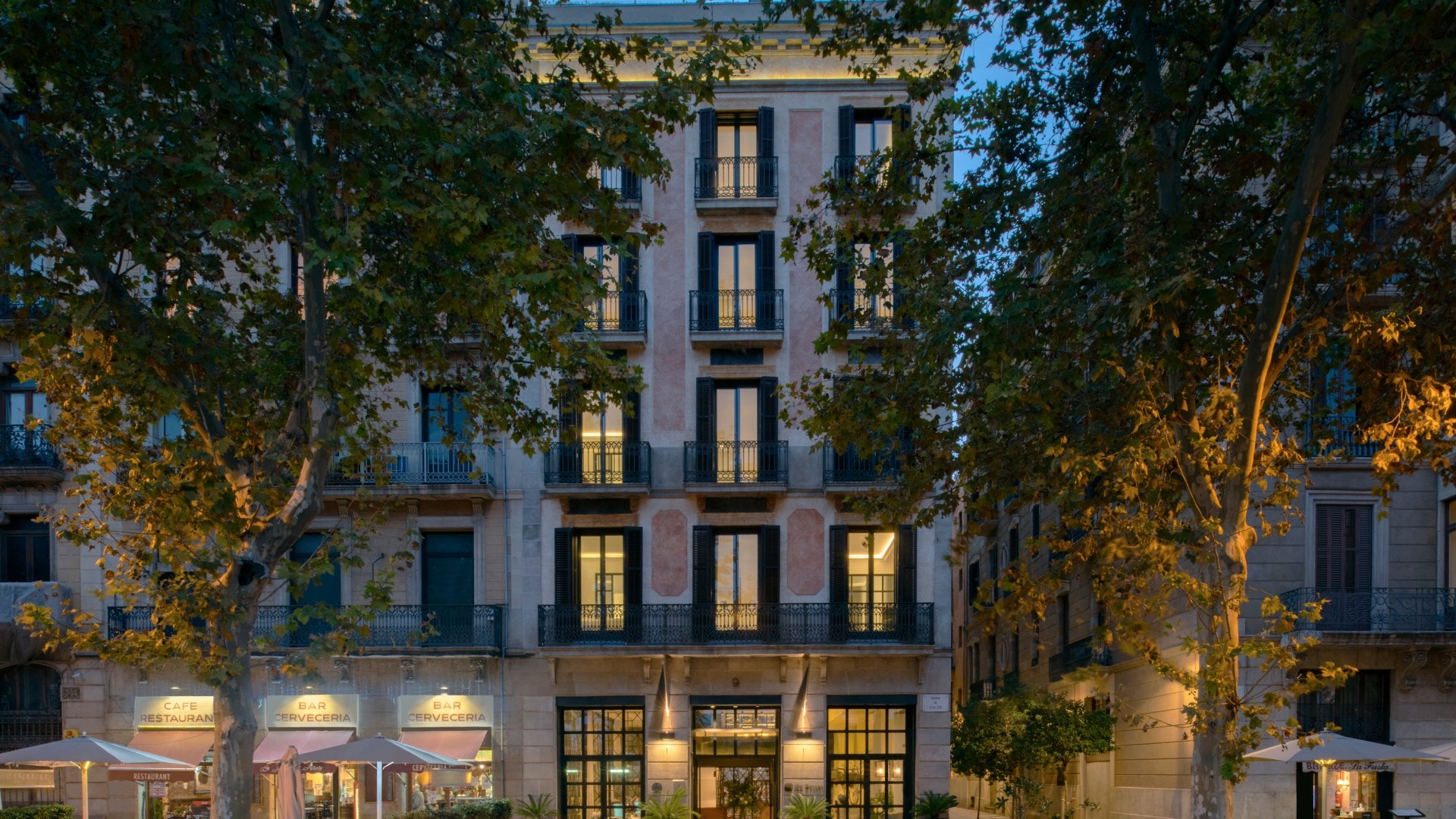
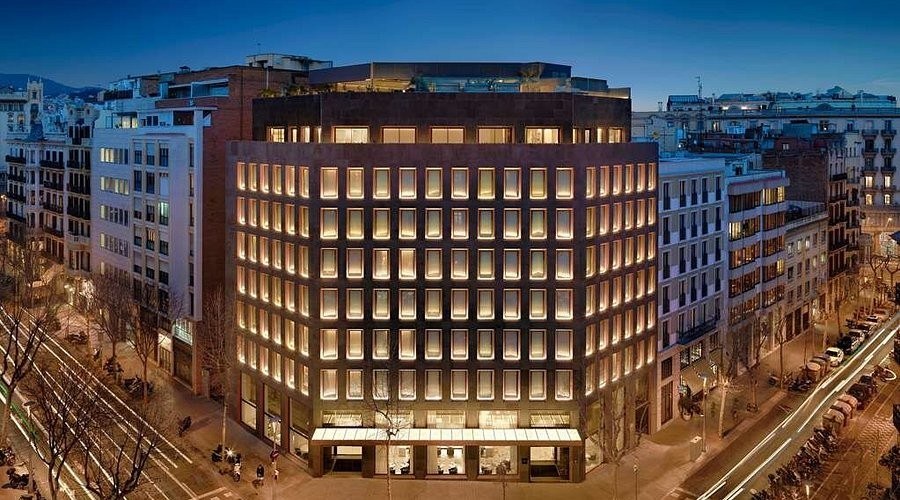
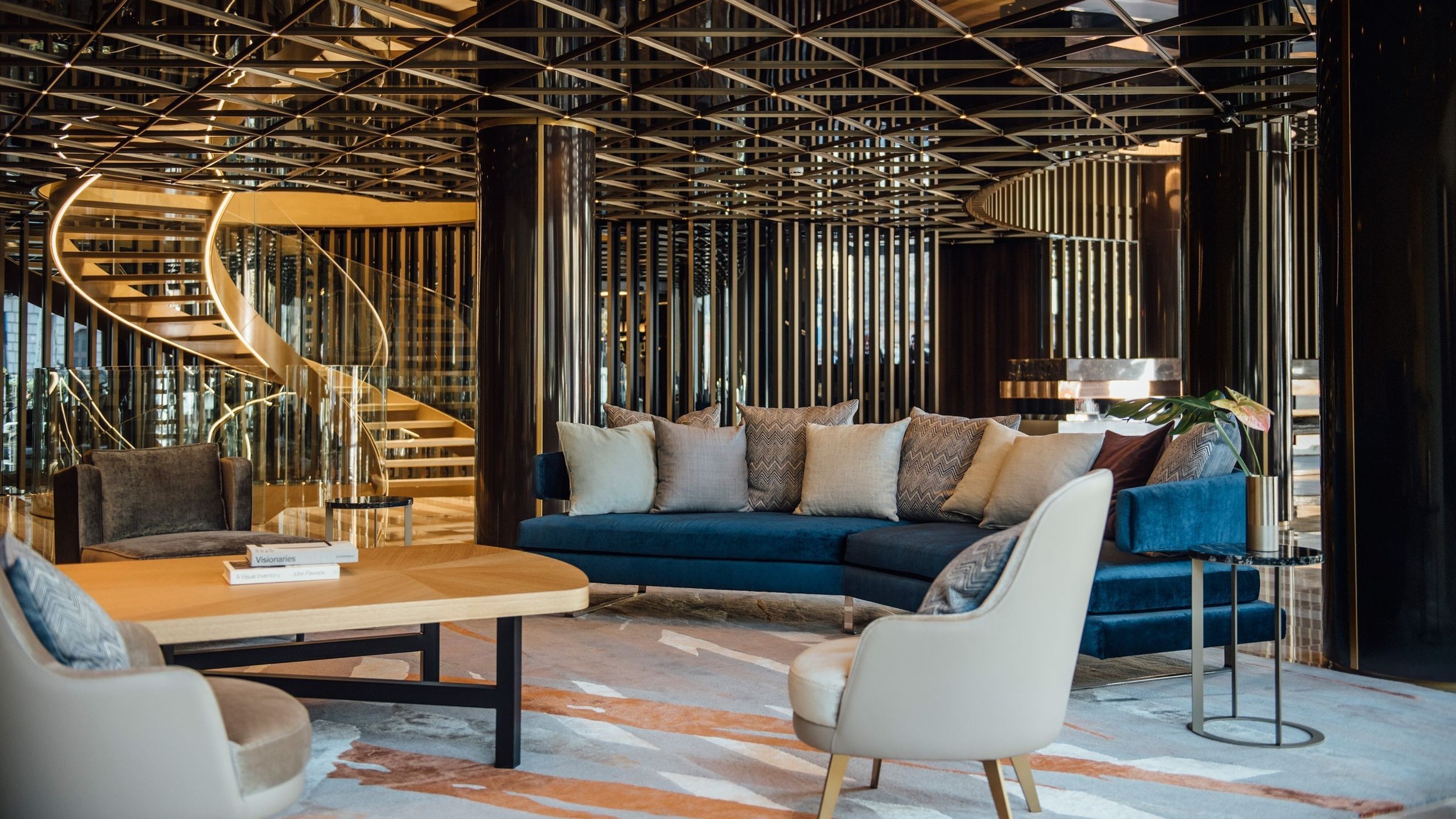
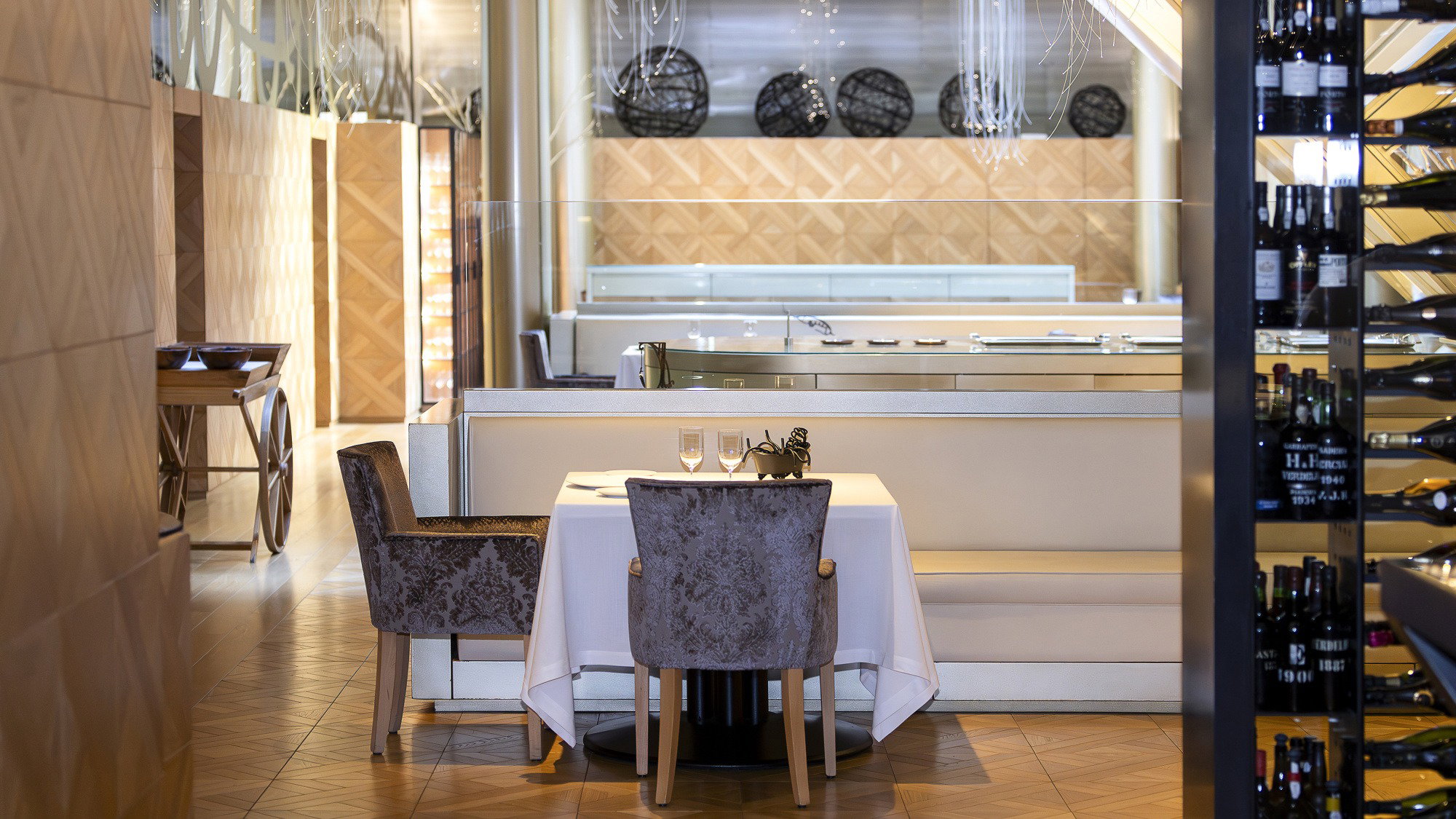
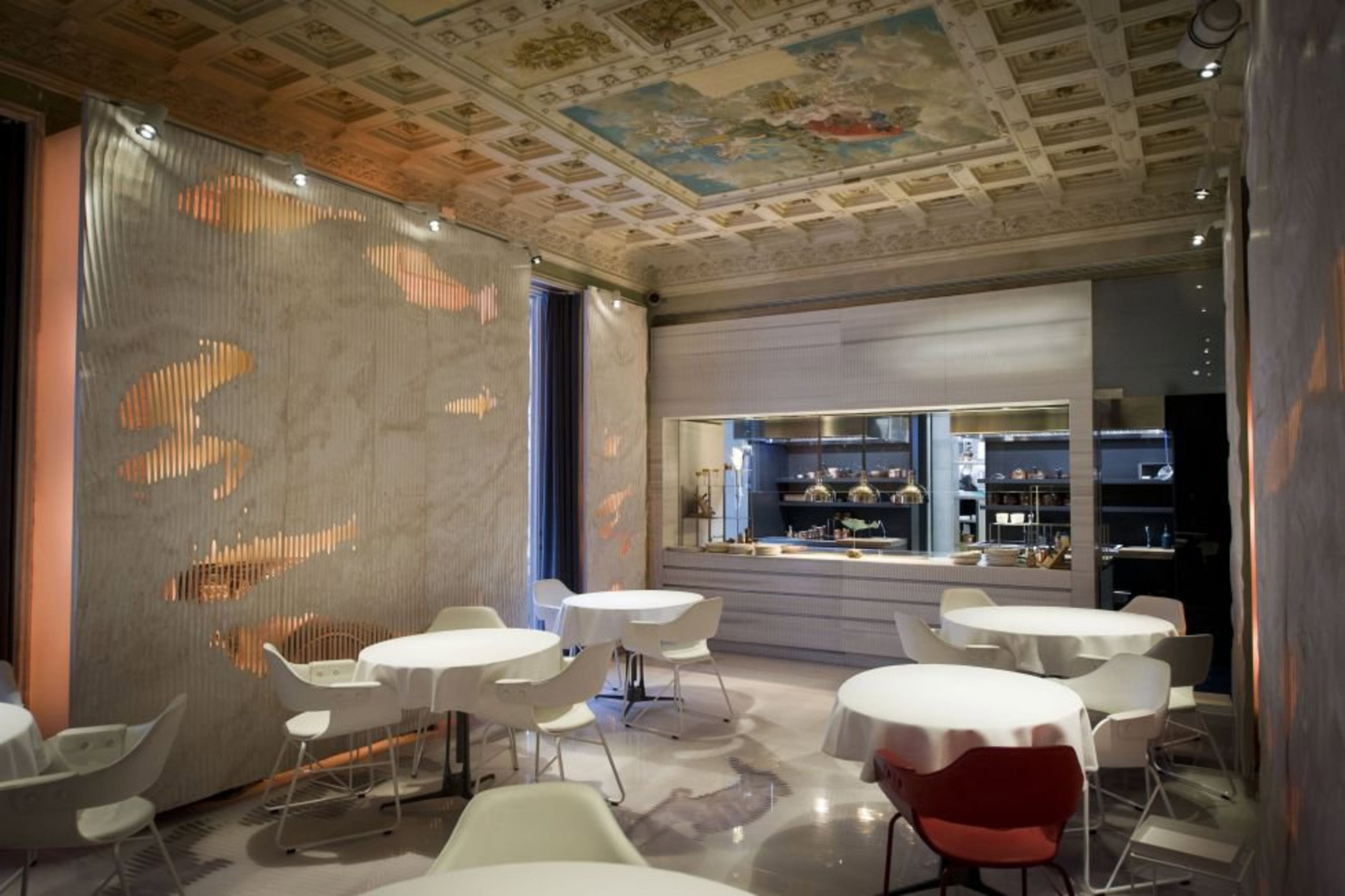
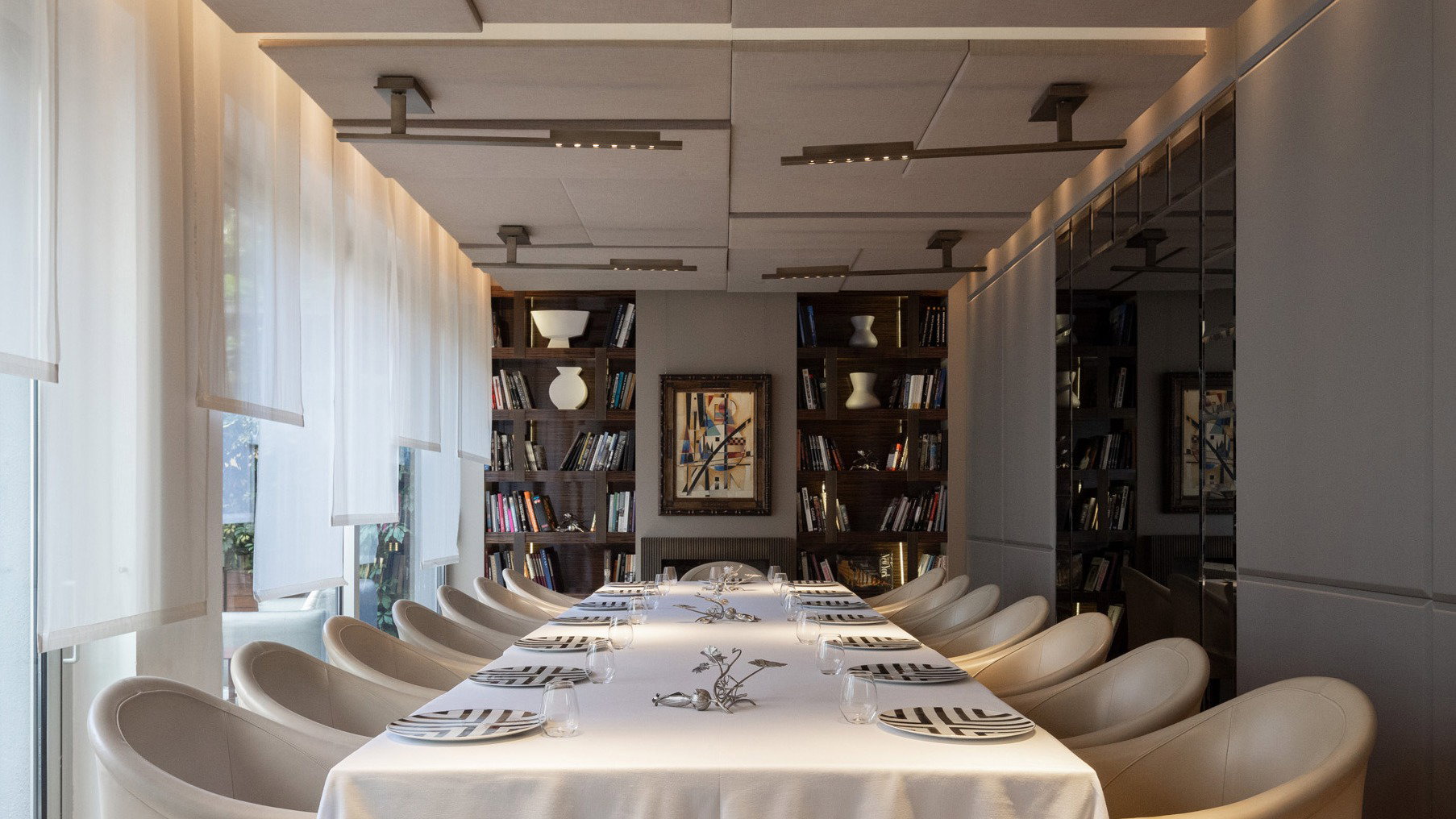
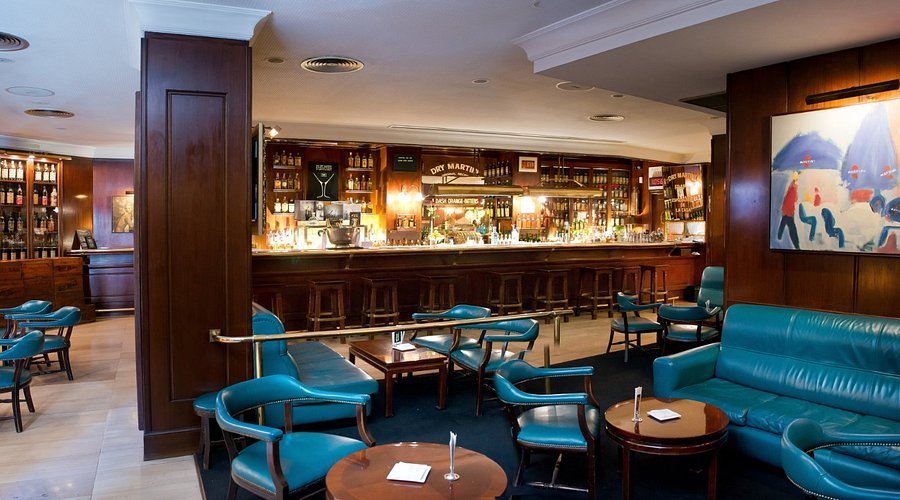
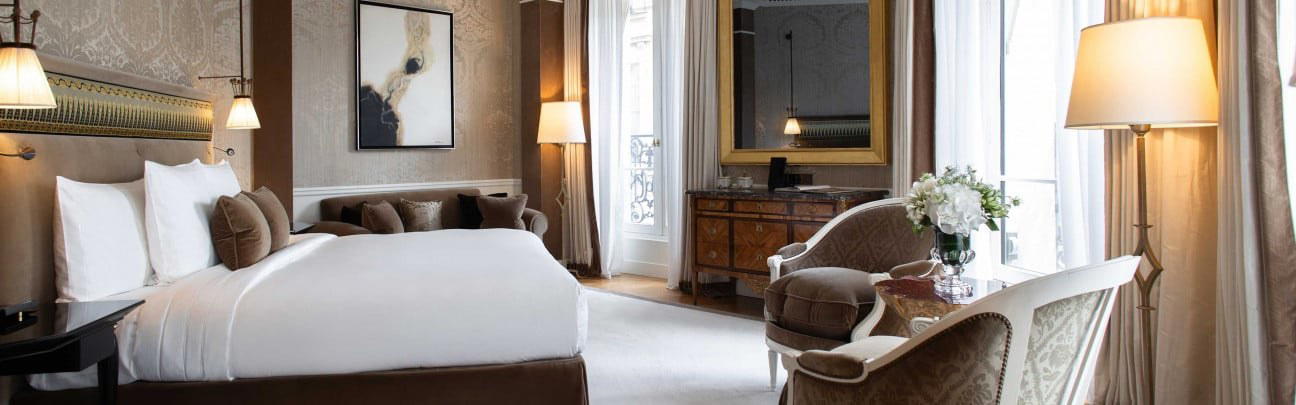
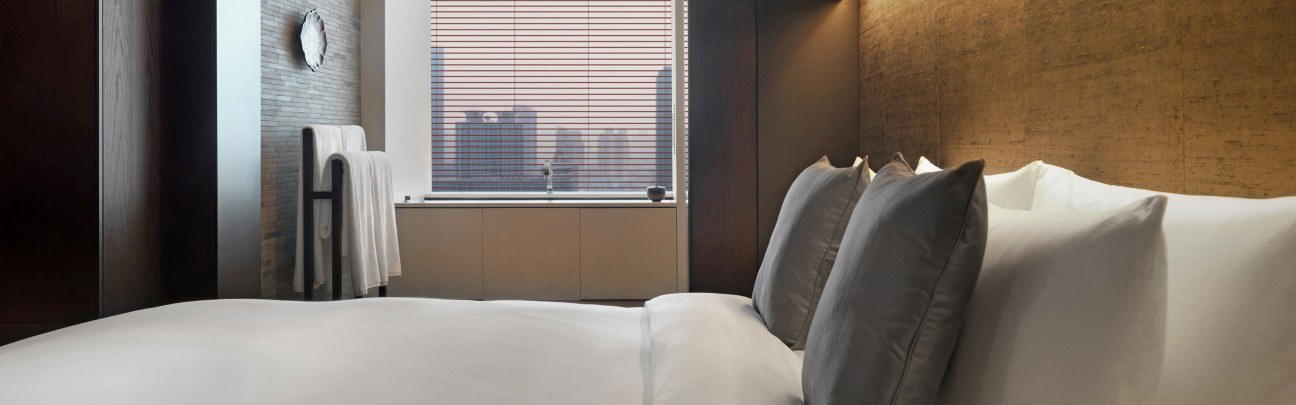
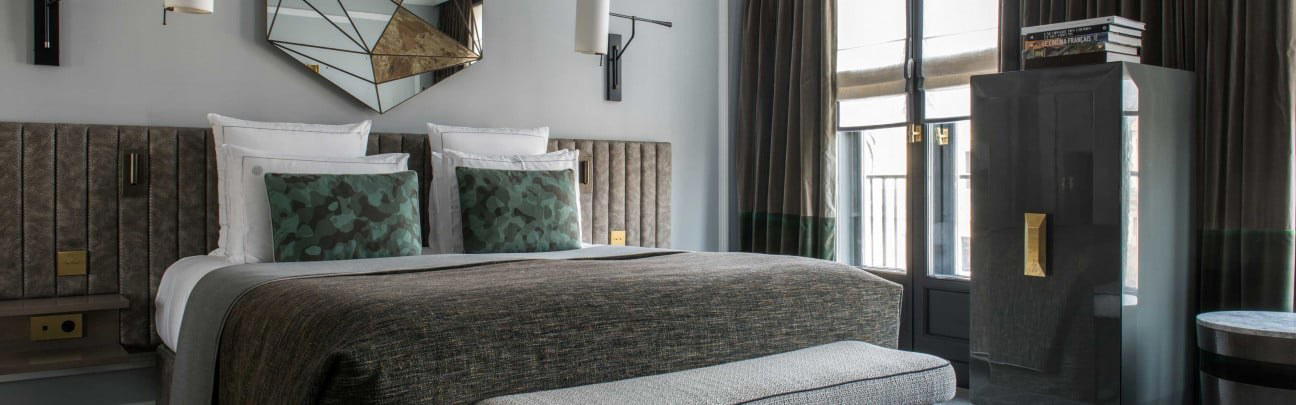
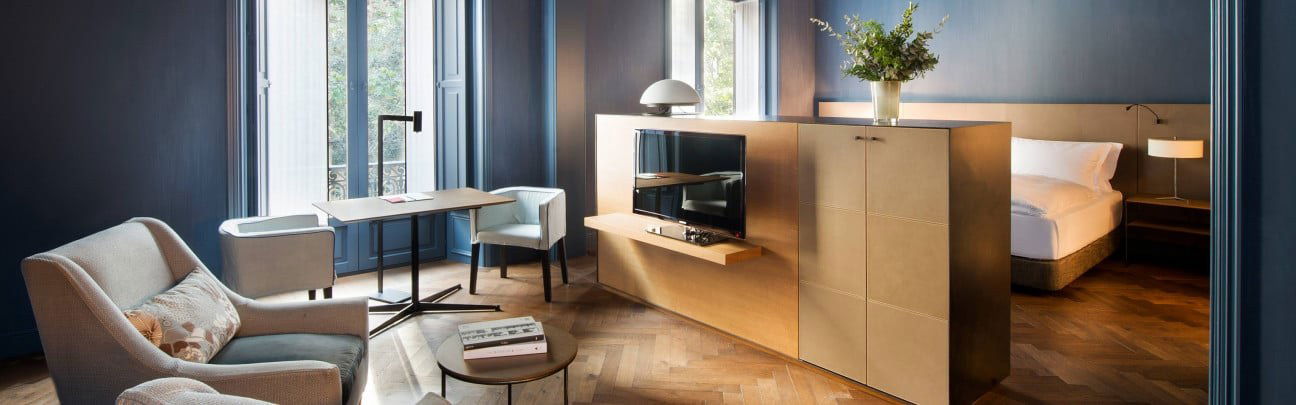
Alma Barcelona reads like a carefully edited private apartment in the middle of the Eixample: minimalist in intent, warm in materials. The hotel favors subtle restraint over spectacle, pairing rich hardwood and leather with custom pieces and modernist classics so interiors feel lived-in rather than museum-like. Technology is present but discreet, and the overall effect is calm and intimate—a serene place to land after a day in the city. The property’s design-first approach situates it among Barcelona’s quieter, more considered hotels, offering a composed alternative to the theatrical hotels near the waterfront.
Best For
This hotel suits travelers who prize design, quiet streets, and serious food. With 72 rooms and a rate positioning it alongside the city's luxury peers, Alma appeals to guests seeking an elevated but muted stay: design-minded visitors, couples who prefer intimacy over fanfare, and anyone who values a residential feel steps from Passeig de Gràcia. The Michelin recognition signals a kitchen worth booking for dinner, so food-focused travelers—and those planning a polished business dinner—will find it especially rewarding.
Stay Tips
Plan around the dining: Alma’s Michelin Key signals a restaurant that merits advance reservations, so book tables early, especially on weekend evenings. Reserve a room well in advance if traveling during peak seasons—the property’s 72-room size and price point place it in direct competition with other upper-tier hotels. Expect a restrained, apartment-like room rather than overtly showy hotel theatrics; if you want bells-and-whistles amenities, check specifics when booking. Use the hotel as a quiet base for shopping or meetings on Passeig de Gràcia.
Venue details
Ambiance
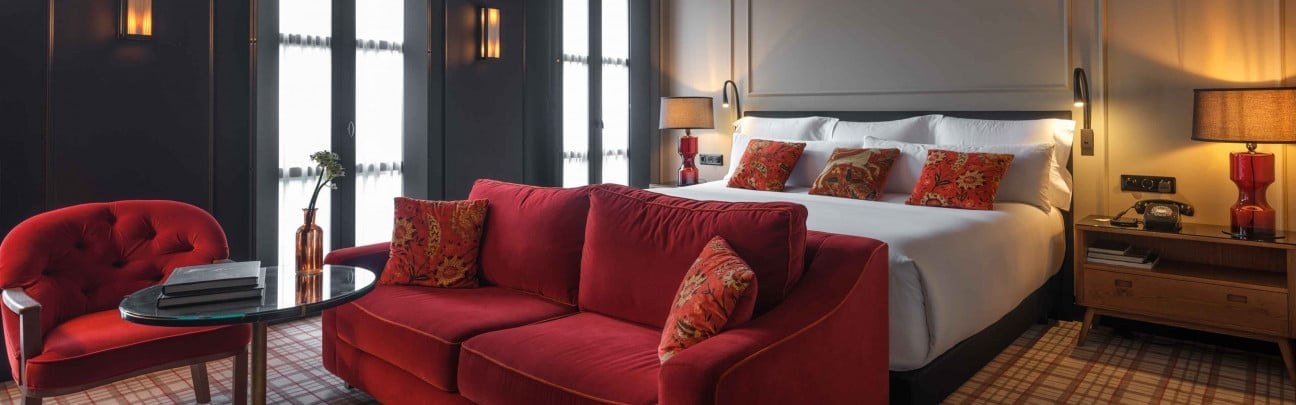
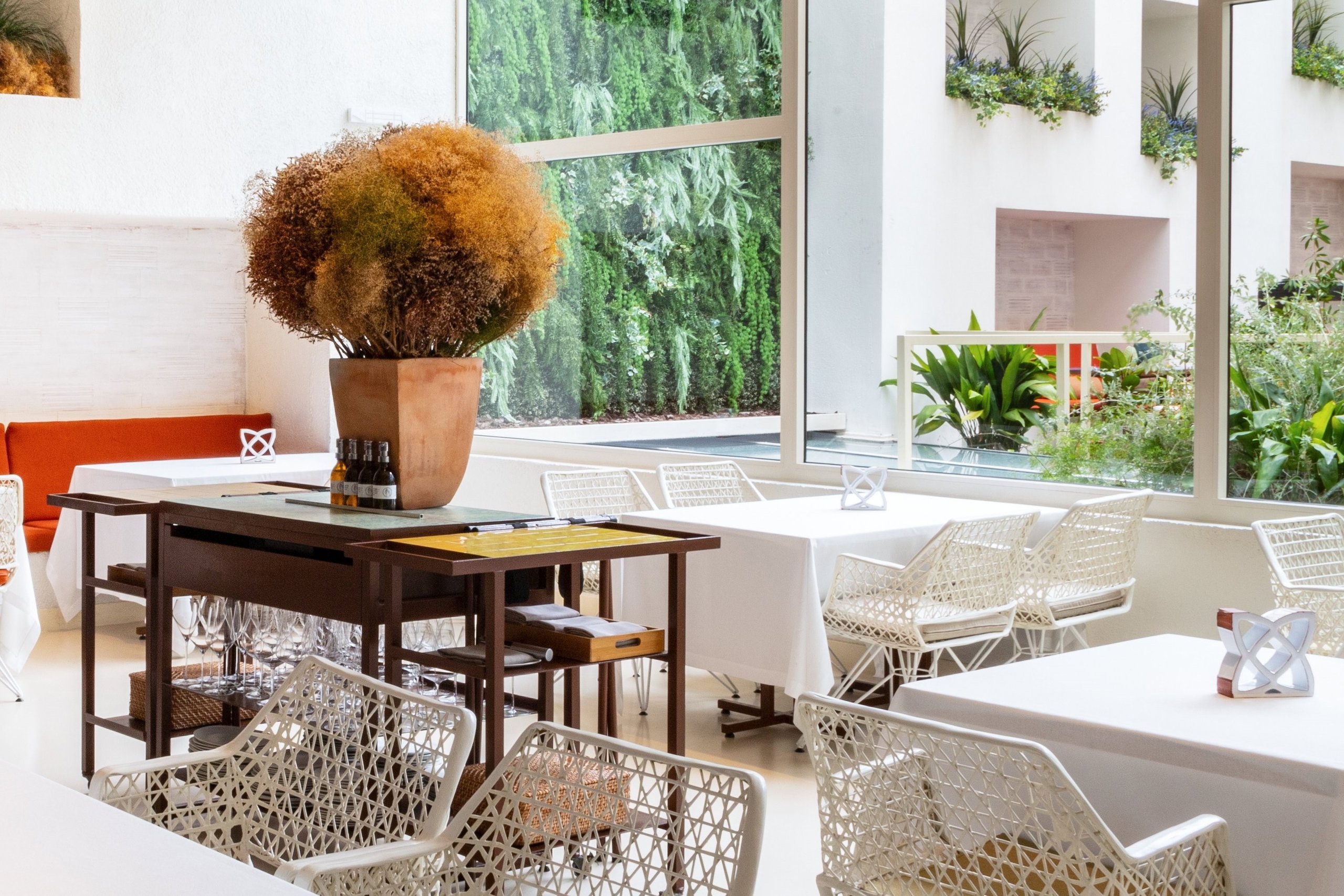
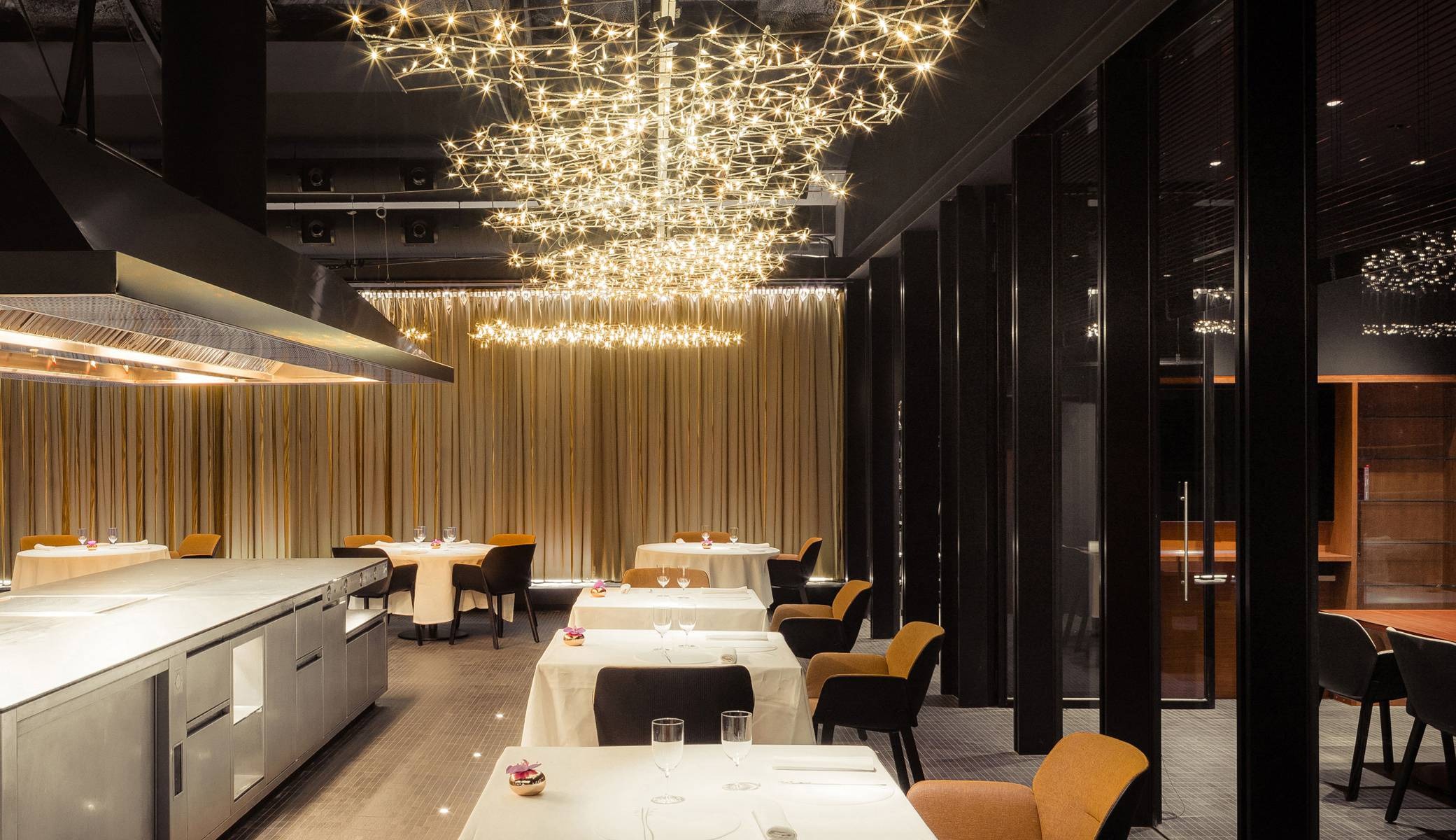
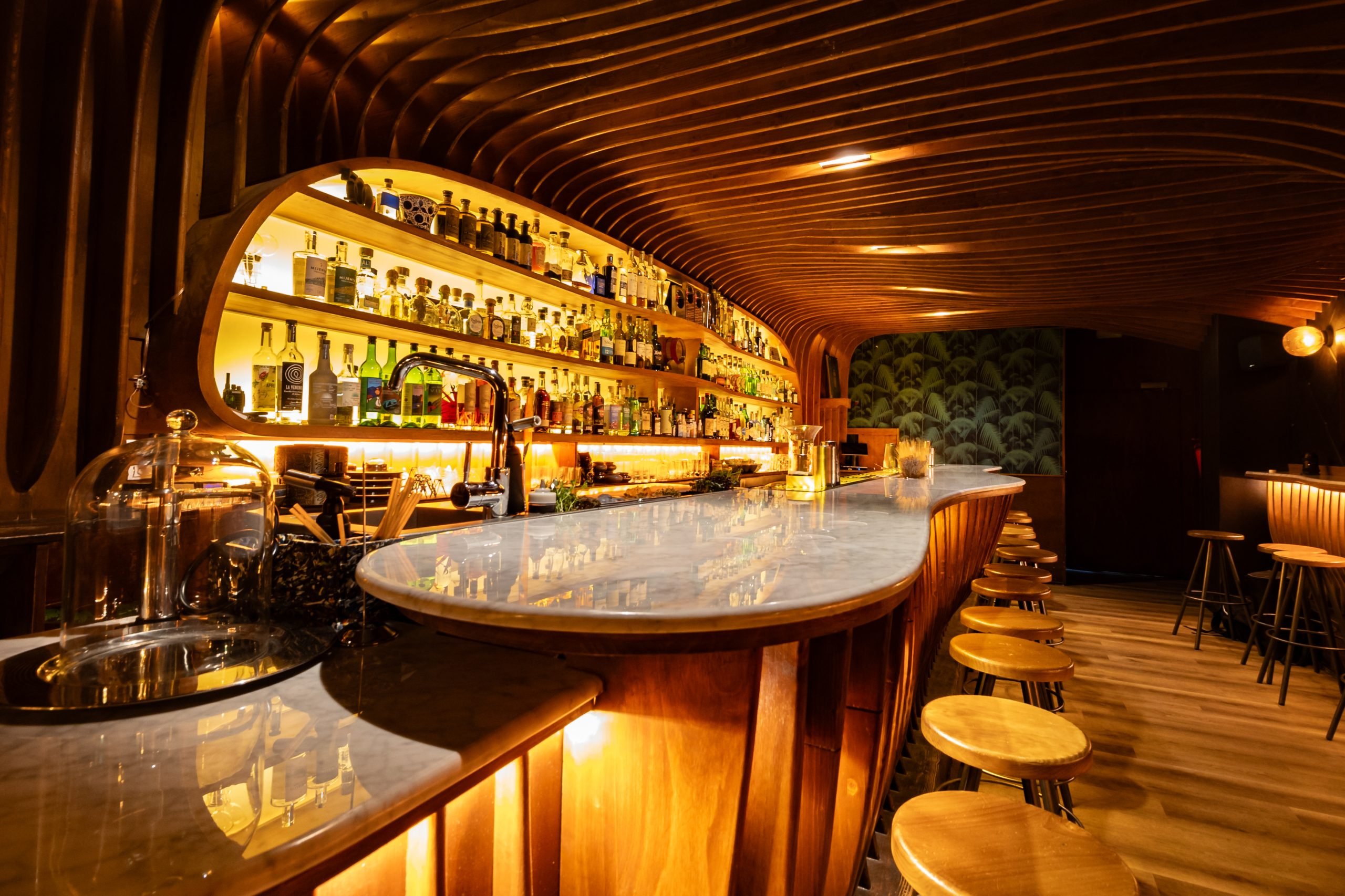
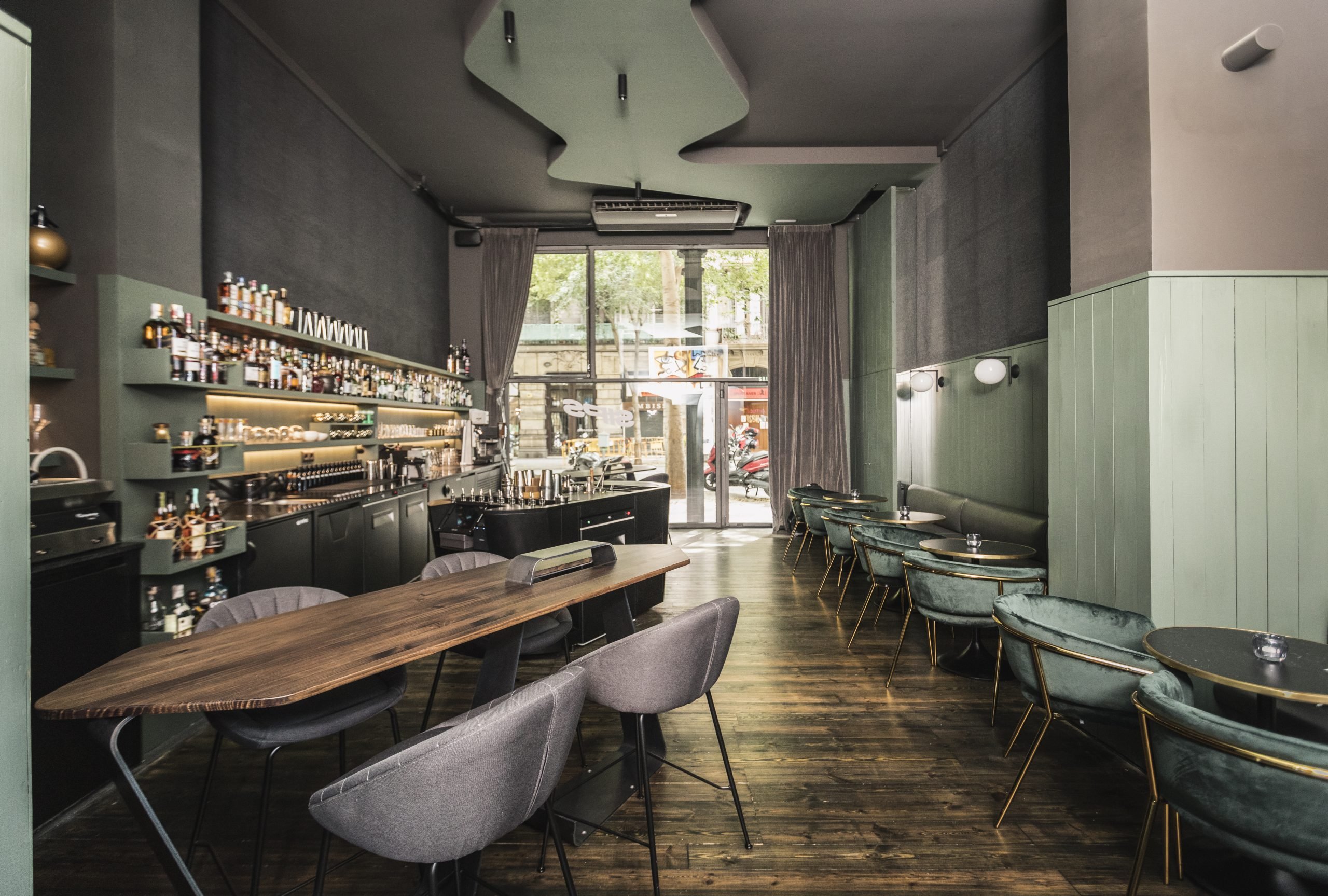
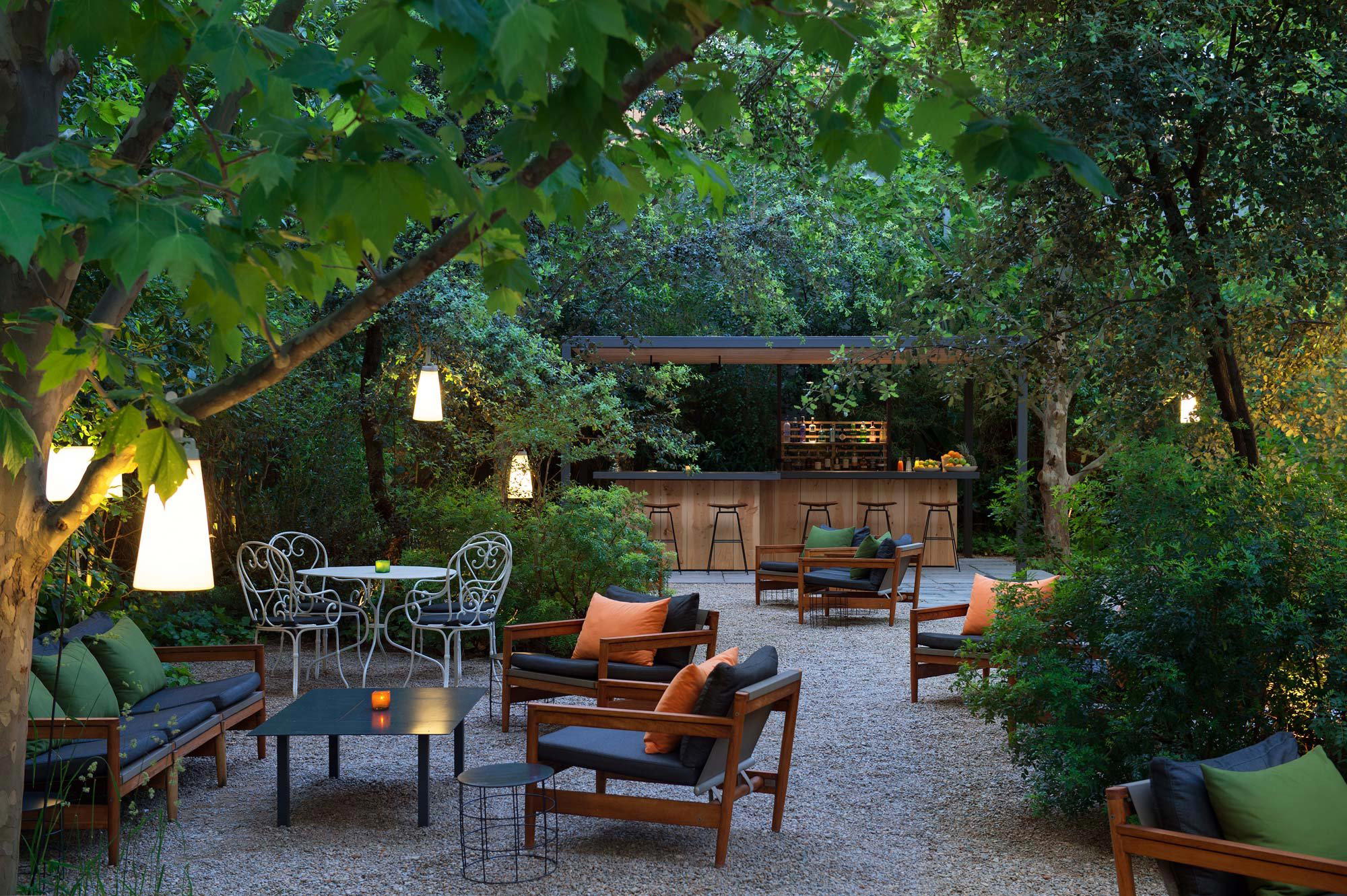
Dark, moody, and trendy with stylish dining and lobby areas; rooms are described as quiet oases with minimalist modern décor and garden views creating a peaceful retreat in the city center.
Tags
Vibe
Best For
Experience
Amenities
View
Accessibility
About the Stay
- Rooms
- 72
- Check-in
- 15:00
- Check-out
- 11:00
- Property Style
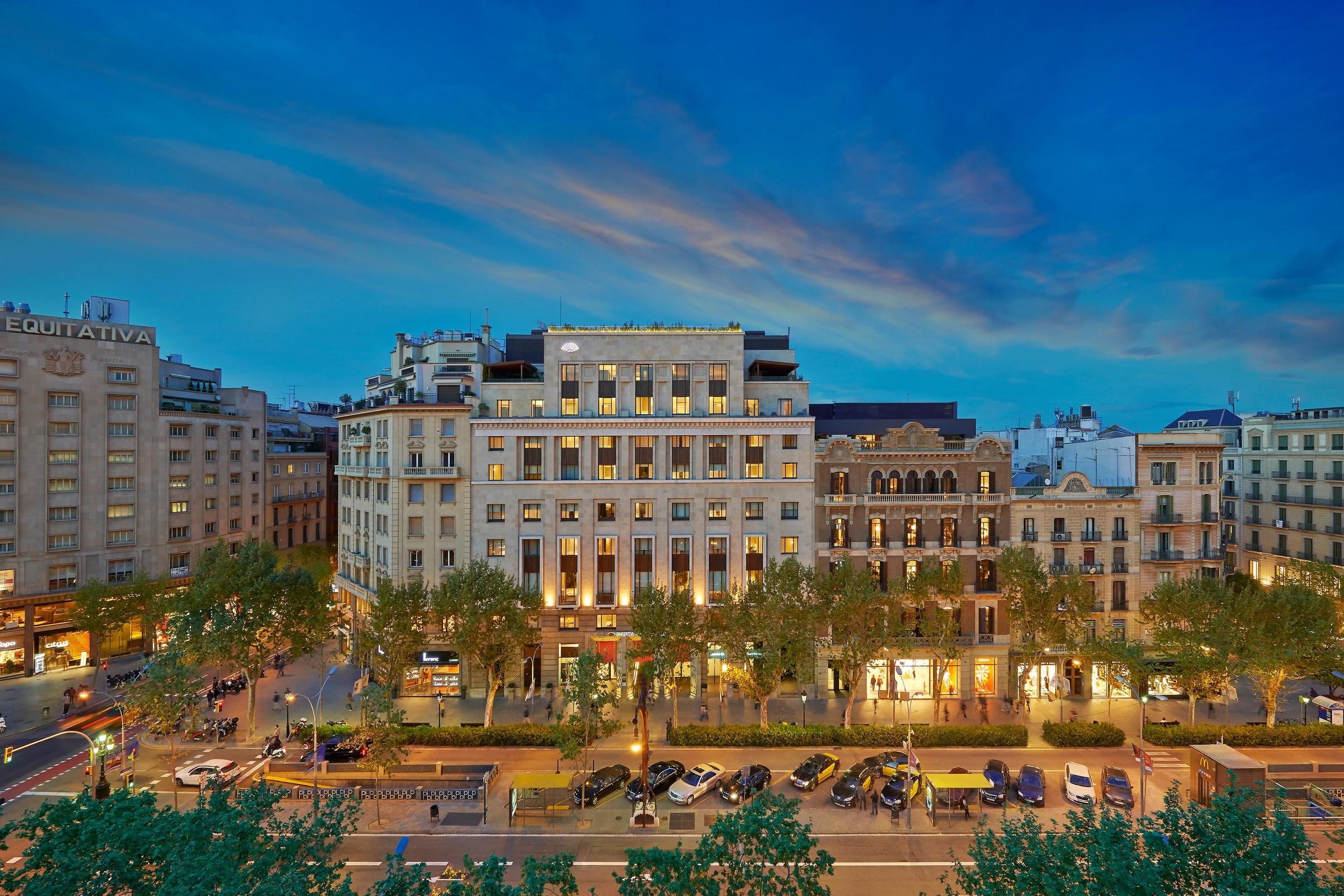
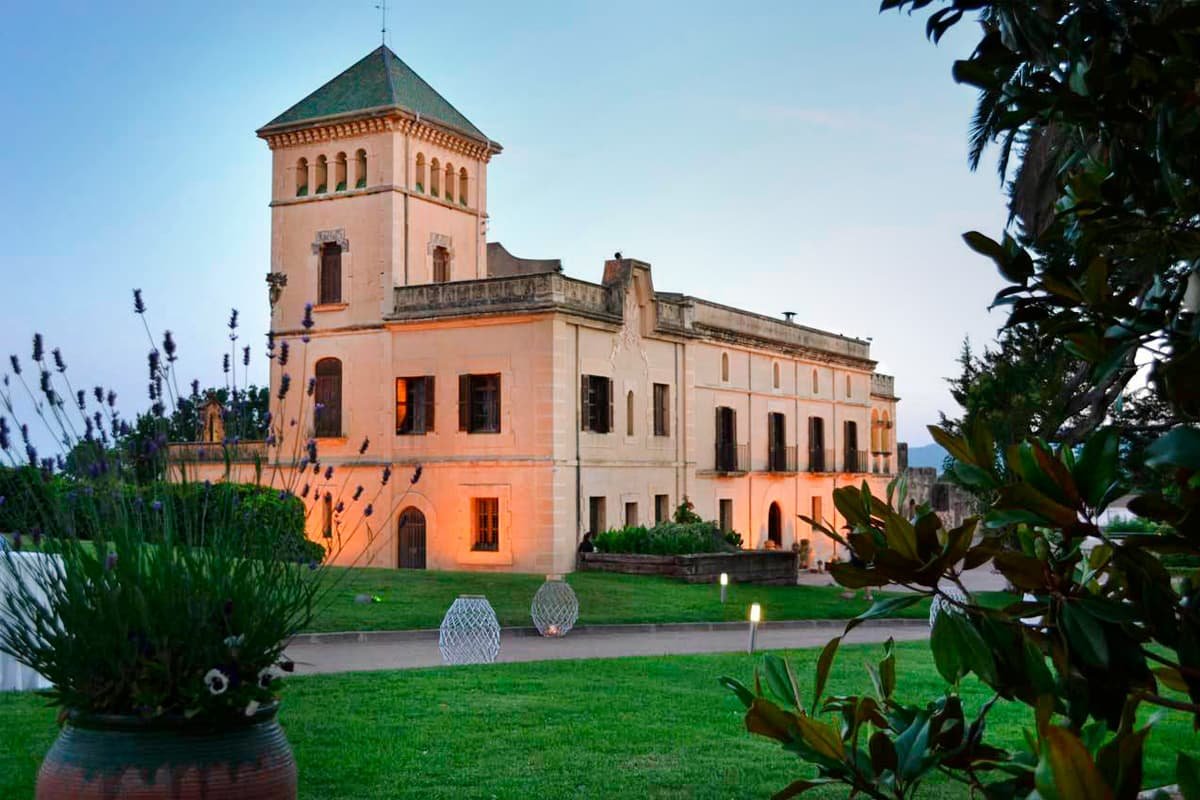
- Contemporary Luxury Design Hotel Housed in a Restored Early 20th Century Eixample Building with Classical and Modernist Room Categories.
- Design Style
- Minimalist Modern with Architectural Details; Dark, Moody Aesthetic in Public Spaces; Rooms Feature Smart Contemporary Décor with High Quality Furnishings and Egyptian Cotton Linens.
Know before you go
Know Before You Go
- Getting there
- Carrer de Mallorca, 269, Eixample, 08008 Barcelona
Planning details
Location
Carrer de Mallorca, 269, Eixample, 08008 Barcelona · Directions
Recognition and awards
Also consider
Also Consider
- Monument Hotel, Notable alternative
- Majestic Hotel & Spa, Notable alternative
- Claris Hotel & Spa, Notable alternative
- Claris Hotel & Spa GL, Notable alternative
- The One Barcelona, Notable alternative
Hotel context
How it compares in Barcelona
Alma Barcelona is the calmer choice in this Eixample set. Compared with Majestic Hotel & Spa, it reads less formal and less grand-hotel coded, so choose Majestic if the trip calls for a more classic Barcelona address. Choose Alma Barcelona if the priority is a quieter design-led stay and a room that feels easier to use between city plans.
Monument Hotel is the stronger cross-shop for travellers who want a sharper luxury signal near the same central orbit. The One Barcelona is also a close alternative for a contemporary feel. If Alma is difficult to secure, those two should be checked first before widening the search.
Claris Hotel & Spa and Claris Hotel & Spa GL make sense for travellers who want a different ambiance in the same broad luxury bracket. Alma is the pick for a restrained first-timer stay; Claris is the better cross-shop when the brief is more characterful and less minimal.
Around this place
Discover more on Pearl
Unlock the full Alma Barcelona guide in Pearl, including awards, comparisons, FAQs, planning details, and nearby places.
Compare Alma Barcelona
| Venue | Location | Awards |
|---|---|---|
| Alma Barcelona | Barcelona | 2026 Mr & Mrs Smith Luxury HotelsMichelin 1 Key 20252025 Michelin 1 Key2024 Michelin 1 Key |
| Monument Hotel | Barcelona | 2025 Michelin 1 KeyPreferred Hotels Member 20252024 Michelin 1 Key |
| Majestic Hotel & Spa | Barcelona | 2026 Virtuoso Luxury Hotel Collection2026 Forbes Recommended2026 La Liste Top HotelsLeading Hotels of the World 20262025 Michelin Selected Hotels2025 Forbes Recommended |
| Claris Hotel & Spa | Barcelona | No published awards |
| Claris Hotel & Spa GL | Barcelona | No published awards |
| The One Barcelona | Barcelona | World Luxury Hotel Awards 20252025 Michelin 1 KeyPreferred Hotels L.V.X. Collection 20252024 Michelin 1 Key |







How Alma Barcelona compares with similar nearby venues.
FAQ
Frequently Asked Questions
How does Alma Barcelona compare to other venues?
Pick Alma Barcelona if you want a Barcelona venue with Michelin 1 Key (2024) recognition, the Mr & Mrs Smith Seal of Approval (2026), and a smart-casual dress code. Compare it with Monument Hotel, Majestic Hotel & Spa, The One Barcelona, Claris Hotel & Spa, and Claris Hotel & Spa GL based on the specific features available for your dates.
How is the dining at Alma Barcelona?
How is the pool and spa at Alma Barcelona?
If pool or spa amenities are important, check current details directly with Alma Barcelona before booking; Claris Hotel & Spa and Claris Hotel & Spa GL may also be worth comparing.
Is Alma Barcelona good for business travel?
When is the best time to book Alma Barcelona?
Book when your Barcelona dates are firm and after confirming the category, policies, and any amenities that matter to your trip. Alma Barcelona has Michelin 1 Key (2024) recognition, the Mr & Mrs Smith Seal of Approval (2026), and a smart-casual dress code.