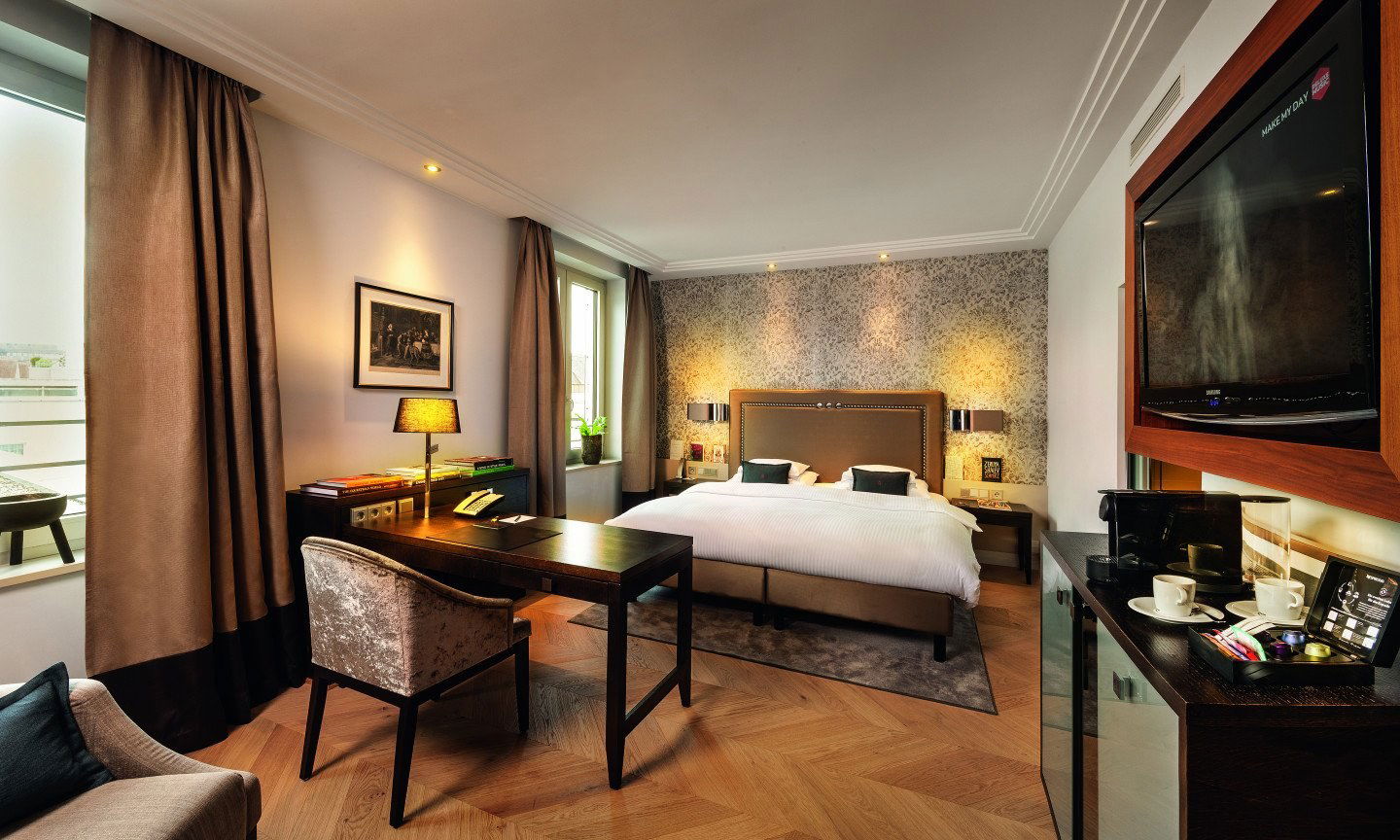


Hotel Maximilian's
city center, Augsburg
Hotel in Augsburg, Germany
 Book with Pearl
The Read
Renaissance Boulevard Residence
Why go
A strong Augsburg-first hotel choice for travellers who want a central base with external quality recognition. The case for upgrading to a suite is strongest on longer stays or work-heavy trips; for a short city stay, prioritise location and use the savings elsewhere.
About Hotel Maximilian's
Hotel Maximilian's is an Augsburg hotel with Michelin 1 Key recognition for 2025 and Preferred Hotels L.V.X. Collection status for 2025. That makes it a useful premium-hotel candidate when the trip is focused on Augsburg and you want an externally recognised stay rather than a generic city-hotel choice.
The strongest case for booking is simple: Hotel Maximilian's is in Augsburg, carries 2025 recognition, and has a smart casual dress code. For a traveller building a food-focused stop, pair the hotel choice with Our full Augsburg restaurants guide; for the wider stay planning view, use relevant Augsburg guides where available.
Choose this for Augsburg, with recognised credentials
The smart reason to consider Hotel Maximilian's is external recognition. A Michelin 1 Key gives it a clear hotel accolade, and Preferred Hotels L.V.X. Collection status also applies for 2025. For other specifics, including room formats, facilities, dining details, and service features, check directly with the hotel before booking.
Room questions are worth being practical about. Pay more only if the stay itself will be a major part of the trip: a longer visit, work needs, entertaining, or an itinerary where downtime at the hotel matters. For one-night Augsburg stays or schedules built around being out in the city, compare the rate carefully before adding extras. The hotel's appeal comes from its Augsburg setting and recognition, so add upgrades only when they clearly improve the trip.
Where it fits against Munich and regional alternatives
Compared with selected alternatives, this is the Augsburg-first choice. Der Sonnenhof may suit travellers considering a different setting, while Kempinski Royal Residence Nymphenburg, Munich is a separate Munich-based comparison for travellers whose trip is anchored there. Eurostars Grand Central is another practical cross-shop, and The Dean or Löwenbräukeller - Das Original may make more sense only if their specific location or style better matches the itinerary.
For hotel cross-shopping beyond Augsburg, wider hotel coverage can help calibrate style and value across city, resort, and regional stays without assuming that every comparison serves the same kind of trip.
Verdict: choose Hotel Maximilian's when Augsburg is the destination and recognition matters. Do not overpay for extras unless they will actively improve the trip; the safer value is securing a strong Augsburg base, then spending the margin on restaurants, bars, and time in the city.
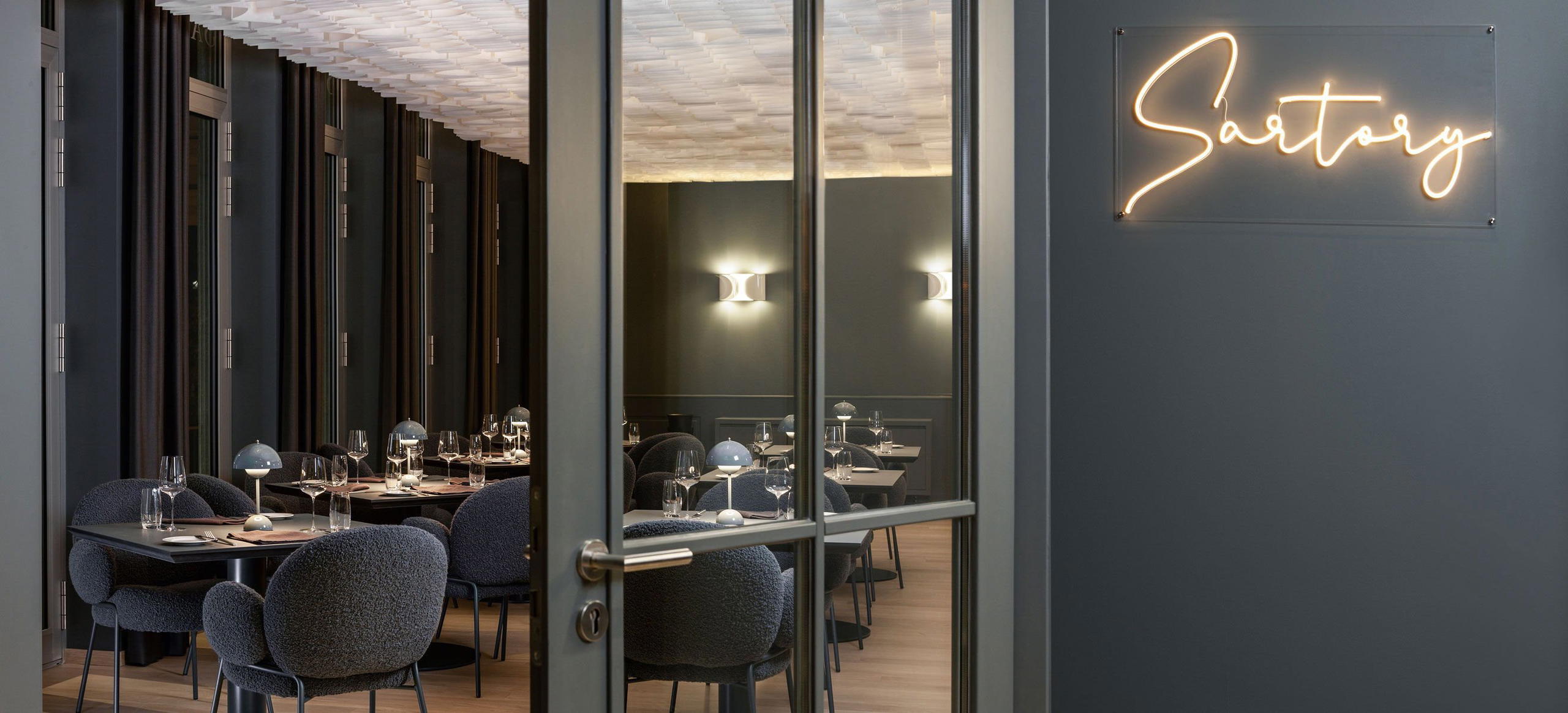
Inside Hotel Maximilian's
Planning details
- Location
- Maximilianstraße 40, 86150 Augsburg
- Website
- hotelmaximilians.com
- Phone
- +49 821 50360
The take
The Take
The Vibe
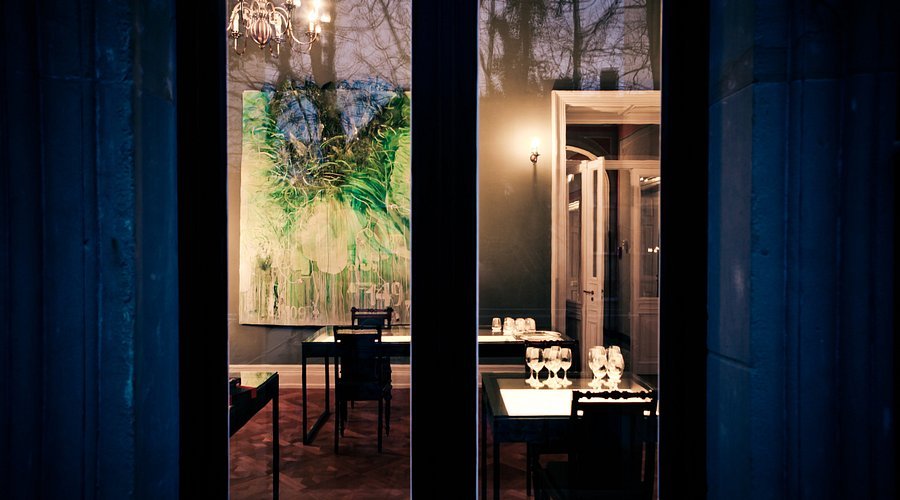
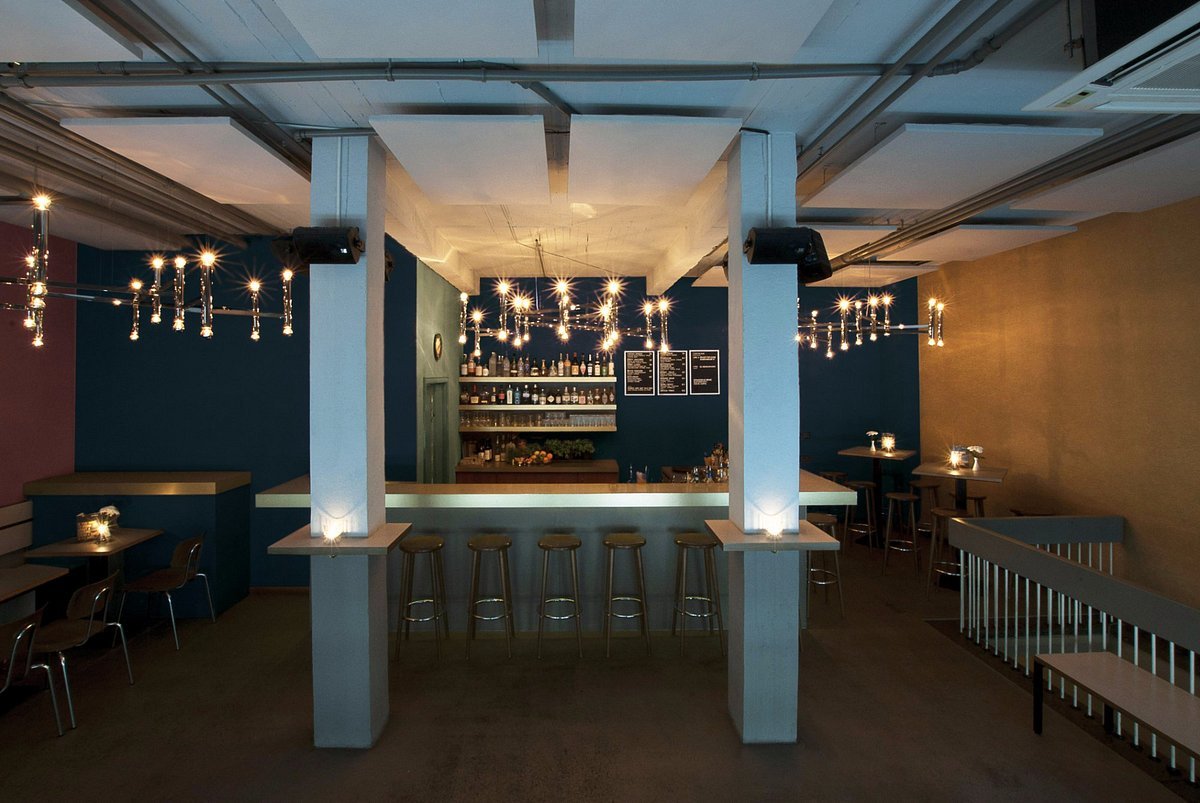
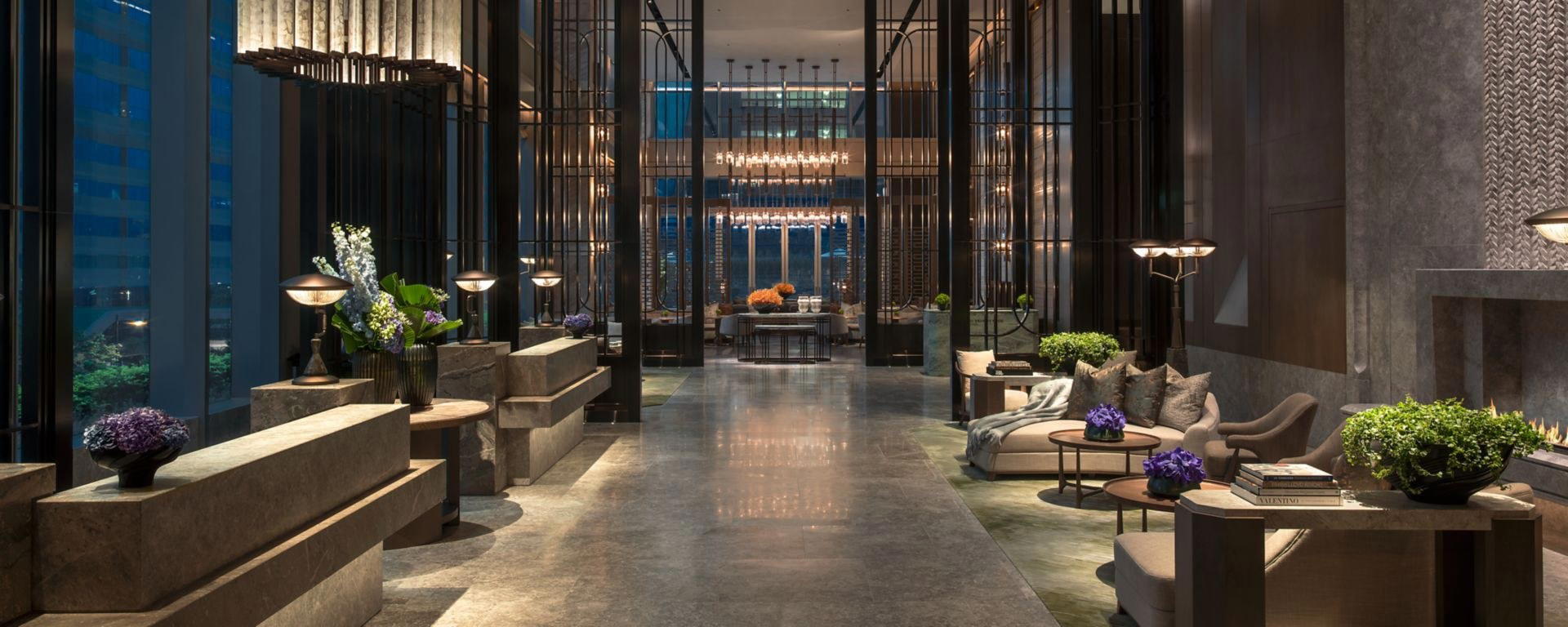
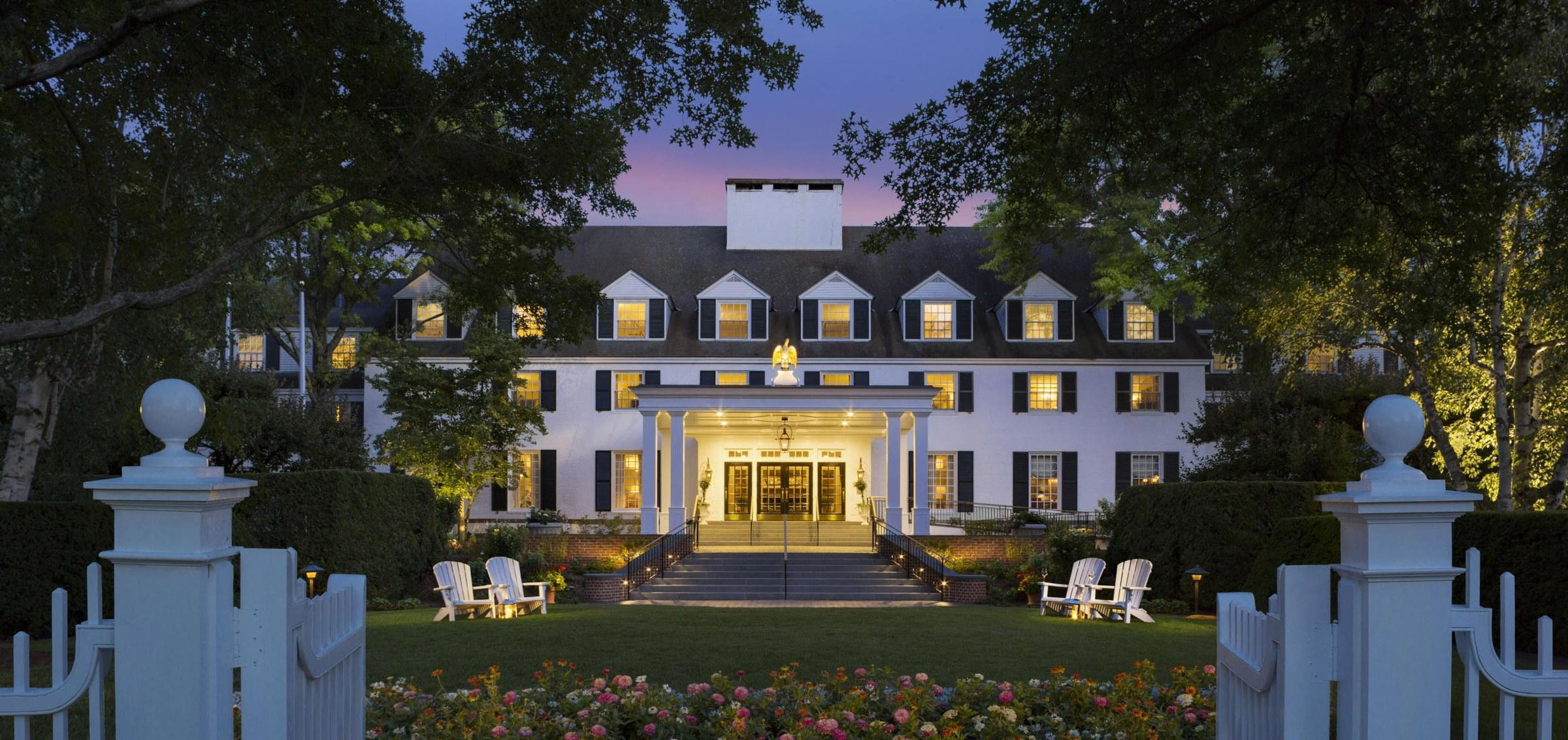
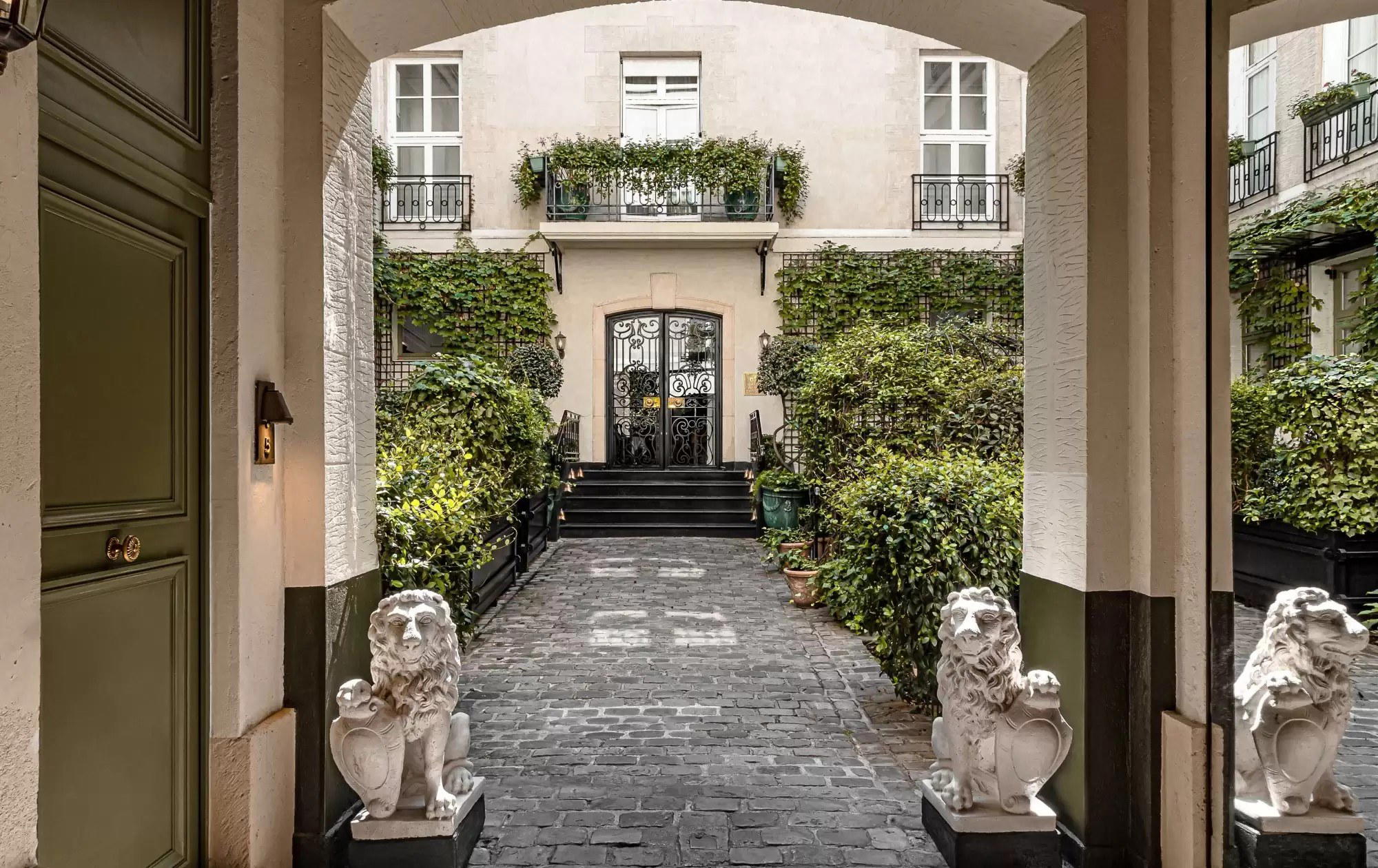
Hotel Maximilian's plays on an architectural tension: it sits on one of Augsburg's most historically charged streets yet presents itself through a postwar-modern interior. The copy emphasizes 'contemporary bones' and a deliberate modern stance rather than a pastiche of the Renaissance facades outside. That contrast creates a quietly confident aesthetic — neither nostalgic reconstruction nor stark novelty — which appeals to travelers who notice design decisions and enjoy layered context. The hotel's presence on a patrician boulevard gives it a civic gravity, while the mid-century identity keeps the experience feeling restrained, composed and intentionally modern.
Best For
This property suits travelers who value central, historically significant locations and a considered modern interior. Business travelers and those coming for the city's cultural landmarks appreciate the premium positioning and direct address on Maximilianstrasse. Architecture and history enthusiasts enjoy the dialogue between the Renaissance street and the hotel's 1954 rebuild, while guests seeking straightforward, mid-century-informed comfort find the hotel's aesthetic consistent and deliberate. It is less about period reproduction and more about being in the middle of the city's architectural narrative with contemporary, well-appointed rooms.
Stay Tips
When booking, request a room that faces Maximilianstrasse to take fullest advantage of the hotel's location on the Renaissance boulevard and to watch the stately façades and fountains outside. Note that the property deliberately emphasizes its postwar-modern identity rather than historical restoration, so if you have a preference for classic-period interiors enquire about room finishes before you book. For travelers interested in the building’s place in Augsburg’s architectural story, mention an interest in the hotel's history at check-in — staff are likely to point you toward the most context-rich rooms and local sights.
Venue details
Ambiance
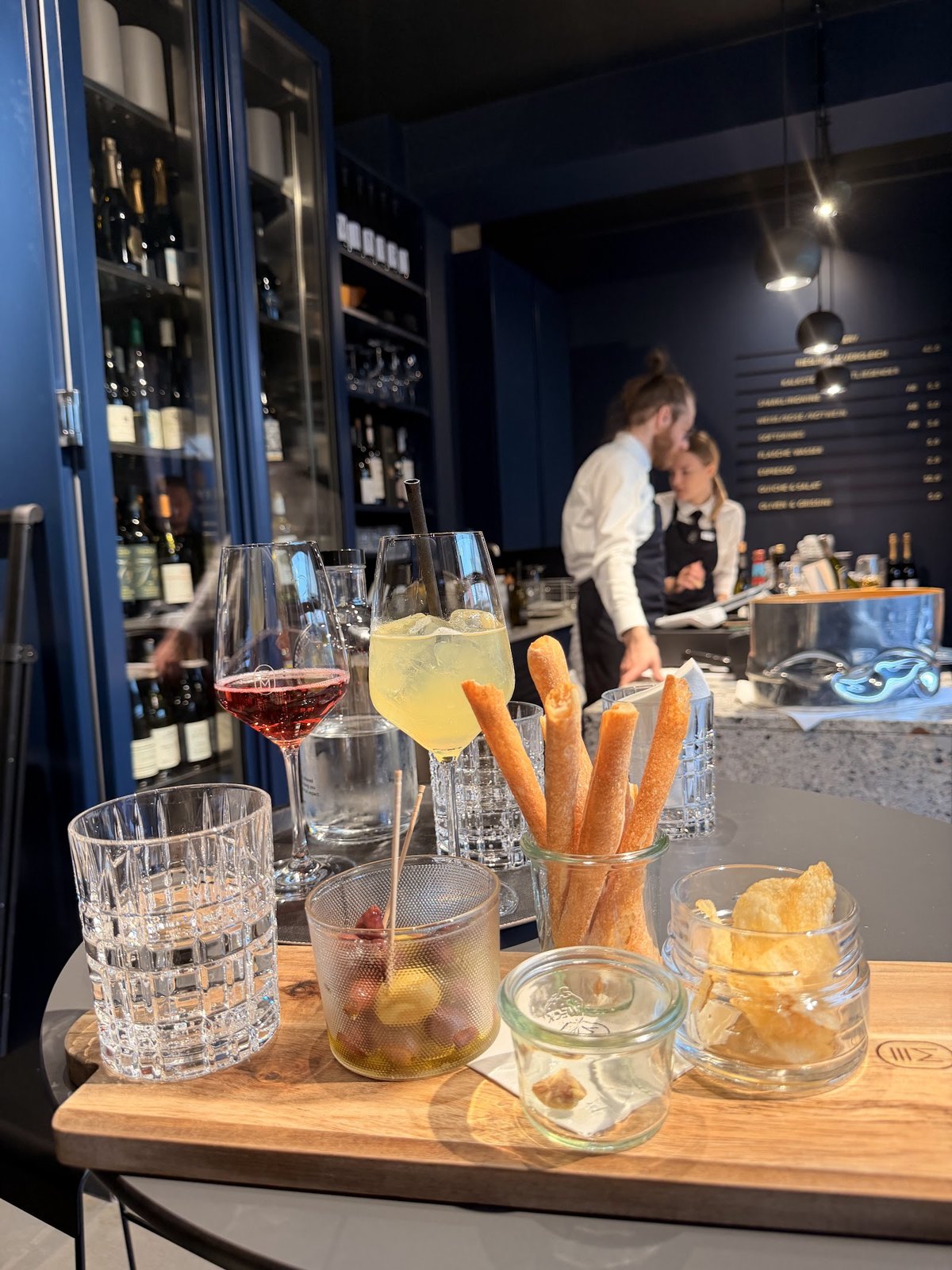
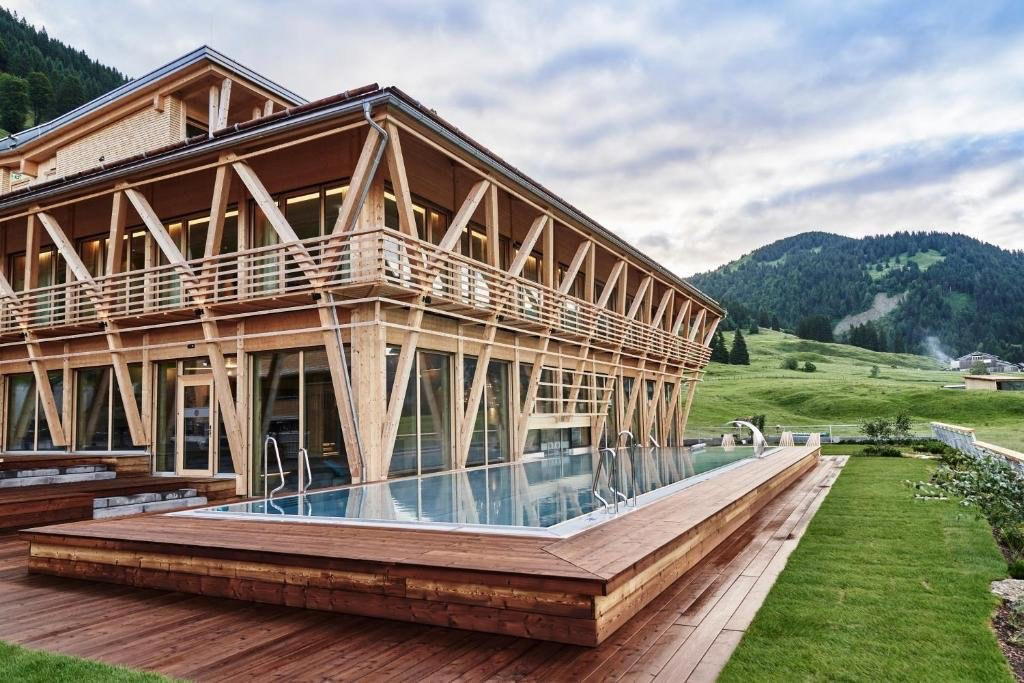
Elegant and peaceful with soundproofed rooms, relaxing spa atmosphere, and lively yet accommodating bar.
Tags
Vibe
Best For
Experience
Amenities
View
Accessibility
About the Stay
- Rooms
- 132
- Check-in
- 15:00
- Check-out
- 12:00
- Property Type
- Boutique hotel
- Property Style
- Historic Luxury Boutique with Modern Updates
- Design Style
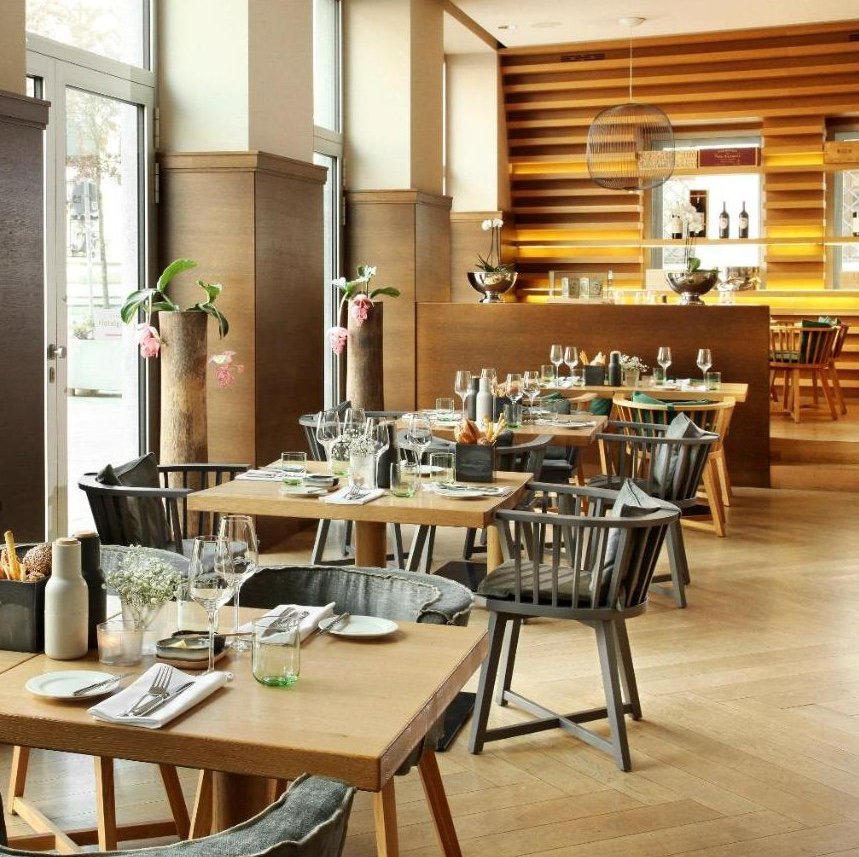
- Elegant Classic with Individual Furnishings and Artwork
- Airport Transfer
- Available
- Spa
- Yes
- Pets
- Allowed
- Families
- Welcome
Know before you go
Know Before You Go
- Getting there
- Maximilianstraße 40, 86150 Augsburg
Planning details
Location
Recognition and awards
Also consider
If this is not the right fit
Try Der Sonnenhof if the goal is a calmer out-of-metro stay rather than a central Augsburg base. Try Eurostars Grand Central if transport convenience and value matter more than external hotel recognition.
Hotel context
How it compares
Hotel Maximilian's is the clear pick if the trip is built around Augsburg rather than Munich or the countryside. Der Sonnenhof is the better cross-shop for a quieter out-of-metro stay, while Kempinski Royal Residence Nymphenburg, Munich makes more sense for travellers who want a Munich address and a more residential luxury setup.
For value and logistics, Eurostars Grand Central is the practical alternative if transport access matters more than Augsburg atmosphere. The Dean is the style-led comparison, and Löwenbräukeller - Das Original is a narrower fit for travellers whose plans align with its setting.
The decision is simple: choose Hotel Maximilian's for the stronger Augsburg city base and recognised hotel quality; look elsewhere if the stay is really a Munich trip, a countryside break, or a transport-first overnight.
Explore Augsburg
Around this place
Discover more on Pearl
Unlock the full Hotel Maximilian's guide in Pearl, including awards, comparisons, FAQs, planning details, and nearby places.
Compare Hotel Maximilian's
| Venue | Location | Awards |
|---|---|---|
| Hotel Maximilian's | Augsburg | 2026 Michelin 1 KeyMichelin 1 Key 20252025 Michelin 1 KeyPreferred Hotels L.V.X. Collection 2025 |
| Der Sonnenhof | Bad Worishofen | No published awards |
| Kempinski Royal Residence Nymphenburg, Munich | Munich | No published awards |
| The Dean | Munich | No published awards |
| Eurostars Grand Central | Munich | No published awards |
| Löwenbräukeller - Das Original | Munich | No published awards |

How Hotel Maximilian's Augsburg compares with similar nearby venues.
FAQ
Frequently Asked Questions
When is the best time to book Hotel Maximilian's?
Book early if you need an Augsburg stay and want this specific hotel. The Michelin 1 Key and Preferred Hotels L.V.X. Collection status make it a higher-confidence pick than many standard city hotels, so it is sensible to check availability in advance.
Is Hotel Maximilian's good for business travel?
It can be a sensible business-travel choice if Augsburg is where you need to be and you value a hotel with external recognition. Specific business facilities, room features, and services should be checked directly with the hotel before booking.
How does Hotel Maximilian's compare to other hotels?
Choose Hotel Maximilian's for an Augsburg-focused stay with Michelin 1 Key recognition. Der Sonnenhof is a different regional comparison, while Kempinski Royal Residence Nymphenburg, Munich is the better comparison when your trip is Munich-based rather than Augsburg-focused.
Do loyalty programs work at Hotel Maximilian's?
Hotel Maximilian's has Preferred Hotels L.V.X. Collection status. If loyalty benefits are a priority, check the exact earning, redemption, and recognition rules before booking.
How is the location of Hotel Maximilian's?
Hotel Maximilian's is in Augsburg. For exact arrival details and the most current location information, use the hotel's official booking or contact channels.