

Village & Château Castigno - Wine Hotel Spa & Resort
Assignan
Hotel in Assignan, France
 Book with Pearl
The Read
Distributed Village Hotel
Why go
Book Village & Château Castigno - Wine Hotel Spa & Resort for a special-occasion wine-country stay where the setting matters more than city access. The smarter room strategy is to pay for privacy, outlook, or atmosphere, not just extra space. Business travellers should only choose it for retreats or slower-paced client stays.
About Village & Château Castigno - Wine Hotel Spa & Resort
Village & Château Castigno - Wine Hotel Spa & Resort is a hotel in Assignan. It is listed with a smart casual dress code, Michelin 1 Key recognition in 2024, and Gault & Millau Exceptional Hotel recognition in 2025 with 5pts.
Room categories, prices, check-in details, dining format, spa details, or service specifics are not available. The safest booking approach is to confirm the practical details directly with the property before committing. The recognition is a meaningful quality signal, but it should not be used to infer details about rooms, amenities, menus, or the style of stay.
Choose the room for the setting, not just the square footage
Room types, views, layouts, or upgrade benefits are not specified. If you are choosing between categories, compare the current descriptions from the property and book the option that best matches the stay you want in Assignan.
For travellers comparing bases, Village & Château Castigno - Wine Hotel Spa & Resort is an Assignan option. L'Hôtel Particulier Béziers and La Villa Guy may be worth comparing if you are considering a different base, but no further details are provided about how their locations or facilities differ.
Who should book, and who should look elsewhere
Book this property if you specifically want Village & Château Castigno - Wine Hotel Spa & Resort in Assignan and value its recognition. Do not assume details, including room configuration, dining style, prices, spa services, or transport convenience.
If you are still comparing options, consider Château & Village Castigno for a similarly named option, or compare L'Hôtel Particulier Béziers, La Villa Guy, Le Mosaïque, and Maison Jullian if you are considering a different base. You can also compare other dining or hotel options in Assignan generically, depending on the kind of trip you are planning.
Inside Village & Château Castigno - Wine Hotel Spa & Resort
Planning details
- Location
- Av. de Saint-Chinian, 34360 Assignan
- Website
- villagecastigno.com
- Phone
- +33 4 67 24 26 41
The take
The Take
The Vibe
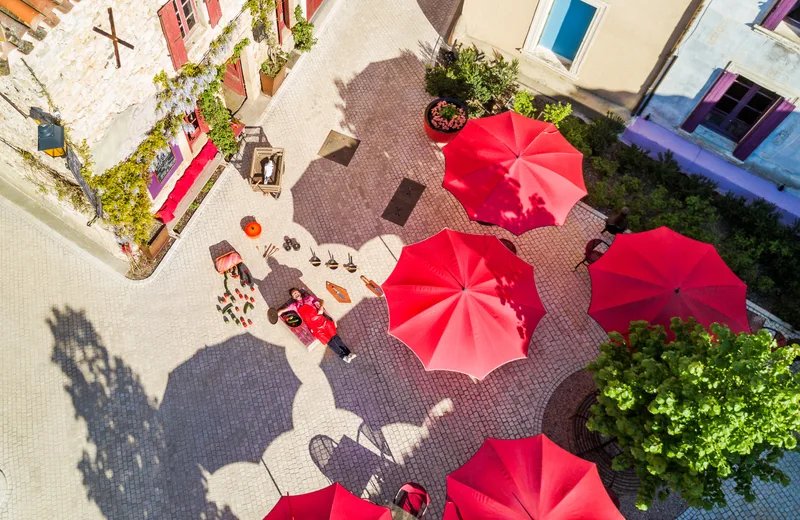
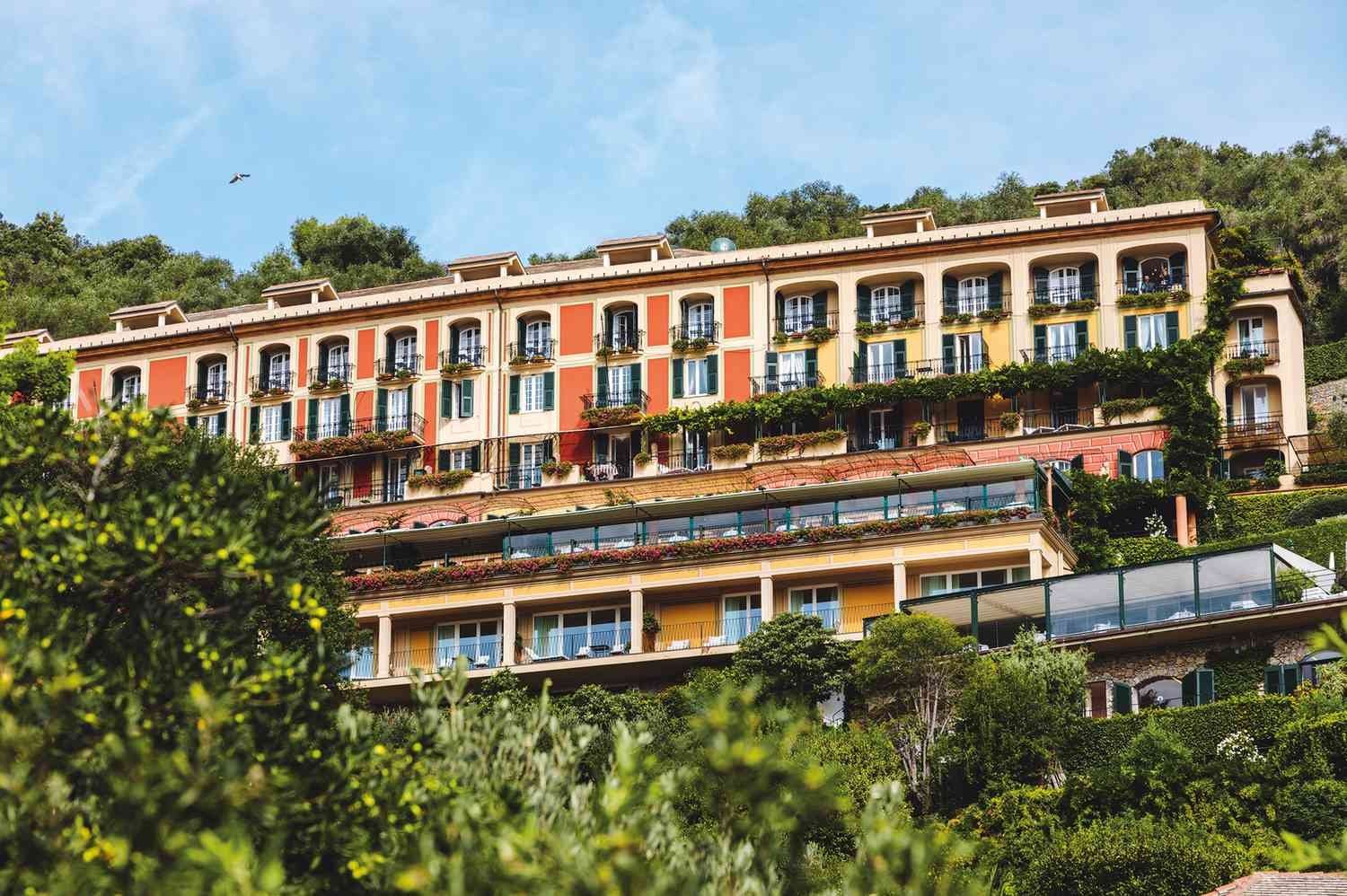
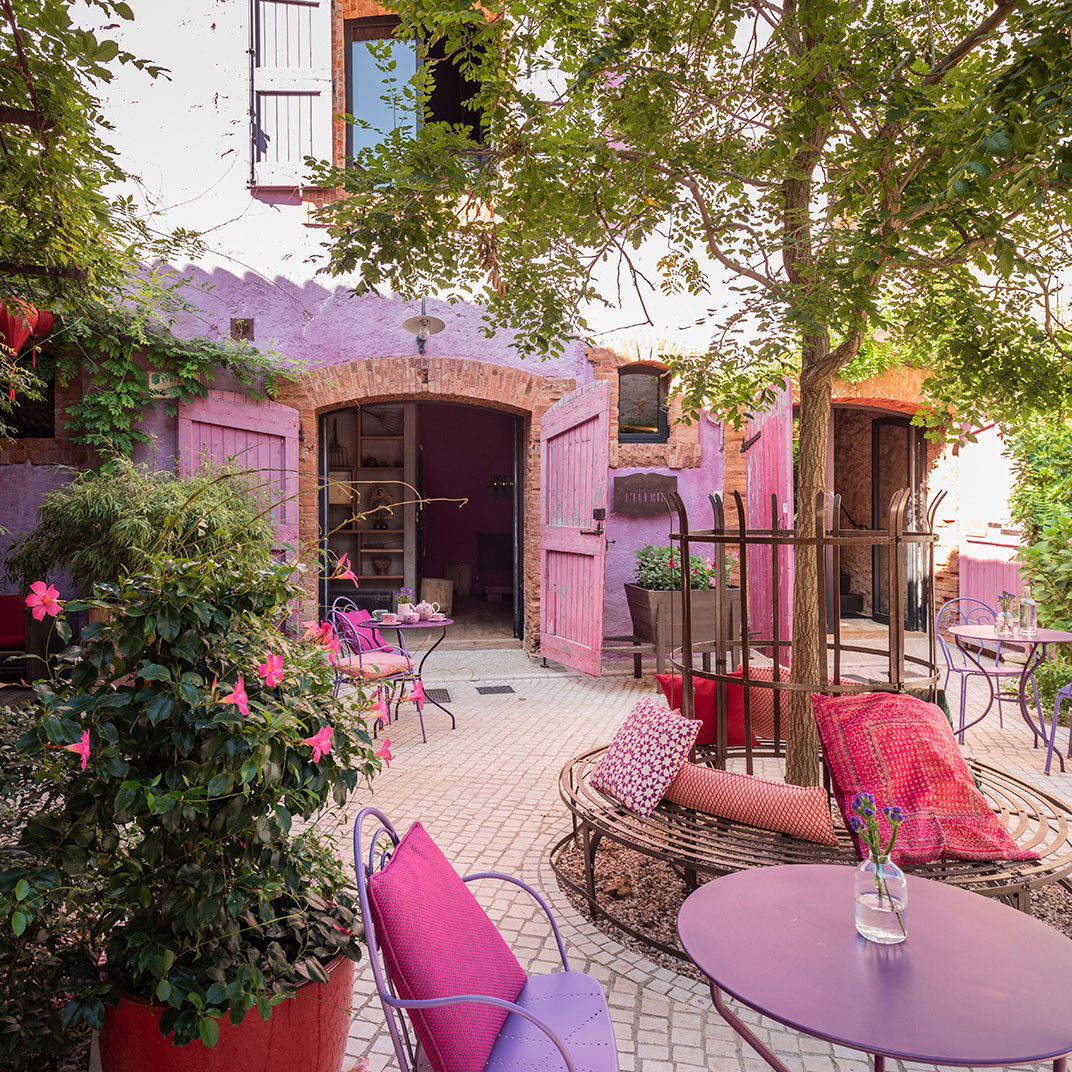
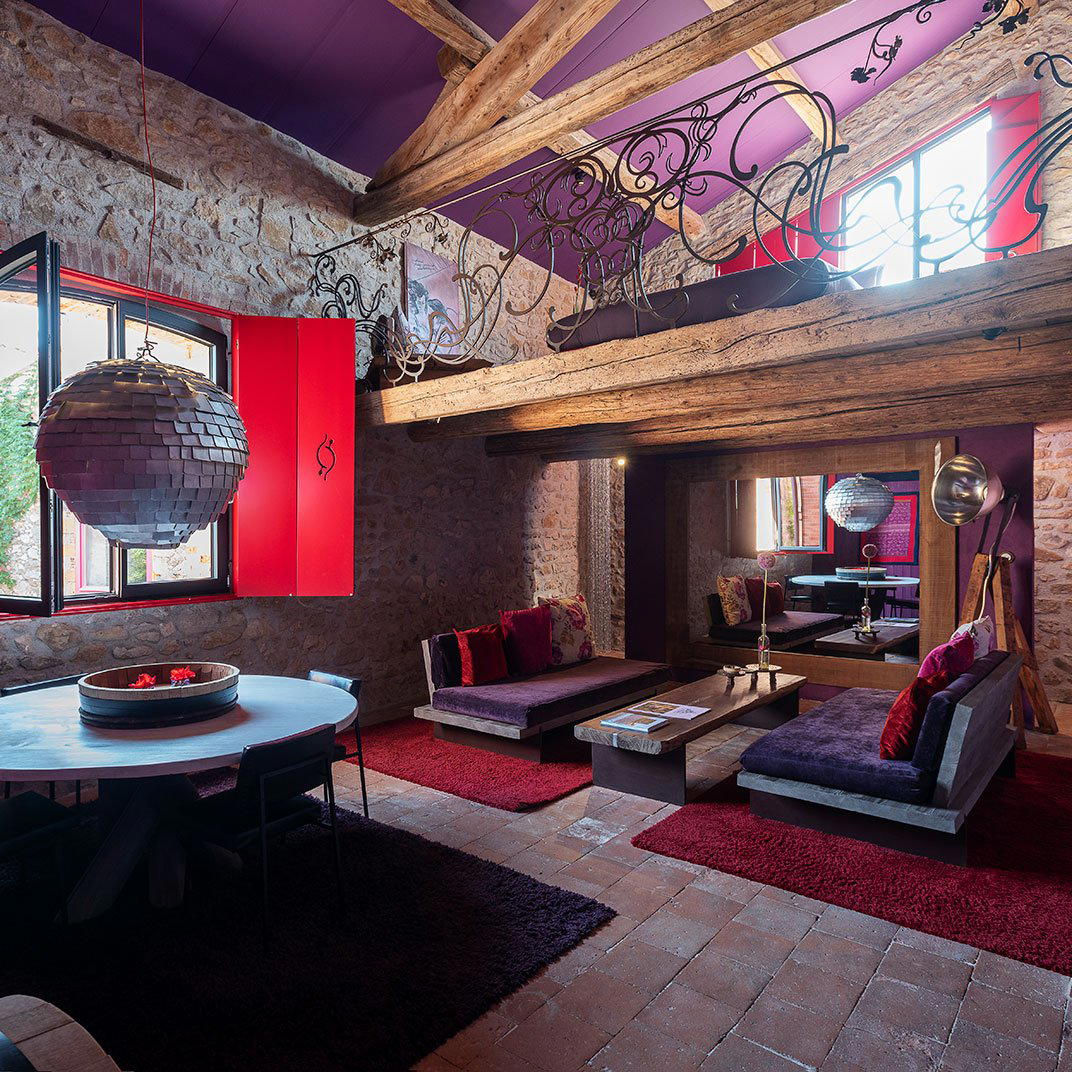
Château Castigno presents as an inhabited Provençal hamlet reconfigured for guests: stone buildings, narrow streets and color-coded facades make the village itself the primary design move. The scale is deliberately small—just 24 rooms dispersed across existing structures—so every stay feels private and quiet rather than theatrical. Interiors respond to each building’s original character, so rooms and communal spaces differ in mood and detail rather than following a single branded template. The freestanding Villa Rouge, with its garden and private pool, underscores the property’s intimate, residential feel: design here functions as context, not showpiece.
Best For
This is a hotel for travelers who want to slow down in wine country rather than rush through it: couples on extended escapes, design-minded visitors, and small groups who can book the two-bedroom Villa Rouge to enjoy a kitchen and private pool. Food lovers will appreciate that three restaurants are integrated into the village fabric, allowing for varied dining without leaving the property. The distributed layout rewards longer stays—guests settle into the village rhythms, moving between rooms, terraces and dining spots as if they were living there rather than just visiting.
Stay Tips
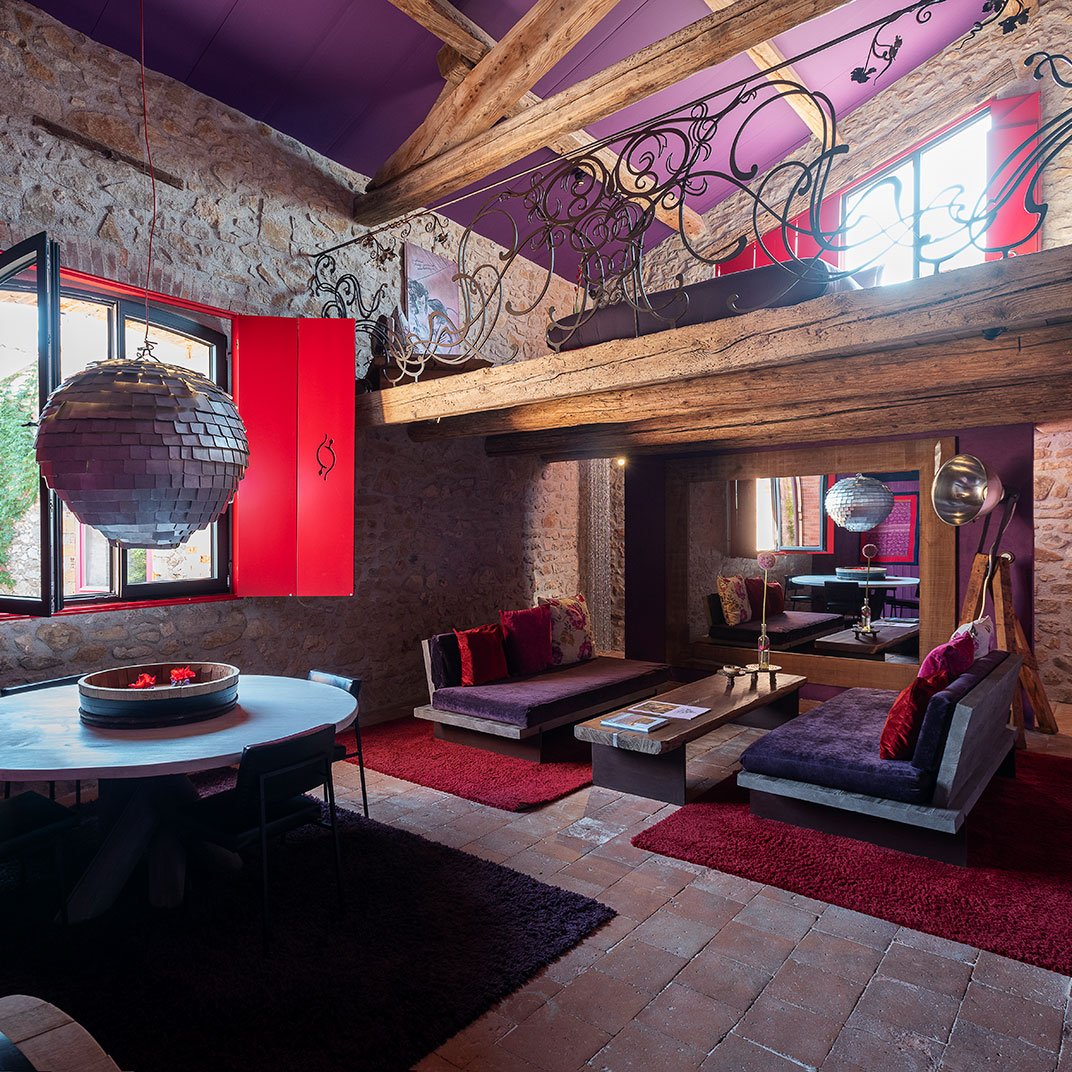
If you want a compact, design-forward bedroom choose one of the Vendangeur rooms, which are described as compact and painted in grape tones. Reserve the freestanding Villa Rouge when traveling with family or friends who need two bedrooms, a full kitchen and a private garden and pool. Plan on staying multiple nights to absorb the village rhythm and sample the property’s three restaurants across different evenings; the layout is intended for lingering rather than quick turnarounds.
Venue details
Ambiance
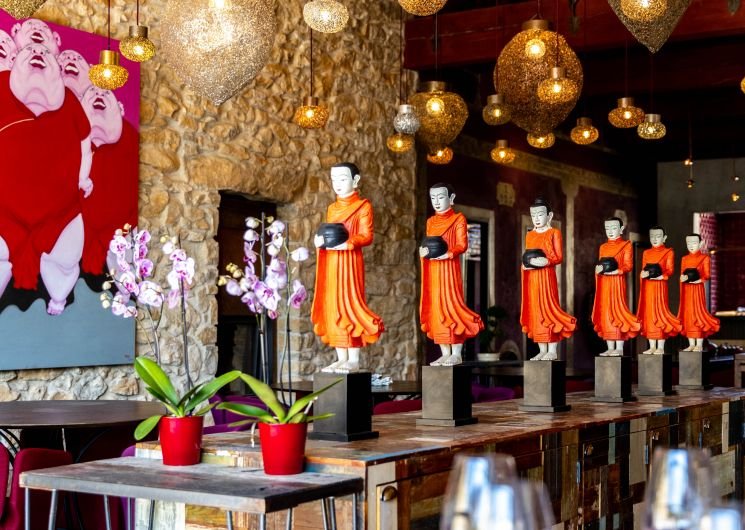
Serene and romantic with colorful, eclectic decor featuring French antiques, exposed stone walls, and soft lighting in a tranquil vineyard setting.
Tags
Vibe
Best For
Experience
Amenities
View
Accessibility
About the Stay
- Rooms
- 24
- Property Style
- Restored Wine Village with Bohemian Luxury Aesthetic and Digital Detox Focus
- Design Style
- Eclectic Mix of Contemporary and Historical with Colorful Grape Tones, Antiques, and Ethnic Elements
Know before you go
Know Before You Go
- Getting there
- Av. de Saint-Chinian, 34360 Assignan
Planning details
Location
Recognition and awards

Also consider
Also Consider
- Château & Village Castigno, Notable alternative
- Le Mosaïque, Notable alternative
- L'Hôtel Particulier Béziers, Notable alternative
- La Villa Guy, Notable alternative
- Maison Jullian, Notable alternative
Hotel context
How It Compares
Château & Village Castigno is the closest like-for-like option because it keeps the stay anchored in Assignan. If the goal is a wine-country celebration with a village feel, start there before looking out of metro. Village & Château Castigno - Wine Hotel Spa & Resort is the stronger choice when spa-resort framing and occasion energy matter more than simple lodging value.
L'Hôtel Particulier Béziers and La Villa Guy are better cross-shops for travellers who need a Béziers base, easier urban logistics, or a business-friendly rhythm. They are less about the rural wine-hotel mood and more about convenience. Choose them if meetings, transport, or city dining matter more than the retreat feeling.
Le Mosaïque and Maison Jullian make sense as alternatives when availability is tight or when the trip does not need to be centered on Assignan. For a date weekend or anniversary, the Castigno choice is more emotionally on-brief; for a lighter stopover or a more flexible itinerary, the out-of-metro peers may be easier to fit.
Around this place
Discover more on Pearl
Unlock the full Village & Château Castigno - Wine Hotel Spa & Resort guide in Pearl, including awards, comparisons, FAQs, planning details, and nearby places.
Compare Village & Château Castigno - Wine Hotel Spa & Resort
| Venue | Location | Awards |
|---|---|---|
| Village & Château Castigno - Wine Hotel Spa & Resort | Assignan | Michelin 1 Key 20252025 Michelin 1 Key2025 Gault & Millau Exceptional Hotel2024 Michelin 1 Key |
| Château & Village Castigno | Assignan | No published awards |
| Le Mosaïque | Narbonne | No published awards |
| L'Hôtel Particulier Béziers | Béziers | No published awards |
| La Villa Guy | Béziers | No published awards |
| Maison Jullian | Béziers | No published awards |
How Village & Château Castigno compares with similar nearby venues.
FAQ
Frequently Asked Questions
When is the best time to book Village & Château Castigno - Wine Hotel Spa & Resort?
Booking windows or seasonal demand are not specified. If your trip depends on particular dates, confirm availability directly with the property. The recognition is Michelin 1 Key in 2024 and Gault & Millau Exceptional Hotel in 2025 with 5pts.
Is Village & Château Castigno - Wine Hotel Spa & Resort good for business travel?
Business facilities or meeting services are not specified. If you need a business-oriented base, confirm the relevant facilities directly and compare with L'Hôtel Particulier Béziers or La Villa Guy if you are considering a different base.
How does Village & Château Castigno - Wine Hotel Spa & Resort compare to nearby hotels?
Choose Village & Château Castigno - Wine Hotel Spa & Resort for an Assignan hotel with Michelin 1 Key recognition in 2024 and Gault & Millau Exceptional Hotel recognition in 2025 with 5pts. Château & Village Castigno is the closest comparison by name, while Le Mosaïque, L'Hôtel Particulier Béziers, La Villa Guy, and Maison Jullian may be relevant if you are considering a different base.
Which room category is best at Village & Château Castigno - Wine Hotel Spa & Resort?
Room categories, layouts, views, or pricing are not specified. Choose based on the current room details from the property rather than assuming any category is automatically the best value.
What is check-in like at Village & Château Castigno - Wine Hotel Spa & Resort?
How is the dining at Village & Château Castigno - Wine Hotel Spa & Resort?
Cuisine, menu format, prices, or service details are not specified. The dress code is smart casual. If dining is a major part of the trip, confirm the current options directly with the property and compare with other dining in Assignan or with Le Mosaïque if you are considering a different base.