
Villa Fontelunga
Foiano della Chiana, Arezzo
Hotel in Arezzo, Italy
 Book with Pearl
The Read
Contemporary Padronale Design
Why go
Villa Fontelunga is a strong Arezzo-country choice for travellers who want a quiet, design-led villa stay rather than a city hotel. Its Michelin 1 Key and Mr & Mrs Smith recognition make it easier to justify for a celebration, but guests who need a full spa resort or walkable city base should compare nearby alternatives first.
About Villa Fontelunga
Villa Fontelunga is a stay in Arezzo with a smart-casual dress code and two recognition signals: Michelin 1 Key in 2024 and the Mr & Mrs Smith Seal of Approval in 2026.
For broader planning, use our full Arezzo restaurants guide for dining ideas in the city.
A stay to judge by recognition, not invented details
The most grounded reason to consider Villa Fontelunga is its recognition: Michelin 1 Key in 2024 and Mr & Mrs Smith Seal of Approval in 2026. Those signals support the case for considering it, but they should not be stretched into claims about specific amenities, cuisine, service format, pricing, or location beyond Arezzo.
For travellers building a wider Arezzo trip, keep the hotel decision separate from dining and day-planning. If the trip depends on details such as a restaurant concept, bar program, spa setup, or transport profile, check them before booking rather than assuming they are part of the experience.
Who should choose it, and who should cross-shop
Choose Villa Fontelunga if the recognition and Arezzo setting are enough to make it a serious candidate. If you need a different style of stay, compare it with Borgo 69, Follonico Suite B&B, Siena House, Monastero di Cortona Hotel & Spa, or Relais Il Falconiere & Spa, focusing only on the details each property confirms for your dates.
The key is to compare the practical facts that matter to your trip rather than relying on assumptions. Villa Fontelunga has recognition and a smart-casual dress code; other specifics should be treated as booking-check details unless confirmed directly.
Planning details
- Location
- Via Cunicchio, 5, 52045 Pozzo della Chiana AR
- Website
- fontelungatuscancollection.com
- Phone
- +39 0575 660410
The take
The Take
The Vibe
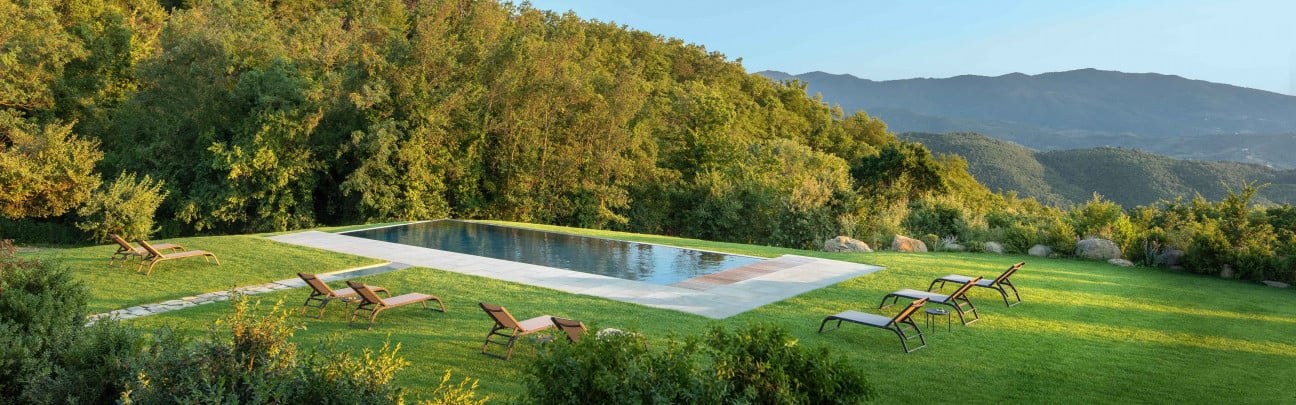
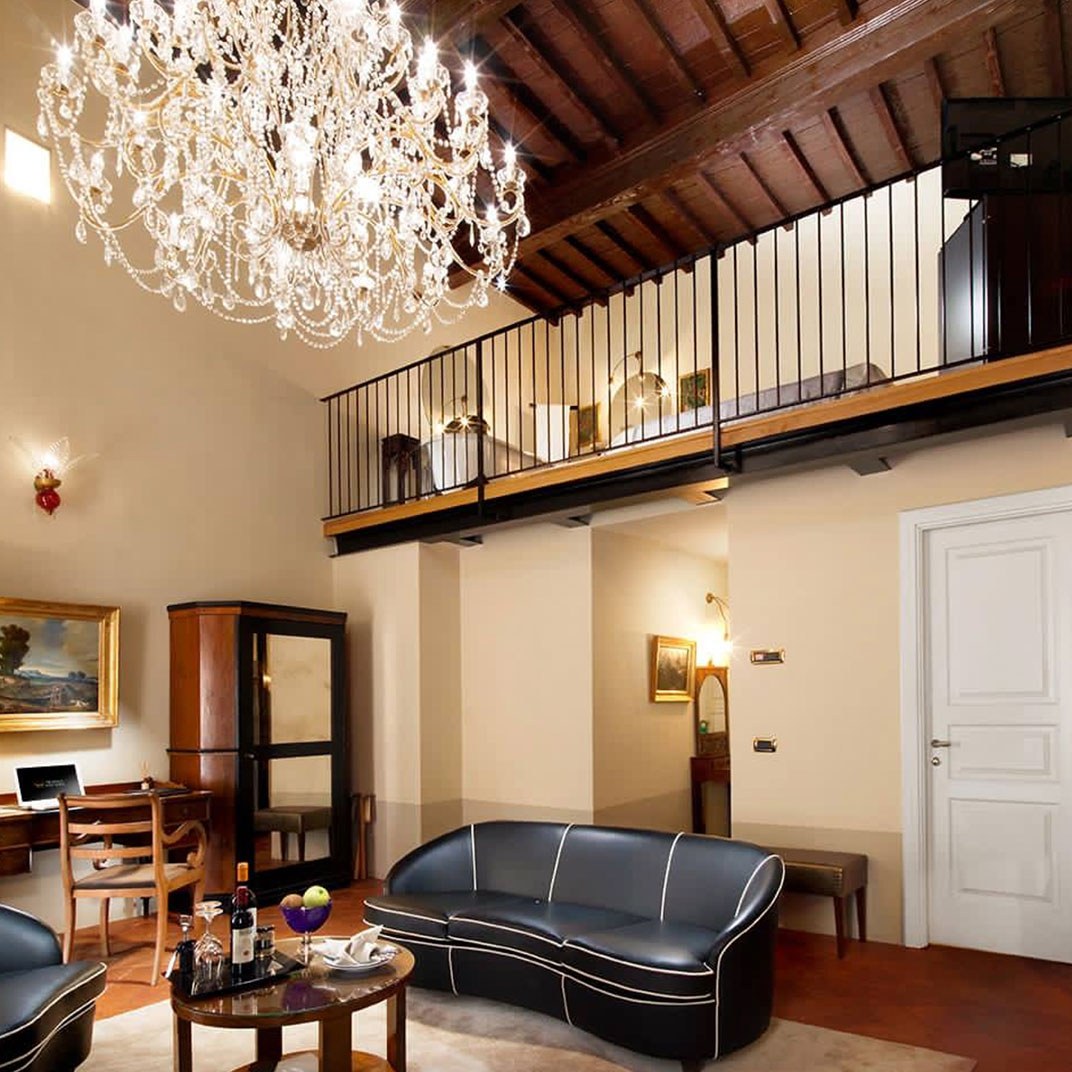
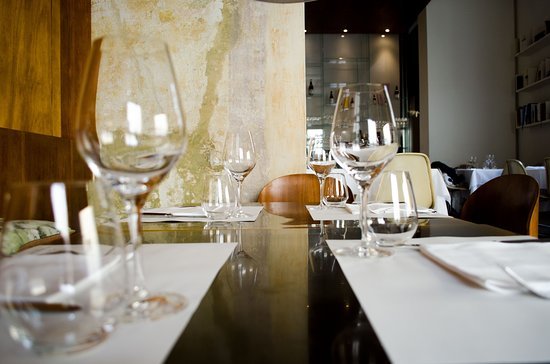
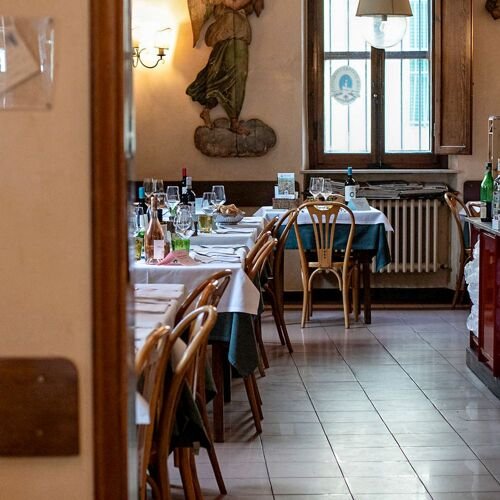
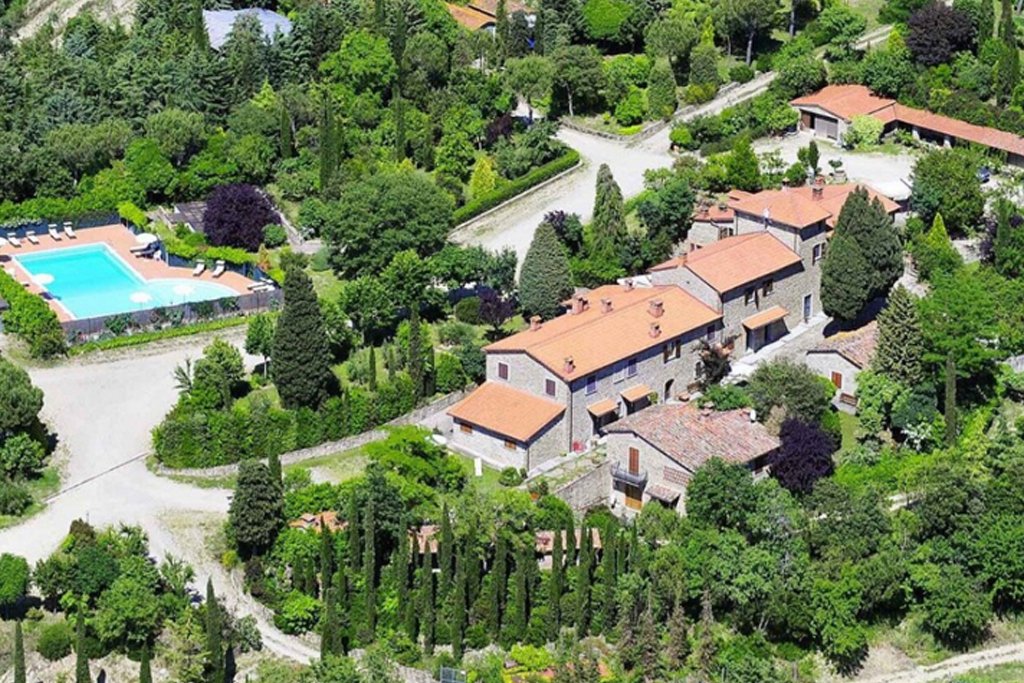
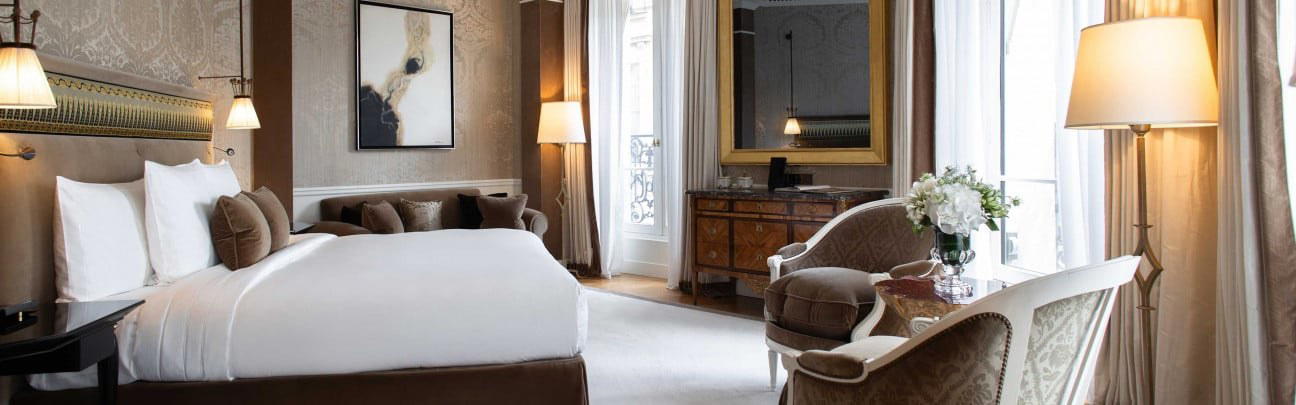
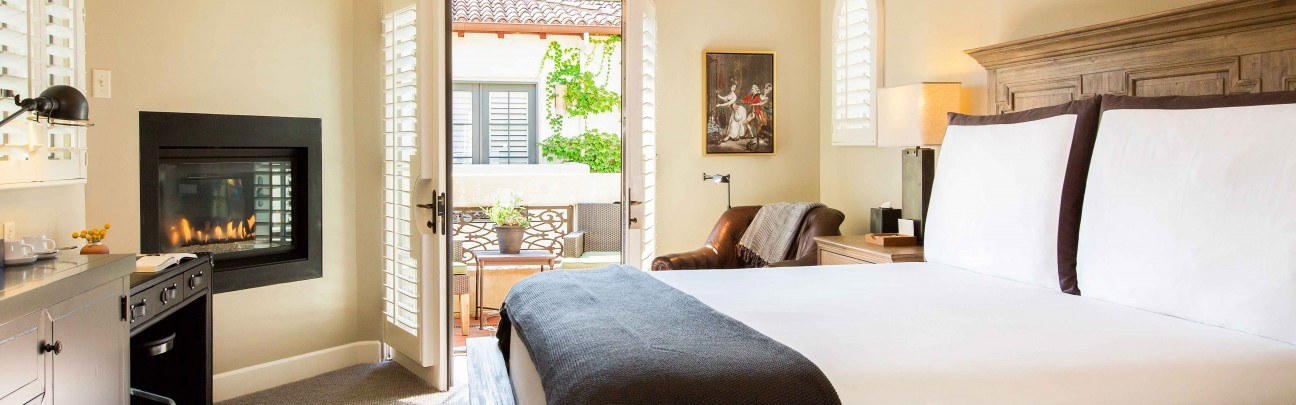
Villa Fontelunga presents a restrained, design-forward interpretation of the Tuscan villa. In a compact nine-room house the interior reads like a curated private residence: traditional antiques sit alongside Philippe Starck and Arne Jacobsen pieces, and the redesign deliberately strips away the wax-museum quality found in many converted villas. The result is intimate and quietly confident rather than ornate or ostentatious. A 2024 Michelin Key recognition underlines the property's coherent hospitality concept — this is a place that favors careful composition, measured comfort and an understated, design-led sensibility set into the hills between Arezzo and Cortona.
Best For
This property suits travelers after an intimate, thoughtfully designed escape rather than a high-amenity resort. Its nine-room scale and private-house feel make it especially appropriate for couples and anyone seeking a quiet, romantic stay; it aligns naturally with romantic getaways, honeymoons, anniversaries and weekend escapes. The Michelin Key nod highlights an emphasis on the overall hospitality experience, which will appeal to guests who prize considered design and a coherent atmosphere. Located in the hills between Arezzo and Cortona, the villa also serves as a discreet base for exploring the Val di Chiana and nearby towns.
Stay Tips
Because Villa Fontelunga is intentionally small — just nine rooms — availability can be limited; book well in advance, especially for peak travel dates or special occasions. The property's Michelin Key recognition suggests the emphasis is on a coherent hospitality experience rather than scale, so guests should expect a carefully curated stay; reach out to the property directly to confirm any specific needs or services. If you’re planning a romantic occasion or anniversary, mention it when booking so the team can note the reservation, and allow extra lead time for preferred room selection.
Venue details
Ambiance
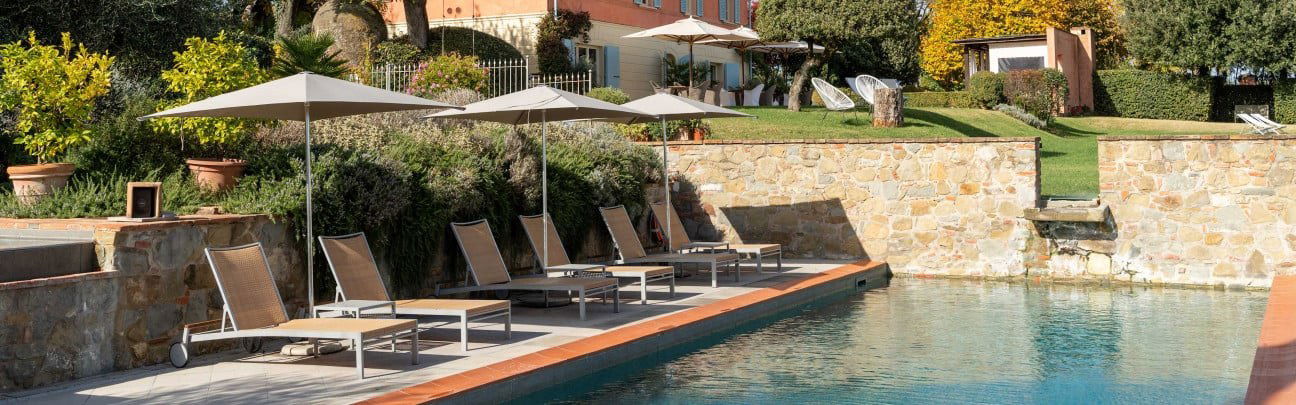
Peaceful and elegant with natural light, garden views, and a relaxed Tuscan countryside atmosphere praised for its tranquility and comfort.
Tags
Vibe
Best For
Experience
Amenities
View
Accessibility
About the Stay
- Rooms
- 12
- Check-in
- 15:00
- Check-out
- 10:00
- Property Style
- Tuscan Villa with Informal Luxury and Personalized Service
- Design Style
- Blend of Traditional Tuscan and Contemporary Styling
Know before you go
Know Before You Go
- Getting there
- Via Cunicchio, 5, 52045 Pozzo della Chiana AR
Planning details
Location
Via Cunicchio, 5, 52045 Pozzo della Chiana AR · Directions
Recognition and awards
Also consider
Also Consider
- Borgo 69, Notable alternative
- Siena House, Notable alternative
- Relais Il Falconiere & Spa, Notable alternative
- Monastero di Cortona Hotel & Spa, Notable alternative
- Follonico Suite B&B, Notable alternative
Hotel context
How It Compares
Against Borgo 69 and Siena House, Villa Fontelunga is the safer choice for a special-occasion countryside stay because its Michelin 1 Key and Mr & Mrs Smith recognition give clearer quality signals. Choose it when the mood of the property matters as much as the room itself; cross-shop the others if value or availability becomes the deciding factor.
Relais Il Falconiere & Spa and Monastero di Cortona Hotel & Spa are the more obvious comparisons for travellers who want a spa-led stay. If the trip is built around treatments and resort facilities, start there. If the brief is a quieter villa atmosphere near Arezzo, Villa Fontelunga is the more focused fit.
Follonico Suite B&B; is the alternative to consider when a smaller, lower-key stay is the goal. Villa Fontelunga makes more sense for a celebration where design, setting, and recognition carry weight; Follonico Suite B&B; is the cross-shop when the plan is simpler and the hotel is mainly a calm base.
Explore Arezzo
Around this place
Discover more on Pearl
Unlock the full Villa Fontelunga guide in Pearl, including awards, comparisons, FAQs, planning details, and nearby places.
Compare Villa Fontelunga
| Venue | Location | Awards |
|---|---|---|
| Villa Fontelunga | Arezzo | 2026 Mr & Mrs Smith Luxury HotelsMichelin 1 Key 20252025 Michelin 1 Key2024 Michelin 1 Key |
| Borgo 69 | Pozzo Della Chiana | No published awards |
| Siena House | Torrita di Siena | 2025 Michelin 1 Key2024 Michelin 1 Key |
| Relais Il Falconiere & Spa | Cortona | 2026 Virtuoso Luxury Hotel Collection2026 Relais Chateaux Hotels2025 Michelin Selected Hotels2025 Relais Chateaux Award |
| Monastero di Cortona Hotel & Spa | Cortona | 2025 Michelin 1 Key |
| Follonico Suite B&B | Torrita di Siena | 2026 Mr & Mrs Smith Luxury Hotels2025 Michelin Selected Hotels2024 Michelin 1 Key |



How Villa Fontelunga Arezzo compares with similar nearby venues.
FAQ
Frequently Asked Questions
Is Villa Fontelunga family-friendly?
Villa Fontelunga is in Arezzo and has Michelin 1 Key recognition from 2024 plus the Mr & Mrs Smith Seal of Approval in 2026. If family facilities are important, confirm them directly before booking.
How does Villa Fontelunga compare to other hotels?
Choose Villa Fontelunga if you want an Arezzo stay with recognition. Borgo 69, Follonico Suite B&B, Siena House, Relais Il Falconiere & Spa, and Monastero di Cortona Hotel & Spa are natural comparison points depending on what style of stay you need.
How is the dining at Villa Fontelunga?
The strongest confirmed signals are Michelin 1 Key in 2024 and the Mr & Mrs Smith Seal of Approval in 2026, so judge the stay on those facts and confirm dining details directly if they matter.
What is check-in like at Villa Fontelunga?
Do loyalty programs work at Villa Fontelunga?
The confirmed trust signals are Michelin 1 Key in 2024 and the Mr & Mrs Smith Seal of Approval in 2026.
How is the pool and spa at Villa Fontelunga?
If those facilities are central to the trip, confirm them directly before booking and compare Villa Fontelunga with options such as Monastero di Cortona Hotel & Spa or Relais Il Falconiere & Spa based on current confirmed amenities.