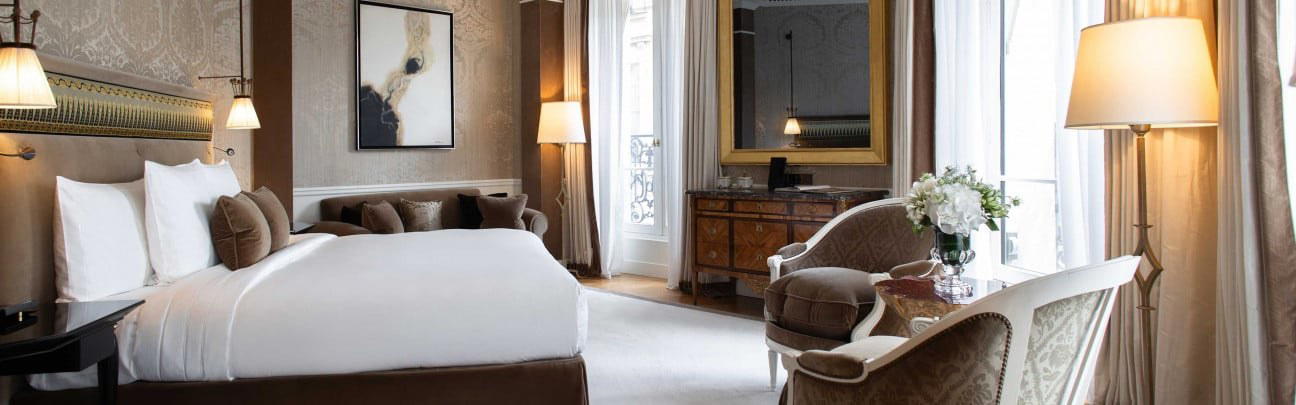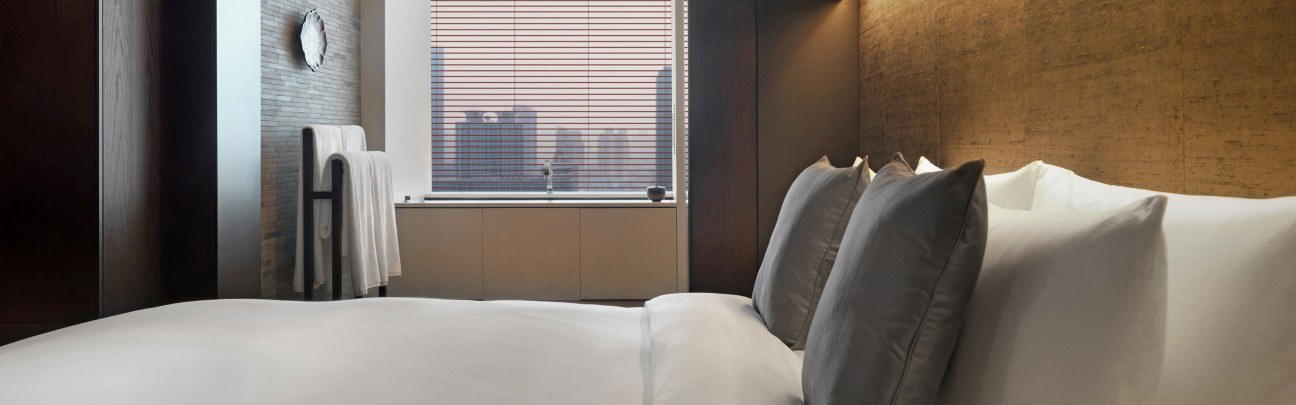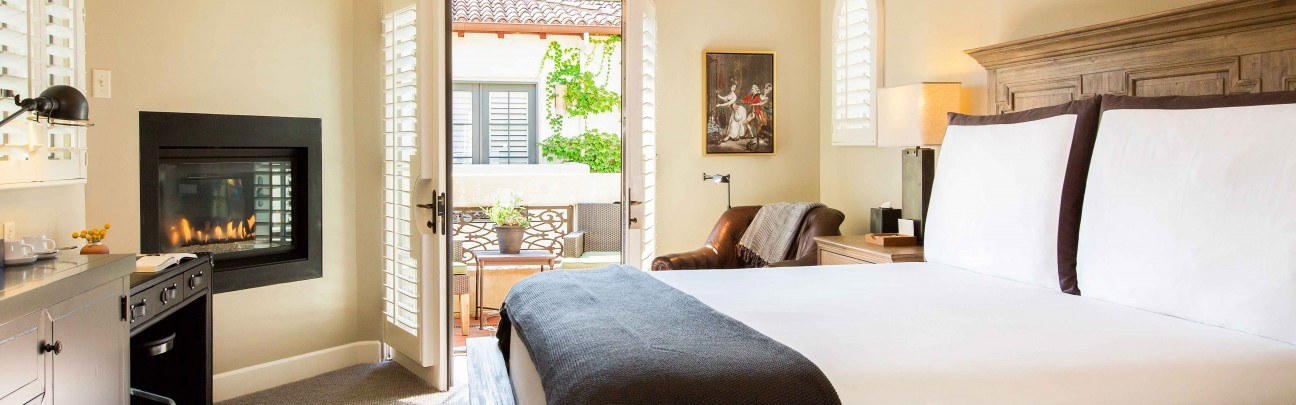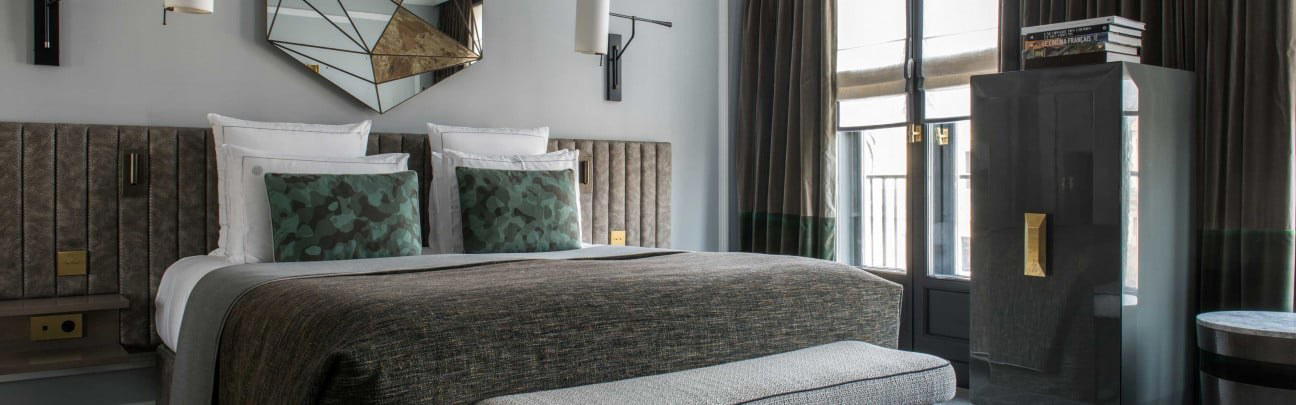


Badia di Pomaio
Pomaio, Arezzo
Hotel in Arezzo, Italy
 Book with Pearl
The Read
Restored Abbey Seclusion
Why go
Book Badia di Pomaio if the Arezzo trip benefits from quiet, privacy, and a countryside setting. It is a stronger fit for business-plus-leisure stays, client weekends, and small offsites than for travelers who need fast city-center access all day.
About Badia di Pomaio
Badia di Pomaio is a hotel option in Arezzo, offering recognized credentials. The dress code is smart casual, and the property has been recognized by Tablet Hotels, Mr & Mrs Smith, and the MICHELIN Guide hotel selection.
Specific room categories, service formats, facilities, pricing, or on-property amenities should be confirmed directly with Badia di Pomaio before booking. If you are comparing it with other named options, consider Graziella Patio Hotel, Il Borro, Borgo 69, Monastero di Cortona Hotel & Spa, or Relais Il Falconiere & Spa based on your own itinerary needs and the latest information from each property.
Book it for a recognized hotel choice in Arezzo
Badia di Pomaio is highly regarded for its hotel recognition. Tablet Hotels named it #21 in its Top 40 New Hotels list for 2025, Mr & Mrs Smith has given it a Seal of Approval for 2026, and the MICHELIN Guide lists it among selected hotels for 2025.
Those credentials are useful trust signals for travelers choosing without deep local knowledge. These credentials do not detail specifics such as facilities, meal service, room layout, transport convenience, or a specific style of stay. For those points, confirm directly with the hotel before committing.
The decision comes down to hotel credentials versus trip-specific needs
Badia di Pomaio is an Arezzo hotel with recognized awards and a smart casual dress code. Further details regarding amenities, access, dining, wellness, family services, or business infrastructure should be confirmed directly with the hotel.
If you are building a broader itinerary, compare Badia di Pomaio with Graziella Patio Hotel, Il Borro, Borgo 69, Monastero di Cortona Hotel & Spa, or Relais Il Falconiere & Spa where they fit your plans. For meal planning in Arezzo, use our full Arezzo restaurants guide alongside direct confirmation from venues.
Quick reference: Badia di Pomaio is in Arezzo, with a smart casual dress code, Tablet Hotels Top 40 New Hotels #21 in 2025, Mr & Mrs Smith Seal of Approval in 2026, and MICHELIN Guide Hotels Selected in 2025.
Planning details
- Location
- Località Pomaio, 4, 52100 Arezzo AR
- Website
- badiadipomaio.com
- Phone
- +39 0575 353210
The take
The Take
The Vibe
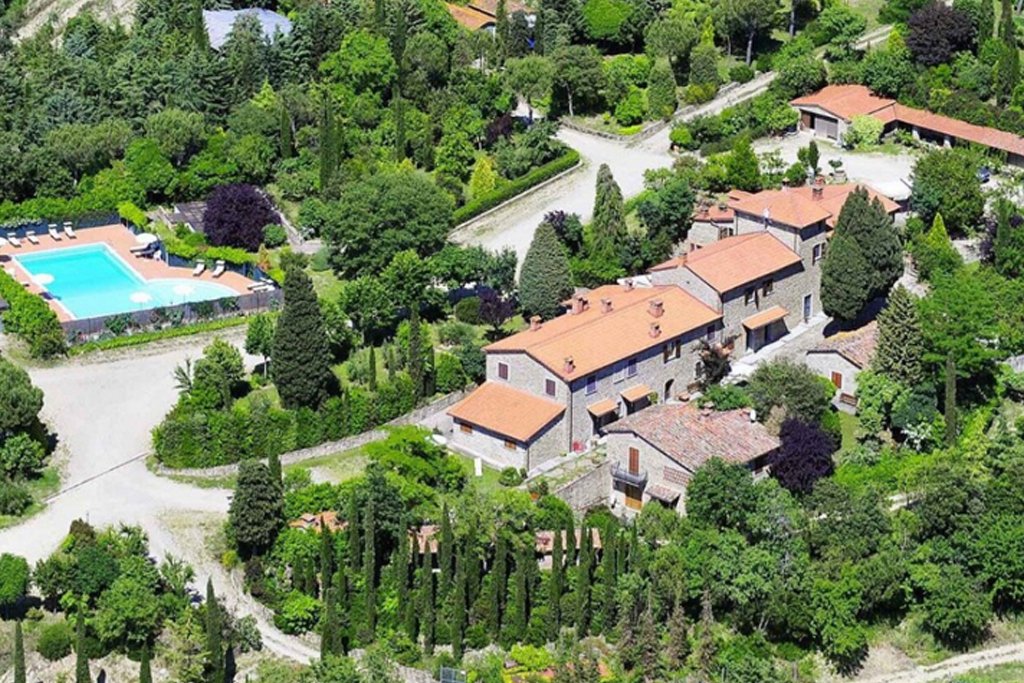
Badia di Pomaio reads first as architecture. The restored 17th‑century abbey delivers a sense of permanence through thick stone walls, vaulted geometries and proportions rooted in monastic life rather than modern hospitality formulas. The climb up terraced hillside frames the approach so the building’s mass resolves against the skyline, and that physicality shapes the stay: restrained, measured and quietly elegant. This is a place where materials and centuries-old structure do the curating, producing a serene, classic historic atmosphere that privileges contemplative experience over flashier amenity-driven design.
Best For
This is a destination for travelers who prize history, architecture and a quietly refined setting. The abbey’s hilltop position and preserved 17th‑century fabric suit guests seeking a contemplative retreat, an anniversary or a slow-paced romantic escape focused on place rather than programmed activities. It also appeals to those who prefer properties defined by material authenticity and craftsmanship — people who want to feel the weight of history in thick stone walls and vaulted spaces, and who value scenic, understated luxury in a rural Tuscan context.
Venue details
Ambiance
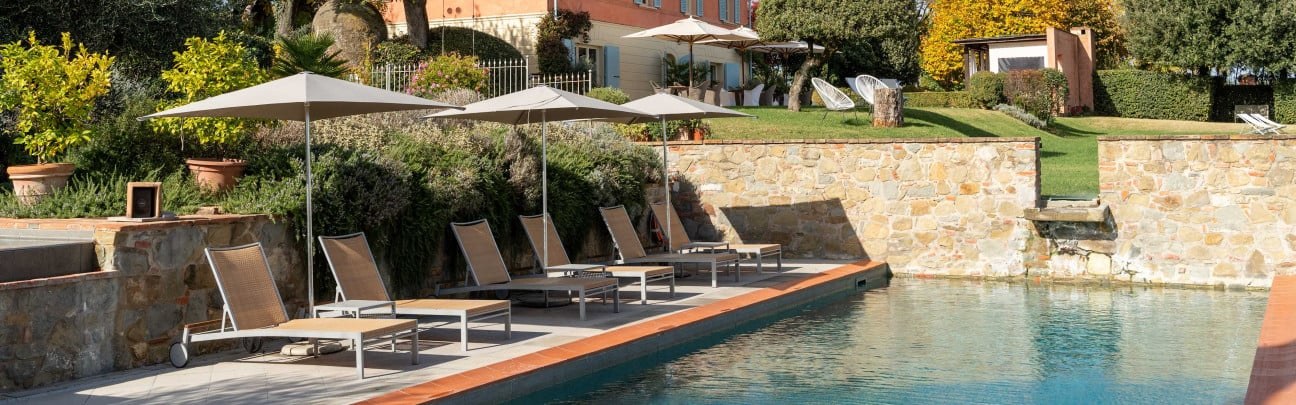
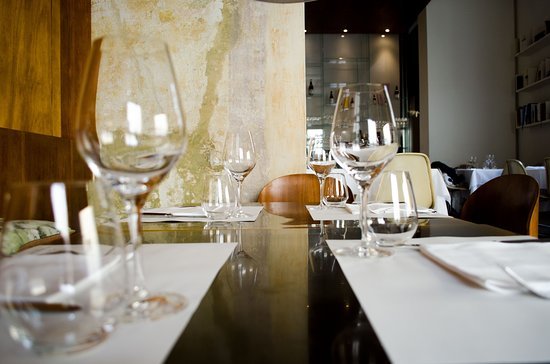
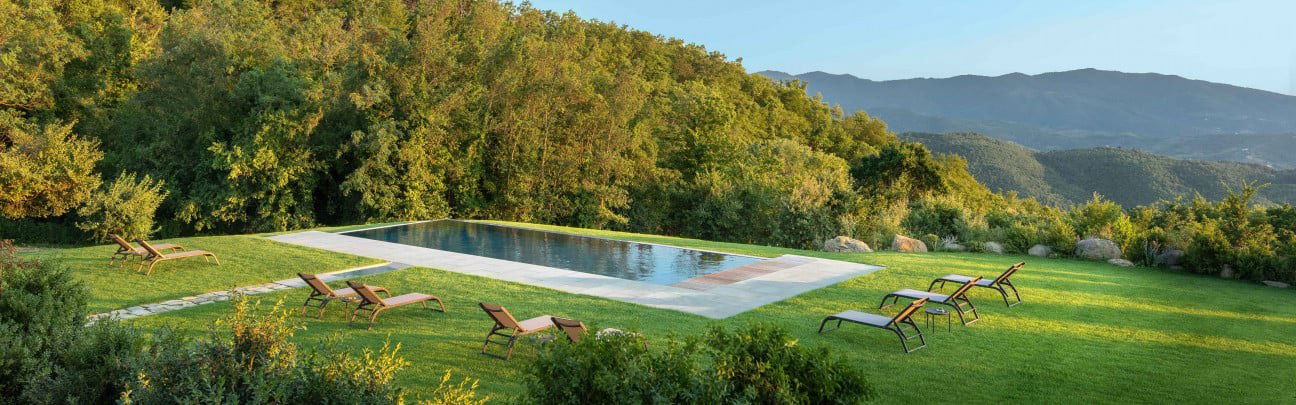
Serene and calming atmosphere with natural light, stone cloisters, timber beams, and a sense of quiet refinement amid lush gardens and rolling hills.
Tags
Vibe
Best For
Experience
Amenities
View
Accessibility
About the Stay
- Rooms
- 14
- Check-in
- 15:00
- Check-out
- 11:00
- Property Style
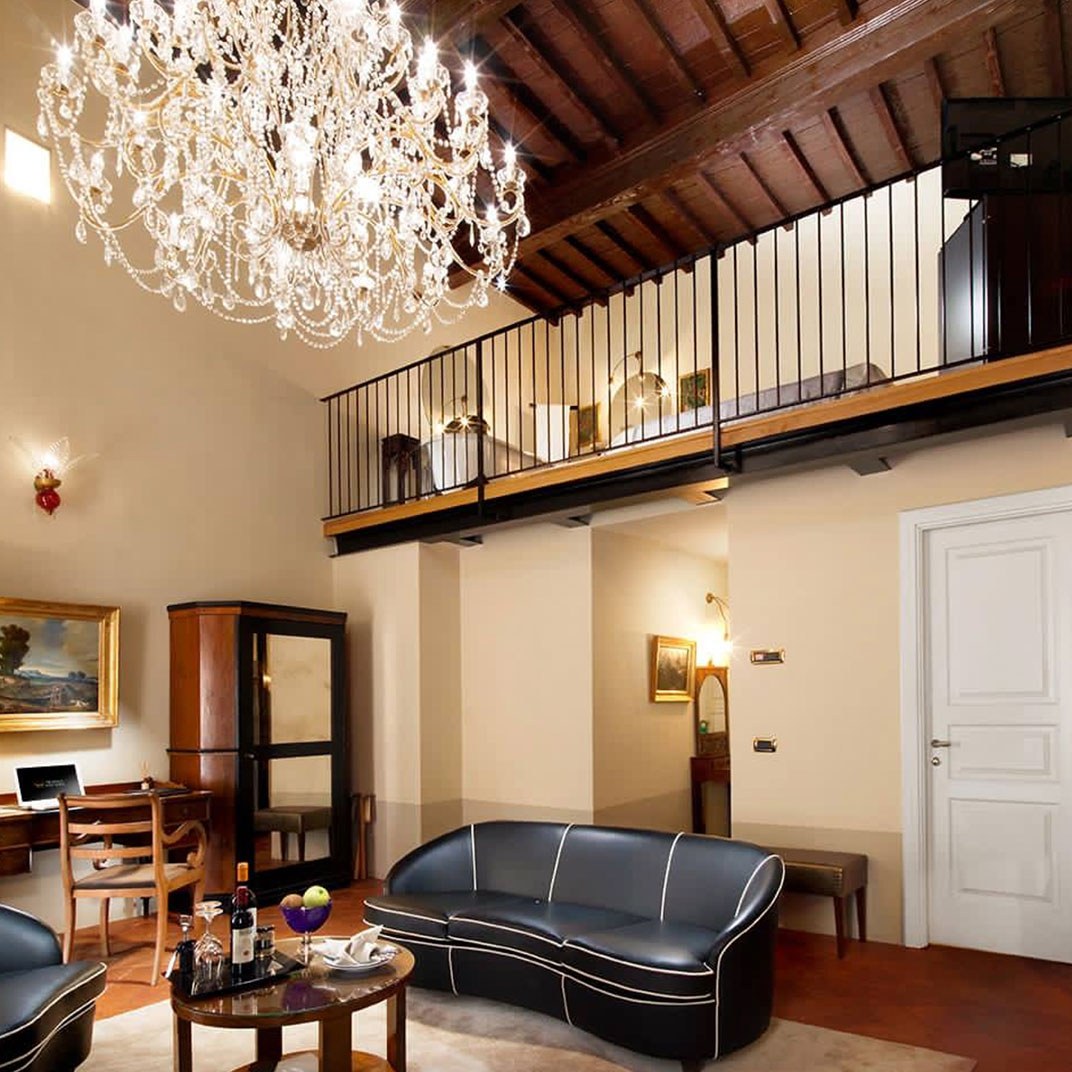
- Restored 17th Century Tuscan Abbey Blending Heritage with Modern Minimalism
- Design Style
- Rustic Artisan Furnishings with Wood Beamed Ceilings, Stone, Iron, and Sleek Contemporary Accents
Know before you go
Know Before You Go
- Getting there
- Località Pomaio, 4, 52100 Arezzo AR
Planning details
Location
Recognition and awards

Also consider
Also Consider
- Graziella Patio Hotel, Notable alternative
- Il Borro, Notable alternative
- Relais Il Falconiere & Spa, Notable alternative
- Monastero di Cortona Hotel & Spa, Notable alternative
- Borgo 69, Notable alternative
Hotel context
How it compares with Arezzo-area hotels
Badia di Pomaio is the better pick if the priority is a quieter Arezzo base with hotel-curator credibility and easier booking energy than the more destination-heavy Tuscan countryside names. Graziella Patio Hotel is the practical alternative for city access, especially for business travelers with a packed Arezzo schedule.
Il Borro is the bigger countryside commitment: choose it when the trip is built around the property itself and the budget allows a fuller resort-style stay. Relais Il Falconiere & Spa and Monastero di Cortona Hotel & Spa are stronger cross-shops for spa-led stays, especially when wellness facilities are a central reason to travel.
Borgo 69 is the softer alternative for travelers who want countryside atmosphere without leaning as heavily into a formal hotel feel. For value, Badia di Pomaio makes the clearest sense when the setting will be used; if the room is mainly a place to sleep between appointments, Graziella Patio Hotel is the more efficient call.
Explore Arezzo
Around this place
Discover more on Pearl
Unlock the full Badia di Pomaio guide in Pearl, including awards, comparisons, FAQs, planning details, and nearby places.
Compare Badia di Pomaio
| Venue | Location | Awards |
|---|---|---|
| Badia di Pomaio | Arezzo | 2026 Mr & Mrs Smith Luxury HotelsTablet Hotels Top 40 New Hotels 2025 · #212025 Michelin Selected Hotels |
| Graziella Patio Hotel | Arezzo | No published awards |
| Il Borro | San Giustino Valdarno | 2026 Virtuoso Luxury Hotel Collection2026 Relais Chateaux Hotels2025 Relais Chateaux Award2025 Michelin 2 Keys |
| Relais Il Falconiere & Spa | Cortona | 2026 Virtuoso Luxury Hotel Collection2026 Relais Chateaux Hotels2025 Michelin Selected Hotels2025 Relais Chateaux Award |
| Monastero di Cortona Hotel & Spa | Cortona | 2025 Michelin 1 Key |
| Borgo 69 | Pozzo Della Chiana | No published awards |




How Badia di Pomaio Arezzo compares with similar nearby venues.
FAQ
Frequently Asked Questions
Is Badia di Pomaio good for business travel?
Badia di Pomaio may work for a business trip in Arezzo, but specific business facilities, meeting spaces, transport convenience, or work-focused services should be confirmed directly with the property. Consider its recognized hotel credentials and ask the property directly about the details your trip requires. Graziella Patio Hotel and Il Borro are also worth comparing if they fit your itinerary.
What is check-in like at Badia di Pomaio?
Check-in hours or arrival procedures should be confirmed directly with Badia di Pomaio before travel, especially if your schedule is fixed. If you are comparing hotel logistics, Graziella Patio Hotel is another named option to review directly.
Is Badia di Pomaio family-friendly?
Family-specific services, room types, childcare, or other family amenities at Badia di Pomaio should be checked directly with the venue's official channels before booking. Borgo 69 is another option to compare if it suits your plans.
How does Badia di Pomaio compare to other hotels?
Badia di Pomaio has recognition from Tablet Hotels, Mr & Mrs Smith, and the MICHELIN Guide hotel selection. Graziella Patio Hotel, Monastero di Cortona Hotel & Spa, Il Borro, Borgo 69, and Relais Il Falconiere & Spa are comparison points to review, but confirm current facilities, location fit, and services directly with each property before deciding.
Which room category is best at Badia di Pomaio?
Room categories or which category is best are not detailed here. Ask Badia di Pomaio directly about current room options, availability, and the best fit for your stay before booking.
How is the location of Badia di Pomaio?
Badia di Pomaio is in Arezzo. For exact directions and arrival planning, use the hotel's official channels.