

Hotel De Witte Lelie
old town, Antwerp
Hotel in Antwerp, Belgium
 Book with Pearl
The Read
Canal House Quietude
Why go
Book Hotel De Witte Lelie if the point of the Antwerp trip is a quiet, design-led boutique stay rather than a large luxury hotel with extensive facilities. Its Michelin 1 Key and Small Luxury Hotels of the World recognition make it a strong fit for couples and occasion weekends, but families and amenity-driven travelers should compare alternatives first.
About Hotel De Witte Lelie
Hotel De Witte Lelie is a premium hotel in Antwerp with two key recognitions for 2025: Michelin 1 Key recognition and membership in Small Luxury Hotels of the World. These are important factors when deciding whether it belongs on a shortlist.
Hotel De Witte Lelie is a carefully vetted Antwerp hotel. Confirm the current details directly before booking if your stay depends on a particular room type, meal service, wellness feature, or accessibility need.
Book for a premium Antwerp stay
The strongest case for Hotel De Witte Lelie is its recognition: Michelin 1 Key and Small Luxury Hotels of the World membership. Together, those signals place it in a premium hotel set for Antwerp travelers who want a stay with independent quality markers rather than an ordinary city-hotel listing.
Beyond these strong indicators, specific claims about room size, on-site dining, family suitability, wellness facilities, or service style should be checked with the hotel before you commit. The dress code is smart casual.
How to think about the room choice
The safest booking approach is to choose based on your own needs and then confirm the exact room features directly with the hotel. If the trip depends on extra space, a particular bed setup, or a specific view or layout, do not assume it from the hotel's premium positioning alone.
For a short Antwerp stay, Hotel De Witte Lelie makes sense to consider if the Michelin 1 Key and Small Luxury Hotels of the World signals matter to you. If you need details on facilities, dining, or room configuration before deciding, contact the hotel and compare alternatives before booking.
Where to cross-shop in Antwerp
If this is unavailable or you want to compare other premium stays in the city, start with Hotel Julien and Hotel FRANQ. Both are natural Antwerp alternatives to review when you are comparing hotel style, availability, and overall fit.
For a broader luxury shortlist, compare Botanic Sanctuary Antwerp, Hotel Flora, and Gulde Schoen as well. If the wider city shortlist is still open, use our full Antwerp hotels guide before locking in, then pair the stay with our full Antwerp restaurants guide for the rest of the trip.
Inside Hotel De Witte Lelie
Planning details
- Location
- Keizerstraat 16/18, 2000 Antwerpen
- Website
- dewittelelie.be
- Phone
- +32 3 226 19 66
The take
The Take
The Vibe
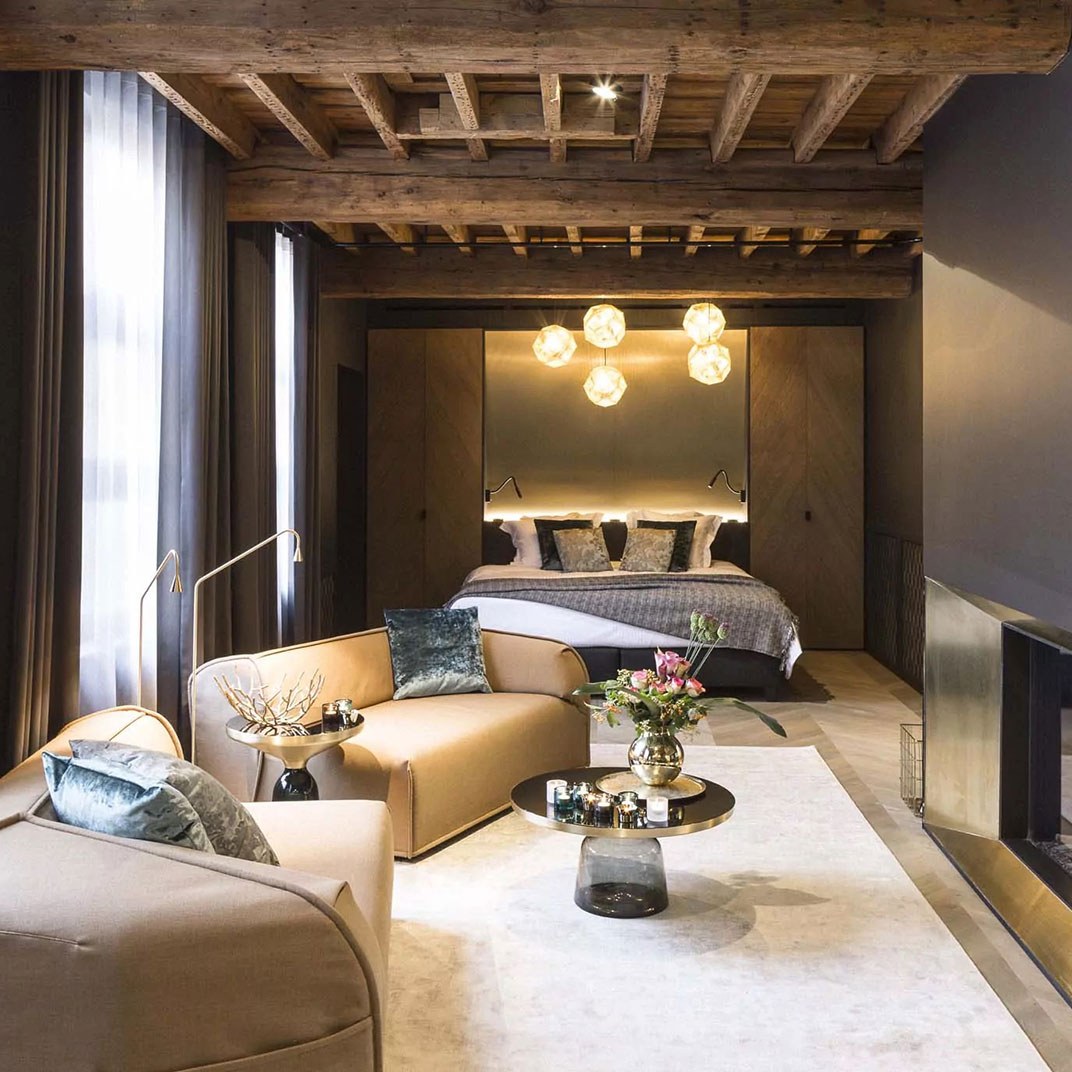
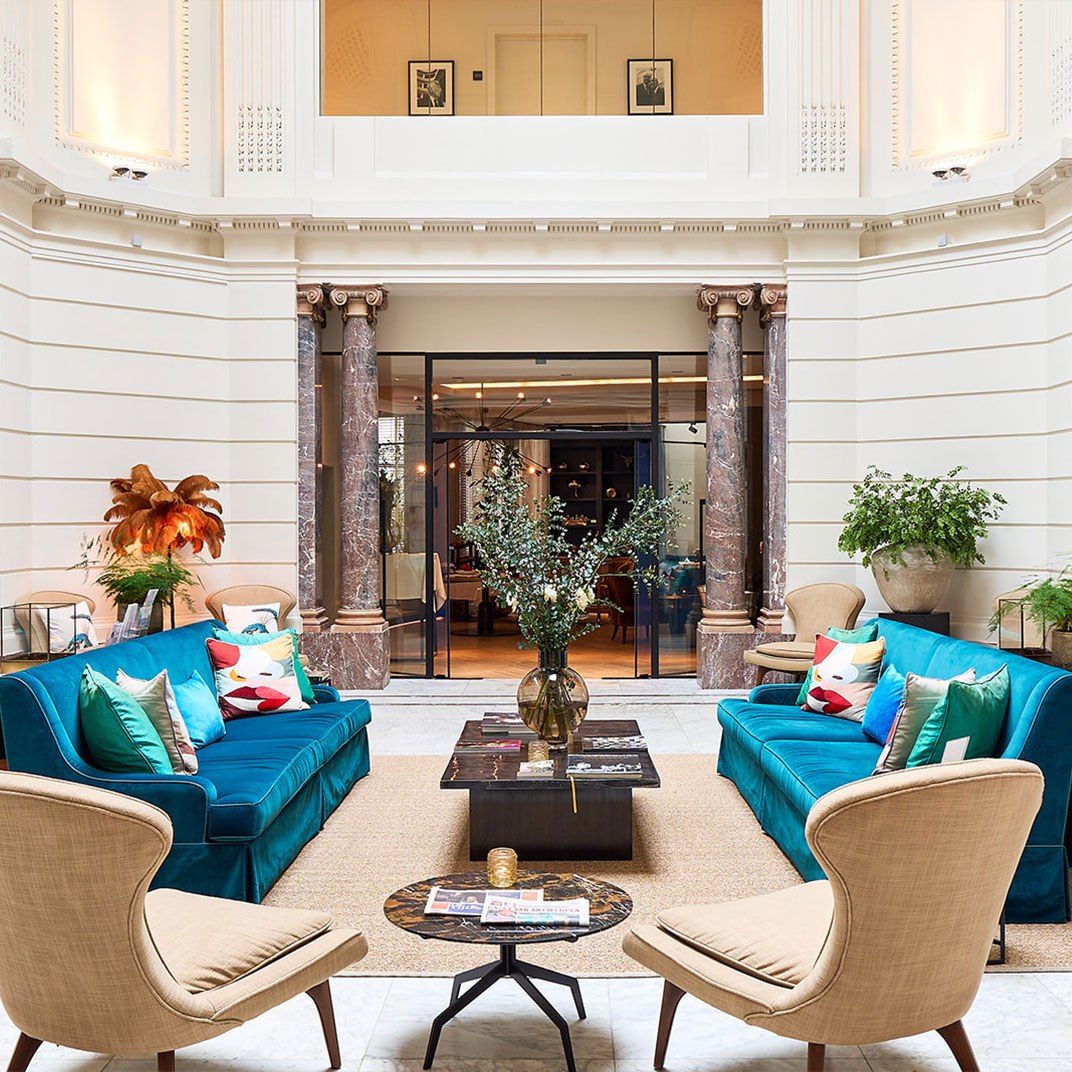
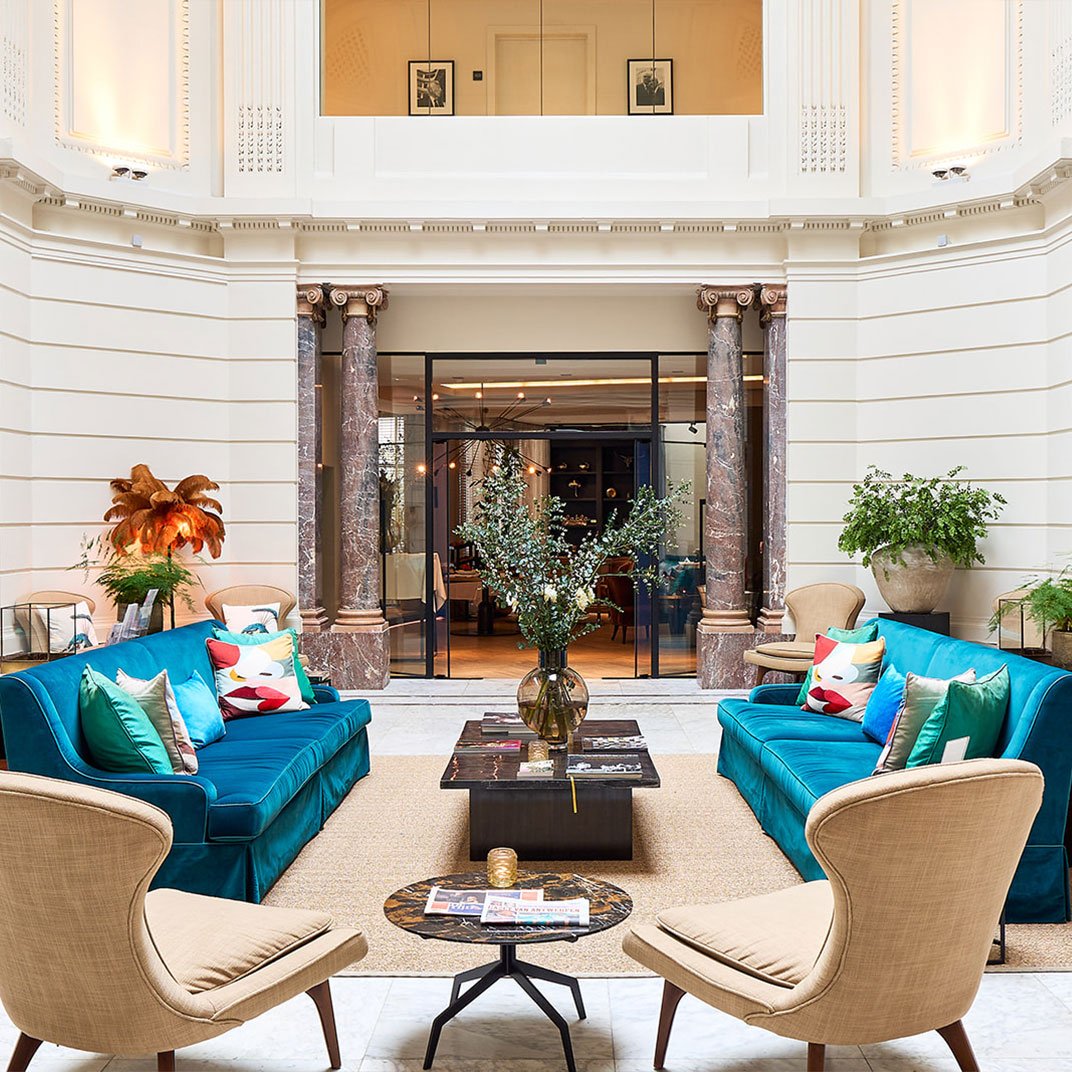
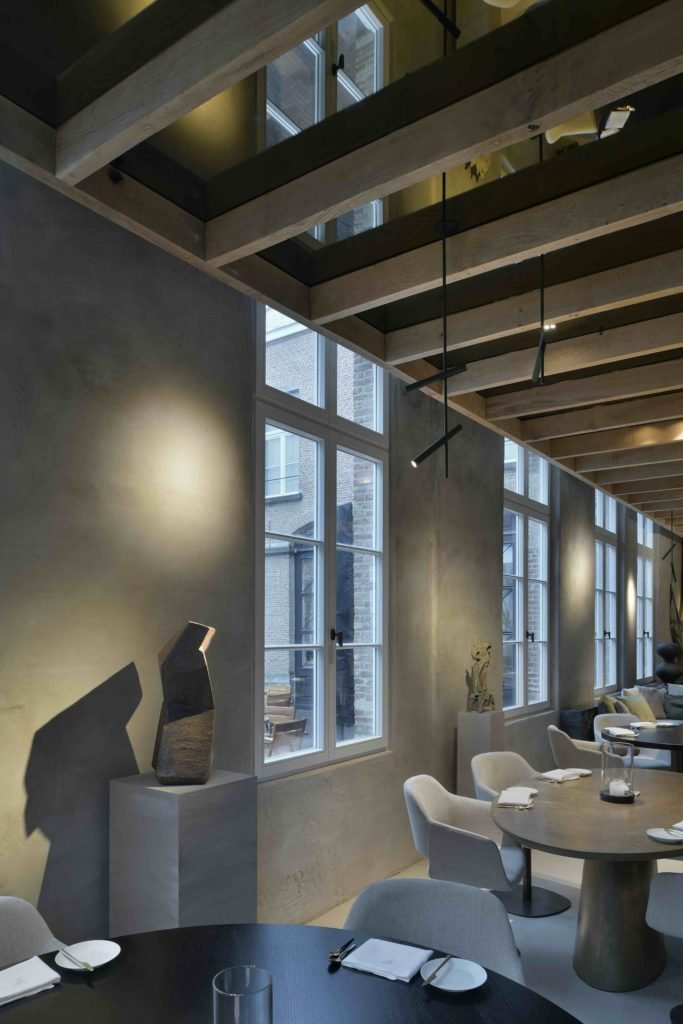
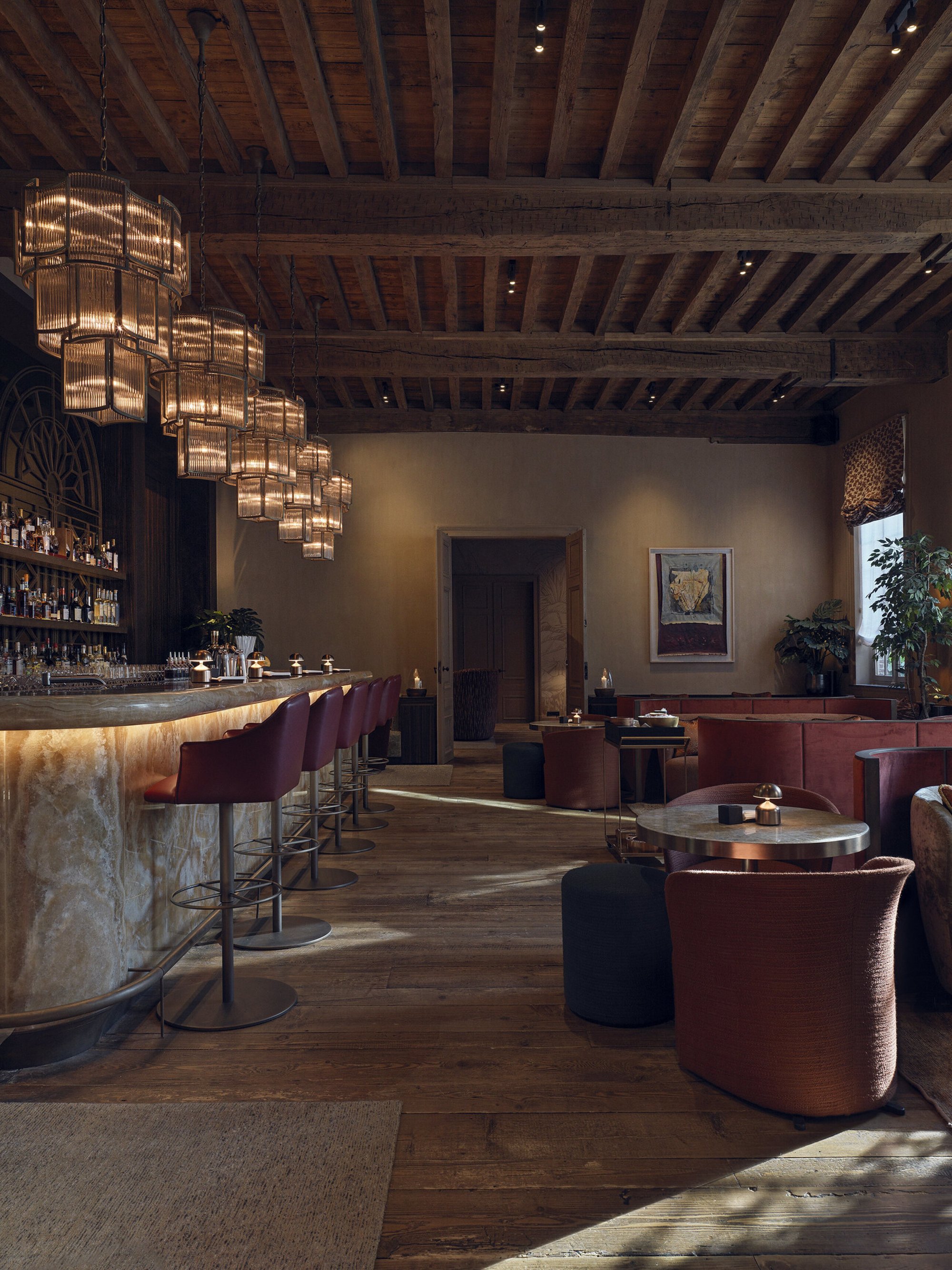
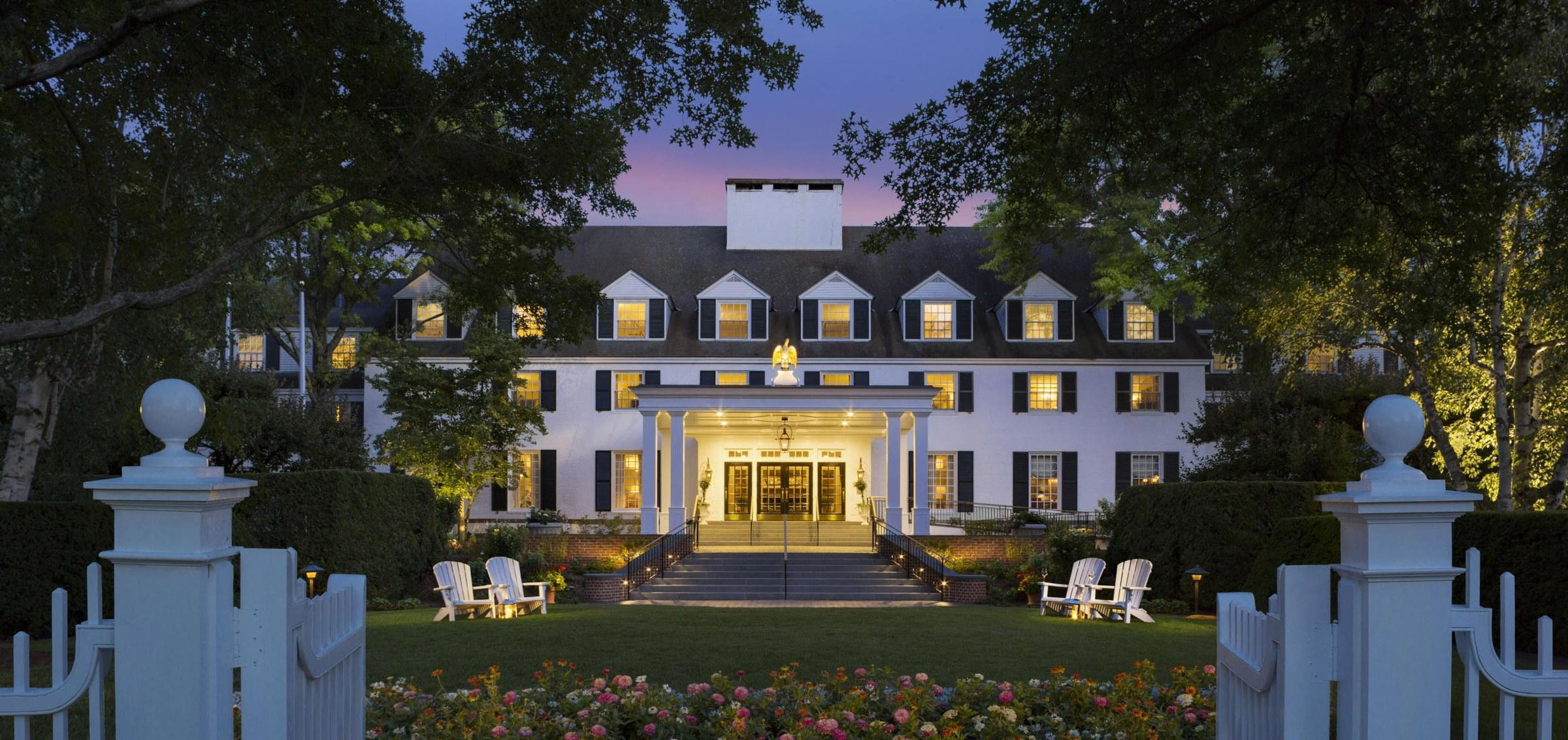
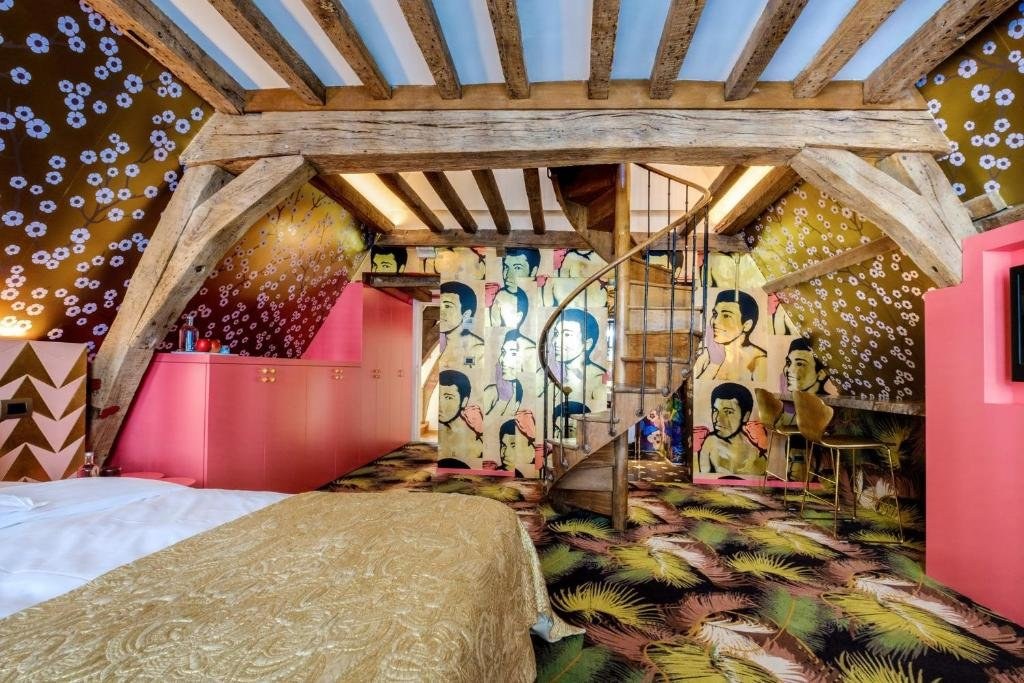
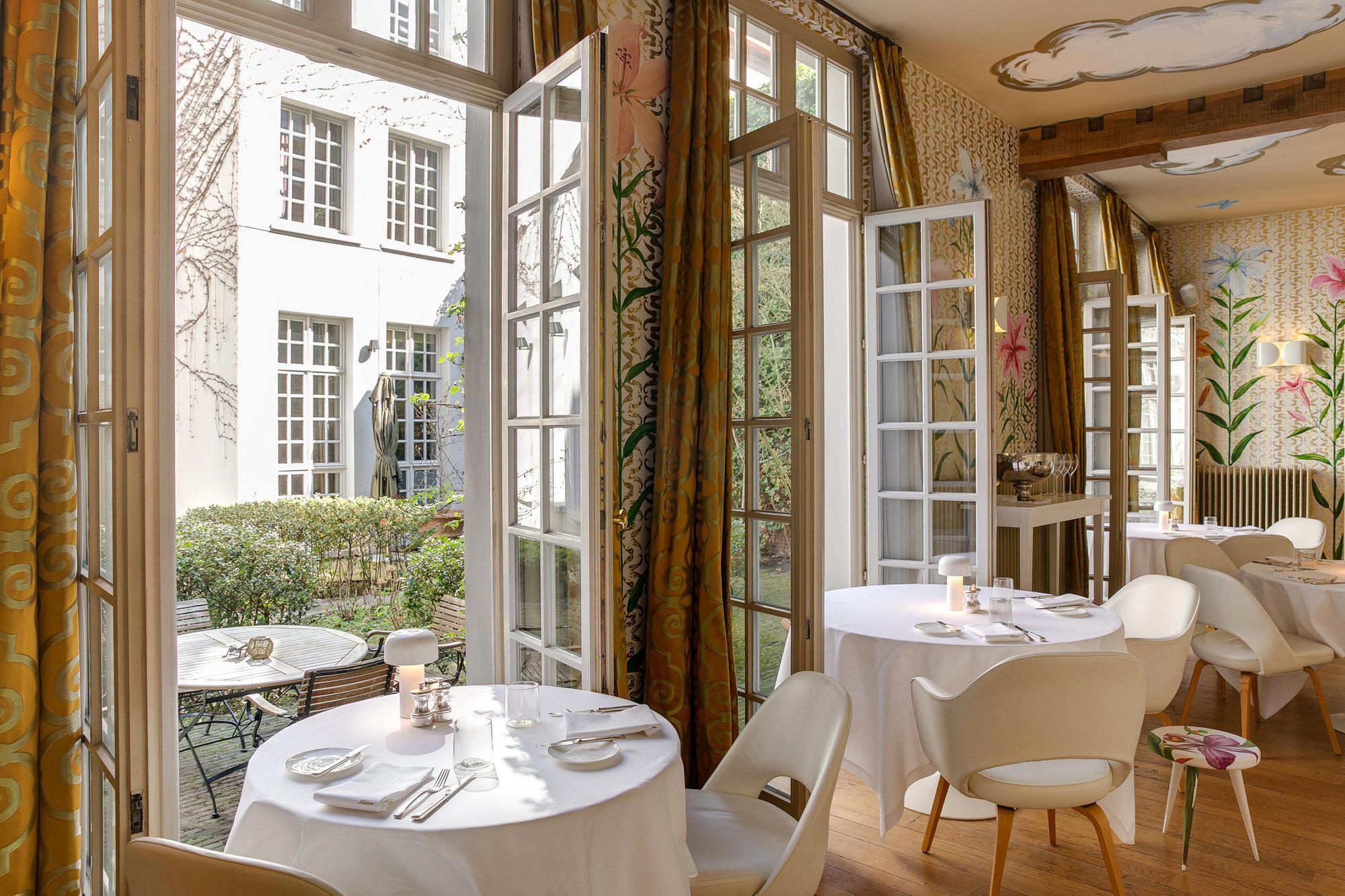
De Witte Lelie occupies three 17th-century gabled canal houses on a quiet residential street, and the sensation is deliberately restrained. From the unassuming façade to interiors softened by white plush rugs and oversized sofas, the hotel reads more like a private house than a conventional urban property. Cut lilies appear throughout in abundant arrangements, reinforcing a curated, residential attention to detail. With just ten rooms and public spaces that never feel crowded, the atmosphere is calm, discreet and quietly elegant—a historic, small-scale hideaway that privileges privacy and subtle luxury over spectacle.
Best For
This is best for travelers who prize intimacy, history and a residential pace. Couples seeking a low-key romantic escape, solo visitors who value attentive service, and anyone after a quiet weekend retreat will find the hotel well matched to their expectations. The small size means staff-to-guest interactions are prompt and personalized, and public spaces remain uncrowded. If you want conference facilities, a buzzing lobby bar or spa corridors, this property is not aimed at that market; instead it caters to visitors who prefer calm, characterful lodgings in Antwerp’s old town.
Stay Tips
Book early and align expectations with the property’s small scale. With only ten rooms, availability can be limited and the high staff-to-guest ratio means the experience is tailored rather than anonymous. Note the arrival experience: the façade is restrained with no awning or doorman theatrics, and the hotel intentionally avoids the conventions of larger boutique properties—there’s no lobby bar or conference wing. If you require extensive hotel amenities, plan accordingly; if you value privacy, quiet and attentive service, flag any special requests in advance so staff can accommodate them promptly.
Venue details
Ambiance
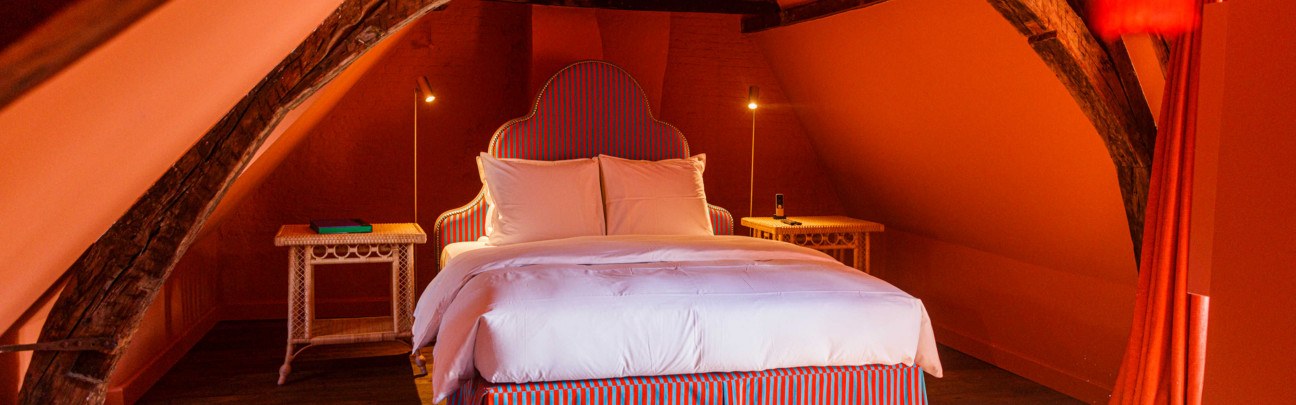
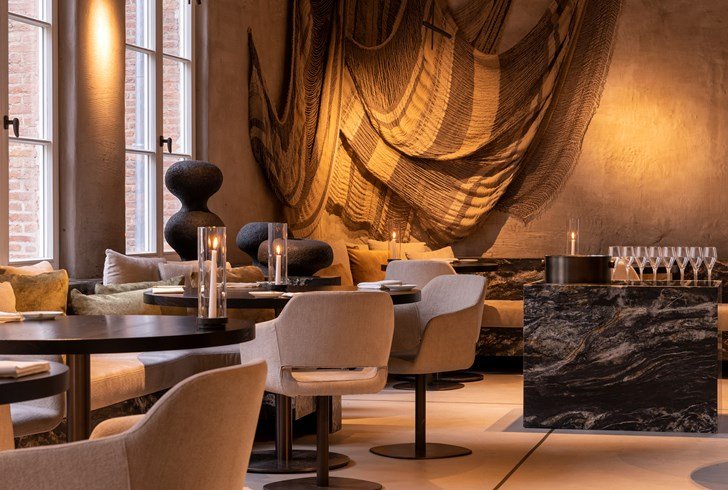
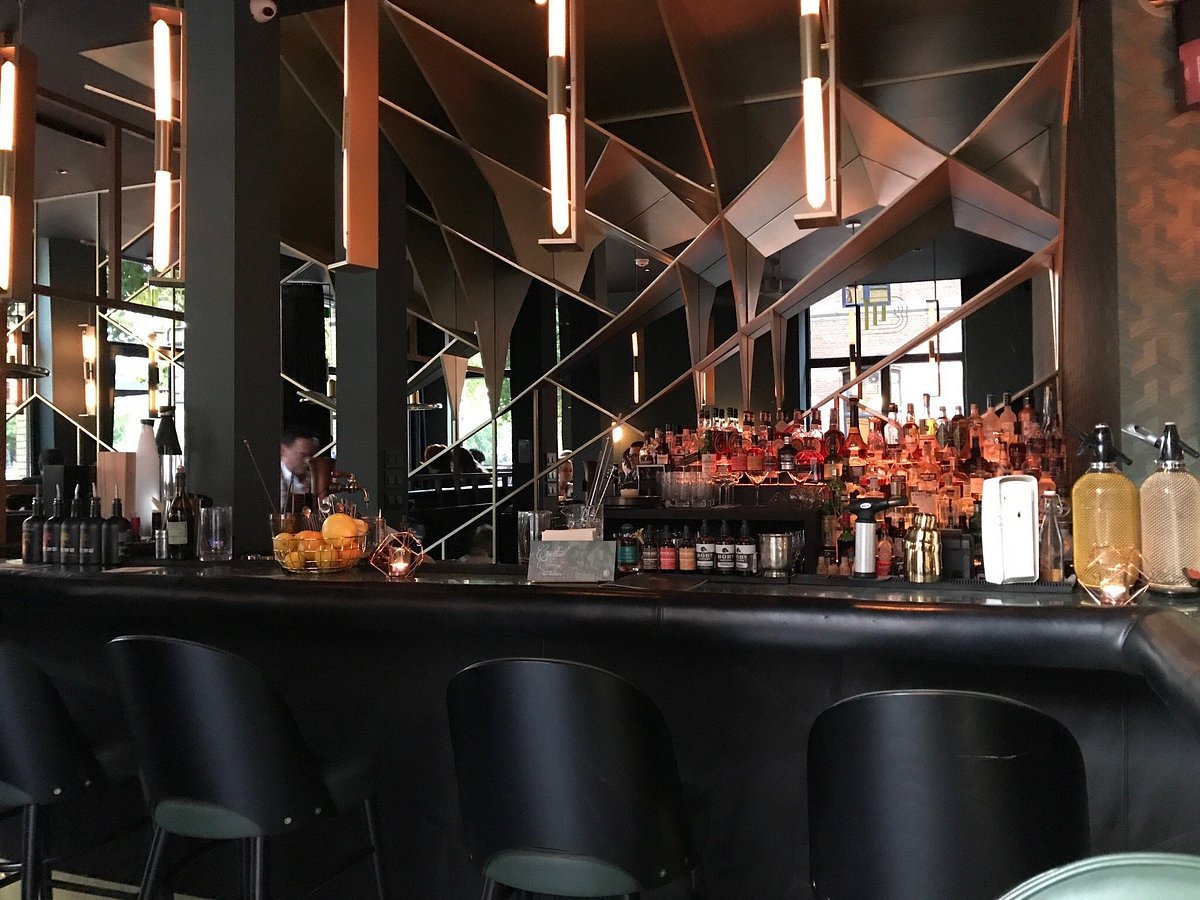
Warm and welcoming with roaring fires in intimate lounges, vibrant colors, curated artworks, and a blend of classic elegance and theatrical whimsy, creating a sophisticated yet playful atmosphere.
Tags
Vibe
Best For
Experience
Amenities
View
Accessibility
About the Stay
- Rooms
- 10
- Property Style
- Historic 16th Century Townhouses Reimagined as an Elegant Contemporary Hideaway.
- Design Style
- Eclectic and Theatrical Fusion of Classic Architectural Details with Vibrant Colors, Modern Furnishings, and Whimsical Touches.
Know before you go
Know Before You Go
- Getting there
- Keizerstraat 16/18, 2000 Antwerpen
Planning details
Location
Recognition and awards

Also consider
Also Consider
- Hotel FRANQ, Notable alternative
- Hotel Julien, Notable alternative
- Hotel Flora, Notable alternative
- Gulde Schoen, Notable alternative
- Botanic Sanctuary Antwerp, Notable alternative
Hotel context
Hotel De Witte Lelie is the right Antwerp pick when atmosphere and boutique scale matter more than broad facilities. Compared with Hotel FRANQ and Hotel Julien, it feels like the more intimate choice for a design-led stay, while those two are easier cross-shops if you want a less occasion-driven hotel decision.
Botanic Sanctuary Antwerp is the stronger match for travelers who want a larger luxury setup and more of a destination-hotel feel. Hotel De Witte Lelie is better for guests who prefer a quieter townhouse mood and do not need the breadth of a bigger property.
For smaller character hotels, compare Hotel Flora and Gulde Schoen. Choose Hotel De Witte Lelie for a polished, private-feeling stay with recognized boutique credentials; choose the alternatives if availability, rate, or a different room style is the deciding factor.
Explore Antwerp
Around this place
Discover more on Pearl
Unlock the full Hotel De Witte Lelie guide in Pearl, including awards, comparisons, FAQs, planning details, and nearby places.
Compare Hotel De Witte Lelie
| Venue | Location | Awards |
|---|---|---|
| Hotel De Witte Lelie | Antwerp | 2026 Michelin 1 KeyMichelin 1 Key 20252025 Michelin 1 KeySmall Luxury Hotels Member 2025 |
| Hotel FRANQ | Antwerp | No published awards |
| Hotel Julien | Antwerp | No published awards |
| Hotel Flora | Antwerp | 2026 Mr & Mrs Smith Luxury Hotels2026 Michelin 1 Key2025 Michelin 1 Key |
| Gulde Schoen | Antwerp | No published awards |
| Botanic Sanctuary Antwerp | Antwerp | 2026 Virtuoso Luxury Hotel Collection2026 Mr & Mrs Smith Luxury Hotels2026 Michelin 2 Keys2025 Michelin 2 Keys |



How Hotel De Witte Lelie Antwerp compares with similar nearby venues.
FAQ
Frequently Asked Questions
Which room category is best at Hotel De Witte Lelie?
Choose based on the space and features you need and confirm the exact configuration directly with the hotel before booking. Key quality signals are Michelin 1 Key recognition and Small Luxury Hotels of the World membership.
Is Hotel De Witte Lelie family-friendly?
How is the location of Hotel De Witte Lelie?
Hotel De Witte Lelie is in Antwerp. Use the hotel's official channels or your booking platform to confirm the exact address and logistics.
When is the best time to book Hotel De Witte Lelie?
If your Antwerp dates are fixed, book once the hotel has confirmed the details that matter to your stay. Michelin 1 Key recognition and Small Luxury Hotels of the World membership make it a serious premium option.
How does Hotel De Witte Lelie compare to nearby hotels?
Compare Hotel De Witte Lelie with Hotel FRANQ, Botanic Sanctuary Antwerp, Hotel Julien, Gulde Schoen, and Hotel Flora if you are building a premium Antwerp shortlist. Choose based on the details each hotel can confirm for your dates.