
Curia Palace Hotel
Anadia
Hotel in Anadia, Portugal
 Book with Pearl
The Read
Price
$100–200per night
Why go
Curia Palace Hotel is a good pick if the trip calls for a historic palace-hotel setting in Anadia rather than a city-center base. Its World Luxury Hotel Awards 2025 regional win gives it a credible quality signal, but the real reason to choose it is atmosphere: book it for a slower Bairrada-area stay, not for business convenience or nightlife access.
About Curia Palace Hotel
Curia Palace Hotel is a hotel in Anadia. Treat it as a shortlist candidate rather than assume specifics about rooms, services, dining, facilities, or exact operating style. The clearest points are its smart-casual dress code and its World Luxury Hotel Awards 2025 regional win.
Choose it when Anadia is the right base
The location point is simple: Curia Palace Hotel is in Anadia. It may suit travelers who specifically want to stay in the city, while details such as neighborhood convenience, transport, surrounding attractions, room categories, restaurants, bars, wellness facilities, and on-property programming should be checked directly before booking.
Before booking, confirm the practical details that matter for your trip directly with the hotel, including room type, arrival timing, dining availability, and any special requirements. If you are comparing broader regional options, consider Curia Palace Hotel alongside Bussaco Palace Hotel, Quinta das Lágrimas, Sapientia Boutique Hotel, MS Collection Aveiro - Palacete Valdemouro, and Montebelo Vista Alegre Ílhavo Hotel.
The right guest should value recognition over assumed extras
The hotel's World Luxury Hotel Awards 2025 regional win is its strongest formal trust signal. It supports placing Curia Palace Hotel on a serious shortlist, but it should not be used as a substitute for checking the details of the stay. Awards can indicate recognition, while the final decision should still depend on whether the location, dress code, and current hotel information fit the trip.
The dress code is smart casual. For specific dining formats, menus, prices, room layouts, service style, amenities, or transport details, ask the hotel directly before committing.
Quick reference: consider Curia Palace Hotel for an Anadia stay with a 2025 WLHA regional win; check current room, service, dining, and arrival details directly before booking.
Planning details
- Location
- Av. Plátanos, 3780-541 Anadia, Portugal
- Website
- almeidahotels.pt/en/hotel-curia-in-coimbra/?partner=8087utm_source%3Dgoogle&utm=
- Phone
- +351 231 510 300
The take
The Take
The Vibe
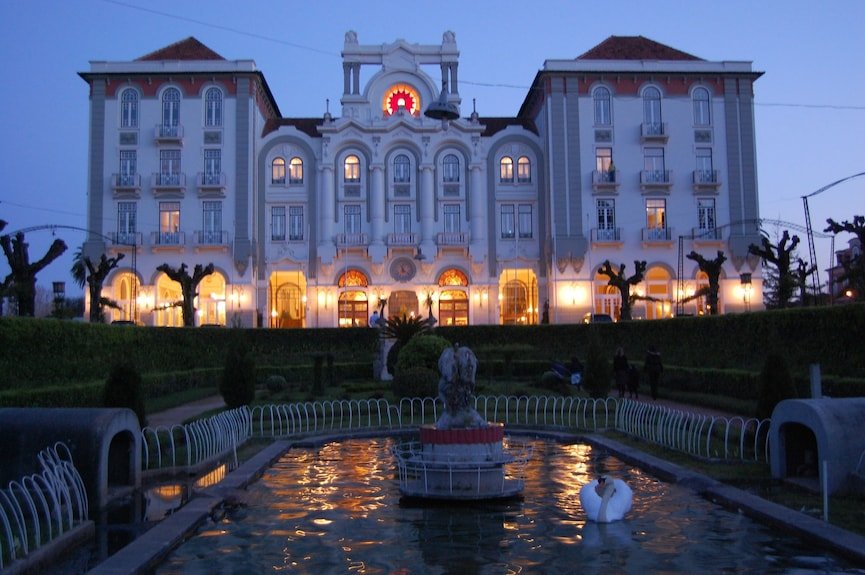
Curia Palace Hotel reads like a preserved chapter of Belle Époque hospitality: a neoclassical, symmetrical façade, grand staircases sized for ceremonial descent, and reception halls proportioned for memorable movement. The architecture itself is the principal attraction, with formal, composed interiors and a garden-oriented plan that encourage slow promenades and quiet appreciation of period detail. The overall mood favors dignified refinement over bustle—an experience rooted in thermal-era ritual, designed to impress from arrival through circulation. Guests who prize architectural intent and a quietly sophisticated pace find the hotel particularly resonant.
Best For
Curia Palace is best for travelers seeking a restorative, heritage-focused stay centered on the region’s spa traditions. The hotel naturally serves wellness-minded guests drawn by Anadia’s mineral springs and the town’s thermal history, and it also suits couples and small groups looking for a cultured, romantic weekend escape. Families who value generous public spaces and a calm atmosphere can settle in comfortably, while architecture and history enthusiasts appreciate the intact grand-hotel proportions and theatrical public rooms. It is less about nightlife and more about measured, contemplative stays.
Venue details
Ambiance
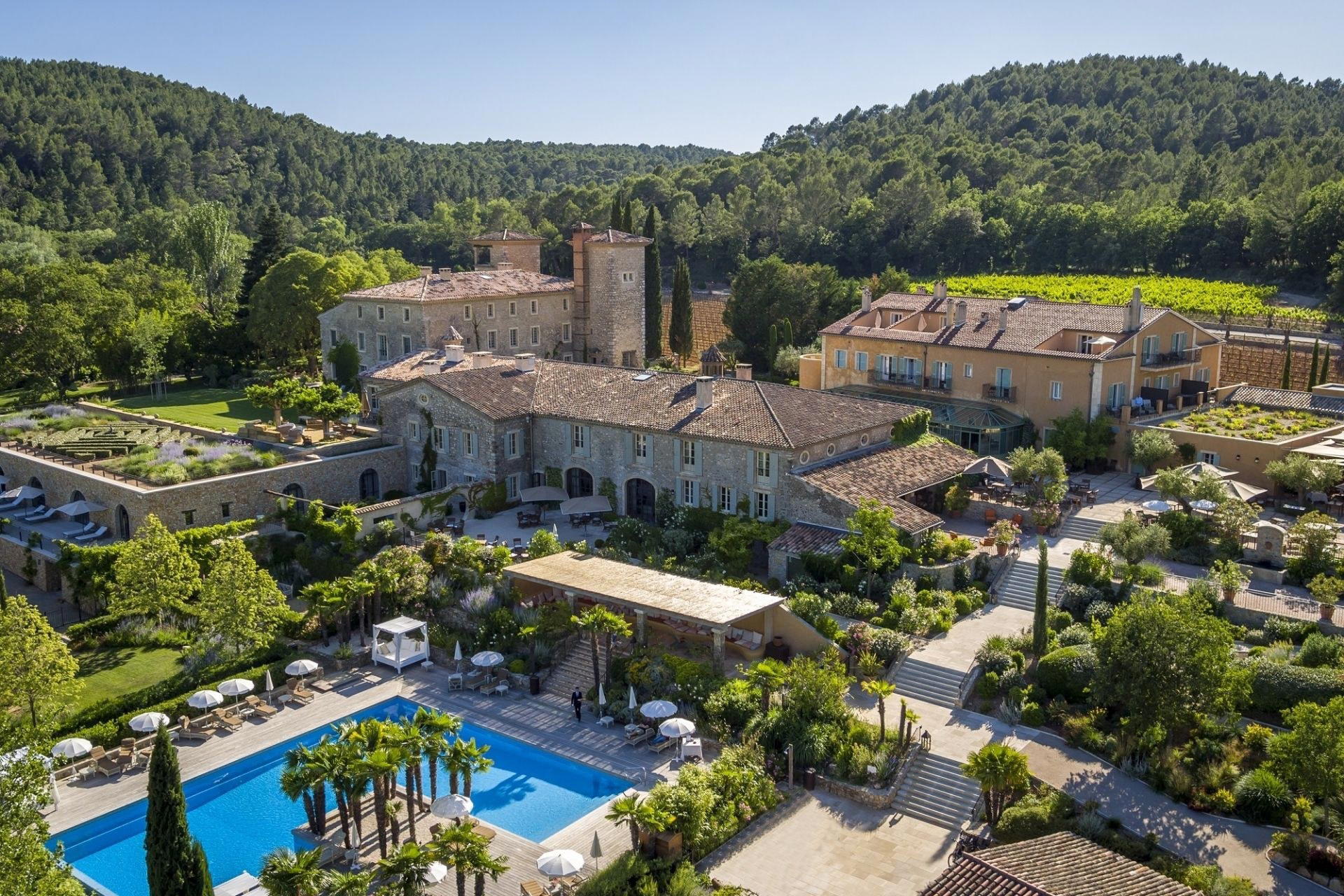
Elegant Art Deco interiors blending antiques with modern comforts, lush gardens, and a tranquil countryside retreat atmosphere.
Tags
Vibe
Best For
Experience
Amenities
View
Accessibility
About the Stay
- Rooms
- 100
- Check-in
- 16:00
- Check-out
- 11:00
- Property Type
- Heritage hotel
- Property Style
- Historic Art Deco Palace with Golden Era Grandeur
- Design Style
- Art Deco and Belle Epoque Blending Antiques with Contemporary Furnishings
- Breakfast
- Included
- Pool
- Yes
- Spa
- Yes
- Families
- Welcome
- Cancellation
- Moderate
Know before you go
Know Before You Go
- Getting there
- Av. Plátanos, 3780-541 Anadia, Portugal
Planning details
Location
Av. Plátanos, 3780-541 Anadia, Portugal · Directions
almeidahotels.pt/en/hotel-curia-in-coimbra/?partner=8087utm_source%3Dgoogle&utm=
Recognition and awards
Also consider
Where to look if this is not the right fit
If the goal is another palace-style stay with a stronger destination-building pull, look at Bussaco Palace Hotel. If the trip needs more city access and a contemporary boutique rhythm, start with Sapientia Boutique Hotel or MS Collection Aveiro - Palacete Valdemouro.
Hotel context
How it compares in the Anadia and central Portugal hotel set
Curia Palace Hotel is the better fit if the priority is a historic hotel atmosphere in Anadia itself. Bussaco Palace Hotel is the more obvious cross-shop for guests who want an even more theatrical palace stay, but it pushes the trip toward Luso rather than Anadia. Choose Curia Palace Hotel when the Bairrada base matters; choose Bussaco Palace Hotel when the building is the whole point of the trip.
Sapientia Boutique Hotel and Quinta das Lágrimas make more sense for Coimbra access and a more urban cultural itinerary. They are stronger choices if dinners, university-city atmosphere, and shorter in-city movements matter. Curia Palace Hotel is the quieter call, better for guests who want the stay to feel removed from the city rather than embedded in it.
For Aveiro-side alternatives, Montebelo Vista Alegre Ílhavo Hotel and MS Collection Aveiro - Palacete Valdemouro are better cross-shops if lagoon access, Aveiro positioning, or a more contemporary hotel rhythm is the priority. Curia Palace Hotel wins on old-hotel mood; the Aveiro options are easier to justify when the itinerary is built around the coast, canals, or a shorter leisure break.
Explore Anadia
Around this place
Discover more on Pearl
Unlock the full Curia Palace Hotel guide in Pearl, including awards, comparisons, FAQs, planning details, and nearby places.
Compare Curia Palace Hotel
| Venue | Location | Awards |
|---|---|---|
| Curia Palace Hotel | Anadia | World Luxury Hotel Awards 2025 |
| Bussaco Palace Hotel | Luso | No published awards |
| Sapientia Boutique Hotel | Coimbra | No published awards |
| Quinta das Lágrimas | Coimbra | Small Luxury Hotels Member 2025 |
| Montebelo Vista Alegre Ílhavo Hotel | Ilhavo | No published awards |
| MS Collection Aveiro - Palacete Valdemouro | Aveiro | 2026 Michelin 1 Key2025 Michelin 1 KeySmall Luxury Hotels Member 2025 |



How Curia Palace Hotel Anadia compares with similar nearby venues.
FAQ
Frequently Asked Questions
Which room category is best at Curia Palace Hotel?
If room size, view, layout, or other room details matter, confirm the available categories directly with Curia Palace Hotel in Anadia before booking. For comparison, Montebelo Vista Alegre Ílhavo Hotel is another regional option to review.
Is Curia Palace Hotel good for business travel?
Curia Palace Hotel may work for a business trip if Anadia is the right location. Check business facilities, meeting services, desk setup, transport convenience, and check-in speed directly before booking. The hotel's 2025 World Luxury Hotel Awards regional win gives it a recognition point, but practical business needs should be checked directly. MS Collection Aveiro - Palacete Valdemouro is another option to compare.
What is check-in like at Curia Palace Hotel?
Confirm arrival times, luggage handling, parking, and any special requests directly with Curia Palace Hotel in Anadia. If you are comparing different stay options, Sapientia Boutique Hotel is another property to review.
How is the location of Curia Palace Hotel?
Curia Palace Hotel is in Anadia. If location logistics are important, check maps and current travel times before booking. Bussaco Palace Hotel is another property to consider in a broader regional comparison.
How does Curia Palace Hotel compare to regional hotels?
Curia Palace Hotel has a World Luxury Hotel Awards 2025 regional win and a smart-casual dress code. For a broader shortlist, compare it with Quinta das Lágrimas, Bussaco Palace Hotel, Montebelo Vista Alegre Ílhavo Hotel, MS Collection Aveiro - Palacete Valdemouro, and Sapientia Boutique Hotel, while checking each property's current location, room, dining, and service details directly.