
Soho House Amsterdam
Spuistraat Zuid, Amsterdam
Hotel in Amsterdam, Netherlands
 Book with Pearl
The Read
Creative-Class Club Hotel
Why go
Soho House Amsterdam is the right Amsterdam pick if the members-club format is part of the value: dining, drinks, work space, and rooms in one central base. It carries Michelin 1 Key recognition for 2025 and a Mr & Mrs Smith Seal of Approval for 2026, but value depends on using the house rather than treating it as a simple room-only stay.
About Soho House Amsterdam
Soho House Amsterdam is a venue in Amsterdam with a smart-casual dress code and confirmed recognition that includes a Michelin 1 Key in 2025 and the Mr & Mrs Smith Seal of Approval in 2026. Beyond those points, travelers should be careful not to assume specific facilities, dining formats, room categories, or service details without checking directly with the property before booking.
The clearest reason to shortlist it is simple: you are considering Soho House Amsterdam specifically, and you want an Amsterdam stay with confirmed recognition rather than a page built around extras. If your decision depends on a particular restaurant setup, wellness facility, room feature, or check-in process, confirm those details with the property before treating them as part of the value case.
An Amsterdam venue to assess on confirmed details
Soho House Amsterdam is best assessed as an Amsterdam venue with confirmed recognition, not through unsupported claims about a particular neighborhood, street address, or on-property routine. The dress code is smart casual, which is useful to know when planning what to pack and how to approach the stay.
For comparison shopping, keep the decision practical. Esthéréa, Hotel V Nesplein, The Hoxton, Amsterdam, W Amsterdam, and TwentySeven Hotel are natural alternatives to review if you are deciding where to stay in Amsterdam. The right choice depends on current rates, availability, room preferences, and the specific services each property confirms for your dates.
Dining details should be checked directly
The available data does not establish a specific cuisine, menu format, chef, bar program, breakfast offering, lunch service, dinner setup, or take-out and delivery policy for Soho House Amsterdam. If dining is a major part of the booking decision, verify current details with the property and use the Amsterdam restaurants guide for meals where the restaurant itself is the priority.
That distinction matters for value. A property can be the right base without being the centerpiece of a food-led trip. If your Amsterdam plans revolve around restaurants, compare the stay separately from the dining itinerary, then decide whether Soho House Amsterdam still fits your overall budget and schedule.
When to choose it over other Amsterdam stays
Choose Soho House Amsterdam if the confirmed recognition and smart-casual dress code fit the kind of Amsterdam stay you want. If you are weighing it against other properties, compare it with The Hoxton, Amsterdam, Hotel V Nesplein, W Amsterdam, Esthéréa, and TwentySeven Hotel on the details that matter for your specific dates. For a broader scan of the city, use the Amsterdam hotels guide, then cross-check bars and experiences through the Amsterdam bars guide and the Amsterdam experiences guide.
The short version: book it if Soho House Amsterdam itself is the venue you want and the confirmed recognition supports the choice. If your decision depends on amenities, dining details, or room-specific promises, confirm those directly before committing.
Part of
Soho House40 locations on PearlInside Soho House Amsterdam
Planning details
- Location
- Spuistraat 210, 1012 VT Amsterdam
- Website
- sohohouse.com/houses/soho-house-amsterdam
- Phone
- +31 20 888 0300
The take
The Take
The Vibe
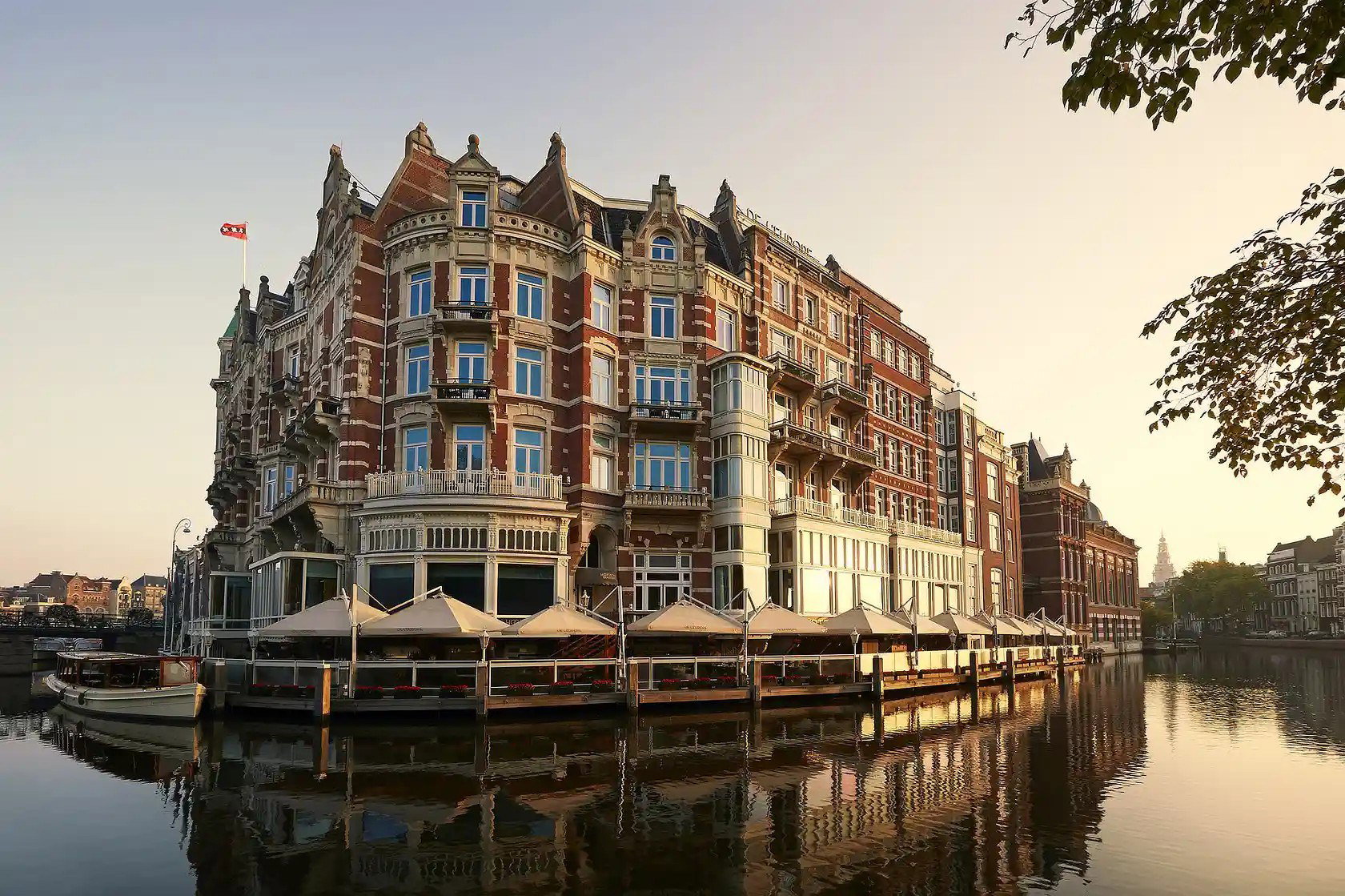
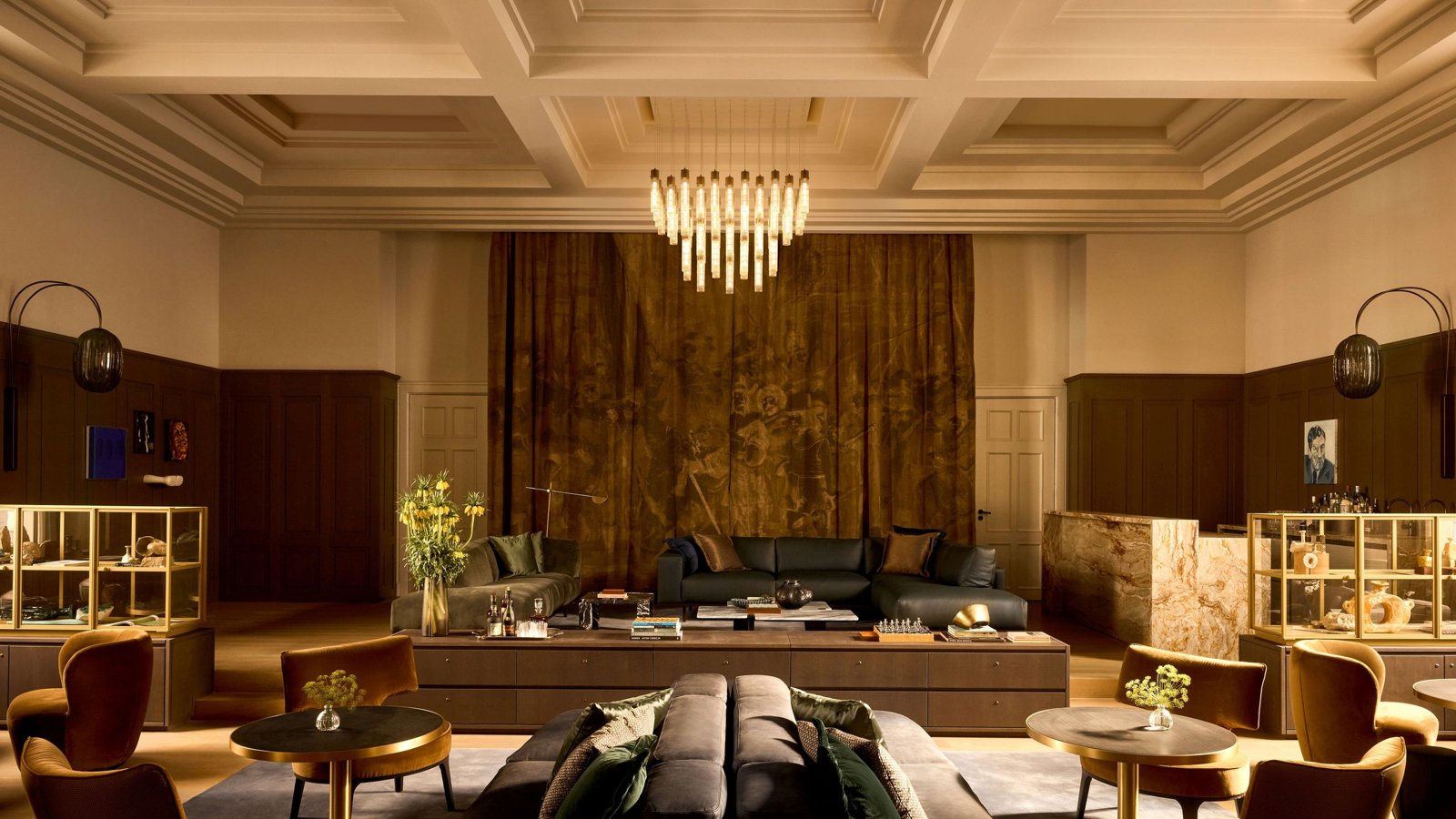
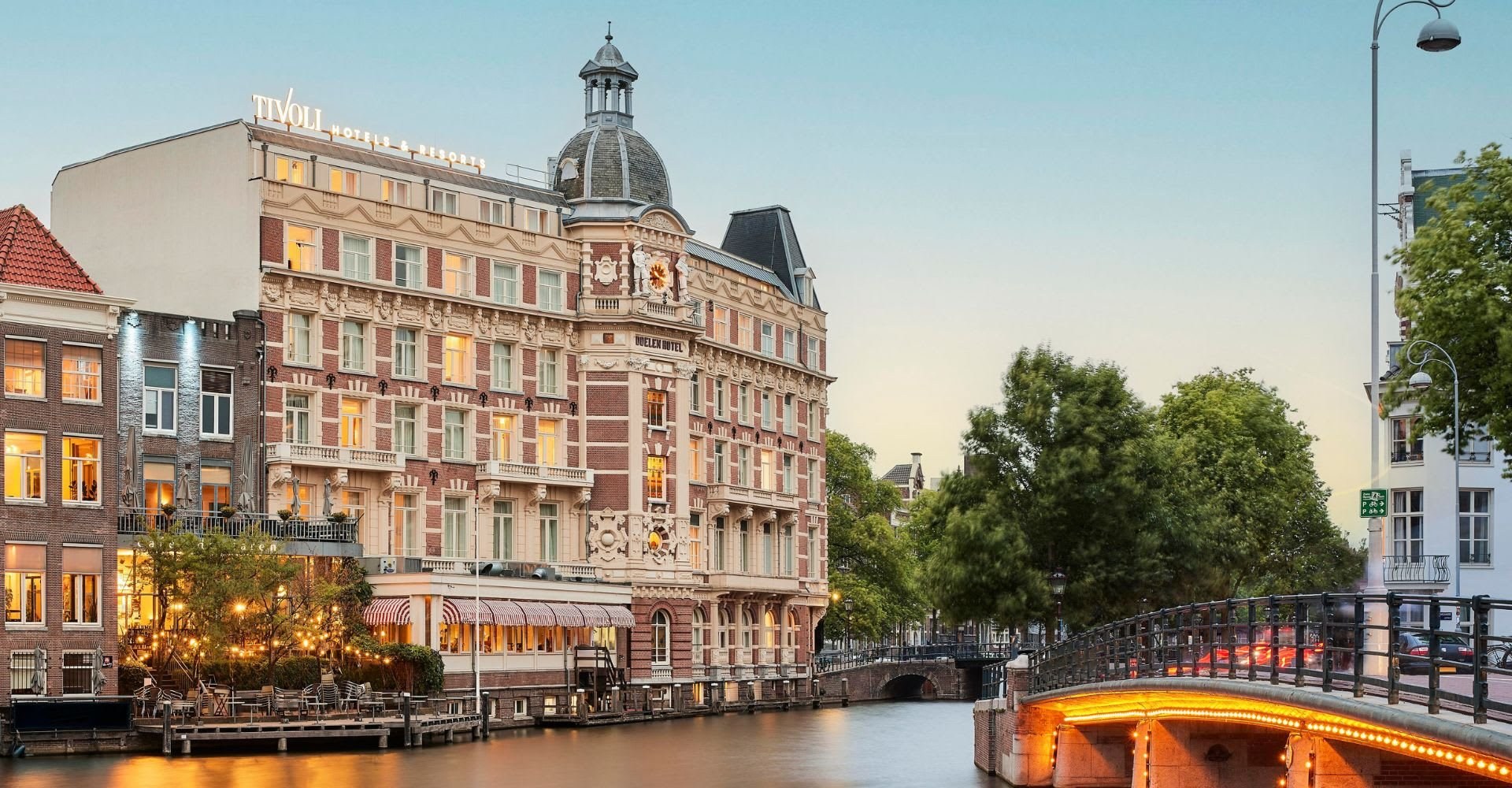
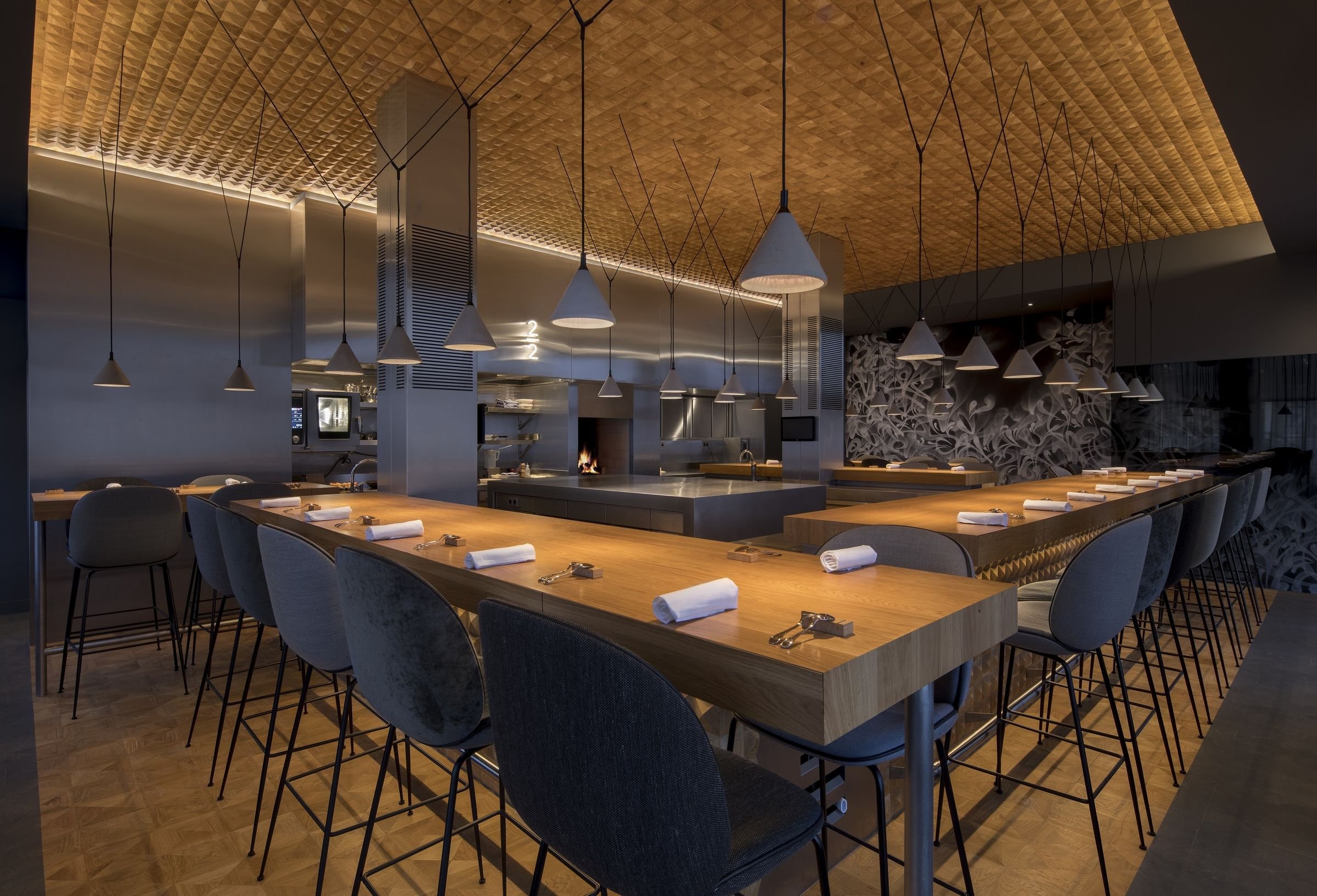
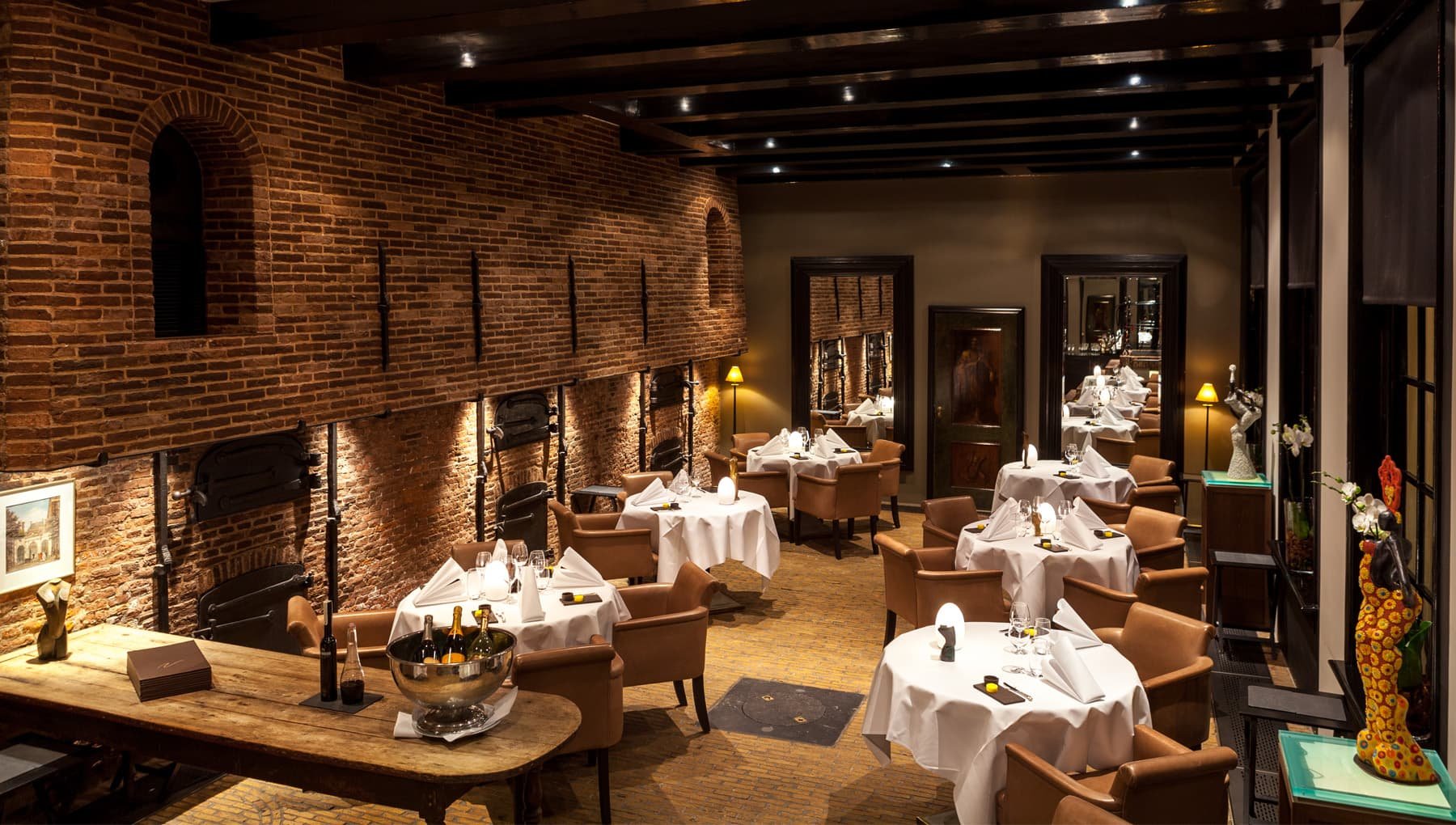
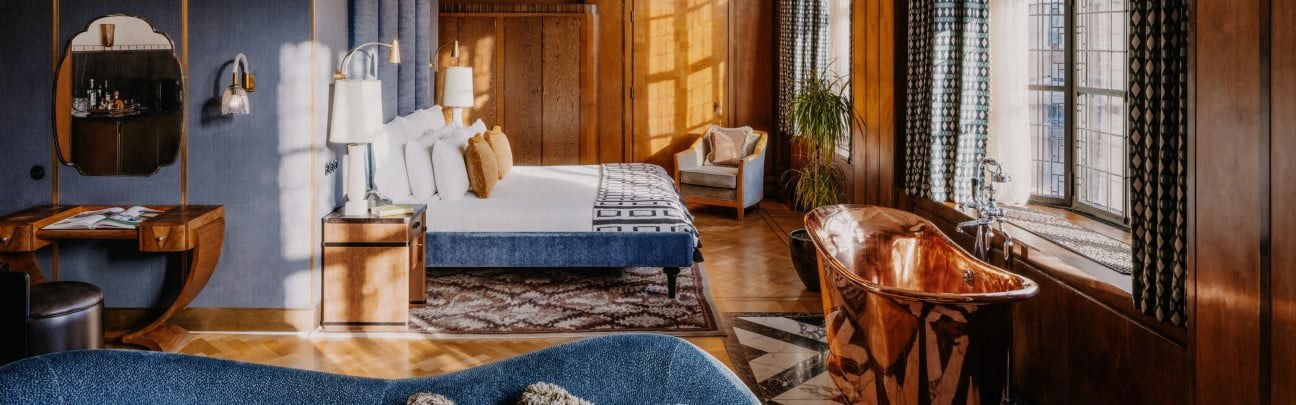
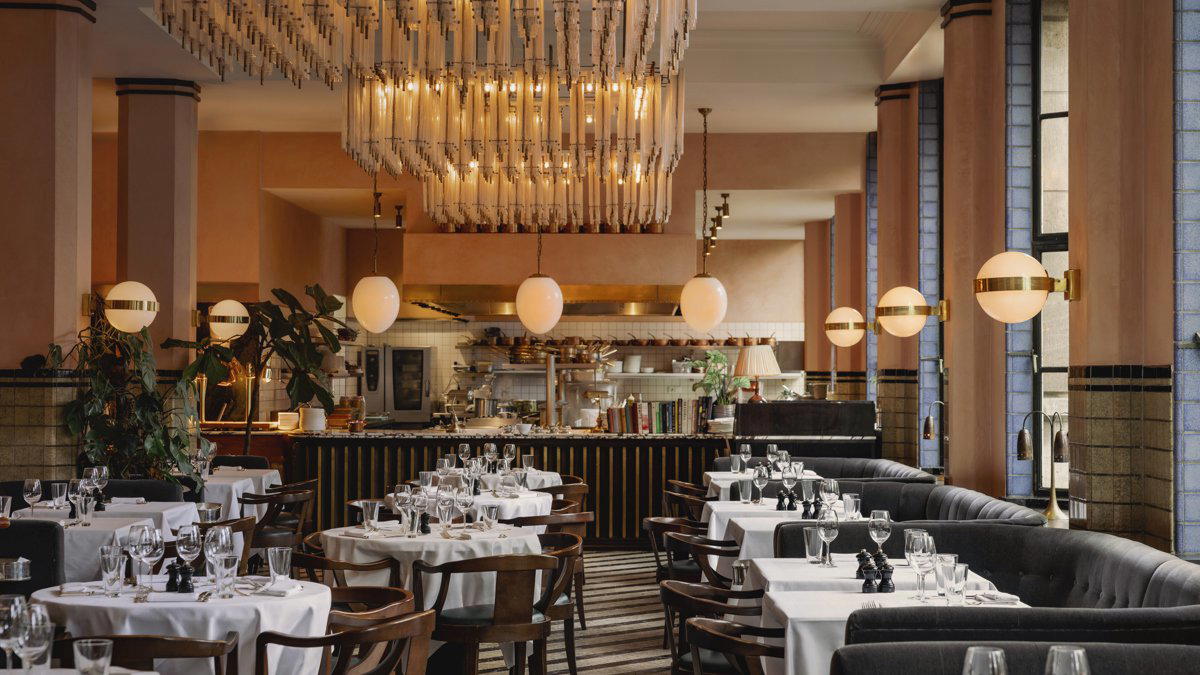
Soho House Amsterdam occupies the Bungehuis, a 1930s Art Deco landmark, and it reads as a collected, lived-in place rather than a showpiece. The restoration keeps the building’s architectural weight while layering contemporary Dutch art across interiors, so public rooms feel curated and quietly expressive. The property trades canal-front gloss for working-city credibility: it sits slightly off the postcard axis, near university buildings, independent bookshops and traditional brown cafés. The result is a hotel that feels historic and intimate, one that prioritizes the social life of its members and guests over formal pomp.
Best For
This is a stay for travelers who prize design, context and a social atmosphere over canal-front spectacle. Business travelers and those on short urban weekend escapes appreciate the hotel’s working-city credentials and proximity to cultural gravity, while guests who enjoy architecture and contemporary art will find the Bungehuis especially rewarding. Because the property foregrounds community and shared spaces, it suits people who value convivial public rooms and a hotel that reads like a members’ club rather than a purely formal luxury address.
Stay Tips
Approach Soho House Amsterdam with an eye for architecture and communal spaces rather than landmark canal views. Ask about areas that highlight the Bungehuis’s Art Deco proportions and the contemporary Dutch art installations so you can experience the hotel as a collected environment. Because the property emphasizes community and membership-style conviviality, allow time to explore its public rooms and to soak in the atmosphere—this is where the hotel’s character is most apparent, and where you’ll best understand the subtle distinction the brand is making in Amsterdam’s accommodation scene.
Venue details
Ambiance
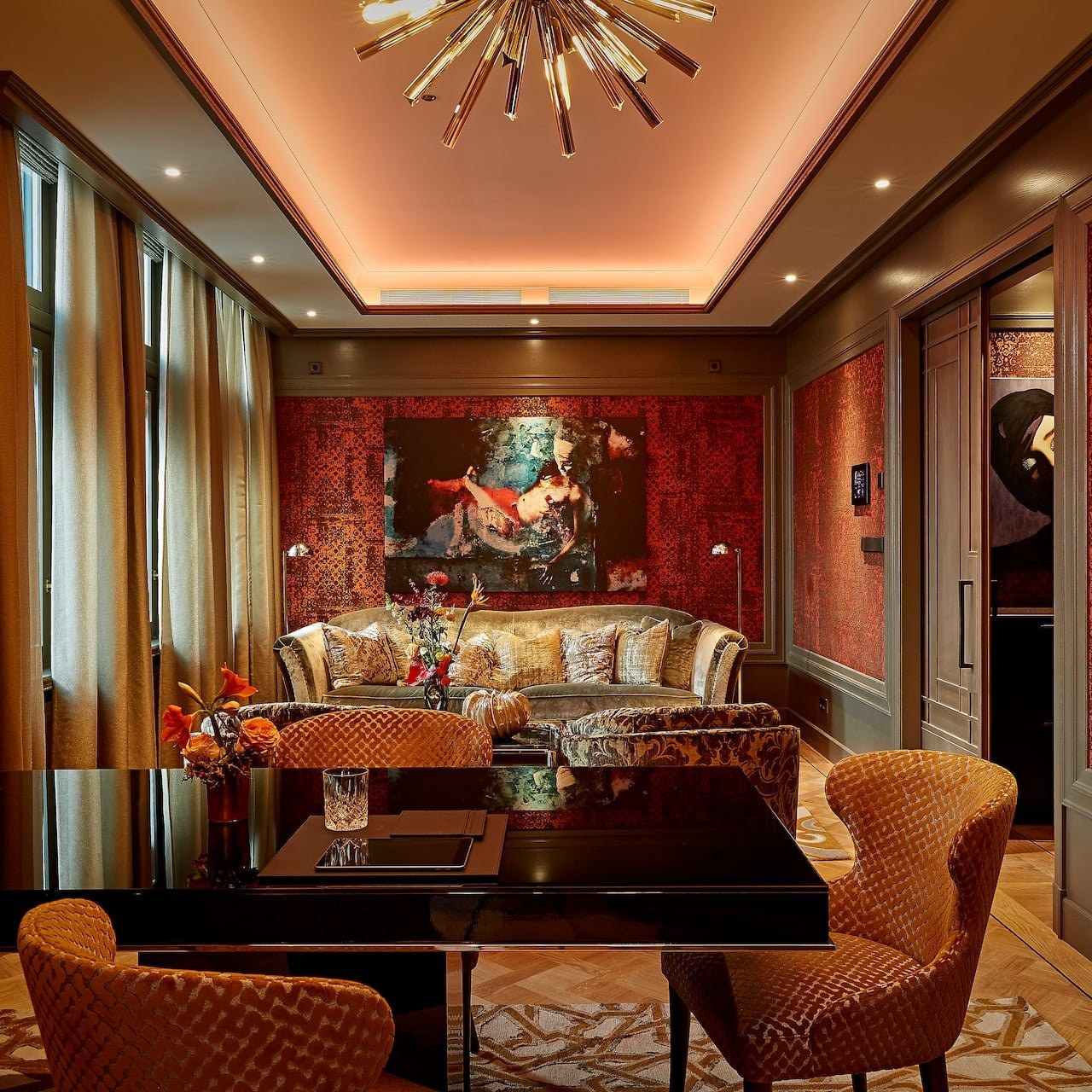
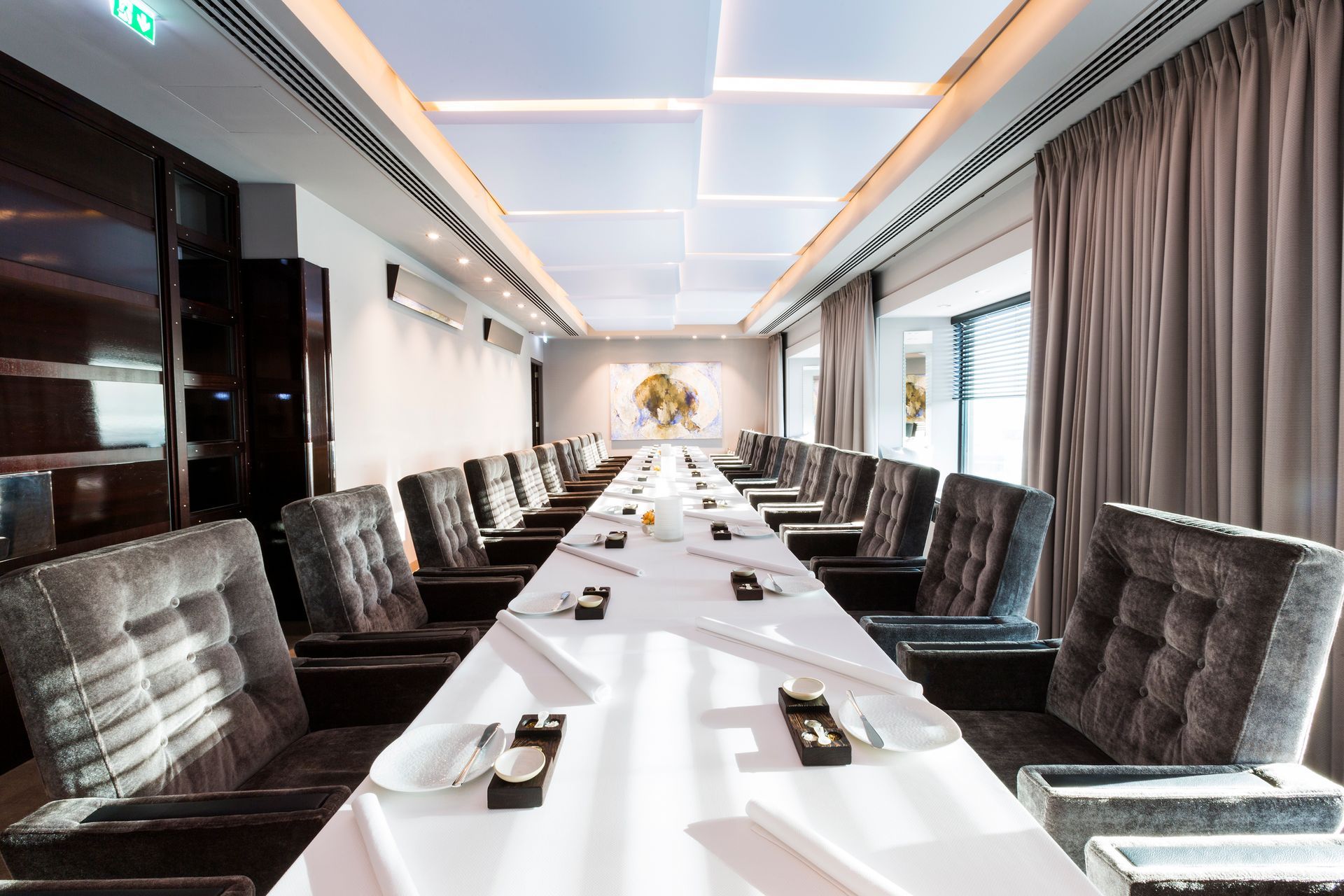
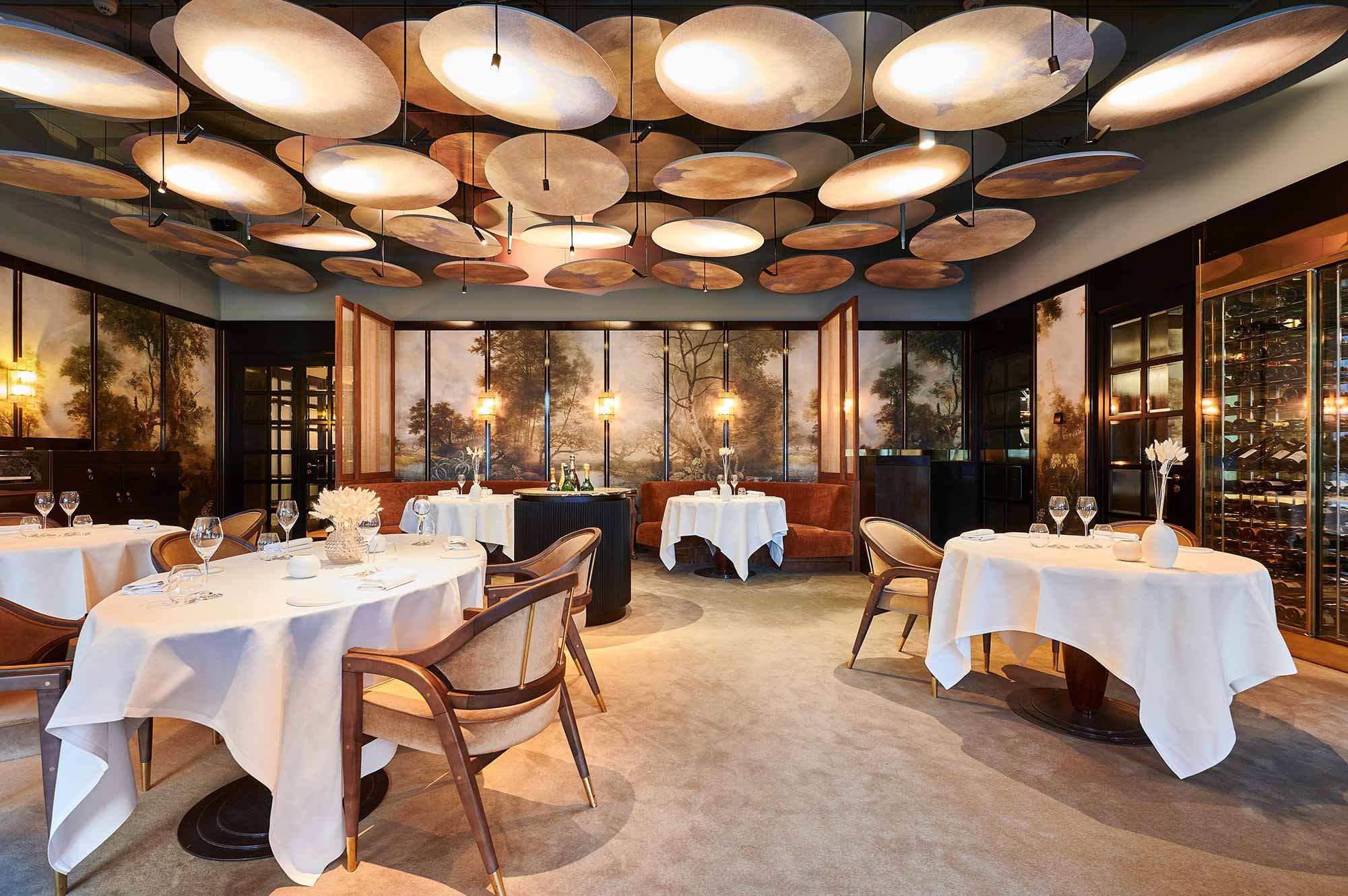
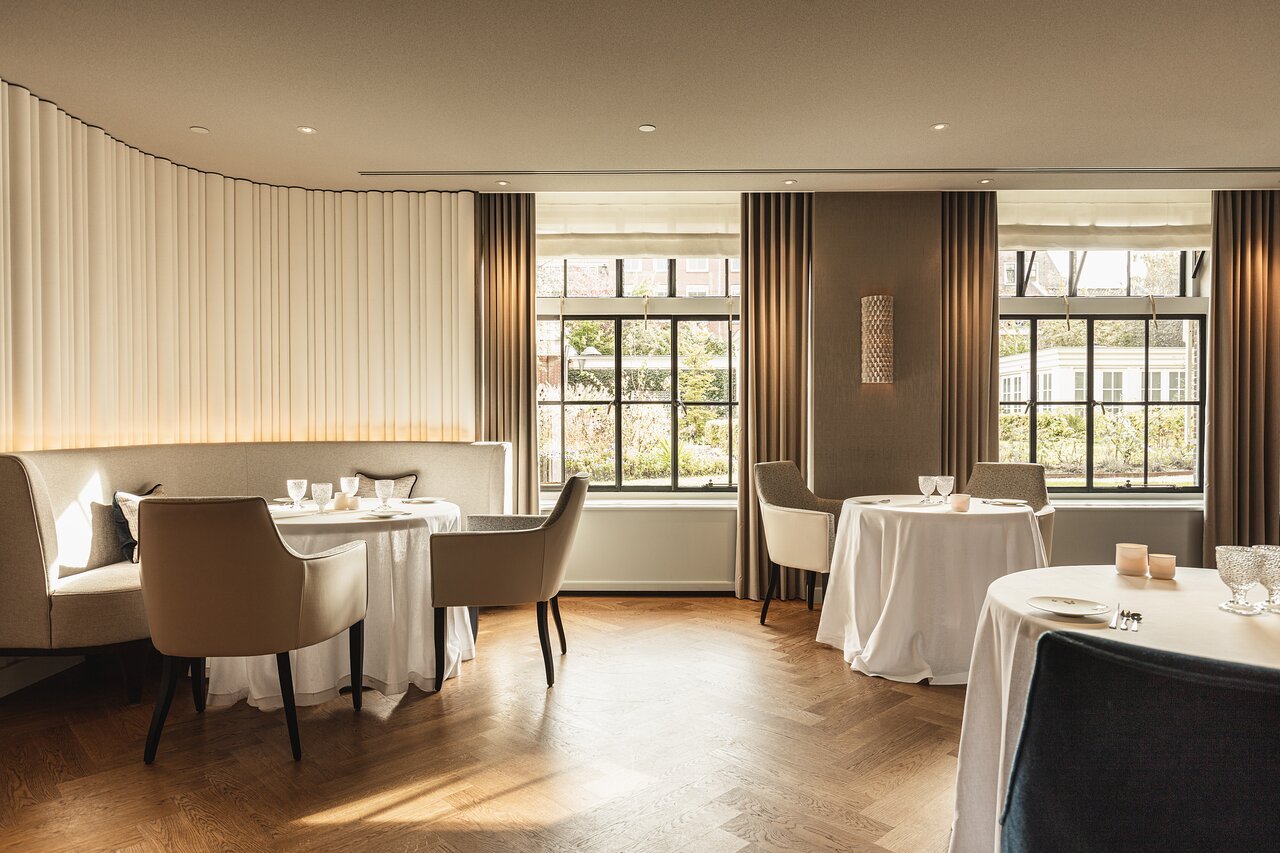
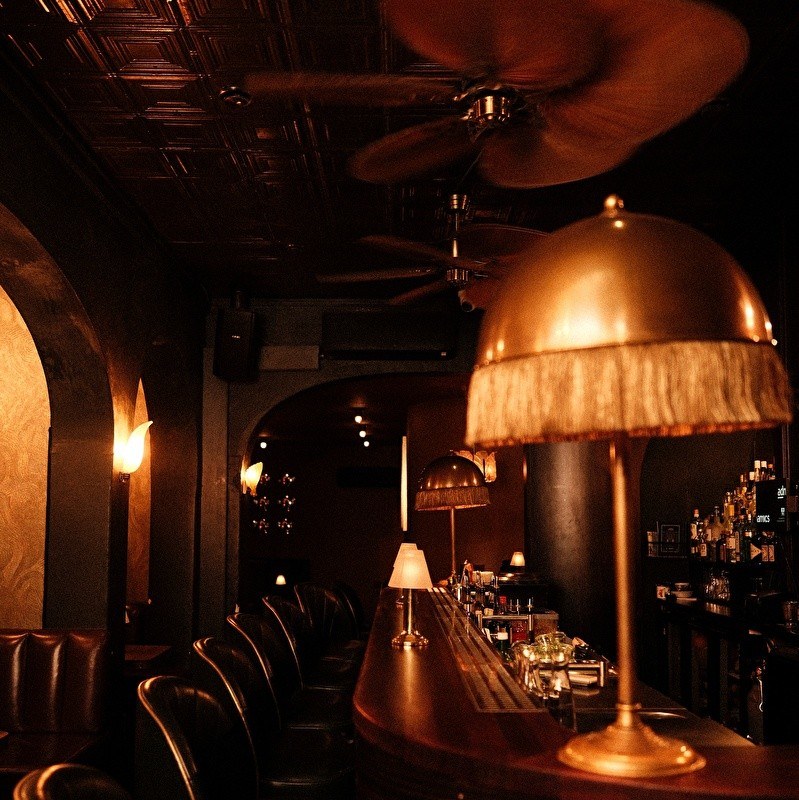
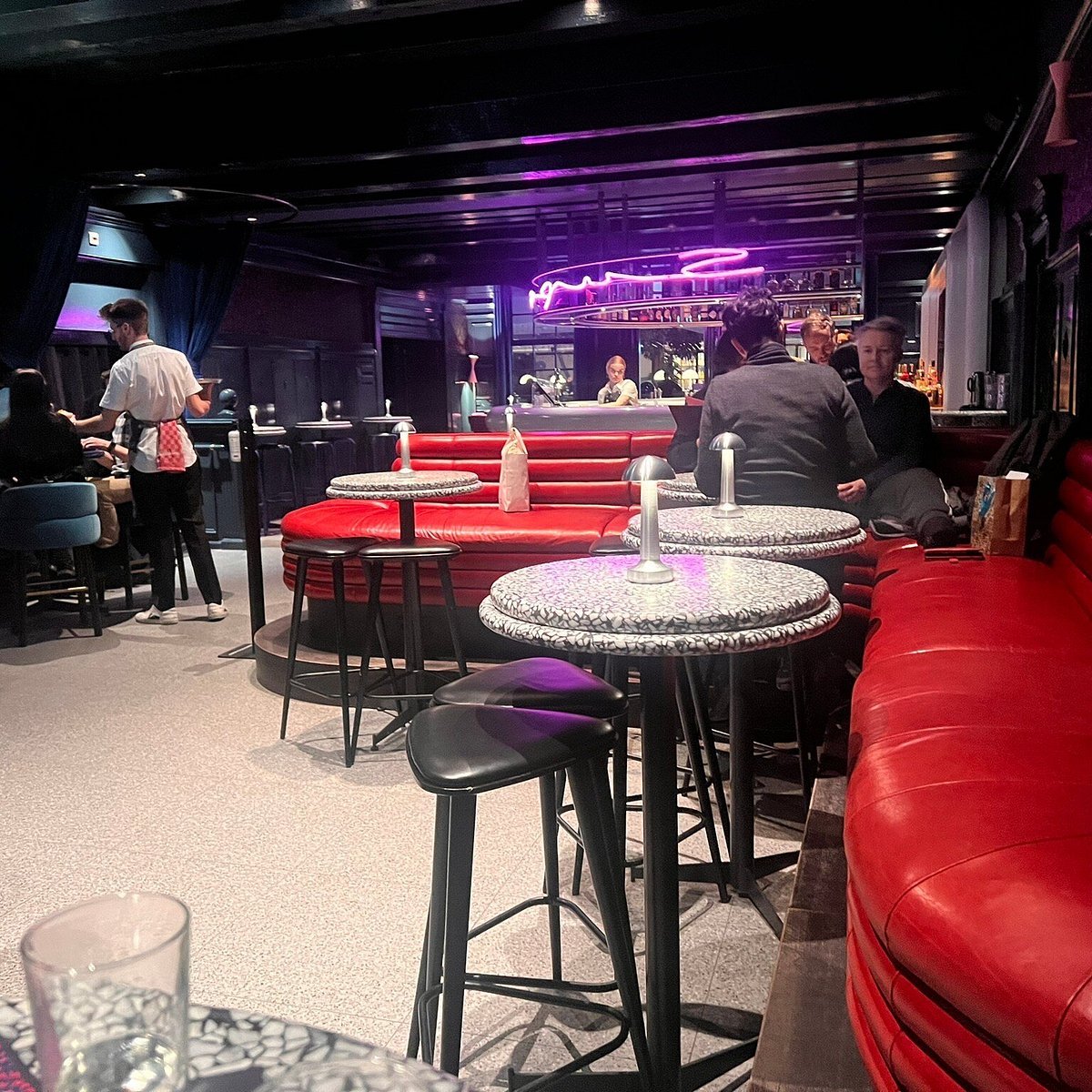
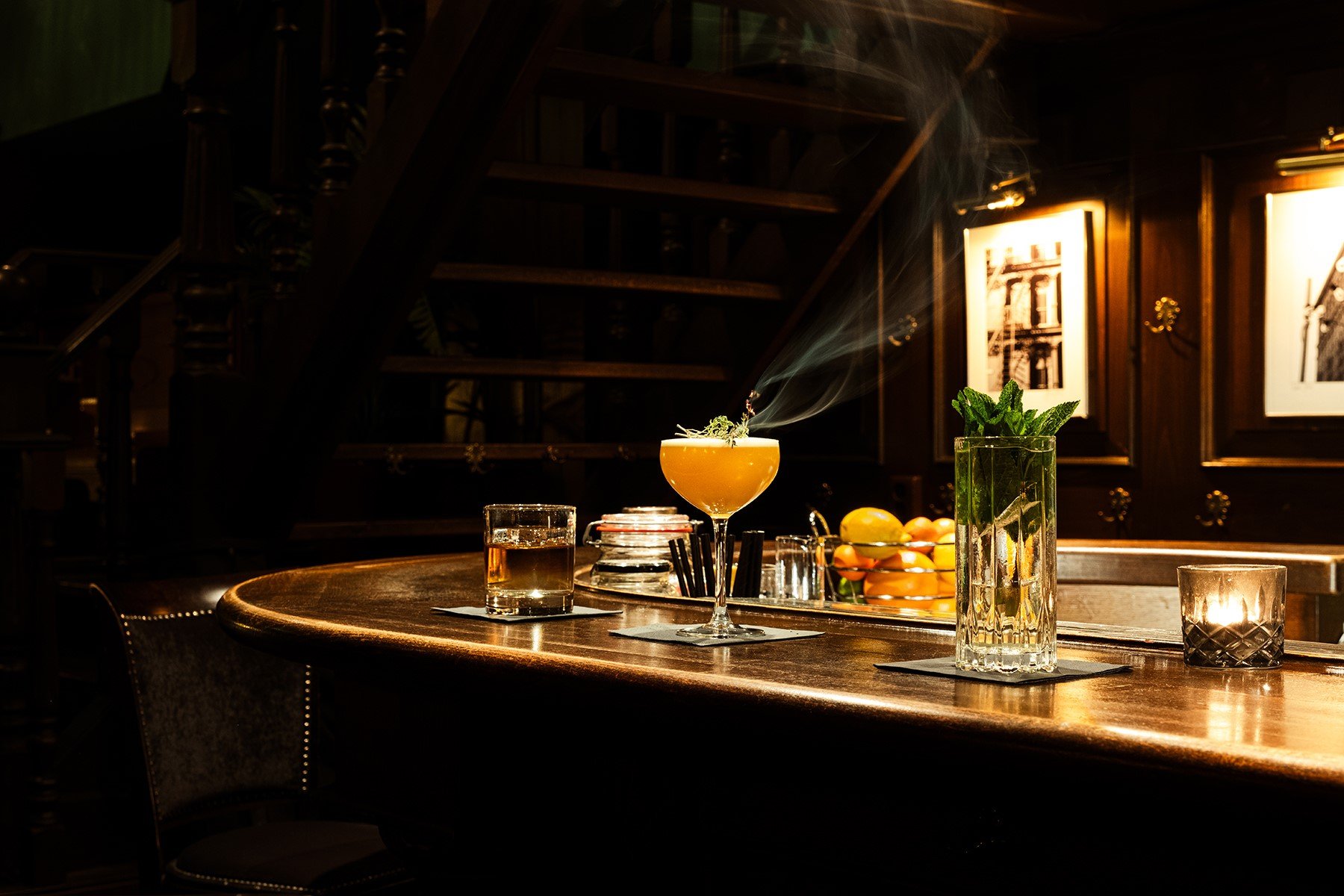
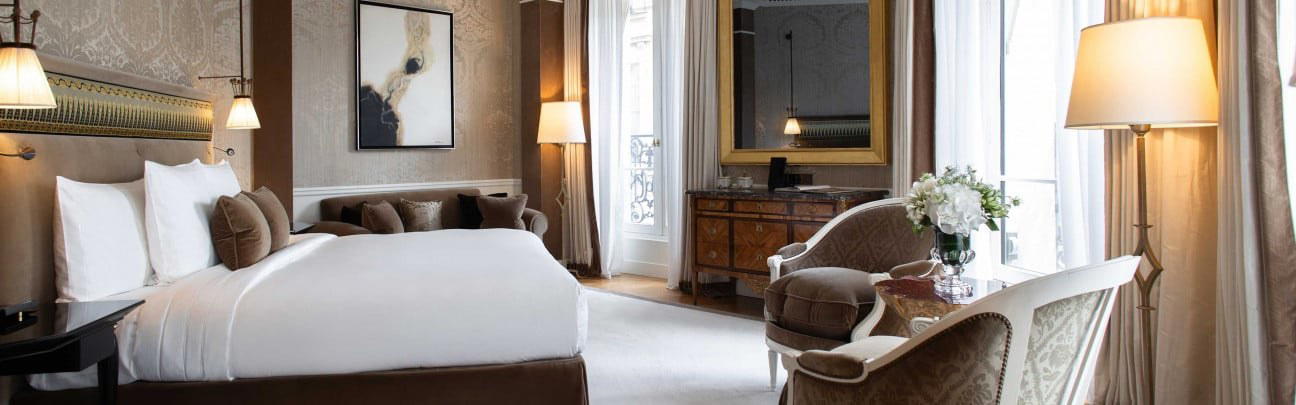
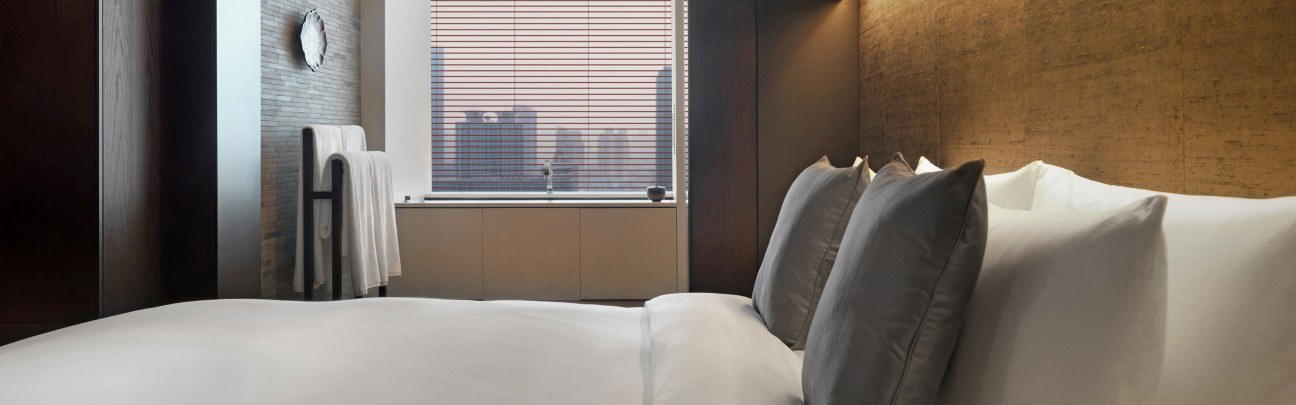
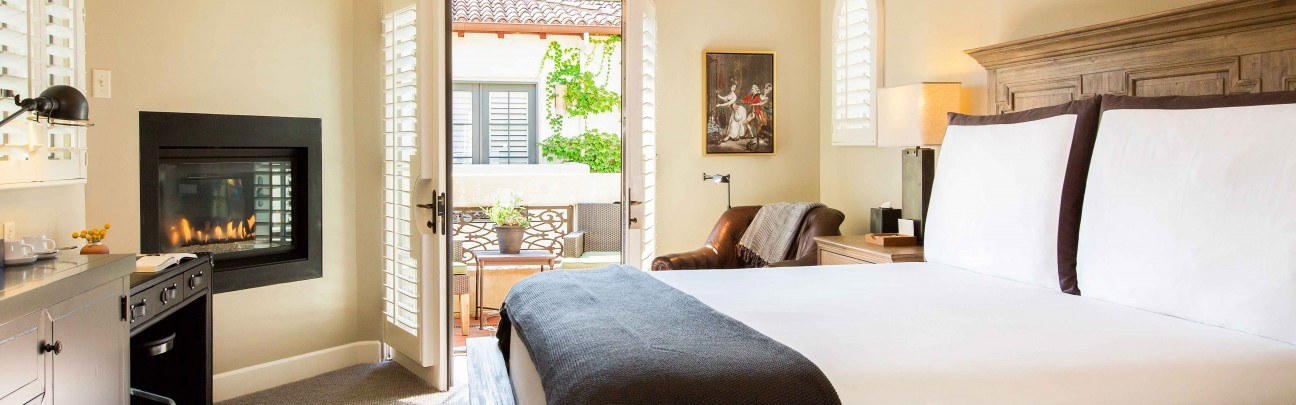
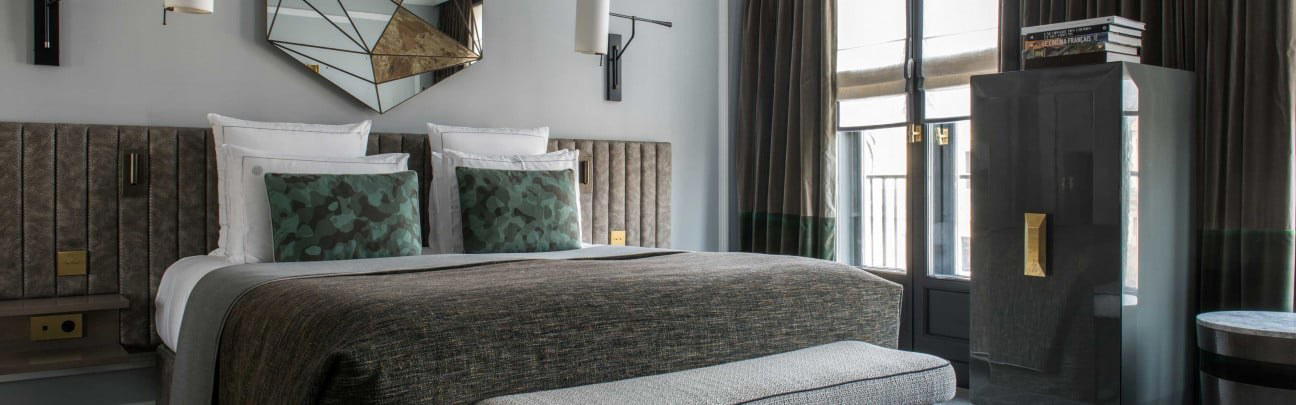
Warm, stylish with cozy nooks, jewel-toned furnishings, and Art Deco features creating an elegant, lived-in atmosphere.
Tags
Vibe
Best For
Experience
Amenities
View
Accessibility
About the Stay
- Rooms
- 79
- Check-in
- 15:00
- Check-out
- 12:00
- Property Style
- Exclusive Members' Club with Hotel Rooms in a Restored 1930s Art Deco Building.
- Design Style
- Art Deco with Mid Century Modern Interiors, Parquet Floors, and Jewel Toned Furnishings.
Know before you go
Know Before You Go
- Getting there
- Spuistraat 210, 1012 VT Amsterdam
Planning details
Location
Spuistraat 210, 1012 VT Amsterdam · Directions
Recognition and awards
Also consider
Where to look if this is not available
If availability is tight, start with The Hoxton, Amsterdam for a central stay that is easier to use as a flexible city base. It is the better fallback for travelers who plan to eat and drink mostly off property.
For a quieter alternative, choose Esthéréa. For a higher-spend celebration where the room matters more than the club setup, compare TwentySeven Hotel.
Hotel context
How Soho House Amsterdam compares with central Amsterdam hotels
Choose The Hoxton, Amsterdam if the brief is central, design-conscious, and easier to treat as a normal hotel. Soho House Amsterdam is stronger for guests who want the members-club rhythm built into the stay; The Hoxton is the cleaner value call when the room is mainly a base between restaurants, bars, and sightseeing.
W Amsterdam is the better match for a louder, more nightlife-forward trip, while Esthéréa is better for a quieter boutique feel. Soho House Amsterdam sits between those moods: social, central, and useful for guests who want to spend time on property without moving into full party-hotel territory.
For a splurge where the room and service are the point, compare with TwentySeven Hotel. For practical central access with less emphasis on club atmosphere, Hotel V Nesplein is the sharper alternative. Booking difficulty is marked hard here, so flexible travelers should keep at least one of those peers as a backup.
Around this place
Discover more on Pearl
Unlock the full Soho House Amsterdam guide in Pearl, including awards, comparisons, FAQs, planning details, and nearby places.
Compare Soho House Amsterdam
| Venue | Location | Awards |
|---|---|---|
| Soho House Amsterdam | Amsterdam | 2026 Mr & Mrs Smith Luxury HotelsMichelin 1 Key 20252025 Michelin 1 Key |
| The Hoxton, Amsterdam | Amsterdam | No published awards |
| W Amsterdam | Amsterdam | 2026 Forbes Recommended2025 Forbes Recommended |
| Esthéréa | Amsterdam | No published awards |
| TwentySeven Hotel | Amsterdam | 2026 Virtuoso Luxury Hotel Collection2026 La Liste Top HotelsMichelin 2 Keys 20252025 Michelin 2 KeysSmall Luxury Hotels Member 2025 |
| Hotel V Nesplein | Amsterdam | No published awards |





How Soho House Amsterdam compares with similar nearby venues.
FAQ
Frequently Asked Questions
What is check-in like at Soho House Amsterdam?
The data does not specify the check-in process at Soho House Amsterdam. Confirm arrival procedures, luggage handling, and any timing requirements directly with the property before your stay.
How is the location of Soho House Amsterdam?
Soho House Amsterdam is in Amsterdam. The data does not support a more specific street address, neighborhood description, or landmark-based location claim here.
How does Soho House Amsterdam compare to other Amsterdam stays?
Soho House Amsterdam has confirmed Michelin 1 Key recognition for 2025 and the Mr & Mrs Smith Seal of Approval for 2026. The Hoxton, Amsterdam, Hotel V Nesplein, W Amsterdam, Esthéréa, and TwentySeven Hotel are useful alternatives to compare on current rates, availability, room preferences, and confirmed services.
Which room category is best at Soho House Amsterdam?
The data does not identify specific room categories or recommend one over another. Choose based on the current room descriptions, pricing, and policies provided directly by Soho House Amsterdam for your travel dates.