
Hotel Arena Amsterdam
Oosterpark, Amsterdam
Hotel in Amsterdam, Netherlands
 Book with Pearl
Why go
Hotel Arena Amsterdam is a good fit if the goal is a calmer Amsterdam stay with character rather than a formal canal-ring hotel. Booking difficulty is easy, the 2026 GHOTW Collection recognition adds a useful trust signal. It is strongest as a composed base for first-timers or return visitors who do not need every major sight directly outside the door.
About Hotel Arena Amsterdam
Hotel Arena Amsterdam is a venue in Amsterdam. Its dress code is casual, it is listed as a Great Hotels of the World GHOTW Collection Member for 2026. Travelers should confirm current room types, services, dining details, arrival logistics directly with the property before booking.
Use this page as a conservative planning note rather than a full service review. If you are comparing Amsterdam stays, weigh Hotel Arena Amsterdam against other options based on your own priorities for location, room type, budget, the level of service you want.
An Amsterdam hotel with limited details
Hotel Arena Amsterdam works if you are looking for an Amsterdam stay and prefer a casual dress code rather than a formal-feeling visit. The GHOTW Collection membership for 2026 is a useful recognition point, but it should not replace checking the details that matter for your trip.
Before booking, verify the current policies and practical details directly with the property. Pearl does not have information here on room categories, pricing, dining format, specific services, or booking difficulty, so those should be checked against your dates.
Planning a stay: confirm the details before booking
For a smoother planning process, decide in advance what matters most to you and confirm it with the hotel before reserving. That may include room layout, quietness, accessibility needs, arrival timing, or whether any on-site services are available during your stay.
For broader Amsterdam planning, use Our full Amsterdam hotels guide for hotel cross-shopping, Our full Amsterdam restaurants guide for meals, Our full Amsterdam bars guide if evenings matter. For other Amsterdam hotel comparisons, consider options such as Breitner House, Generator Amsterdam, InterContinental Amstel Amsterdam, Pillows Grand Boutique Hotel Maurits at the Park, Zoku Amsterdam.
Verdict: consider Hotel Arena Amsterdam if you want an Amsterdam stay with a casual dress code and a confirmed GHOTW Collection Member listing for 2026. Confirm all trip-specific details directly before booking.
Planning details
- Location
- 's-Gravesandestraat 55, 1092 AA Amsterdam, Netherlands
The take
The Take
The Vibe
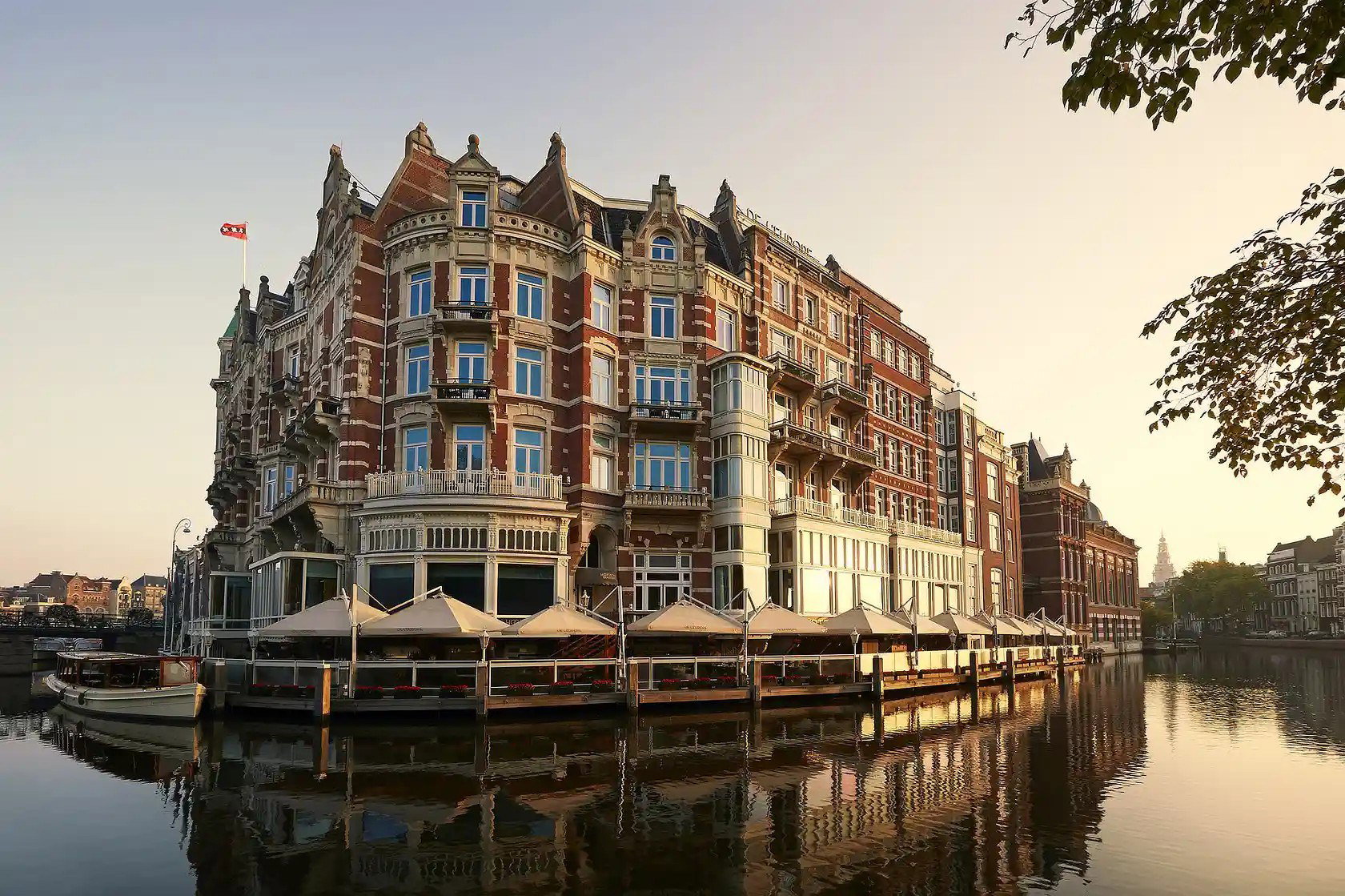
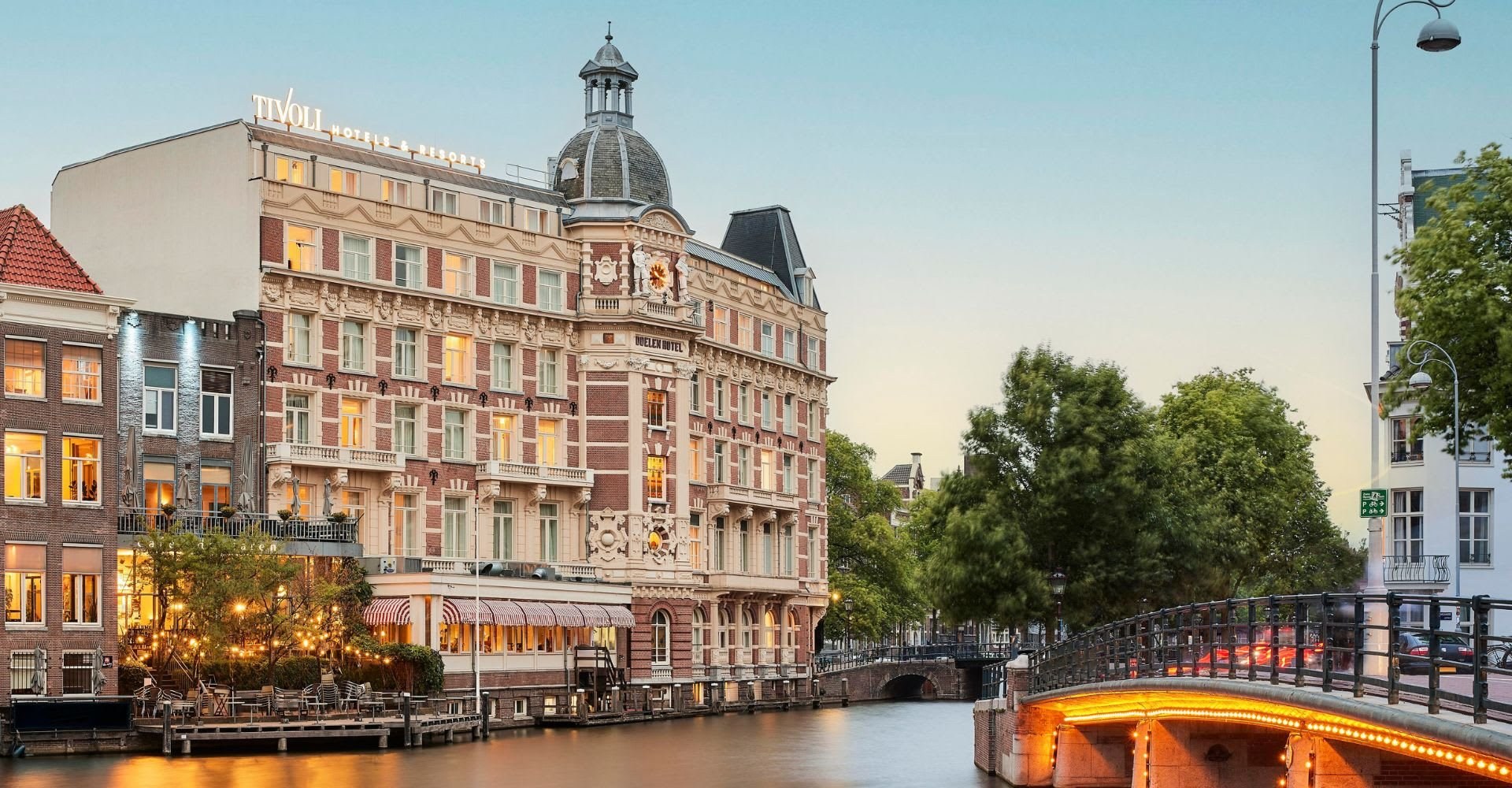
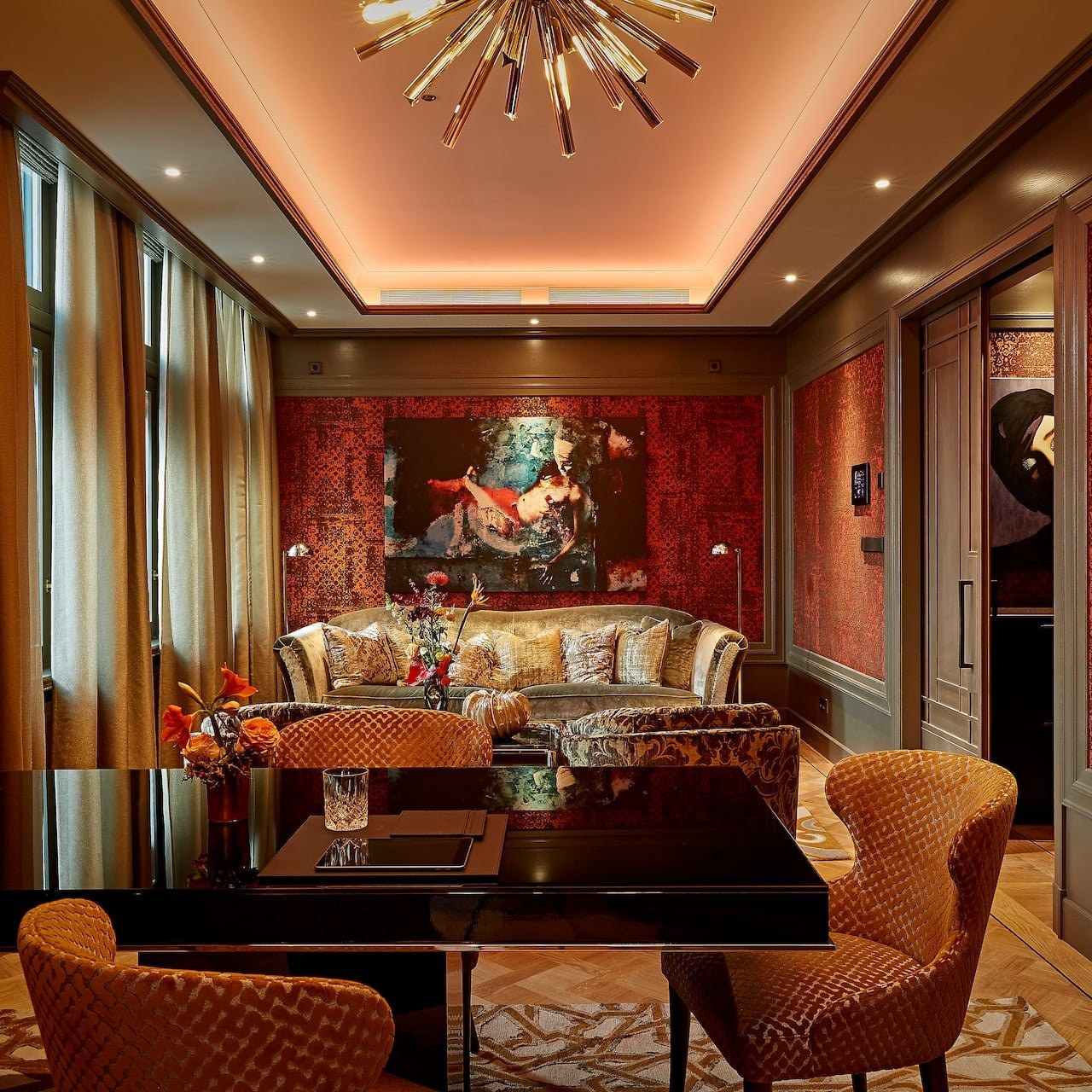
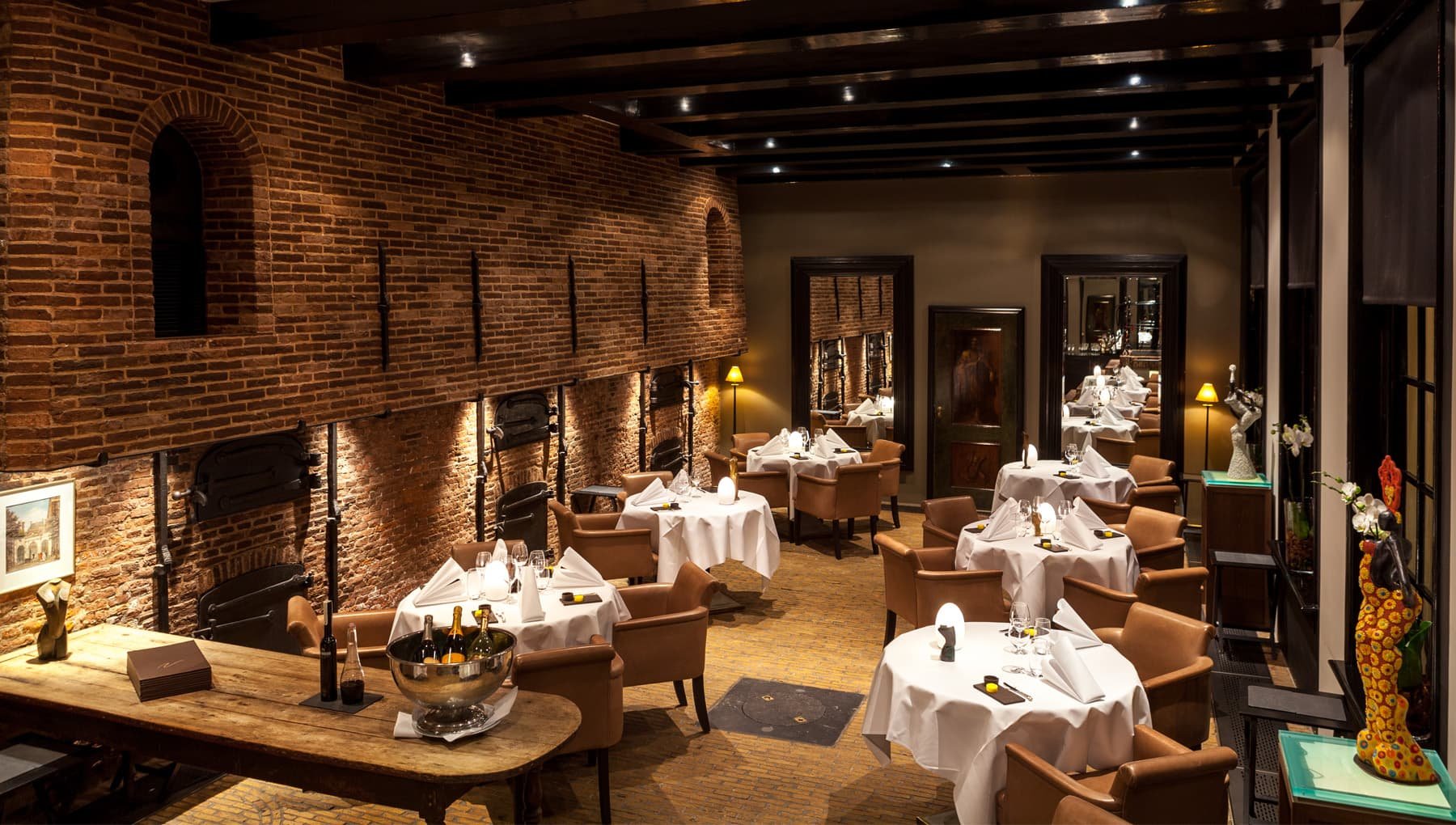
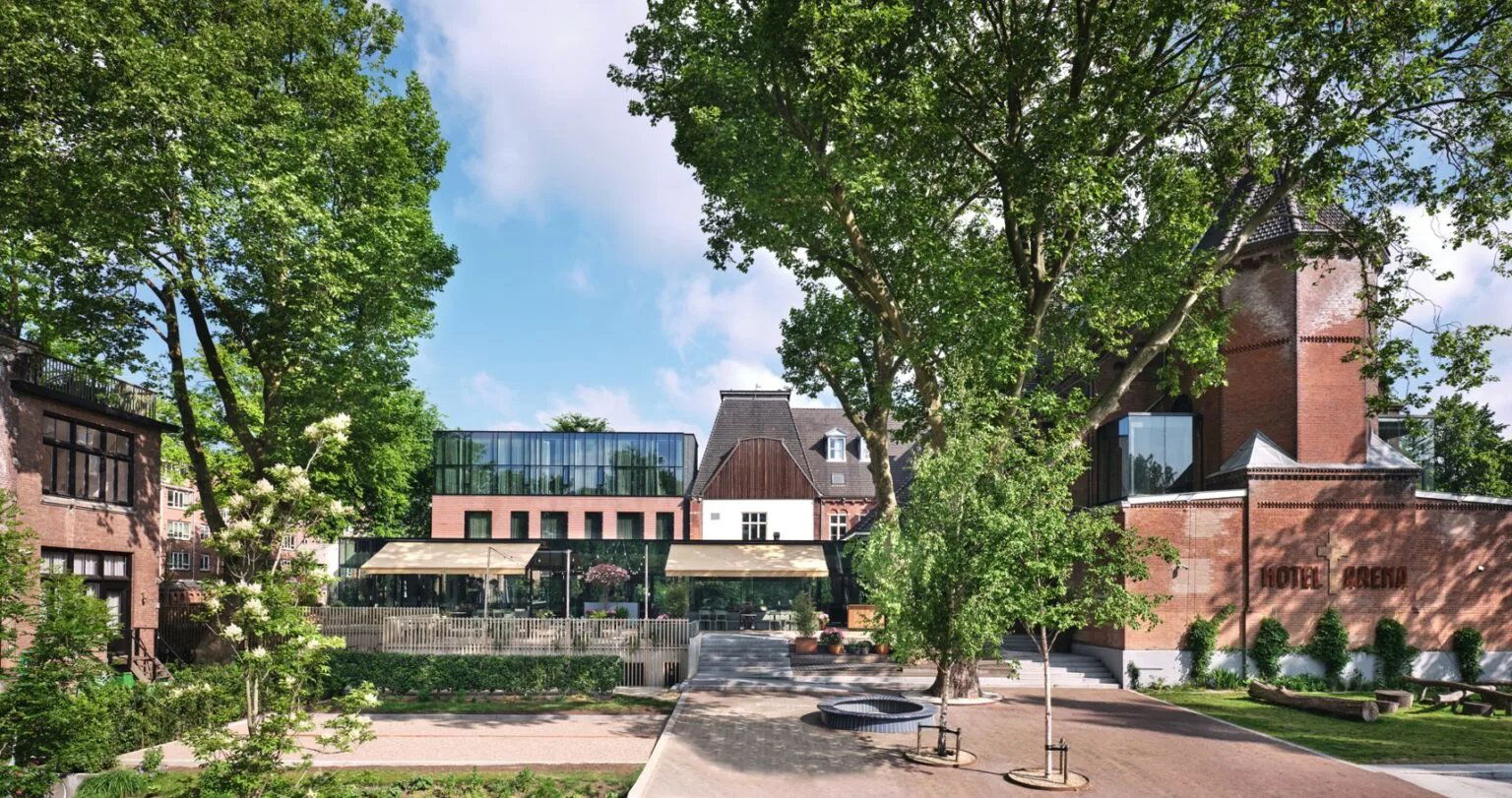
Hotel Arena reads like an architectural exhibit: a late‑19th‑century Roman Catholic orphanage turned hotel where original spatial logic remains legible. Public corridors, lofty ceiling heights and heavy masonry speak to the building’s institutional past, while the preserved chapel and arcaded courtyard anchor the property’s character. The conversion is respectful rather than erasing, so the sense of history is constant rather than decorative. Located in the Oosterpark neighbourhood east of the Amstel, the hotel feels removed from the canal‑house tourist core, and that distance reinforces its identity as a design‑led, historically rooted alternative to the city’s grand canal properties.
Best For
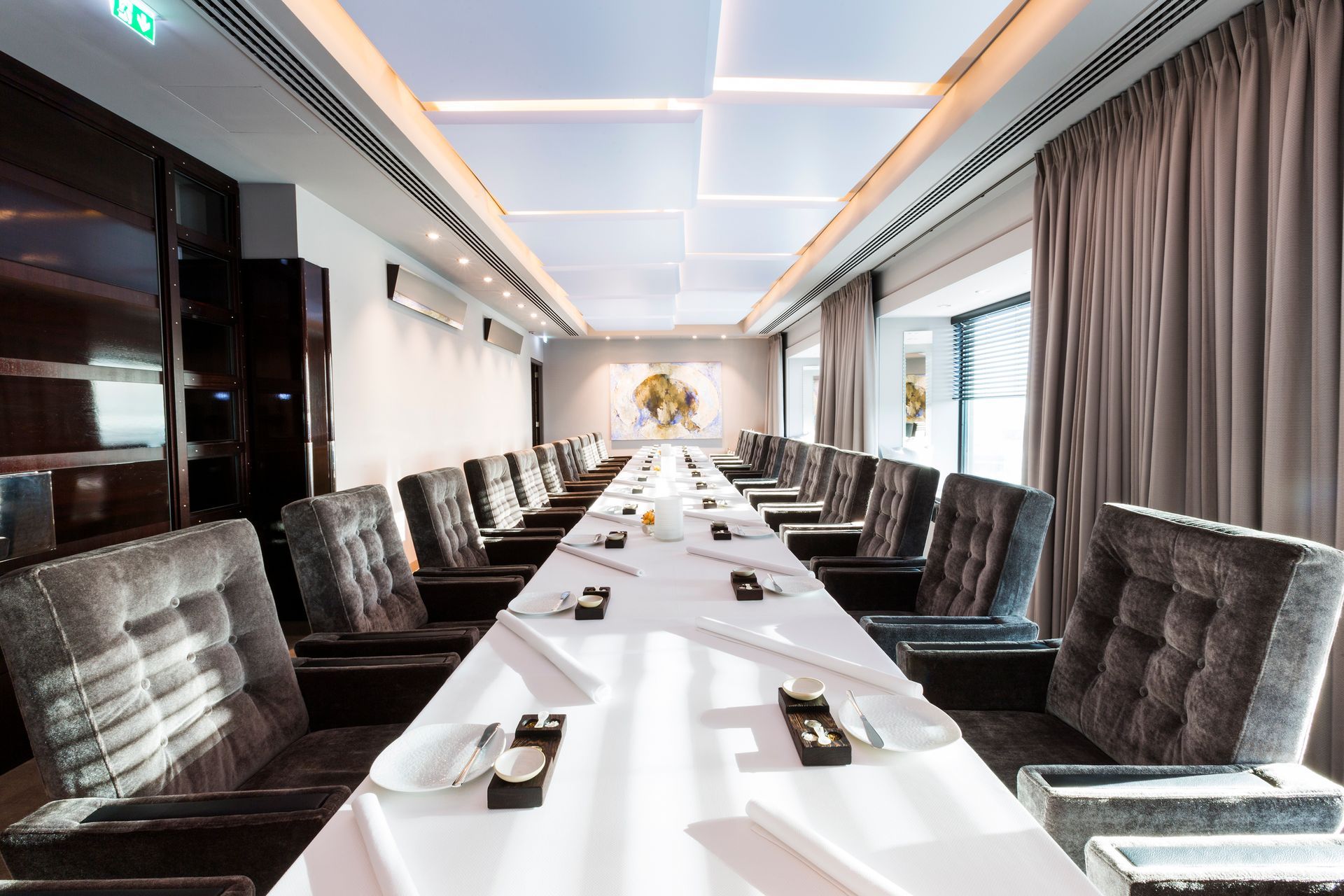
Hotel Arena suits travelers who prize architectural character and a quieter base outside Amsterdam’s tourist center. It works well for weekend escapes and business trips—already noted as appropriate uses of the property—and is particularly well suited to groups and organizers because the former chapel functions as an events and performance space with seating for up to 180. Guests who want a stay defined by civic scale, historic detail and occasional on‑site programming will find the hotel a distinctive alternative to the grand canal hotels closer to the center.
Stay Tips
Ask the hotel about its events and performance calendar and the availability of the chapel for private bookings; the description specifically notes the chapel as an events space with a theatre capacity of up to 180. If courtyard access matters to you, confirm which rooms or public areas face the arcaded courtyard, which the conversion preserves. Finally, bear in mind the hotel’s Oosterpark location when planning arrival and departures—its position east of the Amstel places it away from the canal tourist core and may affect transport timing.
Venue details
Ambiance
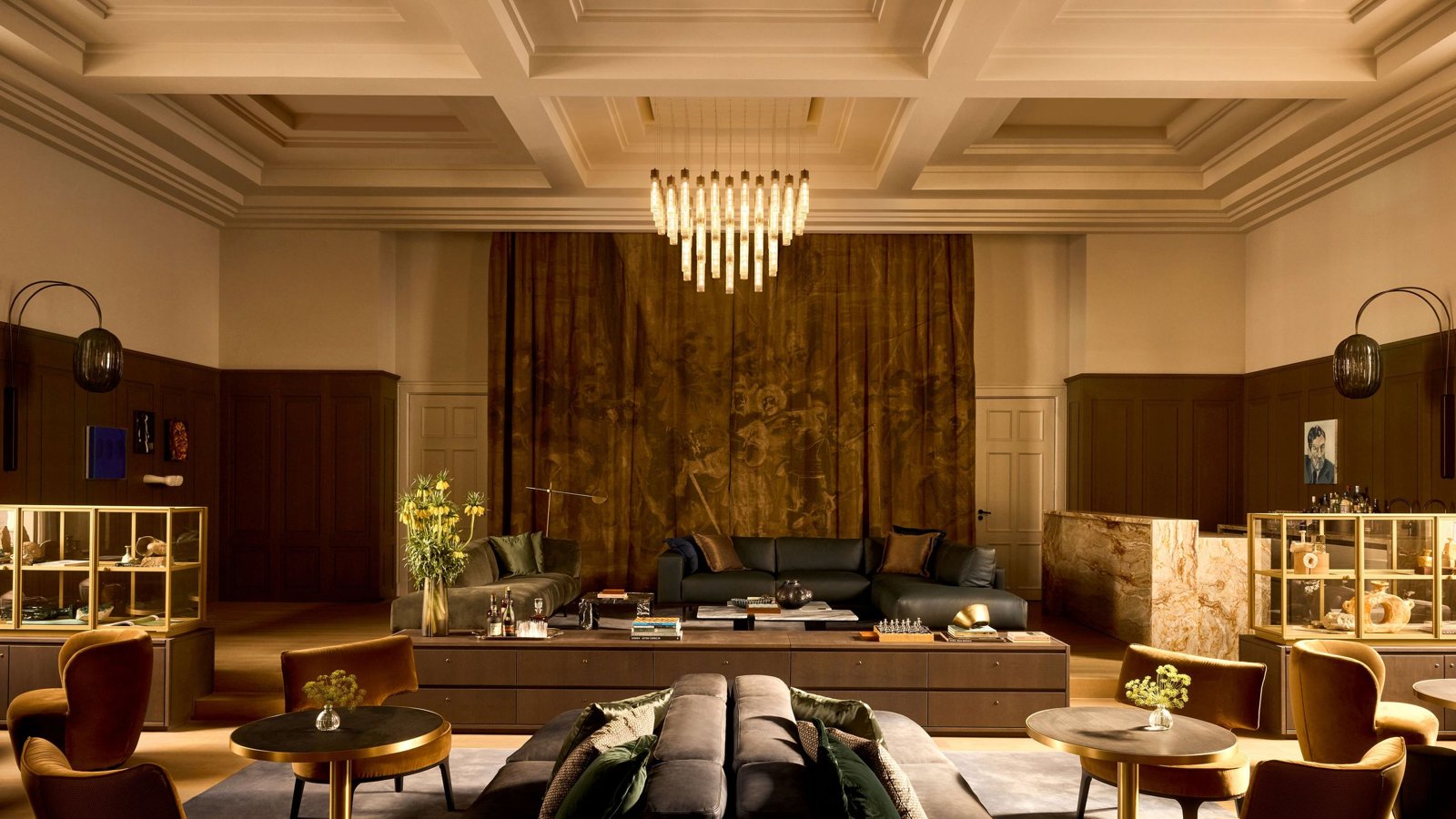
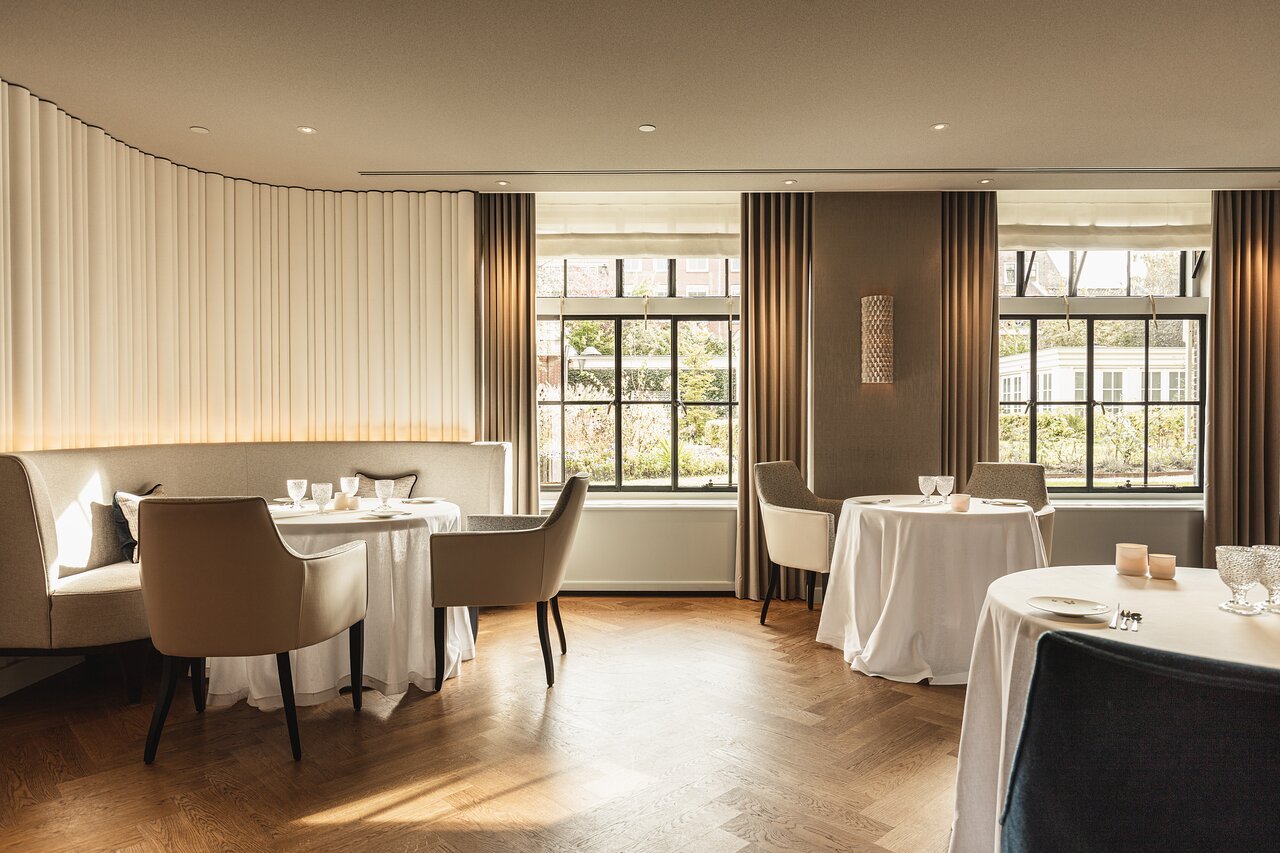
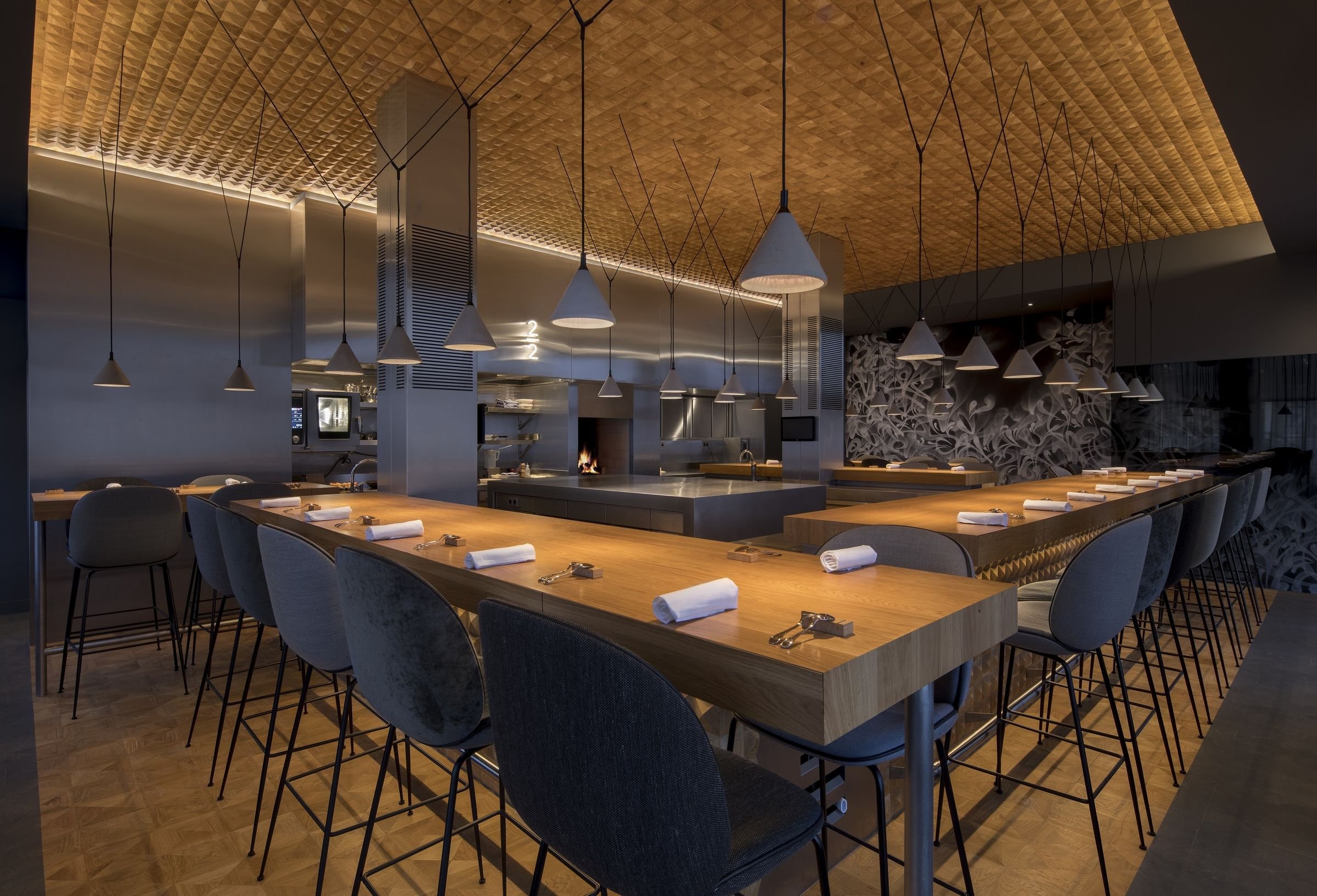
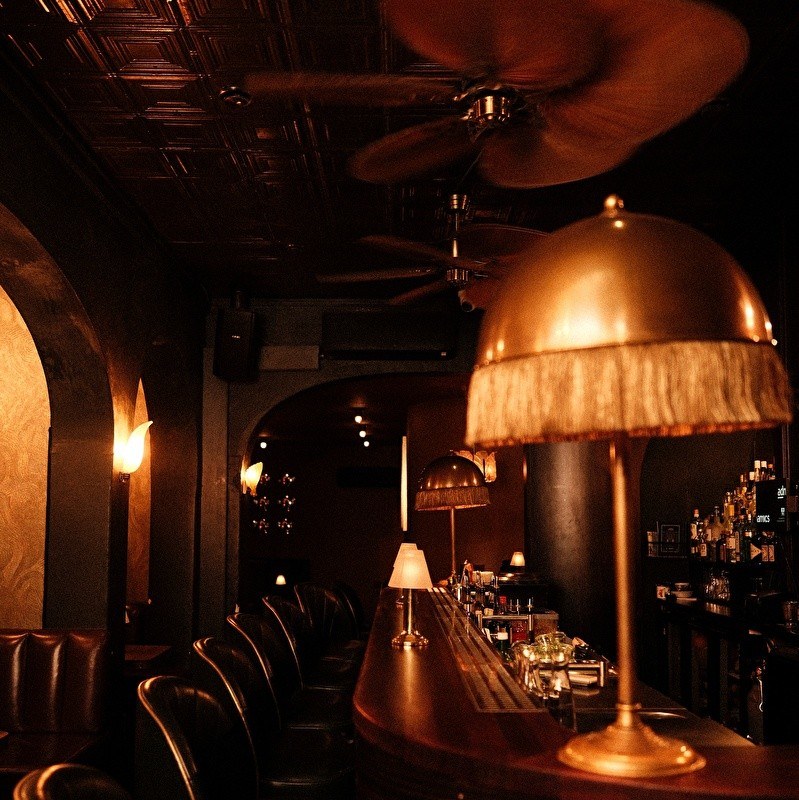
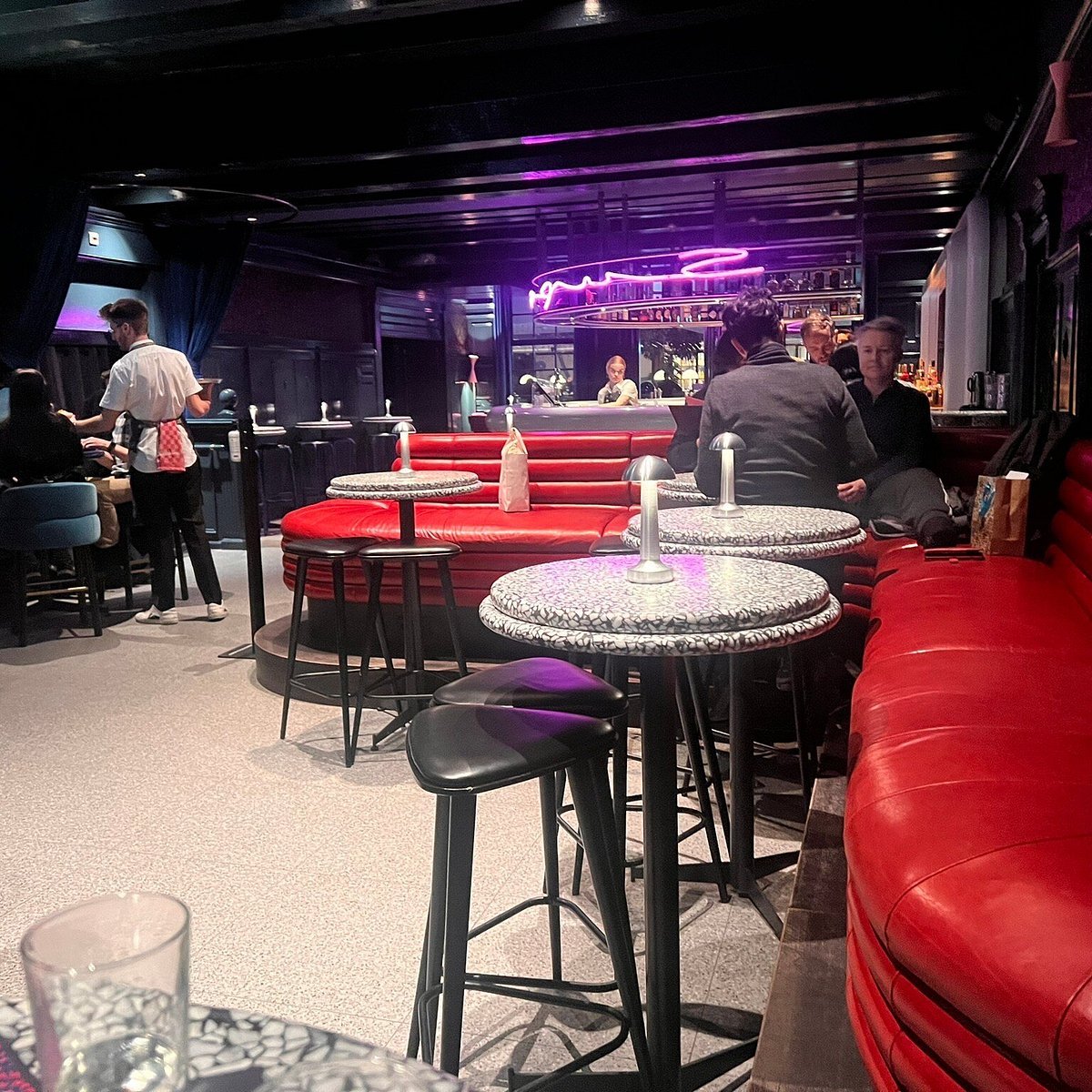
Stylish and tranquil with high ceilings, large windows, lobby fireplace, and park views
Tags
Vibe
Best For
Experience
Amenities
View
Accessibility
About the Stay
- Rooms
- 141
- Check-in
- 15:00
- Check-out
- 11:00
- Property Style
- Monumental Boutique Hotel in Park Setting
- Design Style
- Modern with Historic Elements
Planning details
Location
's-Gravesandestraat 55, 1092 AA Amsterdam, Netherlands · Directions
Recognition and awards
Also consider
Also Consider
- Generator Amsterdam, Notable alternative
- Pillows Grand Boutique Hotel Maurits at the Park, Notable alternative
- Breitner House, Notable alternative
- Zoku Amsterdam, Notable alternative
- InterContinental Amstel Amsterdam, Notable alternative
Hotel context
How Hotel Arena Amsterdam compares in Amsterdam
Choose Hotel Arena Amsterdam over Generator Amsterdam if the trip needs a more grown-up hotel feel and less hostel energy. Generator is the easier value play for budget-led travelers and social stays, while Hotel Arena Amsterdam is the better fit for couples, families, or solo travelers who want a calmer base without moving into full luxury pricing.
Pillows Grand Boutique Hotel Maurits at the Park and InterContinental Amstel Amsterdam are stronger choices if service polish and a more formal hotel experience matter. Expect those to suit splurge stays better. Hotel Arena Amsterdam is the practical middle choice: less ceremonial, likely easier to secure, better for guests who want atmosphere without making the hotel the main event.
Breitner House is the more intimate boutique alternative, while Zoku Amsterdam makes more sense for longer stays or work-heavy trips. If the backup plan needs space and utility, choose Zoku. If the priority is a quieter Amsterdam stay with more traditional hotel rhythm, Hotel Arena Amsterdam is the safer cross-shop.
Around this place
Discover more on Pearl
Unlock the full Hotel Arena Amsterdam guide in Pearl, including awards, comparisons, FAQs, planning details, and nearby places.
Compare Hotel Arena Amsterdam
| Venue | Location | Awards |
|---|---|---|
| Hotel Arena Amsterdam | Amsterdam | 2026 Great Hotels of the World Collection |
| Generator Amsterdam | Amsterdam | No published awards |
| Pillows Grand Boutique Hotel Maurits at the Park | Amsterdam | 2026 Mr & Mrs Smith Luxury HotelsSmall Luxury Hotels Member 20252025 Michelin 2 Keys |
| Breitner House | Amsterdam | 2026 La Liste Top Hotels |
| Zoku Amsterdam | Amsterdam | No published awards |
| InterContinental Amstel Amsterdam | Amsterdam | 2026 Virtuoso Luxury Hotel Collection2026 Forbes Recommended2025 Forbes Recommended |





How Hotel Arena Amsterdam compares with similar nearby venues.
FAQ
Frequently Asked Questions
Is Hotel Arena Amsterdam family-friendly?
Hotel Arena Amsterdam does not list family-specific details here. If you are traveling with children or a larger group, confirm room setup, occupancy, any relevant services directly with the hotel. Zoku Amsterdam is another Amsterdam option to compare.
When is the best time to book Hotel Arena Amsterdam?
Book when your Amsterdam dates and needs are clear, then confirm current availability and policies directly with the hotel. If you are weighing alternatives, Generator Amsterdam is another Amsterdam hotel to compare.
What is check-in like at Hotel Arena Amsterdam?
Check arrival time, luggage options, any special requirements directly with the hotel before travel. For another Amsterdam hotel comparison, InterContinental Amstel Amsterdam may be worth reviewing.
How is the dining at Hotel Arena Amsterdam?
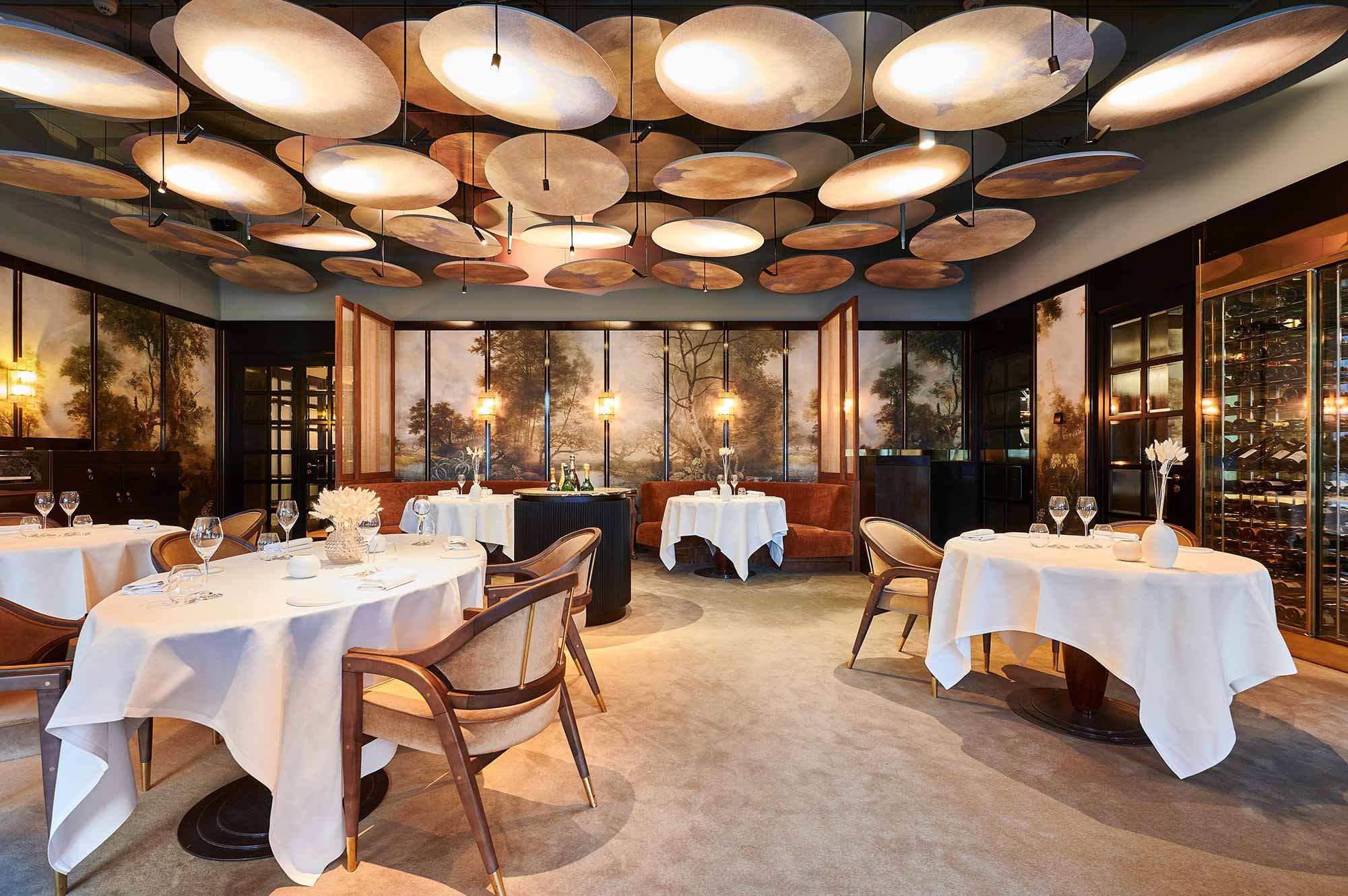
Check directly with the hotel for current restaurant, bar, or meal-service information, compare with other Amsterdam options such as Pillows Grand Boutique Hotel Maurits at the Park or InterContinental Amstel Amsterdam if hotel dining details are important to your stay.
Which room category is best at Hotel Arena Amsterdam?
Choose only after confirming current room types, layouts, policies with the hotel. Breitner House is another Amsterdam option to review for comparison.