

Canal House
Leliegracht e.o., Amsterdam
Hotel in Amsterdam, Netherlands
 Book with Pearl
The Read
17th-Century Canal-Belt Design
Why go
Canal House is a strong Amsterdam pick if you want a smaller canal-belt hotel with recognized luxury-hotel credibility and a residential feel. Book it for location and atmosphere rather than large-hotel facilities; if rates rise into full-service luxury territory, compare closely against bigger Amsterdam peers before committing.
About Canal House
Canal House is a hotel in Amsterdam with several hotel-recognition signals. It is a Small Luxury Hotels of the World member for 2025, has the Mr & Mrs Smith Seal of Approval for 2026, and is selected in the MICHELIN Guide Hotels for 2025. Those facts make it worth shortlisting for travelers who want an Amsterdam stay with recognized hotel credibility.
The safest way to assess Canal House is not by assuming a specific restaurant, room type, facility list, or service style. Treat it as an Amsterdam hotel with recognition from established hotel guides and networks, then confirm any practical needs directly before booking. The dress code is smart casual.
Book for Amsterdam atmosphere, not assumed extras
The strongest grounded reason to consider Canal House is its position within the hotel landscape. Small Luxury Hotels of the World membership, Mr & Mrs Smith recognition, and MICHELIN Guide Hotels selection are useful trust signals, but they should not be stretched into claims about facilities, dining, room views, or service format.
For travelers comparing Canal House with other Amsterdam options, the decision should come down to the details that matter for the trip: room requirements, cancellation terms, accessibility needs, and whether the hotel's profile fits the occasion. If a gym, extensive dining, meeting facilities, or a specific loyalty setup is essential, check those points directly rather than assuming they are part of the stay.
When the rate makes sense
The value case depends on the rate available for your dates and how much weight you place on hotel recognition. Canal House makes the most sense when its Amsterdam pricing feels reasonable against similarly positioned stays and when the hotel credentials are enough to support the booking decision.
For business travel, leisure travel, or family travel, the fit should be checked against practical needs rather than presumed from the hotel name alone. Room configuration, arrival logistics, and any required services should be confirmed before booking, especially for guests who need more than a direct Amsterdam hotel stay.
Dining should not be the deciding factor. Use Canal House as an Amsterdam accommodation option with hotel recognition, then plan meals separately unless the hotel directly confirms the relevant dining details for your stay.
Planning details
- Location
- Keizersgracht 148, 1015 CX Amsterdam
- Website
- canalhouse.nl
- Phone
- +31 20 622 5182
The take
The Take
The Vibe
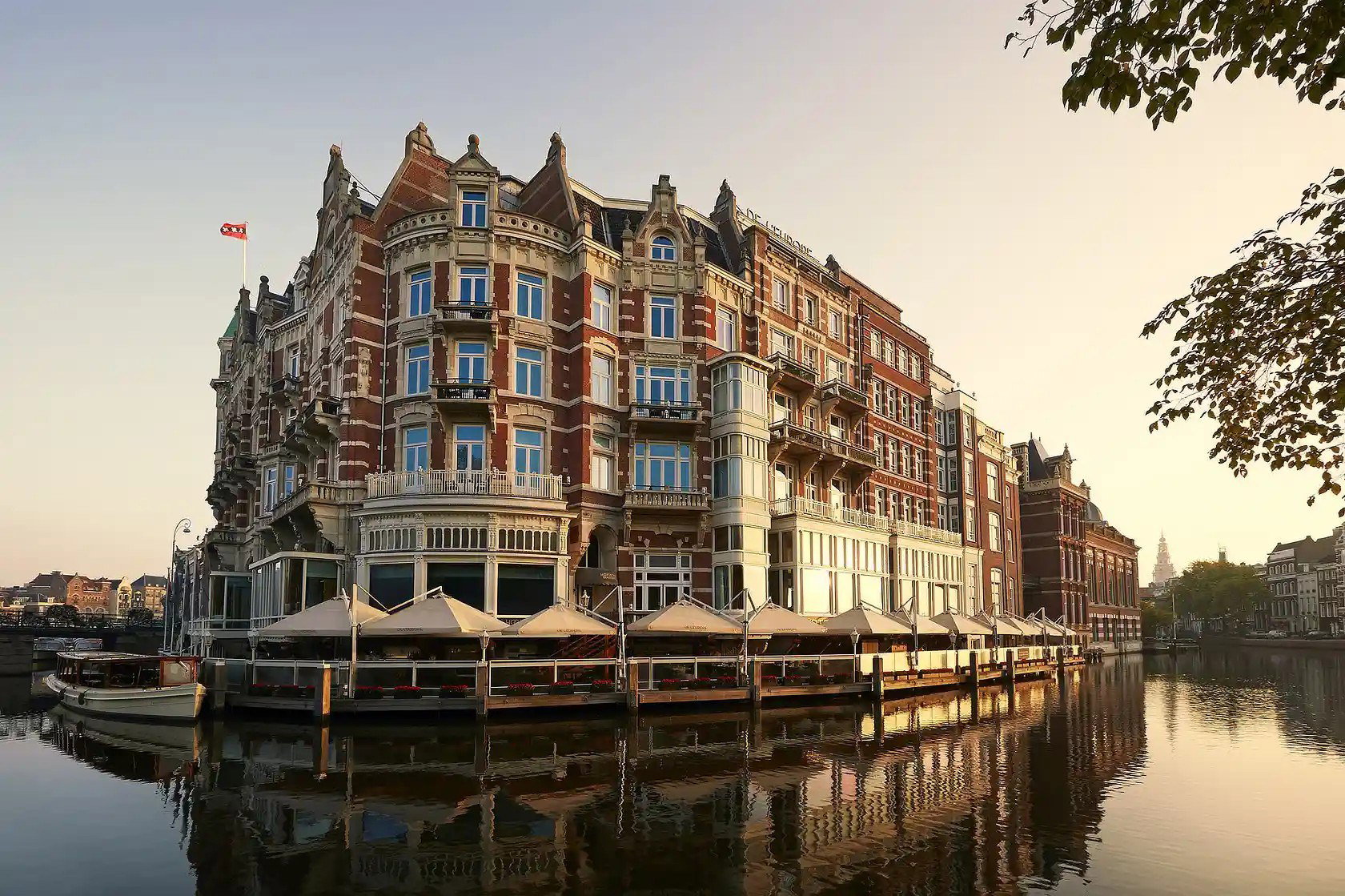
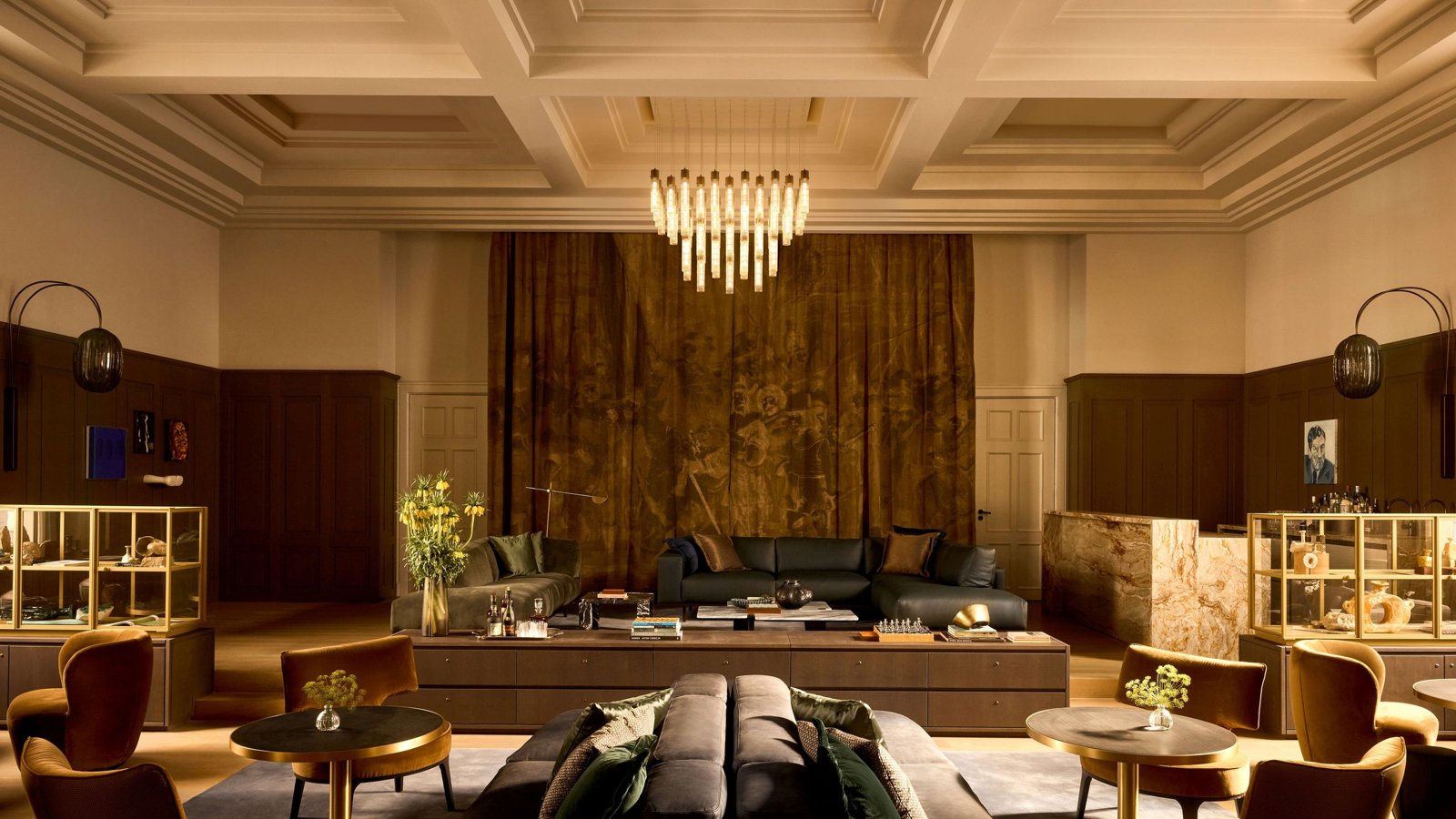
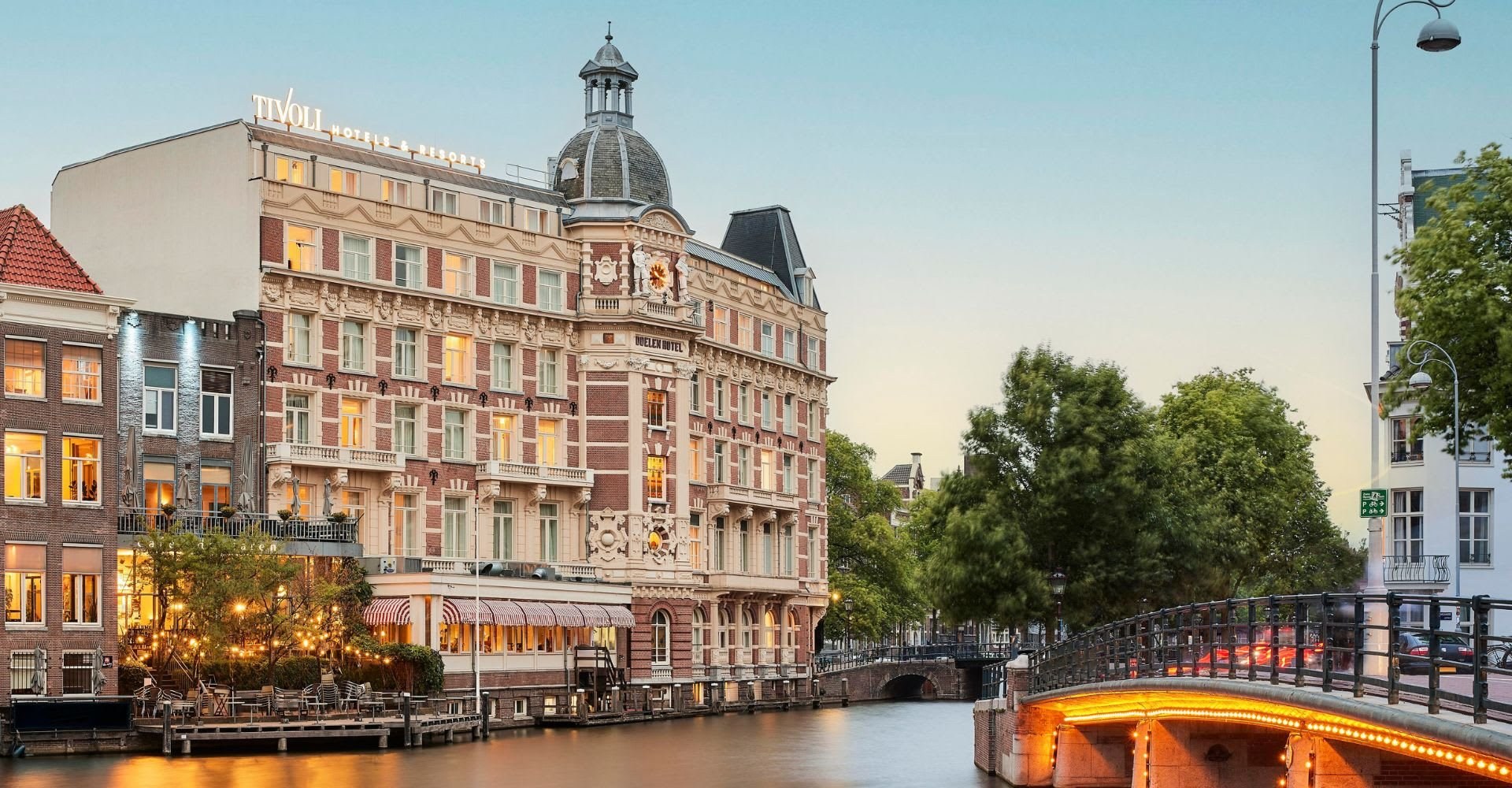
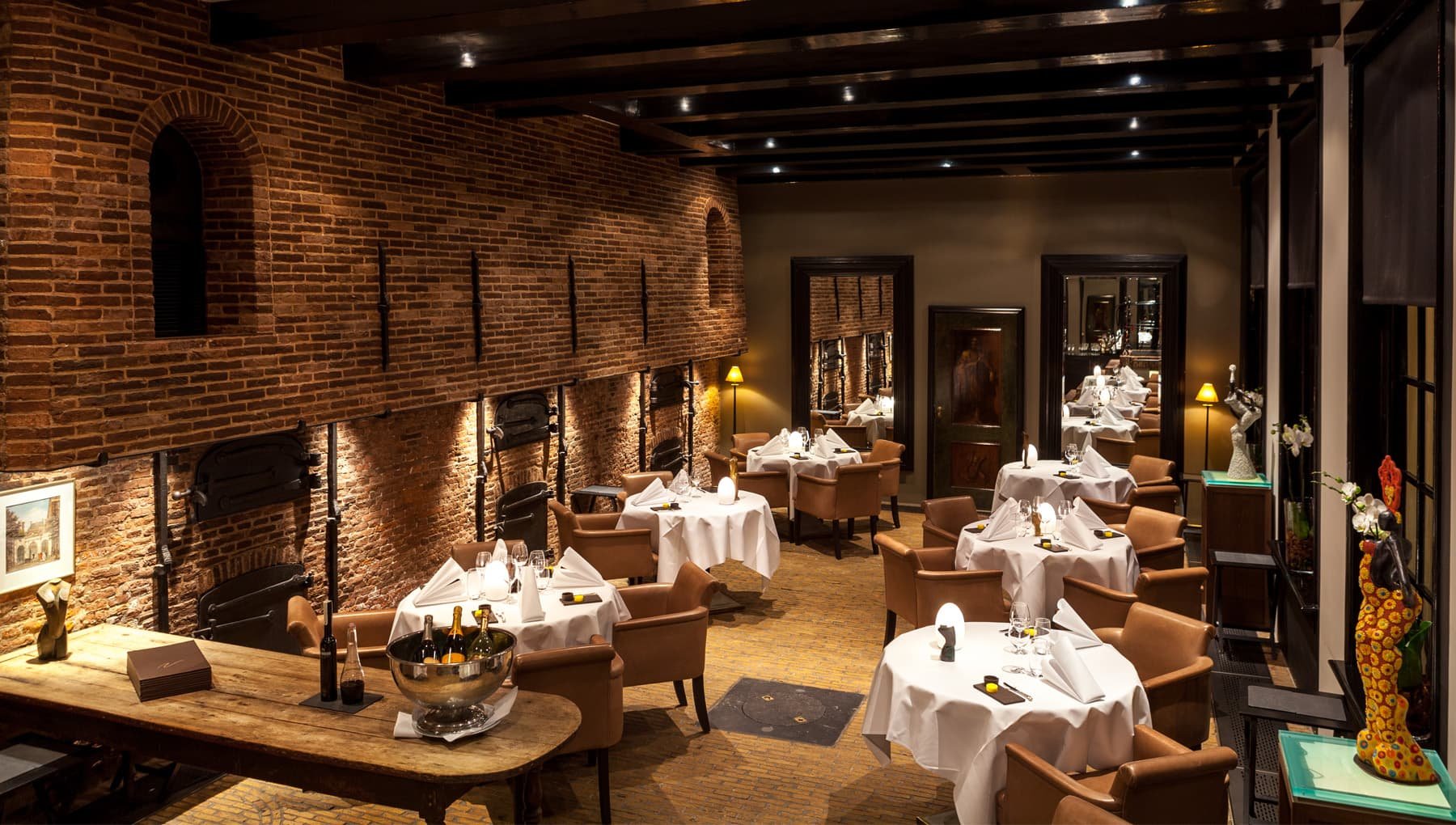
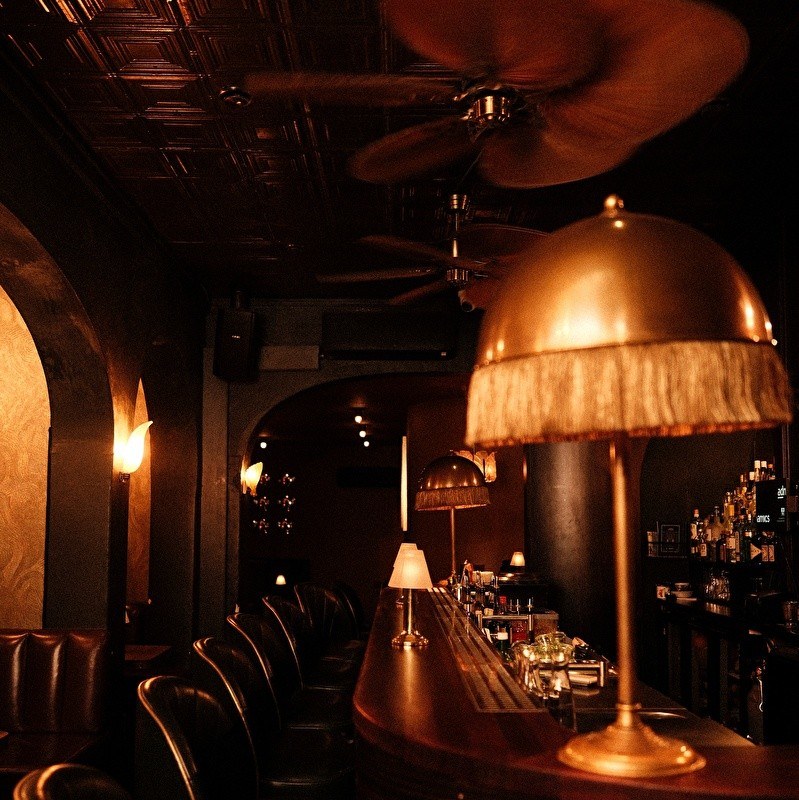
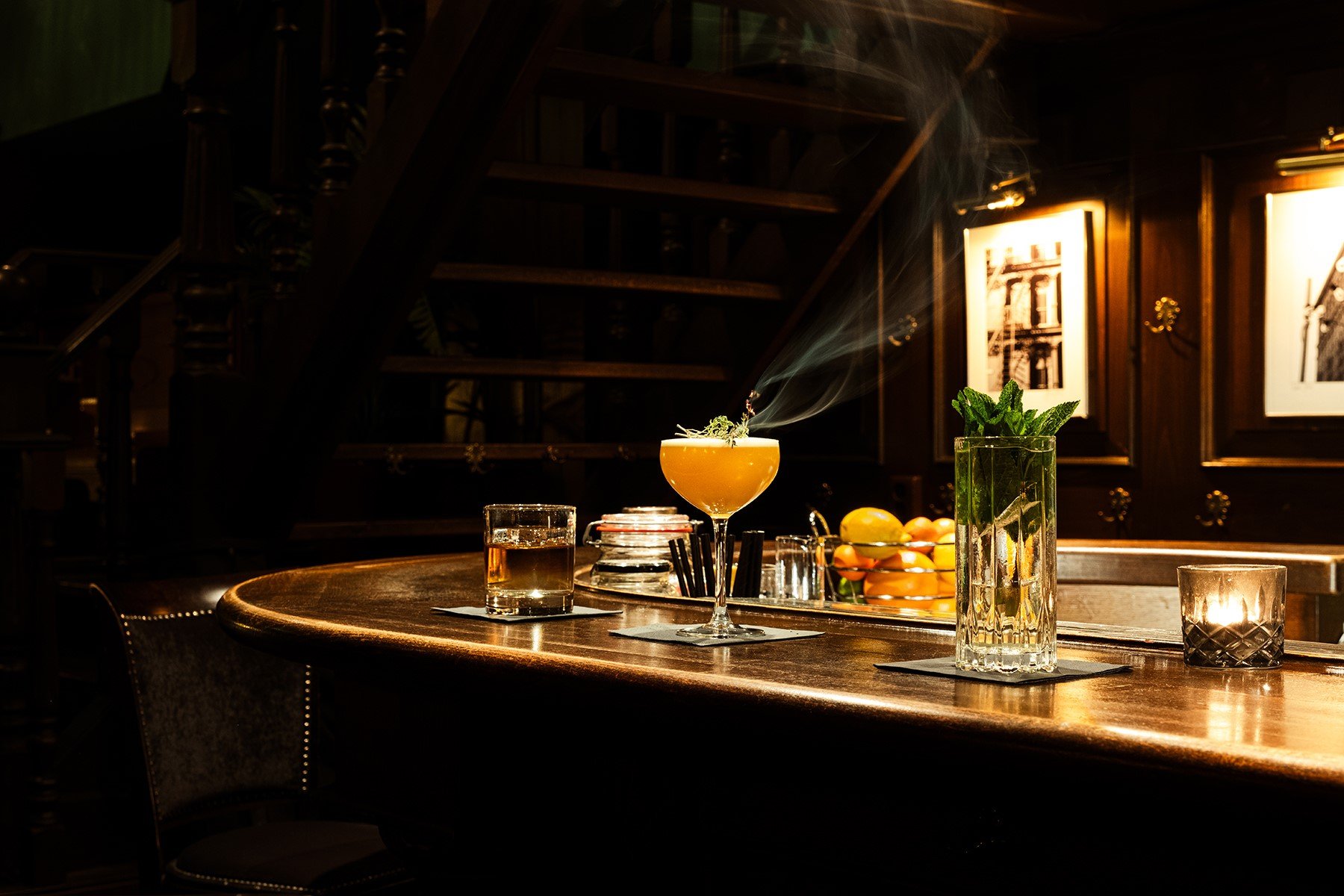
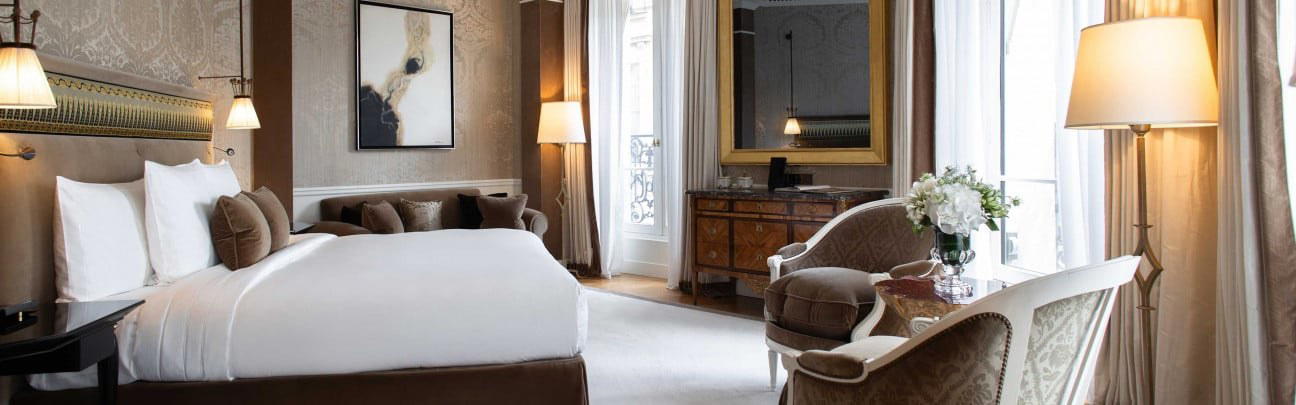
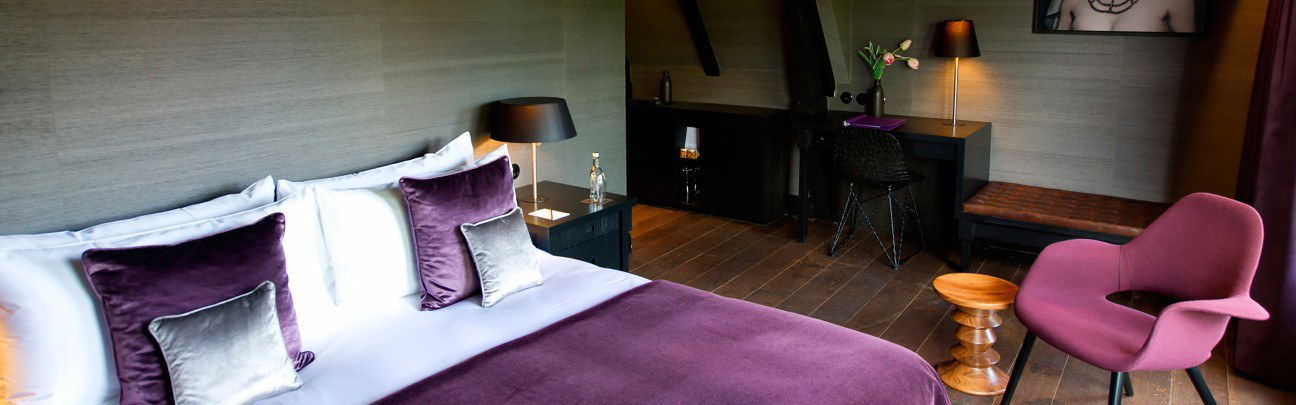
Canal House occupies three adjoining 17th-century merchant houses on Keizersgracht and reads as a small, design-led boutique rather than a conventional hotel. Its 23-room scale produces narrow corridors, steep stairs and the sense of provenance that comes with authentic period fabric. Shared spaces punch above the room count: a glamorous lounge, a bar and a surprisingly large garden give the property an intimate yet cultivated feel. The canal-front location lends a scenic, quietly sophisticated air; everything about the property favors atmosphere and detail over the scale and corporate polish of larger city hotels.
Best For
This is a property for travelers who prize history, quiet canal-side atmosphere and discreet luxury. The intimate, 23-room scale and generous shared spaces make it especially well suited to romantic getaways, anniversaries and weekend escapes, where couples can settle into the lounge, have a drink at the bar and use the garden as a private retreat. It is less well suited to large groups or travelers seeking extensive spa and conference facilities; the hotel trades breadth of amenity for provenance, design and an atmospheric, residential location on Keizersgracht.
Stay Tips
Book ahead and be specific about preferences: canal-facing rooms carry the locational premium mentioned in the description, and guests who want the signature view should request those rooms in advance. Note the building's 17th-century layout—corridors are narrow and stairs are steep—so travelers with mobility concerns should ask about lower-floor accommodation or compact lifts. Make time to use the shared spaces on-site: the glamorous lounge and hotel bar are natural spots for pre-dinner drinks, and the large garden is a quiet place to relax away from the street.
Venue details
Ambiance
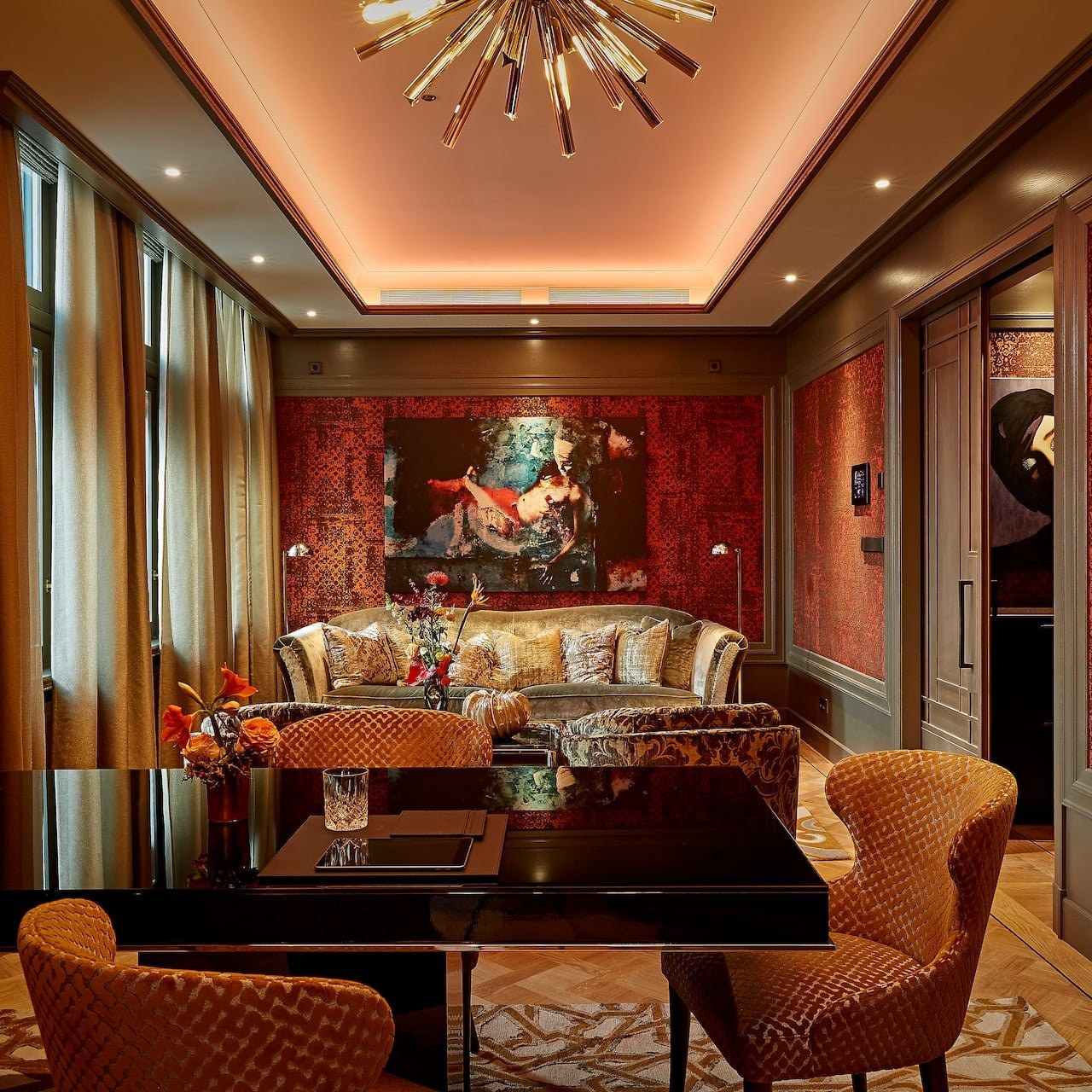
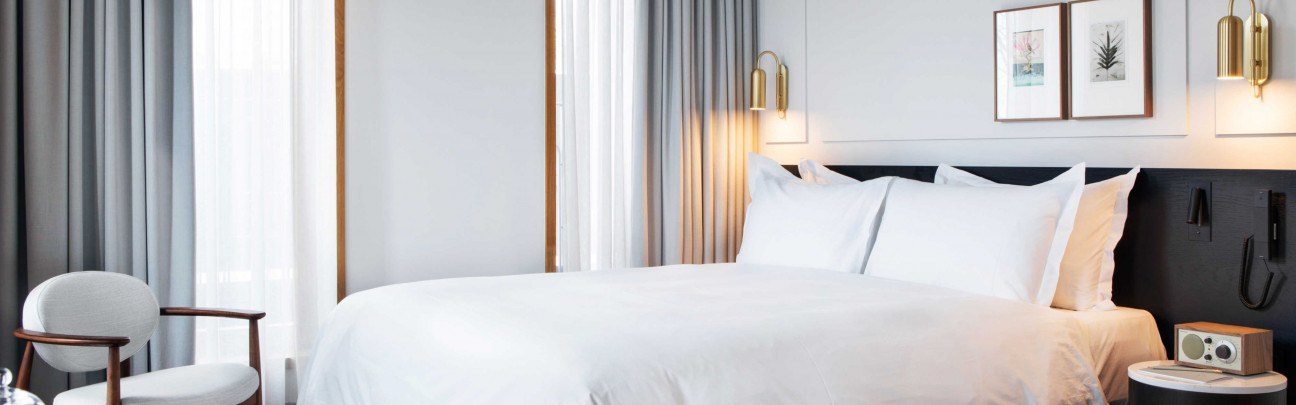
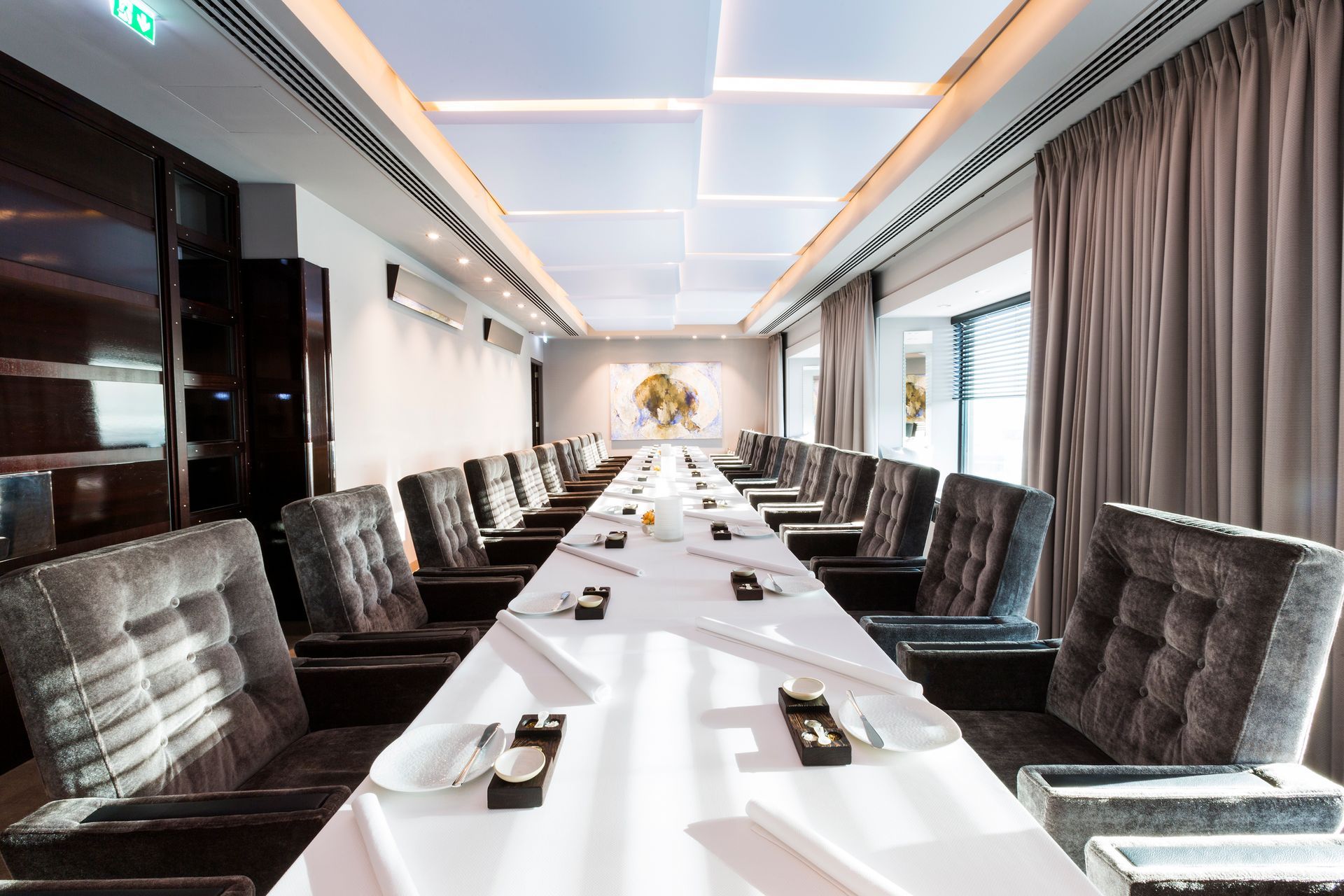
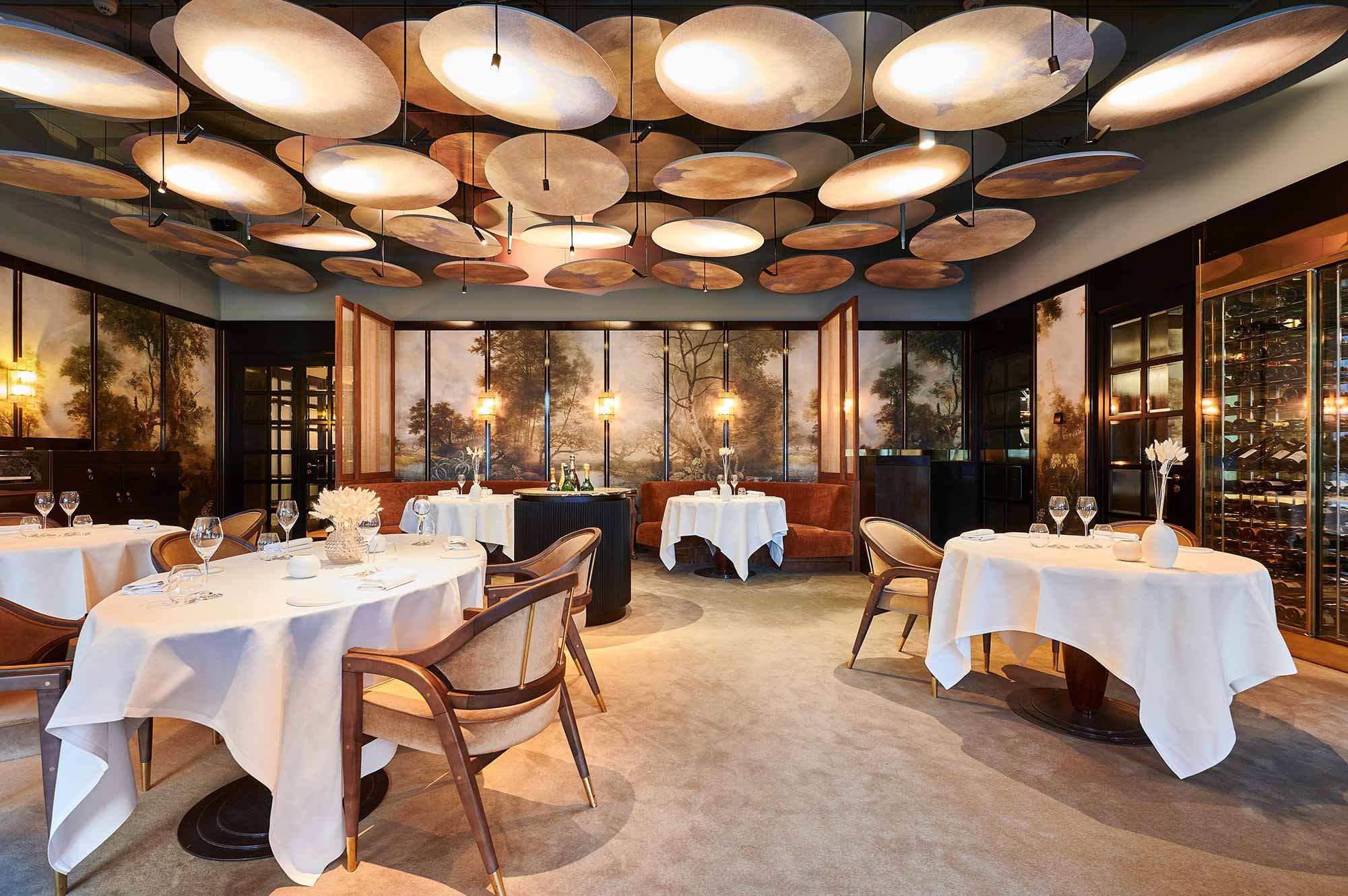
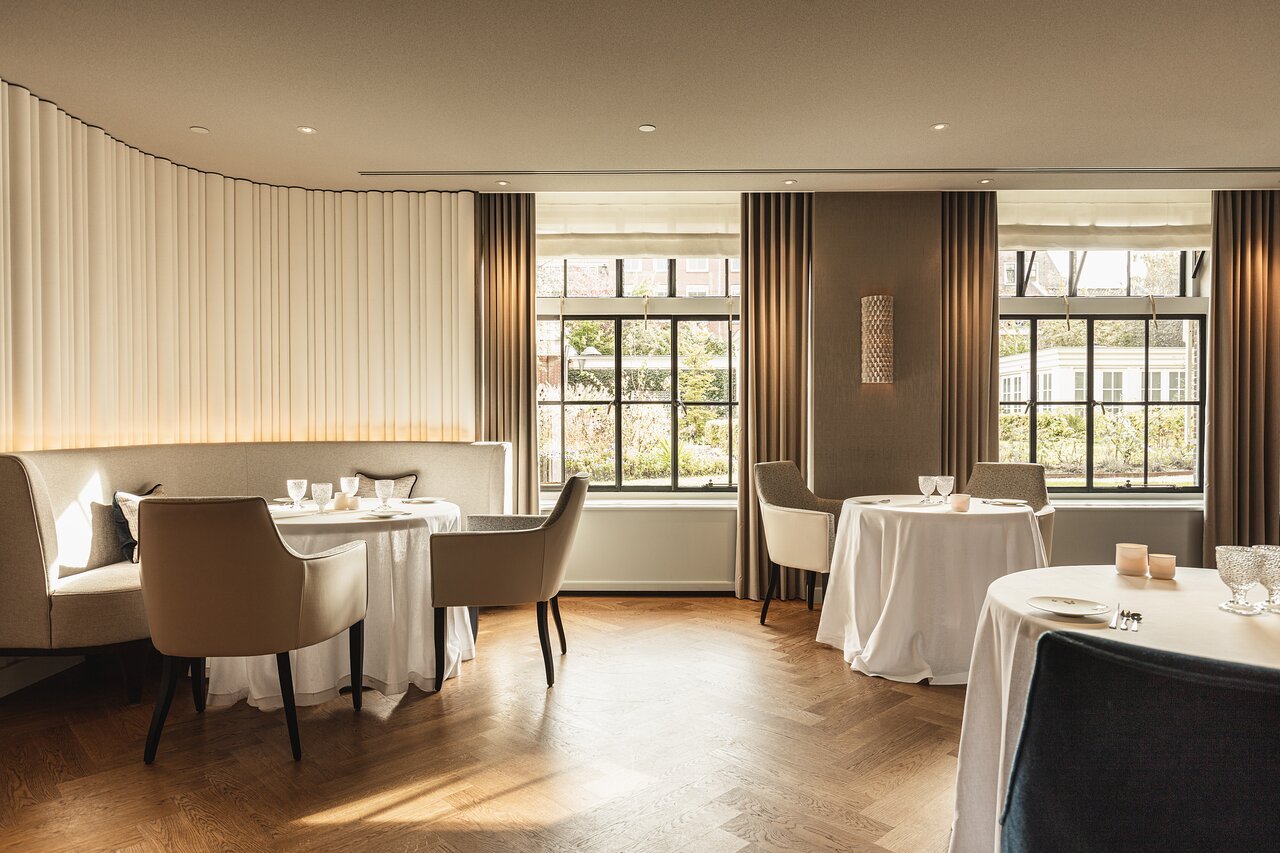
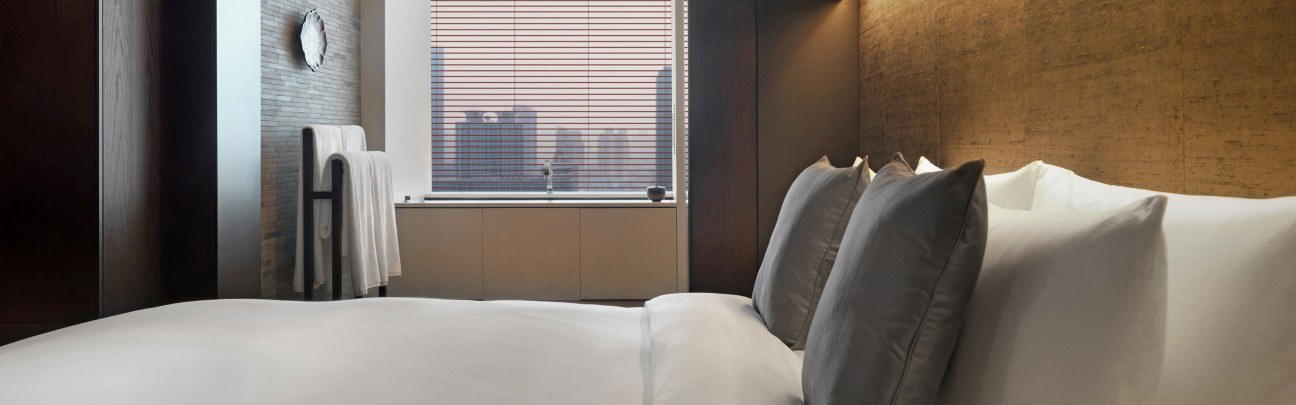
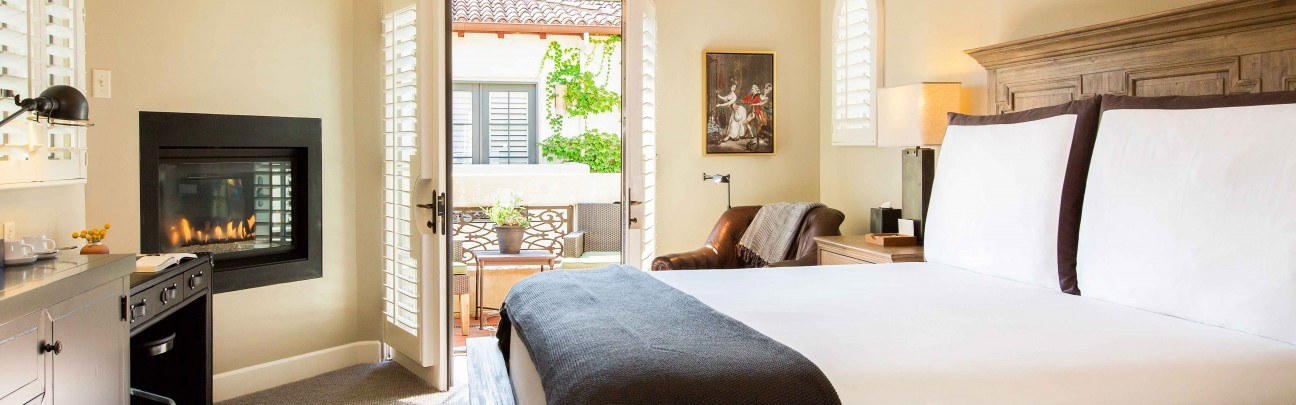
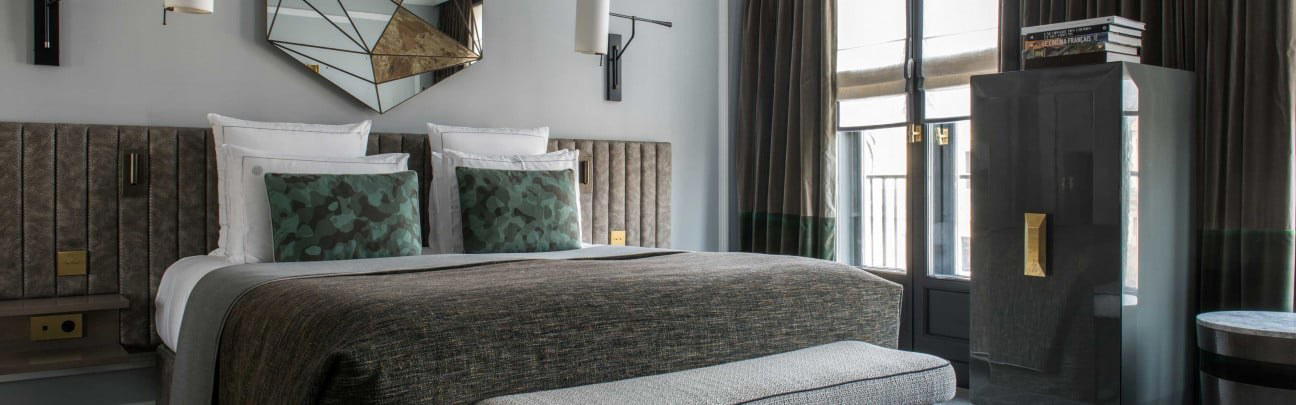
Cozy and romantic with stylish, contemporary decor blending dark woods and ornate historic ceilings, peaceful canal-side atmosphere.
Tags
Vibe
Best For
Experience
Amenities
View
About the Stay
- Rooms
- 23
- Check-in
- 15:00
- Check-out
- 11:00
- Property Style
- Boutique Historic Canal House
- Design Style
- Contemporary with Historic Elements
Know before you go
Know Before You Go
- Getting there
- Keizersgracht 148, 1015 CX Amsterdam
Planning details
Location

Also consider
Also Consider
- The Craftsmen, Notable alternative
- Pulitzer Amsterdam, Notable alternative
- Hotel Mercier, Notable alternative
- W Amsterdam, Notable alternative
- INK Hotel Amsterdam – MGallery Collection, Notable alternative
Hotel context
How it compares with Amsterdam hotel peers
Choose Canal House over W Amsterdam if the goal is a quieter canal-belt stay rather than a larger, more scene-driven hotel. W Amsterdam is the better match for travelers who want a bigger property feel and more energy around the stay; Canal House makes more sense for couples or solo travelers who want the city to feel close rather than busy.
Pulitzer Amsterdam is the more natural cross-shop when the budget allows for a larger canal-house hotel with broader facilities. Canal House is the tighter, smaller-scale choice; Pulitzer is safer for guests who want more infrastructure around the room. Hotel Mercier and INK Hotel Amsterdam – MGallery Collection are worth checking when value or easier booking matters more than a luxury-boutique feel.
The Craftsmen is the closest philosophical alternative for travelers who like smaller Amsterdam hotels with character. If Canal House is pricing high for the dates, The Craftsmen is the first place to compare; if both are close in rate, Canal House has the stronger case for travelers prioritizing a canal-belt address and a more polished luxury signal.
Around this place
Discover more on Pearl
Unlock the full Canal House guide in Pearl, including awards, comparisons, FAQs, planning details, and nearby places.
Compare Canal House
| Venue | Location | Awards |
|---|---|---|
| Canal House | Amsterdam | 2026 Mr & Mrs Smith Luxury Hotels2025 Michelin Selected HotelsSmall Luxury Hotels Member 2025 |
| The Craftsmen | Amsterdam | 2025 Michelin 1 Key |
| Pulitzer Amsterdam | Amsterdam | 2026 Virtuoso Luxury Hotel Collection2026 Forbes Recommended2026 Mr & Mrs Smith Luxury Hotels2025 Michelin 1 Key2025 Forbes Recommended |
| Hotel Mercier | Amsterdam | No published awards |
| W Amsterdam | Amsterdam | 2026 Forbes Recommended2025 Forbes Recommended |
| INK Hotel Amsterdam – MGallery Collection | Amsterdam | No published awards |



How Canal House Amsterdam compares with similar nearby venues.
FAQ
Frequently Asked Questions
Do loyalty programs work at Canal House?
Canal House is listed as a Small Luxury Hotels of the World member. Any loyalty-related benefits should be confirmed through the booking channel before reserving. If brand-program structure is important, compare the booking terms with W Amsterdam or INK Hotel Amsterdam – MGallery Collection.
Is Canal House family-friendly?
Families should confirm room setup, accessibility, and any child-related needs directly before booking. Pulitzer Amsterdam or W Amsterdam may also be worth comparing for a different style of Amsterdam hotel stay.
How is the dining at Canal House?
The strongest signals are its Amsterdam location and its MICHELIN Guide Hotels selection. If food and drinks are the priority, compare Canal House with other dining and hotel options in Amsterdam, including The Craftsmen.
Is Canal House good for business travel?
It can be considered for an Amsterdam business stay. The MICHELIN Guide Hotels selection is a useful quality signal, but work-related needs should be checked directly. INK Hotel Amsterdam – MGallery Collection is another Amsterdam option to compare.
When is the best time to book Canal House?
The best time to book depends on your travel dates, budget, and cancellation flexibility. Compare Canal House with other Amsterdam hotels for the same dates before committing. Pulitzer Amsterdam is a useful comparison if you want to benchmark pricing against another Amsterdam hotel.
Which room category is best at Canal House?
Choose based on the room details shown at booking and confirm any must-have features directly with the hotel. If you want to compare a larger Amsterdam hotel stay, W Amsterdam is another option to review.