
The Kumaon
Kasar Devi, Binsar, Almora
Hotel in Almora, India
 Book with Pearl
The Read
Bawa-Lineage Mountain Architecture
Why go
Book The Kumaon for a quiet Almora celebration where the room and mountain setting are the main event. It is strongest for couples and slow stays near Binsar, less suited to last-minute planning, dining-led trips, or business travel that needs quick in-town access.
About The Kumaon
The Kumaon is in Almora, with a smart-casual dress code, Michelin 1 Key recognition for 2025, and a Mr & Mrs Smith Seal of Approval for 2026.
Those accolades place the property in a selective hotel conversation, while practical details such as room-category differences, dining specifics, prices, activities, and exact location details should be checked directly with the hotel before booking.
Confirm the room category before building the trip around staying in
Avoid over-specific assumptions about suites, views, layouts, or amenities. If the stay is centered on time at the property, ask the hotel for current room-category differences before deciding whether to upgrade.
For couples, families, or business travelers, the same rule applies: match the booking to actual needs rather than assumptions. Ask about room configuration, workspace, connectivity, and any required services before committing, especially for a trip where those details would affect the stay.
Book for Almora, with practical details confirmed directly
Dining should also be treated carefully. Confirm current dining arrangements with the hotel rather than assuming a specific cuisine, menu format, pricing, or service style. If food is the main reason for the trip, compare broader Almora options through Our full Almora restaurants guide; if the hotel decision comes first, use Our full Almora hotels guide.
If this one is not the right fit, Mary Budden Estate, Brij Atmanya Bhowali, Saraca Corbett, Shakti 360° Leti, and Shakti Prana are natural alternatives to compare for a broader regional stay shortlist.
Quick reference: best considered as an Almora hotel with smart-casual expectations and 2025 Michelin 1 Key and 2026 Mr & Mrs Smith recognition; confirm room, dining, and trip-specific needs directly before booking.
Planning details
- Location
- Binsar, Road, gadholi, Uttarakhand 263601
- Website
- thekumaon.com
- Phone
- +91 75794 49997
The take
The Take
The Vibe
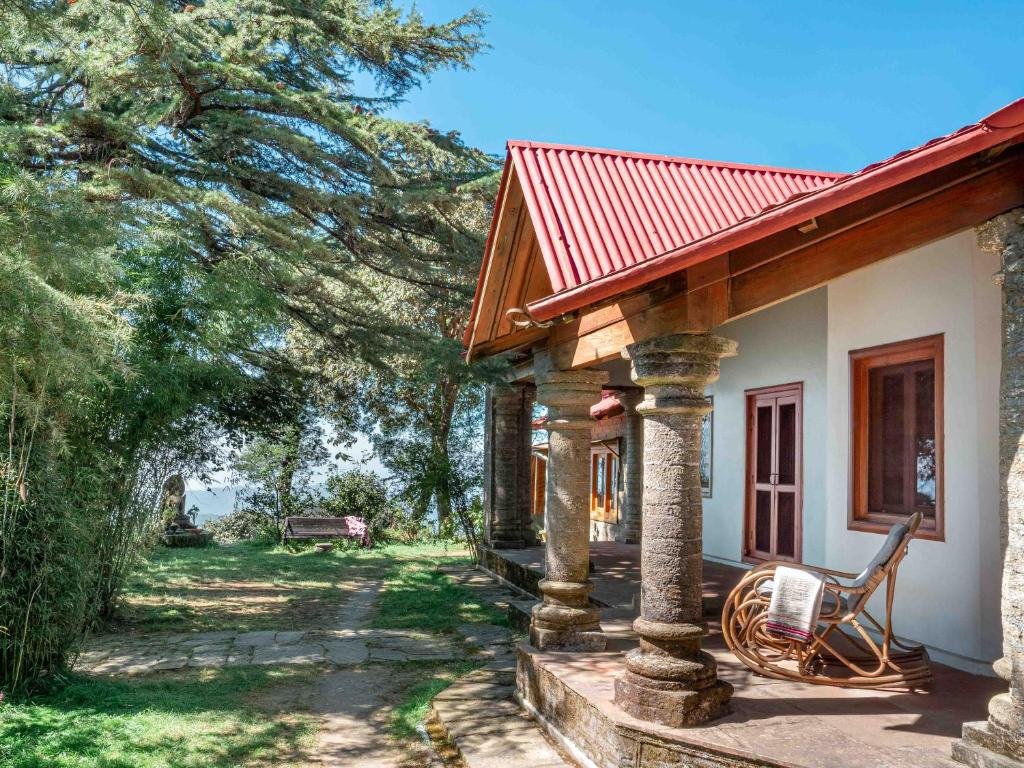
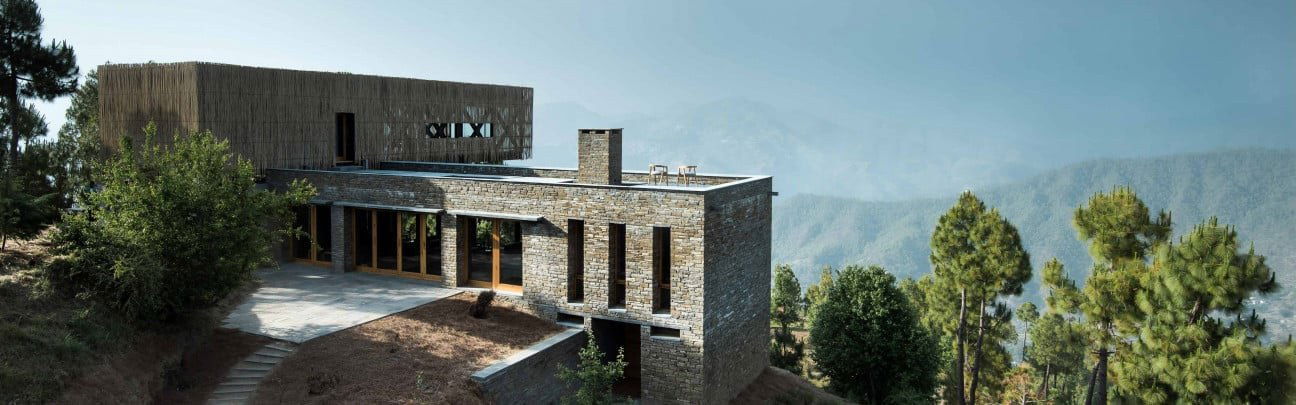
The Kumaon reads as an architectural proposition as much as a hotel. Architects trained in the Geoffrey Bawa tradition adapt tropical modernism to the clarity and drama of a Himalayan ridgeline, producing a terse, design-led ten-suite property that sits between wilderness lodge and architectural statement. Its remote, hand-assembled construction and small footprint reinforce an intimate, serene character; finishes and formal moves respond to altitude rather than equatorial climate. Guests encounter a disciplined modernist aesthetic set against raw mountain air and panoramic ridgeline views, where architecture and landscape are in deliberate dialogue.
Best For
This is a place for travelers seeking design-minded solitude in the hills. The small number of suites, remote ridge-top siting and emphasis on architecture make it especially well suited to romantic getaways, honeymoons, anniversaries and quiet weekend escapes. The property's restrained modernism and calm mountain setting also align with wellness-focused stays, where peace, clarity and a compact, intentional program matter more than resort amenities. Expect a contemplative, design-forward experience built around the landscape rather than a busy hotel operation.
Venue details
Ambiance
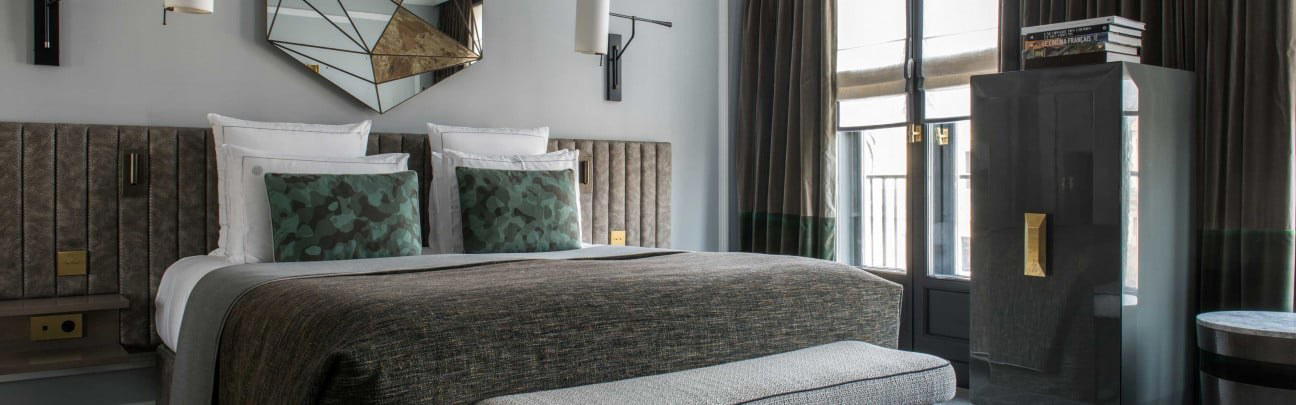
Serene and contemplative with natural light flooding through floor-to-ceiling windows framing mountain vistas; warm, intimate spaces with fireplaces and locally sourced materials creating a calming, almost spiritual atmosphere.
Tags
Vibe
Best For
Experience
Amenities
View
About the Stay
- Rooms
- 10
- Check-in
- 12:00
- Check-out
- 12:00
- Property Style
- Tropical Modernism Adapted to Mountain Setting with Hand Built Construction Emphasizing Local Materials, Raw Concrete, Stone Walls, Bamboo Cladding, and Hardwood Accents.
- Design Style
- Contemporary Minimalist with Traditional Elements; Modernist Jewel Boxes Featuring Floor to Ceiling Windows, Private Balconies, Wood Burning Bukharis, and Artisanal Bathrooms.
Know before you go
Know Before You Go
- Getting there
- Binsar, Road, gadholi, Uttarakhand 263601
Planning details
Location
Recognition and awards
Also consider
Also Consider
- Shakti Prana, Notable alternative
- Mary Budden Estate, Notable alternative
- Shakti 360° Leti, Notable alternative
- Brij Atmanya Bhowali, Notable alternative
- Saraca Corbett, Notable alternative
Hotel context
How it compares in and around Almora
Mary Budden Estate is the most direct Almora comparison: choose it if staying within the local heritage-hotel lane matters more than a design-forward mountain retreat. The Kumaon is the stronger pick for a private celebration, while Mary Budden Estate is the cleaner cross-shop for travellers who want an established estate feel in Almora.
Shakti Prana and Shakti 360° Leti sit more in the remote Himalayan escape category than the Almora hotel category. Pick those if remoteness and immersion are the goal; pick The Kumaon if the trip needs a mountain setting with a more direct Almora anchor. With hard booking difficulty here, Shakti options are not casual backups, but they are the right comparison for travellers prioritising seclusion.
Brij Atmanya Bhowali is the practical alternative for travellers willing to move outside Almora, especially if availability or room category is the deciding issue. Saraca Corbett is a different trip type entirely, better for a wildlife-region stay than an Almora hill retreat. If the occasion calls for quiet and design, stay with The Kumaon; if the itinerary is driving the decision, cross-shop by region first.
Explore Almora
Around this place
Discover more on Pearl
Unlock the full The Kumaon guide in Pearl, including awards, comparisons, FAQs, planning details, and nearby places.
Compare The Kumaon
| Venue | Location | Awards |
|---|---|---|
| The Kumaon | Almora | 2026 Mr & Mrs Smith Luxury HotelsMichelin 1 Key 20252025 Michelin 1 Key |
| Shakti Prana | Kasar Devi | 2026 Robb Report The 50 Greatest Luxury Hotels on Earth · #5AFAR 40 Best New Hotels 20262026 Conde Nast Traveler Hot List Hotels2026 Travel + Leisure It List Hotels |
| Mary Budden Estate | Almora | Small Luxury Hotels Member 2025 |
| Shakti 360° Leti | Kottakuppam | 2026 Mr & Mrs Smith Luxury Hotels2025 Robb Report The 50 Greatest Luxury Hotels on Earth · #34 |
| Brij Atmanya Bhowali | Nainital | No published awards |
| Saraca Corbett | Bhakrakot | No published awards |





How The Kumaon Almora compares with similar nearby venues.
FAQ
Frequently Asked Questions
How is the location of The Kumaon?
The hotel is in Almora. For anything more specific, including access, address, or nearby landmarks, confirm directly with the hotel before planning transfers or daily itineraries.
How is the dining at The Kumaon?
Which room category is best at The Kumaon?
If room size, layout, view, or amenities matter to the trip, ask the hotel for current category details before choosing whether to upgrade.
Is The Kumaon good for business travel?
That depends on requirements such as workspace, connectivity, meeting access, and transport needs. Confirm those details directly with the property before booking a business stay.
Is The Kumaon family-friendly?
Family suitability depends on room configuration, bedding, child-focused services, and meal arrangements. Confirm those points with the hotel before booking for a family trip.