
Mary Budden Estate
Binsar, Almora
Hotel in Almora, India
 Book with Pearl
The Read
Colonial Forest Solitude
Why go
Mary Budden Estate is worth shortlisting if the trip calls for a quiet retreat inside the Binsar wildlife sanctuary rather than a convenient Almora base. Suite upgrades make sense for stays focused on downtime at the property; if the room is only for sleeping, keep the spend controlled and compare The Kumaon for a more design-led alternative.
About Mary Budden Estate
Mary Budden Estate is a stay in Almora with Small Luxury Hotels of the World Member recognition for 2025.
Choose it for an Almora stay with a SLH signal
The clearest reason to consider Mary Budden Estate is its Small Luxury Hotels of the World Member status in 2025. Treat that as a useful quality marker, not as a substitute for checking the practical details that matter to your trip.
For room choice, the safest approach is to ask the property for current category details, inclusions, and any differences that affect comfort or privacy. It is better to match the booking to your needs after direct confirmation rather than rely on assumptions about layouts or upgrades.
Where it fits against other premium stays
Compared with The Kumaon, Mary Budden Estate is another option to consider when you are comparing stays. Shakti Prana, Shakti 360° Leti, Brij Atmanya Bhowali, and Saraca Corbett may also be relevant depending on the wider route you are planning.
Plan by confirming availability, room category, dining arrangements, amenities, and access directly with Mary Budden Estate. The Small Luxury Hotels of the World membership signal is useful, but the final decision should rest on the current details that fit your itinerary.
Planning details
- Location
- wildlife sanctuary, Binsar, Regariya, Uttarakhand 263601
- Website
- suryagarhcollection.com/mary-budden-estate
- Phone
- +91 97111 71350
The take
The Take
The Vibe
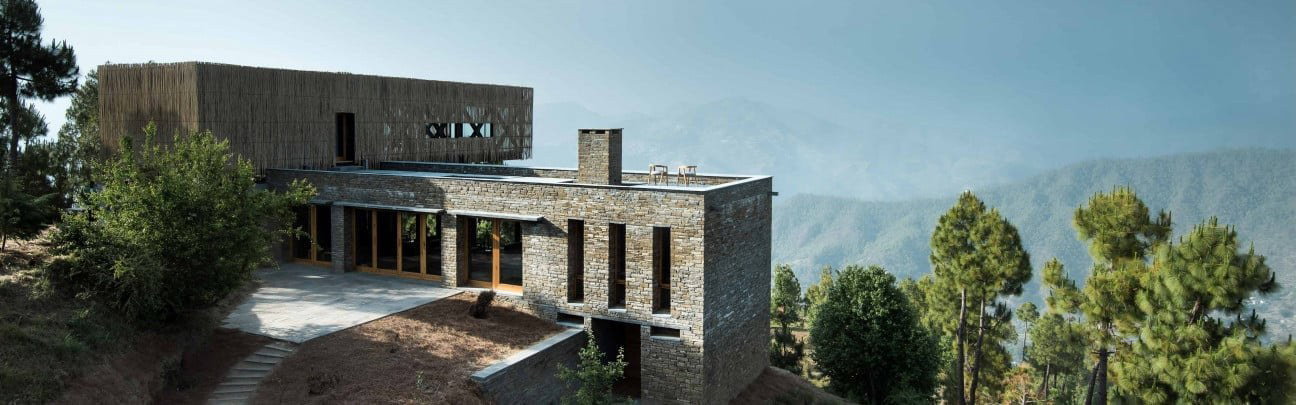
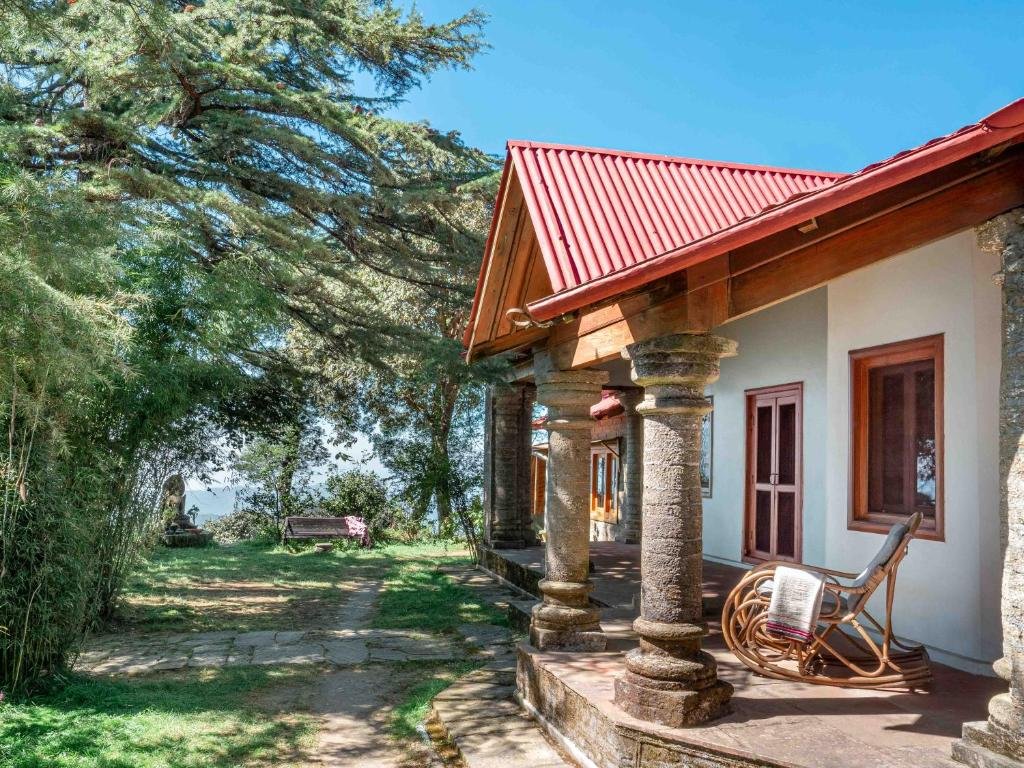
Mary Budden Estate reads like a private colonial house set deep in the Binsar forest. The late‑Victorian stone walls, low rooflines and broad verandahs favor quiet, measured presence over theatrical design moves. The property’s scale and proportions make the stay feel domestic and intimate rather than hotelized, and the surrounding oak and rhododendron canopy does much of the heavy lifting: the approach is described as a decompression chamber and the silence here feels structural. Overall the estate projects a restrained, historical charm that prizes stillness, contemplation and a close relationship with the forest.
Best For
This estate is best approached as a retreat: its setting inside Binsar Wildlife Sanctuary and the private‑house proportions make it ideal for stays centered on decompression and solitude. The property naturally suits couples and small, low‑key groups who want to disconnect — think romantic getaways, honeymoons and wellness‑focused weekends — when the priority is quiet, nature and an old‑world architectural envelope rather than resort amenities. Guests who appreciate heritage fabric and verandah‑time will find the estate’s atmosphere particularly rewarding.
Venue details
Ambiance
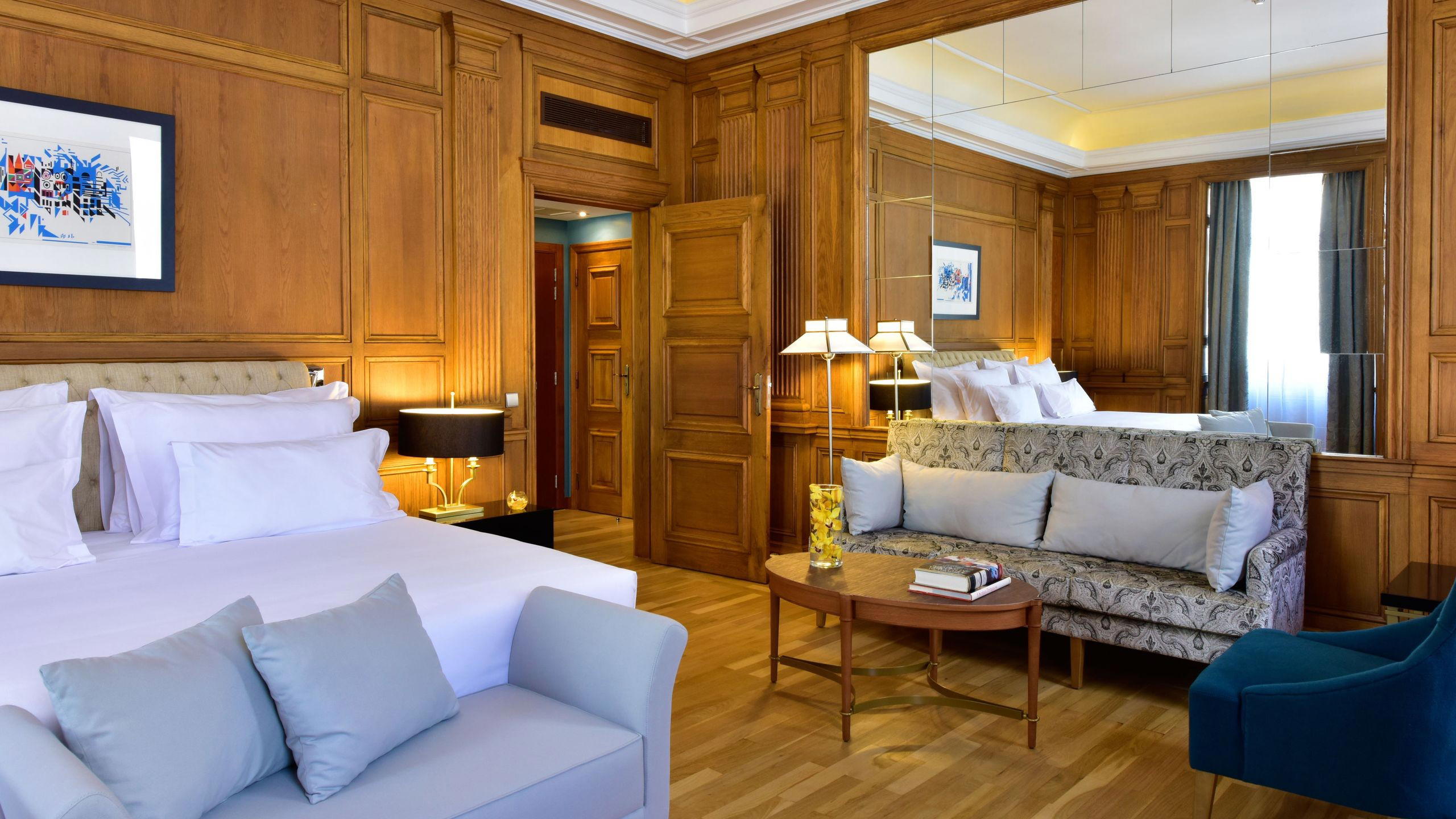
Cozy and tranquil with crackling log fireplaces, antique furnishings, and serene forest surroundings.
Tags
Vibe
Best For
Experience
Amenities
View
About the Stay
- Rooms
- 6
- Check-in
- 12:00
- Check-out
- 12:30
- Property Style
- 19th Century Colonial Estate Restored as Luxury Wilderness Retreat
- Design Style
- Rustic Colonial with Antiques and Handwoven Fabrics
Know before you go
Know Before You Go
- Getting there
- wildlife sanctuary, Binsar, Regariya, Uttarakhand 263601
Planning details
Location
wildlife sanctuary, Binsar, Regariya, Uttarakhand 263601 · Directions
Recognition and awards

Also consider
Also Consider
- The Kumaon, Notable alternative
- Shakti Prana, Notable alternative
- Shakti 360° Leti, Notable alternative
- Brij Atmanya Bhowali, Notable alternative
- Saraca Corbett, Notable alternative
Hotel context
How Mary Budden Estate compares in Almora
Mary Budden Estate is the better fit for travelers prioritizing seclusion and a slower estate-style stay. The Kumaon is the stronger cross-shop for a more design-forward Almora hotel feel, especially if the room aesthetic matters as much as the setting.
Shakti Prana and Shakti 360° Leti suit travelers willing to go farther for a deeper mountain-retreat format. They are less direct substitutes for a simple Almora stay, but better if the trip is built around remoteness rather than access.
Brij Atmanya Bhowali and Saraca Corbett make more sense for itineraries moving toward Nainital or Corbett rather than staying anchored near Almora. For easiest booking, Mary Budden Estate has the advantage; for a sharper design comparison, start with The Kumaon.
Explore Almora
Around this place
Discover more on Pearl
Unlock the full Mary Budden Estate guide in Pearl, including awards, comparisons, FAQs, planning details, and nearby places.
Compare Mary Budden Estate
| Venue | Location | Awards |
|---|---|---|
| Mary Budden Estate | Almora | Small Luxury Hotels Member 2025 |
| The Kumaon | Almora | 2026 Mr & Mrs Smith Luxury Hotels2025 Michelin 1 Key |
| Shakti Prana | Kasar Devi | 2026 Robb Report The 50 Greatest Luxury Hotels on Earth · #5AFAR 40 Best New Hotels 20262026 Conde Nast Traveler Hot List Hotels2026 Travel + Leisure It List Hotels |
| Shakti 360° Leti | Kottakuppam | 2026 Mr & Mrs Smith Luxury Hotels2025 Robb Report The 50 Greatest Luxury Hotels on Earth · #34 |
| Brij Atmanya Bhowali | Nainital | No published awards |
| Saraca Corbett | Bhakrakot | No published awards |





How Mary Budden Estate Almora compares with similar nearby venues.
FAQ
Frequently Asked Questions
How does Mary Budden Estate compare to other hotels?
Mary Budden Estate is an Almora stay with Small Luxury Hotels of the World Member status for 2025. The Kumaon, Shakti Prana, Shakti 360° Leti, Brij Atmanya Bhowali, and Saraca Corbett are other options travelers may compare depending on their route.
How is the location of Mary Budden Estate?
Which room category is best at Mary Budden Estate?
Ask Mary Budden Estate directly for current room types, inclusions, and the best fit for your stay.
Is Mary Budden Estate good for business travel?
That depends on the purpose of the trip. Mary Budden Estate is in Almora, so confirm workspace, connectivity, meeting needs, and transport directly with the property.
How is the pool and spa at Mary Budden Estate?
Do loyalty programs work at Mary Budden Estate?
Mary Budden Estate has Small Luxury Hotels of the World Member status for 2025. Confirm any specific loyalty benefits, booking conditions, or recognition details directly before you commit.