

Relais Villa d'Amelia
Benevello, Alba
Hotel in Alba, Italy
 Book with Pearl
The Read
Piedmontese Terroir Retreat
Why go
Relais Villa d'Amelia is a stronger fit for repeat Alba and Langhe travelers who want a calm countryside base rather than a town-center hotel. Book if the rate lines up with the room category you will actually use; if most days are spent out tasting and dining, avoid overpaying for extra space.
About Relais Villa d'Amelia
Relais Villa d'Amelia in Alba is listed as a Small Luxury Hotels of the World Member for 2025, and the dress code is smart casual. For facilities, room types, dining style, pricing, or exact location details, avoid assumptions and confirm directly.
The safest way to evaluate the stay is to treat it as an Alba hotel to compare against other premium options in and around the area. If a specific room feature, service, meal period, or amenity matters to your trip, confirm it directly before booking rather than relying on broader regional expectations.
Book for the hotel signal, not for unconfirmed extras
The clearest reason to shortlist Relais Villa d'Amelia is its Small Luxury Hotels of the World Member status for 2025. That gives the property a recognizable luxury-hotel affiliation, but it does not by itself confirm specific facilities, room layouts, dining formats, or inclusions. For planning the wider trip, pair the stay with our full Alba restaurants guide.
Use the smart-casual dress code as the practical baseline for the property. For anything more specific, arrival timing, dining availability, wellness access, parking, or room inclusions, check the current booking terms or contact the hotel directly.
The room-category call: confirm what each tier actually includes
Do not assume that a higher tier automatically adds the features you care about. Before paying more, confirm the exact differences between categories, including size, view, bed setup, cancellation terms, and any included services.
Travelers comparing premium stays near Alba can also look at Casa di Langa, Dai Gresy - In Langa, Il Boscareto Resort, Relais San Maurizio, and Tenuta Bricchi. The clean decision is to book Relais Villa d'Amelia when its Alba setting, smart-casual profile, and Small Luxury Hotels of the World membership match what you want from the stay.
Planning details
- Location
- Località Manera, 1, 12050 Benevello CN
- Website
- villadamelia.com
- Phone
- +39 0173 529225
The take
The Take
The Vibe
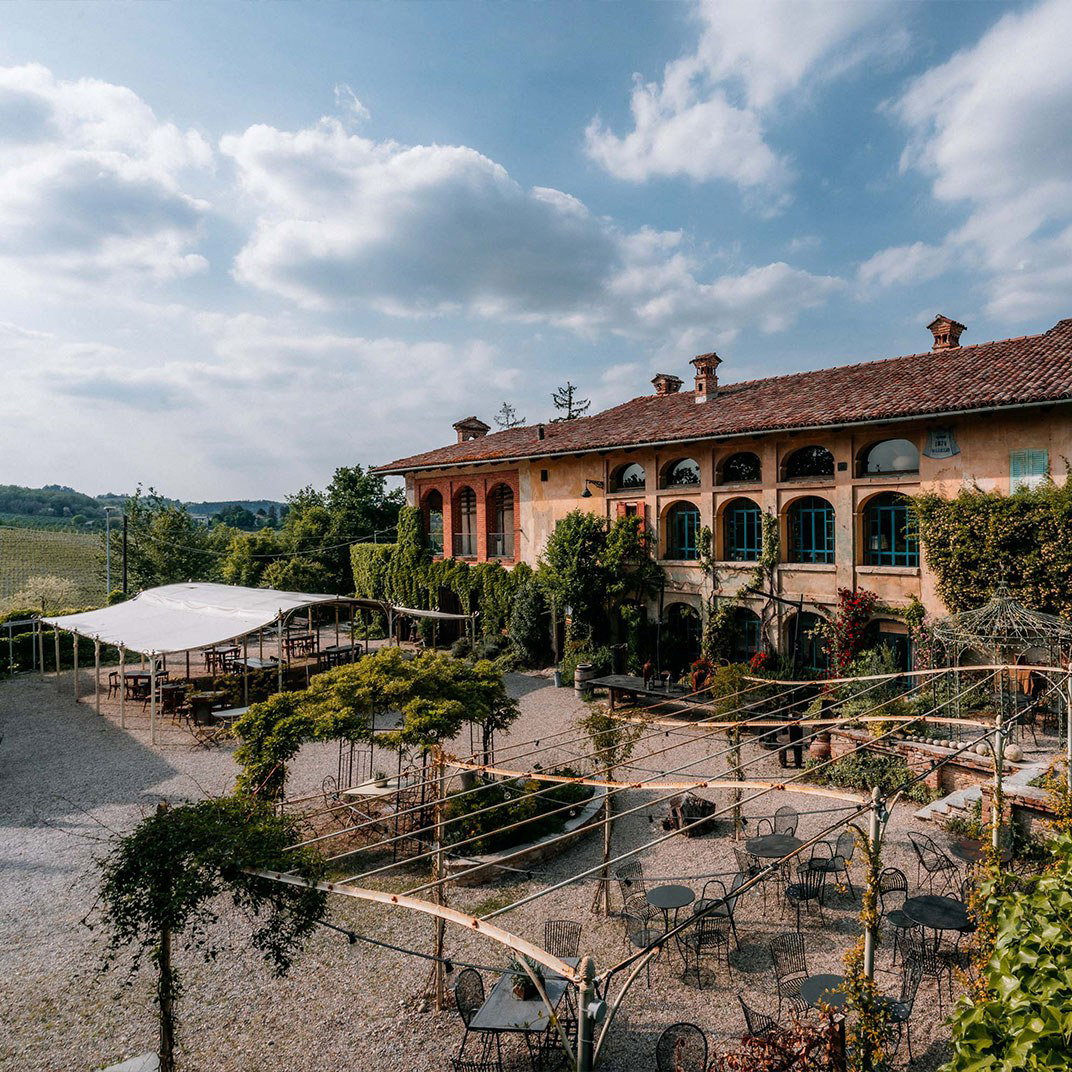
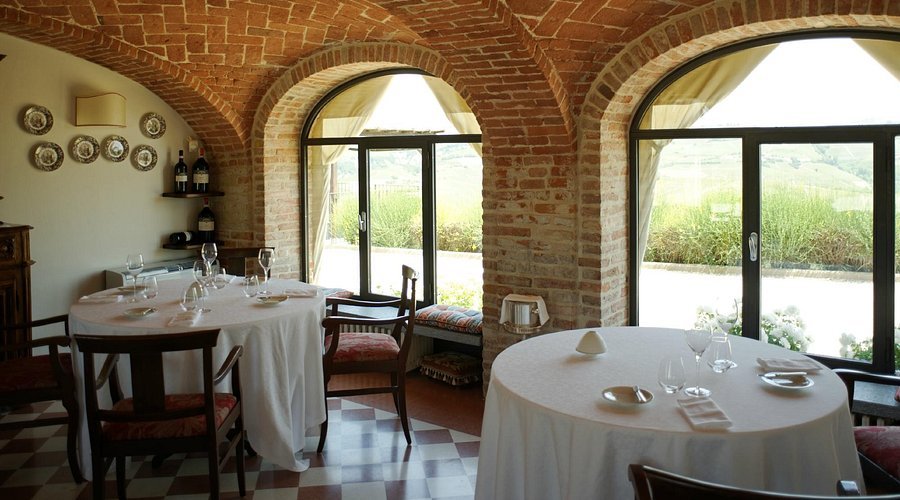
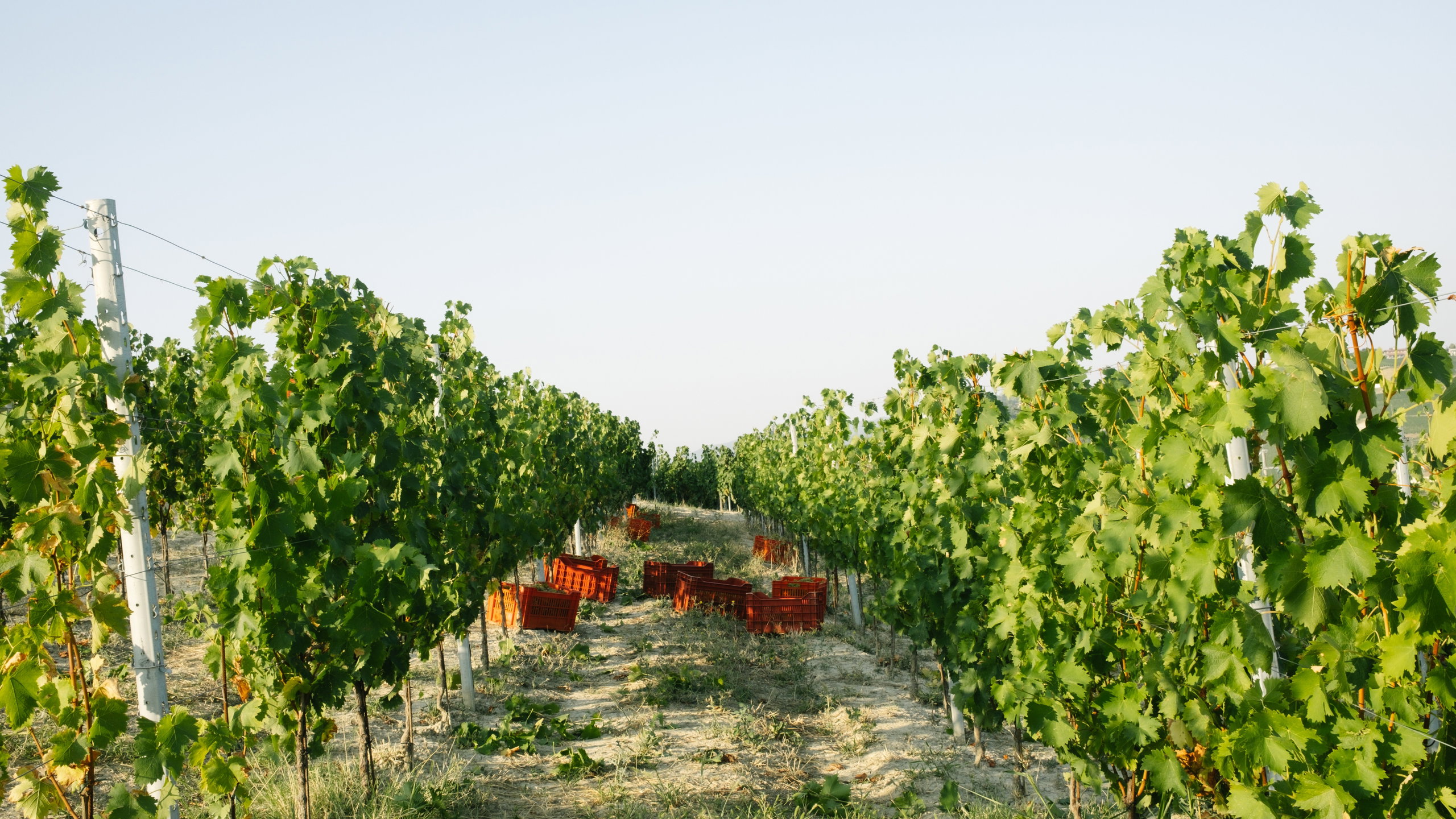
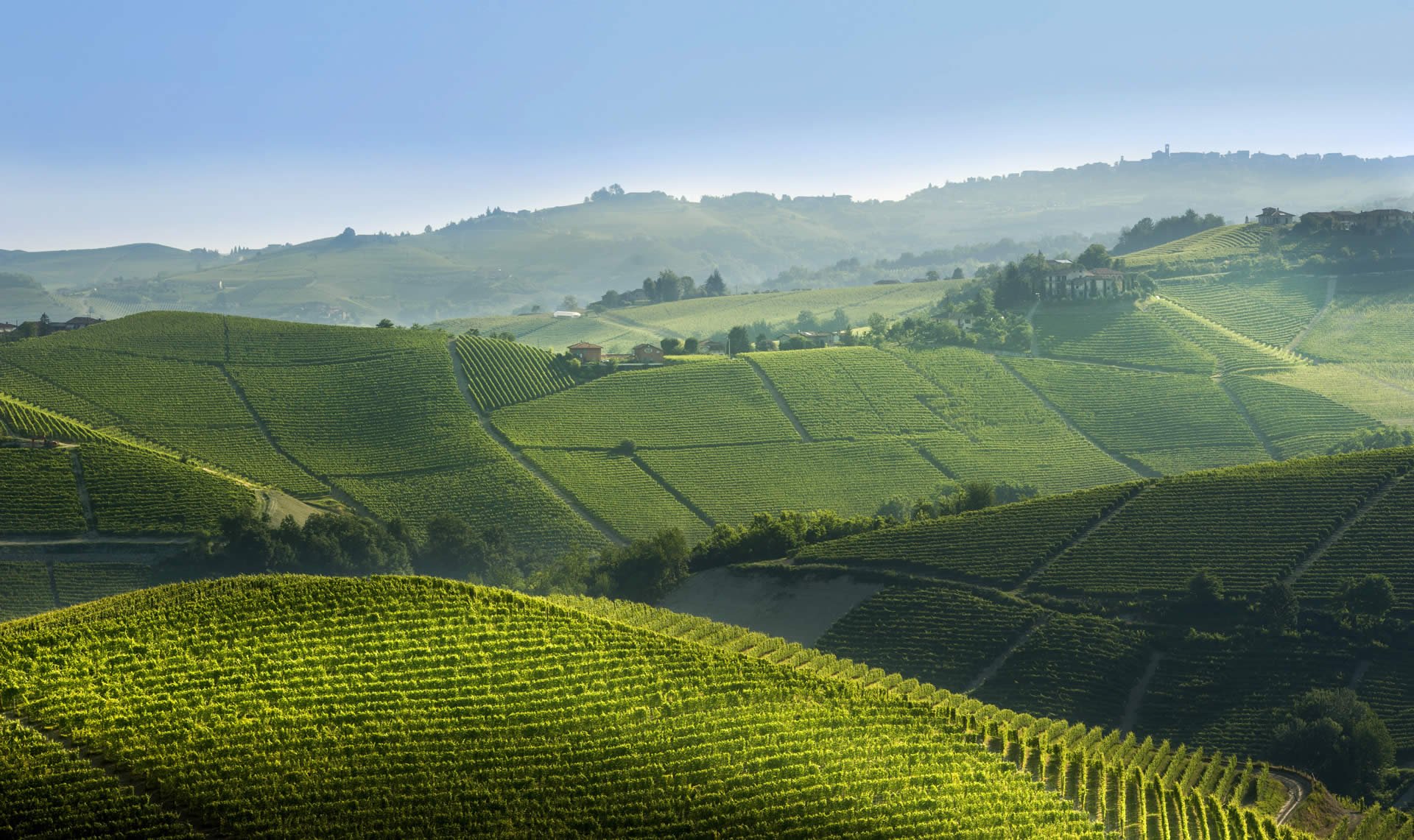
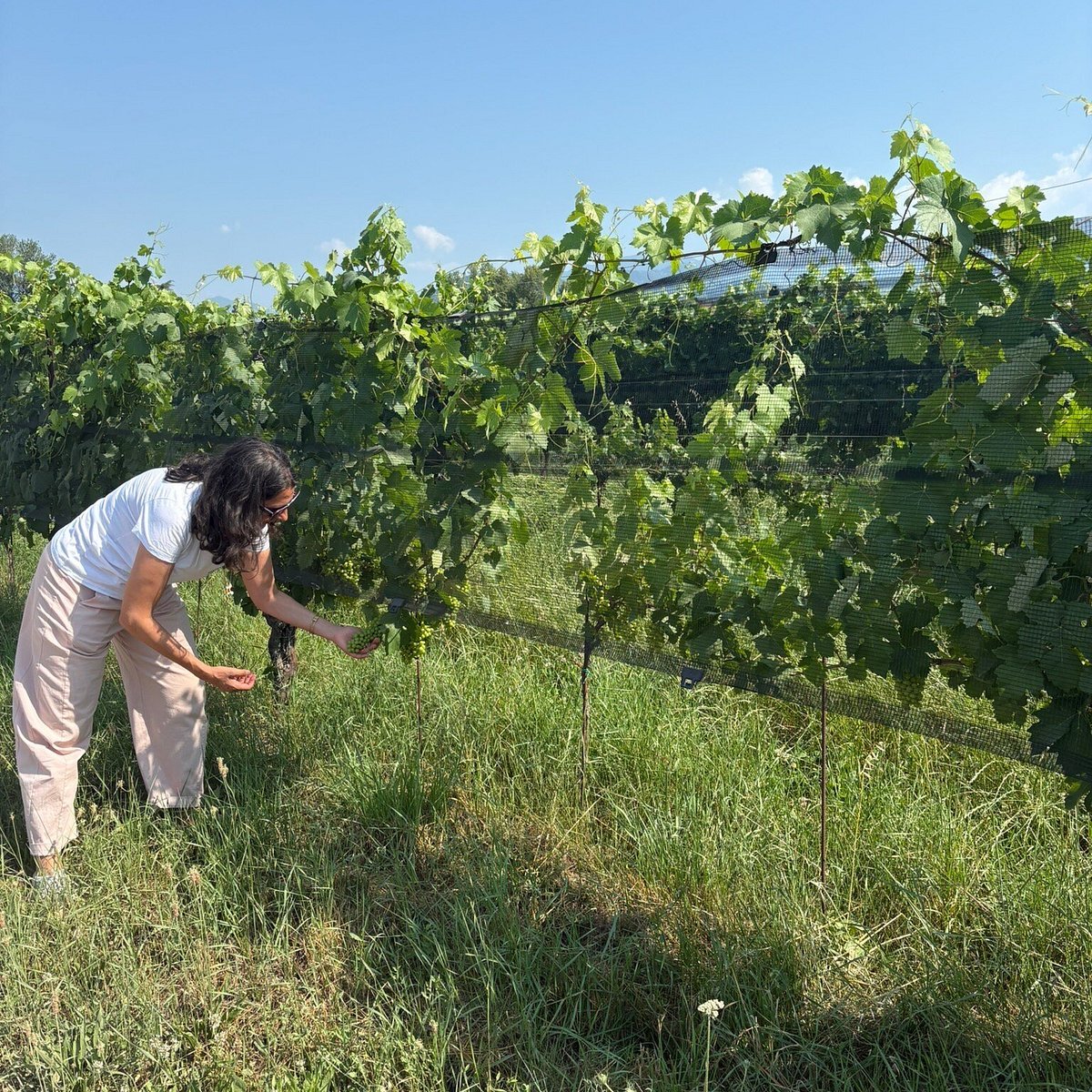
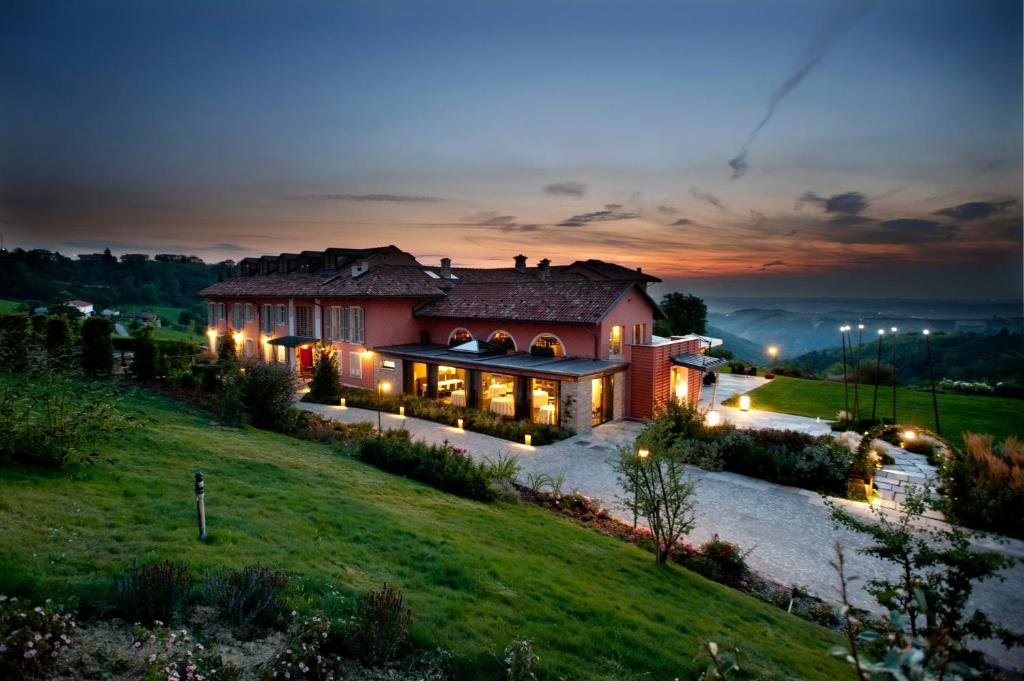
Relais Villa d'Amelia reads like a quietly assertive country house: a late 19th-century building whose proportions and internal volumes are deliberately preserved rather than reinvented. Perched on a ridge above Benevello, the property looks out over the tight vine rows and hazelnut groves of the Langhe and, on clear days, all the way to the Monviso Alps. The writing in the stone and the surrounding agricultural context make the place feel rooted in regional specificity rather than a generic rural-Italy pastiche, so the experience leans historic and classic with a quietly charming, measured elegance.
Best For
This relais is best for travelers who want a scenic, restful base in the heart of Barolo–Barbaresco country. It suits couples and small groups seeking a quiet, design-forward country stay that places the surrounding vineyards and local terroir at the center of the visit. Given its ten-minute proximity to Alba, the property also works well for short, wine-focused escapes and weekend itineraries that combine tasting rooms, village visits and walks through the Langhe hills. Guests come for the landscape and the region as much as the hotel itself.
Venue details
Ambiance
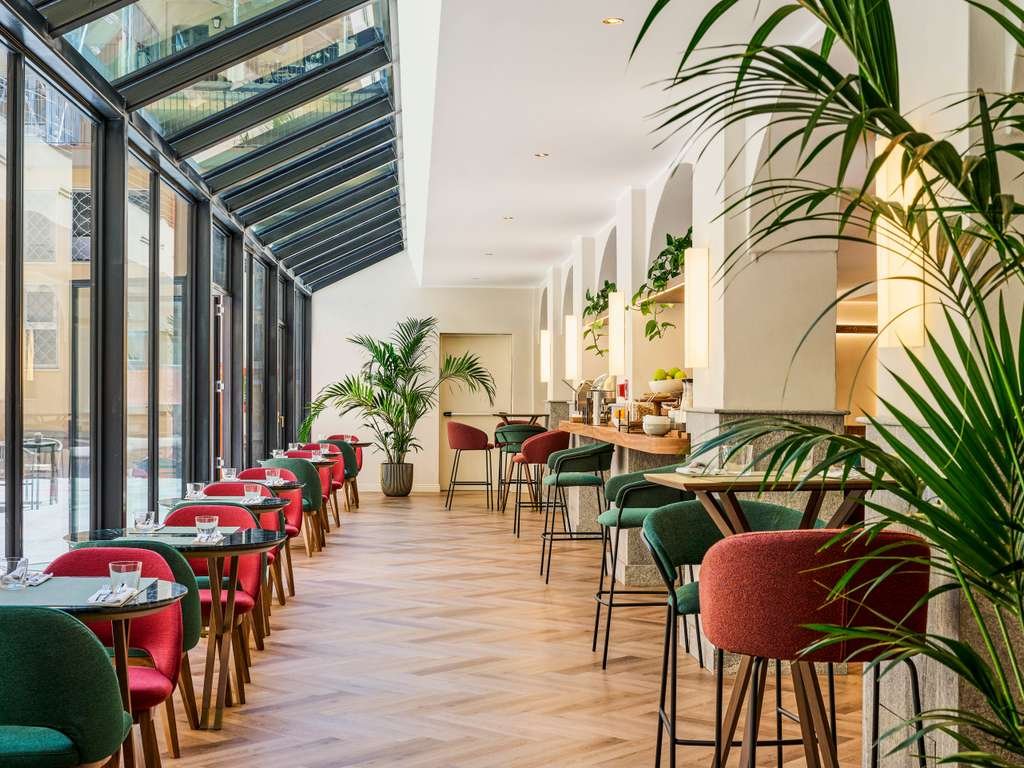
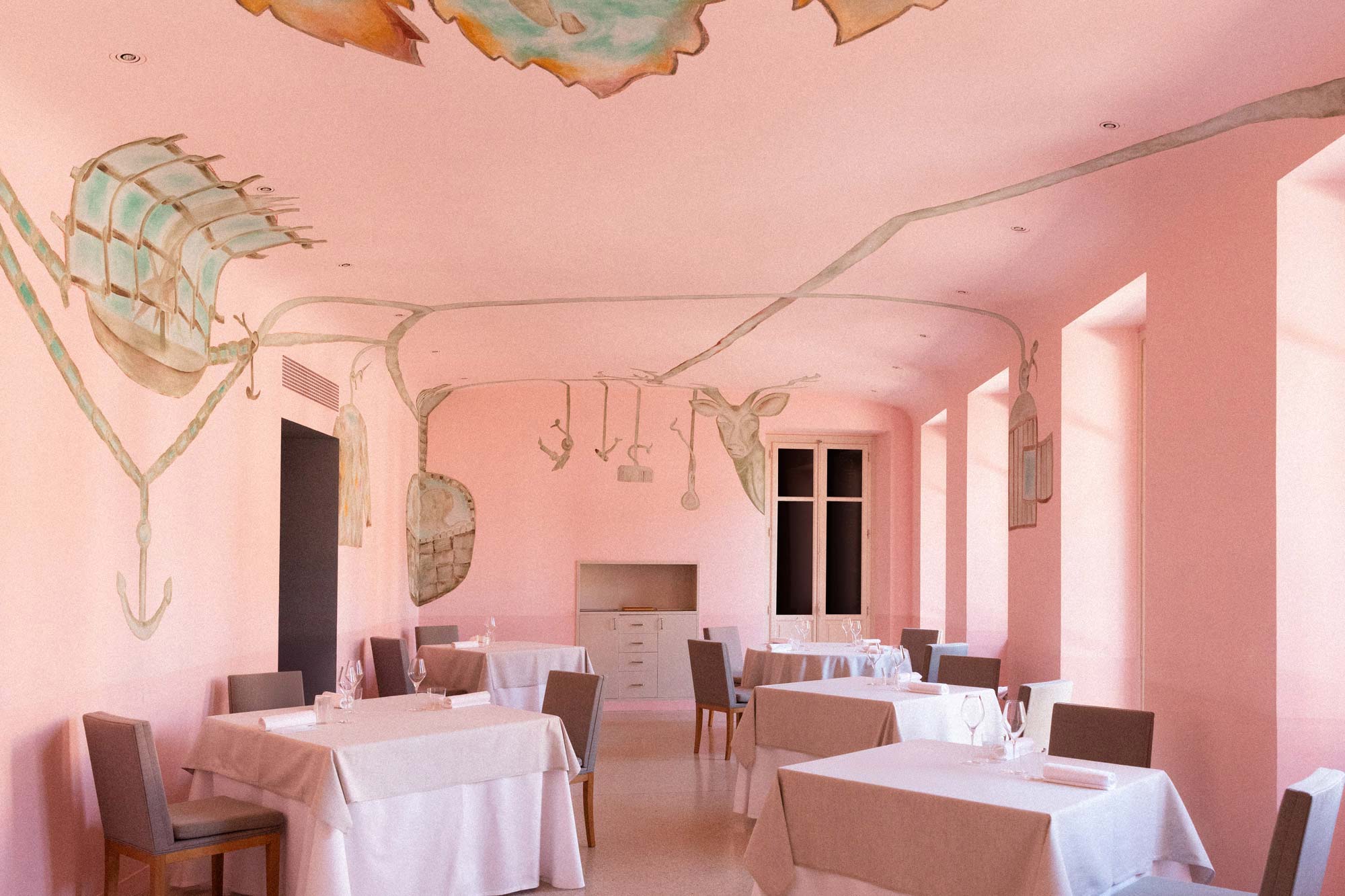
Warm and relaxing atmosphere with luxurious yet cozy lounges, peaceful hilltop setting, and elegant common areas praised for their tasteful design and serene lighting.
Tags
Vibe
Best For
Experience
Amenities
View
Accessibility
About the Stay
- Rooms
- 0
- Property Style
- Restored 19th Century Farmhouse Villa in a Seven Hectare Park Amid Vineyards and Orchards.
- Design Style
- Elegant Modern Interiors with Light Colors, Fine Furniture, Wood Floors, and Tasteful Luxury.
Know before you go
Know Before You Go
- Getting there
- Località Manera, 1, 12050 Benevello CN
Planning details
Location
Recognition and awards

Also consider
Also Consider
- Casa di Langa, Notable alternative
- Tenuta Bricchi, Notable alternative
- Dai Gresy - In Langa, Notable alternative
- Il Boscareto Resort, Notable alternative
- Relais San Maurizio, Notable alternative
Hotel context
How it compares in the Alba hotel set
Choose Relais Villa d'Amelia if you want a quieter Langhe base with a recognized luxury-hotel signal and easier booking pressure. Casa di Langa is the more obvious pick for travelers who want a fuller contemporary resort feel, while Tenuta Bricchi reads better for guests prioritizing a smaller countryside stay over brand recognition.
Il Boscareto Resort and Relais San Maurizio are stronger cross-shops when the hotel itself is the main event and the budget can stretch. Relais Villa d'Amelia is the more sensible choice when the trip is built around Alba, wine appointments, and restaurants, with the hotel acting as a polished base rather than the whole itinerary.
If availability is tight or the target room category prices too high, check Dai Gresy - In Langa for a similarly rural Langhe plan. The deciding factor is ambiance: book Relais Villa d'Amelia for calm and restraint, Casa di Langa for a more design-forward resort mood, and Relais San Maurizio or Il Boscareto Resort when amenities matter more than value discipline.
Around this place
Discover more on Pearl
Unlock the full Relais Villa d'Amelia guide in Pearl, including awards, comparisons, FAQs, planning details, and nearby places.
Compare Relais Villa d'Amelia
| Venue | Location | Awards |
|---|---|---|
| Relais Villa d'Amelia | Alba | 2025 Michelin Selected HotelsSmall Luxury Hotels Member 2025 |
| Casa di Langa | Cerretto Langhe | 2026 Virtuoso Luxury Hotel Collection2026 Mr & Mrs Smith Luxury Hotels2026 La Liste Top Hotels2025 Michelin Selected HotelsPreferred Hotels L.V.X. Collection 2025 |
| Tenuta Bricchi | Sinio | No published awards |
| Dai Gresy - In Langa | Treiso | No published awards |
| Il Boscareto Resort | Serralunga d'Alba | No published awards |
| Relais San Maurizio | Santo Stefano Belbo | Leading Hotels of the World 20262025 Michelin Selected Hotels |




How Relais Villa d'Amelia Alba compares with similar nearby venues.
FAQ
Frequently Asked Questions
Do loyalty programs work at Relais Villa d'Amelia?
Do not assume points, elite benefits, or loyalty recognition unless your booking channel explicitly confirms them. The property is a Small Luxury Hotels of the World Member for 2025; any loyalty value depends on the exact program and rate used.
How is the pool and spa at Relais Villa d'Amelia?
What is check-in like at Relais Villa d'Amelia?
Which room category is best at Relais Villa d'Amelia?
Choose only after checking what each tier actually includes. Confirm the room size, view, bed configuration, cancellation terms, and inclusions before paying for an upgrade.
How is the location of Relais Villa d'Amelia?
The location for planning is Alba. Do not rely on more specific address or neighborhood claims unless they are confirmed directly by the hotel or your booking channel.