

Cap Menorca
Alaior
Hotel in Alaior, Spain
 Book with Pearl
The Read
Converted Garrison Seclusion
Why go
Cap Menorca is worth considering for a quieter Alaior stay where the setting does more of the work than resort programming. Its 2026 Relais & Châteaux and Mr & Mrs Smith recognition gives it a stronger trust signal than a typical rural hideaway, but compare it carefully with Menorca Experimental, Torralbenc, and the Fontenille Menorca properties if room detail or service structure matters.
About Cap Menorca
Cap Menorca is a venue in Alaior with a smart casual dress code and confirmed recognition including the Relais Chateaux Award (2026) and the Mr & Mrs Smith Seal of Approval (2026). Specific details such as facilities, service style, prices, and operating arrangements should be confirmed directly before booking.
For planning, the most useful comparison set includes Cap Menorca, Menorca Experimental, Fontenille Menorca - Torre Vella, Fontenille Menorca Santa Ponsa, Fontenille Menorca, and Torralbenc. The right question is not simply whether Cap Menorca is appealing, but whether its confirmed details match the needs of the trip once availability, services, and any on-site arrangements have been checked directly.
Book with key details in mind
Cap Menorca is best evaluated from the facts that are currently confirmed: it is in Alaior, the dress code is smart casual, and it has confirmed 2026 recognition from Relais Chateaux and Mr & Mrs Smith. Guests should ask the venue directly about dining, amenities, transfers, family services, or seasonal operations before committing.
That approach is especially useful when comparing Menorca venues. If the trip depends on a particular accessibility need, timing, or service arrangement, confirm those details with Cap Menorca rather than assuming they are available. If another property provides clearer published information for the same dates, that may reduce planning uncertainty.
Who should choose it among Menorca options
Choose Cap Menorca if its Alaior location, smart casual tone, and confirmed 2026 recognition fit the trip you are planning. Compare Menorca Experimental, Fontenille Menorca - Torre Vella, Fontenille Menorca Santa Ponsa, Fontenille Menorca, and Torralbenc if you need to weigh Cap Menorca against other Menorca venues before deciding.
The practical call: book only after confirming the details that matter for your visit, including any service, timing, and arrival arrangements. For more Alaior planning, use the full Alaior guide, and check other Alaior dining through the Alaior restaurants guide.
Inside Cap Menorca
Planning details
- Location
- Camí de Llucalari, 07730 Alaior, Illes Balears
- Website
- capmenorca.com
- Phone
- +34 871 04 72 17
The take
The Take
The Vibe
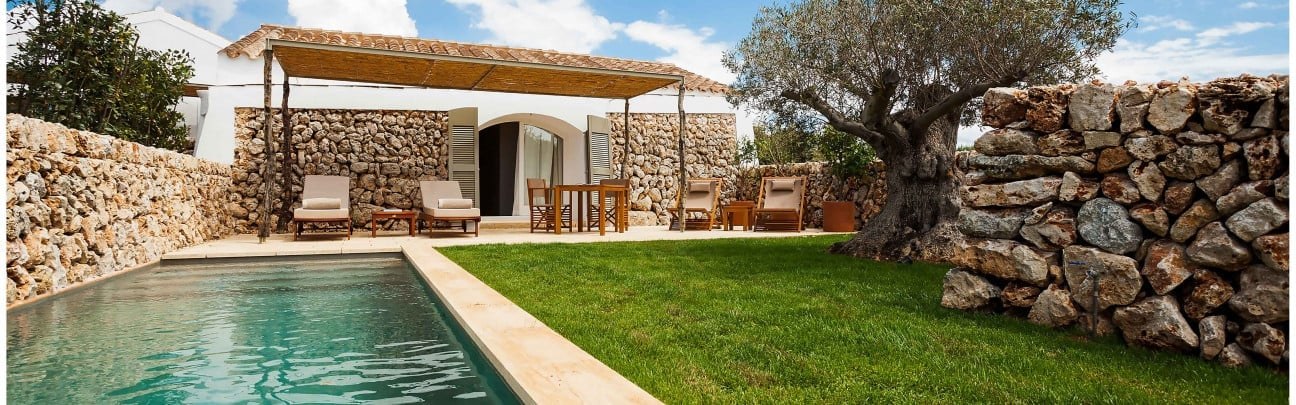
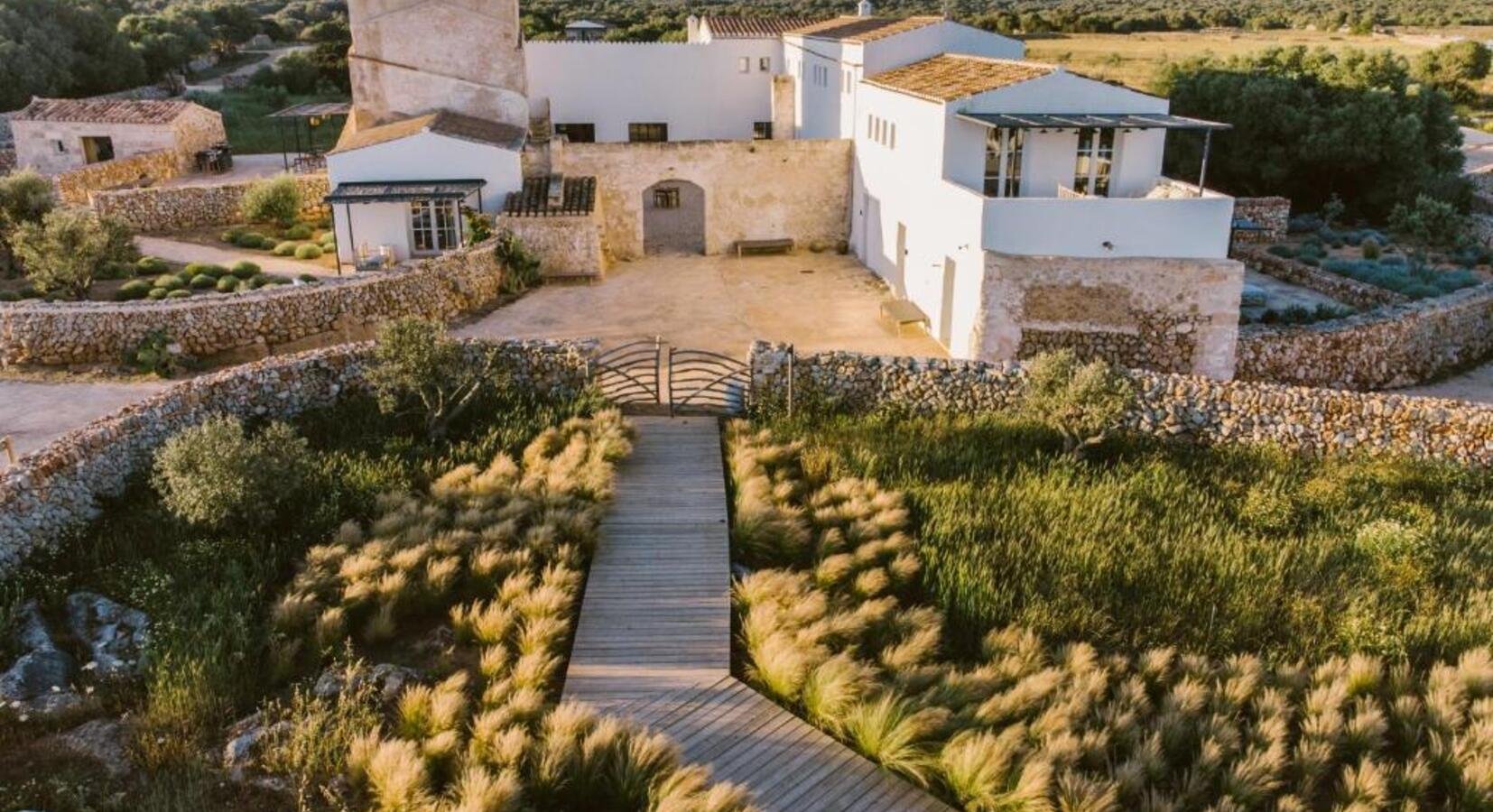
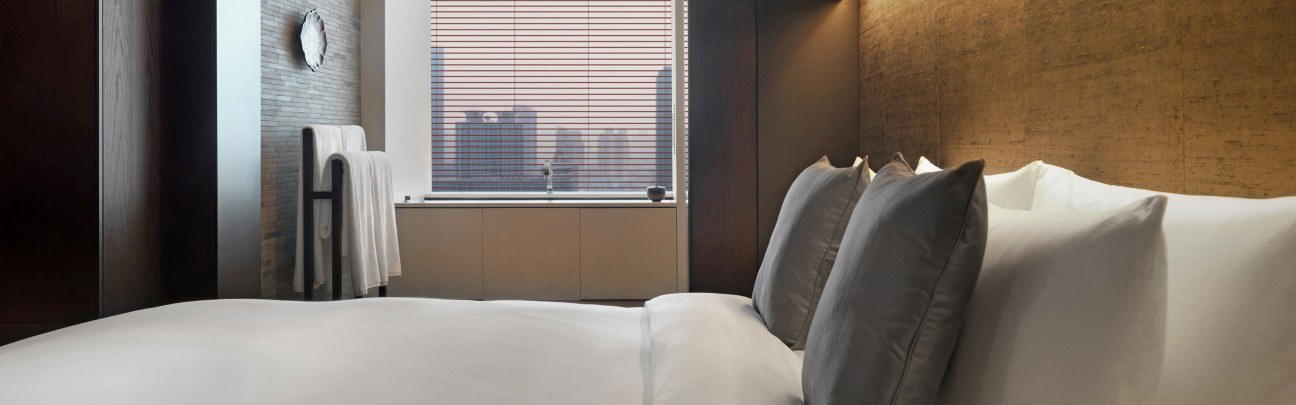
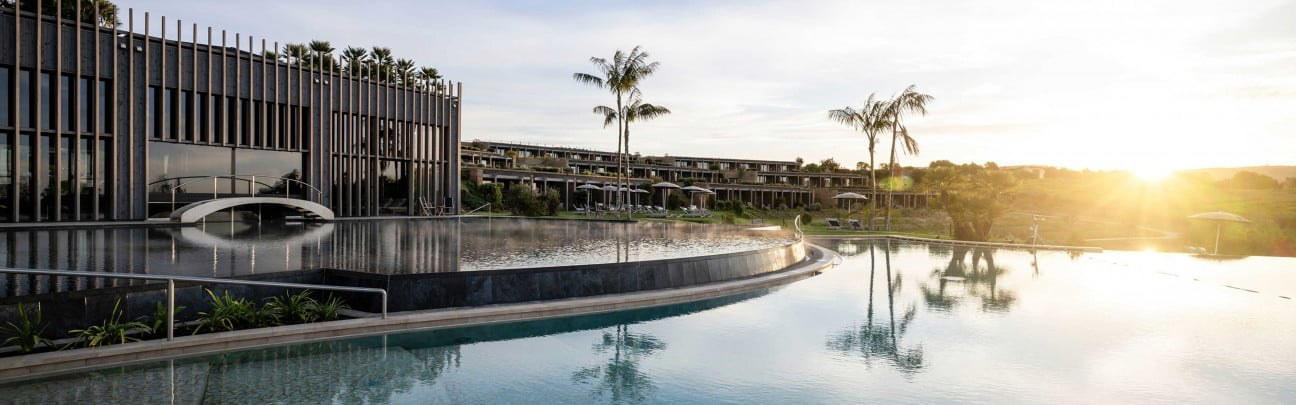
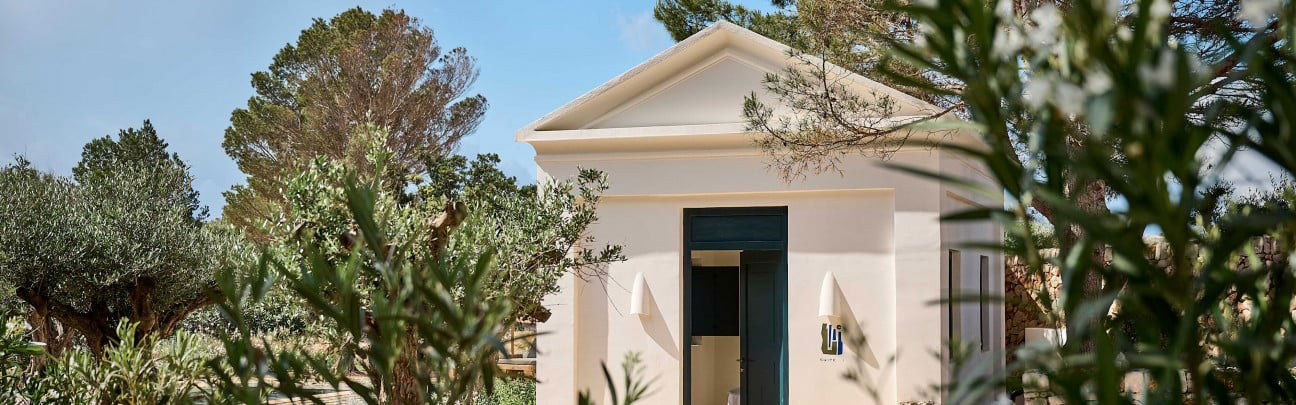
Cap Menorca channels a restrained, historically grounded calm. The hotel occupies former military buildings set high on a headland, and the adaptive reuse is central to its character: dusty barracks are reframed as a 15-suite Relais & Châteaux property. Design references are local and measured — whitewashed walls, thick stone and an absence of ornament — so the aesthetic reads as an honest, place-based classic rather than a transplanted trend. The site’s pine forest, limestone cliffs and open-sea vantage give the property a quietly dramatic coastal presence that feels intimate, composed and regionally rooted.
Best For
This is a small, design-led refuge for travelers seeking understatement and seclusion. With just 15 suites and a location within Menorca’s UNESCO Biosphere Reserve, the hotel suits couples and small-party travelers after a slow, restorative stay — think honeymoons, anniversaries and wellness-focused getaways. The dramatic headland setting appeals to guests who prioritize coastal views and architectural authenticity over buzzy nightlife or large resort programming. Membership in Relais & Châteaux signals a focus on attentive service and thoughtful detailing, making it a good fit for special-occasion stays.
Stay Tips
Book early: the hotel’s 15-suite scale and quiet, conservation-minded setting suggest limited availability, especially in season. When reserving, reference the headland setting and sightlines — sea-facing accommodations or rooms positioned toward the headland will deliver the clearest coastal panorama described in the property copy. Expect a restrained, vernacular design language rather than flashy contemporary fittings; the whitewashed stone construction and adaptive-reuse history are integral to the experience. Finally, note the Relais & Châteaux affiliation as an indicator of elevated service standards rather than a party-oriented resort vibe.
Venue details
Ambiance
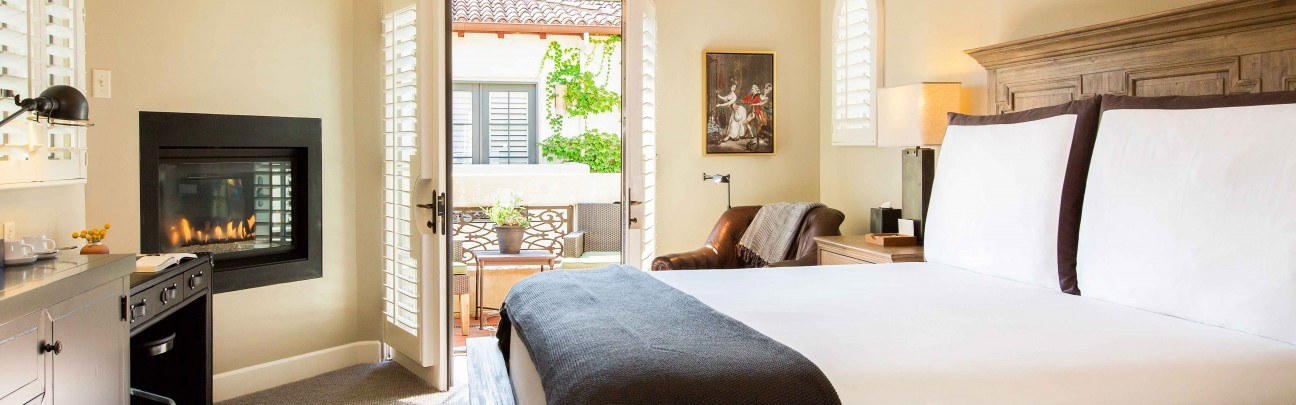
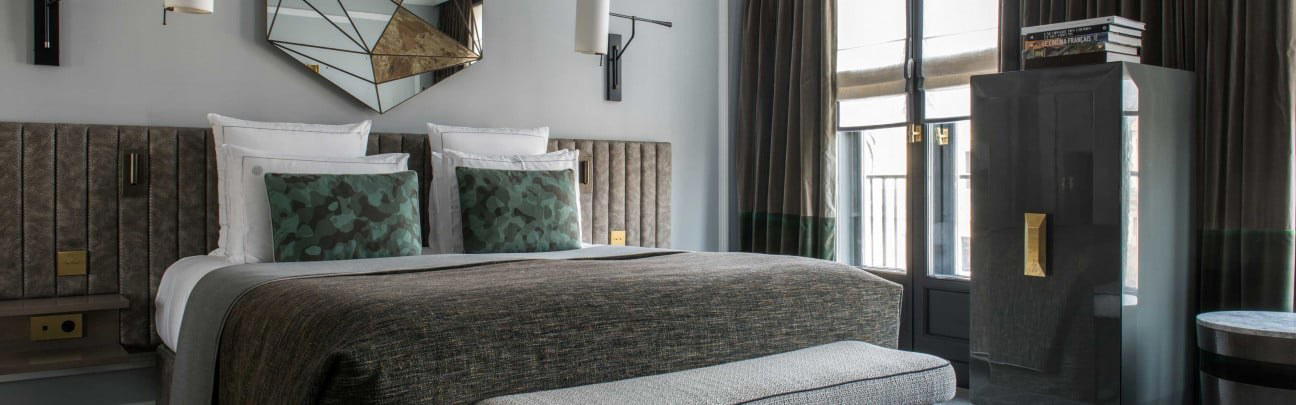
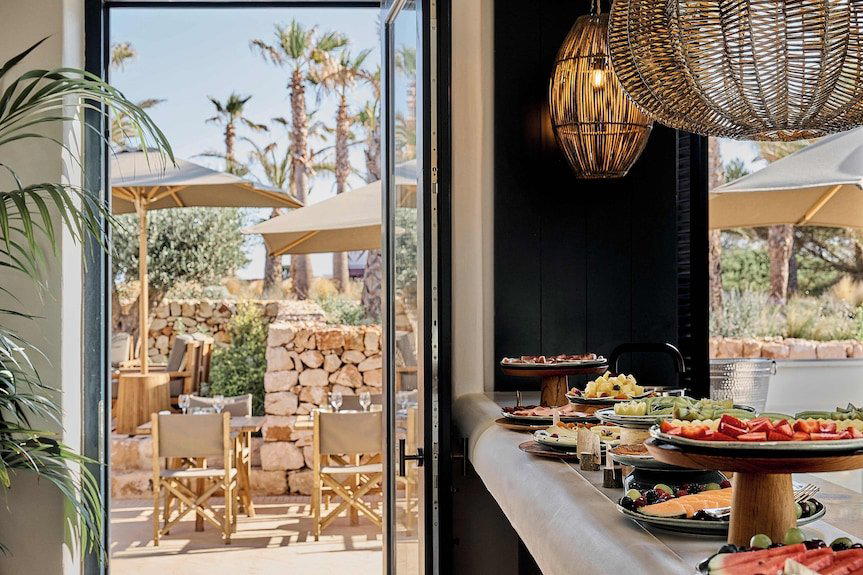
Serene and luxurious with tranquil gardens, soft natural lighting, and a peaceful atmosphere ideal for relaxation.
Tags
Vibe
Best For
Experience
Amenities
View
About the Stay
- Rooms
- 15
- Check-in
- 15:00
- Check-out
- 12:00
- Property Style
- Menorcan Finca Style Botanical Retreat
- Design Style
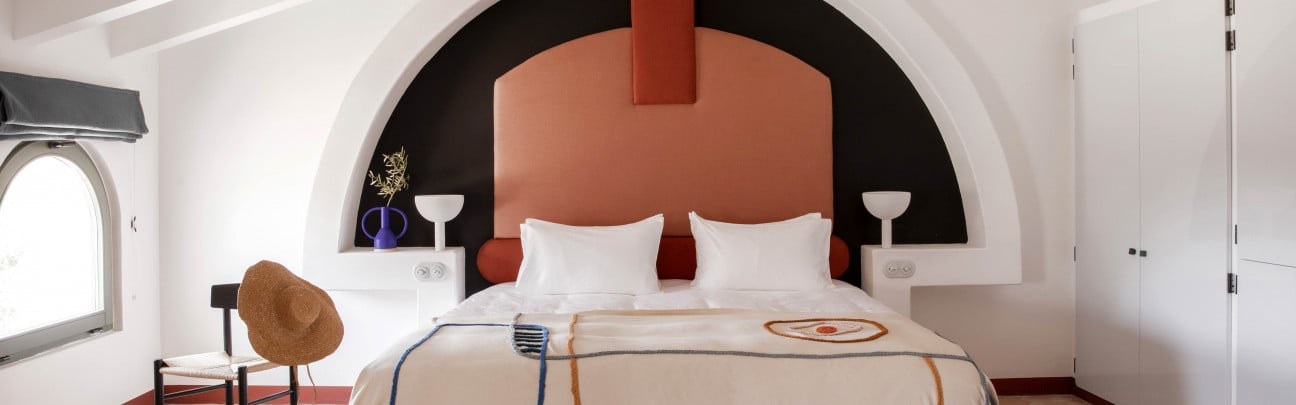
- Traditional Whitewashed Walls with Modern Elegant Interiors and Private Gardens
Know before you go
Know Before You Go
- Getting there
- Camí de Llucalari, 07730 Alaior, Illes Balears
Planning details
Location
Recognition and awards

Also consider
Where to look if Cap Menorca is not the right fit
Try Menorca Experimental if the goal is a more social, design-led Alaior stay. Try Torralbenc if polished rural Menorca is the priority and the trip needs a safer luxury-hotel comparison.
Hotel context
How Cap Menorca compares in Alaior
Cap Menorca sits in the quiet-luxury lane: better for guests who want privacy, rural atmosphere, and a softer Menorca base than for travelers seeking a busier lifestyle-hotel feel. Menorca Experimental is the easier pick if the trip needs a more established design-hotel rhythm, while Cap Menorca is the stronger bet when calm is the reason to pay the premium.
Against Fontenille Menorca - Torre Vella, Fontenille Menorca Santa Ponsa, and Fontenille Menorca, the decision comes down to how much estate-hotel structure the stay needs. The Fontenille options are the safer cross-shop for guests who want a clearer property identity; Cap Menorca is better for travelers who are comfortable confirming the practical details and prioritizing a quieter address.
Torralbenc is the peer to check if polished rural Menorca is the main brief. Cap Menorca has the 2026 Relais & Châteaux and Mr & Mrs Smith recognition, which helps justify taking it seriously in this set, but value depends on the rate available for the dates and how much the trip depends on confirmed room and service specifics.
Explore Alaior
Around this place
Discover more on Pearl
Unlock the full Cap Menorca guide in Pearl, including awards, comparisons, FAQs, planning details, and nearby places.
Compare Cap Menorca
| Venue | Location | Awards |
|---|---|---|
| Cap Menorca | Alaior | 2026 Mr & Mrs Smith Luxury Hotels2026 Relais Chateaux HotelsMichelin 1 Key 20252025 Michelin 1 Key2025 Relais Chateaux Award |
| Menorca Experimental | Alaior | 2026 Mr & Mrs Smith Luxury Hotels2026 La Liste Top Hotels2025 Michelin Selected Hotels |
| Fontenille Menorca - Torre Vella | Alaior | No published awards |
| Fontenille Menorca Santa Ponsa | Alaior | No published awards |
| Fontenille Menorca | Ciutadella | No published awards |
| Torralbenc | Alaior | 2026 Mr & Mrs Smith Luxury Hotels2025 Michelin 1 KeySmall Luxury Hotels Member 20252024 Michelin 1 Key |



How Cap Menorca Alaior compares with similar nearby venues.
FAQ
Frequently Asked Questions
When is the best time to book Cap Menorca?
Book once your dates are set and after confirming the details that matter for your visit. Cap Menorca is in Alaior and has confirmed recognition including the Relais Chateaux Award (2026) and the Mr & Mrs Smith Seal of Approval (2026), but specific availability patterns and seasonal arrangements should be checked directly with the venue.
How does Cap Menorca compare to other venues?
Cap Menorca can be compared with Menorca Experimental, Fontenille Menorca - Torre Vella, Fontenille Menorca Santa Ponsa, Fontenille Menorca, and Torralbenc. The confirmed points for Cap Menorca are its Alaior location, smart casual dress code, and 2026 recognition from Relais Chateaux and Mr & Mrs Smith; other visit-specific details should be directly.
What should I confirm before booking Cap Menorca?
The right choice depends on what Cap Menorca confirms for your dates. Ask directly about availability, accessibility, timing, services, and any on-site arrangements before reserving.