
InterContinental Al Jubail Resort
Al Huwailat, Al Jubail
Hotel in Al Jubail, Saudi Arabia
 Book with Pearl
Why go
Choose InterContinental Al Jubail Resort if the stay needs a calmer resort base in Al Jubail rather than a denser Khobar hotel setup. Its 2025 MICHELIN Guide hotel selection is the clearest trust signal; the practical win is space and reset time, especially for return visitors mixing work, family, and downtime.
About InterContinental Al Jubail Resort
InterContinental Al Jubail Resort is a hotel option in Al Jubail. The property is listed in the MICHELIN Guide hotel selection for 2025, and the stated dress code is smart casual. Beyond those points, travelers should confirm current room types, facilities, policies, and booking conditions directly before committing.
The safest way to evaluate the property is as an Al Jubail stay with a recognized hotel-selection signal, rather than through unconfirmed claims about specific amenities, service style, dining, or trip logistics. If you are comparing it with other regional hotels, use the location and recognition as the baseline.
Choose it for an Al Jubail hotel option
The clearest reason to keep InterContinental Al Jubail Resort on a shortlist is that it is a named Al Jubail property with MICHELIN Guide, Hotels Selected recognition for 2025. That is a useful marker for travelers who want a recognized hotel option in the city.
The dress code is smart casual. For anything more specific, including facilities, room categories, restaurant details, family policies, loyalty benefits, or transport planning, check directly with the hotel before booking.
Who should choose a different base
Choose a different base if your plans are centered outside Al Jubail or if another city is more practical for your itinerary. Regional comparison points include Braira Al Azizia Resort, Grand Hyatt Al Khobar Hotel and Residences, Holiday Inn & Suites Al Khobar, Kempinski Al Othman Al Khobar Hotel, and The Ritz-Carlton, Bahrain.
Those properties should be considered according to where you actually need to be, not as substitutes for an Al Jubail location. InterContinental Al Jubail Resort remains the relevant pick when the stay itself needs to be in Al Jubail.
The booking read
Book InterContinental Al Jubail Resort only after confirming the current details that matter for your trip. Key facts are the Al Jubail location, the 2025 MICHELIN Guide hotel-selection recognition, and the smart casual dress code. Any more specific claims about pricing, amenities, dining, or service should be directly with the property.
Planning details
- Location
- 101 Al Sanaiyah, Al Huwaylat, Al Jubail 35718, Saudi Arabia
- Website
- ihg.com/intercontinental/hotels/us/en/al-jubail/dhahc/hoteldetail
- Phone
- +966 13 356 4000
The take
The Take
The Vibe
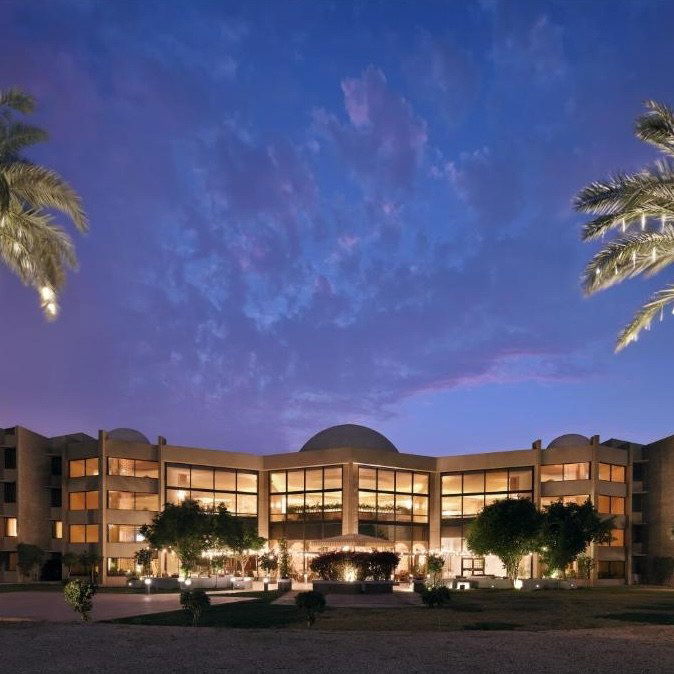
The InterContinental Al Jubail Resort reads as a polished, sophisticated port of consistency in a market otherwise dominated by business-oriented midscale hotels. Holding a 2025 MICHELIN Selected designation, the property positions itself at the head of the city’s full-service tier, combining international-brand standards with resort-scale presence. Its coastal siting along the Arabian Gulf gives the hotel a quietly scenic backdrop, while the editorial emphasis on operational reliability signals a professionally run, high-calibre guest experience geared to travellers who value predictable service and elevated, internationally recognisable hospitality standards.
Best For
This resort is best suited to extended-stay business travellers, government and contractor delegations, and corporate groups that need dependable, full-service accommodation. The write-up highlights the hotel’s role within Al Jubail’s demand profile—long-stay business travel and institutional bookings—while noting occasional regional leisure visitors. The MICHELIN Selected credential further suggests the property meets a defined quality threshold, making it a sensible choice for guests seeking consistency, staffed service and a leading branded option in a city where hospitality is oriented around commercial and industrial activity.
Stay Tips
If your trip centers on contracts, site work, or official delegations in the Eastern Province, consider this InterContinental for multi-night stays: the property is explicitly framed for long-stay business travel and group delegations, and its MICHELIN Selected status flags a reliable standard. Expect the kind of full-service operations typical of major international brands—use the hotel as a base for extended assignments or coordinated corporate bookings. For occasional leisure visits, the coastal location provides contextual appeal, but the core advantage is operational consistency for business-focused itineraries.
Venue details
Ambiance
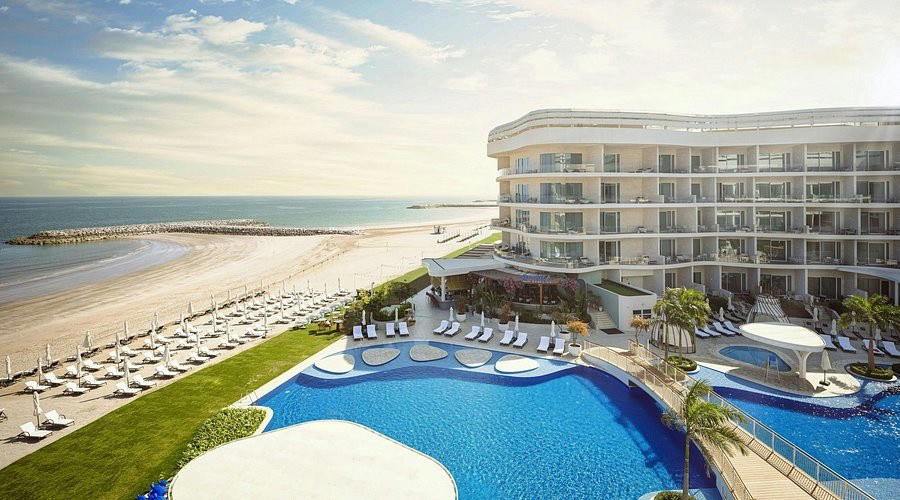
Restful gardens, beachfront relaxation, and elegant modern atmosphere with family-friendly leisure facilities.
Tags
Vibe
Best For
Experience
Amenities
View
Accessibility
About the Stay
- Rooms
- 254
- Check-in
- 15:00
- Check-out
- 12:00
- Property Style
- Luxury Beach Resort Blending City Hotel Scale with Resort Ease
- Design Style
- Modern Elegant with Landscaped Gardens
Know before you go
Know Before You Go
- Getting there
- 101 Al Sanaiyah, Al Huwaylat, Al Jubail 35718, Saudi Arabia
Planning details
Location
101 Al Sanaiyah, Al Huwaylat, Al Jubail 35718, Saudi Arabia · Directions
ihg.com/intercontinental/hotels/us/en/al-jubail/dhahc/hoteldetail
Recognition and awards
Also consider
Also Consider
- Kempinski Al Othman Al Khobar Hotel, Notable alternative
- Holiday Inn & Suites Al Khobar, Notable alternative
- Grand Hyatt Al Khobar Hotel and Residences, Notable alternative
- Braira Al Azizia Resort, Notable alternative
- The Ritz-Carlton, Bahrain, Notable alternative
Hotel context
How it compares in the Eastern Province set
InterContinental Al Jubail Resort is the better choice when the trip is anchored in Al Jubail and the guest wants a resort rhythm rather than a city-hotel base. Kempinski Al Othman Al Khobar Hotel, Holiday Inn & Suites Al Khobar, and Grand Hyatt Al Khobar Hotel and Residences make more sense for Khobar-led business schedules, but they shift the stay away from Al Jubail itself.
For atmosphere, the closest comparison is Braira Al Azizia Resort, which should be cross-shopped by travelers prioritizing a resort feel near Al Khobar. For a bigger luxury escape, The Ritz-Carlton, Bahrain is the splashier regional alternative, but it changes the trip into a Bahrain-focused stay rather than an Al Jubail base.
Value depends on itinerary rather than headline positioning. If meetings, family plans, or project work sit in Al Jubail, InterContinental Al Jubail Resort is the cleaner decision. If the schedule points toward Khobar, choose Holiday Inn & Suites Al Khobar for simpler practicality, Grand Hyatt Al Khobar Hotel and Residences for a more polished city stay, or Kempinski Al Othman Al Khobar Hotel when the hotel itself needs to feel more formal.
Explore Al Jubail
Around this place
Discover more on Pearl
Unlock the full InterContinental Al Jubail Resort guide in Pearl, including awards, comparisons, FAQs, planning details, and nearby places.
Compare InterContinental Al Jubail Resort
| Venue | Location | Awards |
|---|---|---|
| InterContinental Al Jubail Resort | Al Jubail | 2025 Michelin Selected Hotels |
| Kempinski Al Othman Al Khobar Hotel | Al Khobar | No published awards |
| Holiday Inn & Suites Al Khobar | Al Khobar | No published awards |
| Grand Hyatt Al Khobar Hotel and Residences | Al Khobar | No published awards |
| Braira Al Azizia Resort | Al Khobar | No published awards |
| The Ritz-Carlton, Bahrain | Manama | 2026 Forbes 4-Star2026 La Liste Top HotelsWorld Luxury Hotel Awards 20252025 Michelin Selected Hotels2025 Forbes 4-Star |



How InterContinental Al Jubail Resort compares with similar nearby venues.
FAQ
Frequently Asked Questions
Is InterContinental Al Jubail Resort good for business travel?
It can be considered if your trip is based in Al Jubail. If your schedule is centered in another city, compare the location with options such as Kempinski Al Othman Al Khobar Hotel or Grand Hyatt Al Khobar Hotel and Residences.
What is check-in like at InterContinental Al Jubail Resort?
Which room category is best at InterContinental Al Jubail Resort?
Specific room categories are not detailed. Choose based on the current room descriptions provided by the hotel, and compare alternatives such as Braira Al Azizia Resort if you are considering a different stay.
Do loyalty programs work at InterContinental Al Jubail Resort?
Loyalty-program details are not listed here. Confirm directly with the hotel or booking channel before reserving; for a separate Bahrain stay, The Ritz-Carlton, Bahrain is another regional comparison point.