
Kurulu Bay
Ahangama
Hotel in Ahangama, Sri Lanka
 Book with Pearl
The Read
Lakeside Tropical Modernism
Why go
Kurulu Bay is the Ahangama pick for travelers who want a quieter, more retreat-like base near Kathaluwa rather than a large resort feel. The Michelin 1 Key signal helps justify the harder booking, but value-seekers should compare it with PALM Hotel Sri Lanka and Sola Boutique Hotel before committing.
About Kurulu Bay
Kurulu Bay is a venue in Ahangama with Michelin 1 Key recognition for 2025. Its casual dress code makes it a relaxed choice, and it stands out most for its recognition rather than a long list of specified amenities.
If you are comparing stays in and around the region, keep the decision grounded in what matters for your own dates. Kurulu Bay can be cross-shopped with PALM Hotel Sri Lanka, Sola Boutique Hotel, The Fortress Resort and Spa, Kahanda Kanda, Tabula Rasa Resort & Spa, and other options, but confirm practical details directly before booking.
Ahangama venue with Michelin Key recognition
The clearest point is Kurulu Bay's Michelin 1 Key recognition in 2025. That is enough to make it notable among premium stays, but it does not by itself define every detail of the experience.
Use the recognition as a starting point, then check the details that matter for your trip: room setup, cancellation terms, services, transport, and any on-site facilities.
Worth considering if the facts match your needs
Kurulu Bay is best approached as a Ahangama listing with Michelin 1 Key recognition and a casual dress code. If your booking depends on particular amenities, dining options, accessibility needs, family features, or work facilities, confirm those directly rather than assuming they are available.
For broader planning, compare the confirmed facts for Kurulu Bay with current details from other stays and experiences in the region. The short version: keep Kurulu Bay on the shortlist for its recognition, and compare it with regional alternatives when you need more certainty on practical details.
Planning details
- Location
- Gurunkanda, Kathaluwa, Ahangama
- Website
- kurulubay.com
- Phone
- +94 76 095 0090
The take
The Take
The Vibe
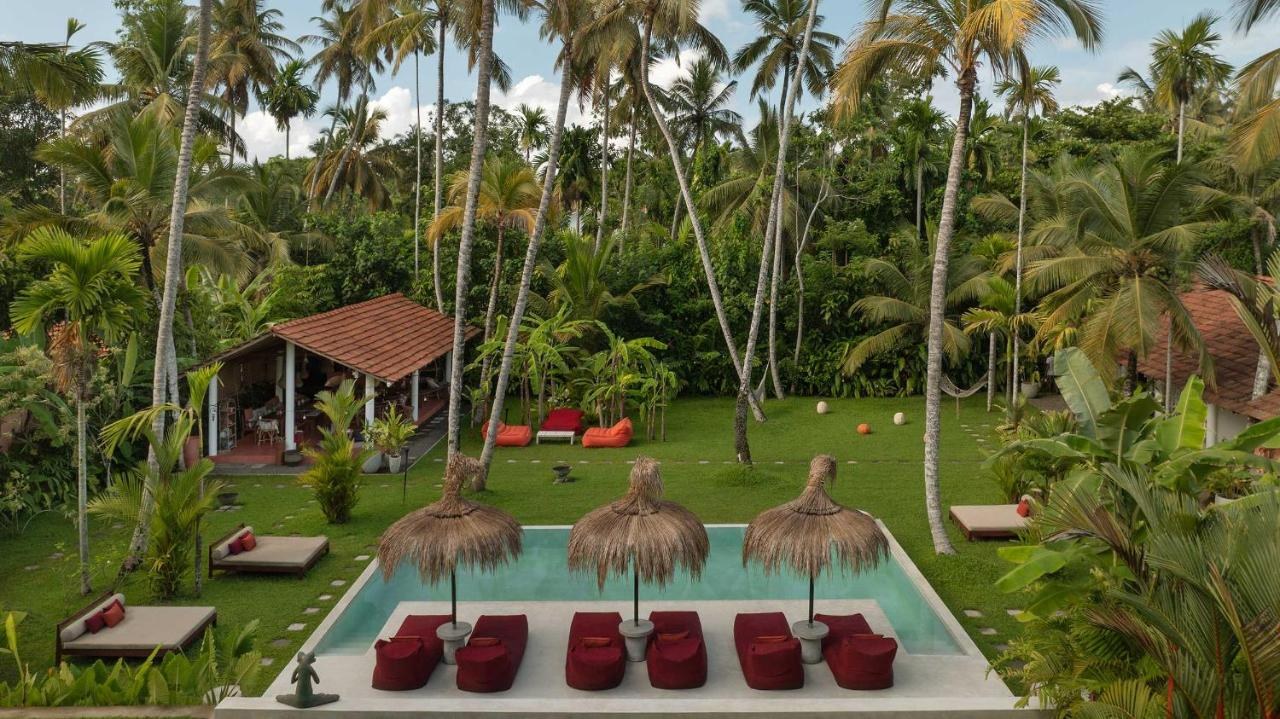
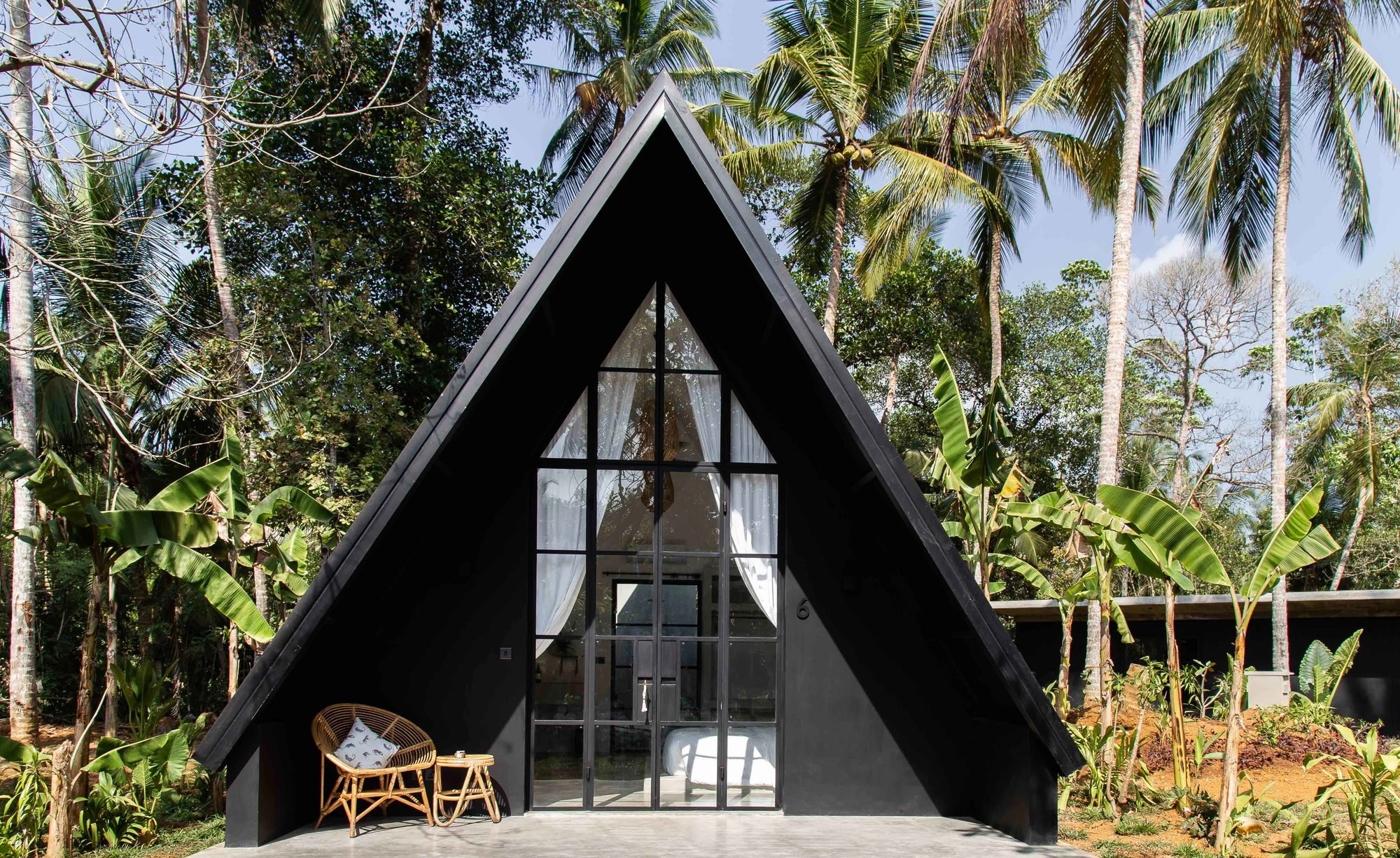
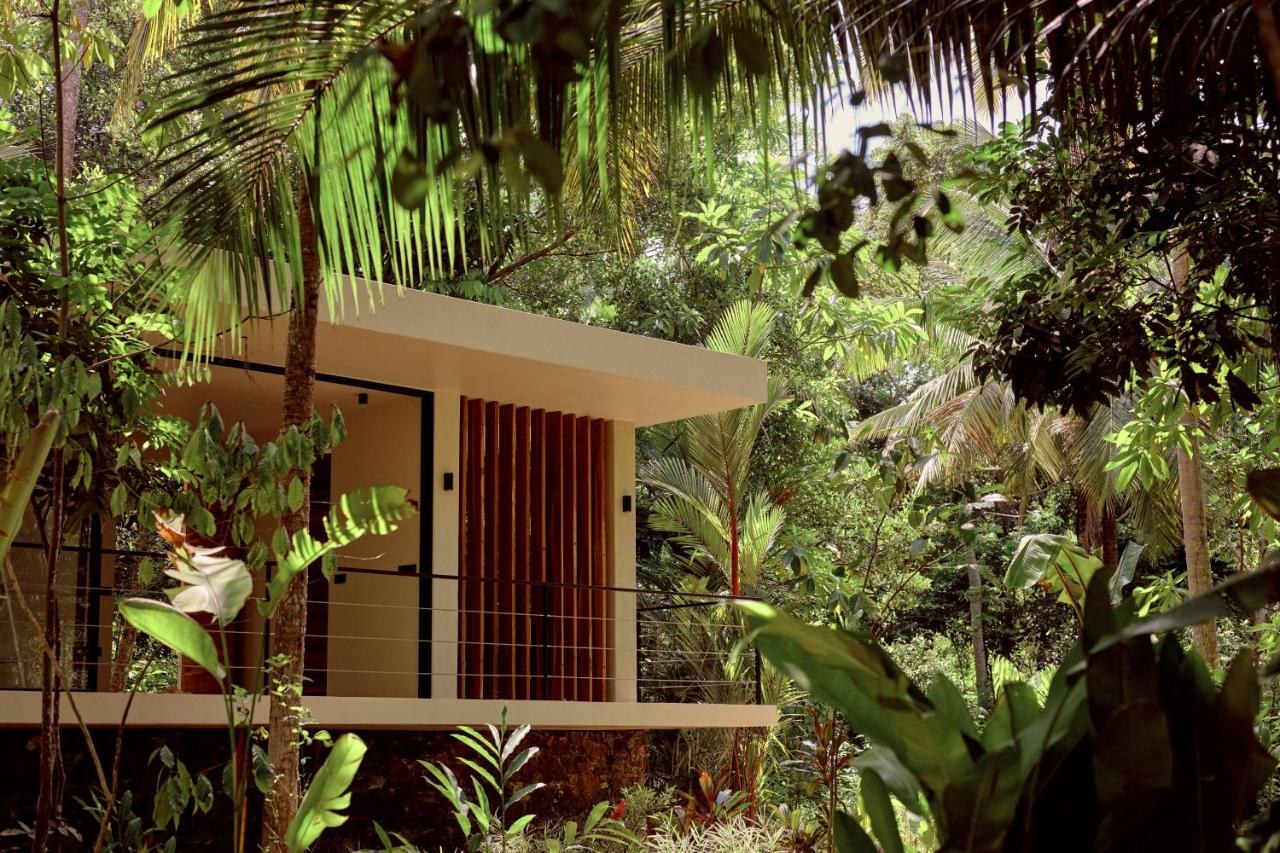
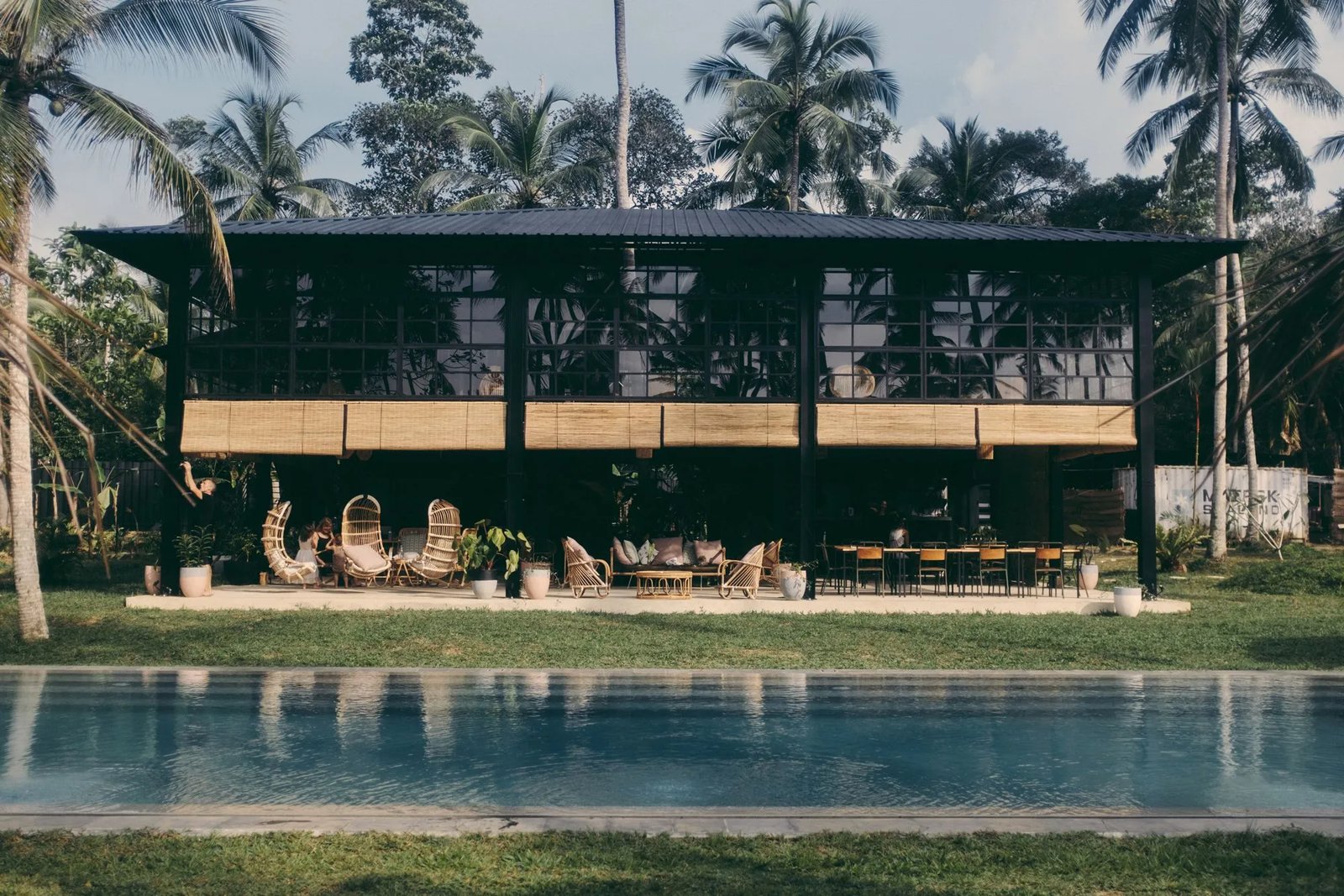
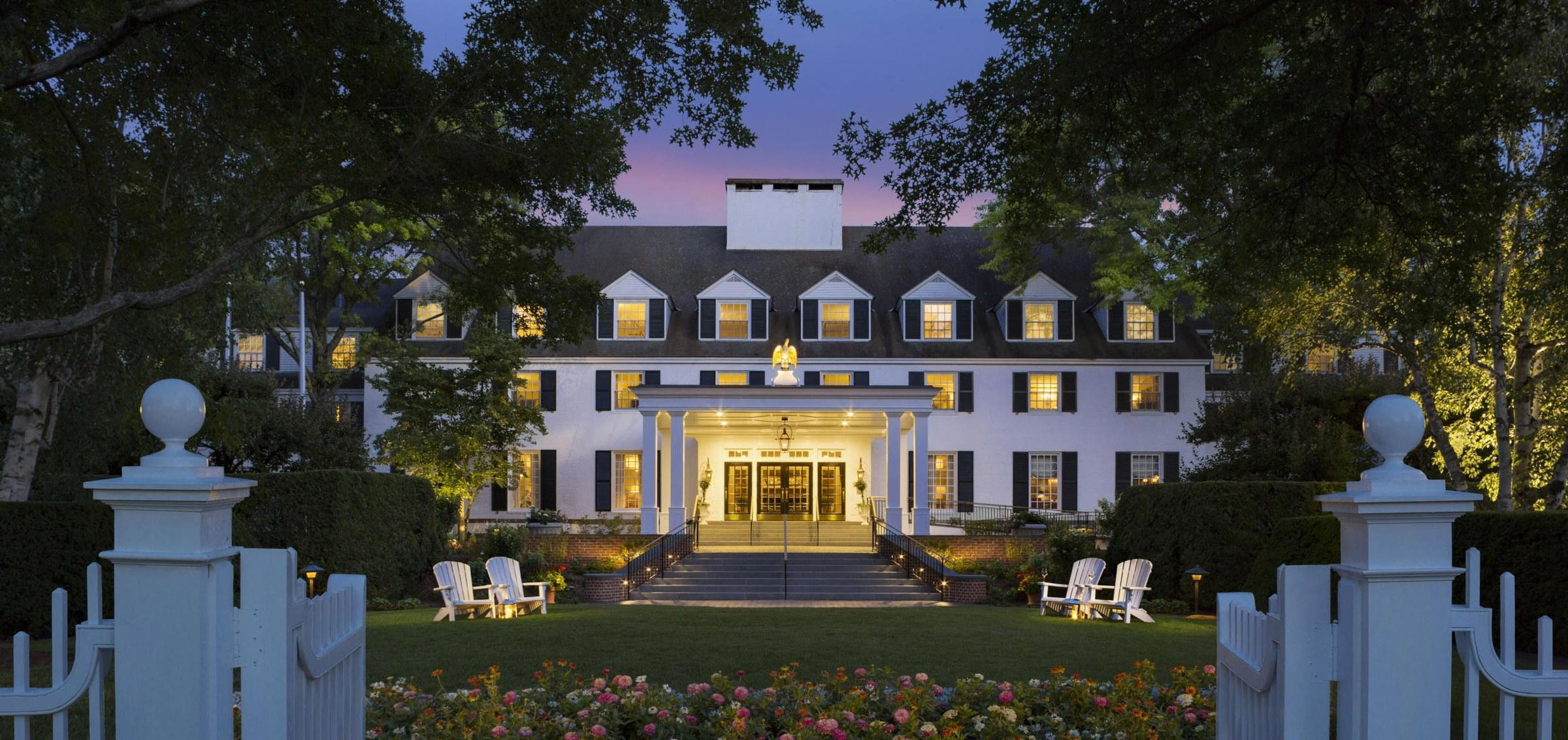
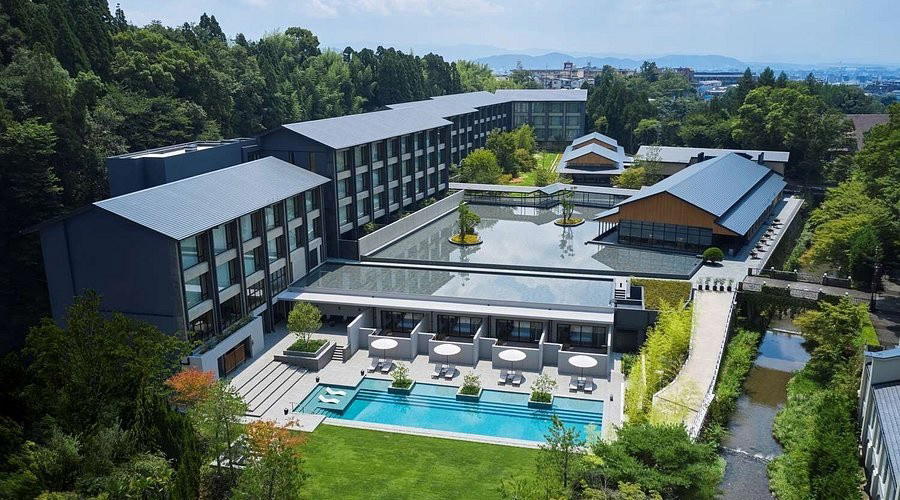
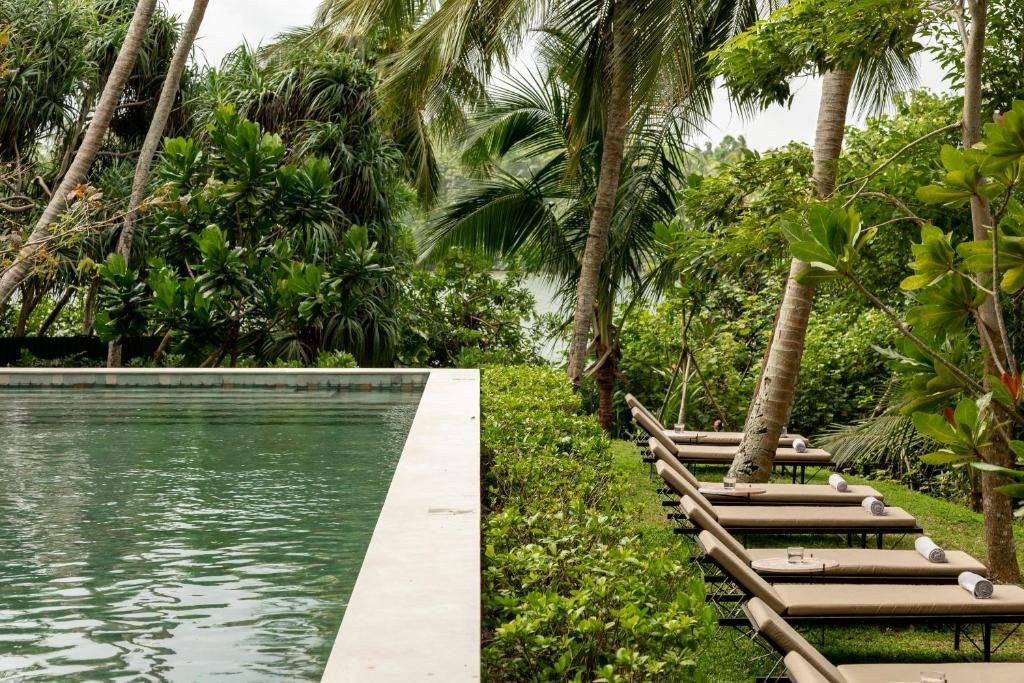
Kurulu Bay is a lakeside retreat that privileges quiet, measured design over the coastal surf‑house grammar that surrounds it. The property arranges itself around the slow-moving water of Koggala Lake and the dense forest of an adjoining bird sanctuary, so days here unfold to bird calls and shifting light rather than the spectacle of waves. Channa Daswatte’s restrained tropical‑modernist language gives the Kurulu House and the small cluster of suites and cottages a refined, deliberate feel: architecture is the main attraction, and the experience is intimate, contemplative and deeply connected to the natural setting.
Best For
This is a find for travelers who want architecture and nature to be central to their stay: couples seeking a quiet romantic getaway, honeymooners looking for a low‑key design hideaway, and anyone after a wellness or weekend retreat in a serene setting. Kurulu Bay deliberately distances itself from surf culture, so it suits guests who prefer birding, slow mornings by the lake and dispersed, low‑density lodging rather than bustling beachfront activity. It’s especially appealing to design‑minded visitors who appreciate thoughtful tropical modernism woven into a protected natural context.
Stay Tips
The hotel operates at a small scale, so plan ahead—availability for the limited number of suites and cottages can be constrained. If proximity to the water matters to you, ask when booking about accommodation locations relative to Koggala Lake and the Kurulu House, which functions as the social anchor of the property. Expect a tranquil, design‑forward stay rather than lively coastal nightlife; time your days for early morning bird activity and daylight to appreciate the architecture and surrounding forested sanctuary.
Venue details
Ambiance
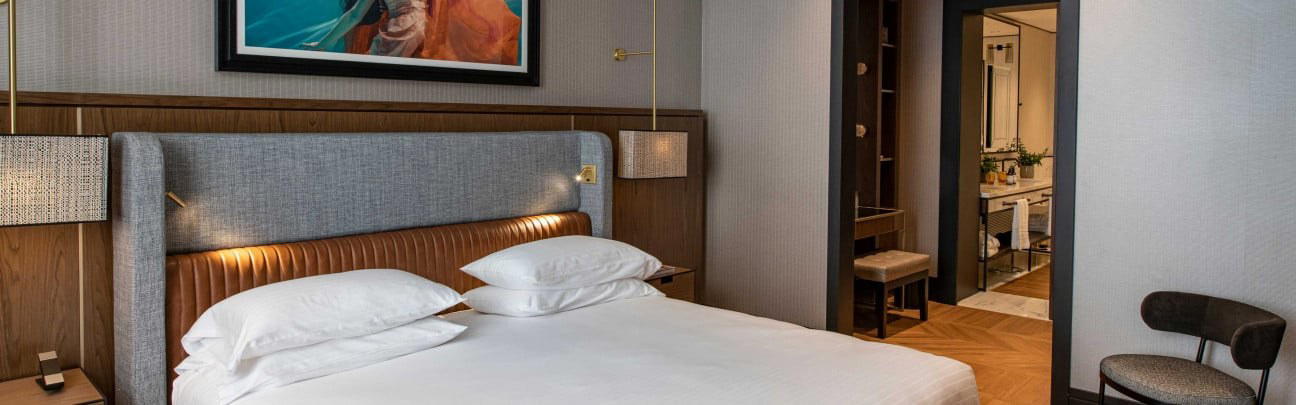
Tranquil jungle oasis with lush greenery, serene lake views, natural light, and calming minimalist interiors evoking peace and connection to nature.
Tags
Vibe
Best For
Experience
Amenities
View
About the Stay
- Rooms
- 14
- Check-in
- 14:00
- Check-out
- 11:00
- Property Style
- Eco Conscious Boutique Resort Harmonizing with Jungle Landscape on Lake Shore
- Design Style
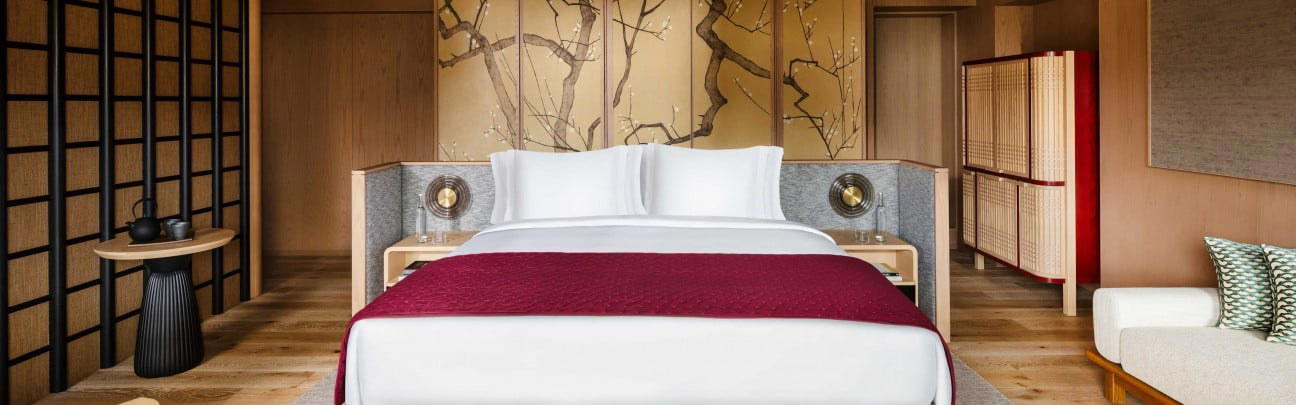
- Tropical Modernist with Minimalist Interiors Using Raw Natural Materials
Know before you go
Know Before You Go
- Getting there
- Gurunkanda, Kathaluwa, Ahangama
Planning details
Location
Recognition and awards
Also consider
If You Can't Book It
Try PALM Hotel Sri Lanka if the backup needs to stay in Ahangama and feel more social. Try Sola Boutique Hotel if the priority is a simpler boutique base in the same area.
Hotel context
How It Compares
Kurulu Bay is the more polished Ahangama choice if the trip needs quiet and a stronger sense of retreat. Sola Boutique Hotel is the cleaner backup for travelers who want to stay in Ahangama with less booking pressure, while PALM Hotel Sri Lanka is the better cross-shop for a more social boutique-hotel mood.
The Fortress Resort and Spa makes more sense if resort scale and facilities matter more than a tucked-away Ahangama feel. Kahanda Kanda is the closer comparison for travelers prioritizing seclusion and atmosphere, though it pulls the stay farther from Ahangama's beach-town rhythm.
Tabula Rasa Resort & Spa is the practical alternative for travelers who want a resort-style escape outside the center. Choose Kurulu Bay when recognition, calm, and address carry the value; choose one of the peers when easier logistics or a broader resort setup is the deciding factor.
Explore Ahangama
Around this place
Discover more on Pearl
Unlock the full Kurulu Bay guide in Pearl, including awards, comparisons, FAQs, planning details, and nearby places.
Compare Kurulu Bay
| Venue | Location | Awards |
|---|---|---|
| Kurulu Bay | Ahangama | 2026 Michelin 1 Key2025 Michelin 1 KeyMichelin 1 Key 2025 |
| The Fortress Resort and Spa | Galle | 2025 Michelin Selected HotelsSmall Luxury Hotels Member 2025 |
| Kahanda Kanda | Galle | No published awards |
| Sola Boutique Hotel | Ahangama | No published awards |
| PALM Hotel Sri Lanka | Ahangama | 2026 La Liste Top Hotels2025 Michelin Selected Hotels |
| Tabula Rasa Resort & Spa | Galle | Small Luxury Hotels Member 2025 |




How Kurulu Bay Ahangama compares with similar nearby venues.
FAQ
Frequently Asked Questions
Is Kurulu Bay family-friendly?
Which room category is best at Kurulu Bay?
Choose based on the current room descriptions, space, privacy, and cancellation terms shown by the venue or booking channel.
Are pool or spa details for Kurulu Bay?
Is Kurulu Bay good for business travel?
It may suit some travelers, but confirm Wi-Fi, desk space, quiet-room options, and transport needs before booking.
How does Kurulu Bay compare to other regional stays?
Kurulu Bay's clearest distinction is its Michelin 1 Key recognition in 2025. When comparing it with The Fortress Resort and Spa, Kahanda Kanda, Sola Boutique Hotel, PALM Hotel Sri Lanka, Tabula Rasa Resort & Spa, and other stays, check the current practical details directly for each property.