The fastest route to a hard table is almost never the one the restaurant advertises. Resy Notify, Tock's waitlist, and the walk-in gamble each work differently, and picking the wrong one costs you the seat. Use two channels at once: a platform alert plus a well-timed walk-in. That is how most diners who land the table actually get in.
How Restaurant Waitlist Systems Actually Work
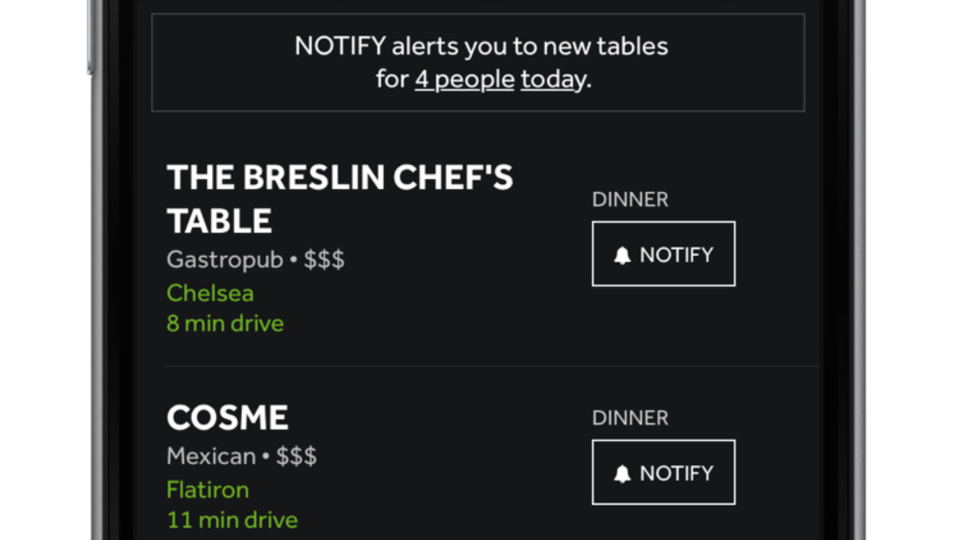
The moment a cancellation clears on Resy, the platform's Notify feature fires a push notification to everyone who joined the alert for that slot. The table can be gone in seconds.1 Resy Notify is a passive alert system that creates a digital wait pool, alerting interested diners via push notification and email when a table opens up.2 Treat it less like a waitlist and more like a race with your phone in your hand.
Tock operates differently. Its waitlist is built into a prepaid ticket model where diners pay upfront for reservations,1 which means cancellations are less frequent because guests have already paid. When a Tock cancellation does surface, the release often goes to the next person in a queue rather than a simultaneous blast, though the exact mechanics vary by venue and are not uniformly published. Confirm the specific policy with any Tock restaurant you are targeting, because the venue controls how the queue behaves.
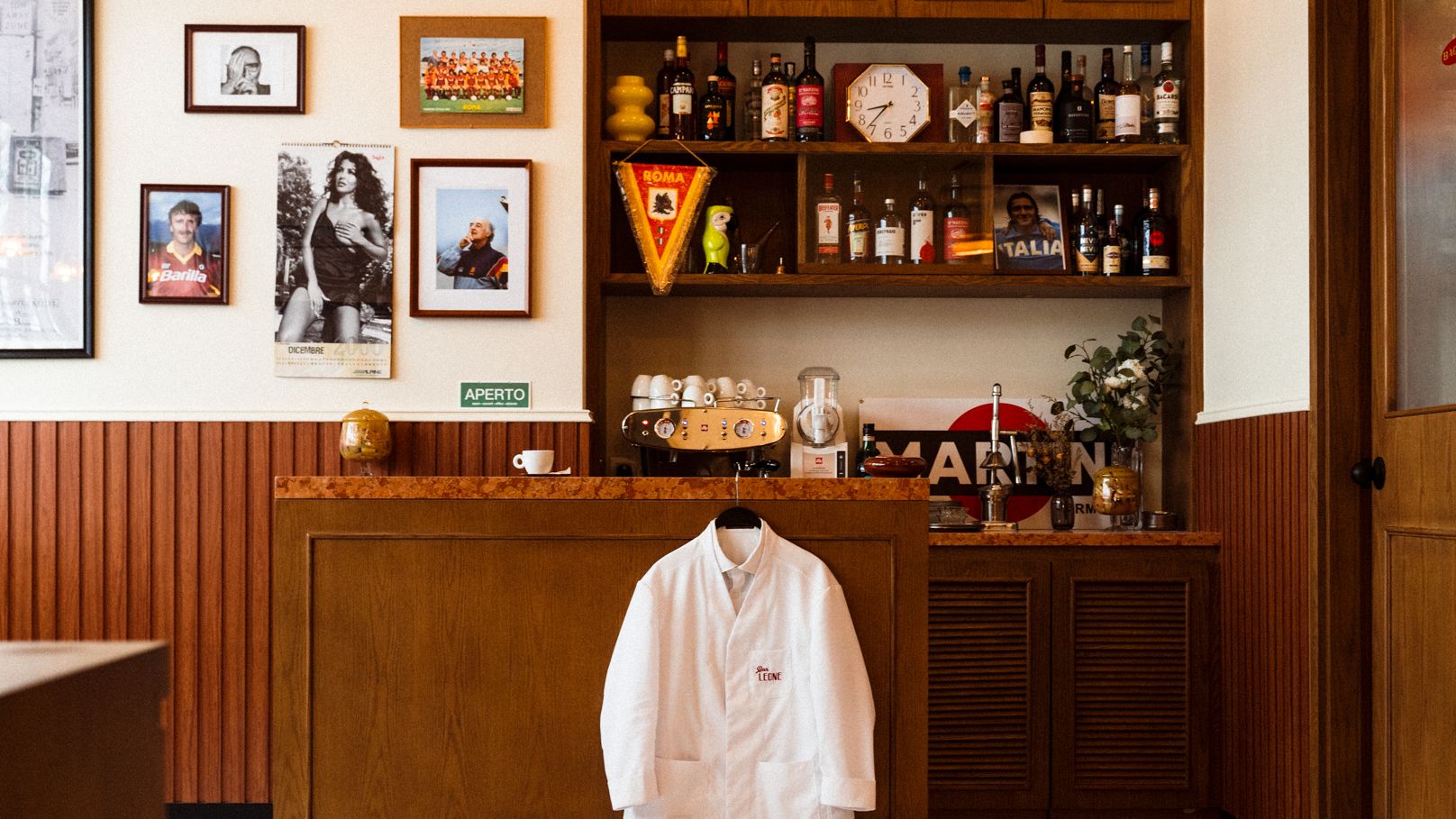
Walk-ins are a separate play. At restaurants that hold back a bar counter or a handful of walk-in seats, showing up at opening is a real strategy. At restaurants that do not hold back seats, walking in is a waste of an evening. The difference is almost always published on the venue's website or discoverable with one direct phone call.
The payoff is short notice access, often for the same night or the next day. Use that to your advantage. You are not the guest who planned weeks out and built the meal into a major event. You are the guest who is glad to be there, which is often the better headspace for a tasting menu.
Why Hard Restaurant Reservations Fill So Fast
The core problem is arithmetic. A small restaurant running two seatings a night has a fixed number of covers available, confirm capacity directly. If the restaurant has any following, those covers are claimed within minutes of the reservation window opening. Everyone who missed that first drop is now competing for cancellations, which at deposit-based restaurants are genuinely rare.
Resy and Tock both concentrate demand at the moment the calendar opens. Resy has approximately 20,000 restaurants and venues worldwide; Tock has more than 5,000 restaurants, wineries, and other venues.3 Resy's standard release window is set by the restaurant, not the platform, and varies widely. Some venues open 30 days out; others open further in advance. The restaurant does not always publish this window publicly. If you do not know the exact drop time, you are already behind the people who do.
Tock's prepaid model1 reduces no-shows, which is good for restaurants and bad for people hunting cancellations. Fewer no-shows means fewer last-minute openings. The tradeoff is that Tock restaurants tend to have more predictable service and less table-flip pressure, but the secondary access market, cancellations and waitlists, is thinner. Resy guests have an average no-show rate of 2.9%,4 which means cancellations do surface on Resy with some regularity.
Walk-in seats, where they exist, are the one channel that does not require advance planning. But they require physical presence, timing, and a tolerance for uncertainty. At a restaurant that holds bar seats for walk-ins, arriving before opening on a Tuesday in January is a very different proposition from arriving mid-evening on a Saturday in October.
When Restaurant Reservation Windows Open
Most restaurants set their own release windows inside Resy or Tock. Publishing a precise drop time concentrates bots and power users at that moment, which creates a worse experience for everyone else. The practical result is that the drop time becomes insider knowledge, passed between regulars and shared through food-obsessive communities on Reddit, Discord, and group chats.
The reliable way to find a specific restaurant's drop time: call the restaurant directly and ask. Most will tell you. Some will not, but asking is always worth the time. The second method is to check the restaurant's Resy or Tock page at the same time each day for a week and note when new dates appear. The pattern usually reveals itself within a few days.
The rule is simple: never plan around a drop time you read in a forum post without confirming it with the venue first. A wrong drop time costs you the table; a phone call does not.
Restaurant Waitlist Systems Ranked by Yield
For most high-demand restaurants, the channels break down like this, in descending order of reliability:
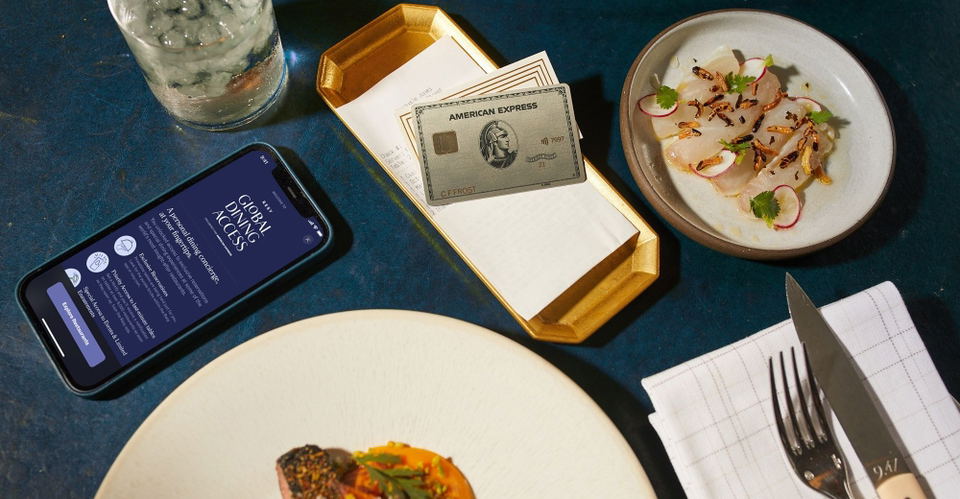
1. Resy Notify (for Resy restaurants). On Resy, users tap 'Notify Me' for specific time slots to join the waitlist alert system.1 Keep notifications on, keep the app open, and be ready to complete the booking in under 30 seconds. This is the highest-yield passive channel for Resy restaurants. American Express cardholders get Priority Notify, which provides earlier access to cancellation notifications,1 a real edge at the most competitive restaurants.
2. Direct phone or email to the restaurant. Underused. Many restaurants maintain a short internal cancellation list that never surfaces on the platform. Calling and asking to be added to that list costs nothing and occasionally produces a table that never appeared online.
3. Tock waitlist (for Tock restaurants). Join it, but calibrate expectations. Tock offers five types of tickets, including pre-purchased tickets, deposit tickets, dynamic deposit tickets, event tickets, and zero-deposit tickets,5 the type in use at a given restaurant shapes how often cancellations occur. It is worth joining for restaurants you genuinely want, but do not treat it as a primary strategy.
4. Walk-in seats. Only viable at restaurants that explicitly hold walk-in seats. Confirm this before you go. If the restaurant holds bar seats or a walk-in counter, arrive at or before opening, on a weeknight, outside peak season. The odds are real. If the restaurant does not hold walk-in seats, this channel does not exist.
5. Credit card concierge programs. American Express cardholders get Priority Notify, Global Dining Access, and exclusive reservations at select restaurants through the Resy partnership.1Chase Sapphire Reserve and Visa Infinite programs maintain similar relationships. This channel works best for restaurants with formal program partnerships. Worth a call to your card's concierge, but not a guaranteed route.
Resy Notify vs. Tock Waitlist vs. Walk-In
| Channel | How it works | Cancellation frequency | Speed required | Best for |
|---|---|---|---|---|
| Resy Notify | Push alert when a slot opens; first to tap wins | Moderate, avg. no-show rate 2.9%4 | Seconds | Resy restaurants with active cancellation churn |
| Tock Waitlist | Queue-based; venue controls release order | Low, prepaid deposits suppress no-shows1 | Minutes to hours | Tock restaurants where you have time and patience |
| Walk-In | Physical presence at opening; no app required | N/A (depends on held seats) | Requires being there | Restaurants that explicitly hold walk-in seats |
| Direct call/email | Internal cancellation list, off-platform | Varies by venue | Low (passive once added) | Any restaurant; underused by most diners |
| Card concierge | Program relationship with venue | Depends on partnership | Low | Restaurants with formal card-program ties |
How to Improve Your Odds With Restaurant Waitlists
Mistakes that cost people the table:
Waiting until the week you want to travel to start looking. For any restaurant with real demand, the calendar is already full. The people who get in started the process well in advance, or they are already hunting cancellations with Notify set. Confirm the release window directly.
Joining the Tock waitlist and treating it as a done deal. The Tock waitlist at a high-demand restaurant can be long and slow-moving. Joining it is necessary but not sufficient. Run parallel channels simultaneously.
Showing up as a walk-in at a restaurant that does not hold walk-in seats. This is the most common and most avoidable mistake. One phone call or a look at the venue's FAQ page resolves it before you waste an evening.
Ignoring the direct phone channel. Most diners interact with restaurants only through apps. Calling the restaurant directly, asking about cancellations, and asking to be added to an internal list is something most people skip, which is exactly why it sometimes works.
What insiders actually do:
Regulars at high-demand restaurants often book the next visit before they leave the current one. This is the most reliable access strategy and it is not available to first-timers, but it explains why the public-facing calendar looks full even when the restaurant is not at capacity on every night.
Food-obsessive communities on Reddit (r/finedining is the most active) and Discord servers dedicated to specific cities maintain crowd-sourced drop-time logs. These are not always accurate, but they are often more current than anything the restaurant publishes. Cross-reference with a direct call before acting on them.
Resy's 24/7 waitlist is accessible from any device,3 so set Notify for multiple date ranges, not just the specific night you want. Flexibility is the single biggest multiplier on your odds. If you can eat on a Tuesday or a Wednesday as easily as a Saturday, your chances of landing a Notify cancellation are considerably higher.
Seasonal access calendar:
January and February are the lowest-demand months at most urban fine-dining restaurants in the United States. Cancellation rates are higher, walk-in odds improve, and the Notify queue moves faster. If you have flexibility, this is the window to use it.
September through November is peak season at most serious restaurants. New York's fall season, the return from summer closures in Europe, and the concentration of food-world events, awards cycles, harvest dinners, all compress demand into a short window. Expect the hardest access of the year during this period.
Holiday weeks (Thanksgiving, Christmas, New Year's Eve) are a mixed picture. Some restaurants close; others run special menus at premium prices with very limited availability. The Notify queue for New Year's Eve at a high-profile restaurant can be competitive from October onward.
Which Booking Channel to Use and When
Resy Notify is for anyone with a specific restaurant in mind and a flexible schedule. If you can eat on any night across a two-week window, set the alert and wait. The Notify feature turns cancellations into covers by automatically alerting guests when their desired reservation becomes available,6 it works, provided you respond immediately.
The Tock waitlist is for patient planners targeting a specific restaurant on a specific date. Join it early, run parallel channels, and do not count on it alone.
Walk-ins are for travelers already in the city, with a free evening, who have confirmed the restaurant holds walk-in seats. They are not a fallback for restaurants that do not hold seats.
The direct phone channel is for everyone, always. Calling is the only way to get on the internal cancellation list.
Skip the card concierge channel if you are targeting a restaurant with no formal program partnership. It will not produce a table that does not exist.
Other Restaurant Booking Platforms to Know
OpenTable. OpenTable has more than 65,000 restaurants on its platform; Resy has approximately 20,000.1OpenTable's network is larger but less concentrated in the fine-dining tier. Its waitlist and availability alerts notify you by text, email, or app.1 Worth using for restaurants that are OpenTable-only, but not a substitute for Resy Notify at Resy restaurants.
SevenRooms. Used by hotel restaurants and some independent venues. The guest-facing booking experience is similar to Resy, but the waitlist mechanics are less standardized across properties. Direct contact with the venue is often more effective than the platform waitlist for SevenRooms restaurants.
Appointment-only or members-only restaurants. A small number of high-demand restaurants have moved off public platforms entirely, operating through private mailing lists or invitation systems. For these, the only route is to get on the list, which typically requires a prior visit or a direct introduction. There is no platform shortcut.
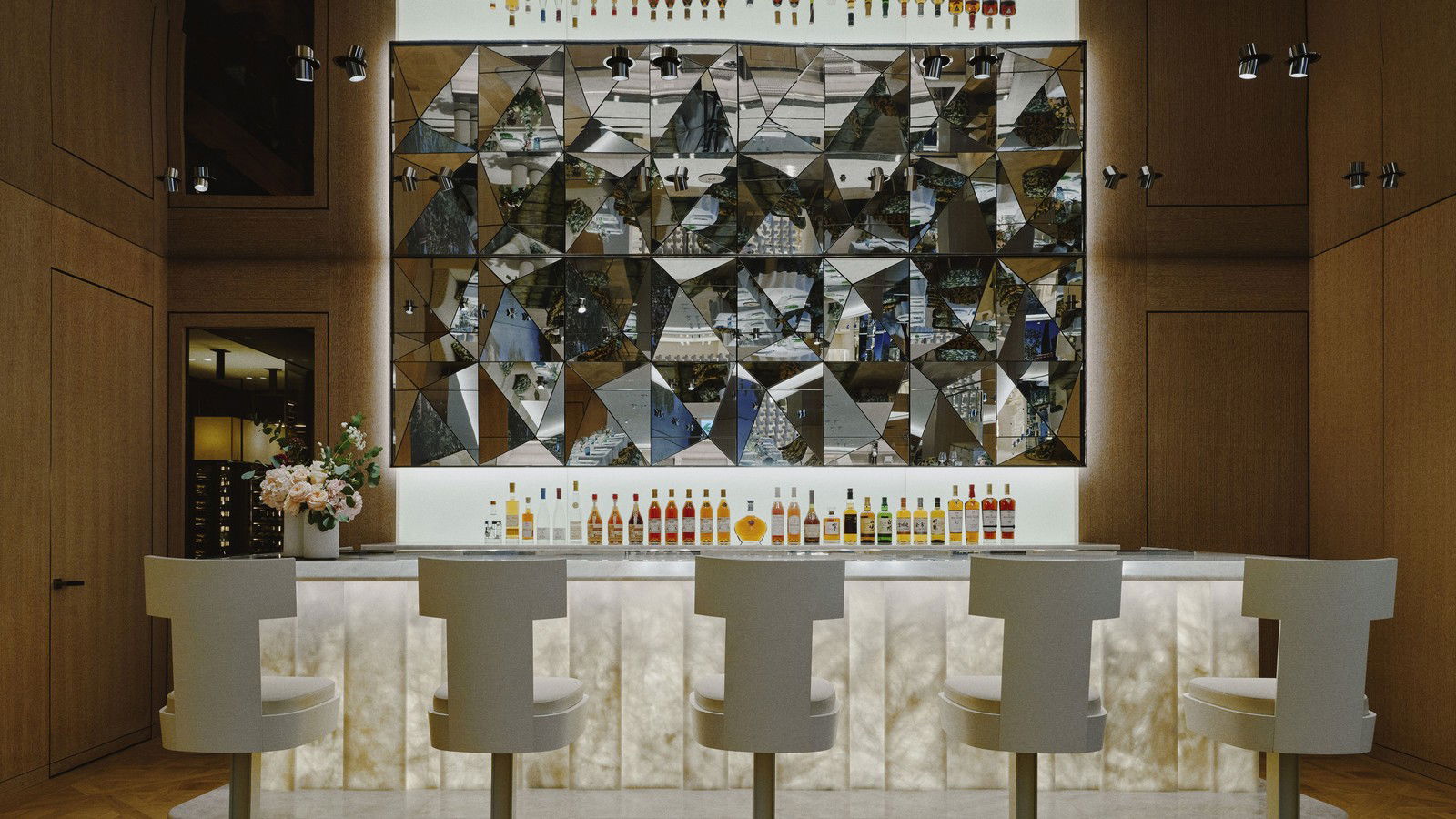
The bar counter. At many tasting-menu restaurants, the bar or counter seats are held separately from the main dining room and released on a different schedule, sometimes same-day. This is worth asking about specifically when you call.
The Bottom Line on Restaurant Waitlist Systems
No single channel reliably produces a table at a high-demand restaurant. The people who consistently get in run multiple channels simultaneously: Resy Notify set from the moment they decide they want the table,2 a direct call to ask about the internal cancellation list, and a walk-in attempt only if the restaurant actually holds walk-in seats. Tock's prepaid model1 keeps its waitlist slow, so treat it as one thread among several rather than a primary plan.
The biggest factor most diners ignore is flexibility. A fixed Saturday night requirement cuts your odds by more than any platform feature can recover. Shifting to a Tuesday, extending your window by two weeks, or asking about the bar counter instead of the main room improves your chances without any additional effort.
The seasonal calendar matters too. January and February are when the system is most permeable, cancellation rates are higher, the Notify queue moves faster,1 and walk-in odds at restaurants that hold walk-in seats improve. If a specific restaurant is on your list for this year, the early months are the period to act.
For most people, the combination of Resy Notify plus a direct phone call is the highest-yield approach available, and it costs nothing but attention and a willingness to be flexible on timing. The diners who treat access as a process rather than a single booking attempt are the ones who reliably get in.
Restaurant Waitlist Systems FAQ
How fast do you need to respond to a Resy Notify alert to actually get the table?
Very fast. Resy Notify sends the alert to multiple people simultaneously, and the first person to complete the booking claims the seat. In practice, you have seconds rather than minutes at high-demand restaurants. Keep the Resy app installed with push notifications enabled, and be prepared to complete the booking immediately when the alert arrives. If you are in a meeting or asleep, someone else will take it.
Does Tock's waitlist work the same way as Resy Notify?
No. Tock's waitlist is queue-based rather than a simultaneous blast, and the exact mechanics are set by each venue individually. Because Tock uses prepaid or deposit reservations, cancellations are less frequent than on Resy. The waitlist moves more slowly as a result. Confirm the specific waitlist policy with any Tock restaurant you are targeting, as the venue controls how the queue operates.
Can you walk into a tasting-menu restaurant without a reservation?
Only if the restaurant explicitly holds walk-in seats, typically at a bar counter or chef's counter. Many tasting-menu restaurants do not hold any walk-in seats, in which case arriving without a reservation will not produce a table. Call the restaurant directly before attempting a walk-in to confirm whether walk-in seats exist and how they are allocated.
Is calling the restaurant directly actually worth it for cancellations?
Yes, and it is underused. Many restaurants maintain an internal cancellation list that never surfaces on Resy, Tock, or OpenTable. Calling and asking to be added to that list costs a few minutes and occasionally produces a table that was never publicly available. It works best at restaurants where you can speak to a manager or reservationist rather than a general voicemail.
When during the year are restaurant cancellations most common and walk-in odds highest?
January and February are consistently the lowest-demand months at most urban fine-dining restaurants in the United States. Cancellation rates are higher, the Resy Notify queue moves faster, and walk-in odds at restaurants that hold walk-in seats improve. September through November is the most competitive period, with the hardest access of the year concentrated in the fall season.