Yes, you can buy a Wimbledon debenture, and it is the most reliable route to a Centre Court or No. 1 Court seat that exists outside of the ballot. The catch: the primary market opens only once every five years, the face price is substantial: the Centre Court 2026-2030 debenture was issued at £116,000, up from £80,000 for the prior period, while the No. 1 Court 2022-2026 debenture was issued at £46,000, and the secondary market adds a further premium on top. If you want a guaranteed seat at the All England Lawn Tennis Club during The Championships without entering a lottery or knowing someone on the committee, this is your path. It is not cheap, and it is not simple, but it is real and it is open to the public.
Why Wimbledon Debentures Are Genuinely Hard to Acquire
The AELTC has issued debentures since 1920, and the structure has remained consistent: limited tranches, tied to specific courts, for five-year periods. Each debenture entitles the holder to one seat per day of The Championships for the full five-year term, not a single ticket, but a seat for every day of the tournament across five consecutive years. That structure means the total pool of available seats is small relative to global demand, and holders rarely surrender them voluntarily.
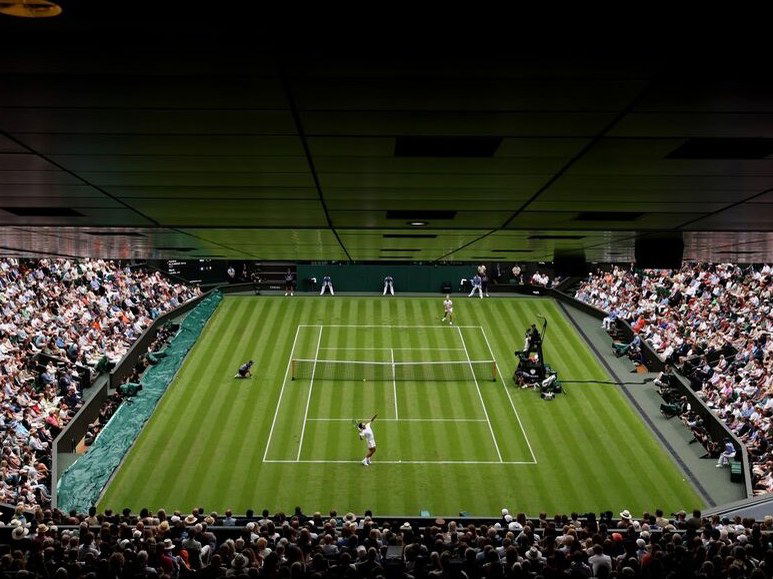
Centre Court debentures are the harder of the two to acquire. No. 1 Court debentures are somewhat more accessible on the secondary market, but both trade at prices that reflect how few come up. The AELTC does not publish exact seat counts for each debenture tranche, so the precise number of debenture seats per court is not publicly confirmed.
The secondary market is active but expensive. Resale platforms and specialist brokers list debentures throughout the year, and prices fluctuate based on how many years remain in the current period, which players are expected to compete, and general demand. Buying in the final year of a period costs less than buying in year one, but you also get fewer Championships out of it.
The Best Channels for Buying a Wimbledon Debenture
There are two routes: the primary market (direct from the AELTC) and the secondary market (resale).
Primary market (AELTC direct): When a new five-year debenture period opens, the AELTC offers debentures directly through its official debenture office at face price, the only way to buy at the original issue price. Applications are typically oversubscribed, so allocation is not guaranteed even at face price. The official application process is available through the Wimbledon debentures page linked above.
Secondary market (resale brokers): Between primary issuances, debentures trade through specialist sports hospitality brokers and ticket resale platforms. Prices reflect market demand and can run substantially above face value, particularly for Centre Court in the early years of a period. When buying secondhand, verify that the seller is transferring a genuine AELTC-registered debenture and confirm the transfer process with the Club directly.
The AELTC does not publish a list of approved secondary brokers, so due diligence on the seller is the buyer's responsibility. Established sports hospitality firms with a track record in tennis are the safer bet over general ticket marketplaces.
When the Primary Market Opens, and What the Secondary Market Looks Like Year-Round
The AELTC issues new debentures on a five-year cycle; the exact dates for each new period are announced through official Club communications rather than published on a rolling basis. The current No. 1 Court debenture period covers 2022 to 2026; the current Centre Court period covers 2026 to 2030. Confirm the next issuance window directly with the AELTC debenture office. Register your interest with the debenture office directly so you receive notification when the next period opens; do not rely on third-party sources for the exact date.
On the secondary market, debentures are available year-round, but supply tightens sharply in the months before The Championships (typically held in late June and early July). If you are buying for a specific year rather than the full remaining term, expect pricing to peak in the spring. Buying in autumn or winter for the following summer's Championships is generally the lower-pressure window, though not necessarily the cheapest if demand is high.
Seasonal access calendar: January through March is the quietest window for secondary market activity, fewer buyers are focused on summer tennis, and some holders who cannot attend list their seats. April and May see demand accelerate as the grass-court season approaches. By June, secondary prices are at their peak and availability is thin. If you miss the primary market and want a secondary debenture, the October-to-February window is where patient buyers have the most room to negotiate.
Buying Strategy: Primary vs. Secondary, and What Actually Improves Your Odds
For the primary market: register interest with the AELTC debenture office as early as possible and respond immediately when the application window opens. Oversubscription is the norm for Centre Court; No. 1 Court has historically been more accessible, though this varies by period. Applying for No. 1 Court in the primary market is a realistic path for most buyers; Centre Court primary allocation is less certain.
For the secondary market: the single most important variable is timing. Buying with two or three years remaining in a period gives you enough Championships to justify the premium, but not the full five-year price. Buying in the final year is the cheapest entry point but the lowest-value proposition per Championship. If you are buying primarily to attend once and experience the debenture holder facilities, a final-year secondary purchase is a defensible choice.
Verify transfer mechanics before committing to any secondary purchase. The AELTC must register the transfer, and the process has specific requirements. A broker who cannot explain the transfer process clearly is a red flag.
Corporate buyers and hospitality firms also compete for debentures, particularly Centre Court, which compresses supply further. Individual buyers are not at a structural disadvantage in the primary market, but in the secondary market, corporate buyers with standing relationships with brokers often see inventory first.
Inside the All England Club: What Debenture Holders Actually Get
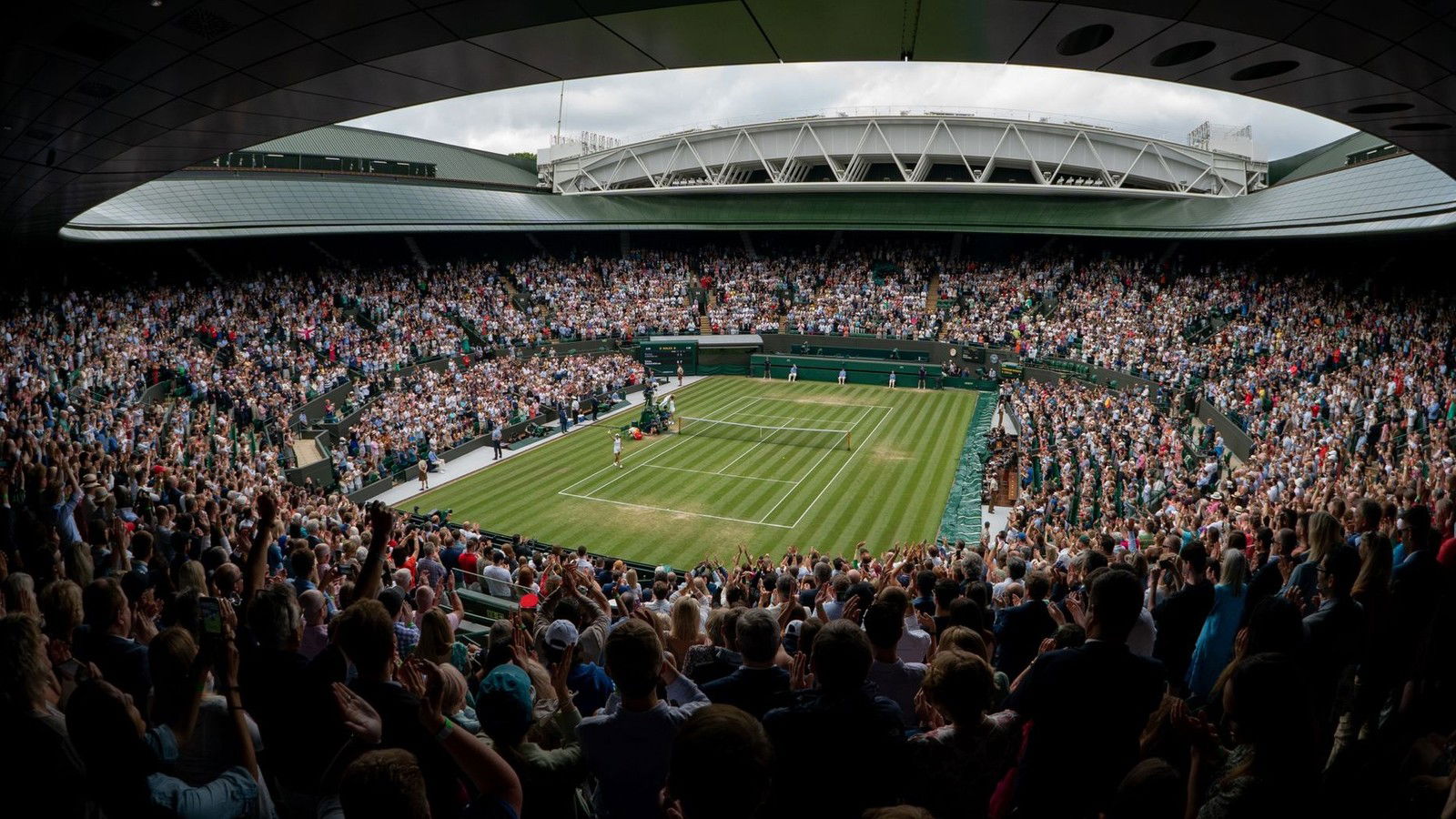
A debenture is not just a ticket. It is a reserved seat in a specific section of Centre Court or No. 1 Court, with access to the debenture holders' facilities, a private lounge, dedicated entrances, and a hospitality area separate from the general public areas of the grounds.
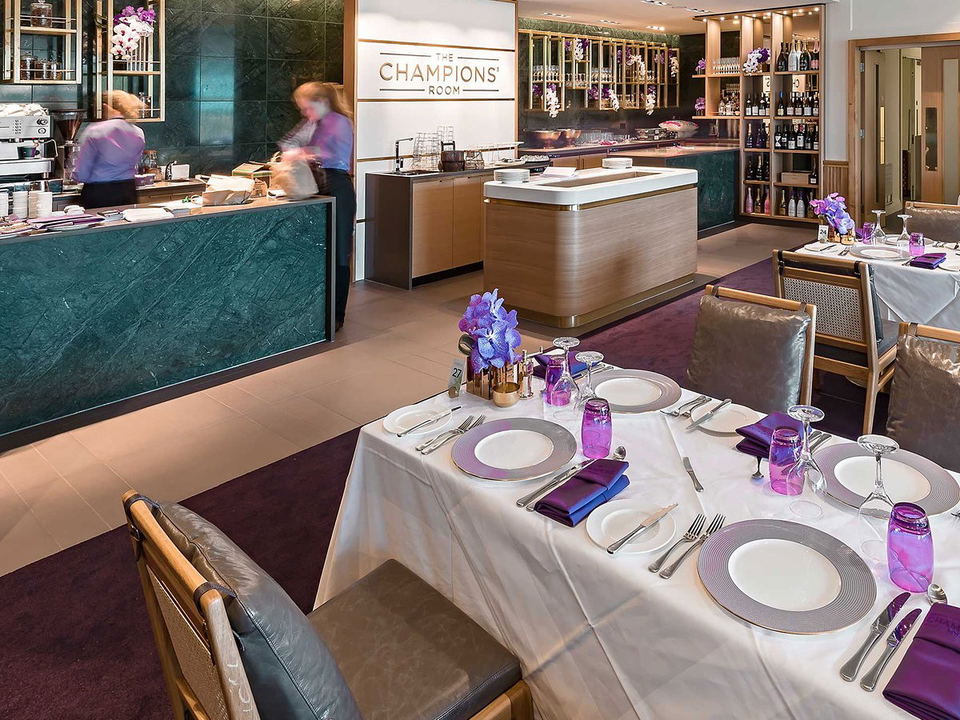
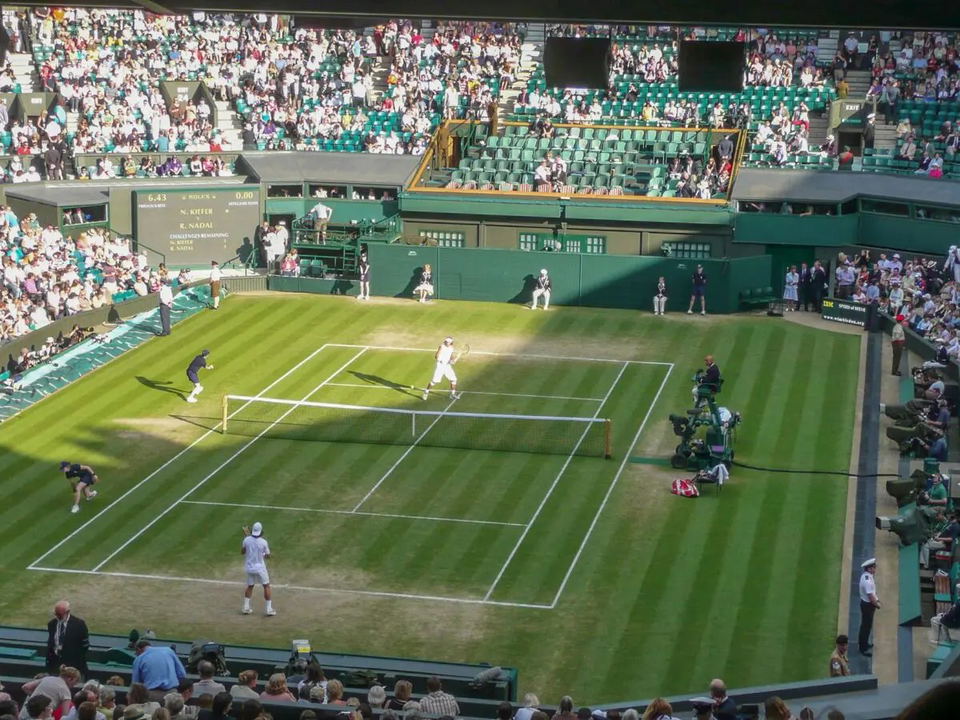
The seat is fixed for the life of the debenture period: the same seat, the same court, every day of The Championships for the duration. Centre Court debenture seats are positioned in the covered stands with sightlines that general ballot tickets cannot guarantee. The debenture holders' lounge provides a quieter retreat from the crowds, with food and drink service that operates at a different pace from the public concessions.
Access to the grounds is unrestricted for debenture holders, you can move between courts, watch matches on the outside courts, and use the general facilities in addition to the debenture-specific areas. The debenture does not confine you to your seat or your court; it simply guarantees that seat is yours when you want it.
Who you'll sit next to: The debenture holder sections draw a mix of corporate entertainment (firms using debentures for client hospitality), serious tennis followers who have held debentures across multiple periods, and international visitors for whom Wimbledon is a specific annual or biennial trip. The atmosphere in the debenture sections is attentive rather than raucous. Expect neighbours who know the game and are there to watch it, alongside a contingent who are there as much for the occasion as the tennis.
Realistic Alternatives to a Wimbledon Debenture
Wimbledon Access Routes Compared
| Route | Difficulty | Cost | Lead Time | How to Access |
|---|---|---|---|---|
| Debenture (primary market) | High (oversubscribed) | Centre Court 2026-2030: £116,000; No. 1 Court 2022-2026: £46,000 | 5-year commitment; apply when period opens | AELTC debenture office direct |
| Debenture (secondary market) | Medium (available year-round) | Above face value; peaks pre-Championships | Buy autumn/winter for best availability | Sports hospitality brokers |
| Public ballot | High (lottery) | Standard ticket prices | Applications typically open in the preceding year | Wimbledon public ballot |
| Queue (The Queue) | Medium (time cost) | Standard ticket prices | Same-day; arrive early | No booking, physical queue on the day |
| Hospitality packages | Low-medium (commercially available) | Premium over face; varies by package | Book months in advance | Official hospitality partner (Keith Prowse is the AELTC's official hospitality provider) |
The public ballot is the democratic alternative: applications open in the preceding year, the draw is random, and successful applicants receive tickets at standard prices. It does not guarantee Centre Court, and it does not carry the hospitality access of a debenture, but for a single visit it is the lowest-cost legitimate route.
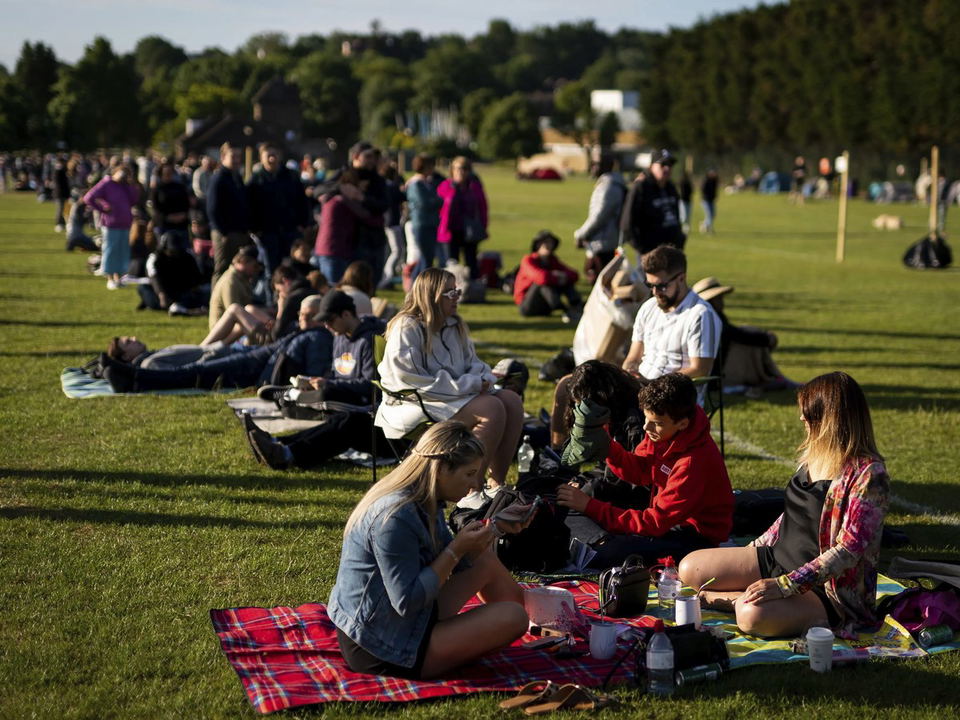
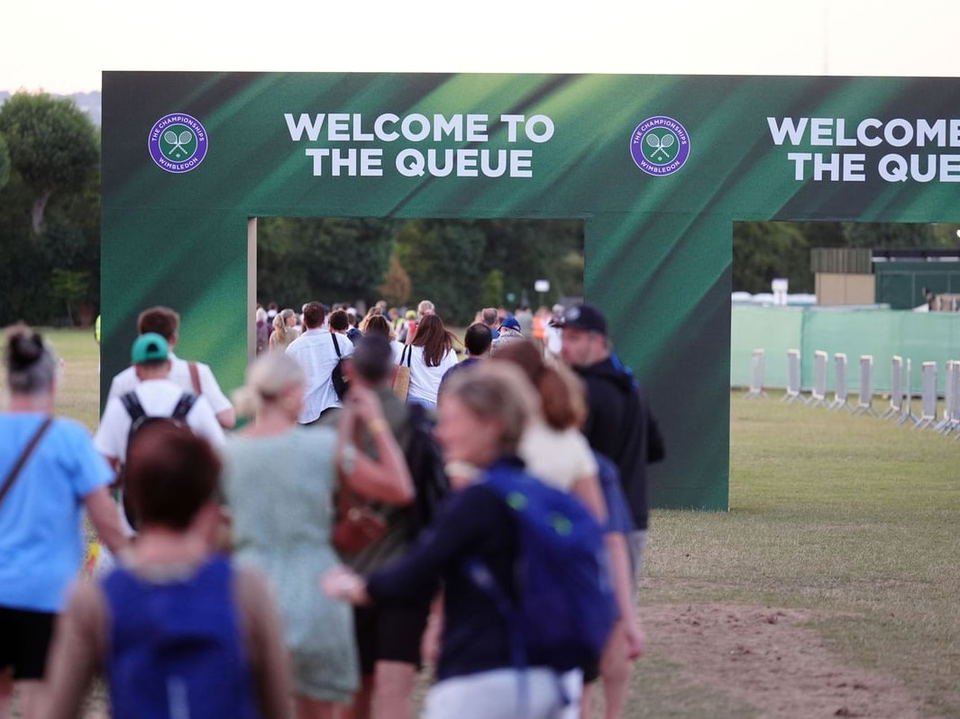
The Queue is the most Wimbledon-specific experience available to anyone: arrive early enough on the day, queue on Wimbledon Park, and buy a ground pass or a returned show-court ticket. It does not guarantee Centre Court access, but it gets you onto the grounds and onto the outside courts, where much of the best tennis at Wimbledon actually happens. For first-time visitors who want the atmosphere without the debenture price, The Queue is a serious option.
Official hospitality packages through Keith Prowse (the AELTC's official hospitality partner) include show-court tickets bundled with catering and hospitality facilities. These are commercially available without a ballot or debenture, the corporate-entertainment route for buyers who want a guaranteed seat and a hospitality experience without the five-year commitment of a debenture. Prices are not published as a flat rate; request a quote directly from Keith Prowse for current availability.
Who Should Buy a Wimbledon Debenture, and for Which Occasions
A debenture makes sense if you plan to attend The Championships most years across the five-year period, value a fixed guaranteed seat over the uncertainty of the ballot, and want access to the debenture holder facilities as part of the experience. The per-Championship cost spread across five years of attendance is more defensible than the headline price suggests, but only if you actually use it.
Corporate buyers using debentures for client entertainment get clear value: a guaranteed premium seat, private facilities, and a venue that carries its own prestige without requiring explanation. For individual buyers, the calculus depends on how central Wimbledon is to your annual calendar.
Skip the debenture if you want to attend once or twice, are flexible on which court you watch, or are primarily interested in the outside courts and the grounds atmosphere. The Queue and the ballot serve those needs at a fraction of the cost. The debenture is for the committed annual attendee, not the occasional visitor.
Worth the Investment?
Wimbledon debentures are the rare case of an elite sporting access product that is genuinely available to the public, not invitation-only, not closed to outsiders, not dependent on knowing the right people. The primary market is oversubscribed but open; the secondary market is expensive but functional. For a buyer who will attend most years of the five-year period, the debenture delivers what it promises: a guaranteed seat, private facilities, and the ability to plan around Wimbledon without the anxiety of the ballot.
The caveat is price. Secondary market debentures, particularly for Centre Court in the early years of a period, carry a premium that is hard to justify for occasional attendance. If you are buying for a single year's experience, an official hospitality package through Keith Prowse is a more proportionate spend. If you are buying for the long term, the primary market, when it opens for the next five-year period, is the right entry point, and registering interest with the AELTC debenture office now is the only preparation that matters.
The debenture is not the only way into Wimbledon, but it is the only way to make Wimbledon a reliable annual fixture rather than an annual gamble, and for the right buyer, that certainty is exactly what the price buys.
Frequently Asked Questions
How do Wimbledon debentures differ from standard ballot tickets?
A debenture gives you a reserved, fixed seat on Centre Court or No. 1 Court for every day of The Championships across a five-year period, plus access to the debenture holders' private lounge and facilities. A ballot ticket is a single-year allocation for a specific day, with no guaranteed court or seat position, and no hospitality access beyond standard public facilities. The debenture is a multi-year commitment; the ballot is a one-off draw.
Can you buy a Wimbledon Centre Court debenture for a single year rather than the full five-year period?
In the primary market, debentures are issued for the full five-year period only. On the secondary market, you can buy a debenture with fewer years remaining, including a single year if you purchase late in the current period. The AELTC must register any transfer, so confirm the transfer process with the Club before completing a secondary purchase.
When does the next Wimbledon debenture primary issuance open?
The current No. 1 Court debenture period covers 2022 to 2026; the current Centre Court debenture period covers 2026 to 2030, so the next primary issuance is expected to be announced in the near term. The AELTC does not publish a specific application window opening date in advance on a rolling basis. Register your interest directly with the AELTC debenture office to receive notification when the next period opens, do not rely on third-party sources for the exact date.
Does a Wimbledon debenture guarantee access to Centre Court specifically?
Debentures are issued per court: a Centre Court debenture gives you a seat on Centre Court; a No. 1 Court debenture gives you a seat on No. 1 Court. They are not interchangeable. If Centre Court is your priority, you need a Centre Court debenture specifically, No. 1 Court debentures do not carry Centre Court access.
Is The Queue a realistic alternative to a Wimbledon debenture for first-time visitors?
For first-time visitors who want the Wimbledon atmosphere without the debenture price, The Queue is a legitimate option. Arriving early enough on the day gives access to the grounds and the outside courts, where competitive matches take place throughout the first week. Returned show-court tickets are also available through The Queue, though Centre Court access is not guaranteed. It is a time investment rather than a financial one, and it delivers a different experience from the debenture holder sections, more spontaneous, less structured.