Californios became the first Mexican restaurant in the world to earn three Michelin stars at the MICHELIN Guide California ceremony in San Diego on June 24, 2026. Chef Val Cantú's San Francisco tasting menu destination broke an absence of more than a century for Mexican cuisine at fine dining's highest tier, a milestone that validates an entire category's place in the global gastronomic conversation. The question for collectors and diners: does this change where you book next?
Californios Three Michelin Stars: A First for Mexican Cuisine
The MICHELIN Guide California ceremony in San Diego delivered two three-star promotions: Californios in San Francisco and Enclos in Sonoma. Enclos, led by chef Brian Limoges, reached three stars after being open for around 18 months, a rapid ascent by any standard. Californios took a longer route. Cantú launched pop-ups in 2013, opened the brick-and-mortar restaurant in 2015, and earned the first Michelin star in year one. The three-star recognition arrives 11 years after those initial pop-ups and a decade after the permanent location opened.
The significance extends beyond Californios itself. Mexican cuisine has been absent from Michelin 's three-star tier since the guide launched in 1900. French, Japanese, Italian, and Chinese cuisines have all earned three-star recognition across multiple continents. Mexican fine dining, despite its technical complexity and regional depth, had not. Californios changes that calculus. The restaurant's three-star status signals that Mexican cuisine, when executed with the precision and creativity Michelin values, can compete at the highest level.
For diners, this matters because it shifts the conversation. Mexican fine dining is no longer a niche category or a regional curiosity. It's a peer to French haute cuisine, Japanese kaiseki, and Italian alta cucina. If you're planning a three-star tour of California, Californios now belongs on the itinerary alongside The French Laundry in Yountville and Addison in San Diego. The tasting menu format, the technical execution, and the ingredient sourcing all meet the standard Michelin applies to its top tier.
Peer Set Snapshot
| Restaurant | Location | Chef | Stars | Year Opened | Time to Three Stars |
|---|---|---|---|---|---|
| Californios | San Francisco (Mission District) | Val Cantú | 3 | 2015 | 11 years |
| Enclos | Sonoma | Brian Limoges | 3 | ~2024-2025 | ~18 months |
| The French Laundry | Yountville | Thomas Keller | 3 | 1994 | N/A |
| Addison | San Diego | William Bradley | 3 | 2006 | N/A |
| Pujol | Mexico City | Enrique Olvera | 2 | 2000 | N/A |
The Decade-Long Journey from Pop-Ups to Three Stars
Cantú is a Texas native who worked in kitchens from Uchi in Austin, Texas, to Sons & Daughters in San Francisco before launching Californios. He spent time at Pujol in Mexico City, a two-star restaurant led by chef Enrique Olvera and widely regarded as one of the most important Mexican fine dining destinations in the world. Pujol's influence on Californios is direct: the focus on indigenous ingredients, the technical rigor applied to traditional preparations, and the tasting menu structure all trace back to Olvera's model.
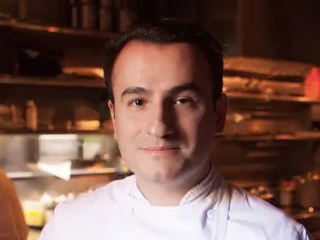
Cantú returned to San Francisco and began hosting pop-ups in 2013. The pop-up format allowed him to test the concept, a Mexican tasting menu in a city dominated by French, Italian, and Japanese fine dining, without the overhead of a permanent space. The pop-ups built a following. In 2015, Californios opened as a brick-and-mortar restaurant in San Francisco's Mission District. The restaurant earned a Michelin star in its first year, a recognition that validated the concept and positioned Californios as a serious contender in the Bay Area's competitive fine dining scene.
The trajectory from one star to three took a decade. Michelin's three-star designation is not just about technical execution, it's about consistency, vision, and the ability to deliver an experience that justifies a special journey. Californios had to prove that a Mexican tasting menu could hold that standard year after year. The 2026 three-star promotion suggests the restaurant has done exactly that.
For diners tracking Michelin announcements, the timeline matters. A restaurant that earns three stars after 18 months (like Enclos) is an outlier. A restaurant that earns three stars after a decade of refinement (like Californios) is the norm. Benu and Atelier Crenn, both in San Francisco, each spent years at two stars before earning their third. Californios followed a similar path, building credibility and consistency before earning Michelin's top recognition.
What Makes Californios Worth the Recognition
Californios operates as a tasting menu destination in San Francisco's Mission District. The format is structured, multi-course, and ingredient-focused, the same model used by French three-star restaurants and Japanese kaiseki establishments. The difference is the cuisine: Californios applies that format to Mexican ingredients, techniques, and flavor profiles.
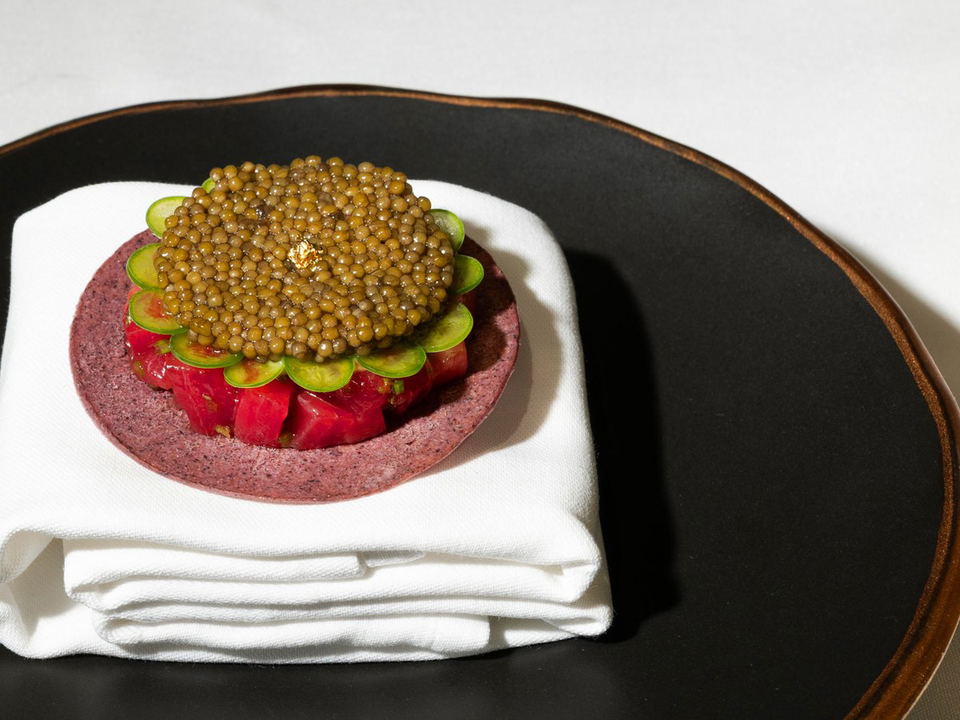
The restaurant's location in the Mission District is deliberate. The Mission has long been San Francisco's center for Mexican food, from taquerias to bakeries to family-run restaurants. Californios sits in that context but operates at a different price point and service level. The tasting menu format requires advance reservations, a fixed seating time, and a commitment to a multi-hour experience. That's a different proposition than a walk-in taqueria, but it's the model Michelin rewards at the three-star level.
The recognition suggests Californios has solved the challenge that has kept Mexican cuisine out of Michelin's top tier: how to translate regional Mexican cooking into the fine dining format without losing authenticity. French haute cuisine, Japanese kaiseki, and Italian alta cucina all have established fine dining vocabularies. Mexican cuisine has not had the same global fine dining infrastructure. Pujol in Mexico City pioneered that vocabulary in the early 2010s. Californios has now proven the model works outside Mexico.
For diners, the practical question is whether Californios justifies a special trip. Michelin's three-star designation is explicitly defined as 'worth a special journey', cuisine that merits planning a trip around. That's a higher bar than two stars ('excellent cooking, worth a detour') or one star ('high-quality cooking, worth a stop'). If you're planning a San Francisco trip around restaurant reservations, Californios now belongs in the same conversation as Atelier Crenn and Benu. If you're planning a California wine country trip, Californios is worth the detour into the city.
Chef Val Cantú's Training and Vision
Cantú's career path shaped Californios' approach. His time at Uchi in Austin exposed him to Japanese technique and ingredient sourcing. Uchi is known for its precision and its ability to source high-quality fish and produce, skills that translate directly to a tasting menu format. His time at Sons & Daughters in San Francisco gave him experience in the Bay Area fine dining scene and the expectations of Michelin inspectors. Sons & Daughters held a Michelin star for several years and operated as a tasting menu restaurant, giving Cantú a model for how to structure a multi-course experience.
The time at Pujol in Mexico City was the most formative. Pujol is widely regarded as the restaurant that defined modern Mexican fine dining. Chef Enrique Olvera's approach, sourcing indigenous ingredients, applying French technique to Mexican preparations, and building a tasting menu around seasonal availability, became the blueprint for Mexican fine dining globally. Cantú absorbed that model and brought it to San Francisco.
The pop-up phase in 2013 allowed Cantú to test the concept without the financial risk of a permanent space. Pop-ups are a common strategy for chefs launching new concepts, especially in expensive markets like San Francisco. The pop-ups built a following and proved there was demand for a Mexican tasting menu in the city. When Californios opened as a brick-and-mortar restaurant in 2015, it had an audience ready to book.
The first Michelin star in year one was a signal that the concept worked. Michelin rarely awards stars to first-year restaurants unless the execution is already at a high level. The star validated Cantú's approach and positioned Californios as a serious contender in the Bay Area's fine dining scene. The progression from one star to two to three took a decade, but the foundation was in place from the start.
For diners, Cantú's background matters because it explains the restaurant's approach. Californios is not a regional Mexican restaurant that added a tasting menu. It's a fine dining restaurant that uses Mexican cuisine as its foundation. The technique, the sourcing, and the service model all come from the fine dining playbook. The cuisine is Mexican, but the format is global.
What This Means for Mexican Fine Dining
Californios' three-star recognition shifts the conversation about Mexican cuisine's place in fine dining. For decades, Mexican food in the United States has been associated with casual dining, taquerias, food trucks, and family-run restaurants. Mexican fine dining has existed in Mexico City, Oaxaca, and other Mexican cities, but it has not had the same visibility or recognition outside Mexico. Californios changes that.
The three-star designation gives Mexican fine dining credibility in the global gastronomic conversation. Chefs opening Mexican tasting menu restaurants in New York, London, or Tokyo can now point to Californios as proof that the format works at the highest level. Investors funding Mexican fine dining concepts have a three-star benchmark to reference. Diners planning trips around Michelin three-star restaurants now have a Mexican option on the list.
The recognition also raises expectations for other Mexican fine dining restaurants. Pujol in Mexico City holds two Michelin stars and has been widely regarded as the category leader for over a decade. Quintonil, also in Mexico City, holds two stars. Both restaurants are now positioned to pursue three stars, and Californios' achievement suggests it's possible. The question is whether Michelin will award three stars to restaurants in Mexico or whether the recognition will remain concentrated in international markets like San Francisco.
For diners, the practical implication is that Mexican fine dining is now a category worth tracking. If you follow Michelin announcements, World's 50 Best rankings, or James Beard awards, Mexican cuisine is no longer a regional curiosity. It's a peer to French, Japanese, and Italian fine dining. That means more restaurants, more tasting menus, and more opportunities to experience Mexican cuisine at the highest level.
The broader question is whether Californios' three-star recognition will accelerate the growth of Mexican fine dining or whether it will remain an outlier. French fine dining has dozens of three-star restaurants globally. Japanese fine dining has multiple three-star sushi and kaiseki establishments. Mexican fine dining has one. The next few years will determine whether Californios is the start of a trend or a singular achievement.
For now, the milestone is clear: Californios is the first Mexican restaurant in the world to earn three Michelin stars. That's a fact that changes the category's trajectory and gives diners a new reason to book a table in San Francisco. If you track Michelin three-star restaurants, Californios just moved to the top of your California shortlist. If you care about Mexican fine dining, this is the moment the category reached the summit.
Frequently Asked Questions
When did Californios receive three Michelin stars?
Californios earned three Michelin stars at the MICHELIN Guide California ceremony in San Diego on June 24, 2026. This made it the first Mexican restaurant in the world to achieve this distinction in more than a century of Michelin history.
How long did it take Californios to earn three Michelin stars?
Californios took 11 years from its initial pop-ups in 2013 to earn three Michelin stars in 2026. The restaurant opened its brick-and-mortar location in 2015 and earned its first Michelin star in year one, then spent a decade refining its tasting menu before reaching the three-star tier.
Who is the chef behind Californios three Michelin stars?
Chef Val Cantú leads Californios. The Texas native worked at Uchi in Austin and Sons & Daughters in San Francisco before spending time at Pujol in Mexico City under chef Enrique Olvera, whose focus on indigenous ingredients and technical rigor directly influenced Californios' approach.
What other California restaurant earned three Michelin stars in 2026?
Enclos in Sonoma, led by chef Brian Limoges, also earned three Michelin stars at the same 2026 ceremony. Enclos reached three stars after being open for around 18 months, making it an outlier compared to Californios' decade-long journey.
Where is Californios located in San Francisco?
Californios is located in San Francisco's Mission District. The restaurant opened its permanent brick-and-mortar location there in 2015 after chef Val Cantú tested the concept through pop-ups starting in 2013.