All Well Chicago opened in April from the team behind Michelin-starred Oriole. Worth booking if you want refined cooking without the tasting-menu price tag or formality, skip if you need white-tablecloth service or a narrative arc across 12 courses. Feldmeier says he and Noah wanted All Well to be completely different from Oriole, serving well-done food in a comforting space that feels fun rather than uptight. The restaurant offers five-course meals in one room and bar service until midnight in another, targeting both date-night diners and hospitality workers finishing late shifts.
Feldmeier and Sandoval come from Oriole, a fine dining restaurant recognized by both the Michelin Guide and the James Beard Awards. All Well represents a deliberate departure from that format. The space sits in downtown Chicago's most popular food area, secured in January and opened in April after a compressed construction and hiring timeline. The restaurant's name comes from a text-message check-in Feldmeier and Sandoval used when one was out of town at Oriole, a signal that everything was running smoothly. That same ethos carries through to All Well: the goal is comfort and confidence, not theater.
Why All Well Chicago Chose Casual Prix Fixe Over Tasting Menus
The Oriole team identified a format gap in Chicago's dining landscape. Tasting menus deliver technique but often carry formality and price barriers that exclude neighborhood regulars and industry workers. All Well strips the formality while keeping the skill. Feldmeier and Sandoval wanted something completely different from Oriole, not Oriole 2.0, as Feldmeier put it. The menu prioritizes dishes they want to eat when they go out, not a narrative arc or childhood-memory reimagining. "We want people to realize that this isn't uptight. It's fun, and you can be loud and messy," said Larry Feldmeier1.
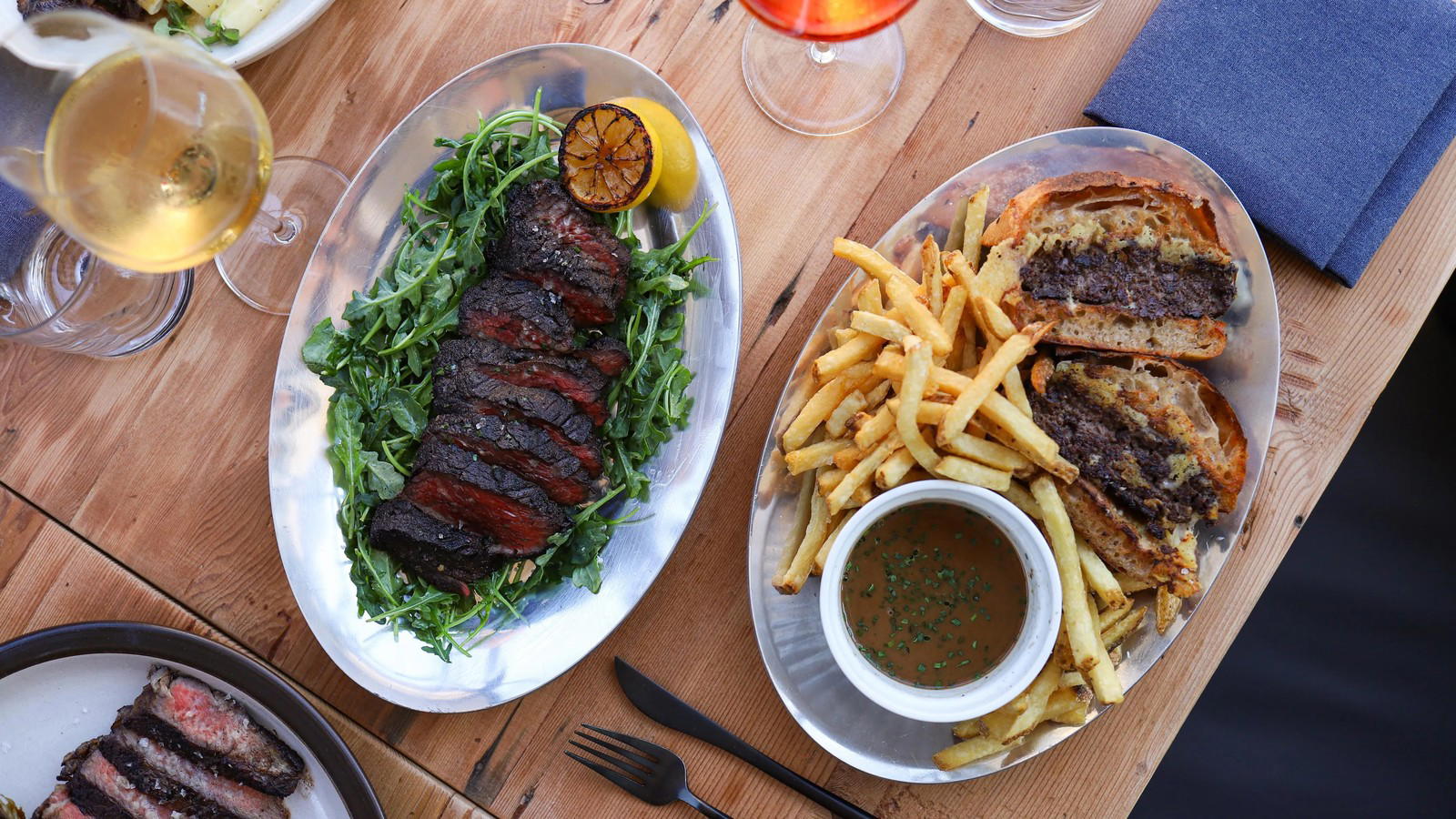
Initially about 60 percent of All Well's clientele were Oriole regulars, according to Feldmeier. That balance is shifting as the restaurant establishes its own identity. The challenge is making sure guests understand All Well is not a tasting-menu restaurant with a different name. The format is prix fixe, but the execution is looser, family-style pasta dishes, fried fish at the bar, dishes that invite mess rather than precision plating. The technique is still there, but the presentation is designed to feel approachable rather than reverential.
Chicago's prix fixe landscape has historically leaned formal or expensive. All Well occupies a middle position: refined cooking at a price point that doesn't require a special occasion, served in a space where you can be loud. That positioning matters in a city where late-night dining options have contracted sharply over the past five years. Five to ten years ago, restaurants in this neighborhood stayed open until 1 or 2 a.m. Now it's nearly impossible to find anything decent after 10 p.m., according to Feldmeier.
The Five-Course Format: What You Actually Get
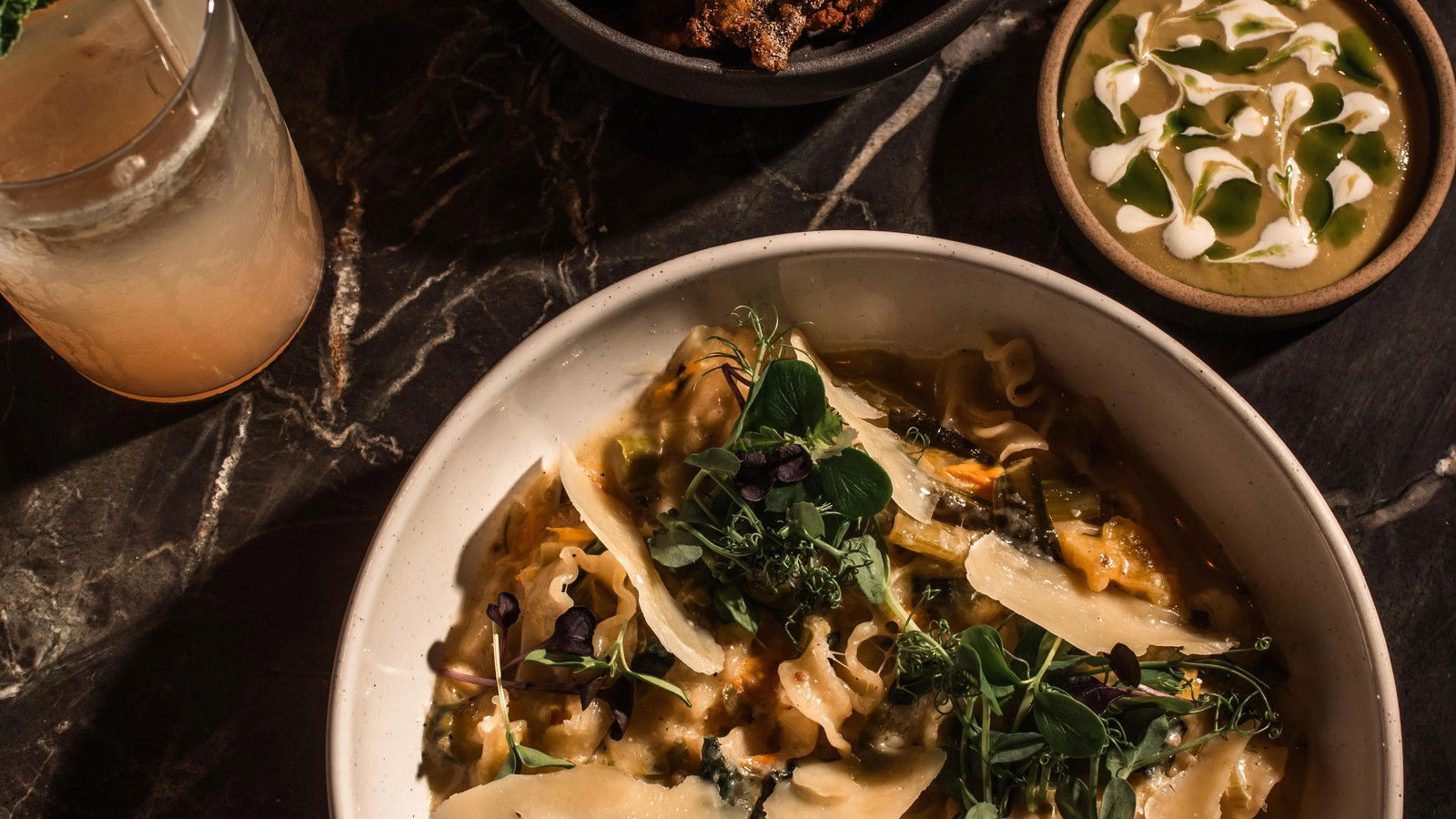
The five-course structure at All Well balances refinement with approachability through specific course progression and portion sizing. The signature dish is a family-style stuffed pasta with Délice de Bourgogne and potato filling, glazed in beurre monté with English peas, Banyuls vinegar, and pea tendrils.
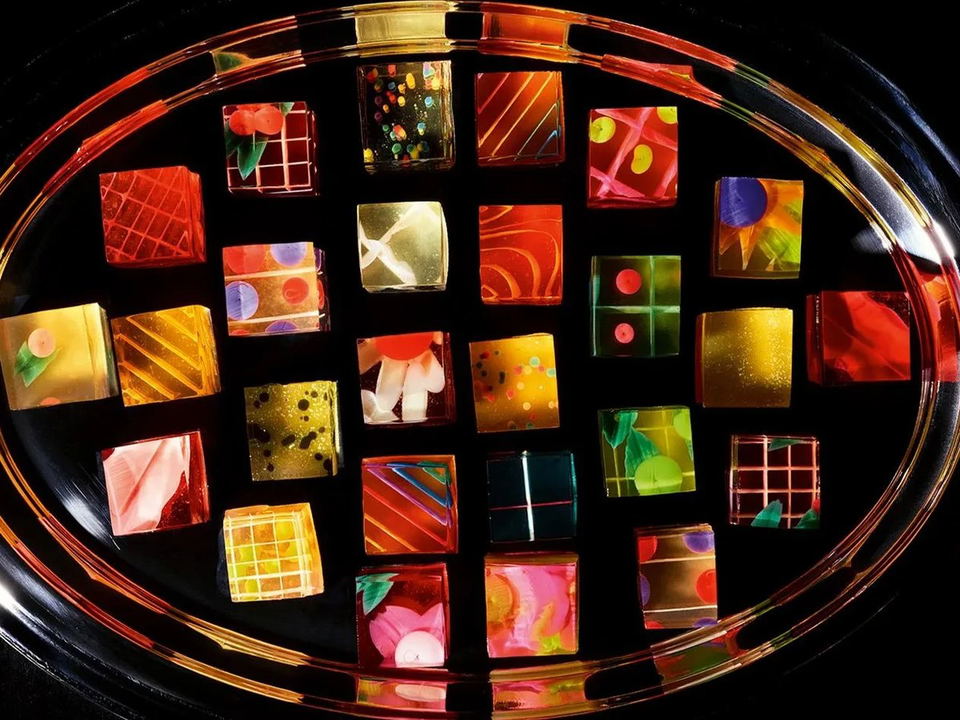
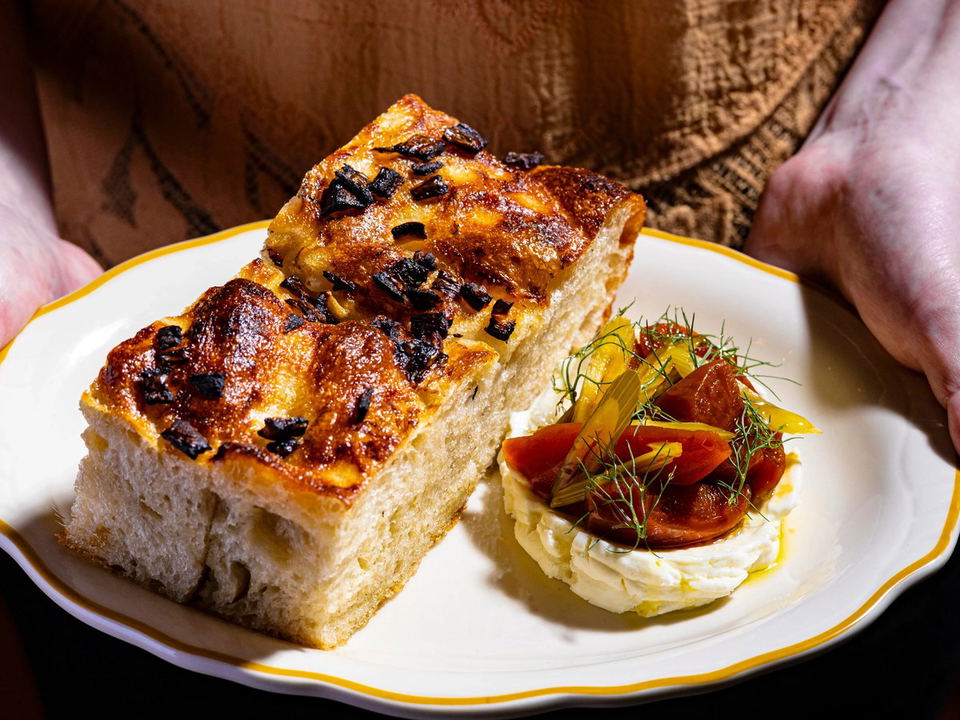
It arrives in a copper pot with sourdough toast from Milli bakery, lathered in buckwheat honey butter with puffed greens for texture. A side of smoked chicken broth comes separately so diners can scoop pasta into bowls, add broth if they want, and dip bread.
The dish encapsulates the All Well approach: technique you might not notice while eating, but present in the filling, the glaze, the broth, and the bread treatment.
The pasta course is served family-style, which signals the restaurant's intent to strip formality from the prix fixe format. You're not receiving a plated composition meant to be admired before eating, you're scooping from a shared pot. That choice matters for the audience All Well is targeting: diners who want skilled cooking but don't want to feel like they're performing for the kitchen or the room. The bread comes from Milli, a Chicago bakery, which grounds the dish in local sourcing without making sourcing the story.
The five-course structure allows the kitchen to showcase technique across multiple courses without the pacing or price commitment of a 12-course tasting menu. Feldmeier noted that the food is the easiest part of opening a restaurant, the business is the hard part. That perspective shapes the menu design. Five courses hit a sweet spot: enough progression to feel like an event, short enough to keep kitchen labor manageable and prices accessible.
For diners deciding whether to book, the five-course format works best if you want skilled cooking without the commitment of a tasting menu. If you prefer a la carte flexibility or need to control portion sizes tightly, the bar menu offers an alternative. If you want the full Oriole experience, narrative pacing, intricate plating, wine pairings designed around a 12-course arc, book Oriole instead.
Late-Night Service: How All Well Serves Industry Workers
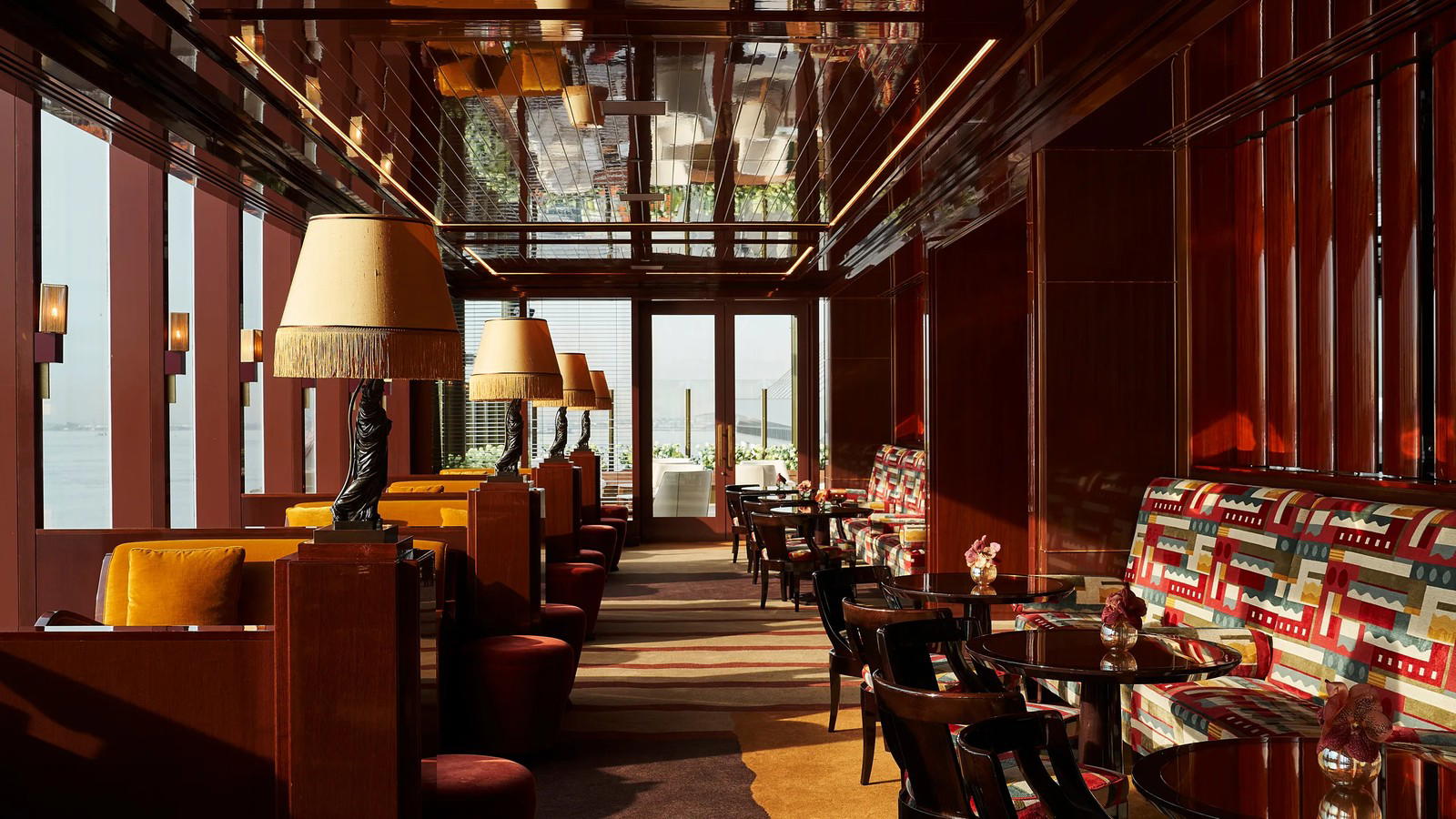
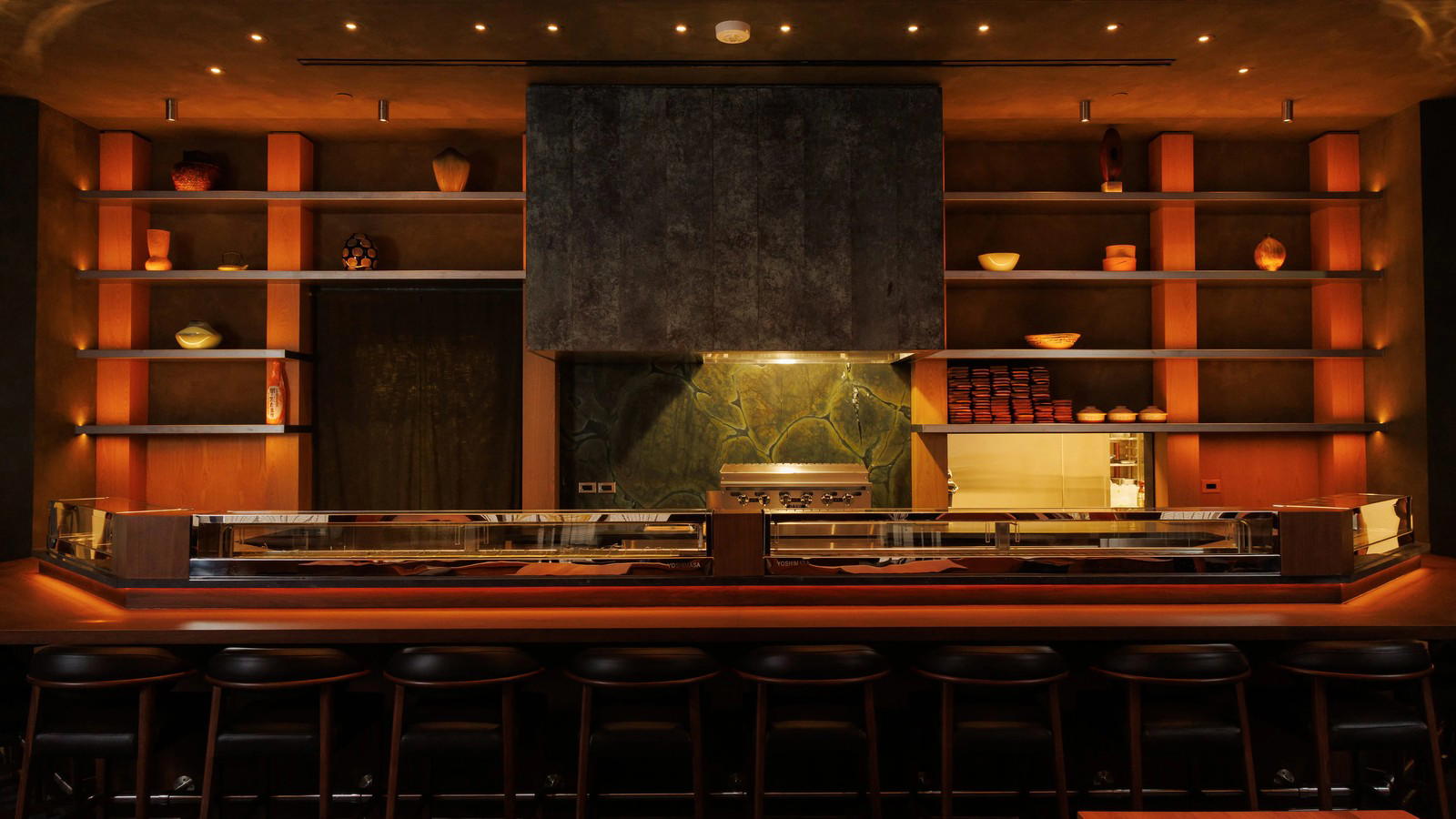
The bar at All Well serves food until midnight a la carte, targeting hospitality workers finishing late shifts. The space naturally divides into two rooms with pillars down the middle, which shaped the dual-format approach. One room handles the five-course prix fixe service; the other operates as a bar where neighborhood diners can grab a sandwich or a drink before heading home. Feldmeier and Sandoval wanted cooks to be able to come in after work and find something decent to eat, a service that has largely disappeared from downtown Chicago over the past decade.
The late-night bar format addresses a specific audience gap. Industry workers, line cooks, servers, bartenders finishing shifts at other restaurants, need food after 10 p.m. but often have limited options beyond fast food or late-night diners.
All Well offers fried fish, sandwiches, and bar snacks from a kitchen that understands technique and flavor balance. The bar director is Maxx Kleiner, who worked with Feldmeier at Oriole. GM Mary Christie, who worked with Sandoval years ago, oversees the front-of-house operation.
Both hires came through word-of-mouth referrals, which built a team that understood the dual-format vision before opening day.
The extended hours also serve neighborhood regulars who want a drink and a snack without committing to a five-course meal. That flexibility is central to All Well's positioning. The restaurant wants to be a space where you can come in for a full meal or just stop by for a drink and a bite. For industry workers, All Well is worth tracking if you finish shifts after 10 p.m. and want food from a kitchen that takes cooking seriously. For diners deciding between the prix fixe and the bar, the bar works better if you want flexibility or are eating solo. The prix fixe is better for groups or date nights when you want a structured meal.
Practical Details: Pricing, Hours, and Reservations
All Well secured its space in January, started construction in February and March, and opened in April after a compressed timeline. The hiring process relied heavily on word-of-mouth referrals. Feldmeier reached out to Maxx Kleiner, whom he had worked with at Oriole. Noah Sandoval brought in Mary Christie, the GM, based on their prior working relationship. The sous chef also came from Feldmeier's network. Some team members didn't start until opening day because they were coming from other positions, which created a trial-by-fire training approach.
The restaurant ran friends-and-family service the week after hiring most of the team, which gave the kitchen and front-of-house about a week to dial in systems before opening to the public. Feldmeier noted that minimal training can work better than extended onboarding if you have talented people who know what they're doing. The first few weeks involved moving and setting up new stations in the back kitchen as the team learned what worked best.
The week before opening, glassware and plates that had been ordered months in advance were suddenly unavailable, forcing last-minute substitutions. Those hiccups are standard for new openings, but the team's ability to adapt quickly kept the opening smooth once the doors opened. Feldmeier emphasized that the food is the easiest part of opening a restaurant; the business is the hard part. Understanding financials, costs, and what it takes to make money matters more than how good the food is, he noted.
For diners planning a visit, All Well is located in downtown Chicago's most popular food area. The five-course prix fixe is available in the dining room; the bar serves food a la carte until midnight. Reservations are recommended for the prix fixe service. The bar operates on a walk-in basis, which makes it accessible for spontaneous visits or post-shift meals. The restaurant's positioning, refined cooking without tasting-menu formality, makes it a strong choice for date nights, neighborhood dinners, or industry gatherings when you want technique but not a three-hour commitment.
All Well demonstrates that casual prix fixe can succeed in Chicago by maintaining Michelin-level technique while eliminating the formality and price barriers of traditional tasting menus. Worth booking if you want the Oriole team's skill without the tasting-menu format. Skip if you need white-tablecloth service or prefer a la carte control over every course. For industry workers, the bar is worth tracking if you finish shifts after 10 p.m. The restaurant is still establishing its identity separate from Oriole, but the format and execution are already clear: technique without theater, refinement without intimidation.