
Bar in Winter Park, United States
Soseki Omakase
100Pearl PointsFocused omakase
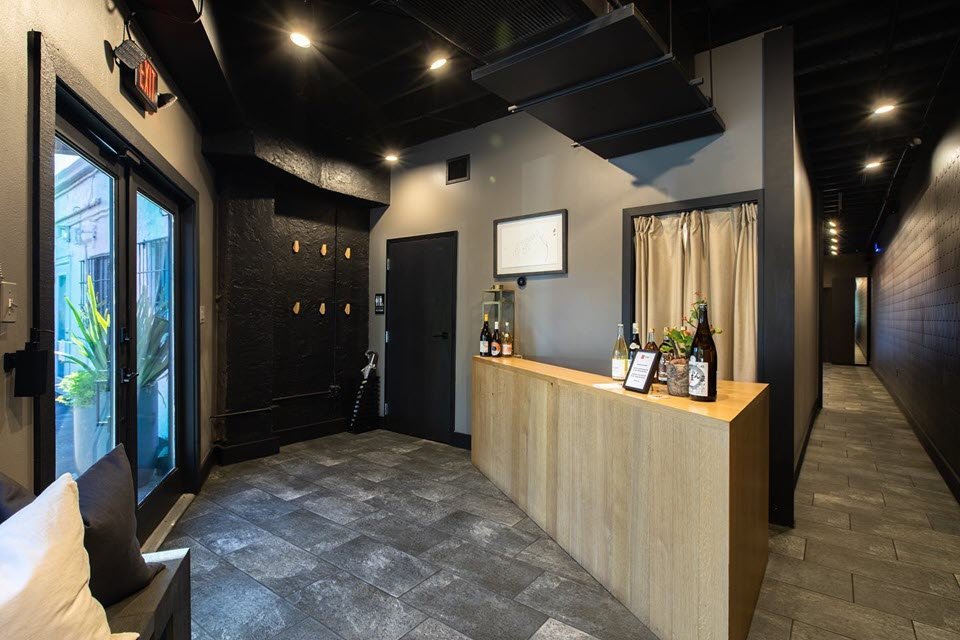
About Soseki Omakase
Soseki Omakase is the Winter Park choice for a focused, structured dinner rather than a casual, flexible night out. It suits dates, small parties, and diners who want the meal to drive the evening; larger groups or drink-led plans should compare The Courtesy, VINIA Wine & Kitchen, or Rocco's Italian Grille & Bar first.
Soseki Omakase is a Winter Park venue with a narrow verified public profile: it is open Wednesday through Saturday from 5:30–10 PM, closed Sunday through Tuesday, and lists a smart casual dress code. For planning, those basics matter more than unverified assumptions about menu details, seating format, pricing, or service style.
Use Soseki Omakase when the timing and dress code fit the evening you are planning. If your group wants to compare other options before deciding, Rocco's Italian Grille & Bar, Mynt Fine Indian Cuisine, or Reel Fish Coastal Kitchen and Bar may be useful alternatives to consider.
A better fit for a planned evening than a flexible night out
Because the verified hours are limited to Wednesday through Saturday evenings, Soseki Omakase is best treated as a planned Winter Park stop rather than a fallback for lunch, Sunday dining, or a late-night meal. The smart casual dress code also makes it worth confirming expectations before you go.
For diners comparing options, The Courtesy may be another venue to consider for the same evening. VINIA Wine & Kitchen may also be a useful cross-shop. Soseki Omakase remains a specific Winter Park option when its evening schedule and dress code match your plans.
Who should consider it, and who should look elsewhere
Consider Soseki Omakase if your party is comfortable planning around a Wednesday-to-Saturday 5:30–10 PM window and a smart casual dress code. Look elsewhere if you need Sunday, Monday, Tuesday, lunch, or post-10 PM availability, or if you need verified details that are not currently established here.
For a wider scan before deciding, use the full Winter Park restaurants guide for dinner alternatives, the Winter Park bars guide if you are comparing bars, and the Winter Park experiences guide if the meal is part of a broader plan. The short version: choose Soseki Omakase when its Winter Park location, evening hours, and smart casual dress code fit; choose another option when flexibility matters more.
Frequently Asked Questions
What's the best time to go to Soseki Omakase?
Plan around its verified hours: Soseki Omakase is open Wednesday through Saturday from 5:30–10 PM and closed Sunday through Tuesday.
Is Soseki Omakase good for a date?
It can be a good fit if you want a planned Winter Park evening and are comfortable with a smart casual dress code. Check the venue's current details before making plans.
Does Soseki Omakase have happy hour deals?
There is no verified happy hour information here. If you need more flexibility, compare other options such as Mynt Fine Indian Cuisine or Rocco's Italian Grille & Bar.
Is Soseki Omakase open late?
Not especially. Its verified hours end at 10 PM on Wednesday through Saturday, and it is closed Sunday through Tuesday.
Is the food good at Soseki Omakase?
This guide verifies the Winter Park location, evening hours, and smart casual dress code, but it does not verify specific dishes, pricing, ratings, or menu details. If you want to compare another venue, VINIA Wine & Kitchen is another option to consider.
Does Soseki Omakase have outdoor seating?
Outdoor seating is not verified here. Check the venue's official channels for the latest details, or compare other dining options such as Reel Fish Coastal Kitchen and Bar if seating setup is important.
Do I need a reservation at Soseki Omakase?
Reservation requirements are not verified here. Because Soseki Omakase has a limited Wednesday-to-Saturday evening schedule, check the venue's official channels before you go.
Location
955 W Fairbanks Ave, Winter Park, FL 32789
Winter Park, United States
Compare Soseki Omakase
| Venue | Booking Difficulty |
|---|---|
| Soseki Omakase | Easy |
| Rocco's Italian Grille & Bar | Unknown |
| Mynt Fine Indian Cuisine | Unknown |
| Reel Fish Coastal Kitchen and Bar | Unknown |
| VINIA Wine & Kitchen | Unknown |
| The Courtesy | Unknown |
A quick look at how Soseki Omakase compares on price and recognition.
Also Consider
- Rocco's Italian Grille & Bar, Notable alternative
- Mynt Fine Indian Cuisine, Notable alternative
- Reel Fish Coastal Kitchen and Bar, Notable alternative
- VINIA Wine & Kitchen, Notable alternative
- The Courtesy, Notable alternative
How It Compares
Soseki Omakase is the more deliberate choice in this Winter Park set: better for a planned, food-led dinner than for a flexible group meal. Rocco's Italian Grille & Bar is likely the safer pick for diners who want a familiar full-service restaurant rhythm, while Mynt Fine Indian Cuisine works better when the group wants broader ordering range and shared dishes.
For a more casual seafood-and-bar feel, Reel Fish Coastal Kitchen and Bar is the easier recommendation, especially if the table values flexibility over a paced meal. VINIA Wine & Kitchen is the stronger cross-shop for wine-driven dining, where the bottle list and conversation matter as much as the kitchen.
If drinks are the reason to go out, The Courtesy is the cleaner choice. Pick Soseki for a quieter, meal-first occasion; pick the peers when value means menu choice, looser timing, or a bar-forward room.
Explore Winter Park
Save or rate Soseki Omakase on Pearl
Keep this venue in your Pearl passport, rate it after you visit, and track it alongside every other place you collect.