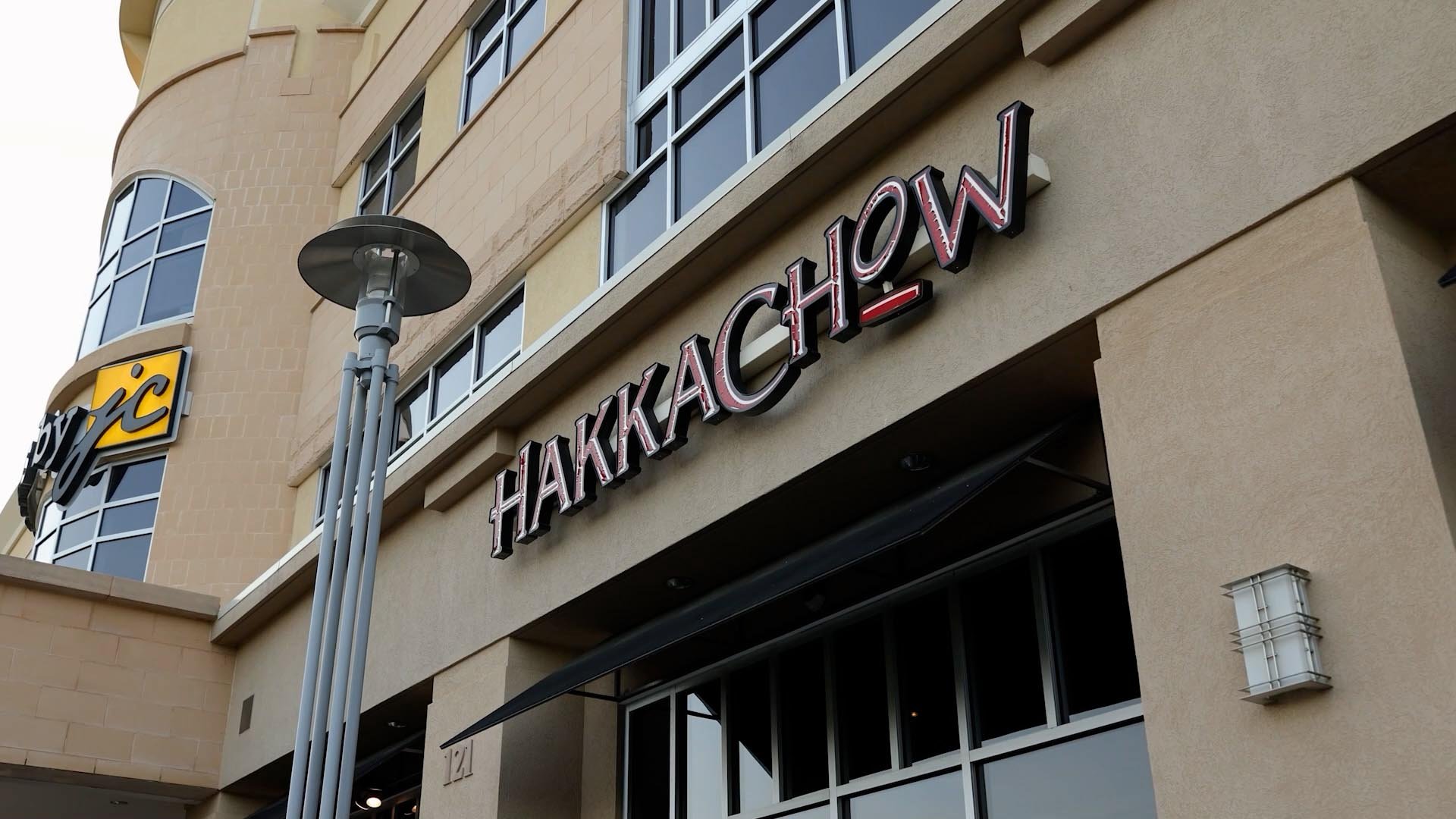
HakkaChow - Asian Eats
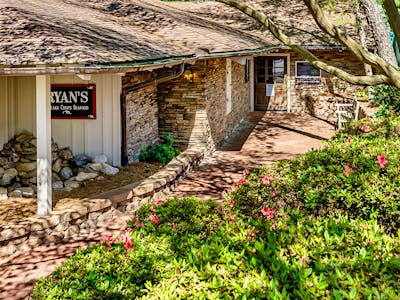
Saint George Square, Winston Salem
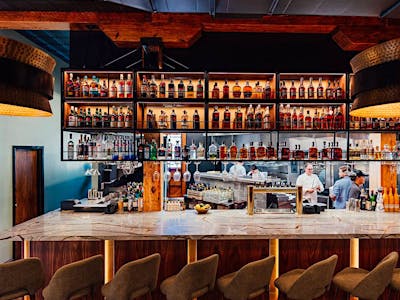
Bar in Winston Salem, United States
 Book with Pearl
The Read
Price
$20–30per person
Why go
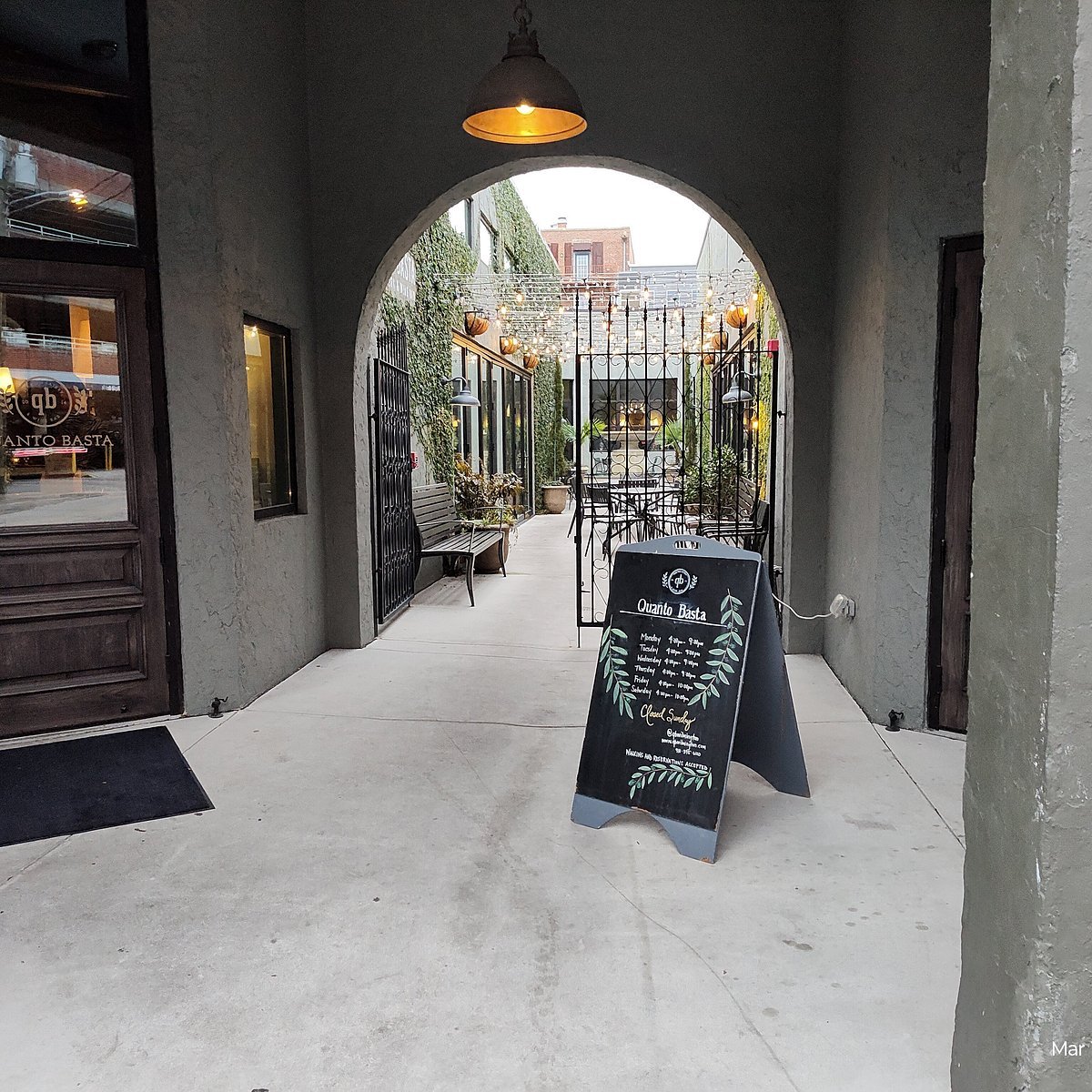
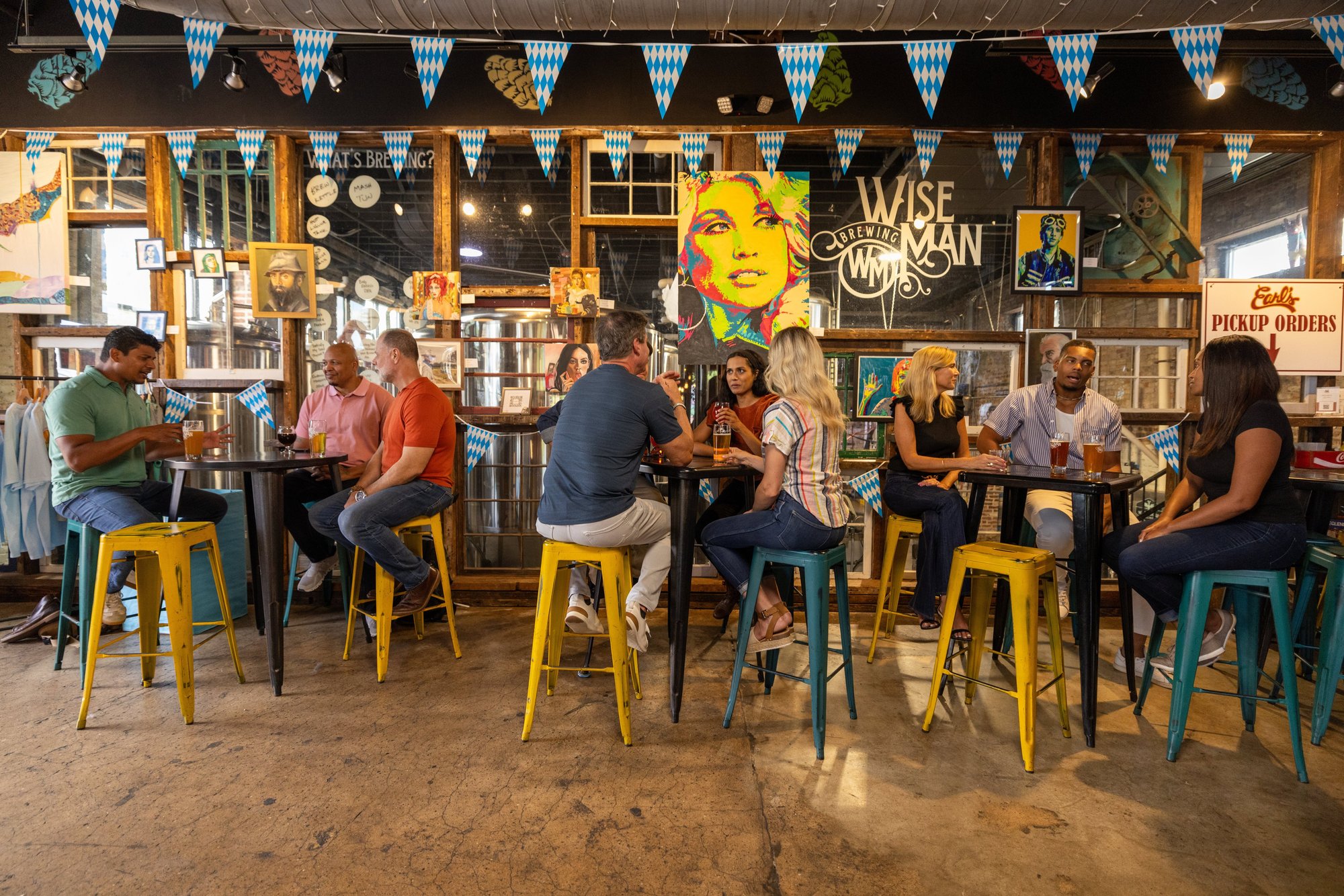
HakkaChow - Asian Eats is a practical Winston Salem pick when the group wants an easy Asian meal without turning dinner into a reservation project. Choose it for flexibility and convenience; look to Sage & Salt for a more composed night, Wise Man Brewing & Coffee Bar for drinks, or Quanto Basta Italian Eatery & Wine Bar for an Italian wine-bar mood.
About HakkaChow - Asian Eats
HakkaChow - Asian Eats is located in Winston Salem, has posted weekly hours, and a smart casual dress code. It is closed Monday and open Tuesday through Sunday, with closing times that vary by day.
For someone who has been once, the next move is to keep expectations practical. Plan around its Winston Salem location, hours, and smart casual dress code. Information regarding signature dishes, outdoor seating, happy hour pricing, reservations, service format, or beverage program is not available, so planning should focus on these basics.
Use the basics to compare plans
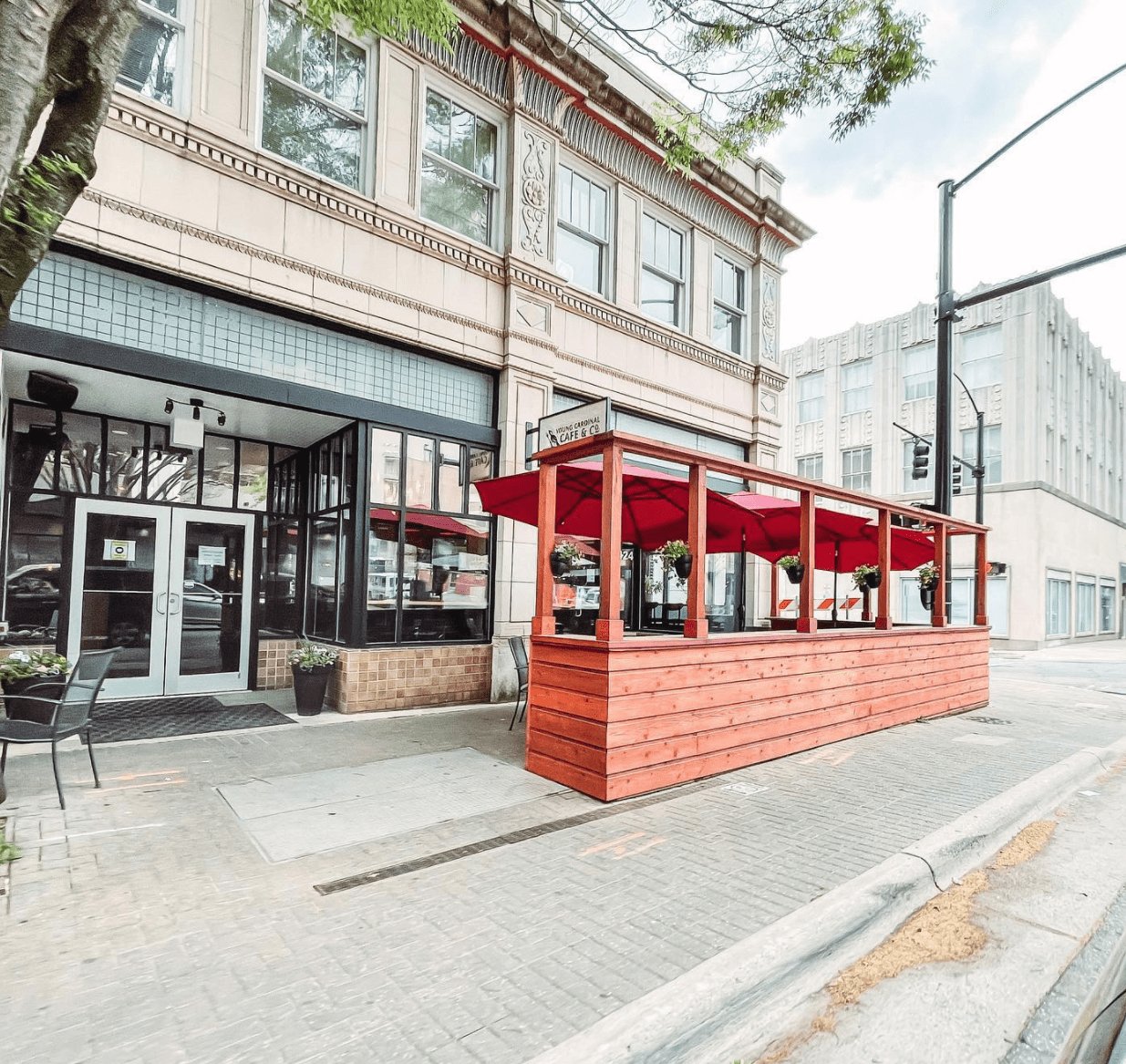
The case is direct planning. HakkaChow - Asian Eats is a Winston Salem option with Tuesday-through-Sunday availability, while Quanto Basta Italian Eatery & Wine Bar, Young Cardinal Cafe and Co. Magnolia Blue, and Sage & Salt may fit other plans depending on what you are comparing. If you are comparing bar options, Wise Man Brewing & Coffee Bar is another option to consider.
The outdoor-space question is the main caution. There is no information about a patio or terrace, so do not make this the pick if sitting outside is central to the plan. Use the full Winston Salem restaurants guide, the full Winston Salem bars guide, or the full Winston Salem experiences guide if the priority is setting rather than basic restaurant availability.
The practical call
Go when the basics are enough: Winston Salem, smart casual dress, closed Monday, and open Tuesday through Sunday, with later closing times on Friday and Saturday than Sunday. Skip it for a plan that depends on specifics like an outdoor setup, happy-hour deals, a known tasting format, or a clearly described atmosphere. If the night needs a hotel-adjacent plan, compare options through the Winston Salem hotels guide; if the group wants a broader outing, the Winston Salem wineries guide may be more useful.
Planning details
- Location
- 615 St George Sq Ct, Winston-Salem, NC 27103
- Website
- hakka-chow.com
- Phone
- +1 336 893 8178
The take
The Take
The Vibe
HakkaChow presents itself as a thoughtful addition to Winston‑Salem’s evolving independent-restaurant scene, leaning into a focused Asian framing rather than generic pan-Asian fare. HakkaChow has a deliberate drink programme and culinary intent drawn from Hakka traditions, creating a polished and sophisticated room without feeling overly formal. Situated at St. George Square Court on the edge of the commercial core, it has neighborhood appeal and enough culinary ambition to attract diners looking for a refined, contemporary outing centered on bold aromatics and well-considered cocktails.
Best For
This is primarily an evening destination where the bar and kitchen work in tandem: it’s well suited to date nights and social dinners where the drink programme matters as much as the plates. The venue’s existing positioning as a casual hangout and a spot for group outings suggests flexibility: you can go for an intimate two‑top or bring friends for shared dishes and cocktails. Given the focus on cocktail craft and a more considered Asian menu framing, dinner service and after‑work drinks are the clearest fits for most visits.
Ordering Tips
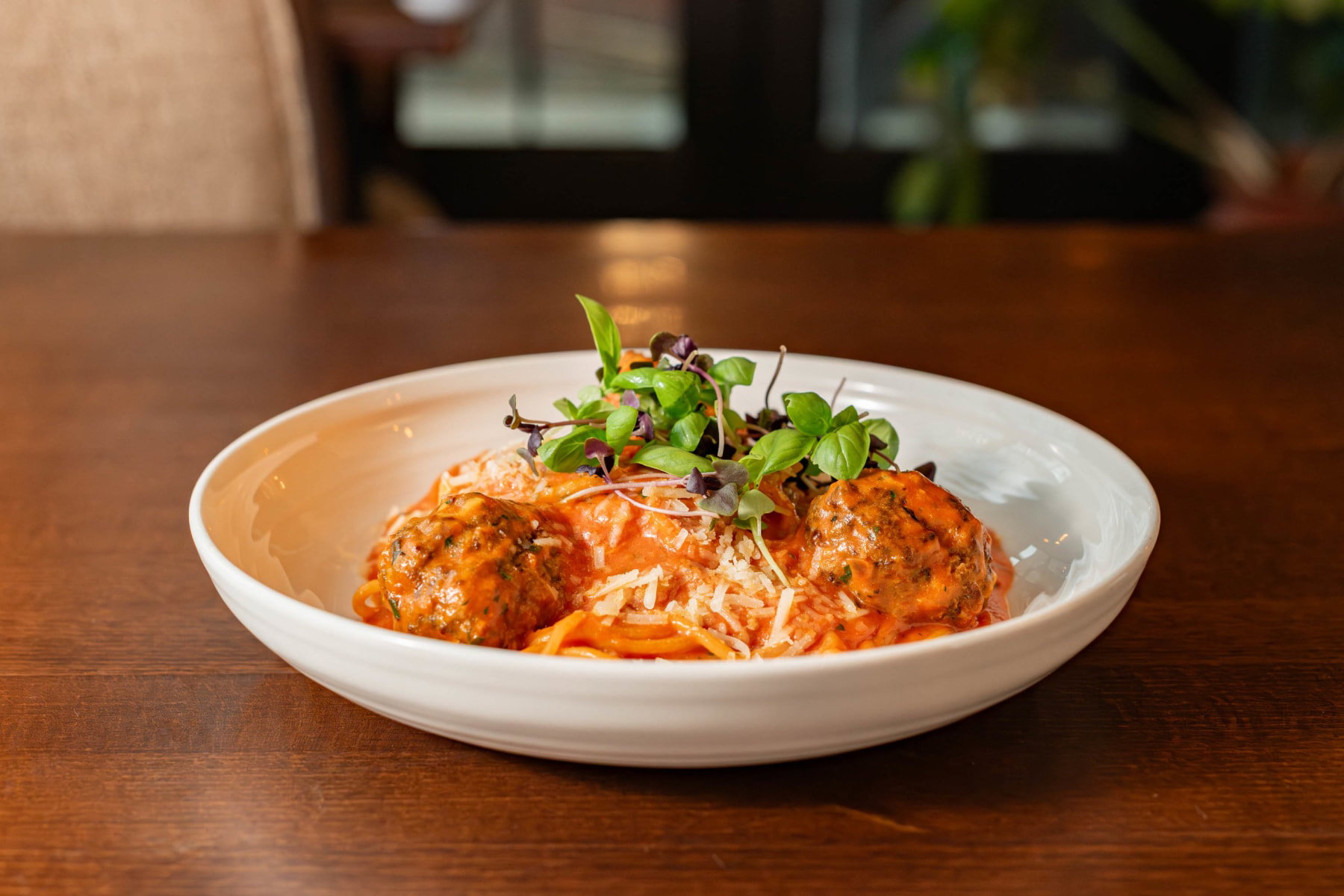
Let the drink programme guide your visit: the cocktail thinking, ingredient sourcing, and restraint make asking the bartender about signature cocktails or seasonal highlights a smart move. On the food side, the restaurant’s Hakka framing points toward bold aromatics and preservation-forward preparations; seek dishes that showcase those elements or ask staff for small plates designed for sharing. Because the concept leans into culinary tradition and refined cocktails, pairing a few shared plates with carefully made drinks will give the fullest picture of the kitchen and bar working together.
Venue details
Ambiance
modern contemporary with exceptional decor, beautiful restaurant ambiance, and stylish dining room.
Tags
Vibe
Best For
Experience
Format
Accessibility
At the Bar
- Bar Category
- Lounge
- Late Night
- Closes by Midnight
Know before you go
Know Before You Go
- Getting there
- 615 St George Sq Ct, Winston-Salem, NC 27103
Planning details
Location
Also consider
Also Consider
- Quanto Basta Italian Eatery & Wine Bar, Notable alternative
- Young Cardinal Cafe and Co., Notable alternative
- Sage & Salt, Notable alternative
- Wise Man Brewing & Coffee Bar, Notable alternative
- Magnolia Blue, Notable alternative
Bar context
How it compares in Winston Salem
HakkaChow - Asian Eats is the easier casual-dinner choice when the group wants Asian food and a low-pressure plan. Quanto Basta Italian Eatery & Wine Bar is a better match for Italian food and wine-bar pacing, while Sage & Salt is the stronger cross-shop for a dinner that needs more occasion value.
For daytime or lighter plans, Young Cardinal Cafe and Co. is the more natural fit. For a drinks-led meetup, Wise Man Brewing & Coffee Bar makes more sense than forcing a full restaurant meal. Magnolia Blue sits outside the immediate Winston Salem set, so use it as a broader comparison rather than the direct substitute.
The practical verdict: pick HakkaChow - Asian Eats for easy booking and broad group utility. Pick Quanto Basta for wine and Italian, Sage & Salt for a more polished dinner, Young Cardinal for a daytime angle, and Wise Man when the beverage program matters more than the food format.
Explore Winston Salem
Around this place
Discover more on Pearl
Unlock the full HakkaChow - Asian Eats guide in Pearl, including awards, comparisons, FAQs, planning details, and nearby places.
Compare HakkaChow - Asian Eats
| Venue | Location | Awards |
|---|---|---|
| HakkaChow - Asian Eats | Winston Salem | No published awards |
| Quanto Basta Italian Eatery & Wine Bar | Winston Salem | No published awards |
| Young Cardinal Cafe and Co. | Winston Salem | No published awards |
| Sage & Salt | Winston Salem | No published awards |
| Wise Man Brewing & Coffee Bar | Winston Salem | No published awards |
| Magnolia Blue | High Point | No published awards |
How HakkaChow - Asian Eats Winston Salem compares with similar nearby venues.
FAQ
Frequently Asked Questions
Does HakkaChow - Asian Eats have outdoor seating?
There is no information about outdoor seating. Consider HakkaChow - Asian Eats a Winston Salem venue with posted basics unless the restaurant confirms otherwise directly.
Does HakkaChow - Asian Eats have happy hour deals?
Do not count on happy hour as the reason to go here. There is no information about happy-hour pricing, so check with the restaurant directly if deals are important to your plan.
Is HakkaChow - Asian Eats good for a date?
It can work for a low-pressure Winston Salem outing if the posted hours and smart casual dress code fit your plan. For a more deliberate comparison, look at options such as Magnolia Blue, Quanto Basta Italian Eatery & Wine Bar, or Sage & Salt.
What are HakkaChow - Asian Eats' hours?
HakkaChow - Asian Eats is closed Monday. It is open Tuesday through Thursday from 11:30 AM to 9:30 PM, Friday from 11:30 AM to 10 PM, Saturday from 12 PM to 10 PM, and Sunday from 12 PM to 9 PM.