
Bar in Washington DC, United States
Tonari
100ptsIngredient-Led Japanese, Urban Scale
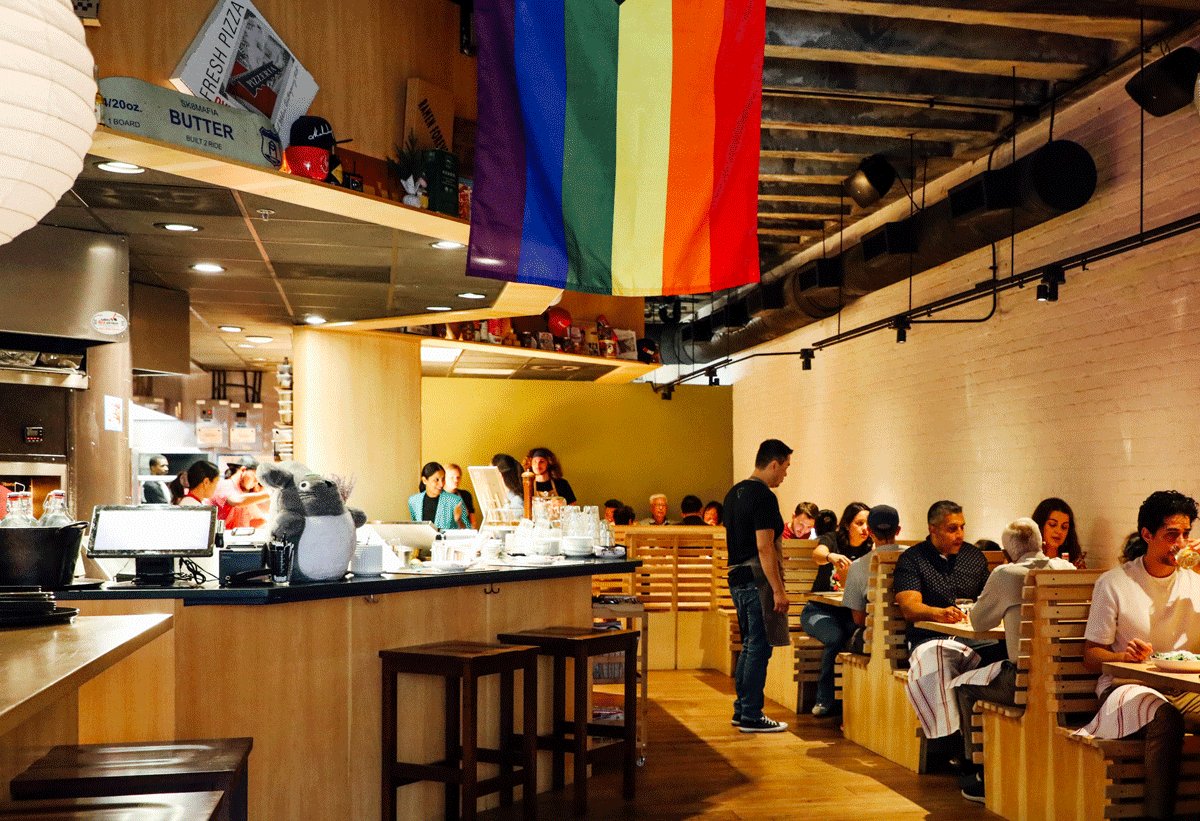
About Tonari
Tonari occupies a Penn Quarter address that puts it inside one of Washington D.C.'s most concentrated restaurant corridors, where Japanese-influenced cooking has carved a serious niche. The room and sourcing approach position it within a broader D.C. shift toward ingredient-conscious dining, placing it alongside a peer set that treats provenance as table stakes rather than marketing copy.
Penn Quarter and the Ethics of the Plate
The blocks around 6th and G Streets NW have become a reliable barometer for where Washington D.C. dining is heading. Penn Quarter started as a government-adjacent lunch circuit and has since attracted some of the city's more considered restaurants, the kind that compete on sourcing discipline and kitchen craft rather than square footage or celebrity profile. Tonari, at 707 6th St NW, sits inside that corridor and reflects the direction the neighbourhood has taken: away from volume-driven hospitality and toward a more deliberate relationship between kitchen and supply chain.
That shift is not unique to D.C. Across American cities, a generation of restaurants has reframed environmental consciousness from niche selling point to operational baseline. Waste reduction, ethical sourcing, and nose-to-tail or root-to-stem thinking have moved from the margins of fine dining into mid-market restaurants where the daily cover count makes those commitments harder to maintain. When a restaurant in a high-traffic district like Penn Quarter holds to those principles, it signals something meaningful about how the category is evolving, not just in this city but nationally.
Japanese Influence and the D.C. Sourcing Conversation
Japanese culinary tradition has always carried a strong implicit argument for ingredient integrity. Washoku principles treat seasonal specificity and material honesty as foundational, not decorative. That philosophy has made Japanese-inflected restaurants natural allies of the sustainable sourcing movement in American cities, where chefs trained in or influenced by Japanese technique tend to bring a rigorous attitude toward what goes on the plate and where it came from.
D.C. has a serious strand of this. The city's Japanese restaurant scene has grown beyond the obvious sushi-counter tier and now includes izakaya formats, ramen specialists, and hybrid Japanese-American kitchens that draw on that tradition while sourcing from regional farms and fisheries. Tonari belongs to this broader current, part of a dining category that takes the provenance question seriously because the cooking tradition demands it. Where a cuisine is built around the quality of a single ingredient, the supply chain is not a footnote — it is the argument.
What Sustainability Looks Like in a Penn Quarter Kitchen
For restaurants in this district, sustainability commitments tend to be tested by operational reality in ways that quieter, reservation-only destinations do not face. Penn Quarter draws office workers at lunch, pre-theatre diners, and weekend foot traffic from the nearby Capital One Arena. Maintaining sourcing standards across those volumes requires structural decisions: supplier relationships that can scale, menu design that reduces waste by intention rather than accident, and a kitchen culture that treats those constraints as creative parameters rather than limitations.
The most credible versions of this approach in American cities tend to share certain characteristics. Menus are shorter than they appear to be at first read, because flexibility is built into how components are deployed across dishes rather than through sheer variety. Proteins and vegetables that arrive whole are broken down in-house, with secondary cuts and trimmings absorbed into stocks, sauces, or staff meals rather than discarded. Seasonal adjustments happen not as marketing moments but as practical responses to what the supply chain can actually deliver at a given point in the year. Whether or not every restaurant invoking sustainability language has reached that level of integration is always the question worth asking.
Penn Quarter in Context: A Neighbourhood Shaped by Foot Traffic and Ambition
Understanding Tonari requires understanding the competitive pressure of its address. Penn Quarter is not a neighbourhood where a restaurant survives on reputation alone. The proximity to the Arena, the Smithsonian cluster, and the federal office buildings means the room turns over constantly, and the dining public here includes both sophisticated regulars and first-time visitors with no strong prior commitment to any particular venue. Restaurants that sustain a quality position in that environment are making a deliberate choice to hold standards against commercial incentives that would reward cutting them.
For context, D.C.'s bar and cocktail scene in the same corridor has undergone a comparable evolution. Allegory and Silver Lyan represent the city's more technically ambitious programs, while Service Bar and 12 Stories occupy a different tier of the same conversation. The through-line across D.C.'s better bars and restaurants is a willingness to hold a position and defend it against the market pressure to dilute. That shared orientation makes Penn Quarter a genuine hospitality district rather than just a collection of addresses.
Nationally, the bars and restaurants that have built durable reputations on ingredient and sourcing discipline share that quality. Kumiko in Chicago has built a program around Japanese whisky and technique with the same rigour that good sourcing-conscious restaurants bring to food. Jewel of the South in New Orleans and Julep in Houston both demonstrate that regional hospitality identity and ingredient seriousness are not competing values. Bar Leather Apron in Honolulu and ABV in San Francisco apply comparable thinking on the West Coast, while Superbueno in New York City and The Parlour in Frankfurt on the Main show the same posture in different urban and international contexts. The pattern across all of them is that a defined point of view on sourcing or technique tends to produce more consistent results than a broad appeal strategy.
Know Before You Go
| Address | 707 6th St NW, Washington, DC 20001 |
|---|---|
| Neighbourhood | Penn Quarter |
| Nearest Metro | Gallery Place-Chinatown (Red, Yellow, Green lines), approximately two blocks |
| Booking | Confirm current availability through the venue directly; Penn Quarter restaurants at this address tend to fill on weekday evenings and pre-Arena nights |
| What to know | Foot traffic peaks on Capital One Arena event nights; arriving before 6:30pm or after 9pm typically means shorter waits for walk-ins |
For a broader view of where Tonari sits in the D.C. dining picture, see our full Washington, D.C. restaurants guide.
Frequently Asked Questions
What's the leading thing to order at Tonari?
Without confirmed menu data, specific dish recommendations would be speculative. What the cuisine tradition and sourcing orientation suggest is that the strongest orders at a Japanese-influenced restaurant operating on ethical sourcing principles are typically the ones built around seasonal or regional ingredients rather than fixed menu anchors. Dishes that change with the supply chain tend to reflect kitchen confidence more accurately than static signatures. For current menu specifics, checking directly with the venue before visiting is the most reliable approach.
What is Tonari leading at?
Within the Penn Quarter competitive set, Tonari's positioning points toward ingredient-led Japanese cooking delivered in a high-traffic urban context, which is a harder thing to execute consistently than it sounds. D.C.'s Japanese-influenced dining tier has raised its baseline over the past decade, meaning the bar for what counts as credible at this address is higher than it was. The venue's location at a 6th Street NW address places it inside the city's most active restaurant corridor, where sustained quality is its own form of credential.
How does Tonari fit into D.C.'s broader Japanese dining scene, and is it suited to a weeknight dinner before an Arena event?
Penn Quarter's Japanese-influenced restaurants occupy a distinct tier in D.C.'s dining picture, one that has grown more sophisticated as the neighbourhood has matured from a lunch-driven office district into a full-evening destination. Tonari's address at 707 6th St NW puts it within easy walking distance of Capital One Arena, making it a practical pre-event option, though demand on concert and game nights is correspondingly higher. Booking ahead or arriving before the pre-show rush is the practical move; the venue is well-positioned for diners who want a considered meal rather than a rushed one before curtain.
More bars in Washington DC
- 12 Stories12 Stories sits on the 12th floor of 75 District Square SW in Washington, D.C.'s Southwest Waterfront, making it a strong pick for atmosphere and city views. Book it for dates or casual group outings where setting drives the decision. Wine and cocktail enthusiasts after program depth should pair it with a stop at Press Club or Service Bar.
- 301 Water St SE301 Water St SE earns its place on the Anacostia Waterfront as an easy-to-book, setting-driven bar in D.C.'s Navy Yard corridor. The waterfront position makes it a solid date-night or group drinks stop, especially at dusk on weekends. If a serious cocktail program is your priority, look elsewhere — but for atmosphere without the planning overhead, it delivers.
- 9:30 Club9:30 Club is Washington D.C.'s most reliable live music room, where a $25–$45 ticket plus a few drinks makes for a complete night out. Tickets sell fast on popular shows, so move quickly when a booking drops. If you've been once and liked it, the format holds: get there early, pick your spot, and let the room do the rest.
Related editorial
- Best Fine Dining Restaurants in ParisFrom three-Michelin-star icons to the next generation of Parisian chefs pushing boundaries, these are the restaurants that define fine dining in the world's culinary capital.
- Best Luxury Hotels in RomeFrom rooftop terraces overlooking ancient ruins to Michelin-starred hotel dining, these are the luxury hotels that make Rome unforgettable.
- Best Cocktail Bars in KyotoFrom sleek lounges to hidden speakeasies, Kyoto's cocktail scene blends Japanese precision with global influence in ways you won't find anywhere else.
Save or rate Tonari on Pearl
Keep this venue in your Pearl passport, rate it after you visit, and track it alongside every other place you collect.