
Bar in Washington DC, United States
The Fountain Inn
100ptsHistoric-American Tasting Room

About The Fountain Inn
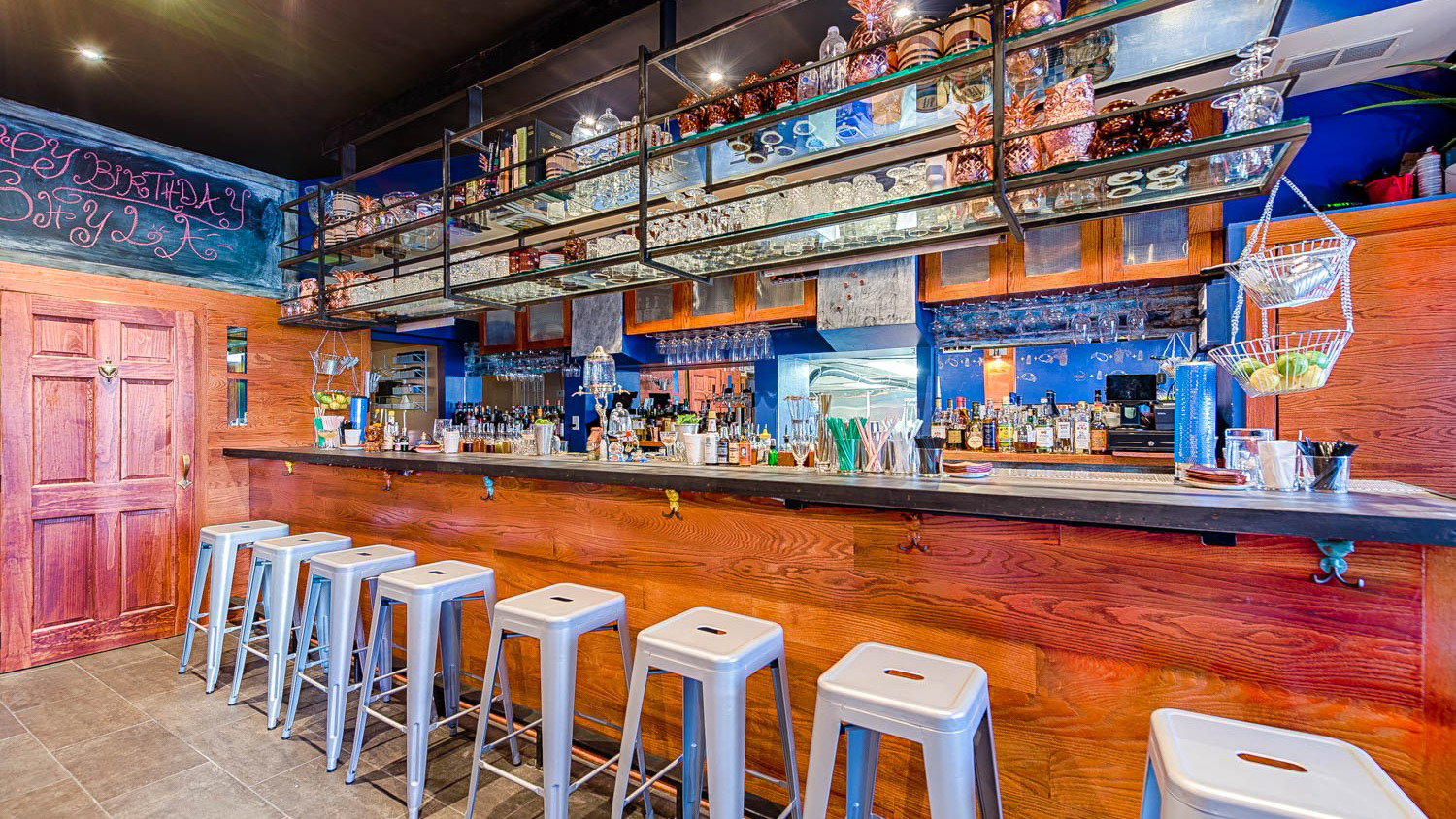
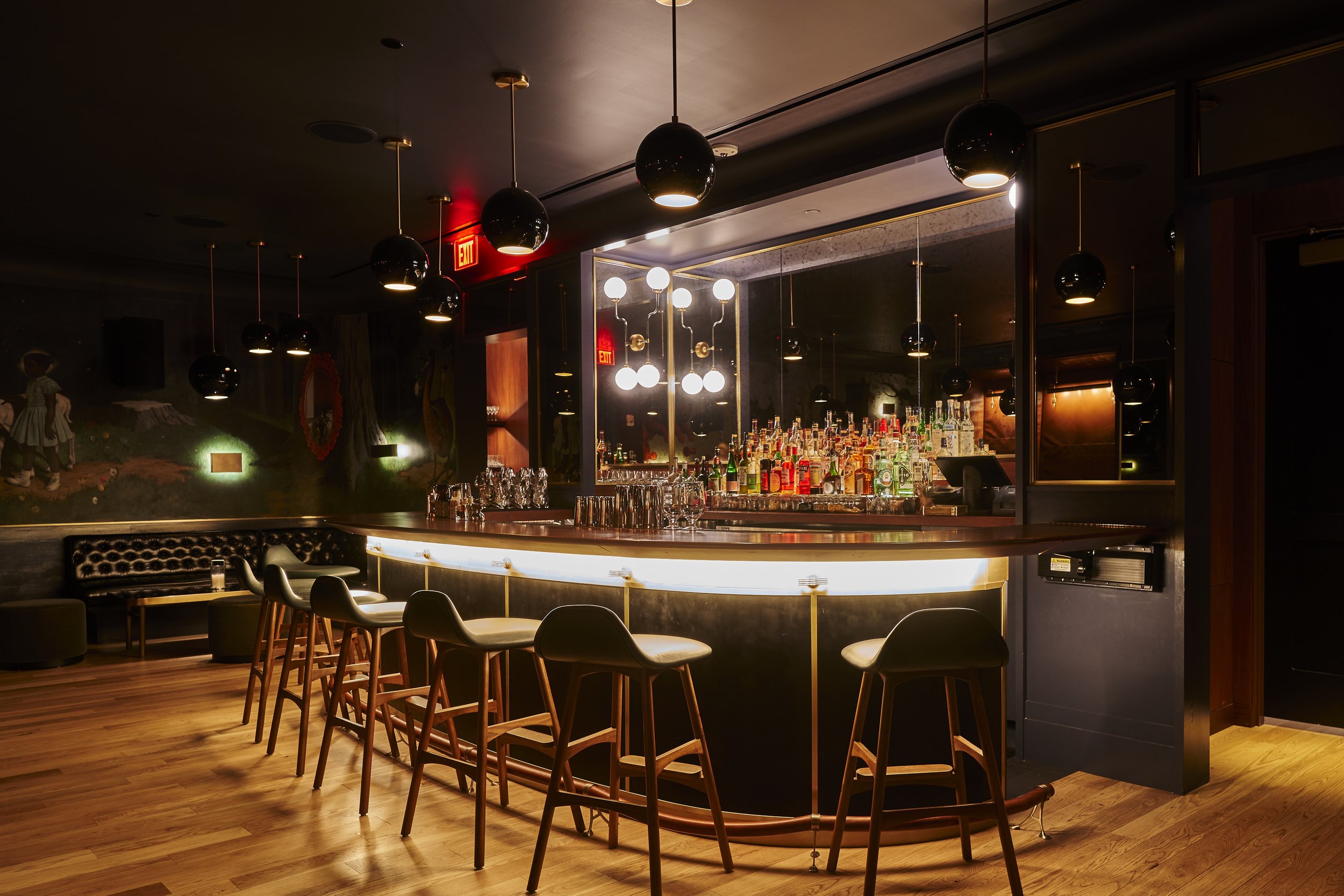
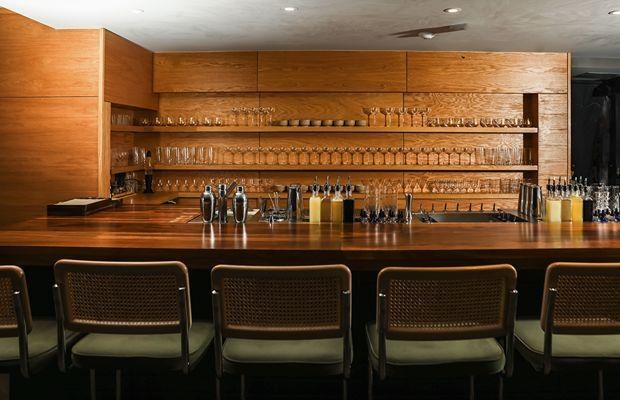
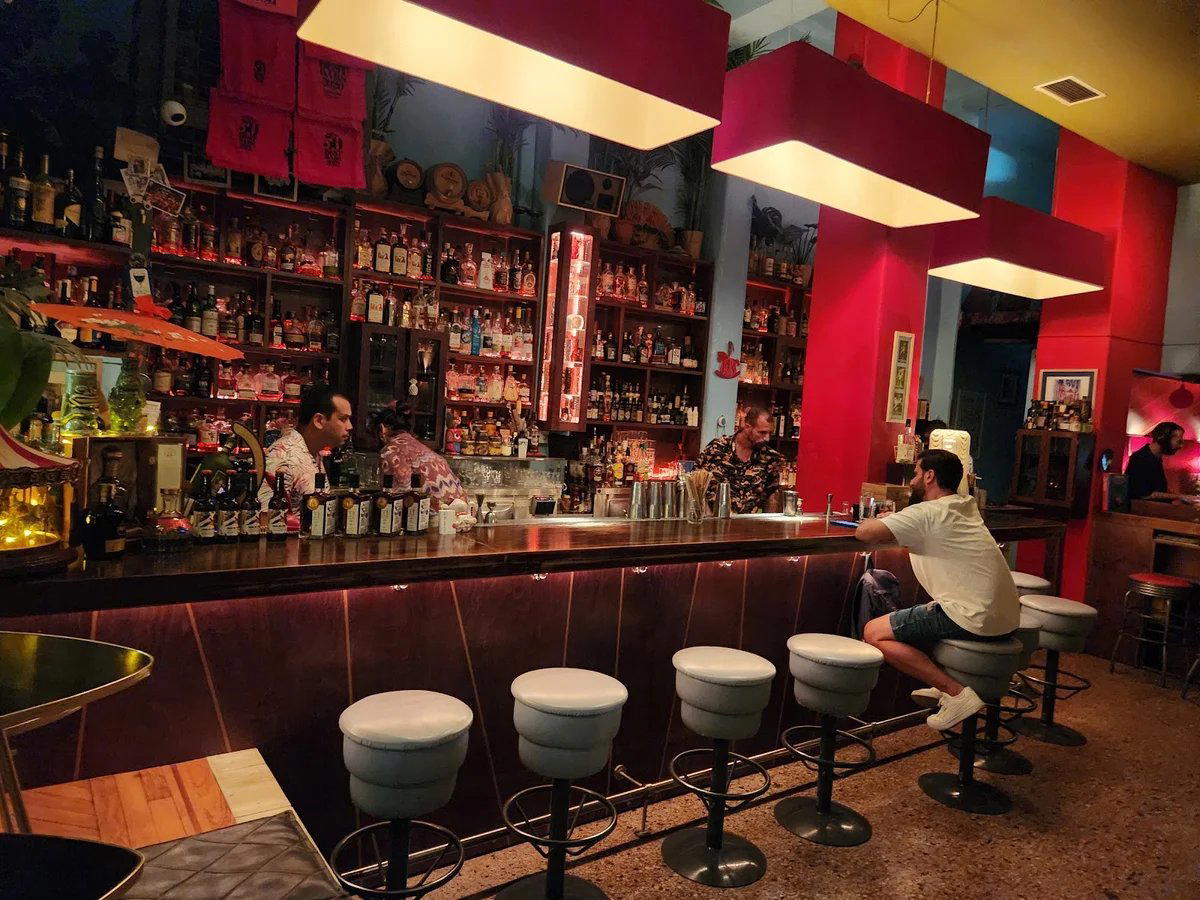
A modern revival of Georgetown's historic tavern tradition, The Fountain Inn occupies a fully seated, tasting-room format on Wisconsin Avenue NW. The bar's American-leaning spirits library runs to rare and vintage bottles, with cocktails grounded in historical research rather than contemporary trend-chasing. For spirits-focused visitors to Washington, it occupies a distinct position in the city's cocktail scene.
Georgetown's Tavern History, Reconsidered
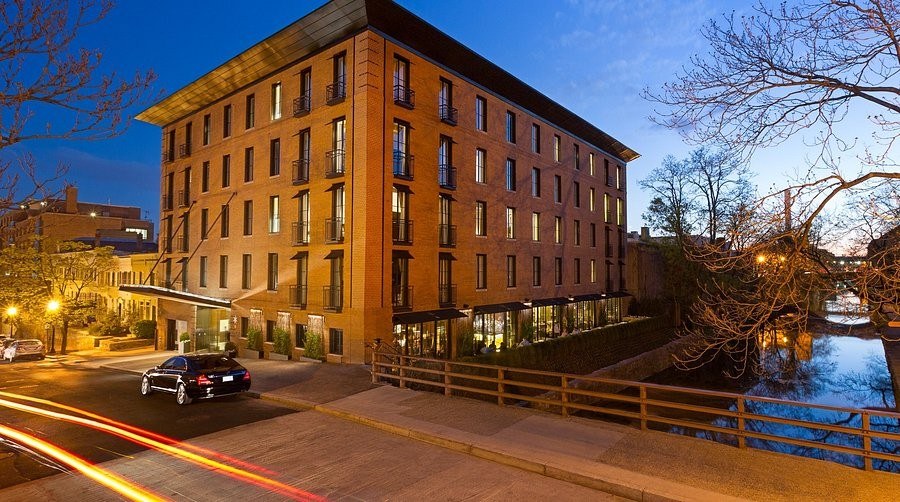
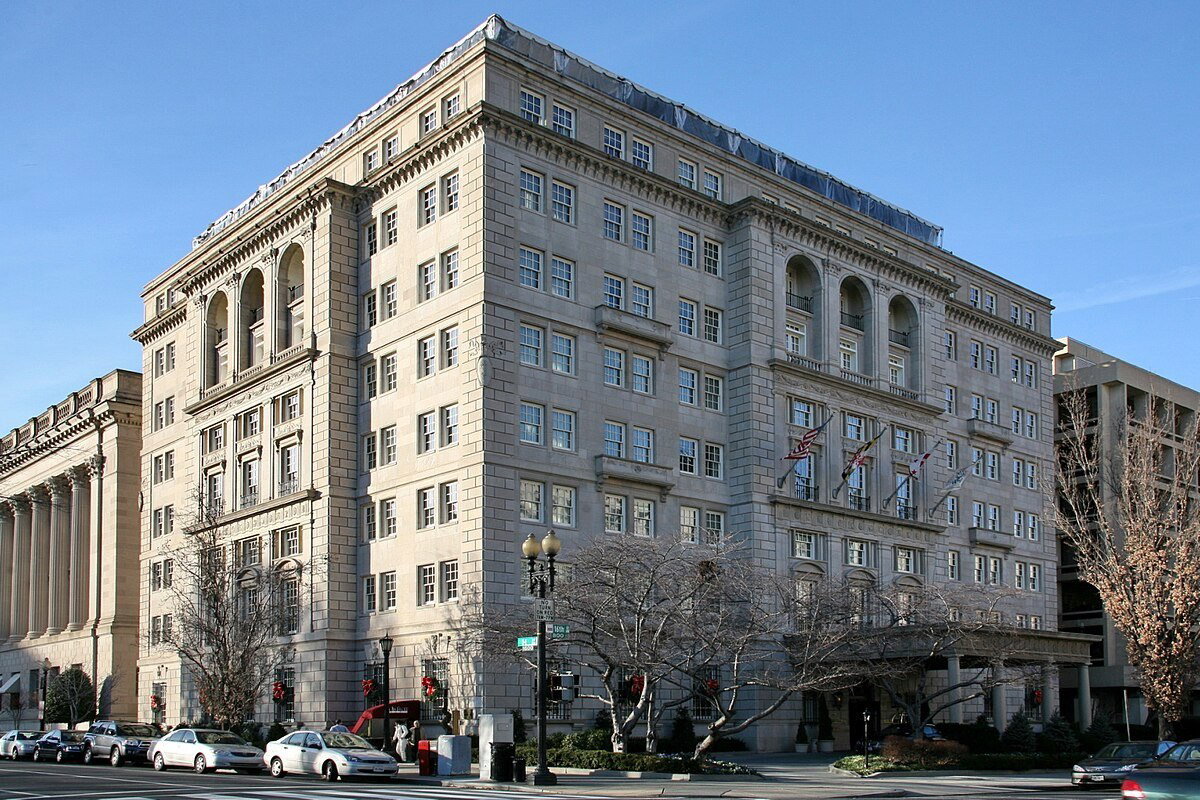
Wisconsin Avenue in Georgetown has housed taverns, inns, and drinking establishments for longer than Washington has been a capital city. The neighborhood's commercial corridor predates the federal grid, and the traditions of the public house here are layered into the brickwork as much as into any written record. The Fountain Inn, at 1659 Wisconsin Ave NW, works within that history deliberately — drawing on the site's tavern lineage to frame a spirits program that treats American drinking culture as a subject worth studying, not just replicating.
Georgetown's bar scene today sits somewhere between neighborhood institution and destination category. Unlike the Penn Quarter corridor, where Allegory and Silver Lyan operate within hotel settings and serve a transient professional crowd, Georgetown draws a more embedded audience: residents, long-stay visitors, and the kind of out-of-town guest who treats a neighborhood bar as an orienting exercise. The Fountain Inn is positioned for that second group.
A Spirits Library Organized Around American History
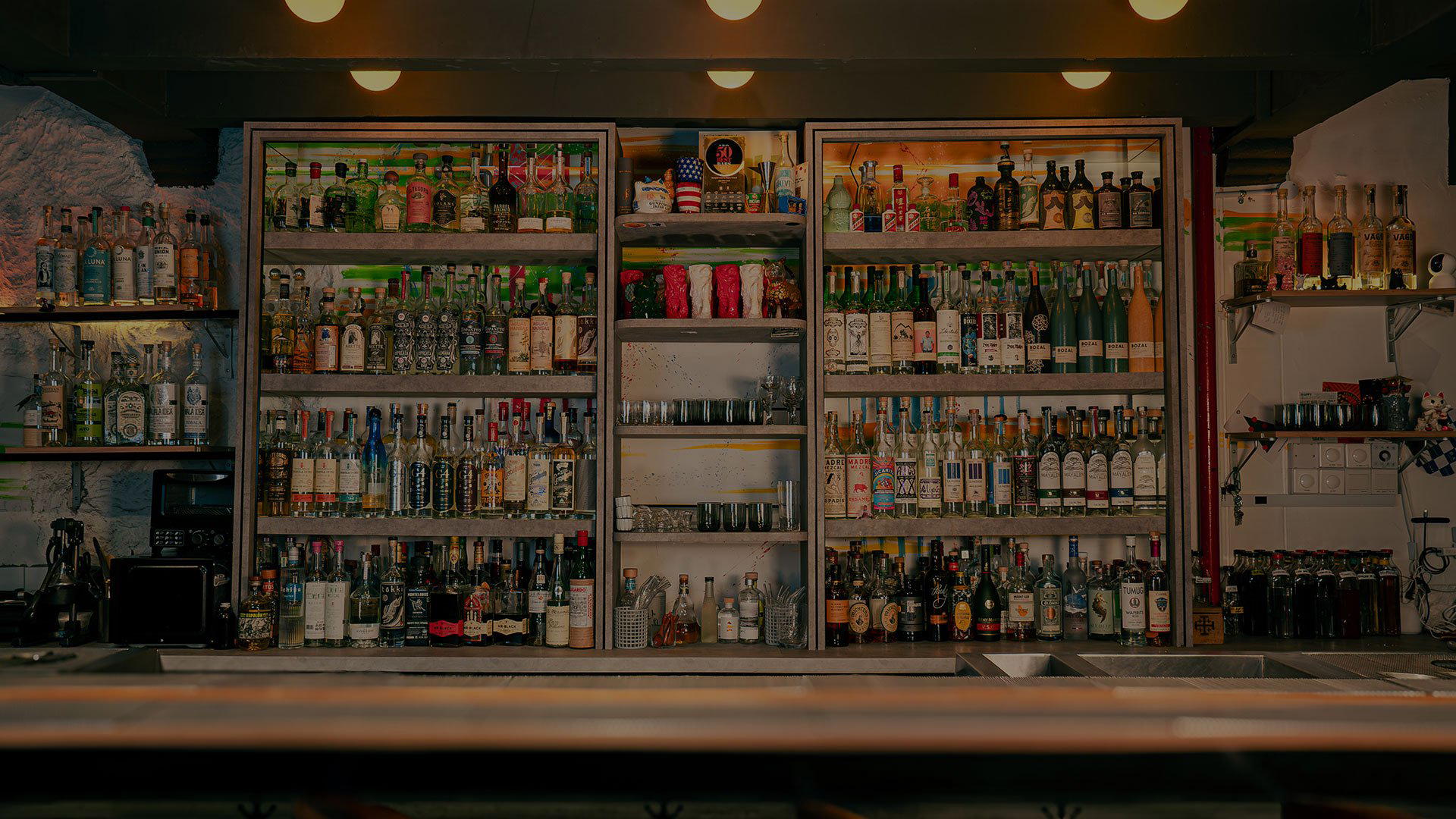
The bar's editorial identity is its rare and vintage American spirits library. This is not the broad-shelf approach common to craft cocktail bars that accumulate bottles as a signal of seriousness. The collection here is focused by geography and era, with American whiskey, rum, and brandy forming the core. Bottles that have aged out of general circulation, pre-Prohibition labels where they exist, and small-distillery releases that never entered wide distribution sit alongside each other in a format that invites comparison and context.
This approach places The Fountain Inn in a specific tier of American cocktail bars: those where the spirits library itself carries editorial weight, and where the menu is structured around the collection rather than the other way around. Comparable operations in other cities include Jewel of the South in New Orleans, which grounds its program in pre-Prohibition recipe research, and Julep in Houston, which centers American whiskey with a similar depth of historical framing. In both cases, the bar functions as an argument about American drinking heritage as much as a place to have a drink. The Fountain Inn takes that same position in Washington.
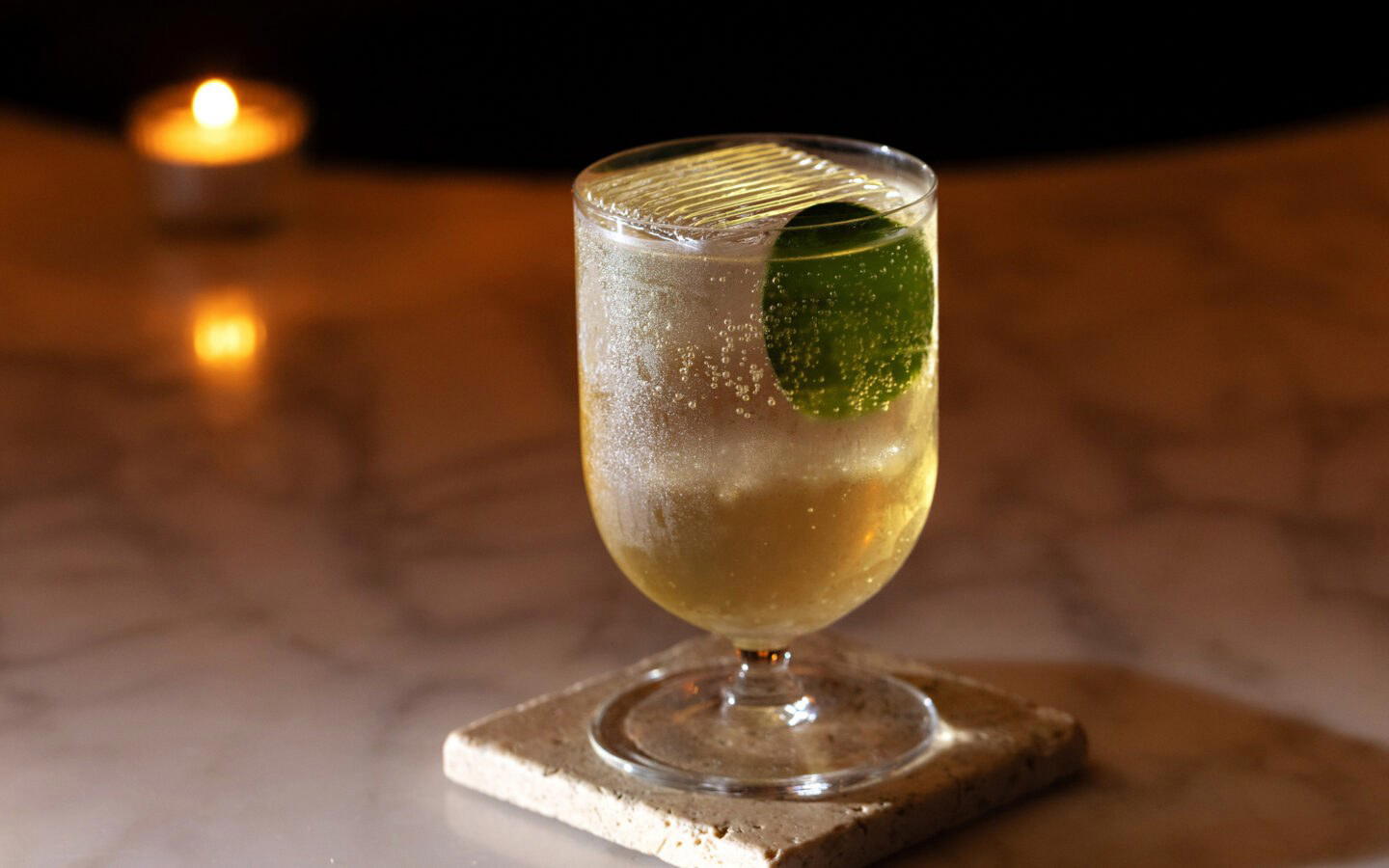
The cocktail menu works from historical grounding rather than contemporary trend. That means recipes and flavor profiles rooted in documented American tavern drinking: punches, slings, toddies, and their modern equivalents, built with ingredients that have genuine historical presence in the American spirits canon. Bars taking this approach elsewhere, such as Kumiko in Chicago, demonstrate that historically grounded cocktail programs can attract serious spirits drinkers without becoming museum pieces. The test is whether the drinks are worth ordering on their own terms, separate from the research behind them.
Format and Setting: Tasting Room Over Bar Room
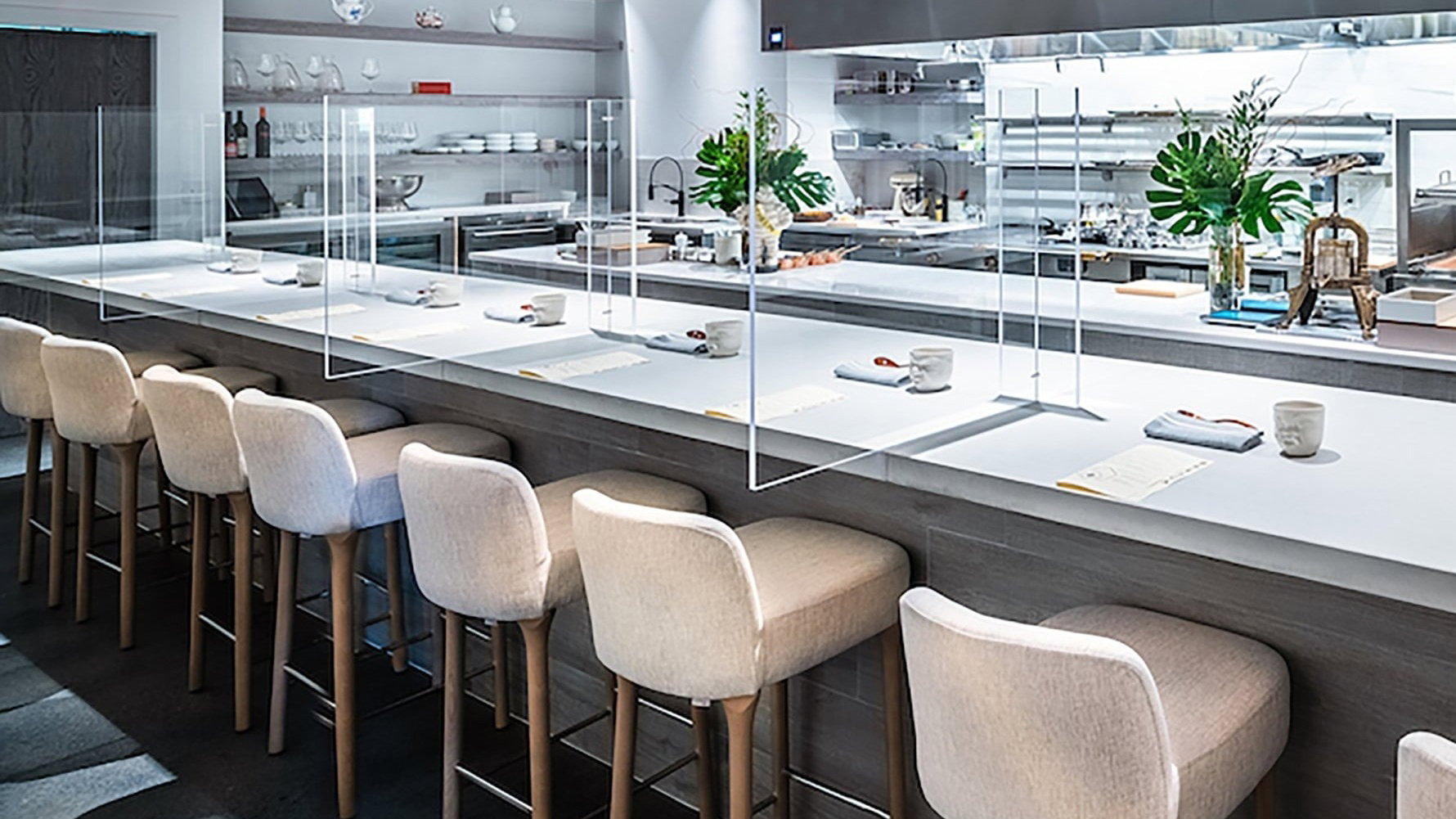
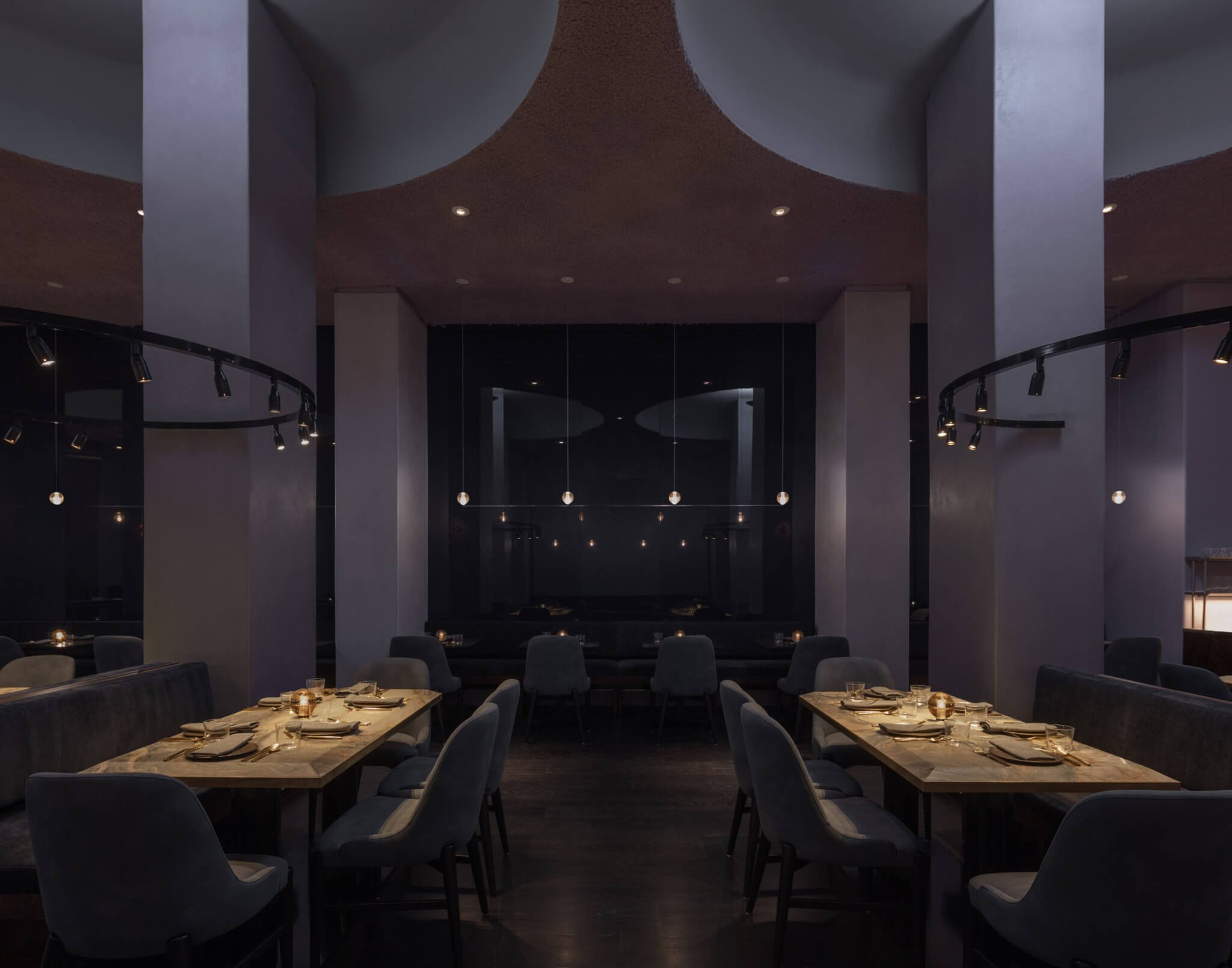
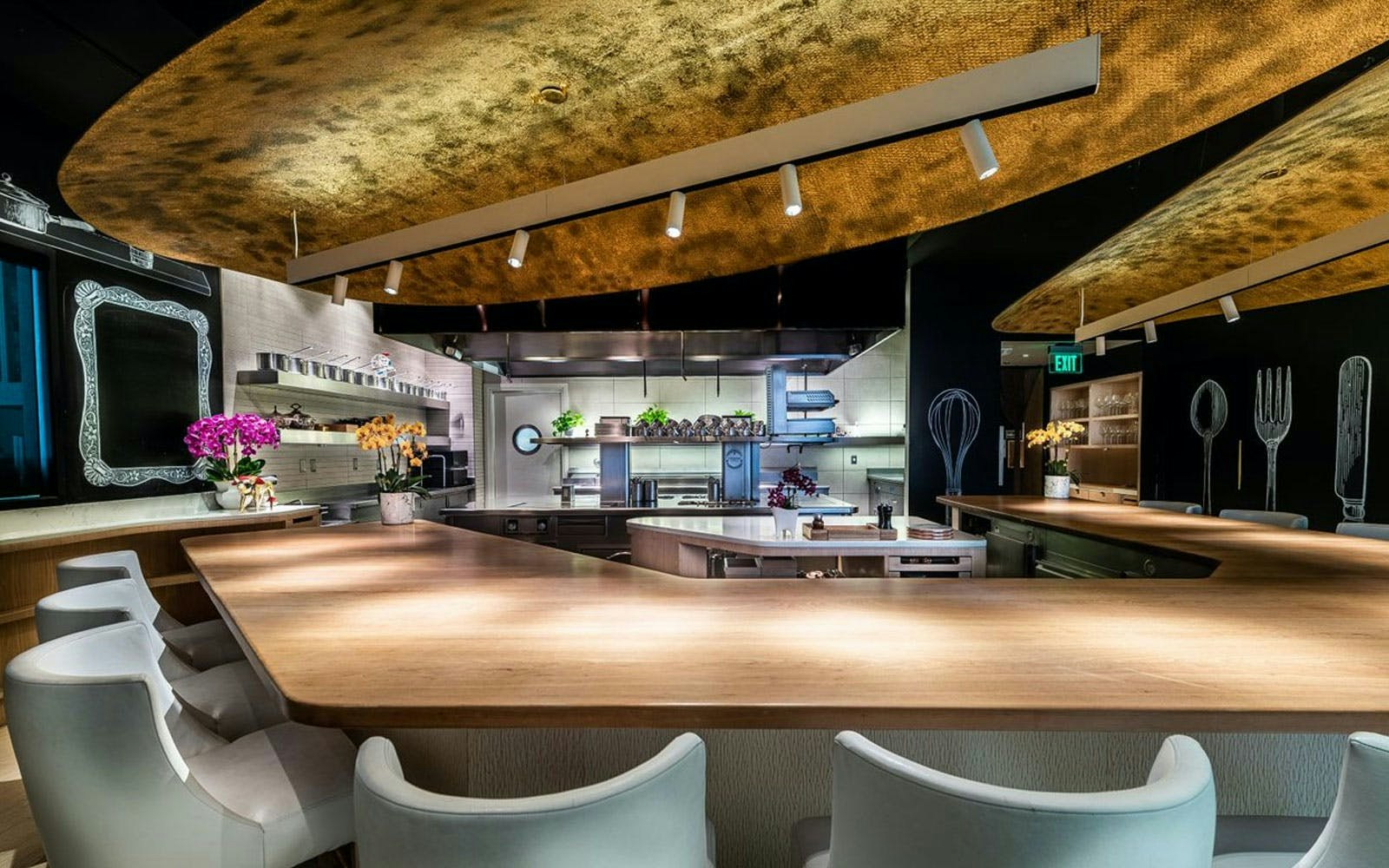
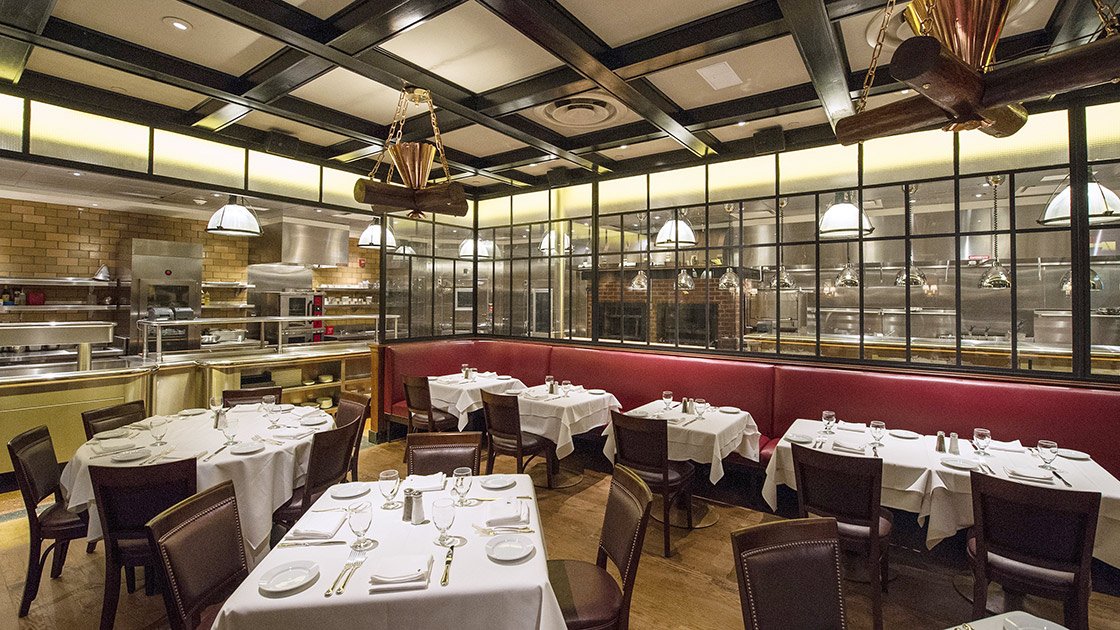
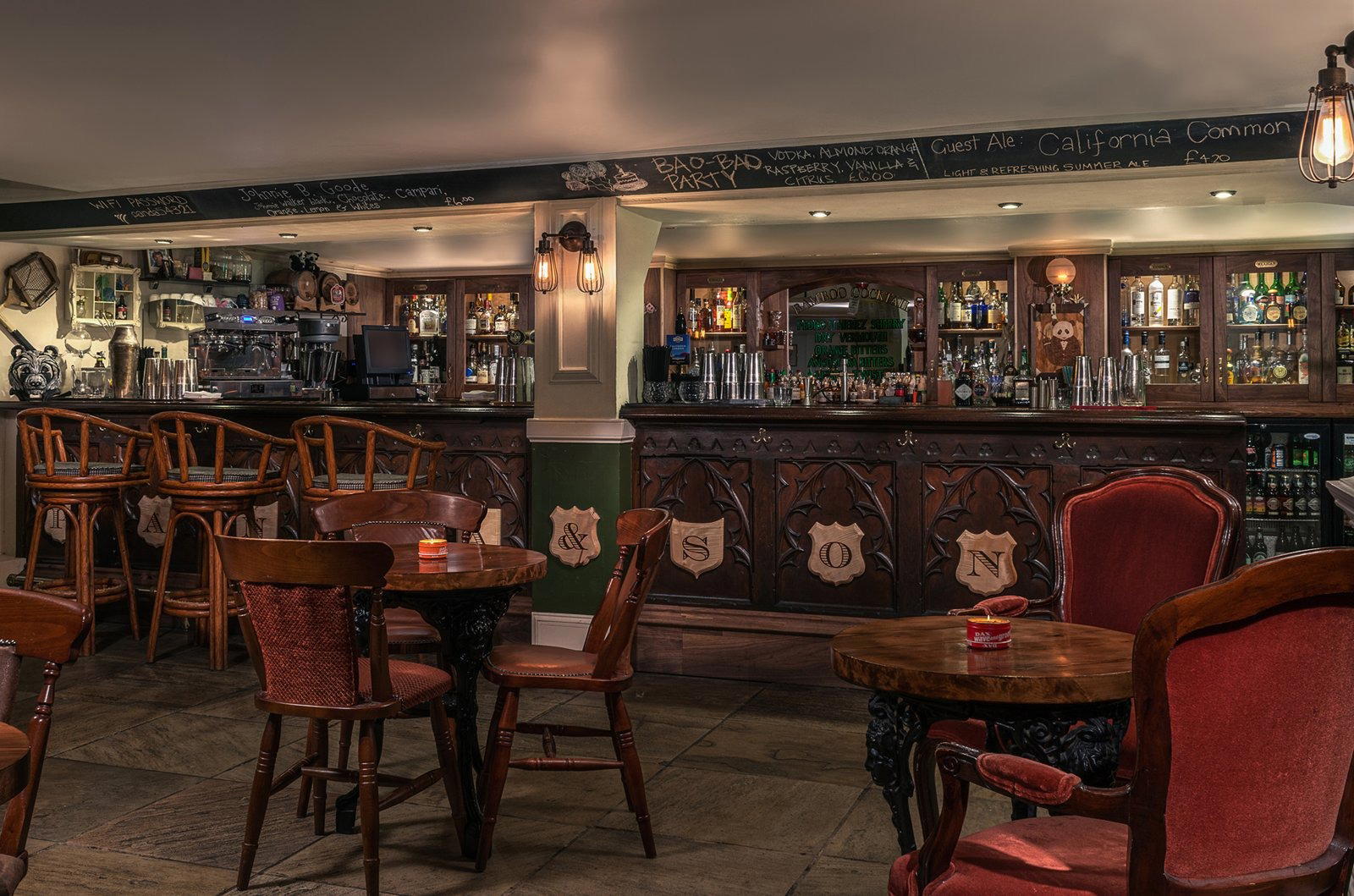
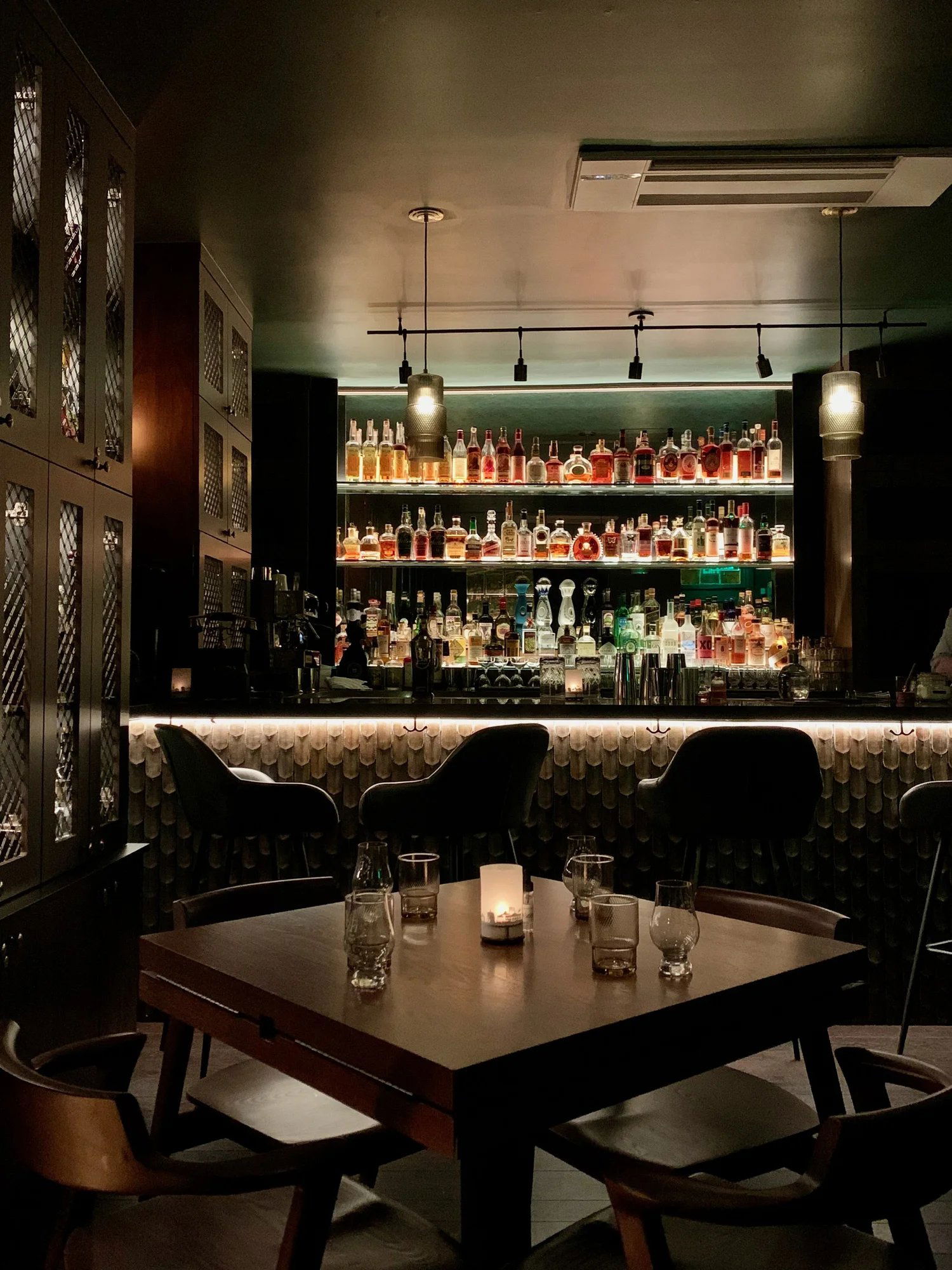
The Fountain Inn operates as a fully seated tasting-room format — a meaningful structural distinction from the stand-and-order model that defines most neighborhood bars and even many craft cocktail venues. Every guest is seated. The pacing is set by the room, not by turnover pressure. This places it alongside a smaller cohort of American bars that have adopted the seated-service model as a deliberate editorial statement: Bar Leather Apron in Honolulu and ABV in San Francisco both operate in this register, where the experience is structured around engagement with the drinks rather than throughput.
In Washington specifically, the seated tasting-room format is less common than in New York or Chicago. The city's cocktail bars tend toward either high-volume lobby programs or the kind of neighborhood spot where standing at the bar is part of the point. Service Bar and 12 Stories represent the more accessible end of D.C.'s craft cocktail spectrum, while The Fountain Inn occupies the more deliberate, slower-paced tier. The format signals a different kind of ask from the guest: more attention, more time, and a willingness to engage with the spirits as subject matter.
Internationally, bars operating at this intersection of historical research and intimate seated format, such as The Parlour in Frankfurt, have demonstrated that the model sustains a loyal repeat clientele even in cities with larger, louder competition. The format creates its own demand among guests who find the high-volume bar environment incompatible with the kind of conversation the drinks invite.
Washington's Cocktail Scene and Where This Fits
Washington's cocktail identity has matured significantly over the past decade, but it remains younger and less codified than New York's or Chicago's. The city has a concentration of technically accomplished bars, several with international recognition, but the overall scene lacks the density of a city like New York, where specialist formats occupy distinct market niches with established audiences. In Washington, the historically grounded, rare-spirits-focused bar is a less crowded category, which gives The Fountain Inn room to operate without direct local competition in its specific tier.
Georgetown itself adds a layer of context. The neighborhood is not the city's nightlife center , that energy sits further east, in Shaw, Logan Circle, and the Penn Quarter. What Georgetown offers is a different kind of bar-going culture: more deliberate, more embedded in the neighborhood's own history, and more comfortable with an older or more settled clientele. A spirits bar that works from historical material is well-matched to that context. The address on Wisconsin Avenue places it within walking distance of the neighborhood's residential core, which matters for the kind of repeat guest relationship that sustains a specialist format.
For visitors planning a broader D.C. itinerary, the full Washington, D.C. guide covers the range of neighborhoods and bar categories across the city. The Fountain Inn represents one end of that spectrum: high-engagement, spirits-first, historically anchored, and deliberately paced.
Know Before You Go
Address: 1659 Wisconsin Ave NW, Washington, DC 20007
Neighborhood: Georgetown
Format: Fully seated tasting room
Spirits focus: Rare and vintage American spirits library; historically grounded cocktails
Booking: Contact details not currently listed; check directly with the venue for reservation availability
Hours: Not confirmed; verify before visiting
Price range: Not listed; rare and vintage spirits programs at this format level typically price above neighborhood bar averages
Frequently Asked Questions
What is The Fountain Inn known for?
The Fountain Inn is known as a modern revival of Georgetown's historic tavern tradition, combining a rare and vintage American spirits library with historically grounded cocktails served in an intimate, fully seated tasting-room setting. In Washington's cocktail scene, it occupies a distinct position as a historically oriented, spirits-focused bar in a neighborhood with genuine tavern lineage dating back centuries.
What's the must-try cocktail at The Fountain Inn?
The bar's program is built around historically grounded cocktails drawing on the American tavern canon, meaning punches, slings, and their modern equivalents made with spirits from the rare and vintage American collection. The cocktail to order is whichever most directly engages with the rare or vintage spirits on the list that evening , those bottles are the editorial point of the program, and the cocktails built around them reflect the bar's research most fully.
Do they take walk-ins at The Fountain Inn?
Walk-in availability is not confirmed in current public information. Given the fully seated, tasting-room format, capacity is limited and the bar operates with a more deliberate pacing than a standard walk-in venue. If you are visiting from out of town, contacting the bar directly before arrival is advisable. No phone number or website is currently listed in public directories, so checking local listings or arrival in person is the practical fallback.
What kind of traveler is The Fountain Inn a good fit for?
The Fountain Inn suits travelers with a specific interest in American spirits history and pre-Prohibition or historically documented cocktail formats. The seated tasting-room model and rare spirits library make it less suited to a quick drink and better suited to a longer, more deliberate visit. Guests who have found value in historically grounded bar programs at venues like Jewel of the South in New Orleans or Bar Leather Apron in Honolulu will recognize the format and the kind of engagement it rewards.
How does The Fountain Inn's spirits library differ from a standard craft cocktail bar's selection?
Most craft cocktail bars assemble a broad shelf of contemporary craft spirits to signal range; The Fountain Inn's library is organized around American historical production, with rare and vintage bottles that have aged out of general distribution sitting alongside small-distillery releases that never entered wide commercial circulation. The collection functions as a research archive as much as a working bar stock, and the cocktail menu is structured around what the library contains rather than what is currently available at wholesale. This makes the spirits selection itself the primary reason to visit, not just the backdrop for the drinks.
Recognized By
More bars in Washington DC
- 12 Stories12 Stories sits on the 12th floor of 75 District Square SW in Washington, D.C.'s Southwest Waterfront, making it a strong pick for atmosphere and city views. Book it for dates or casual group outings where setting drives the decision. Wine and cocktail enthusiasts after program depth should pair it with a stop at Press Club or Service Bar.
- 301 Water St SE301 Water St SE earns its place on the Anacostia Waterfront as an easy-to-book, setting-driven bar in D.C.'s Navy Yard corridor. The waterfront position makes it a solid date-night or group drinks stop, especially at dusk on weekends. If a serious cocktail program is your priority, look elsewhere — but for atmosphere without the planning overhead, it delivers.
- 9:30 Club9:30 Club is Washington D.C.'s most reliable live music room, where a $25–$45 ticket plus a few drinks makes for a complete night out. Tickets sell fast on popular shows, so move quickly when a booking drops. If you've been once and liked it, the format holds: get there early, pick your spot, and let the room do the rest.
Related editorial
- Best Fine Dining Restaurants in ParisFrom three-Michelin-star icons to the next generation of Parisian chefs pushing boundaries, these are the restaurants that define fine dining in the world's culinary capital.
- Best Luxury Hotels in RomeFrom rooftop terraces overlooking ancient ruins to Michelin-starred hotel dining, these are the luxury hotels that make Rome unforgettable.
- Best Cocktail Bars in KyotoFrom sleek lounges to hidden speakeasies, Kyoto's cocktail scene blends Japanese precision with global influence in ways you won't find anywhere else.
Save or rate The Fountain Inn on Pearl
Keep this venue in your Pearl passport, rate it after you visit, and track it alongside every other place you collect.