
Bar in Washington DC, United States
Sushi Taro
100ptsDiplomatic-Era Japanese Precision
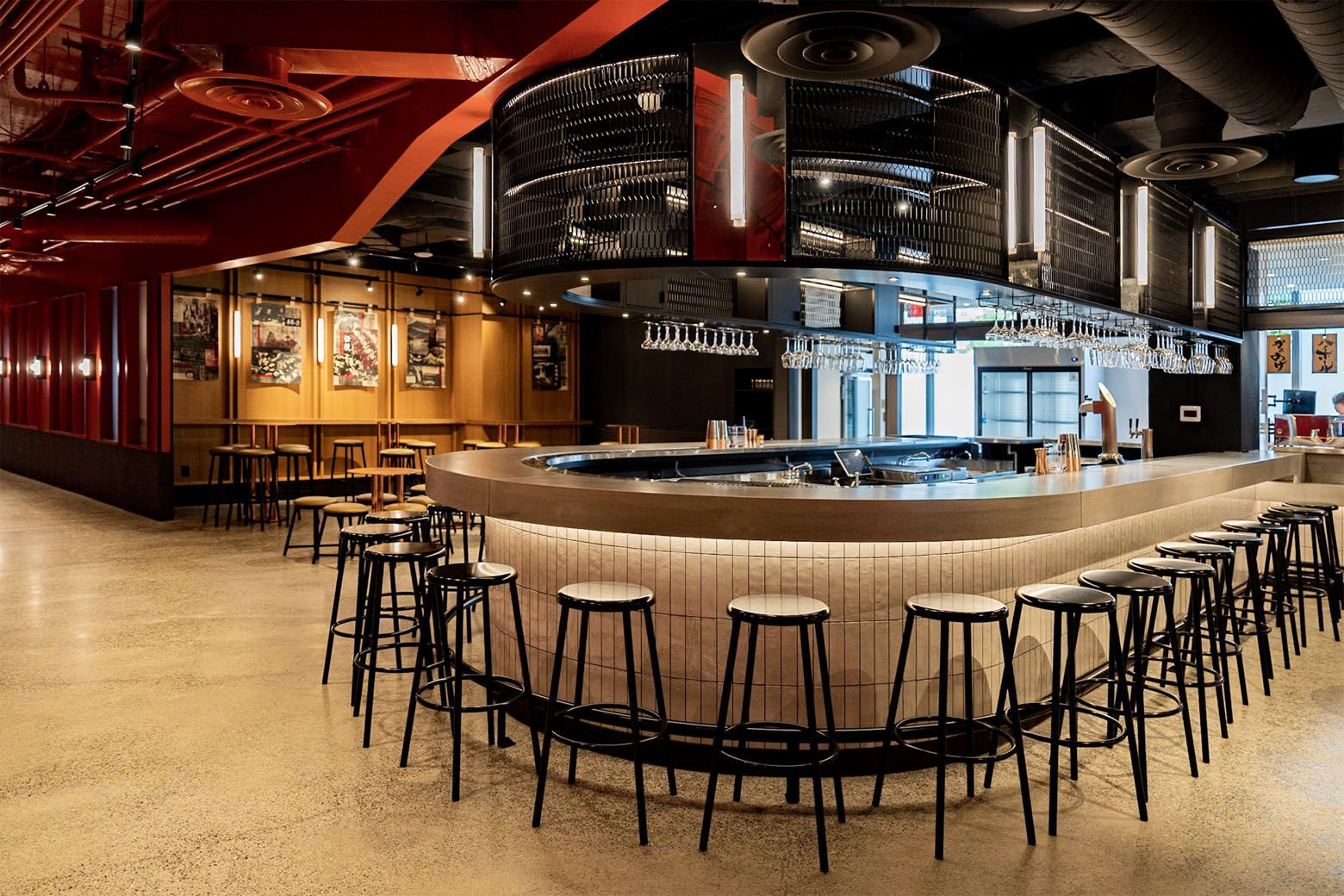
About Sushi Taro
On 17th Street NW, Sushi Taro has anchored Washington's Japanese dining scene for decades, occupying a tier that sits above the city's casual sushi market and aligns with the capital's small cluster of serious omakase destinations. The Dupont Circle address places it within reach of both embassy-row clientele and the politically adjacent professional class that defines this part of the city.
Where Washington's Japanese Dining Tradition Takes Its Most Serious Form
The stretch of 17th Street NW between Dupont Circle and the P Street corridor has long functioned as one of Washington's more dependable dining corridors, lined with independent restaurants that serve a neighborhood demographic ranging from embassy staff to policy professionals to longtime District residents. Within that context, Sushi Taro at 1503 17th St NW represents something specific: a Japanese dining address that has persisted through multiple cycles of the city's restaurant culture, accruing the kind of neighborhood permanence that newer openings in the Penn Quarter or Shaw corridors are still working toward.
Japanese cuisine in the American capital carries a particular cultural weight. Washington's diplomatic infrastructure means the city has long hosted a population with direct ties to Japan, and that audience, alongside the federal professional class, has historically supported a higher floor of quality than most American cities of comparable size. The result is a Japanese dining market that includes serious omakase operations, mid-tier izakaya formats, and the kind of established sit-down sushi restaurant that Sushi Taro represents: a destination that has earned its regulars not through novelty but through consistency over time.
The Cultural Architecture of a Washington Sushi Institution
To understand what a restaurant like Sushi Taro represents in the broader American sushi context, it helps to trace how Japanese dining culture arrived and evolved in U.S. cities. The first wave of American sushi culture in the 1970s and 1980s was largely driven by California-style adaptations that softened Japanese culinary tradition for a domestic palate. The more demanding segment of the market, one that prioritized technique, fish quality, and seasonal awareness, developed later and more unevenly across cities. Washington was among the cities where that shift registered clearly, partly because of its diplomatic ties to Japan and partly because the capital's dining expectations have historically been shaped by an internationally traveled professional class.
In that lineage, the Dupont Circle corridor became one of the neighborhoods where more considered Japanese restaurants could sustain themselves. The clientele in this part of the city tends toward the kind of diner who books in advance, pays attention to provenance, and returns regularly rather than chasing novelty. That behavioral profile supports the kind of restaurant that rewards repeat visits, where the kitchen's seasonal awareness and the service team's knowledge of the menu become as important as the food itself.
Across the United States, the omakase format has bifurcated sharply over the past decade. At one end, high-volume omakase operations with subscription-style booking systems have commoditized the format, turning what was once an expression of a chef's seasonal judgment into a fixed-price conveyor. At the other end, a smaller cohort of counters, often with deep lineage ties to Japan, has maintained the format's original premise: that the meal reflects what the kitchen considers worth eating on that particular day, sourced from suppliers with whom the restaurant has long-standing relationships. Washington has a limited number of venues operating in that second mode, and the serious segment of the city's sushi audience knows which addresses hold that position. For a comparable approach in other American cities, Kumiko in Chicago demonstrates how Japanese drinking and dining traditions can take root in an American urban context with similar depth.
Dupont Circle as a Dining Address
The immediate neighborhood around Sushi Taro has shifted in character over the years. Dupont Circle itself remains one of Washington's more walkable and transit-connected districts, anchored by the Red Line station and surrounded by a density of independent restaurants, wine bars, and specialty food shops that distinguishes it from the more development-driven neighborhoods further east. The residential character of the surrounding streets, with their row houses and smaller apartment buildings, keeps the foot traffic more local than tourist-driven, which tends to support the kind of neighborhood institution that builds its business on return visits rather than first-time diners.
For visitors building a broader Washington itinerary around serious food and drink, the Dupont and Logan Circle area connects easily to the city's stronger cocktail addresses. Allegory operates one of the capital's more technically ambitious bar programs, while Service Bar has built a reputation around whiskey knowledge and a less formal but equally considered approach. Silver Lyan, below the Riggs Hotel, runs a clarified and technique-forward drinks program that positions it alongside the more serious cocktail venues in any American city, and 12 Stories adds another reference point in the city's evolving bar scene. Taken together, Washington's drinking culture has moved well past the power-lunch wine bar model that defined it a generation ago.
For travelers who calibrate their itineraries around bar programs in cities where Japanese culinary influence shapes the drinks as well as the food, Bar Leather Apron in Honolulu operates in a Pacific context where Japanese technique is embedded in the cocktail approach. Similarly, Kumiko in Chicago draws directly on Japanese ingredients and drinking traditions. Beyond those Japanese-adjacent references, the broader American craft cocktail field includes strong regional expressions at Jewel of the South in New Orleans, Julep in Houston, Superbueno in New York City, ABV in San Francisco, and The Parlour in Frankfurt on the Main for European travelers routing through.
How to Approach a Visit
Washington's serious sushi addresses book ahead, and the Dupont Circle location means arriving by Metro (Dupont Circle station, Red Line) is more practical than driving, given the neighborhood's parking constraints. Visitors treating Sushi Taro as a destination meal should confirm current hours and reservation availability directly through the restaurant, as operating formats in this tier of Japanese dining can shift seasonally. For a fuller picture of where Sushi Taro fits within the capital's dining options, see our full Washington, D.C. restaurants guide.
Know Before You Go
- Address: 1503 17th St NW, Washington, DC 20036
- Neighborhood: Dupont Circle
- Getting there: Dupont Circle station (Red Line) is the most direct transit option; street parking in this corridor is limited, particularly on weekday evenings
- Reservations: Contact the restaurant directly to confirm availability and current booking format
- Price tier: Aligns with Washington's upper-mid to premium Japanese dining segment; confirm current pricing with the restaurant
- Dress code: Smart casual is appropriate for this neighborhood and price tier
Frequently Asked Questions
What's the must-try at Sushi Taro?
Sushi Taro is primarily a Japanese restaurant rather than a cocktail destination, so the drink focus is secondary to the food. For the serious cocktail programs in Washington, addresses like Allegory and Silver Lyan are the more appropriate references. At Sushi Taro, the focus is the Japanese food program; confirm the current menu format directly with the restaurant before visiting.
Why do people go to Sushi Taro?
In a city where the Japanese dining market spans everything from fast-casual rolls to serious omakase formats, Sushi Taro occupies the more established, neighborhood-institution end of the spectrum. The Dupont Circle address has built its audience among Washington's diplomatic community, policy professionals, and residents who prioritize consistency over novelty. For a capital city with relatively high dining standards set by an internationally traveled professional class, it represents one of the addresses that has earned its position through longevity rather than marketing.
Is Sushi Taro reservation-only?
As with most Japanese restaurants operating at this price tier in Washington, reservations are the standard approach, particularly for evening sittings. The Dupont Circle location draws both neighborhood regulars and destination diners, so walk-in availability is not reliable. Contact the restaurant directly for current booking procedures, as formats can change seasonally.
How does Sushi Taro fit into Washington's broader Japanese dining scene?
Washington's Japanese dining has been shaped in part by the city's significant diplomatic ties to Japan, which have historically supported a more knowledgeable and demanding customer base than many American cities of comparable size. Sushi Taro, at its 17th Street NW address, sits in the established tier of that scene rather than the newer omakase-counter wave that has expanded in other American cities over the past decade. For travelers calibrating where it sits relative to peers, it functions as a long-standing neighborhood destination with a clientele that values return-visit familiarity alongside food quality.
More bars in Washington DC
- 12 Stories12 Stories sits on the 12th floor of 75 District Square SW in Washington, D.C.'s Southwest Waterfront, making it a strong pick for atmosphere and city views. Book it for dates or casual group outings where setting drives the decision. Wine and cocktail enthusiasts after program depth should pair it with a stop at Press Club or Service Bar.
- 301 Water St SE301 Water St SE earns its place on the Anacostia Waterfront as an easy-to-book, setting-driven bar in D.C.'s Navy Yard corridor. The waterfront position makes it a solid date-night or group drinks stop, especially at dusk on weekends. If a serious cocktail program is your priority, look elsewhere — but for atmosphere without the planning overhead, it delivers.
- 9:30 Club9:30 Club is Washington D.C.'s most reliable live music room, where a $25–$45 ticket plus a few drinks makes for a complete night out. Tickets sell fast on popular shows, so move quickly when a booking drops. If you've been once and liked it, the format holds: get there early, pick your spot, and let the room do the rest.
Related editorial
- Best Fine Dining Restaurants in ParisFrom three-Michelin-star icons to the next generation of Parisian chefs pushing boundaries, these are the restaurants that define fine dining in the world's culinary capital.
- Best Luxury Hotels in RomeFrom rooftop terraces overlooking ancient ruins to Michelin-starred hotel dining, these are the luxury hotels that make Rome unforgettable.
- Best Cocktail Bars in KyotoFrom sleek lounges to hidden speakeasies, Kyoto's cocktail scene blends Japanese precision with global influence in ways you won't find anywhere else.
Save or rate Sushi Taro on Pearl
Keep this venue in your Pearl passport, rate it after you visit, and track it alongside every other place you collect.