
Bar in Washington DC, United States
Sharetea DC Chinatown
100ptsTaiwanese Counter Format
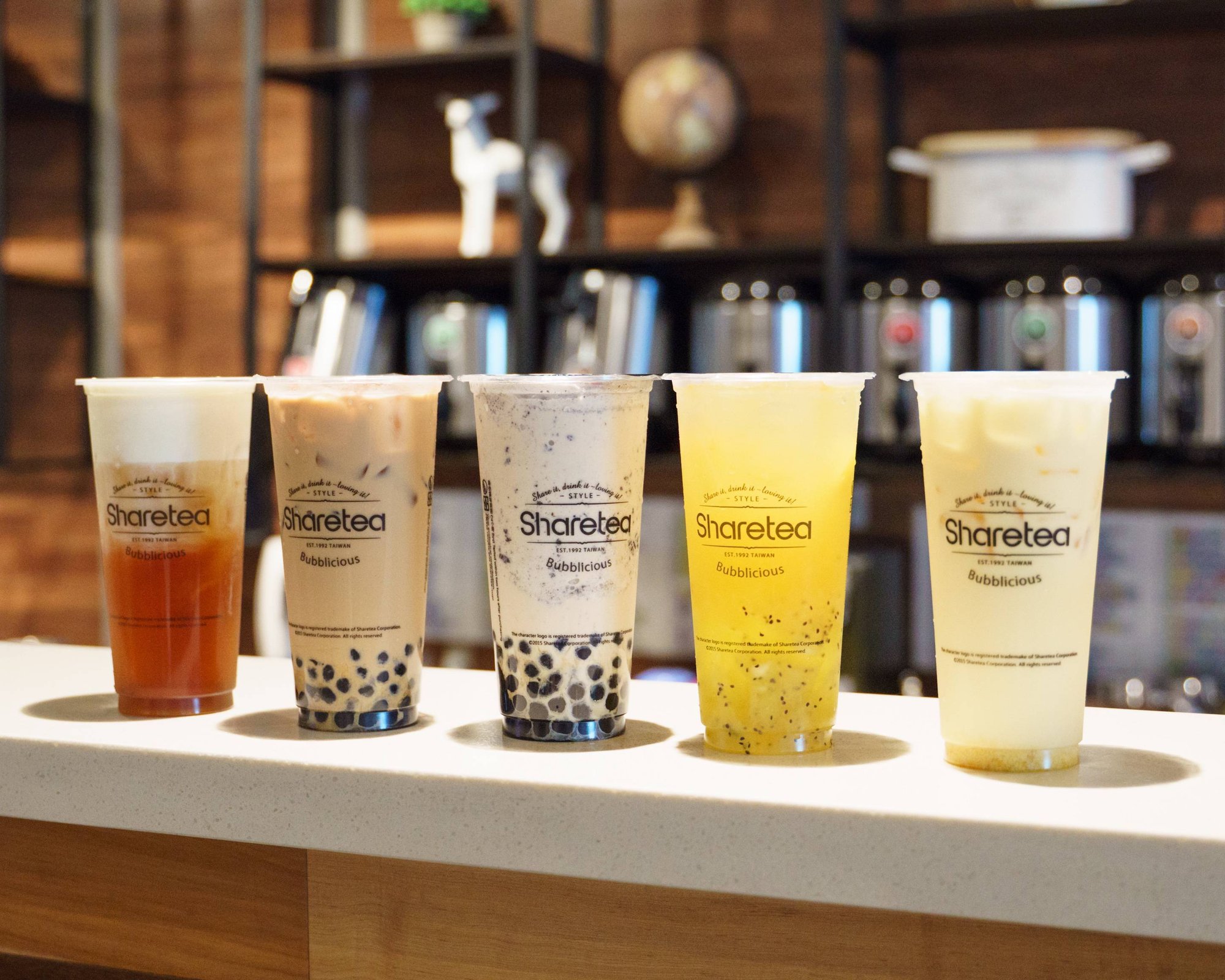
About Sharetea DC Chinatown
Sharetea DC Chinatown sits on H Street NW in one of Washington's most recognizable cultural corridors, bringing the Taiwanese bubble tea chain's standardized menu to a neighborhood defined by its layered identity. For visitors moving through Chinatown before or after exploring the area, it offers a familiar, low-commitment stop in an otherwise eclectic stretch of the city.
H Street and the Shape of D.C.'s Chinatown
Washington's Chinatown occupies a peculiar position among American urban enclaves of its kind. Once a densely Chinese neighborhood centered on H Street NW, it has contracted significantly over the past three decades, leaving a handful of Chinese-character storefronts beside sports bars, fast-casual chains, and tourist-facing retail. What remains is less a working ethnic neighborhood than a symbolic one, where the Friendship Archway at 7th and H still anchors the visual identity even as the surrounding blocks have filled with national brands. Sharetea DC Chinatown, at 519 H St NW, sits squarely in that contested middle ground: a Taiwanese-origin chain occupying space in a neighborhood that has grown more commercially mixed with each passing year.
That context matters for understanding what kind of stop this is. H Street in this stretch functions as a transitional zone between the Penn Quarter's denser foot traffic and the more residential character of the H Street Corridor to the east. Visitors moving between Capital One Arena, the National Portrait Gallery, or the Smithsonian American Art Museum and those eastern neighborhoods pass directly through this block. The physical environment reflects that transit character: the frontage is compact, the format is counter-service, and the pace is oriented around quick turnaround rather than extended stays.
The Atmosphere of a Counter-Service Format in a High-Traffic Corridor
Bubble tea shops in high-footfall urban locations typically operate on a logic of efficiency rather than immersion. The design vocabulary in this category, whether in New York's Flushing, San Francisco's Richmond District, or Chicago's Argyle Street, tends toward bright lighting, minimal seating, branded signage, and a visual menu board that does the heavy lifting. The experience is framed by the customization ritual: choosing tea base, milk type, sugar level, ice level, and topping combination from a matrix of options. The counter becomes the center of gravity, and the physical environment reinforces that the transaction, not the room, is the point.
Sharetea as a brand operates within that format. Founded in Taiwan in 1992, the chain expanded internationally across Asia, Australia, and North America, establishing a standardized approach to Taiwanese-style milk teas, fruit teas, and slush drinks. The menu across its locations follows a recognizable structure, with brown sugar pearl milk tea, taro milk tea, and seasonal fruit-based options appearing as anchor items. The DC Chinatown location fits within that network rather than departing from it, which means the draw is consistency and accessibility rather than neighborhood-specific curation.
For a category that Washington has seen grow considerably over the past five years, the Chinatown positioning places Sharetea in direct proximity to foot traffic that many other bubble tea outposts in the city, including those further north in the Dupont or Columbia Heights areas, don't capture. The Arena district generates consistent pedestrian volume on event days, and the Museums to the south draw a broad cross-section of visitors who may be encountering the format for the first time or returning to a familiar brand from another city.
Bubble Tea in Washington: A Maturing Category
Washington's bubble tea scene has moved well past novelty. The format that arrived in the D.C. area primarily through suburban Maryland and Virginia shopping centers in the early 2000s now has a foothold across multiple neighborhoods, with independent operators and regional chains occupying space alongside international brands. The distinction that increasingly matters in this category is not between bubble tea and other drinks, but between high-customization chain formats and smaller-batch, ingredient-focused shops that source specific tea varieties and use fresh fruit rather than syrup bases.
Sharetea sits in the chain tier of that market, which carries both advantages and limitations. The advantage is predictability: a customer who knows the brand from another city can order with confidence. The limitation is differentiation: in a category where independent operators in cities like New York, Los Angeles, and Houston have pushed toward single-origin teas and seasonal specials, chain formats face harder questions about why a given location merits a detour. In Washington's current market, the answer for this location is largely geographic rather than product-specific.
For visitors with deeper interest in what craft cocktail culture looks like in Washington, the neighborhood itself points toward more considered options nearby. Allegory operates a literary-themed program that has sustained recognition within the city's bar circuit. Service Bar has built a reputation around technically grounded cocktails in a format that values precision. Silver Lyan and 12 Stories represent the city's more design-forward bar programming. These operate in a different register from a bubble tea counter, but they reflect the range of drinking experiences Washington now offers within a relatively compact downtown area.
Beyond Washington, the broader American bar and specialty drinks scene has developed strong regional nodes. Bar Leather Apron in Honolulu, Jewel of the South in New Orleans, Julep in Houston, Kumiko in Chicago, Superbueno in New York City, and ABV in San Francisco each represent the kind of location-specific program that defines the upper tier of American specialty drinks. Internationally, The Parlour in Frankfurt on the Main offers a point of comparison for how European cities are approaching the same shift toward ingredient-led formats. None of these are direct comparisons to a bubble tea chain counter, but they illustrate how far the broader category of specialty non-alcoholic and alcoholic drinks has traveled in a short period.
For a fuller picture of where Washington's eating and drinking scene is heading, the full Washington, D.C. restaurants guide covers the range from neighborhood institutions to newer openings across the city's distinct corridors.
Know Before You Go
- Address: 519 H St NW, Washington, DC 20001
- Neighborhood: Chinatown / Penn Quarter
- Format: Counter-service bubble tea chain
- Booking: Walk-in only; no reservations required or available
- Nearby landmarks: Capital One Arena (one block west), National Portrait Gallery (two blocks south)
- Leading timing: Weekday afternoons tend to be quieter than pre- and post-game Arena windows
Frequently Asked Questions
What should I drink at Sharetea DC Chinatown?
Sharetea's menu across its locations is built around Taiwanese-style milk teas and fruit teas, with brown sugar pearl milk tea and taro milk tea appearing as the most consistent anchor offerings. The customization matrix, covering sugar level, ice level, and topping choice, is the format's defining feature, so arriving with a sense of your preferences on those axes makes the ordering process faster. Seasonal additions vary by location and period.
What's the defining thing about Sharetea DC Chinatown?
The location's most significant characteristic is positional rather than product-specific: it occupies a high-footfall block in Washington's Chinatown corridor, within immediate walking distance of Capital One Arena and two major Smithsonian museums. For visitors already moving through this part of the city, it provides a familiar, low-barrier stop. Pricing sits in the standard range for the chain tier of the bubble tea category in American cities.
What's the leading way to book Sharetea DC Chinatown?
No booking is required or available. This is a walk-in counter-service format. Phone and website details are not confirmed in current venue records, so the most reliable approach is to visit directly. Given the location's proximity to Capital One Arena, expect higher volume on event days and plan accordingly if speed matters.
What's Sharetea DC Chinatown a strong choice for?
If you are already in the Penn Quarter or Chinatown area for museums, an Arena event, or transit through the neighborhood, and you want a quick, customizable cold drink without committing to a sit-down stop, this location fits that brief. It is a practical rather than destination choice, appropriate for the format and the corridor it occupies.
How does Sharetea DC Chinatown fit into Washington's broader bubble tea scene?
Washington's bubble tea market has expanded across neighborhoods from Dupont Circle to Columbia Heights, with independent operators increasingly present alongside chain formats. Sharetea's Chinatown location holds a geographic advantage through its Arena-adjacent positioning, which generates consistent foot traffic that many other locations in the city don't have access to on event days. It operates within the standardized chain tier of the category rather than the independent, ingredient-focused segment that has grown in other parts of the city.
More bars in Washington DC
- 12 Stories12 Stories sits on the 12th floor of 75 District Square SW in Washington, D.C.'s Southwest Waterfront, making it a strong pick for atmosphere and city views. Book it for dates or casual group outings where setting drives the decision. Wine and cocktail enthusiasts after program depth should pair it with a stop at Press Club or Service Bar.
- 301 Water St SE301 Water St SE earns its place on the Anacostia Waterfront as an easy-to-book, setting-driven bar in D.C.'s Navy Yard corridor. The waterfront position makes it a solid date-night or group drinks stop, especially at dusk on weekends. If a serious cocktail program is your priority, look elsewhere — but for atmosphere without the planning overhead, it delivers.
- 9:30 Club9:30 Club is Washington D.C.'s most reliable live music room, where a $25–$45 ticket plus a few drinks makes for a complete night out. Tickets sell fast on popular shows, so move quickly when a booking drops. If you've been once and liked it, the format holds: get there early, pick your spot, and let the room do the rest.
Related editorial
- Best Fine Dining Restaurants in ParisFrom three-Michelin-star icons to the next generation of Parisian chefs pushing boundaries, these are the restaurants that define fine dining in the world's culinary capital.
- Best Luxury Hotels in RomeFrom rooftop terraces overlooking ancient ruins to Michelin-starred hotel dining, these are the luxury hotels that make Rome unforgettable.
- Best Cocktail Bars in KyotoFrom sleek lounges to hidden speakeasies, Kyoto's cocktail scene blends Japanese precision with global influence in ways you won't find anywhere else.
Save or rate Sharetea DC Chinatown on Pearl
Keep this venue in your Pearl passport, rate it after you visit, and track it alongside every other place you collect.