
Bar in Washington DC, United States
Oyster Oyster
100ptsRegional Sustainability Counter
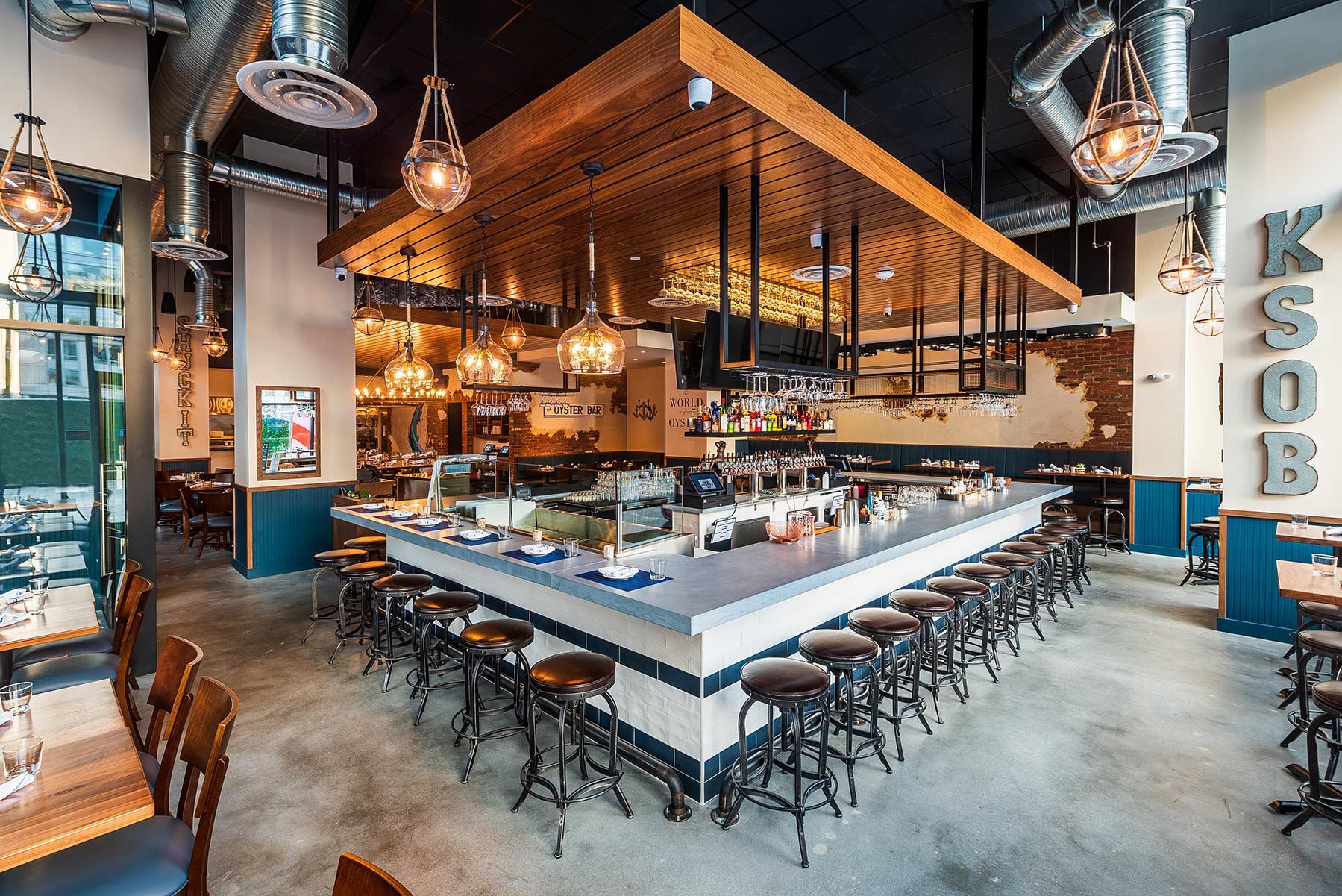
About Oyster Oyster
Oyster Oyster on 8th Street NW has become one of Washington, D.C.'s most talked-about restaurants for its plant-forward, sustainability-driven approach to mid-Atlantic ingredients. The kitchen builds its menu around regional sourcing and waste-reduction principles, placing it in a growing tier of D.C. dining that takes environmental accountability as seriously as technique. Advance reservations are advisable.
Where the Plate Answers to the Region
The Shaw neighbourhood has shifted considerably in the past decade, moving from a cluster of late-night bars to a more considered dining corridor where chefs are asking harder questions about where ingredients come from and what ends up in the bin. Oyster Oyster, at 1440 8th Street NW, sits inside that shift. The address is a converted row-house-scale space, the kind of room where the architecture doesn't compete with the food, and where the absence of maximalist décor reads as a deliberate choice rather than an oversight. In a city where new openings often lead with spectacle, the restraint here signals something about what the kitchen values.
The Sustainability Framework That Defines This Kitchen
Across American dining, a growing cohort of kitchens has moved sustainability from a marketing footnote to a structural principle: menus built around what the region produces rather than what the global supply chain makes available, with procurement decisions that factor in ecological cost. Oyster Oyster belongs to that cohort in a way that goes beyond surface-level claims. The restaurant's plant-forward approach is rooted in mid-Atlantic sourcing, and the commitment to waste reduction shapes the menu at a mechanical level, not just a philosophical one. Offcuts become components. Fermentation extends ingredients across service. Oyster mushrooms, a recurring presence given the name, connect the kitchen to regional agriculture in a way that is legible on the plate rather than buried in a mission statement.
This places Oyster Oyster in an interesting competitive position within D.C. dining. The city's higher-profile tasting menu operations tend to emphasise luxury produce and Chesapeake Bay references as a kind of regional branding. Oyster Oyster's model is narrower and more demanding: it requires the kitchen to find interest and technique within a constrained ingredient set rather than importing excitement from elsewhere. That constraint, when it works, produces cooking that reads as genuinely local rather than locally themed.
What the Drinks Program Reflects
Washington's cocktail scene has matured considerably, with venues like Allegory, Service Bar, and Silver Lyan each staking out distinct technical positions. A fourth entry, 12 Stories, adds to a bar scene that has moved decisively toward intentional, ingredient-led programming. The drinks at Oyster Oyster extend the kitchen's sustainability logic into the glass. Expect fermented and foraged elements, low-waste production methods, and a sourcing framework that mirrors the food menu. This isn't a bar program that happens to sit alongside a restaurant; it's a drinks program designed to reflect the same values as the plate, which gives the overall experience a coherence that is harder to achieve than it sounds.
For comparison points elsewhere in the United States, the approach shares territory with venues like Kumiko in Chicago, where precision and restraint govern the glass, or Bar Leather Apron in Honolulu, where local ingredients define the cocktail canon. Julep in Houston and Jewel of the South in New Orleans represent the American South's contribution to this same ingredient-first movement. In New York, Superbueno and in San Francisco, ABV occupy adjacent territory, while internationally, The Parlour in Frankfurt on the Main demonstrates that this precision-led approach has extended well beyond the United States.
Shaw and the Broader D.C. Dining Context
Shaw's dining identity is still settling. The neighbourhood has the density of options that produces genuine comparison-shopping, which is a useful pressure on individual restaurants. Oyster Oyster's position in the block is not one of neighbourhood anchor in the traditional sense; it is more specialist than that, drawing a guest who has made a specific decision rather than stumbling in from a nearby show. That specificity of audience shapes the room's energy. Weeknight service tends toward a quieter register; weekend tables fill with guests who have planned ahead. For anyone mapping out a broader D.C. itinerary, the full Washington, D.C. restaurants guide provides the wider context for where Oyster Oyster sits relative to the city's other serious dining options.
Planning Your Visit
1440 8th Street NW is accessible via the Shaw-Howard University Metro station on the Green and Yellow lines, a short walk from the restaurant. Given the kitchen's approach to small-batch, regionally sourced ingredients, availability shifts with season and supply, which means the menu you encounter in late spring will look different from an autumn visit. Booking ahead is the practical move; walk-in availability exists but is not reliable for the tasting format. Check the restaurant's current reservation channels directly, as booking methods and operating hours are subject to change. The restaurant's format lends itself to an unhurried pace, so arriving without time pressure makes sense.
Frequently Asked Questions
- What's the must-try cocktail at Oyster Oyster?
- The drinks program follows the same sourcing and waste-reduction principles as the kitchen, which means fermented and foraged elements feature across the list. Rather than a single signature, the strength of the program is its internal consistency: most options on the menu will reflect those values. Ask the floor team what's in season on the drink side, as the most current expression of the program is usually the most interesting.
- Why do people go to Oyster Oyster?
- The draw is a plant-forward tasting experience built around mid-Atlantic ingredients and genuine sustainability principles, in a city where that combination at a serious technical level is still relatively rare. For D.C. diners and visitors, it represents a specific kind of restaurant: one where the environmental framework is load-bearing, not decorative, and where the cooking has to justify that constraint on its own terms.
- Do they take walk-ins at Oyster Oyster?
- Walk-in availability exists but is inconsistent given the tasting format and the restaurant's following in Shaw. The safest approach is to secure a reservation in advance through the restaurant's current booking channel. If you are already in the neighbourhood without a reservation, it is worth asking at the door, but do not organise an evening around that possibility.
- When does Oyster Oyster make the most sense to choose?
- The restaurant is leading suited to guests who want a structured, ingredient-led experience rather than à la carte flexibility. It makes particular sense when the rest of a D.C. itinerary skews toward conventional fine dining, since Oyster Oyster offers a genuinely different register: quieter, more constrained in scope, and more invested in regional ecology than in luxury produce. Spring and autumn visits typically align with the most interesting points in the mid-Atlantic sourcing calendar.
- Is Oyster Oyster worth the prices?
- Without current pricing data to cite, the honest answer is that the value proposition depends on what you are comparing. Within D.C.'s tasting menu tier, Oyster Oyster competes on the strength of its sourcing framework and kitchen discipline rather than on luxury ingredients or a celebrity chef profile. For guests whose priorities align with sustainability and regional cooking at a technical level, the format justifies the spend. For those expecting conventional fine dining signals, the calculus is different.
- Does Oyster Oyster's menu change with the seasons?
- Yes, and more so than at many restaurants of comparable ambition. Because the kitchen's sourcing is genuinely constrained to mid-Atlantic regional supply, the menu shifts as availability shifts, not as a branding decision but as a functional consequence of how procurement works. This means repeat visits across different seasons are likely to produce meaningfully different experiences, which is one of the practical arguments for returning rather than treating a single visit as definitive.
More bars in Washington DC
- 12 Stories12 Stories sits on the 12th floor of 75 District Square SW in Washington, D.C.'s Southwest Waterfront, making it a strong pick for atmosphere and city views. Book it for dates or casual group outings where setting drives the decision. Wine and cocktail enthusiasts after program depth should pair it with a stop at Press Club or Service Bar.
- 301 Water St SE301 Water St SE earns its place on the Anacostia Waterfront as an easy-to-book, setting-driven bar in D.C.'s Navy Yard corridor. The waterfront position makes it a solid date-night or group drinks stop, especially at dusk on weekends. If a serious cocktail program is your priority, look elsewhere — but for atmosphere without the planning overhead, it delivers.
- 9:30 Club9:30 Club is Washington D.C.'s most reliable live music room, where a $25–$45 ticket plus a few drinks makes for a complete night out. Tickets sell fast on popular shows, so move quickly when a booking drops. If you've been once and liked it, the format holds: get there early, pick your spot, and let the room do the rest.
Related editorial
- Best Fine Dining Restaurants in ParisFrom three-Michelin-star icons to the next generation of Parisian chefs pushing boundaries, these are the restaurants that define fine dining in the world's culinary capital.
- Best Luxury Hotels in RomeFrom rooftop terraces overlooking ancient ruins to Michelin-starred hotel dining, these are the luxury hotels that make Rome unforgettable.
- Best Cocktail Bars in KyotoFrom sleek lounges to hidden speakeasies, Kyoto's cocktail scene blends Japanese precision with global influence in ways you won't find anywhere else.
Save or rate Oyster Oyster on Pearl
Keep this venue in your Pearl passport, rate it after you visit, and track it alongside every other place you collect.