
Bar in Vienna, Austria
Schlossquadrat
100ptsMargareten Neighbourhood Kitchen
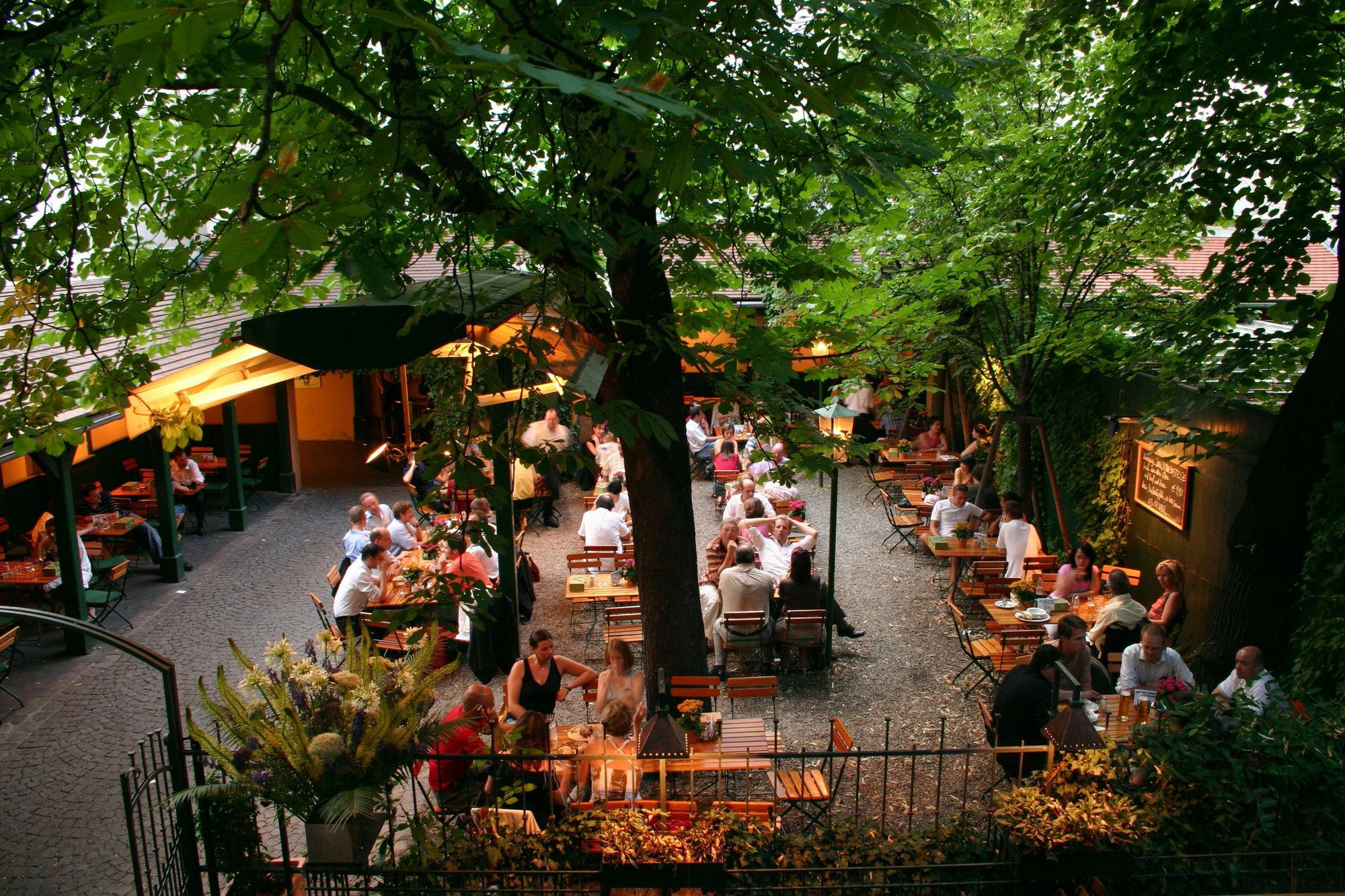
About Schlossquadrat
Schlossquadrat occupies a quiet address in Vienna's 5th district, where the city's mid-ring neighbourhoods are quietly redefining what a serious local dining room looks like. Set on Schlossgasse in Margareten, it draws a neighbourhood crowd that expects both ingredient rigour and a lack of ceremony, placing it in a different register from the grand-format restaurants of the Innere Stadt.
Margareten and the Case for the Fifth District
Vienna's dining conversation still gravitates toward the Innere Stadt and its Michelin-mapped corridors, but the 5th district has been running its own parallel programme for years. Margareten sits just south of the Naschmarkt axis, close enough to benefit from the market's supplier networks, far enough removed to operate without the tourist-facing pressures that shape menus elsewhere. Schlossgasse, where Schlossquadrat sits at number 21, is the kind of street that does not announce itself. That is broadly the point. The neighbourhood rewards those who read a city at pavement level rather than from a highlights map.
The broader pattern across Vienna's outer districts is a shift away from the Beisl-or-Haube binary. A generation of operators is working the middle register: rooms with genuine kitchen ambition that price and present themselves for regulars rather than occasion dining. Schlossquadrat belongs to that movement, and the Schlossgasse address locates it precisely in the part of Vienna where that shift is most legible. For context on how other operators are working similar territory across the city, the full Vienna restaurants guide maps the category in more detail.
The Sourcing Logic Behind Fifth-District Kitchens
Any serious discussion of where Vienna's neighbourhood restaurants are heading has to pass through the Naschmarkt question. The market, a ten-minute walk from Schlossgasse, remains one of Central Europe's most functional daily produce markets rather than a tourist spectacle — though that distinction is narrowing. Kitchens in Margareten and the adjoining 6th district have historically used the market as a supply anchor in a way that larger, more logistically complex operations cannot. The proximity matters because it allows kitchens to respond to what is actually good on a given morning rather than working from fixed supplier contracts weeks out.
Austrian seasonal eating has its own internal calendar. Late spring brings asparagus from the Marchfeld, the flat agricultural plain east of Vienna that supplies much of the city's white spargel crop during a window that rarely extends beyond six weeks. Summer pushes stone fruit from the Wachau and the Vienna Woods foothills. Autumn is pumpkin and game, the Steirischer Kürbis having protected designation status as a regional product. Winter closes around root vegetables, cured meats, and fermented preparations that reflect the longer preservation tradition in alpine-adjacent Central European cooking. A kitchen operating with seasonal integrity has a fundamentally different menu shape in February than in July, and that rhythm is more visible in neighbourhood rooms than in formats built around year-round consistency.
For those travelling through Austria and wanting to understand how sourcing logic shifts by region, Landhauskeller in Graz offers a useful Styrian counterpoint, where pumpkin-seed oil and local game frame an entirely different regional pantry. Further west, Augustiner Bräu Mülln in Salzburg shows how Bavaria-influenced brewing culture shapes a different kind of local hospitality economy.
What the Room Signals
Atmospheric cues in Viennese neighbourhood dining rooms tend to communicate through restraint. The Gründerzeit building stock in Margareten produces high-ceilinged spaces with plaster detailing that operators either lean into or strip back, and the choice reads as a positioning decision as much as an aesthetic one. Rooms that preserve the period fabric tend to attract a crowd that treats the space as a continuation of the neighbourhood rather than a departure from it. That is the register Schlossquadrat operates in, based on its address and the character of the surrounding block.
The 5th district's dining rooms are, broadly, earlier in their evening arc than the Innere Stadt equivalent. Neighbourhood traffic peaks earlier, the pace is less ceremonial, and the expectation of a drawn-out multi-hour format is lower. That suits the style of cooking that thrives in this part of Vienna: direct, seasonal, and more interested in what the ingredient is doing than in what the kitchen is doing to it.
Vienna's bar and drinks scene in the same districts follows a similar logic. Amerlingbeisl in the 6th and Bar Tabacchi operate in adjacent territory, each occupying a specific position in the neighbourhood drinks hierarchy. Across the canal, 25hours Hotel Vienna at MuseumsQuartier anchors a different, hotel-led tier that draws both residents and visitors looking for a more designed environment. For something that shifts the mood toward water and open air, Alte Donau on Vienna's northeastern edge offers a summer counterpoint that the central districts cannot replicate.
Placing Schlossquadrat in the Peer Set
Within Vienna's neighbourhood restaurant category, the competitive set is increasingly defined by a cluster of small operators in the 4th, 5th, and 7th districts working without the infrastructure of a group or a hotel kitchen behind them. These are rooms where the chef and the floor operate in close proximity to the guest, where the wine list is short by design and changes more frequently than the food menu, and where the guest relationship is built over repeat visits rather than one-time occasion dining. Schlossquadrat's Schlossgasse address places it squarely in that cohort.
For comparison across Austria's other cities and regions, Carinthia Weinbar in Velden am Wörthersee shows how lakeside Carinthia has developed its own wine-forward neighbourhood format, while Hotel Schwarzer Adler Innsbruck represents the Tyrolean approach to combining hospitality and regional identity. The contrast between Vienna's density-driven neighbourhood scene and the alpine formats is instructive: the sourcing pressures, the guest mix, and the seasonal rhythms are fundamentally different. Achen Lake in Eben Am Achensee extends that alpine register into a lakeside setting that has little in common with the Naschmarkt axis. And for a more international frame of reference, Red Bull Hangar-7 in Himmelreich and Bar Leather Apron in Honolulu sit at the far end of the format spectrum, where spectacle and technical ambition dominate in ways that neighbourhood rooms deliberately avoid.
Planning Your Visit
Schlossquadrat is at Schlossgasse 21 in Vienna's 5th district, reachable via the U4 line to Pilgramgasse or the U1 to Südtiroler Platz, with a short walk from either stop through characteristic Margareten residential streets. Booking details, current hours, and menu information are leading confirmed directly, as neighbourhood rooms in this district operate on schedules that shift with the season and staff capacity. The autumn and early winter window, roughly October through December, is when the regional sourcing logic is at its most expressive, with game, root preparations, and fermented elements coming into their own.
Frequently Asked Questions
- What should I expect atmosphere-wise at Schlossquadrat?
- Schlossquadrat sits in Margareten, a working residential district of Vienna where the dining room format is built around regulars rather than occasion visitors. Expect the kind of room where the plaster detailing of the Gründerzeit building fabric does the decorative work, the pace is unhurried without being slow, and the crowd skews local. It occupies a similar register to the neighbourhood-serious rooms that have emerged across the 4th, 5th, and 7th districts over the past decade.
- What do regulars order at Schlossquadrat?
- Without confirmed menu data it would be speculative to name dishes, but the kitchen's position in Margareten, close to the Naschmarkt supply chain, suggests a seasonal programme that follows the Austrian calendar closely. In practice, that means the menu in April looks different from the menu in November, and regulars tend to order around whatever the kitchen is leading with on a given week rather than returning to fixed signatures.
- What is Schlossquadrat leading at?
- Based on its address and the character of the neighbourhood dining category it occupies, Schlossquadrat operates in the register where ingredient sourcing and seasonal responsiveness matter more than format complexity. Vienna's 5th district has developed a specific competence in this kind of cooking, one that competes on produce quality and kitchen judgement rather than on multi-course architecture or wine list length.
- What is the leading way to book Schlossquadrat?
- Current booking channels are not listed in our database. The most reliable approach is to check directly via search for current contact details, as neighbourhood rooms in Margareten tend to take reservations by phone or email rather than through third-party platforms. Given the district's growing reputation, booking ahead for weekend evenings is advisable, particularly during the autumn season when the sourcing calendar is at its most active.
- Is a night at Schlossquadrat worth it?
- The value calculation at a Margareten neighbourhood room is different from an Innere Stadt occasion dinner. You are paying for proximity to the market supply chain, a room that functions as a genuine local institution rather than a destination format, and cooking that follows the Austrian seasonal calendar without ceremony. For visitors who want to understand how Vienna actually eats rather than how it performs for guests, that is a meaningful trade.
- How does Schlossquadrat fit into Vienna's broader neighbourhood dining scene compared to Michelin-listed alternatives?
- Vienna's Michelin map is concentrated in the 1st district and a handful of inner-ring addresses, where the formats are larger and the guest mix includes a higher proportion of destination visitors. Schlossquadrat operates in the neighbourhood tier below that ceiling, in a district that has developed its own dining identity around the Naschmarkt supply axis and the Gründerzeit building stock of Margareten. For a city with Austria's depth of regional produce, that neighbourhood tier often provides a more direct encounter with seasonal cooking than the occasion-dining format at the leading of the Michelin bracket.
Related editorial
- Best Fine Dining Restaurants in ParisFrom three-Michelin-star icons to the next generation of Parisian chefs pushing boundaries, these are the restaurants that define fine dining in the world's culinary capital.
- Best Luxury Hotels in RomeFrom rooftop terraces overlooking ancient ruins to Michelin-starred hotel dining, these are the luxury hotels that make Rome unforgettable.
- Best Cocktail Bars in KyotoFrom sleek lounges to hidden speakeasies, Kyoto's cocktail scene blends Japanese precision with global influence in ways you won't find anywhere else.
Save or rate Schlossquadrat on Pearl
Keep this venue in your Pearl passport, rate it after you visit, and track it alongside every other place you collect.